01
Green looping form
On the far left, a thick green line folds back and forth like a maze or a tree. Pale yellow marks run through it, and the bright color pops against the white wall.
1 of 5 on the painting
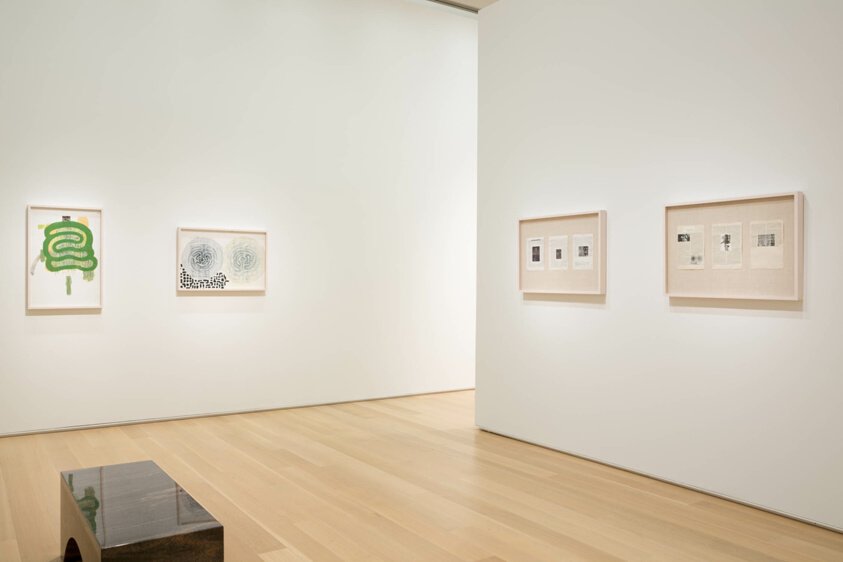
“Stop and look at this layered installation, "Wu Street," where found paintings and magazine clippings merge into a fragmented vision of an urban environment. It's a fascinating commentary on how images construct our reality.”
This installation, titled "Wu Street," invites you to peer into a fragmented urban landscape, a collage of found oil paintings, photographs, and magazine pages. Xu Bing created this work in 1993, assembling scenes that feel both familiar and disorienting. You see traditional landscape elements, perhaps from discarded amateur paintings, alongside photographic reproductions and printed text. The artist has deliberately obscured and recontextualized these elements, creating a sense of a city street that is constantly being built and dismantled, much like memory itself. The interplay between the painted and the printed, the original and the reproduction, challenges our perception of authenticity and the way images shape our understanding of the world around us. It’s a reflection on how mass media and personal experience merge in the modern urban environment.
Five details hide in plain sight. Pick one and we’ll show you exactly where to look.
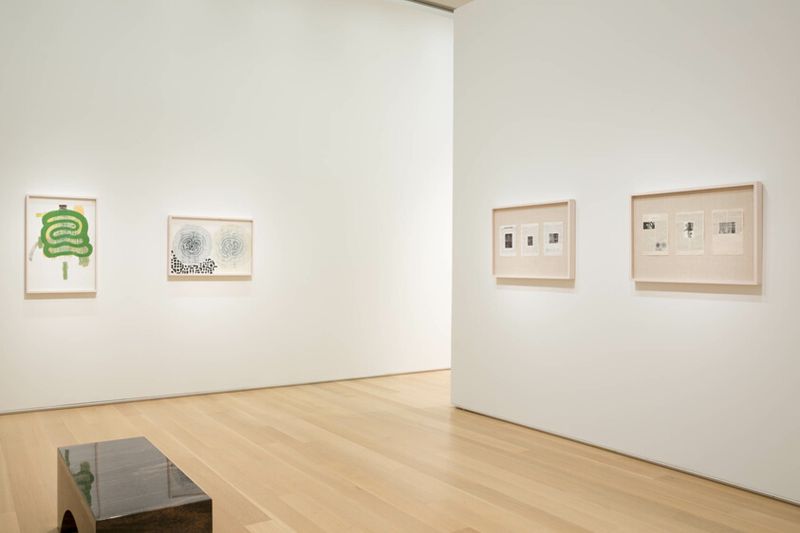
On the far left, a thick green line folds back and forth like a maze or a tree. Pale yellow marks run through it, and the bright color pops against the white wall.
Two round, ring-patterned shapes sit side by side in soft gray-blue, a bit like fingerprints or tree rings. Their edges look soft and faded.
In the lower left corner of this frame, small black marks crowd together in a grid that breaks apart. It is a sharp, busy contrast to the soft swirls beside it.
In the nearer frame on the right, three small paper pieces float on a linen-colored mat. Each holds a tiny dark image, so you have to step close to read them.
The larger frame on the far right repeats the three-panel rhythm with bigger, uneven sheets of paper. The wide spaces between them make you read the layout like a sequence.
The full narration walks you through Wu Street — the story behind it, the details most visitors miss, and why it matters. Free in the Art Whisper app.
Beyond Bing: works from the same years.
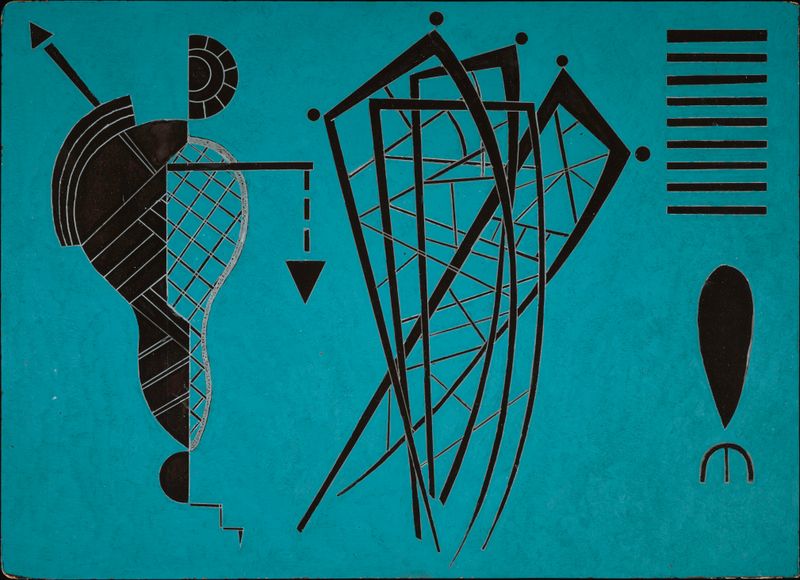 Same era · 1970s–2000s
Unfinished painting
Keith Haring · 1989
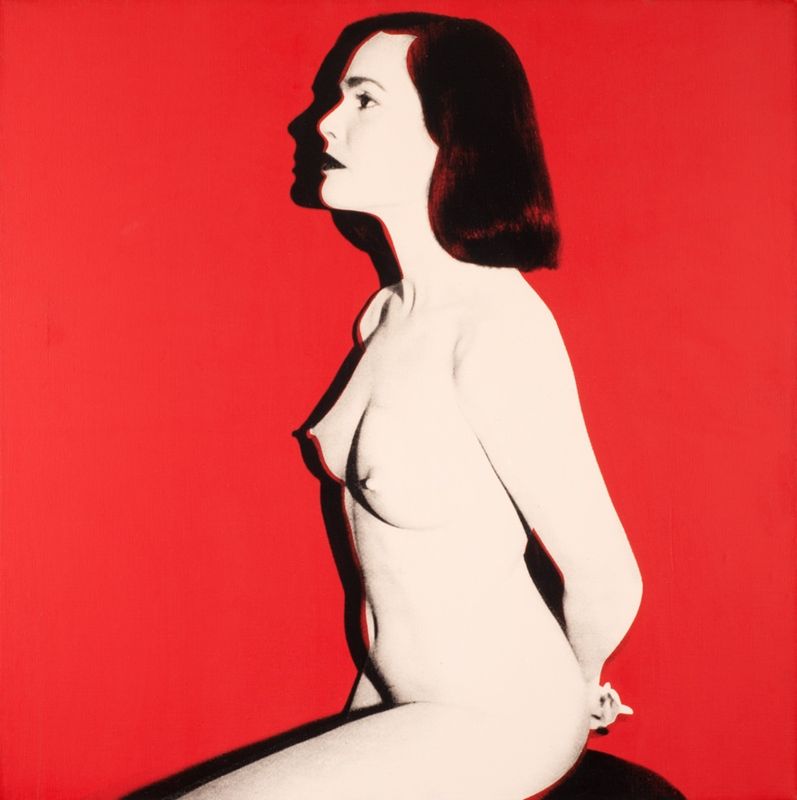 Same era · 1970s–2000s
Pat Hearn
Andy Warhol · 1985 · Art Institute of Chicago
 Same era · 1970s–2000s
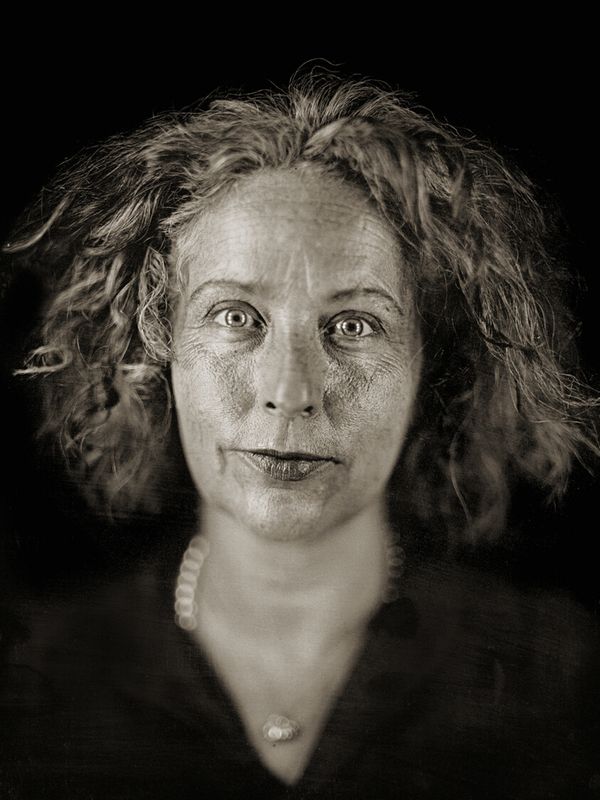
Kiki (Smith)
Chuck Close · 2000 · Art Institute of Chicago
 Same era · 1970s–2000s
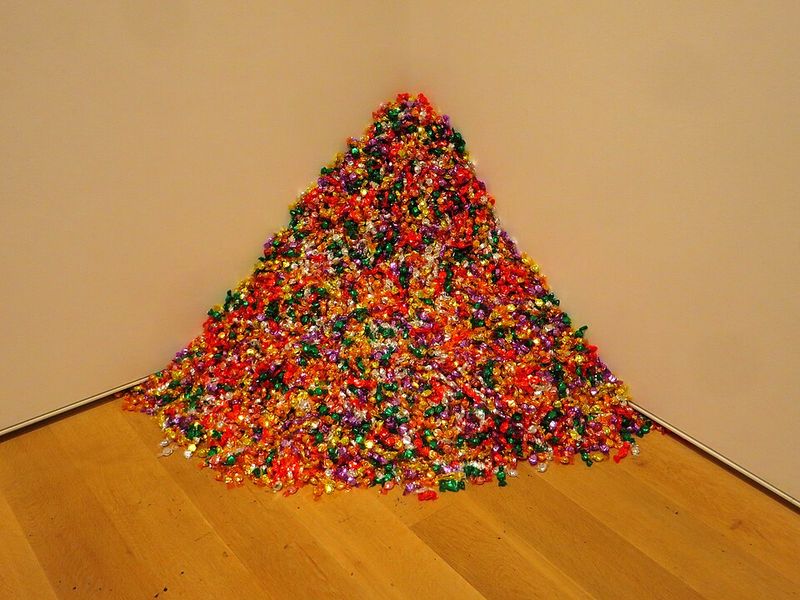
Untitled (Portrait of Ross in L.A.)
Félix González-Torres · 1991
 Same era · 1970s–2000s
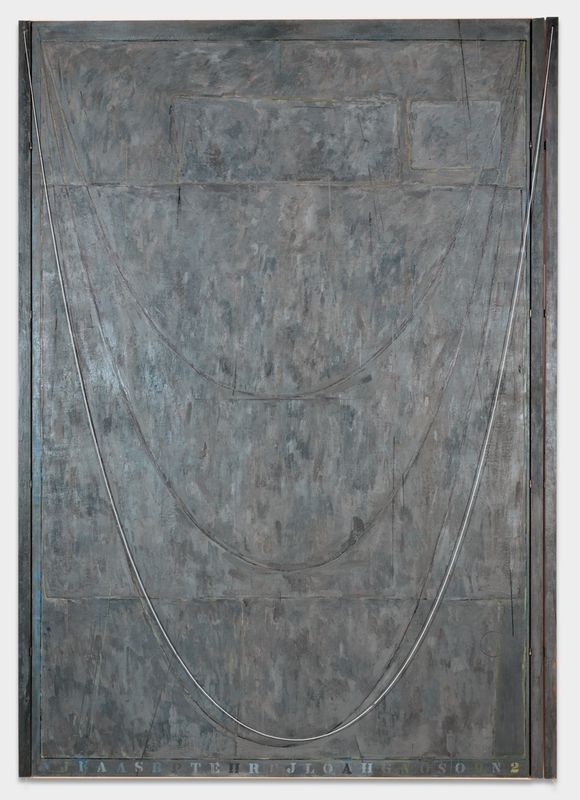
Near the Lagoon
Jasper Johns · 2002 · Art Institute of Chicago
 Same era · 1970s–2000s
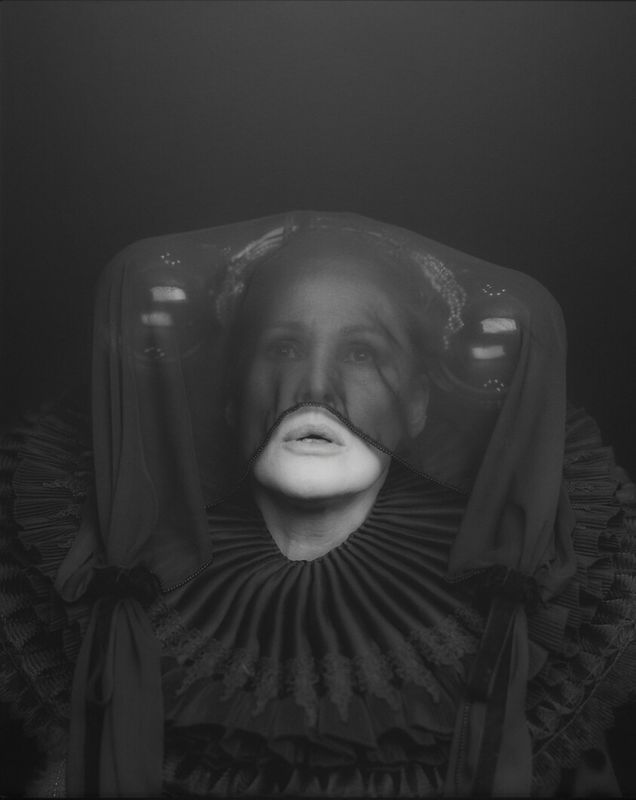
Cremaster 5: The Queen of Chain
Matthew Barney · 1997 · Art Institute of Chicago
 Same era · 1970s–2000s
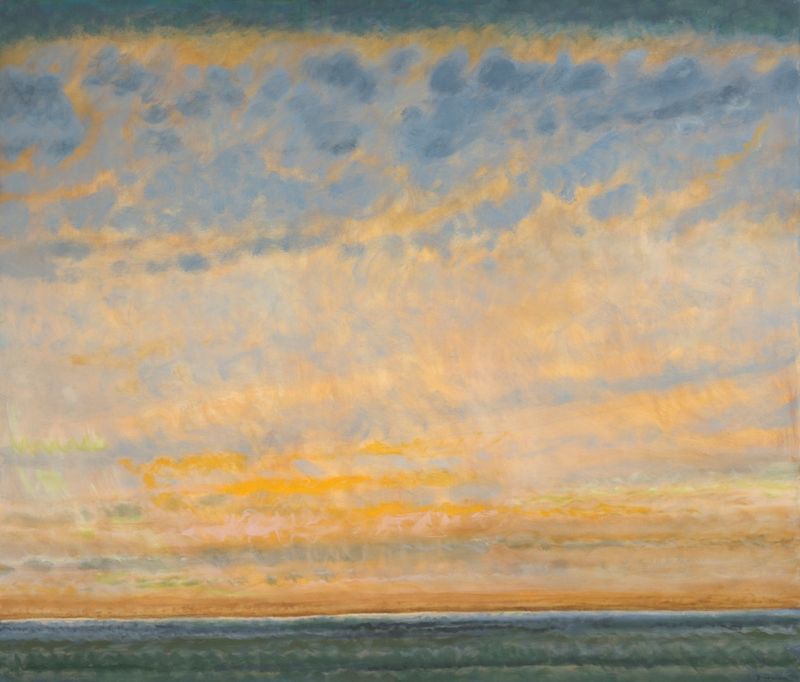
American Horizon
Jane Wooster Scott · 2000 · Art Institute of Chicago
 Same era · 1970s–2000s
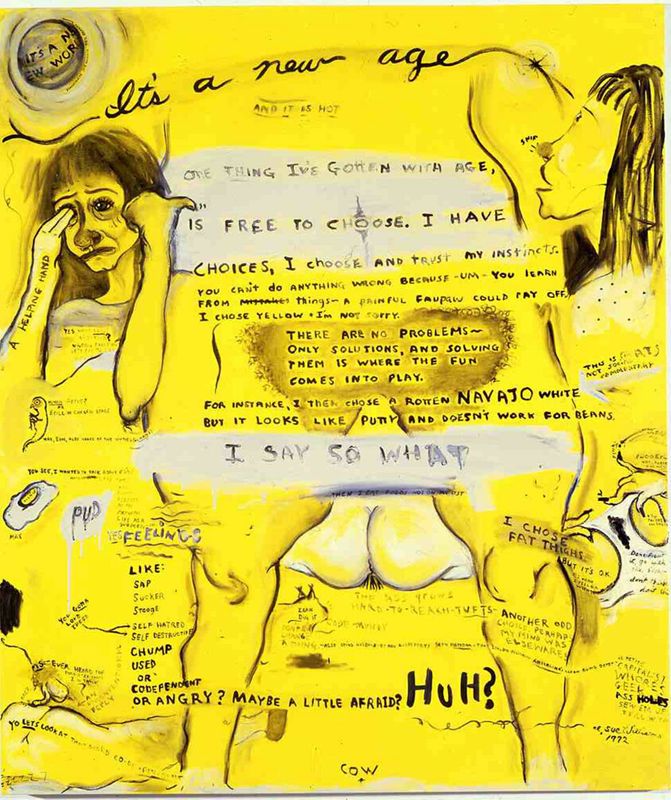
It's a New Age
William Hook · 1992 · Art Institute of Chicago
 Same era · 1970s–2000s
Cremaster 2: Deseret
Birgit Cullberg · 1999 · Art Institute of Chicago
 Same era · 1970s–2000s
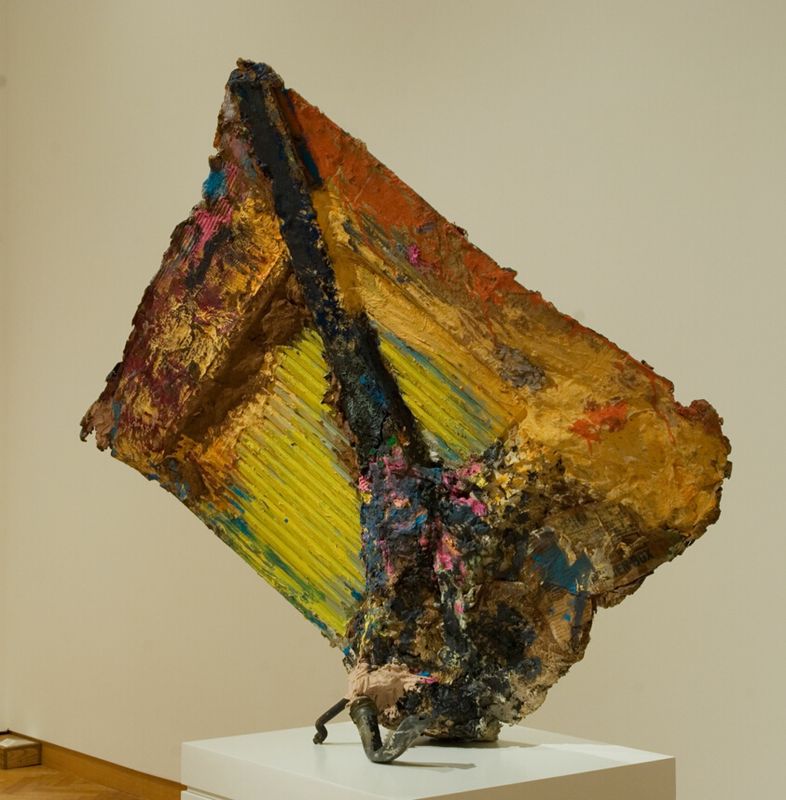
Krach
Philip West · 1987 · Art Institute of Chicago
 Same era · 1970s–2000s
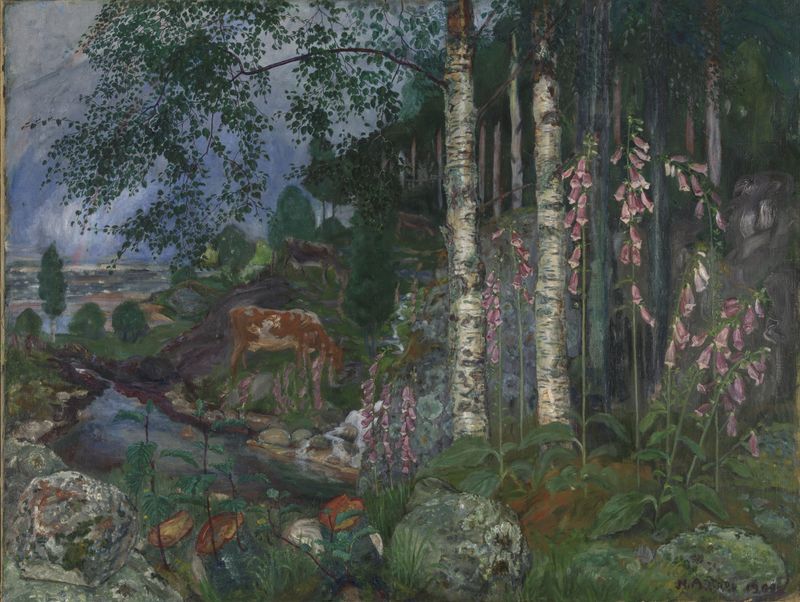
Foxgloves
Michele Elizabeth Field · 2004 · Oxford University Hospitals NHS Foundation Trust
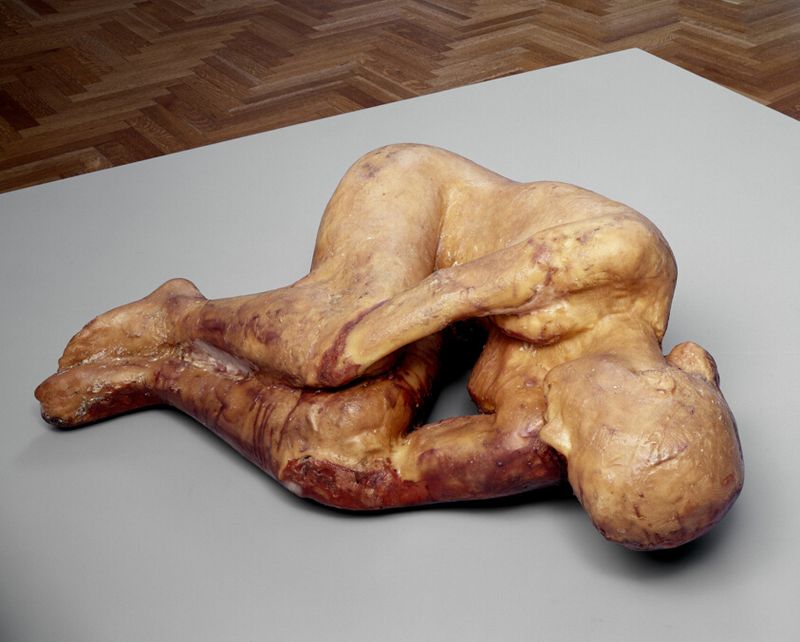 Same era · 1970s–2000s
Blood Pool
Kiki Smith · 1992 · Art Institute of Chicago
