01Whole painting
Curled fetal pose
The figure curls on its side with knees drawn up and head bowed. The pose can read as sleep, collapse, or a body curled in on itself.

“Stop and look at this unsettling wax figure, curled on the ground. Its raw physicality and exposed form invite reflection on vulnerability, disease, and the human body's complex meanings.”
A figure lies curled on the floor, its form made from wax, gauze, and pigment. This sculpture, "Blood Pool," challenges traditional ideas of human representation by focusing on the body as a site of biological and social struggle. The wax, a material known for its malleability, gives the figure a startlingly flesh-like texture and color. While the artist used casts of live models as a starting point, the figure's fetal pose and exposed spine transform it into a primal symbol. It invites viewers to consider themes of individual and collective health, disease, and the complex realities of life and death, particularly resonating with the dual potential of human blood during the AIDS era.
Five details hide in plain sight. Pick one and we’ll show you exactly where to look.
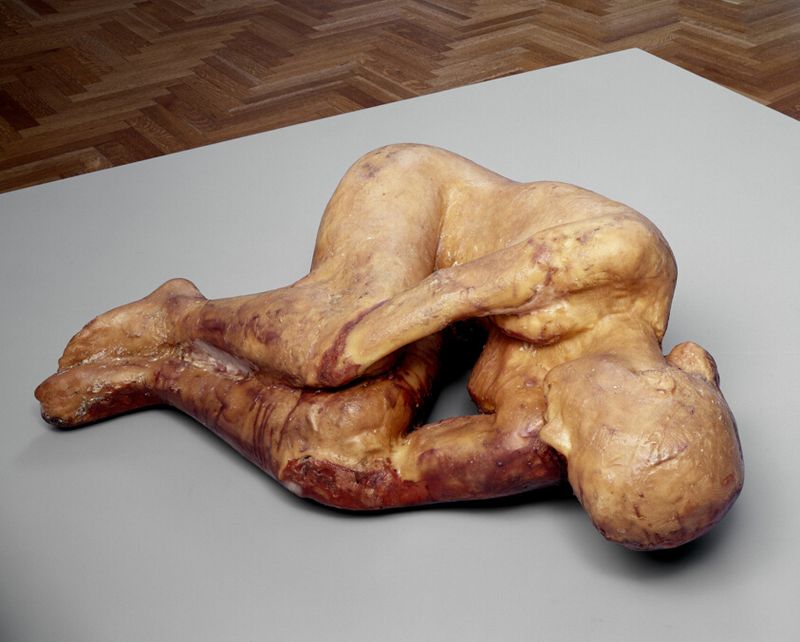
The figure curls on its side with knees drawn up and head bowed. The pose can read as sleep, collapse, or a body curled in on itself.
The smooth, hairless head drops forward toward the floor, and no face can be seen. With the face hidden, the figure feels anonymous and vulnerable.
Look across the shoulder and upper arm, where the pale yellow wax is wrinkled and lumpy like stretched skin. The wax holds the look of living flesh, yet it feels fragile.
The lower leg and forearm near the bottom are stained deep red-brown, like dried blood. The color echoes the title and suggests injury or illness.
The figure lies directly on a low gray platform, with the wood parquet floor beyond it. Seen from above, it looks like something that has fallen or been set down.
The full narration walks you through Blood Pool — the story behind it, the details most visitors miss, and why it matters. Free in the Art Whisper app.
Kiki Smith is a German-born American artist known for her visceral explorations of the human body and its relationship to nature.
Beyond Smith and Postmodernism: works from the same years.
 Same era · 1970s–2000s
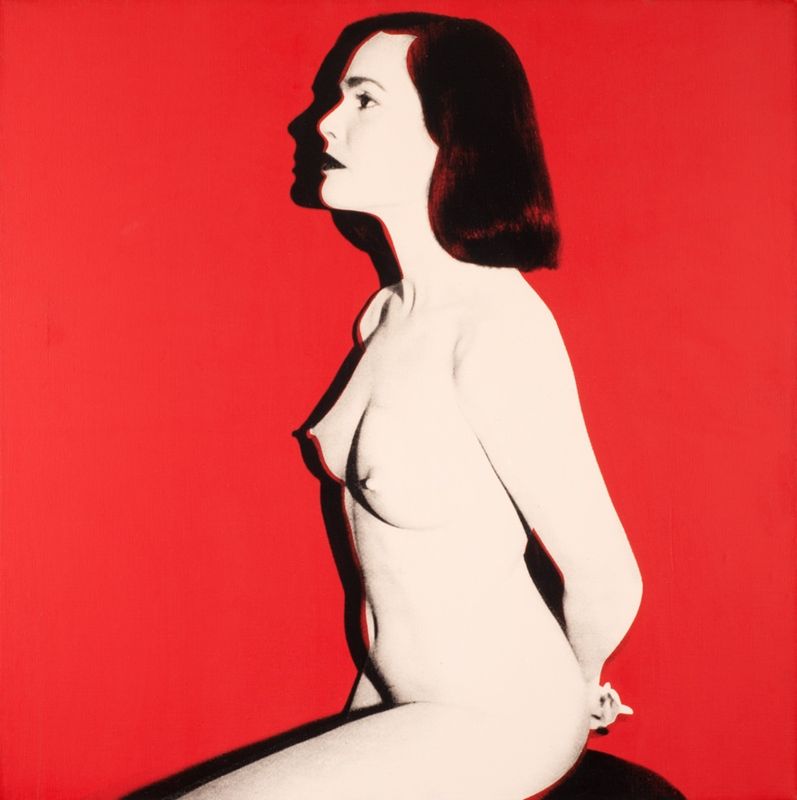
Pat Hearn
Andy Warhol · 1985 · Art Institute of Chicago
 Same era · 1970s–2000s
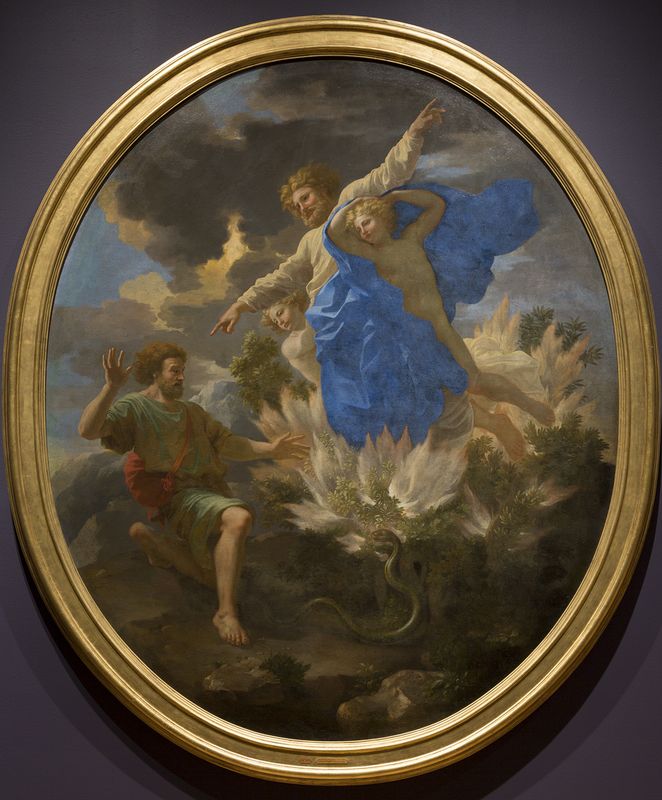
Moses and the Burning Bush
Keith Haring · 1985 · Crystal Bridges Museum of American Art
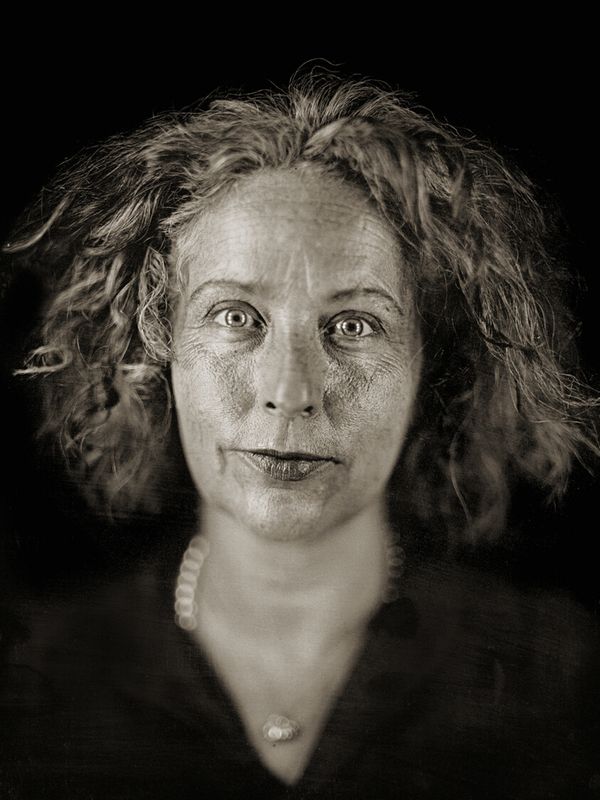 Same era · 1970s–2000s
Kiki (Smith)
Chuck Close · 2000 · Art Institute of Chicago
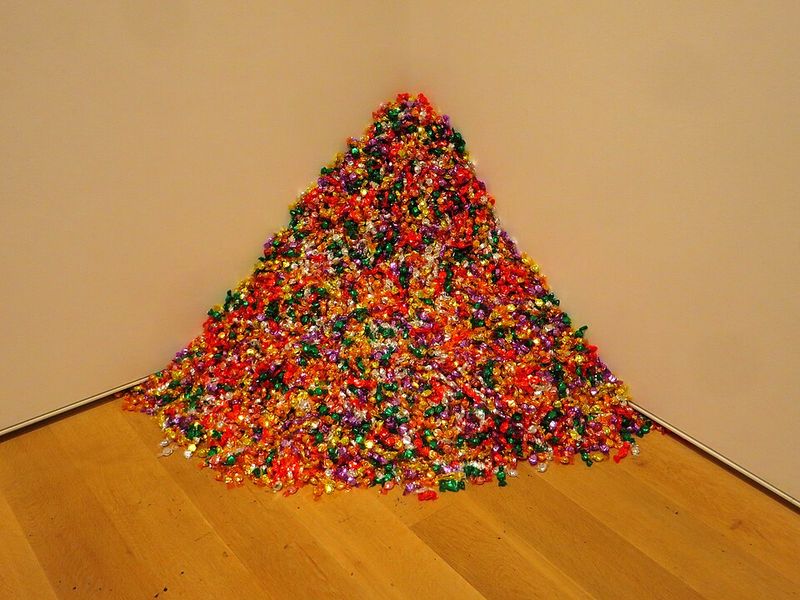 Same era · 1970s–2000s
Untitled (Portrait of Ross in L.A.)
Félix González-Torres · 1991
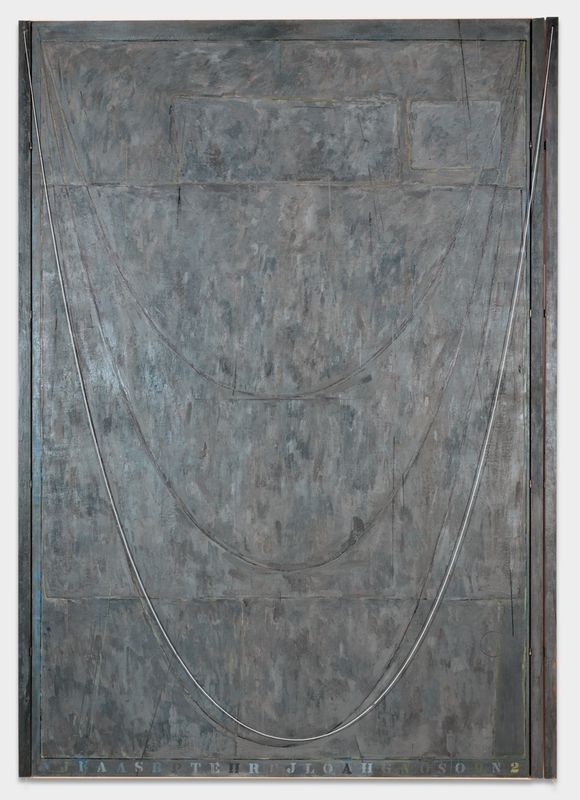 Same era · 1970s–2000s
Near the Lagoon
Jasper Johns · 2002 · Art Institute of Chicago
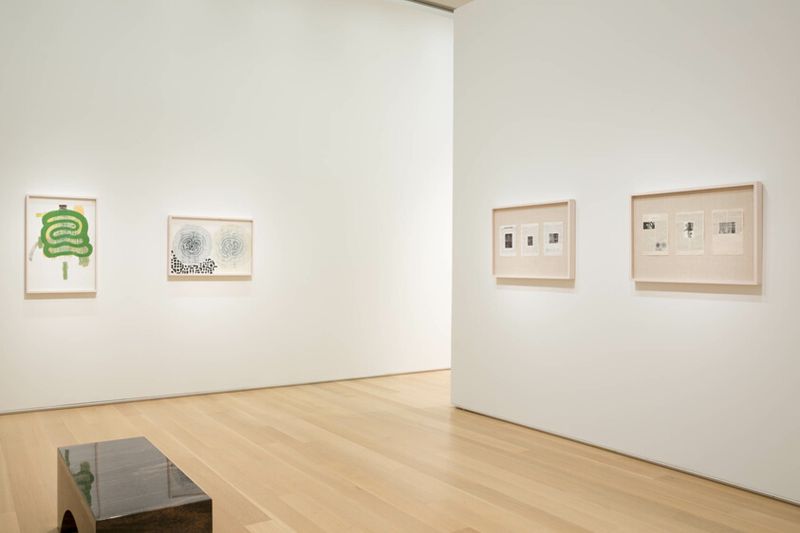 Same era · 1970s–2000s
Wu Street
Xu Bing · 1993 · Art Institute of Chicago
 Same era · 1970s–2000s
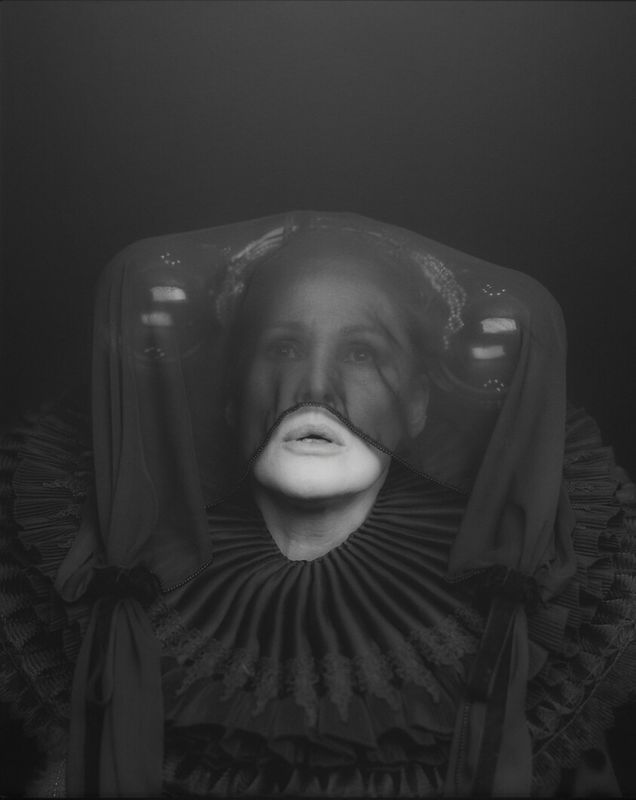
Cremaster 5: The Queen of Chain
Matthew Barney · 1997 · Art Institute of Chicago
 Same era · 1970s–2000s
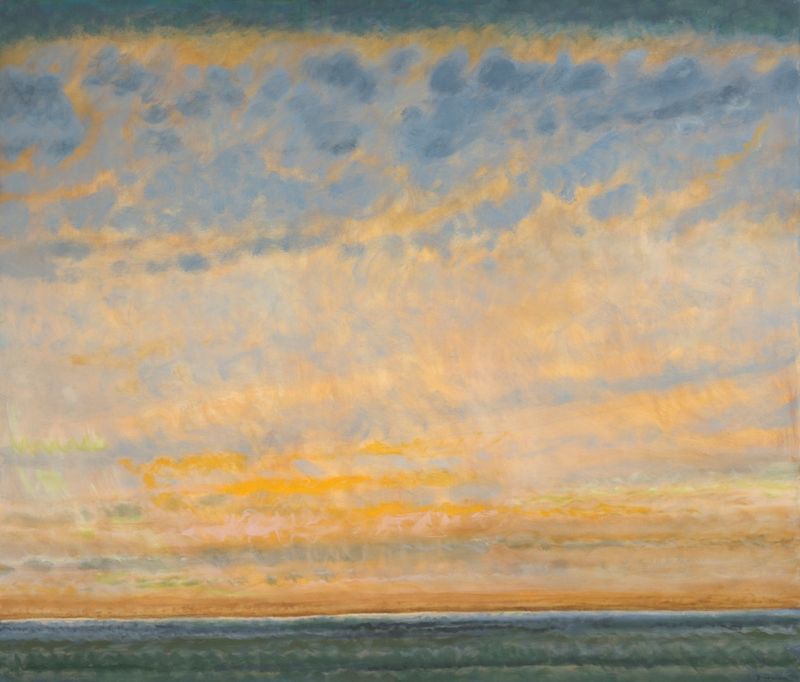
American Horizon
Jane Wooster Scott · 2000 · Art Institute of Chicago
 Same era · 1970s–2000s
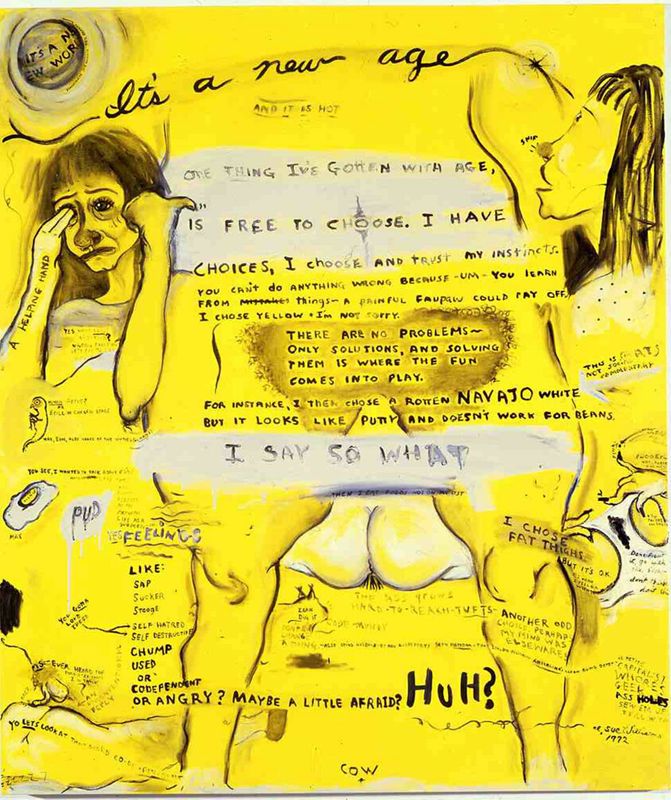
It's a New Age
William Hook · 1992 · Art Institute of Chicago
 Same era · 1970s–2000s
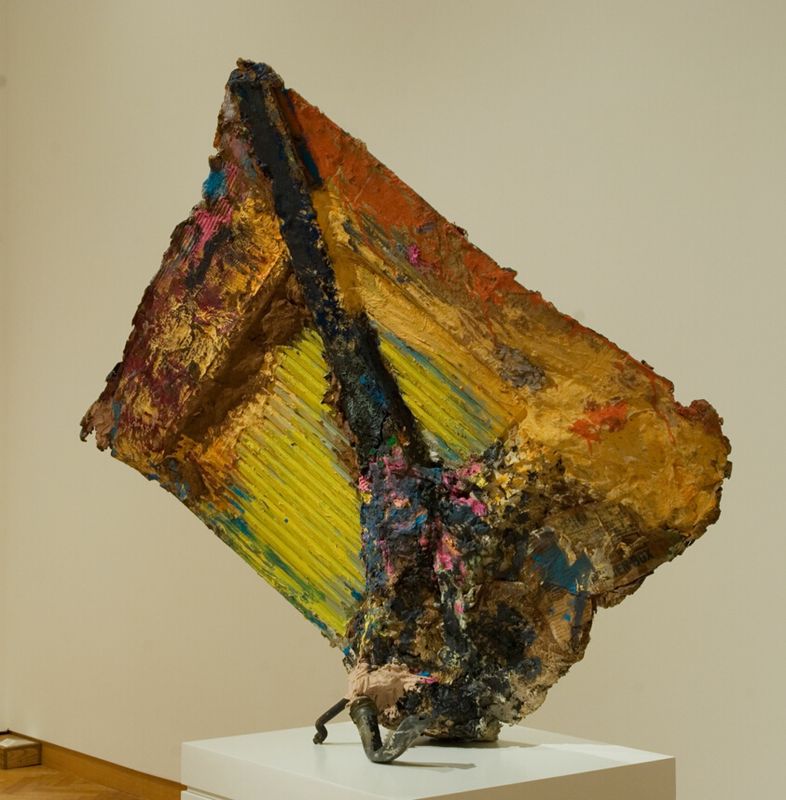
Krach
Philip West · 1987 · Art Institute of Chicago
 Same era · 1970s–2000s
Cremaster 2: Deseret
Birgit Cullberg · 1999 · Art Institute of Chicago
 Same era · 1970s–2000s
White Lilies
Michele Elizabeth Field · 2004 · Oxford University Hospitals NHS Foundation Trust