01
The calm gaze
Find the face at the top. Her direct, composed look and the cool, smooth skin make her feel present and still against the busy leaves.
1 of 5 on the painting
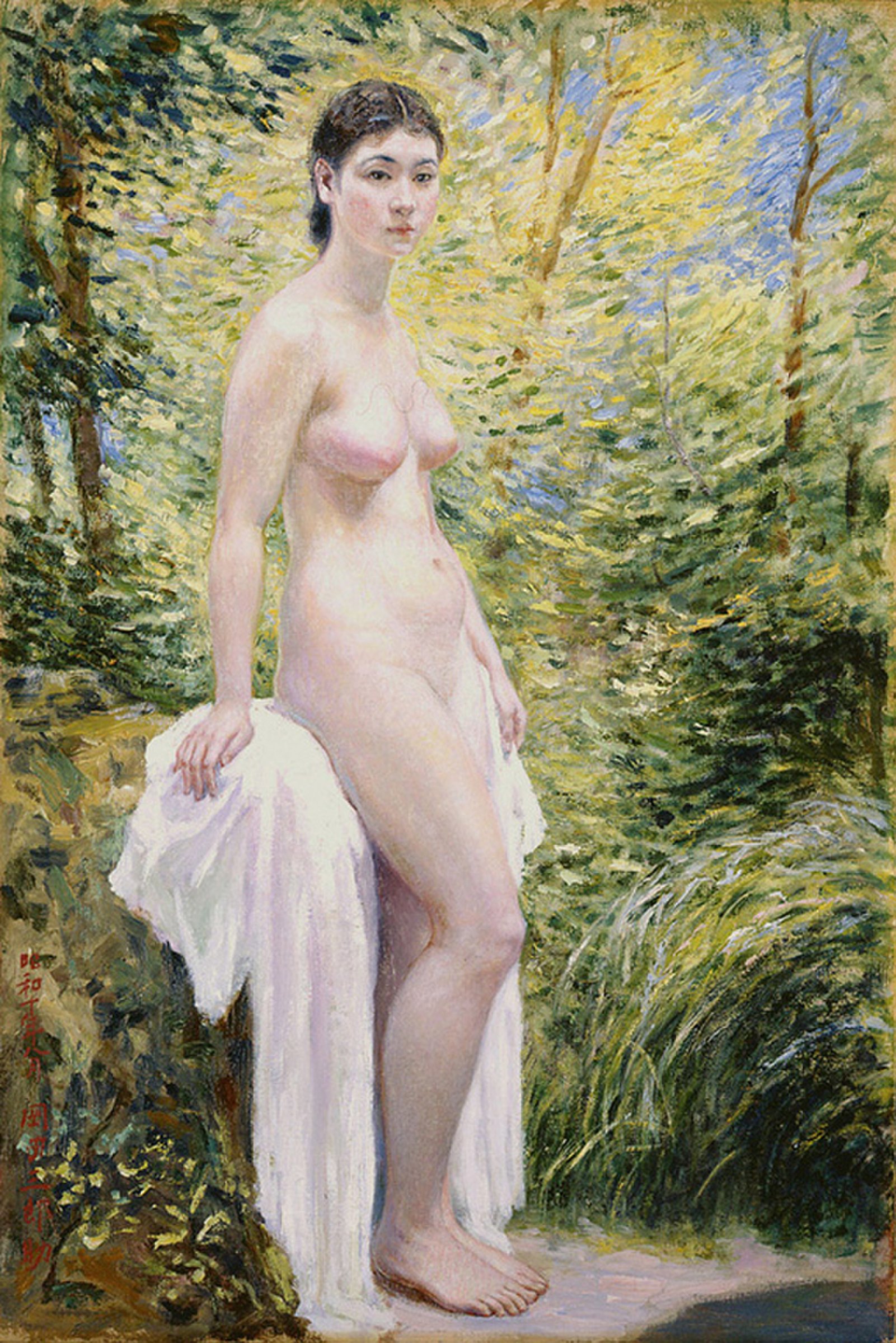
“This painting offers a serene glimpse of a figure by the water, showcasing the Yōga style's blend of Western oil techniques with a distinct Japanese sensibility. Notice the luminous skin and tranquil atmosphere, a hallmark of this artist's work.”
A lone figure sits by a body of water, bathed in soft, natural light. This painting, created in 1935, offers a quiet moment of reflection and a testament to the Yōga style of Japanese painting, which integrated Western oil painting techniques. The artist, Okada Saburosuke, was a prominent figure in this movement, known for his sensitive portrayal of women. Here, the nude form is rendered with a warm palette and delicate brushwork, emphasizing the texture of the skin and the gentle curves of the body. The setting, though minimal, suggests an intimate connection between the figure and her natural surroundings, inviting viewers to pause and contemplate the scene's serene beauty. The work reflects a period when Japanese artists were actively engaging with and adapting European artistic traditions, creating a distinctive modern style.
Five details hide in plain sight. Pick one and we’ll show you exactly where to look.
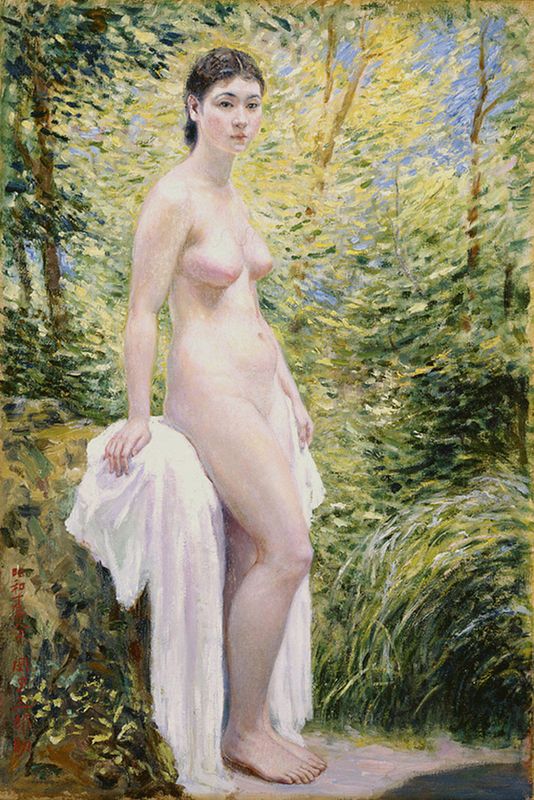
Find the face at the top. Her direct, composed look and the cool, smooth skin make her feel present and still against the busy leaves.
The white cloth draped over the rock is the brightest patch in the picture. Soft greenish and pinkish tones in its shadows seem to pick up the colors of the foliage and skin.
Her body is painted with smooth, blended pinks, creamy highlights and cool shadows, a gentle finish that contrasts with the rough brushwork around her.
Look at the upper background, where short slanted dabs of yellow, green and blue make sunlit leaves seem to shimmer and the sky peek through.
At the lower left, red Japanese characters run down the rock in a vertical line. They appear to be the artist's inscription, and the red stands out against the dark earth.
The full narration walks you through Nude by the Waterside — the story behind it, the details most visitors miss, and why it matters. Free in the Art Whisper app.
Okada Saburosuke was a leading Japanese Yōga painter, celebrated for his warm and elegant portraits of women, who shaped Western-style art education in Japan.
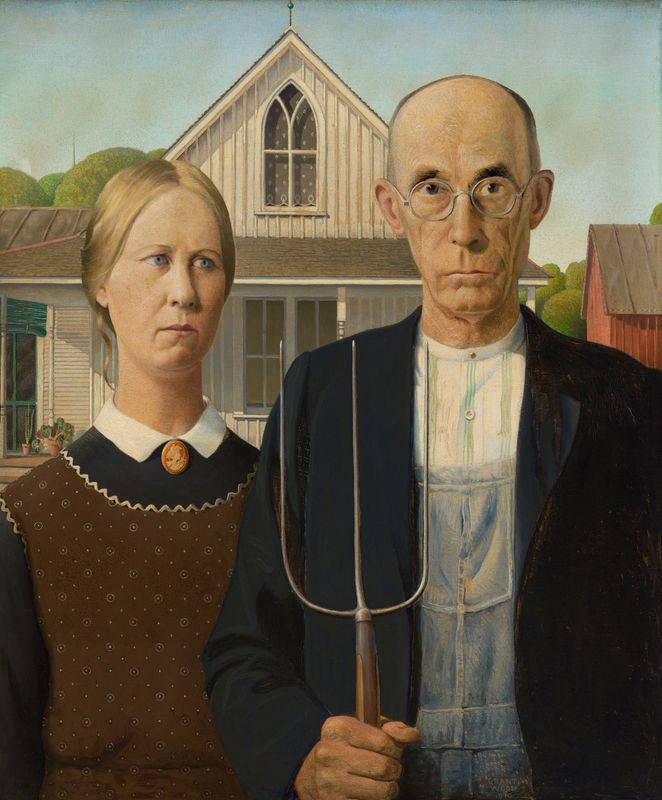 American Gothic
1930 · Art Institute of Chicago
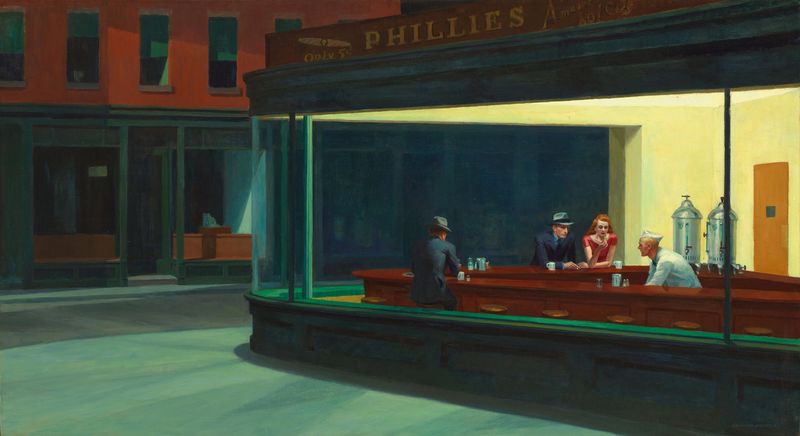 Nighthawks
1942 · Art Institute of Chicago
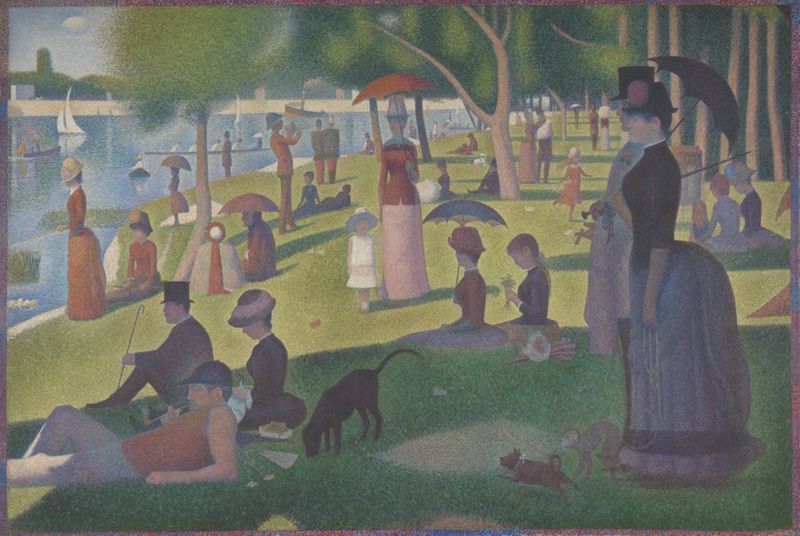 A Sunday on La Grande Jatte — 1884
1884 · Art Institute of Chicago
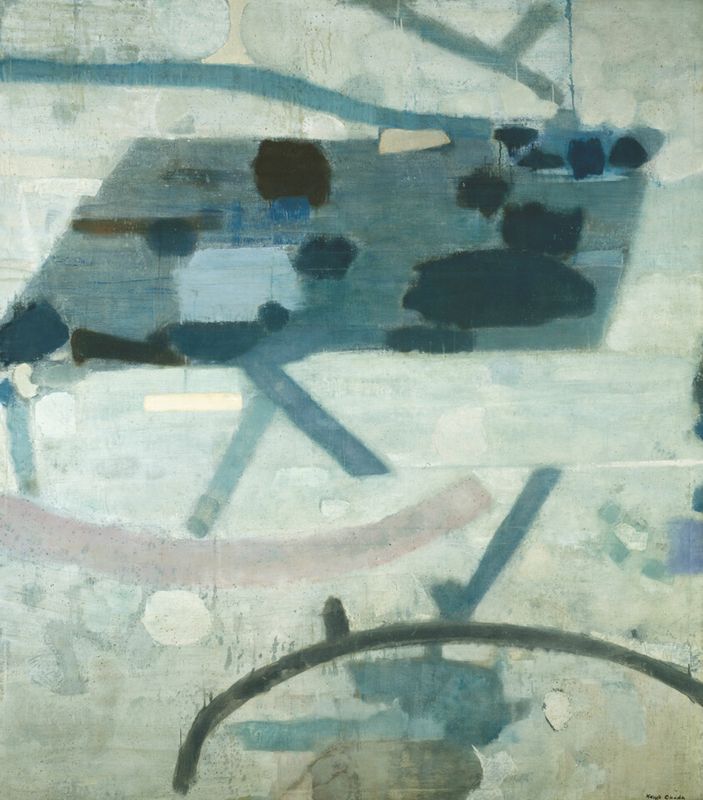 Returning Life
Art Institute of Chicago
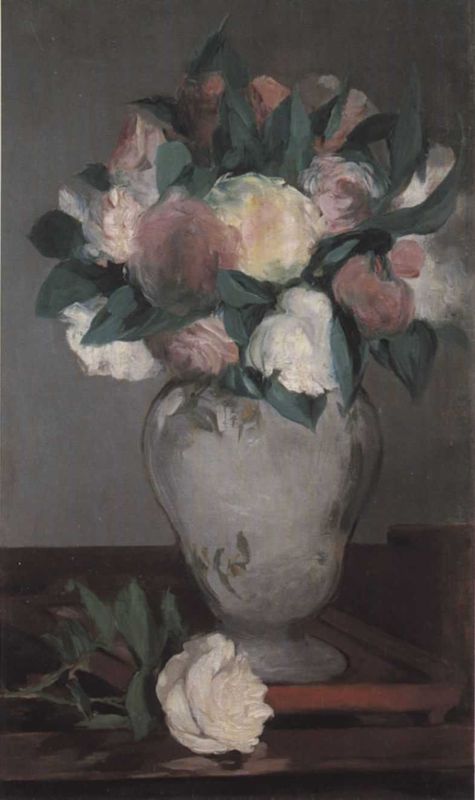 Peonies
Art Institute of Chicago
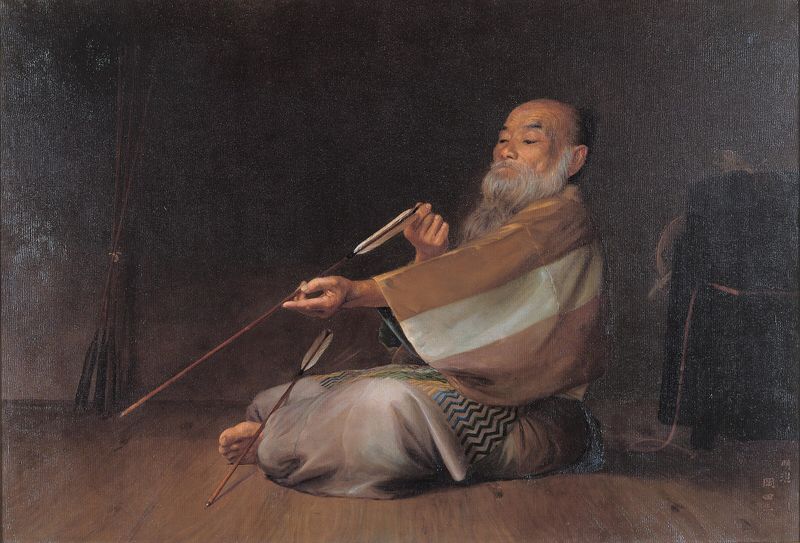 Examining an Arrow
1893 · Saga Prefectural Museum
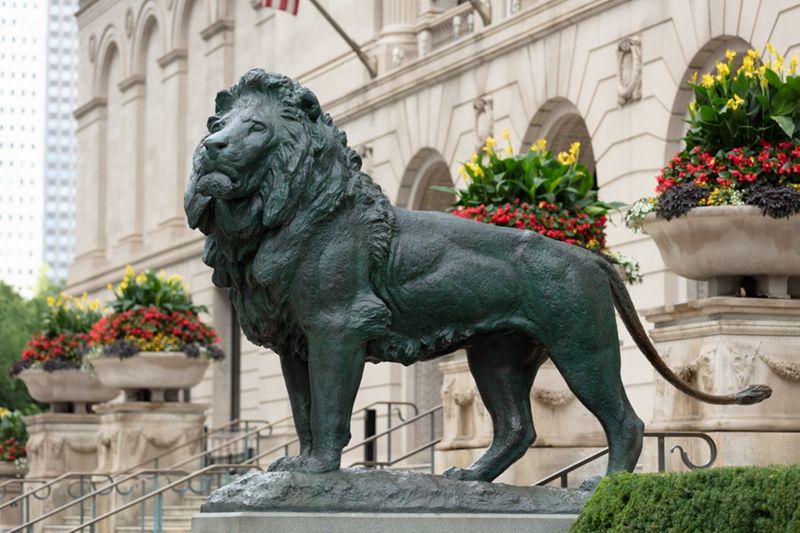 Lion (One of a Pair, South Pedestal)
1893 · Art Institute of Chicago
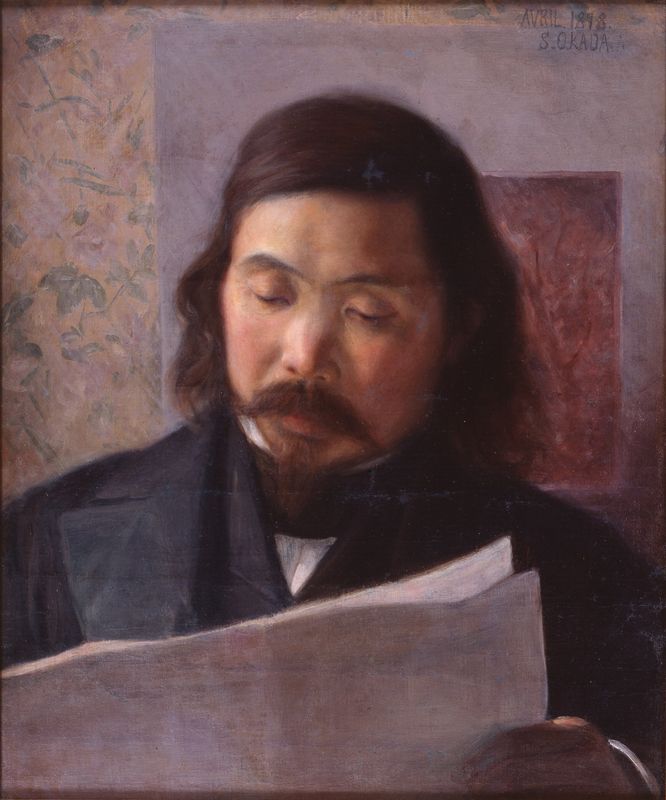 Porträt des Jiro Okabe
1898 · Mie Prefectural Art Museum
Beyond Saburosuke and Nihonga: works from the same years.
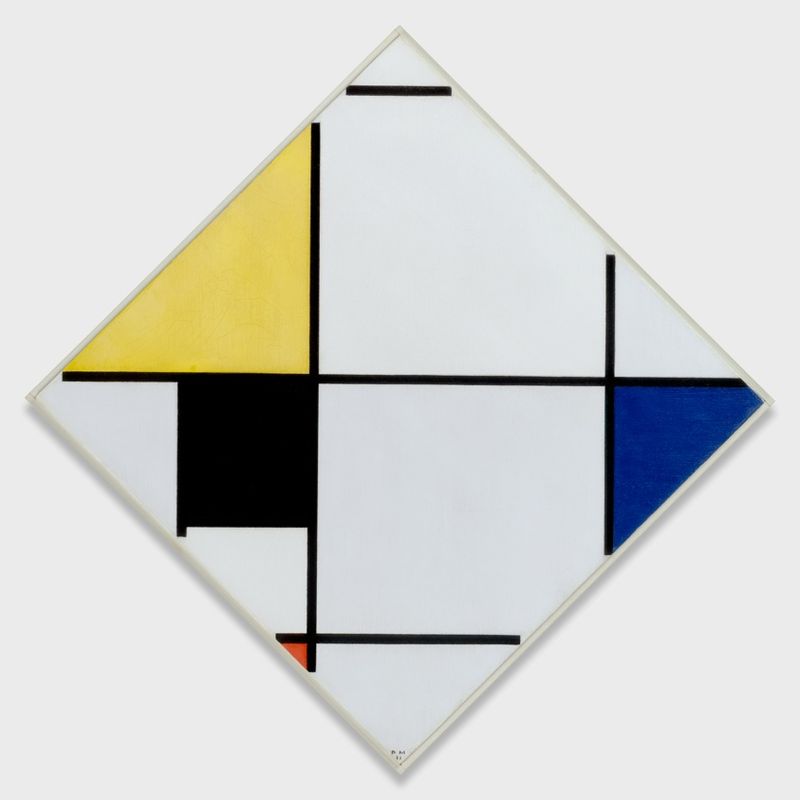 Same era · 1920s–1950s
Lozenge Composition with Yellow, Black, Blue, Red, and Gray
Piet Mondrian · 1921 · Art Institute of Chicago
 Same era · 1920s–1950s
Deux personnages
Pierre Alechinsky · 1950
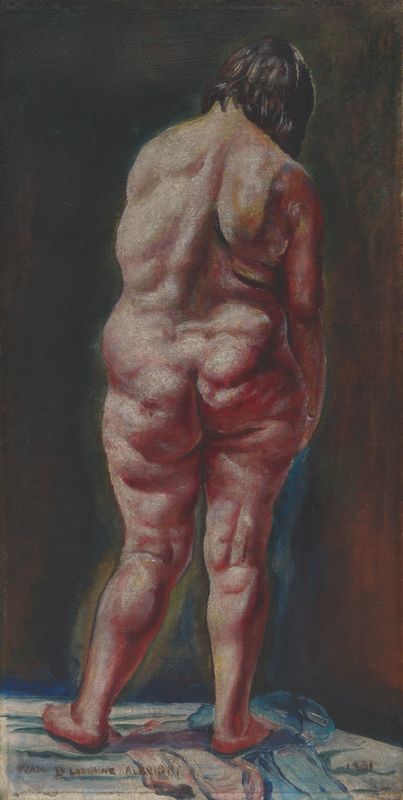 Same era · 1920s–1950s
Nude
Ivan Puni · 1931 · Art Institute of Chicago
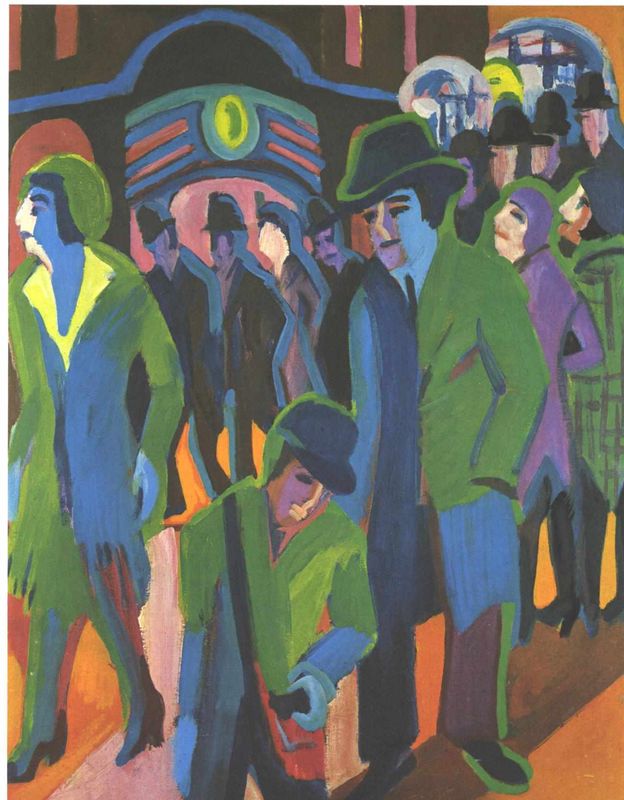 Same era · 1920s–1950s
Straße mit Passanten bei Nachtbeleuchtung
Ernst Ludwig Kirchner · 1927 · Museum Frieder Burda
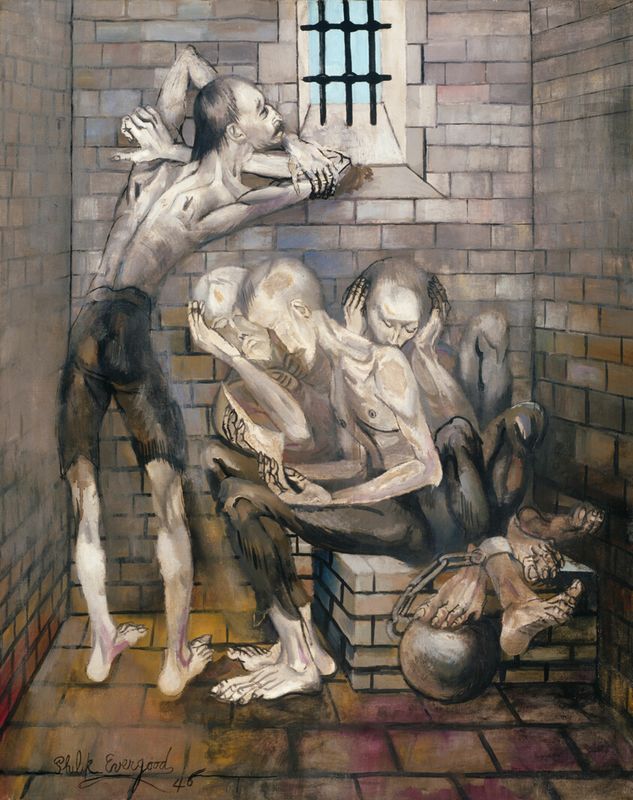 Same era · 1920s–1950s
The Indestructibles
Philip Evergood · 1946 · Art Institute of Chicago
 Same era · 1920s–1950s
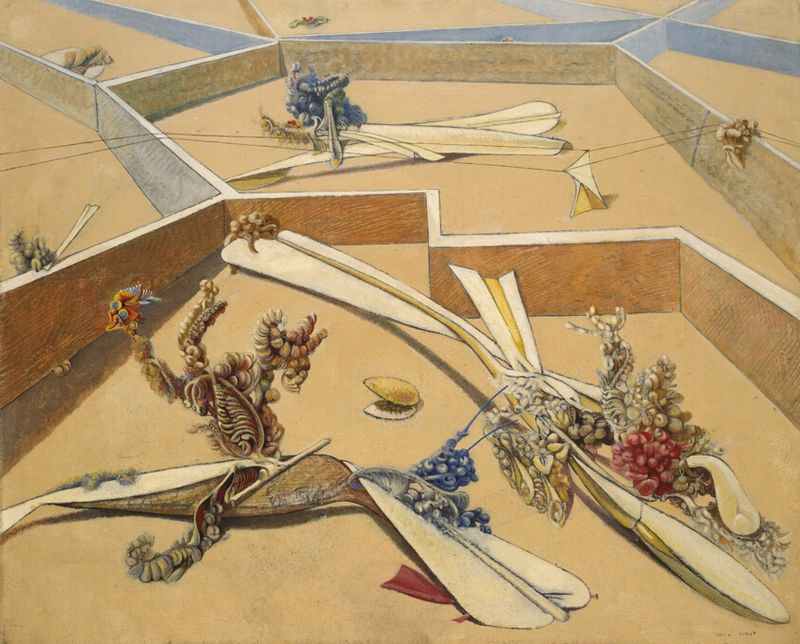
Garden Airplane-Trap
Max Ernst · 1935 · Art Institute of Chicago
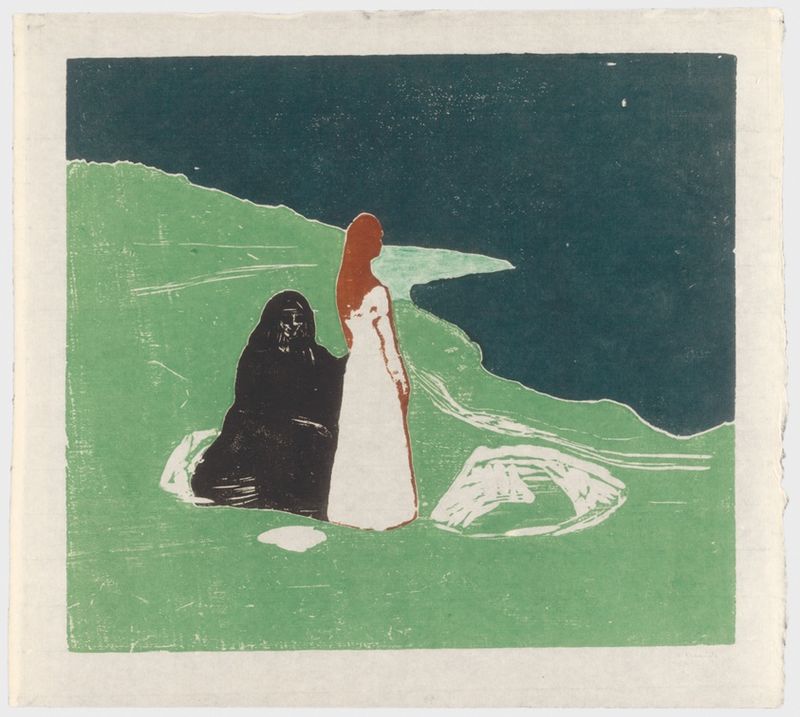 Same era · 1920s–1950s
Two Women on the Shore
Edvard Munch · 1935 · Munch Museum
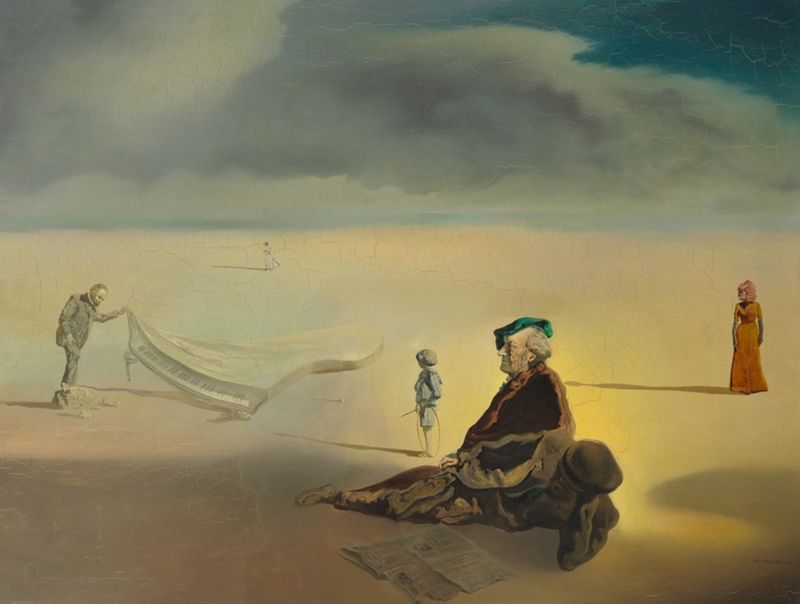 Same era · 1920s–1950s
A Chemist Lifting with Extreme Precaution the Cuticle of a Grand Piano
Salvador Dalí · 1936 · Art Institute of Chicago
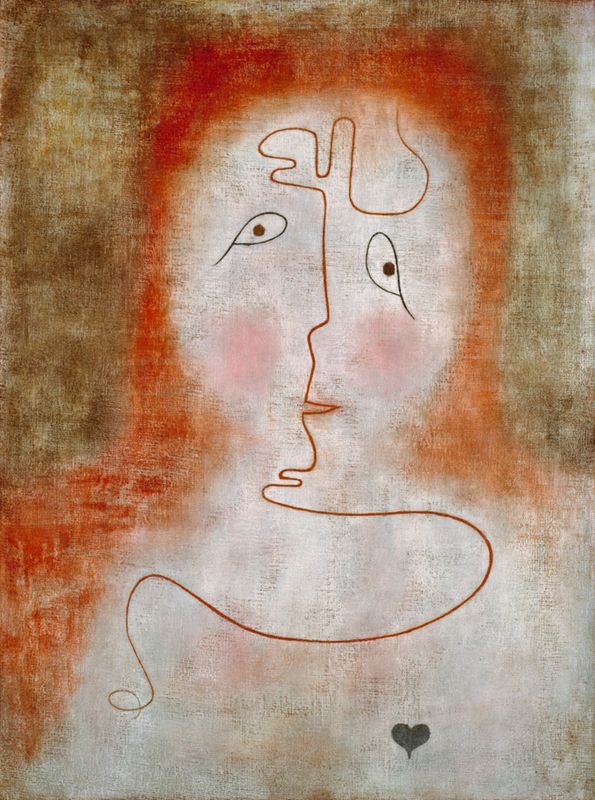 Same era · 1920s–1950s
In the Magic Mirror
Paul Klee · 1934 · Art Institute of Chicago
 Same era · 1920s–1950s
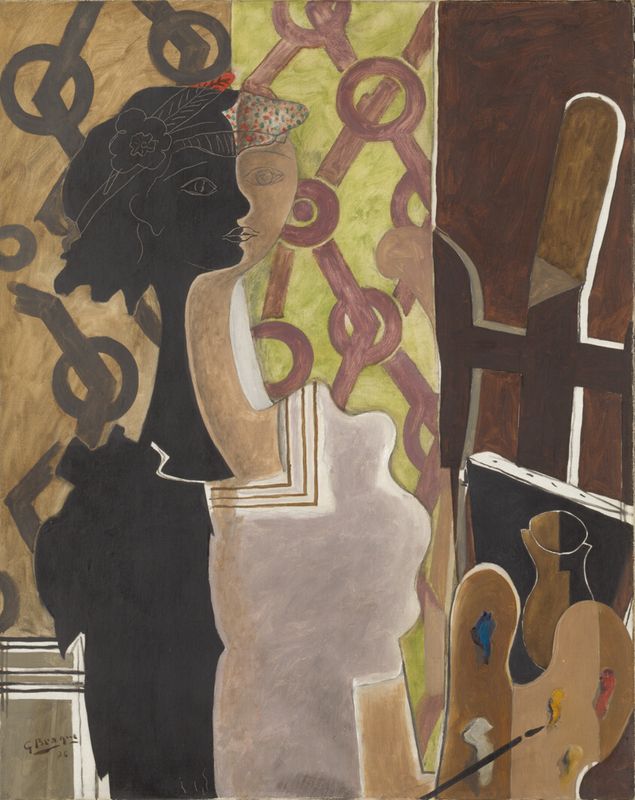
Woman at an Easel (Green Screen)
Georges Braque · 1936 · Art Institute of Chicago
 Same era · 1920s–1950s
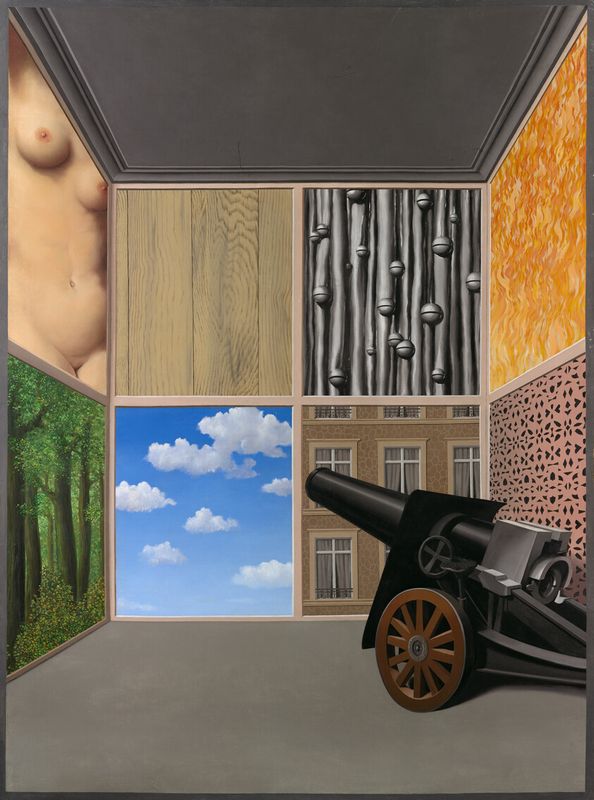
On the Threshold of Liberty
René Magritte · 1937 · Art Institute of Chicago
 Same era · 1920s–1950s
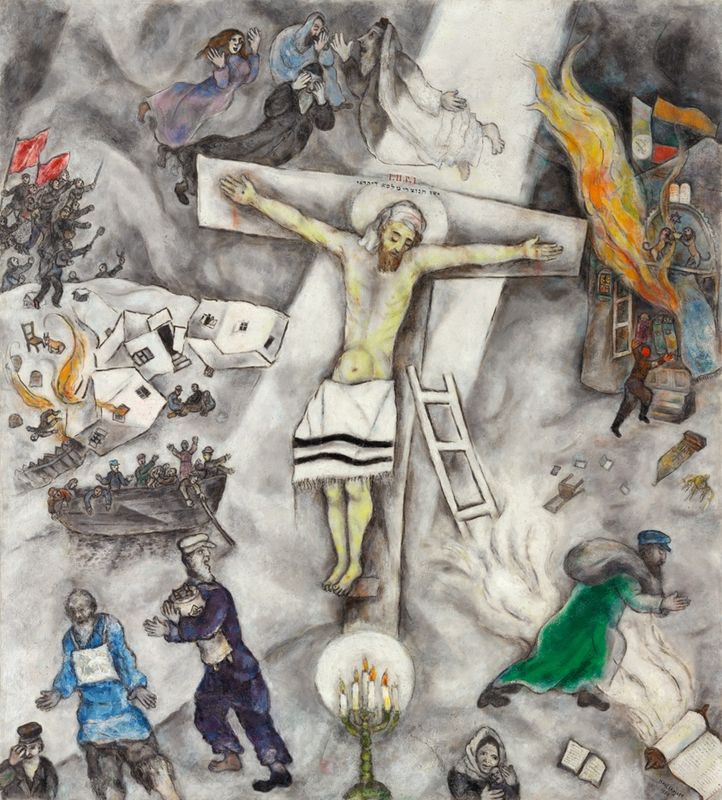
White Crucifixion
Marc Chagall · 1938 · Art Institute of Chicago