
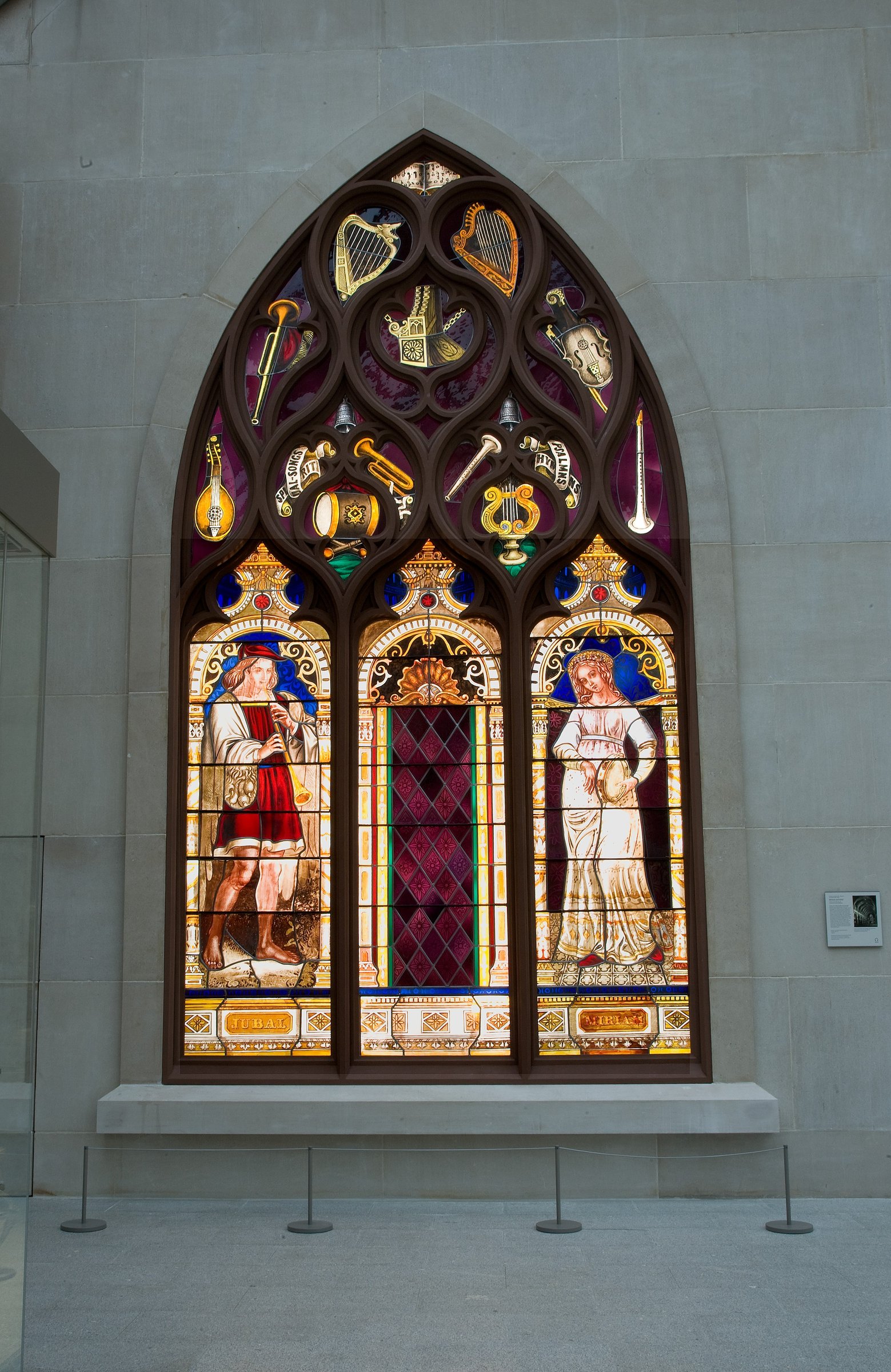
“Stop to admire this colossal stained glass window, a vibrant 19th-century masterpiece celebrating the biblical figures of Jubal and Miriam, the originators of music and dance. Its immense scale and dazzling colors transform light into a story of ancient praise.”
This monumental stained glass window, towering over 19 feet, depicts the biblical figures of Jubal and Miriam, revered for their contributions to music and dance. Jubal, often considered the "father of all who play stringed instruments and pipes," is shown with a lyre, while Miriam, prophetess and sister of Moses, holds a tambourine. The vibrant colors and intricate details, achieved through vitreous glass paint, enamel paint, and silver stain, capture the spirit of praise and celebration. Created in 1843, the window's grandeur reflects the Victorian era's appreciation for elaborate religious art and its revival of medieval stained glass techniques. The figures are rendered with a sense of classical dignity, their flowing robes and expressive gestures conveying the power of their musical offerings. The sheer scale and luminosity of the piece would have transformed the light within any space it occupied, creating an immersive, spiritual experience.
- Artist
- John Haynes-Williams
- Date
- 1843
- Medium
- Stained glass window; vitreous glass paint, enamel paint, silver stain
- Location
- The Metropolitan Museum of Art
- Dimensions
- 19 ft. 1 in. × 10 ft. 1 in. (581.7 × 307.3 cm)
- Collection
- The American Wing
- Culture
- American
- Credit line
- Purchase, Sansbury-Mills Fund, Anonymous Bequest, Sylvia and Leonard Marx Jr., and Lillian Nassau LLC Gifts, 2019
What to Notice
Five details hide in plain sight. Here’s where to look.
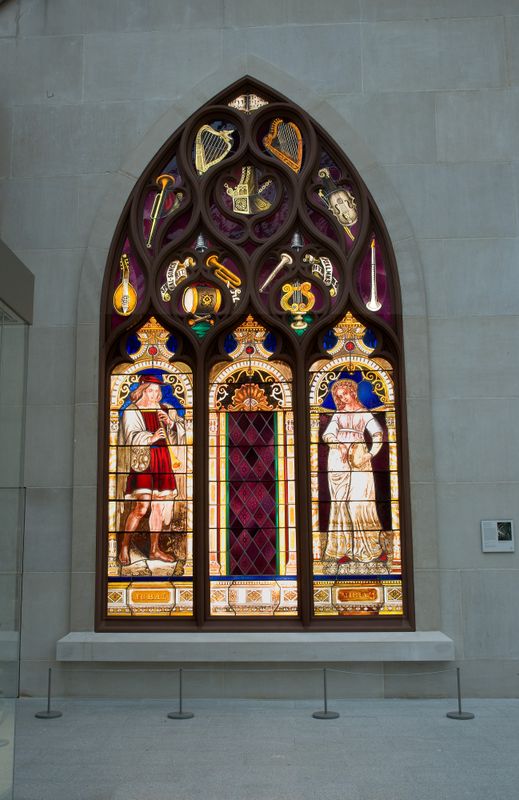
Jubal's lyre, with its delicate strings and carved frame.
Miriam's tambourine, detailed with a patterned rim.
The intricate folds and rich colors of their flowing robes.
The subtle variations in light and shadow created by the colored glass.
1 more detail is waiting.
See all 5 in Art Whisper →John Haynes-Williams
1836–1908 · United Kingdom of Great Britain and IrelandJohn Haynes-Williams was a British painter known for his detailed oil paintings, including works like 'Alice' from 1892.
Further Works by Haynes-Williams
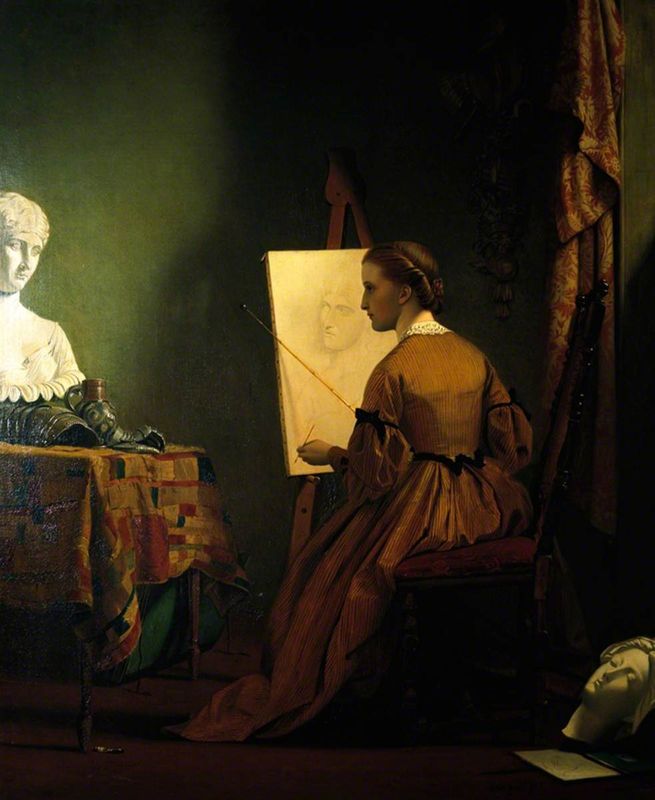 My Pupil
1870 · Scarborough Art Gallery
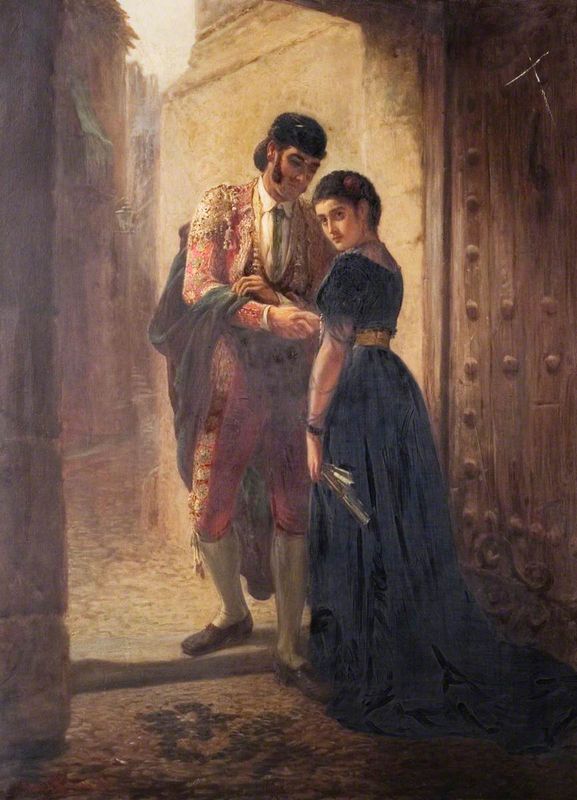 Adiós (Farewell)
1871 · Herbert Art Gallery and Museum
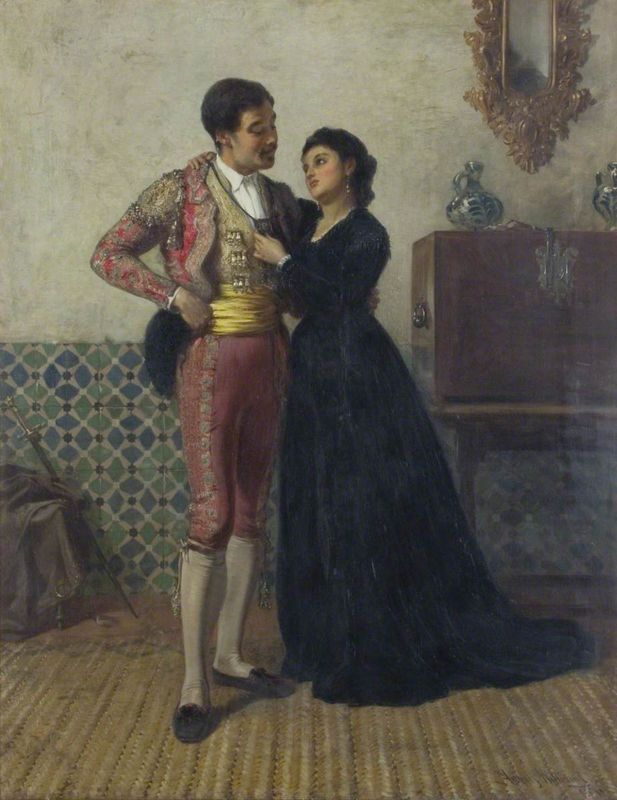 The Talisman
1871 · National Museum Cardiff
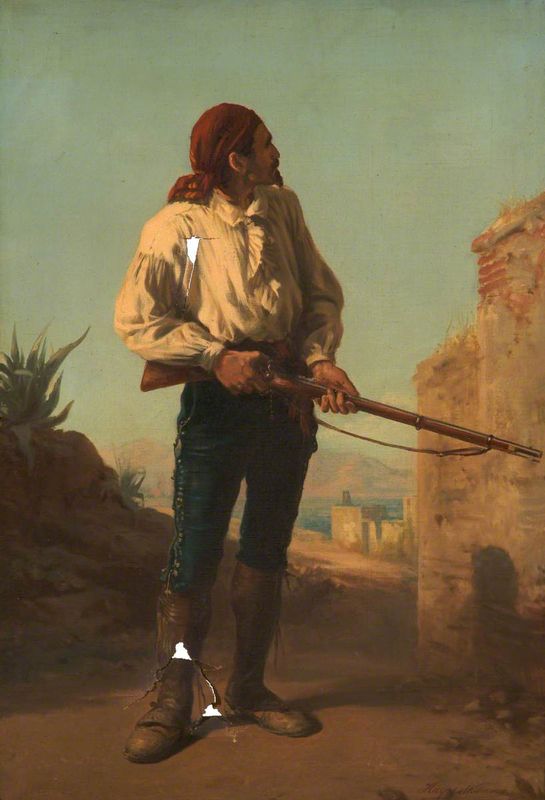 A Spanish Warrior
1873 · Touchstones Rochdale
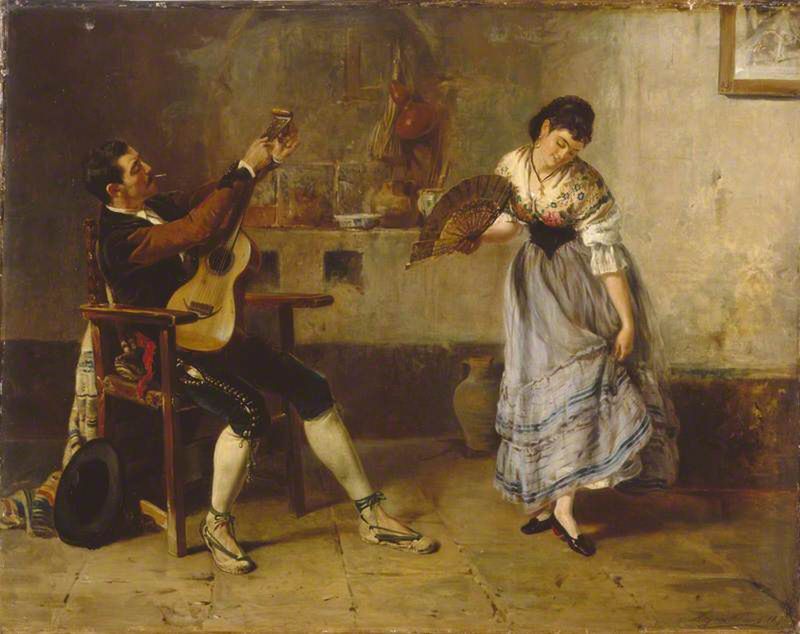 Spanish Dancer
1873 · Manchester Art Gallery
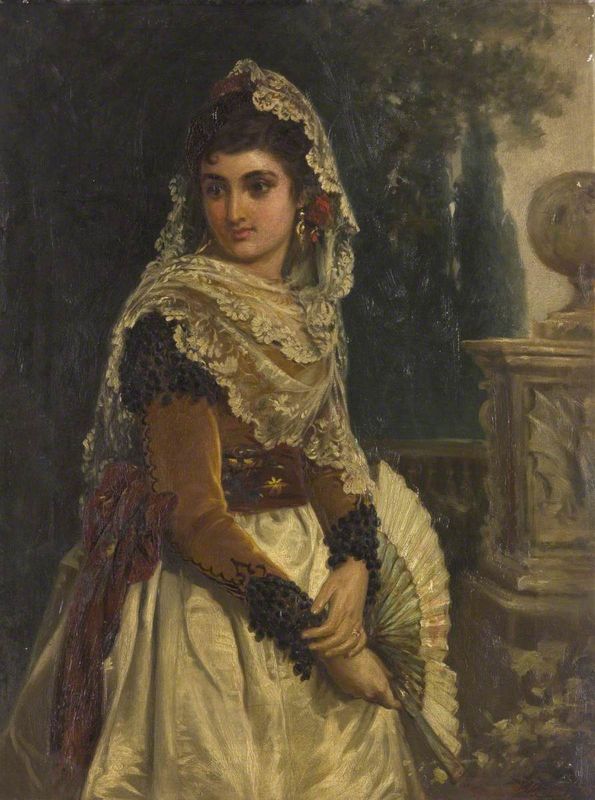 Will He Come?
1875 · National Museum Cardiff
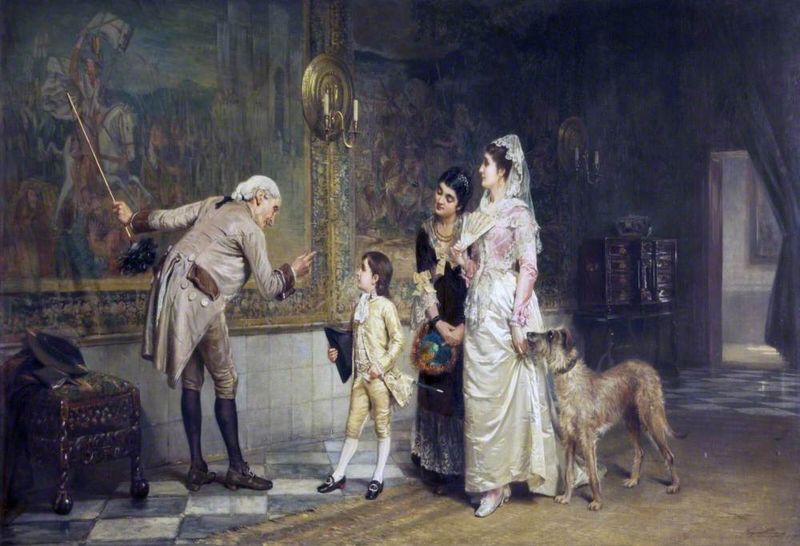 The Ancestor on the Tapestry
1876 · Walker Art Gallery
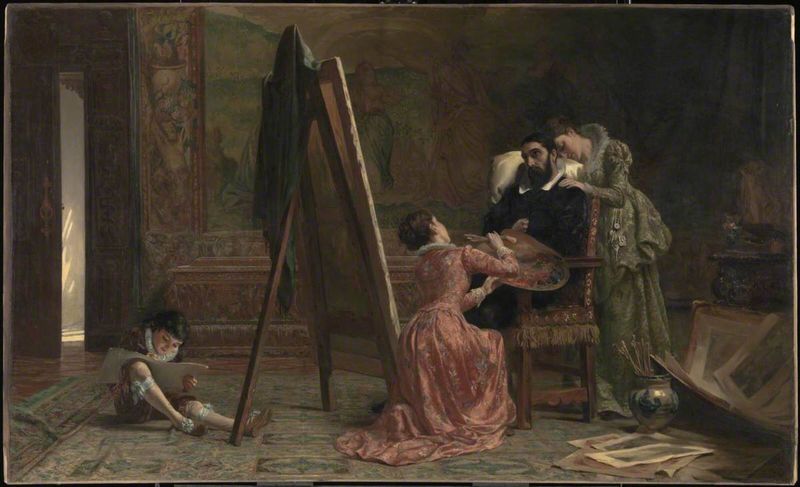 Ars Longa, Vita Brevis
1877 · National Gallery
More works to explore
Beyond Haynes-Williams: works from the same years.
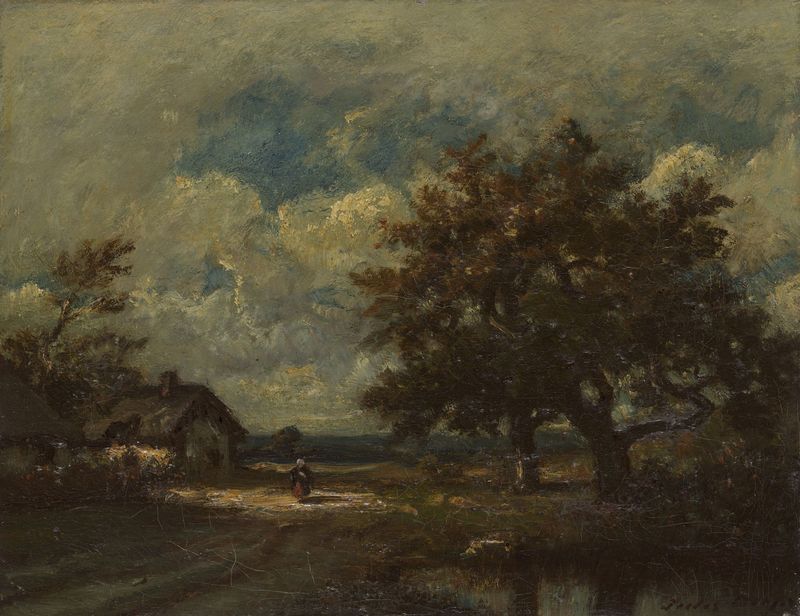 Same era · 1820s–1850s
The Cottage by the Roadside, Stormy Sky
Léon-Victor Dupré · 1855 · Art Institute of Chicago
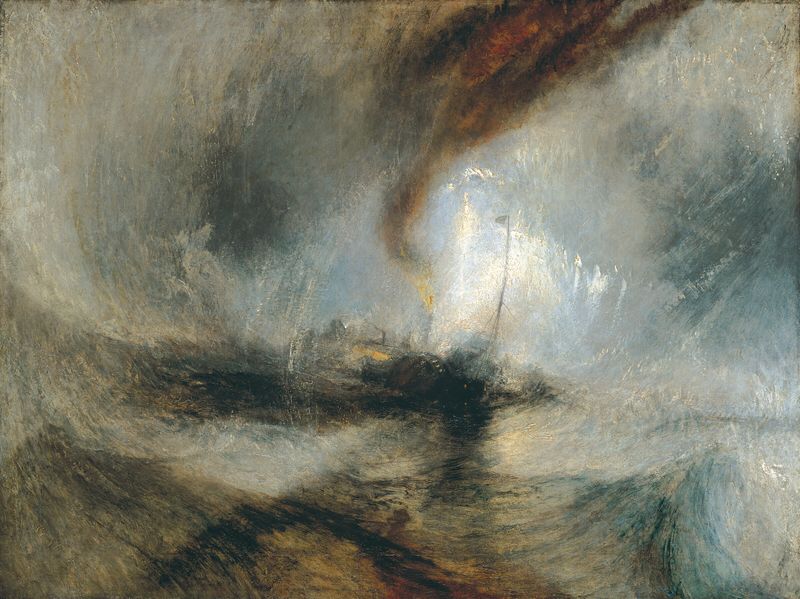 Same era · 1820s–1850s
Snow Storm: Steam-Boat off a Harbour's Mouth
J. M. W. Turner · 1842 · National Gallery
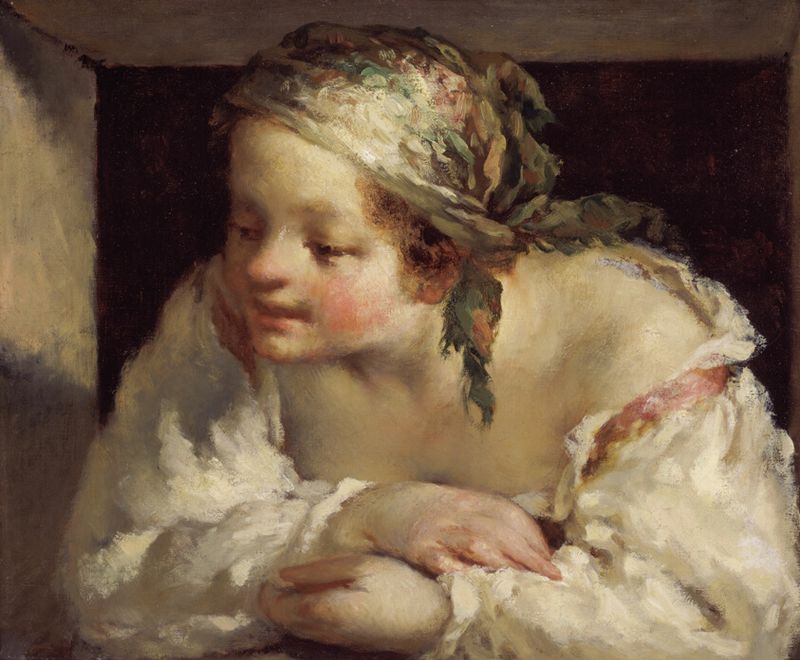 Same era · 1820s–1850s
Young Woman
Jean-François Millet · 1844 · Art Institute of Chicago
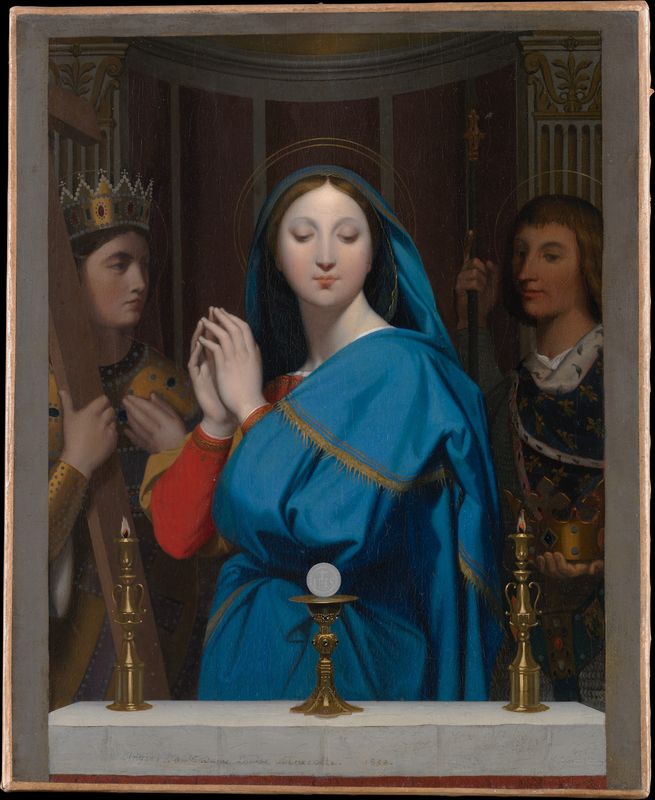 Same era · 1820s–1850s
The Virgin Adoring the Host
Jean-Auguste-Dominique Ingres · 1841 · Pushkin Museum of Fine Arts
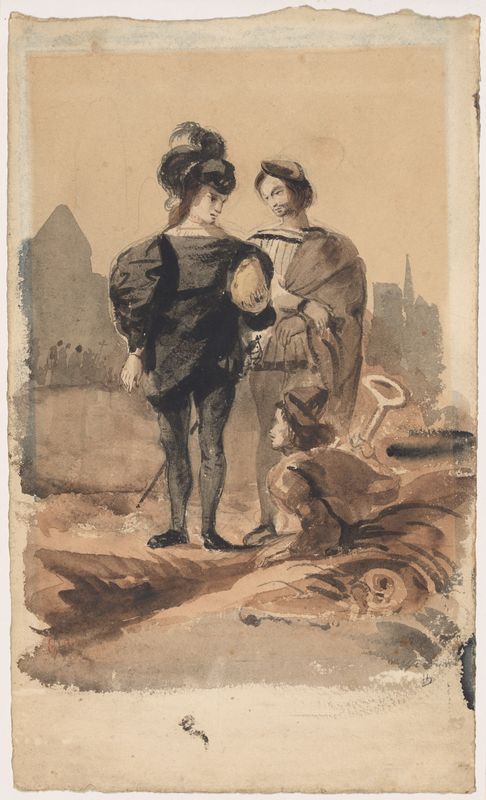 Same era · 1820s–1850s
Hamlet and Horatio in the Graveyard
Eugène Delacroix · 1839 · Department of Paintings of the Louvre
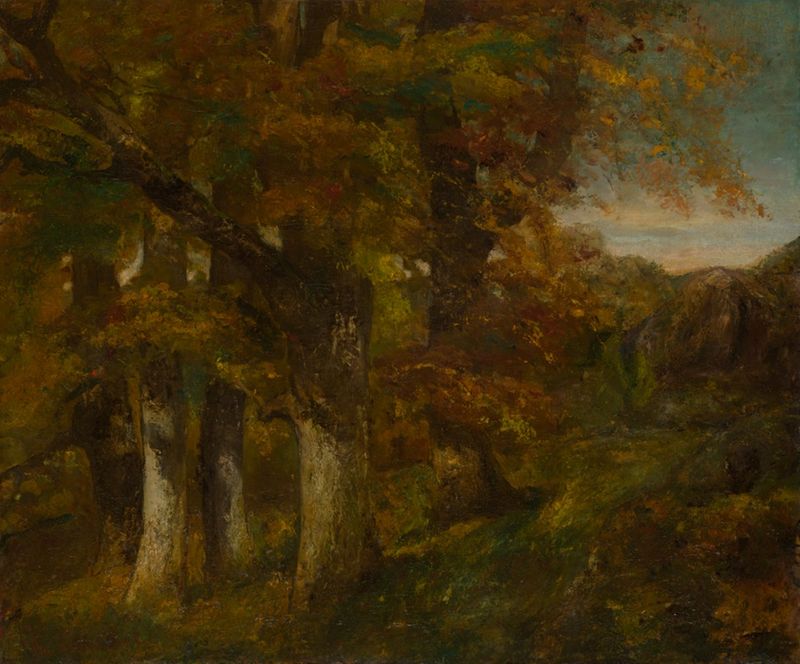 Same era · 1820s–1850s
Wooded Landscape
Gustave Courbet · 1848 · Art Institute of Chicago
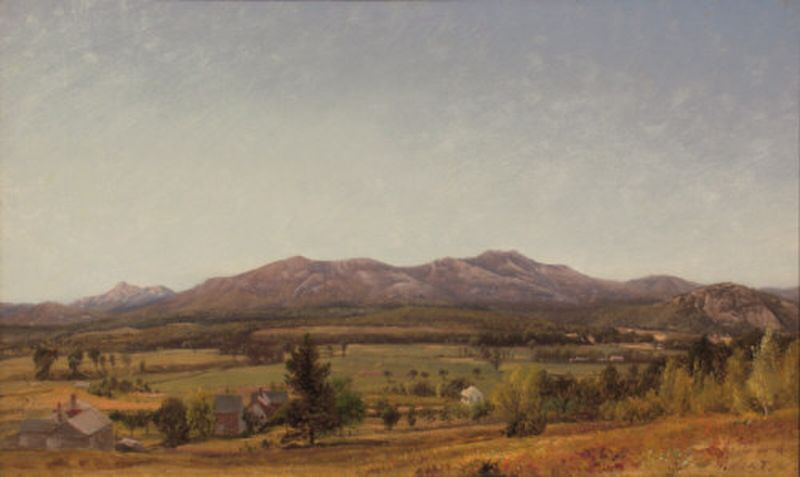 Same era · 1820s–1850s
Mount Chocorua and Moat Mountain from North Conway
William Hart · 1850
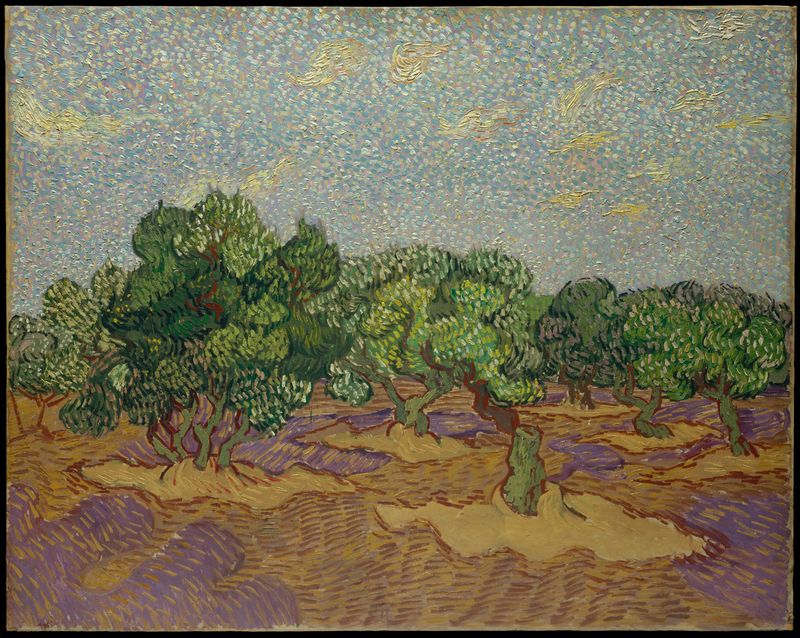 Same era · 1820s–1850s
Olive Trees
Vincent van Gogh · 1853 · The Metropolitan Museum of Art
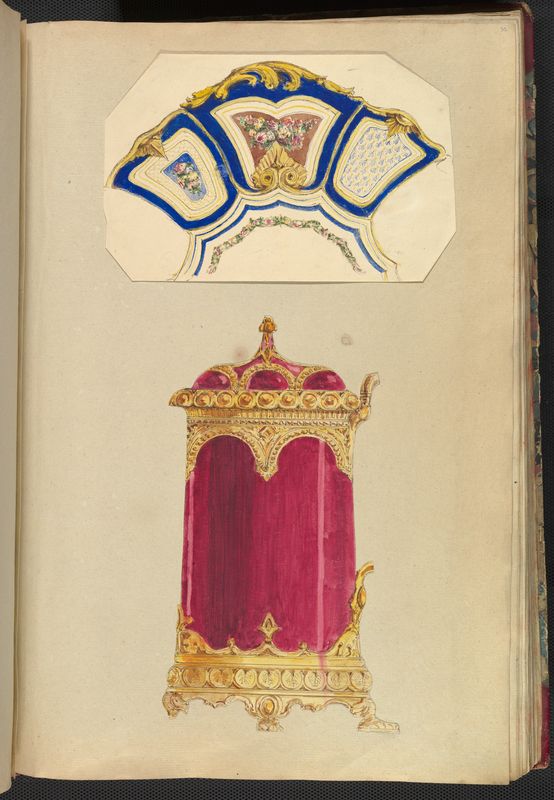 Same era · 1820s–1850s
Designs for a Decorated Dish, or Platter, and a Biscuit Barrel
Alfred Henry Forrester [Alfred Crowquill] · 1845 · The Metropolitan Museum of Art
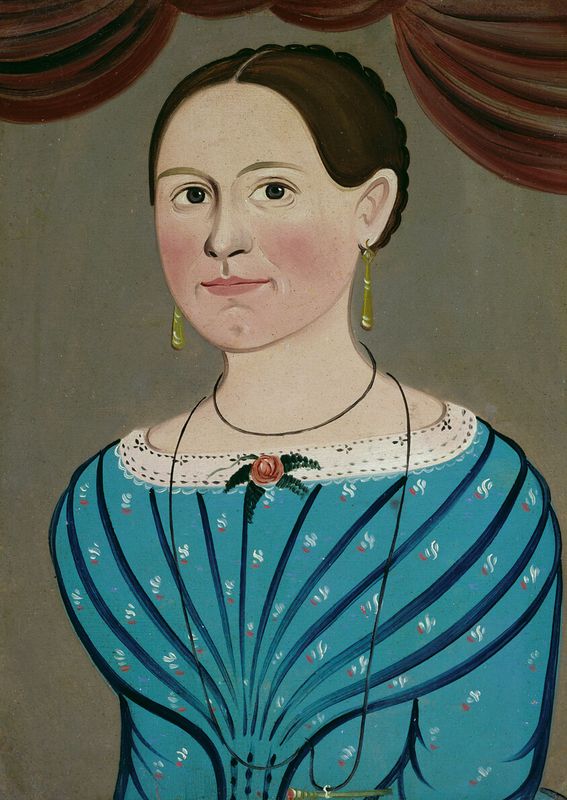 Same era · 1820s–1850s
Woman in a Blue Dress
School of William Matthew Prior · 1840 · Art Institute of Chicago
 Same era · 1820s–1850s
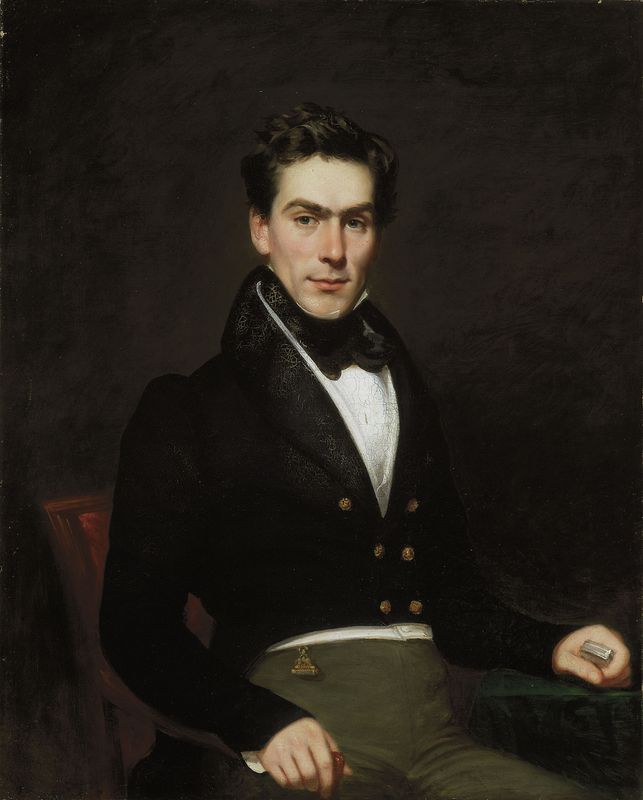
Mr. James Mackie
Samuel Alcock & Company · 1830 · Art Institute of Chicago
 Same era · 1820s–1850s
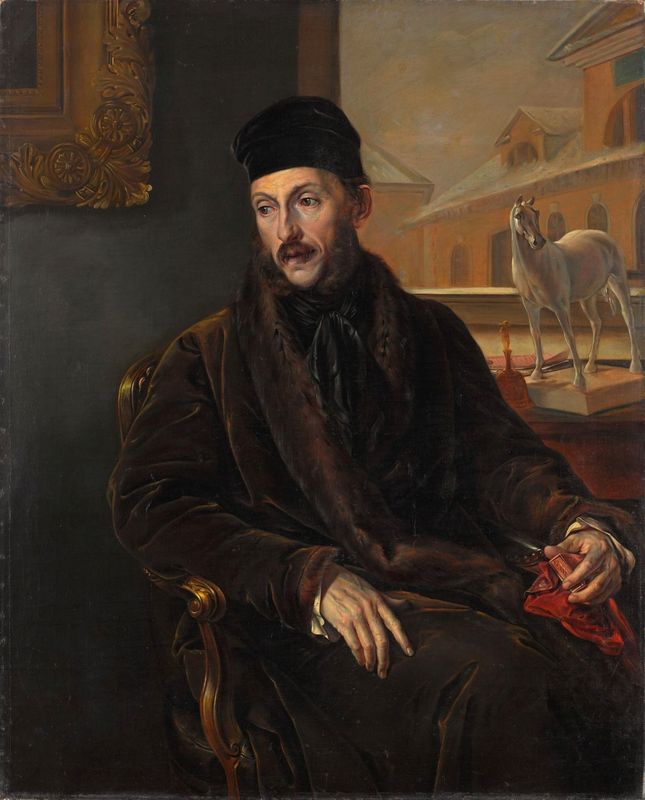
Dmitriy Petrovich Voeykov
Vasily Andreevich Tropinin · 1842 · Tretyakov Gallery