01
The woman's glance
Look at her face, turned back toward us over her shoulder. Her wary, sad eyes seem to carry the mood of the farewell, more than the man's attentive manner does.
1 of 4 on the painting
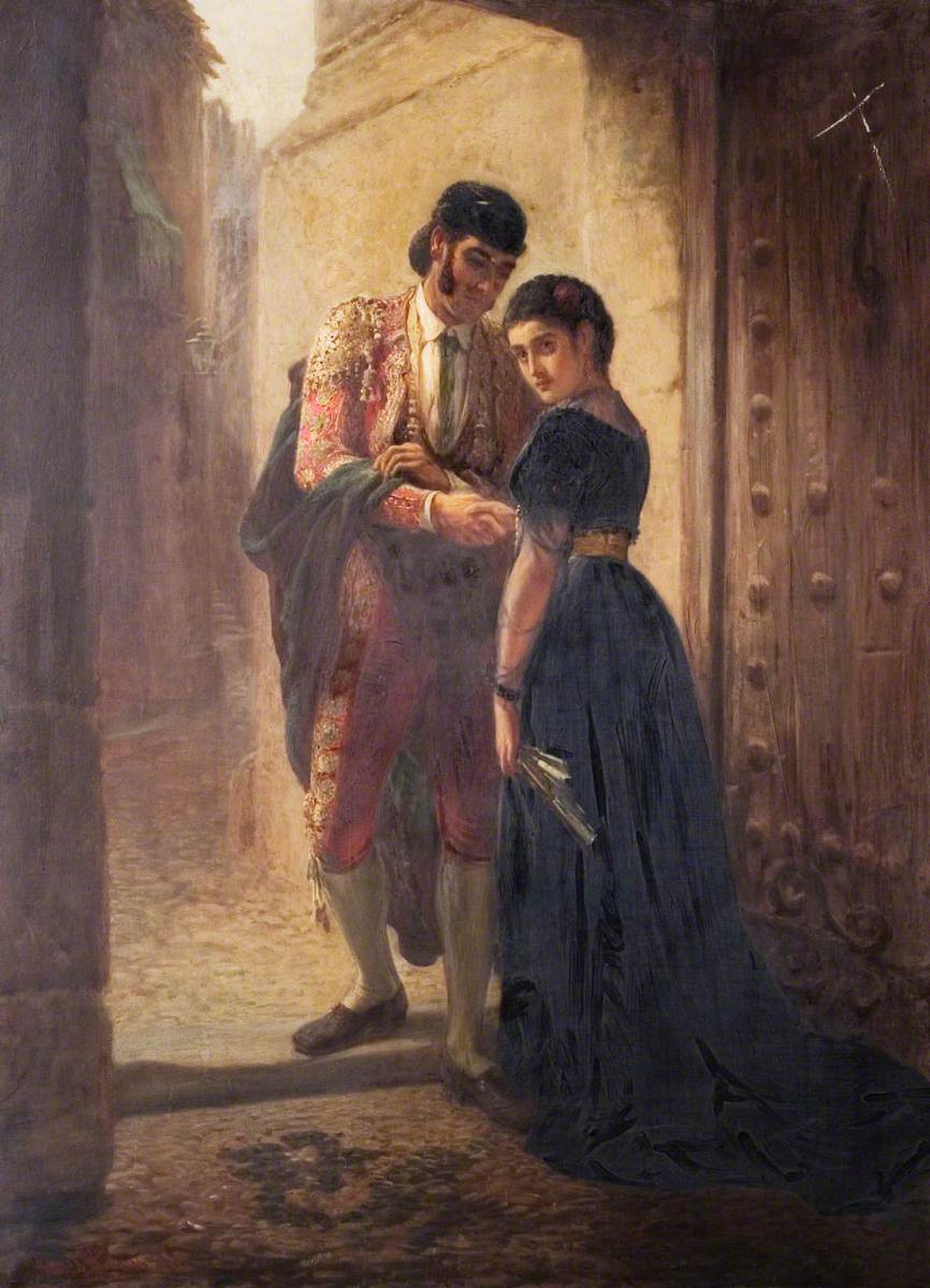
“This painting captures a tender moment of farewell in a sunlit garden, inviting us to imagine the unspoken story between two figures on the brink of separation. It's a poignant glimpse into universal human emotion.”
In a quiet, sun-drenched garden, a young woman in a white dress turns her back to us, her head bowed. She holds a letter, its contents perhaps the reason for her sorrow, as a man in a dark suit stands nearby, seemingly at a loss. The painting's title, "Adiós (Farewell)," hints at a poignant departure or a final parting. Haynes-Williams captures a universal moment of human emotion, rendered with a delicate touch. The light filtering through the trees illuminates the woman's dress and the vibrant flowers around her, creating a stark contrast between the beauty of the setting and the sadness of the scene. The subtle gestures and expressions invite us to ponder the untold story between these two figures, making their private moment feel deeply relatable.
Five details hide in plain sight. Pick one and we’ll show you exactly where to look.
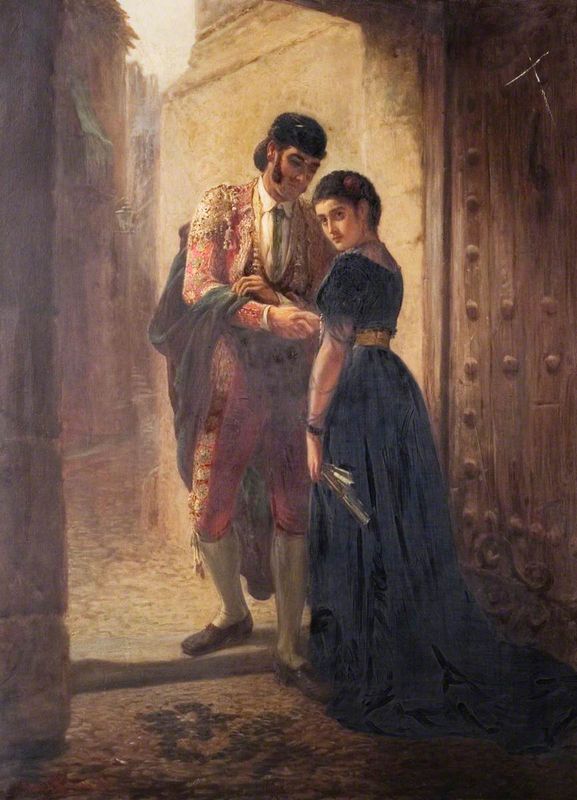
Look at her face, turned back toward us over her shoulder. Her wary, sad eyes seem to carry the mood of the farewell, more than the man's attentive manner does.
The pink jacket glitters with dense gold embroidery, the brightest and richest passage here. It marks him as a matador and sets him against her plain dark dress.
At the center, his hand holds hers in a gentle grip. This small touch suggests the parting at the heart of the scene.
Warm light falls from the alley at the back onto the pair, while the foreground and the doorway edges stay in shadow. The dark opening frames them a bit like a stage.
The heavy, nail-studded wooden door on the right presses in beside the couple and gives the scene a sense of enclosure, set off from the sunlit street beyond.
The full narration walks you through Adiós (Farewell) — the story behind it, the details most visitors miss, and why it matters. Free in the Art Whisper app.
John Haynes-Williams was a British painter known for his detailed oil paintings, including works like 'Alice' from 1892.
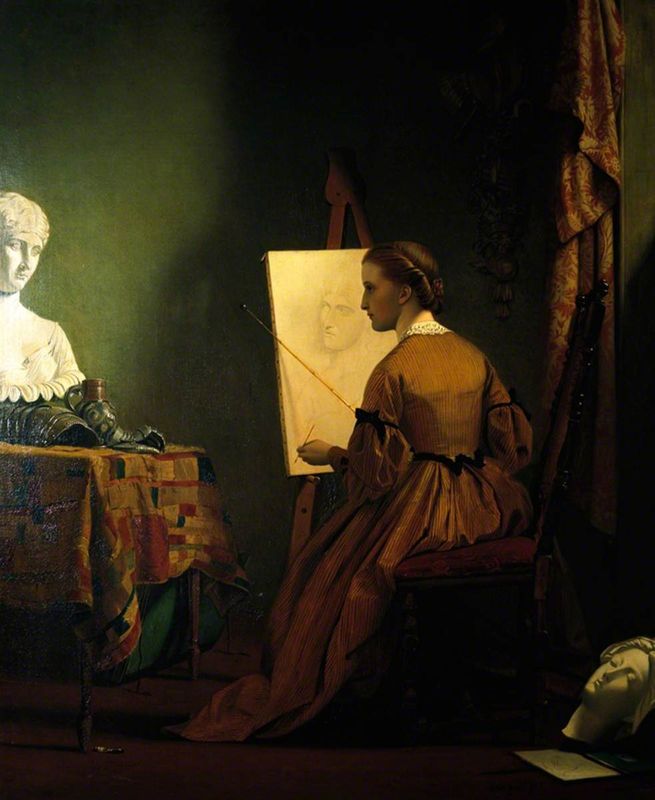 My Pupil
1870 · Scarborough Art Gallery
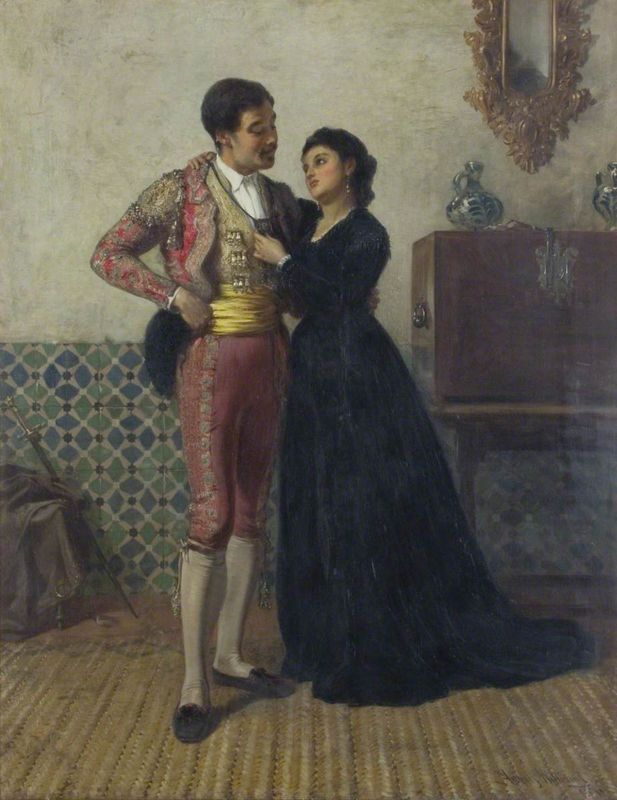 The Talisman
1871 · National Museum Cardiff
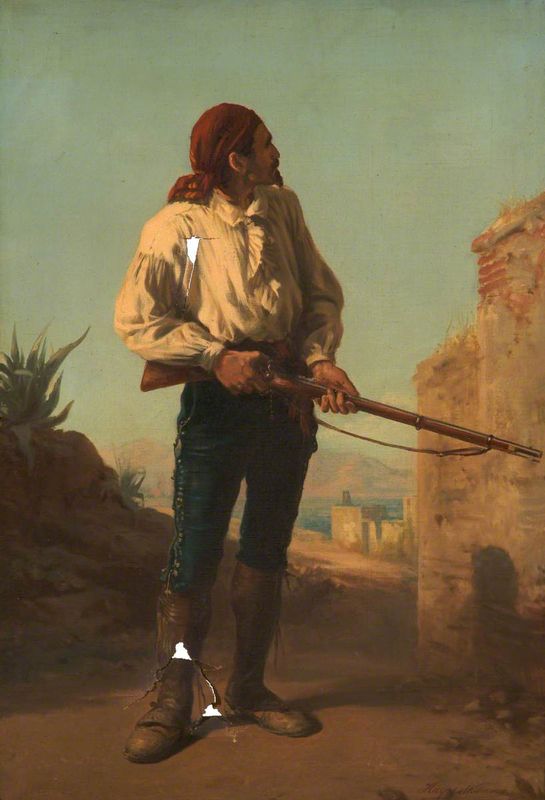 A Spanish Warrior
1873 · Touchstones Rochdale
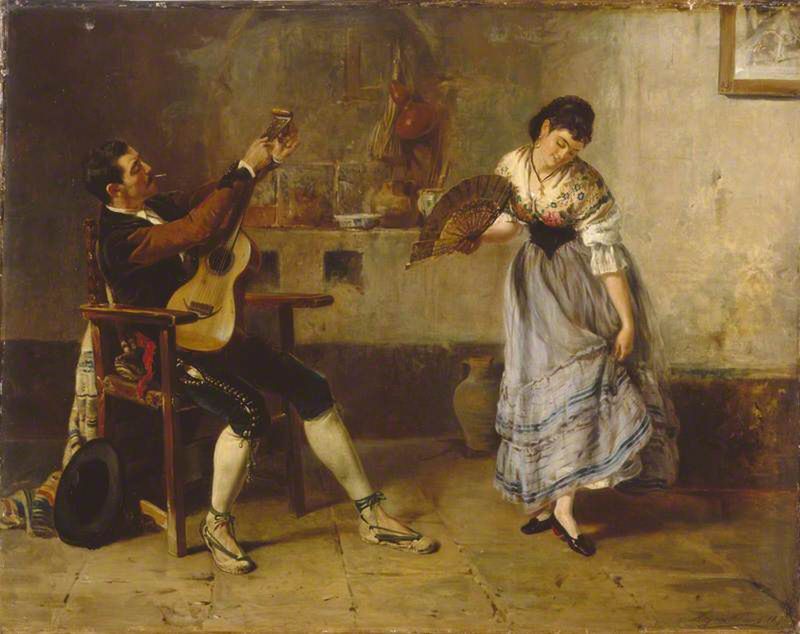 Spanish Dancer
1873 · Manchester Art Gallery
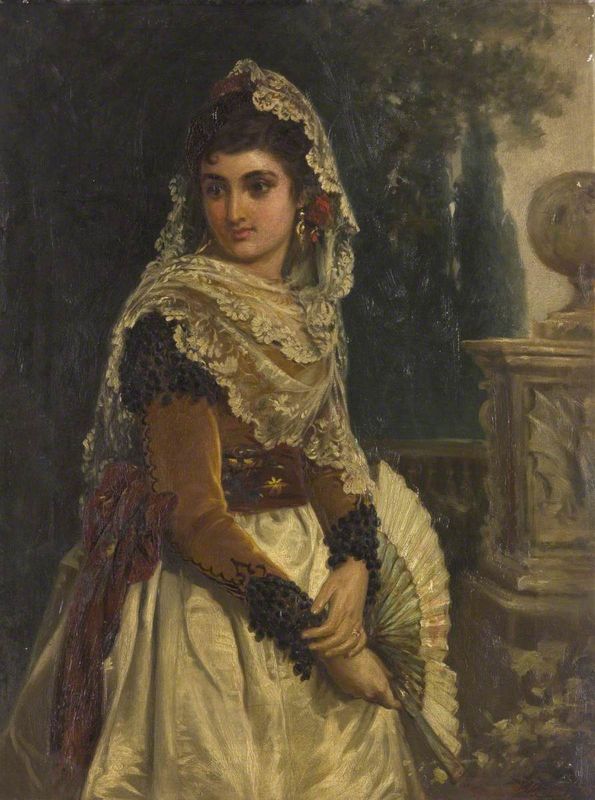 Will He Come?
1875 · National Museum Cardiff
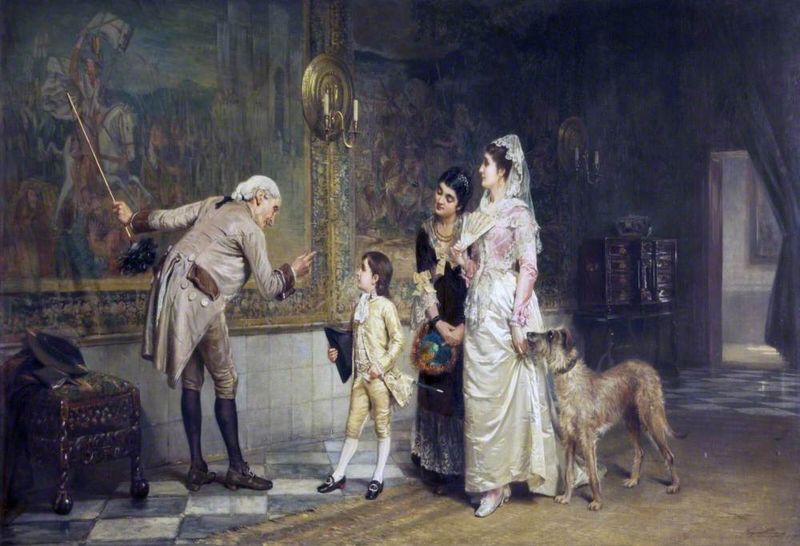 The Ancestor on the Tapestry
1876 · Walker Art Gallery
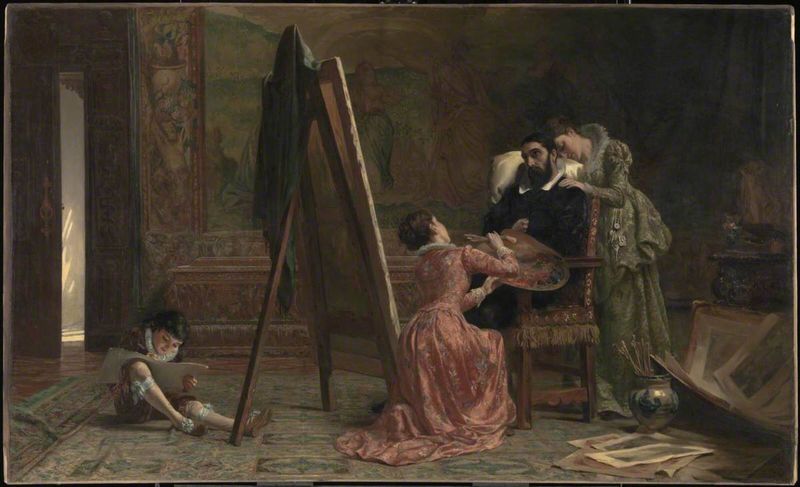 Ars Longa, Vita Brevis
1877 · National Gallery
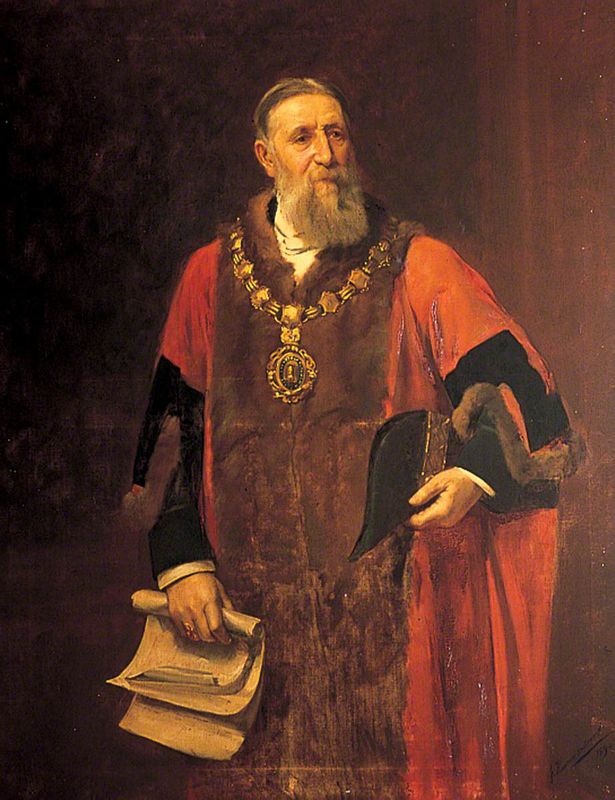 George Matthews Arnold (d.1907) (8 times Mayor of Gravesend, made Honorary Freeman of Gravesend December 1907 just before his death)
1894 · Gravesham Civic Centre
Beyond Haynes-Williams: works from the same years.
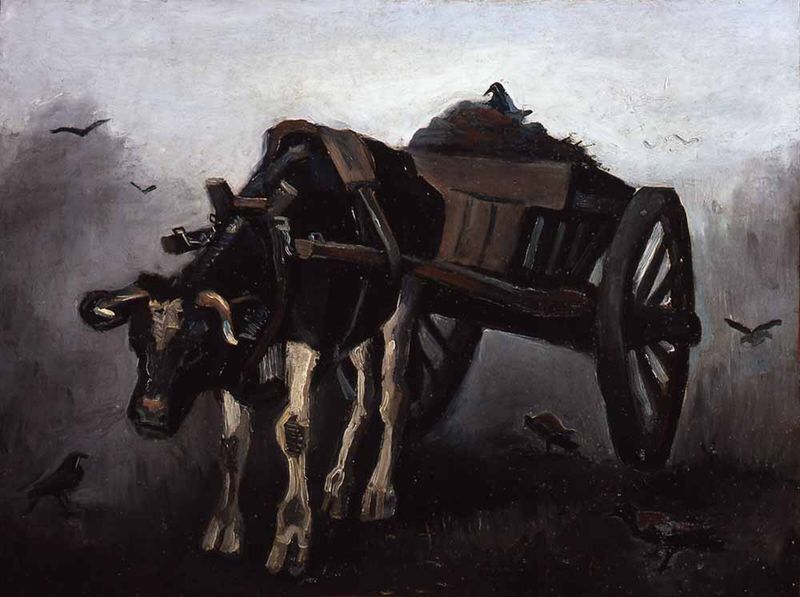 Same era · 1850s–1880s
Cart with Black Ox
Vincent van Gogh · 1884 · Portland Art Museum
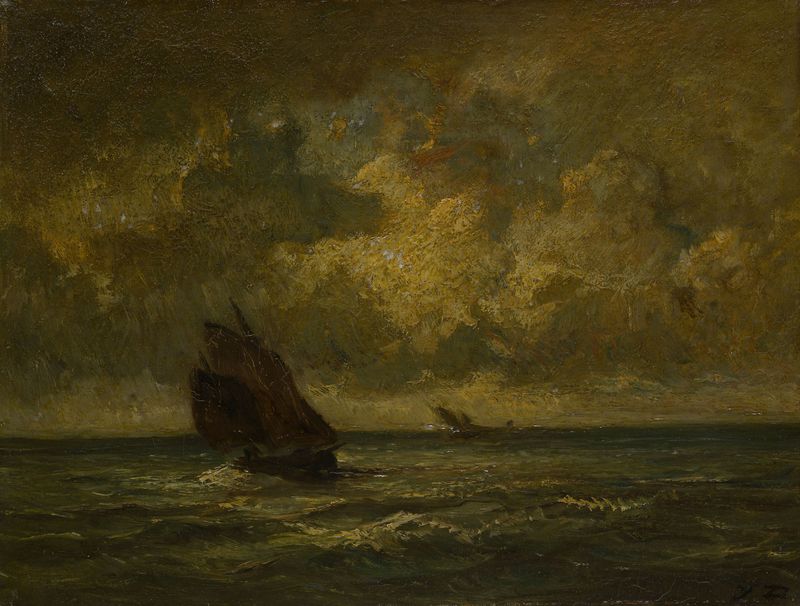 Same era · 1850s–1880s
Two Boats in a Storm
Léon-Victor Dupré · 1870 · Art Institute of Chicago
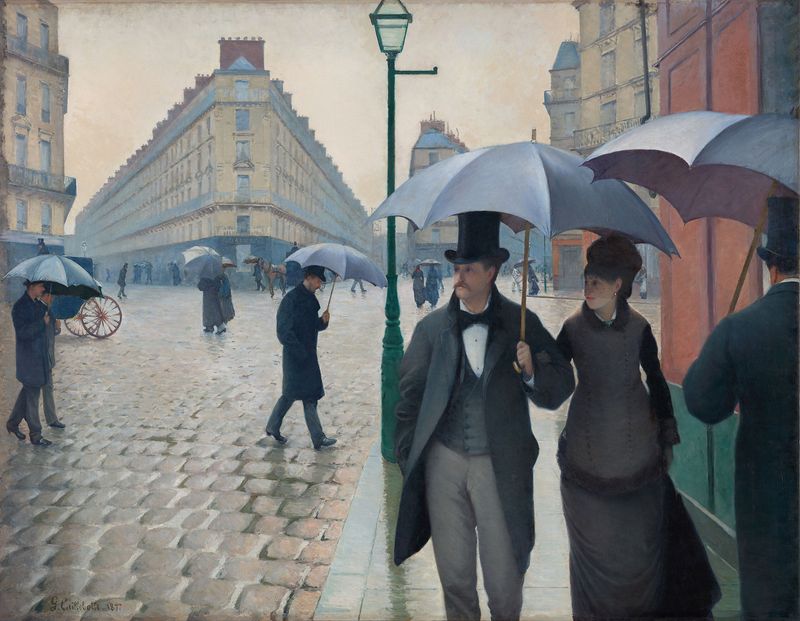 Same era · 1850s–1880s
Paris Street; Rainy Day
Kawabata Gyokushō · 1877 · Art Institute of Chicago
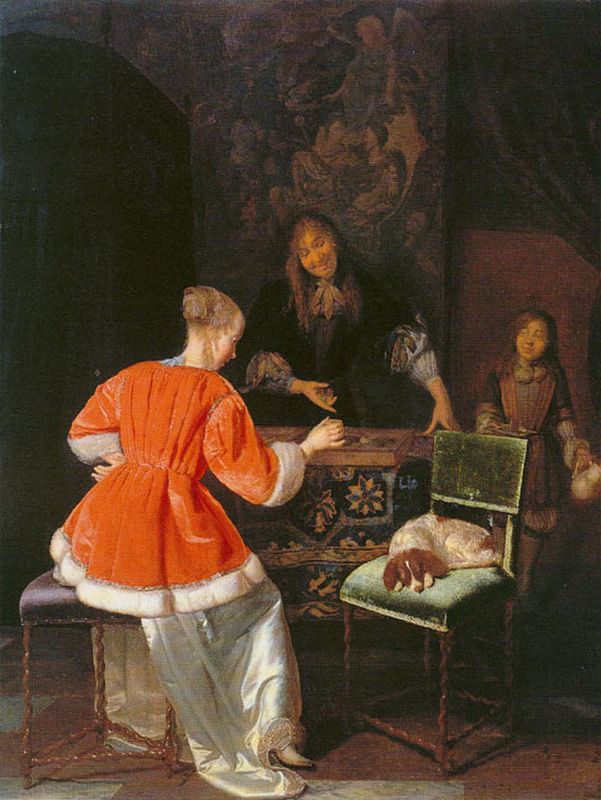 Same era · 1850s–1880s
The Backgammon Players
Philip Webb · 1861 · The Metropolitan Museum of Art
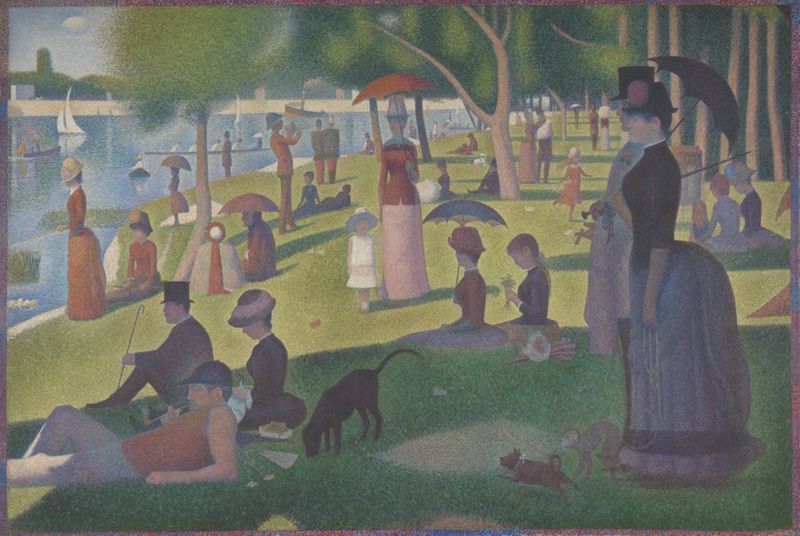 Same era · 1850s–1880s
A Sunday on La Grande Jatte — 1884
Okada Saburosuke · 1884 · Art Institute of Chicago
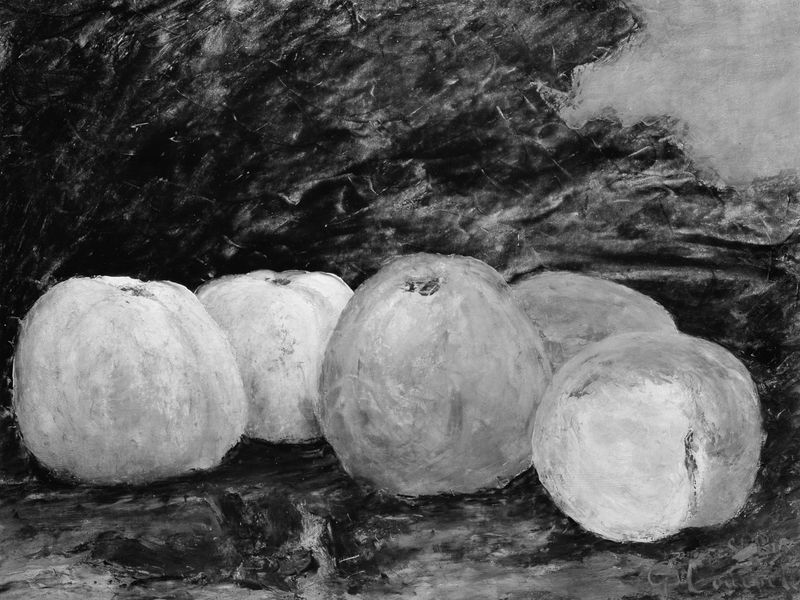 Same era · 1850s–1880s
Apples
Gustave Courbet · 1871 · National Museum of Western Art
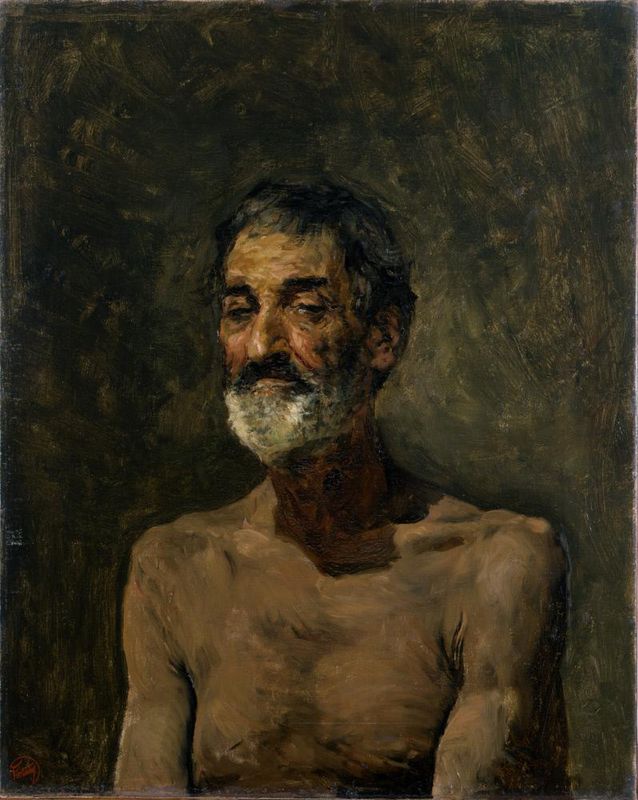 Same era · 1850s–1880s
Bearded Man
Mariano Fortuny Marsal · 1871 · Hispanic Society of America
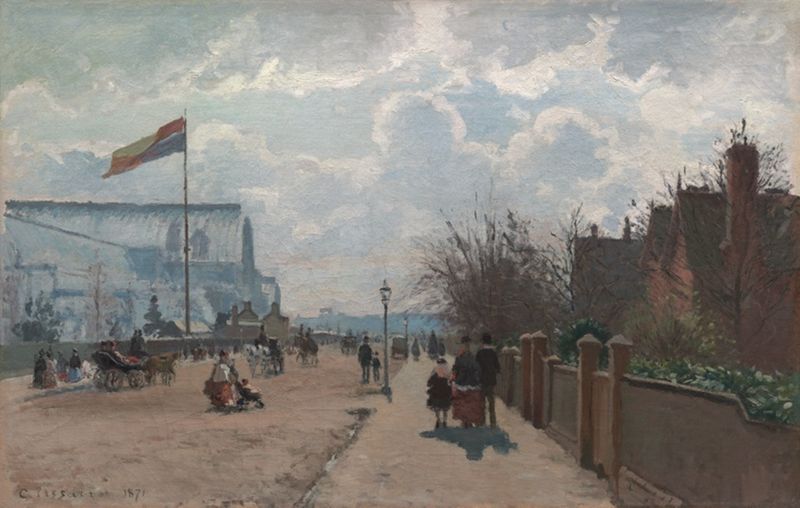 Same era · 1850s–1880s
The Crystal Palace
Camille Pissarro · 1871 · Art Institute of Chicago
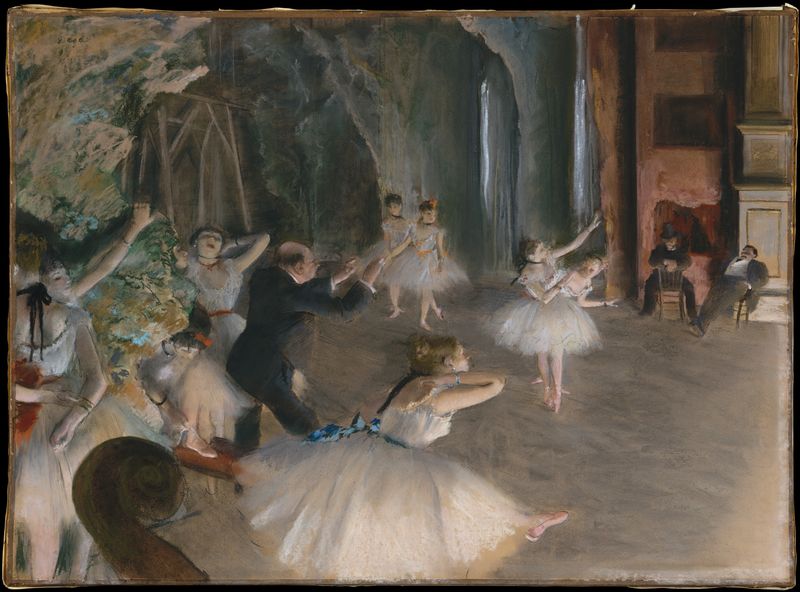 Same era · 1850s–1880s
The Rehearsal Onstage
Edgar Degas · 1871 · The Metropolitan Museum of Art
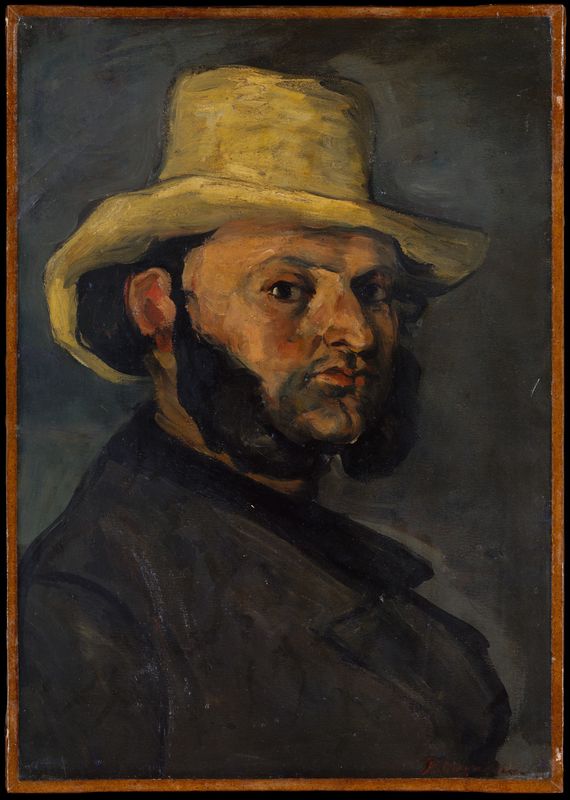 Same era · 1850s–1880s
Gustave Boyer (b. 1840) in a Straw Hat
Paul Cézanne · 1870 · The Metropolitan Museum of Art
 Same era · 1850s–1880s
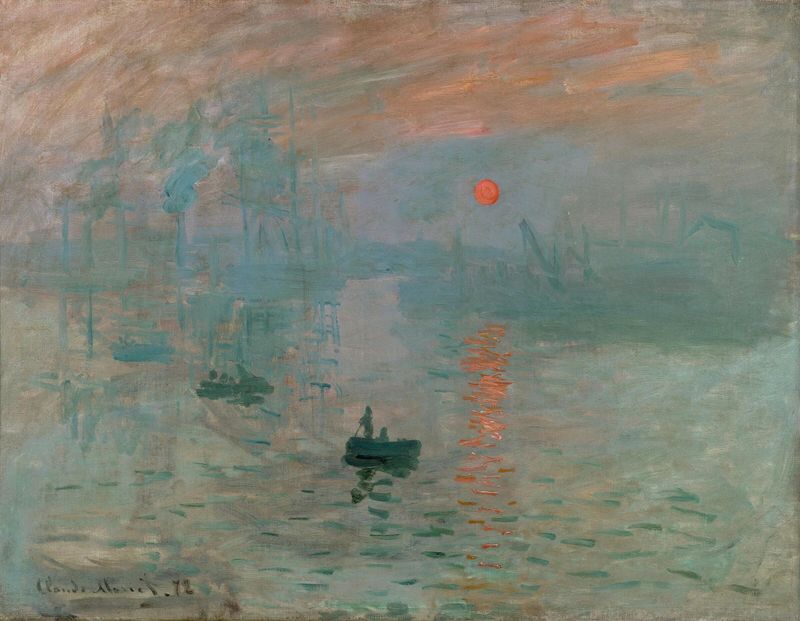
Impression, Sunrise
Claude Monet · 1872 · Musée Marmottan Monet
 Same era · 1850s–1880s
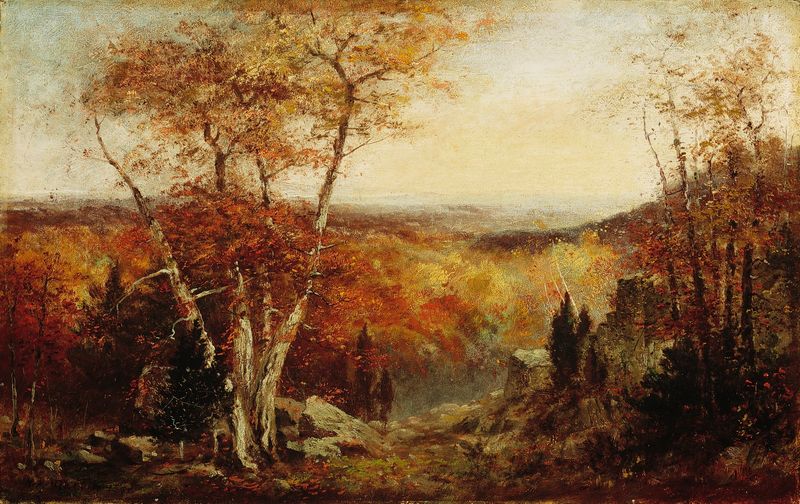
In the Adirondacks
William Hart · 1870 · Q847508
