01
Red headscarf
The knotted red cloth on his head is the strongest colour note in the picture. Its tails fall at the neck and pull your eye straight to his face.
1 of 5 on the painting
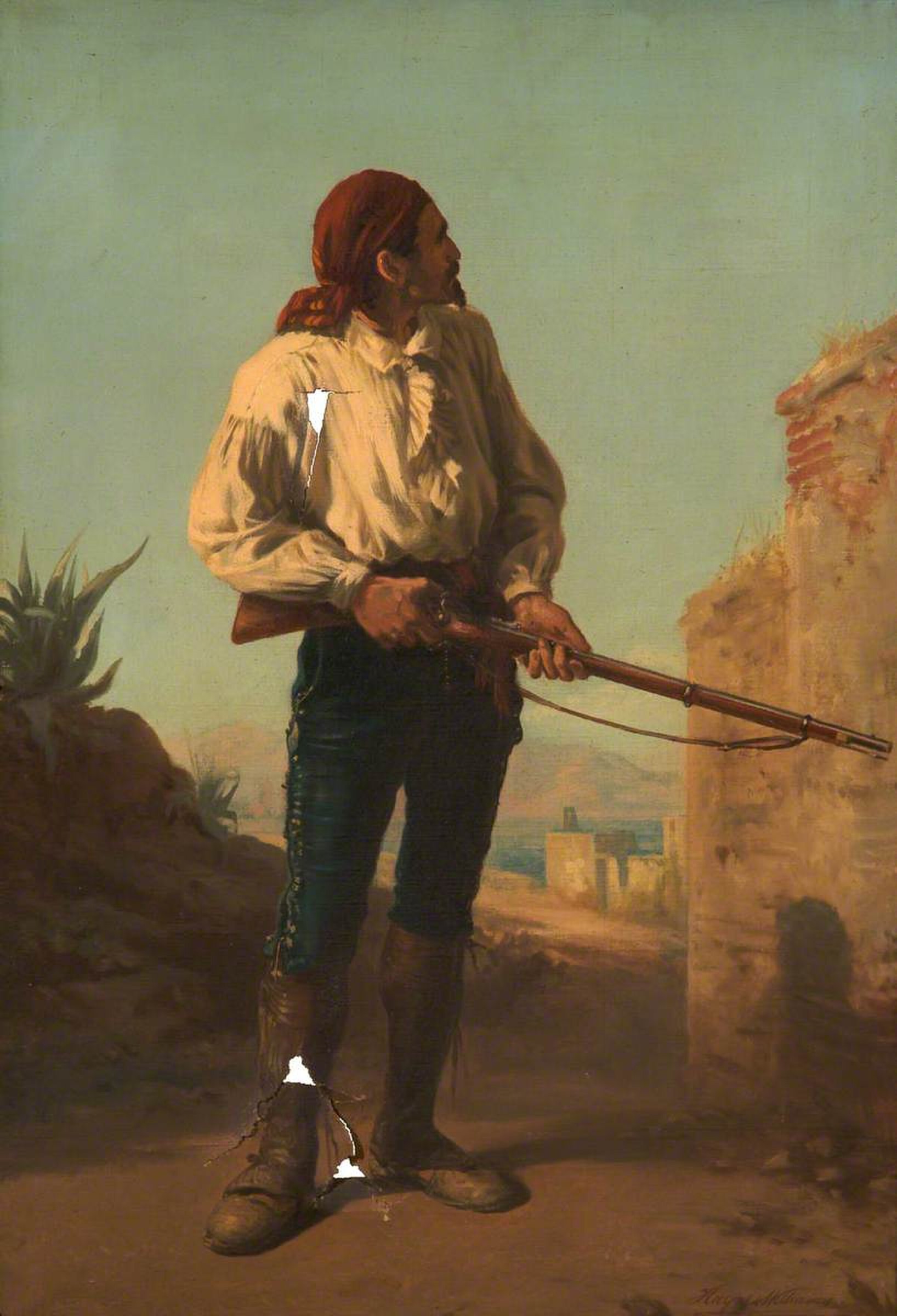
“Stop to admire this striking portrait of a Spanish Warrior, where dramatic lighting and a turbulent sky create an air of mystery and quiet determination around the solitary figure.”
A lone warrior stands dramatically against a stormy sky, his gaze intense and focused. He wears a helmet adorned with a red plume and a breastplate that gleams under the dramatic lighting. The artist, John Haynes-Williams, painted this work in 1873, placing the figure in a landscape that feels both vast and desolate, emphasizing his isolation and resolve. The Spanish identity is suggested by his attire and the overall romanticized depiction, common in 19th-century European art that often looked to historical and exotic subjects for inspiration. The painting captures a moment of quiet determination, inviting us to ponder the warrior's story and the battle he might be preparing for, or perhaps has just endured. The dramatic interplay of light and shadow, particularly on his armor and the turbulent clouds, heightens the emotional impact of the scene.
Five details hide in plain sight. Pick one and we’ll show you exactly where to look.
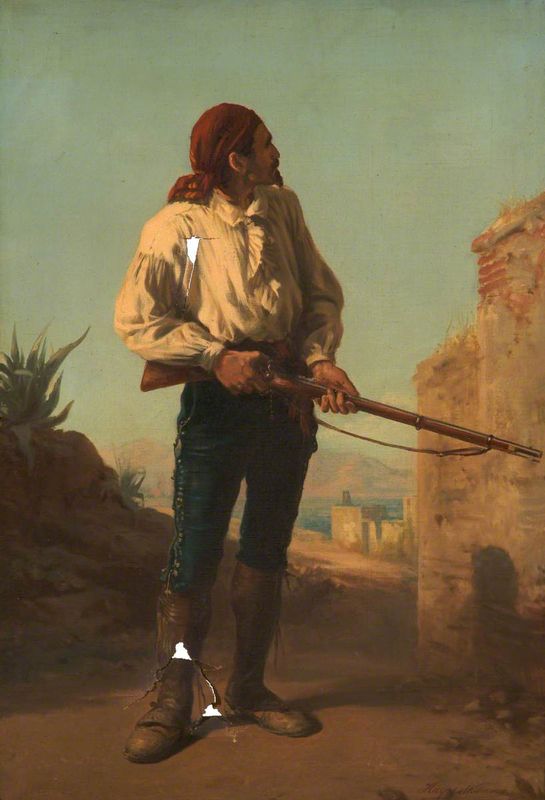
The knotted red cloth on his head is the strongest colour note in the picture. Its tails fall at the neck and pull your eye straight to his face.
His head turns sharply to the right while his body stays angled toward us. He seems to be looking at something outside the picture, which makes us look that way too.
He grips a long rifle across his body, and its diagonal cuts through the picture to the right. The sling hangs loose below it, so he looks ready but not yet firing.
Beyond the wall, a small sunlit building and a strip of blue sea sit under pale hills. This tiny view opens up the distance behind the figure.
The scuffed leather boots are painted with dull browns and hold the figure to the dusty ground. Look for the cracks and small losses in the paint near the left boot, signs of the canvas's age.
The full narration walks you through A Spanish Warrior — the story behind it, the details most visitors miss, and why it matters. Free in the Art Whisper app.
John Haynes-Williams was a British painter known for his detailed oil paintings, including works like 'Alice' from 1892.
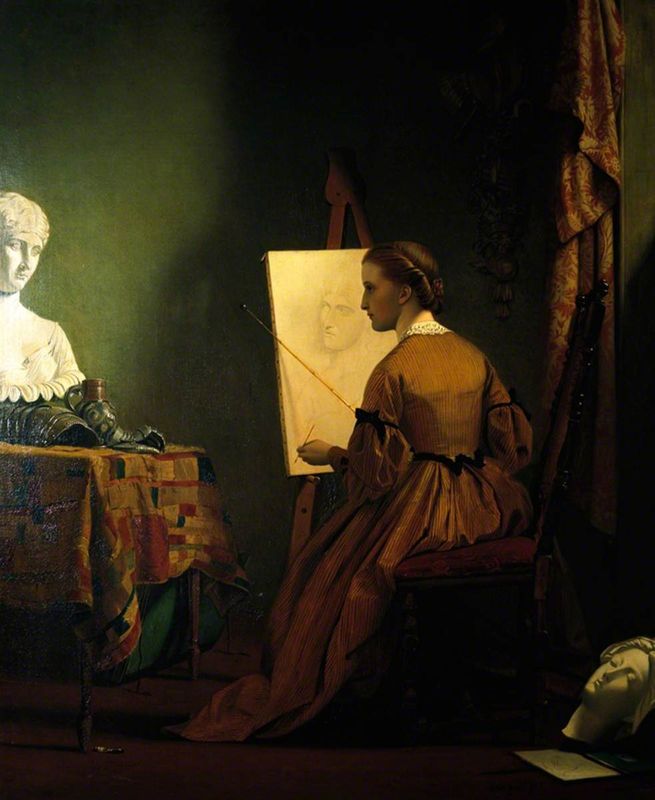 My Pupil
1870 · Scarborough Art Gallery
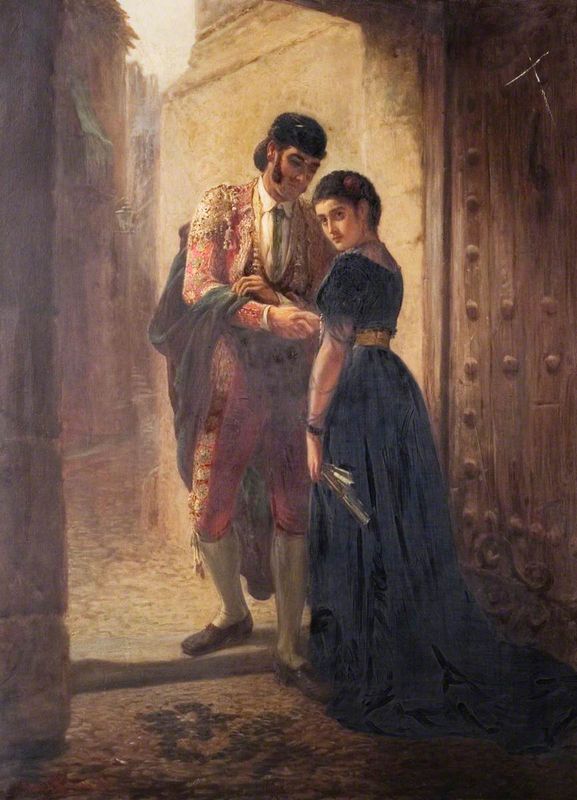 Adiós (Farewell)
1871 · Herbert Art Gallery and Museum
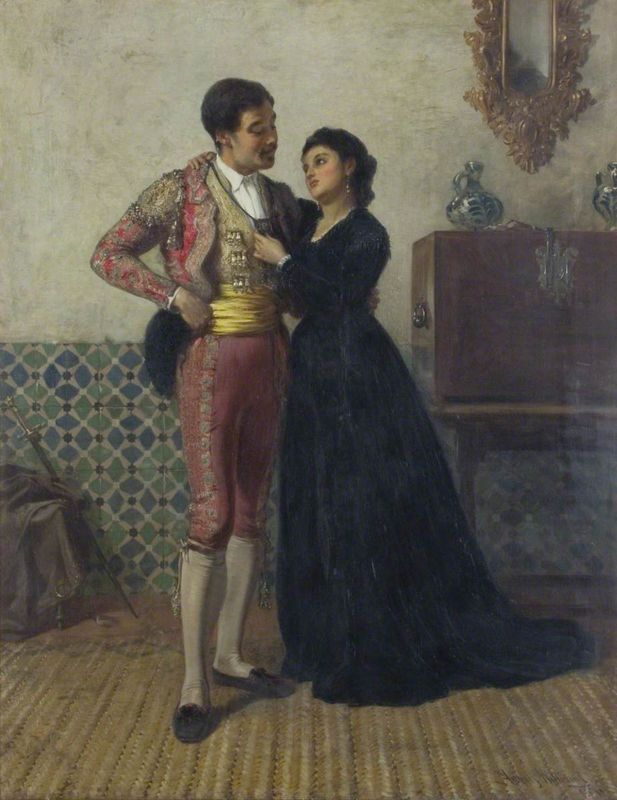 The Talisman
1871 · National Museum Cardiff
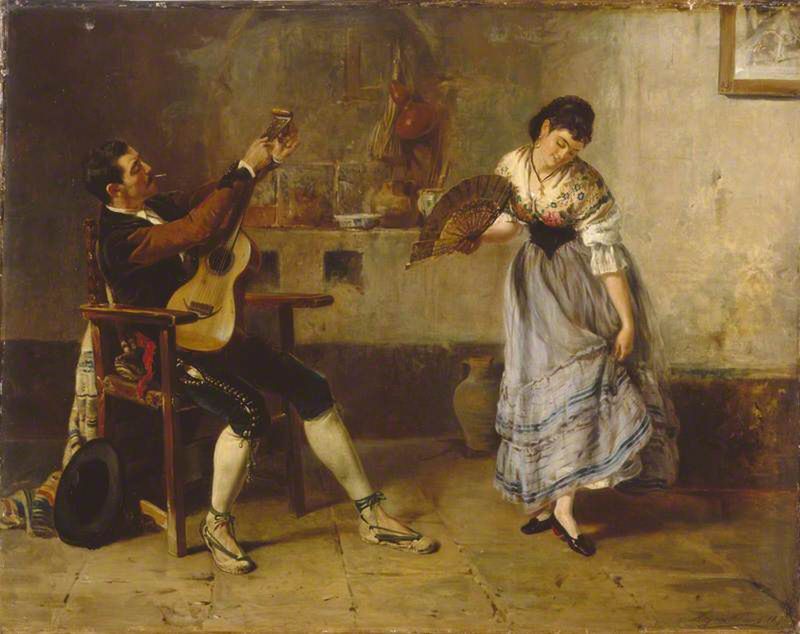 Spanish Dancer
1873 · Manchester Art Gallery
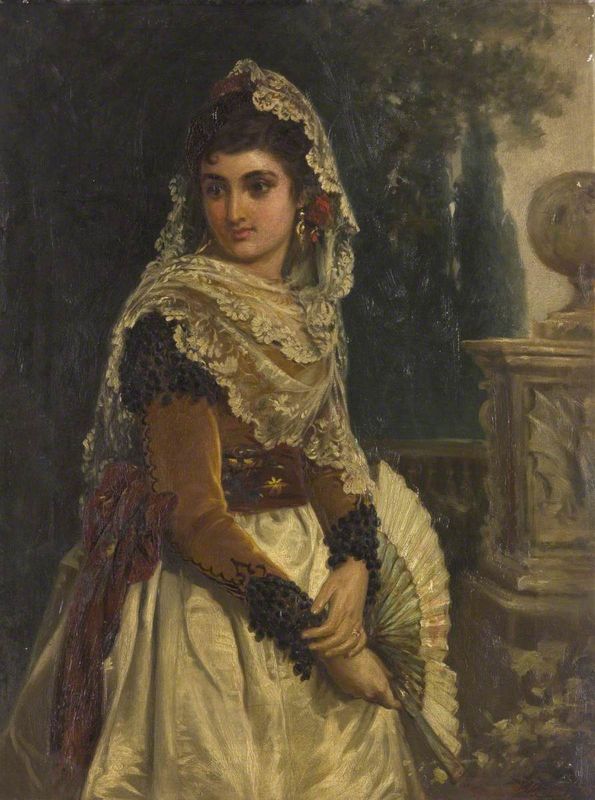 Will He Come?
1875 · National Museum Cardiff
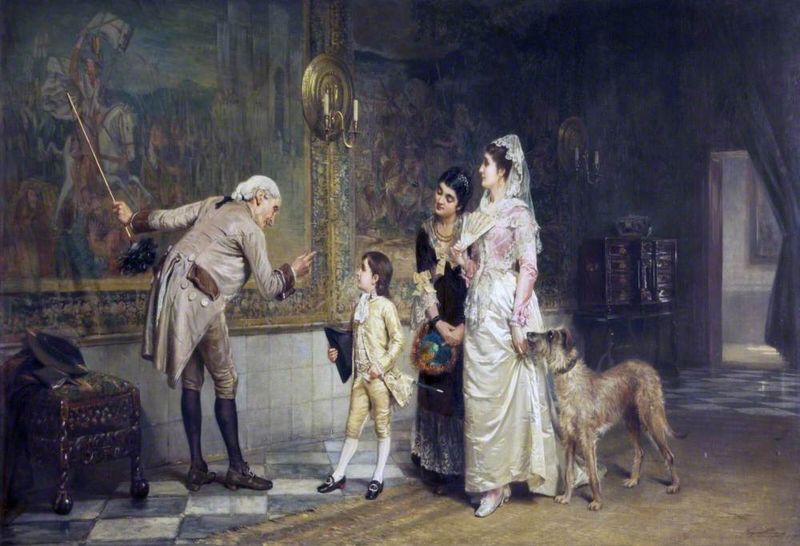 The Ancestor on the Tapestry
1876 · Walker Art Gallery
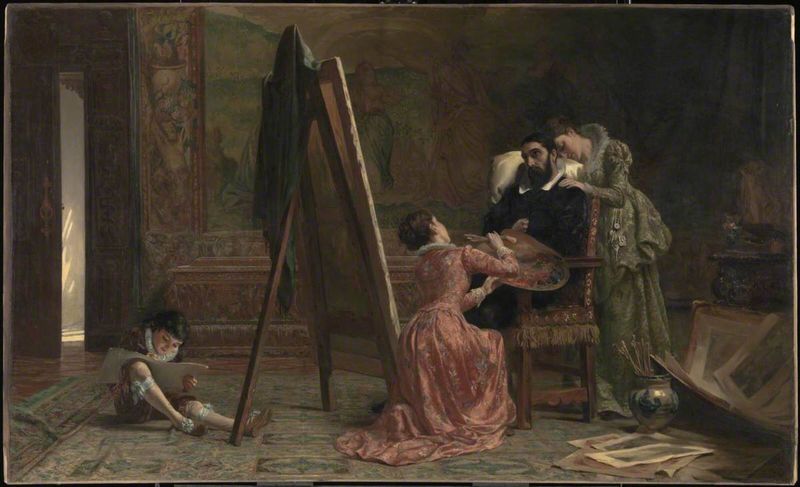 Ars Longa, Vita Brevis
1877 · National Gallery
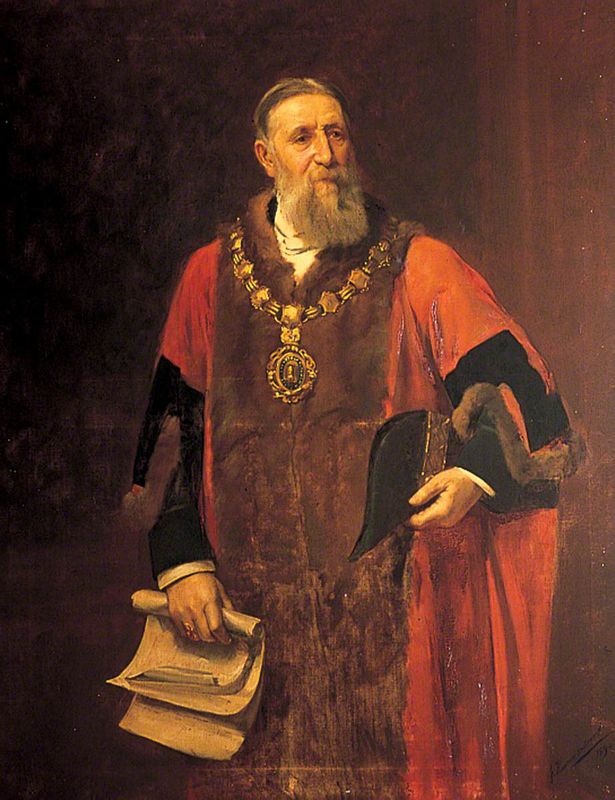 George Matthews Arnold (d.1907) (8 times Mayor of Gravesend, made Honorary Freeman of Gravesend December 1907 just before his death)
1894 · Gravesham Civic Centre
Beyond Haynes-Williams: works from the same years.
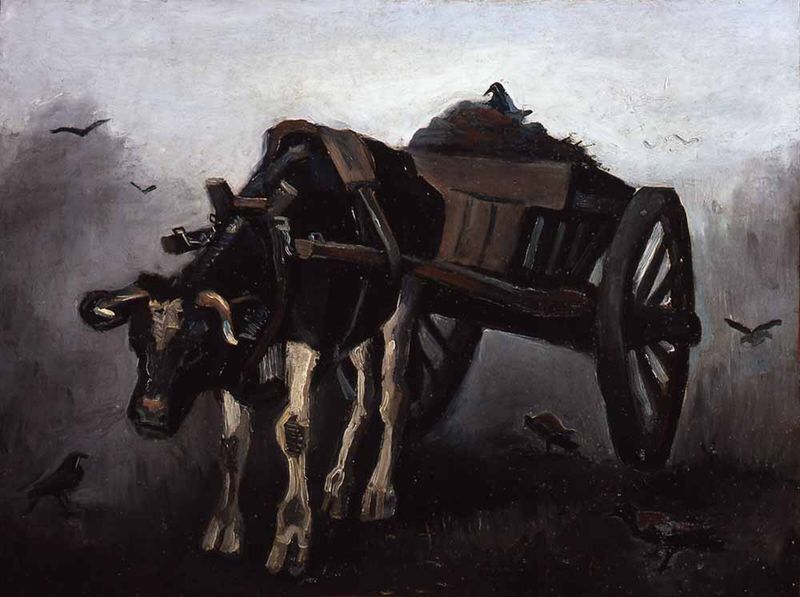 Same era · 1850s–1880s
Cart with Black Ox
Vincent van Gogh · 1884 · Portland Art Museum
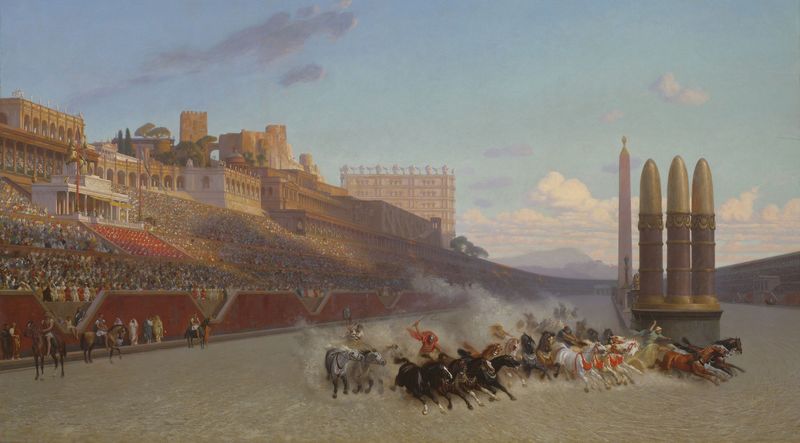 Same era · 1850s–1880s
Chariot Race
Léon-Victor Dupré · 1876 · Art Institute of Chicago
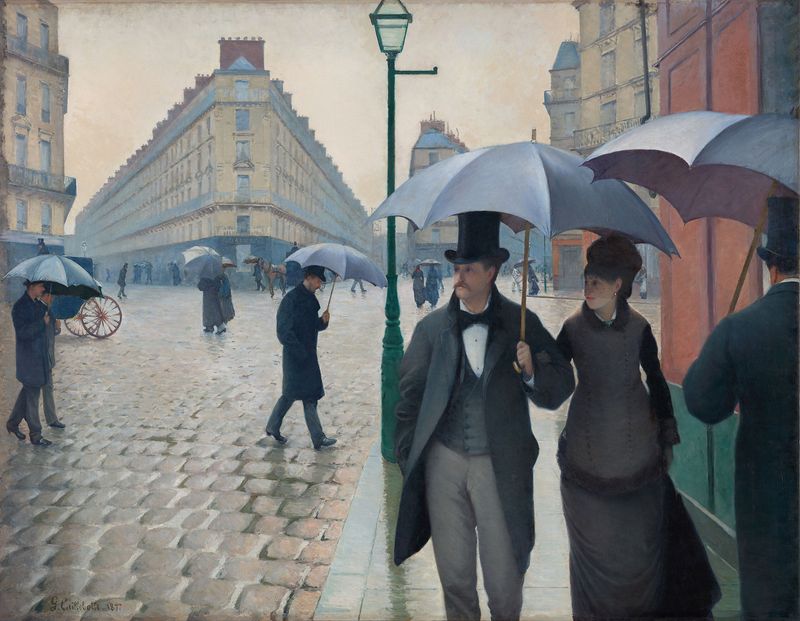 Same era · 1850s–1880s
Paris Street; Rainy Day
Kawabata Gyokushō · 1877 · Art Institute of Chicago
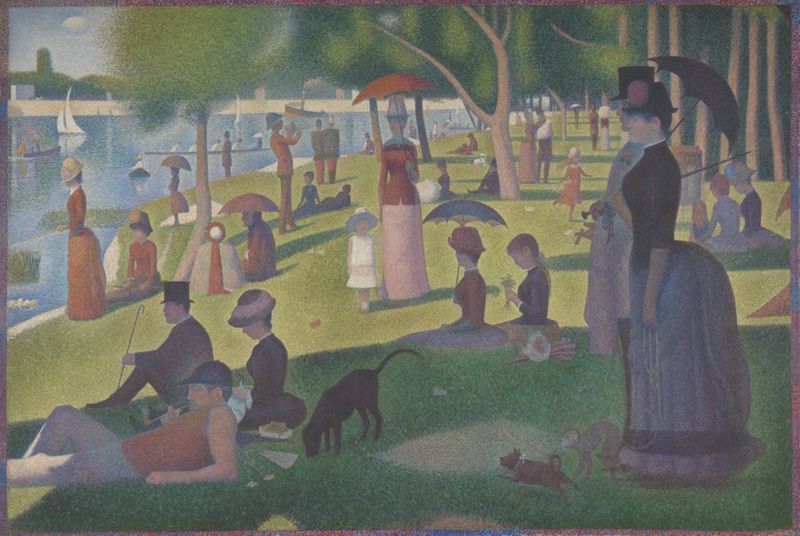 Same era · 1850s–1880s
A Sunday on La Grande Jatte — 1884
Okada Saburosuke · 1884 · Art Institute of Chicago
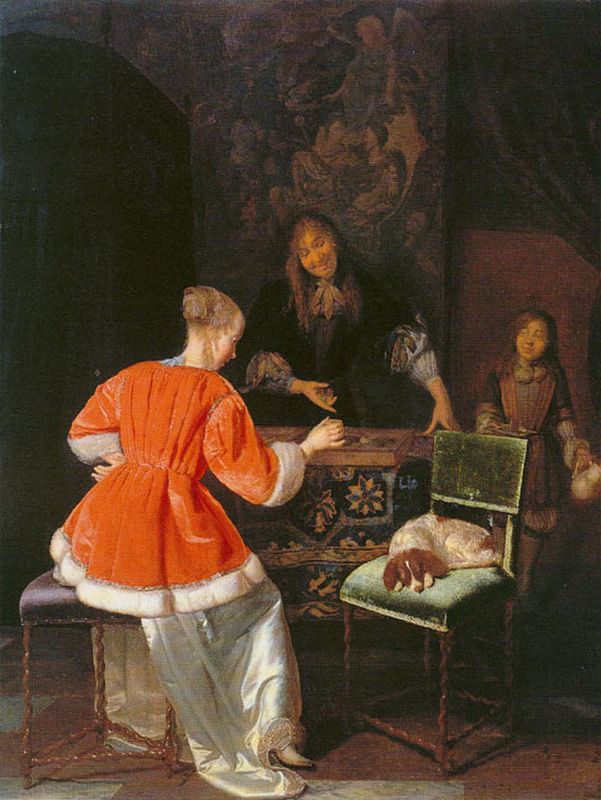 Same era · 1850s–1880s
The Backgammon Players
Philip Webb · 1861 · The Metropolitan Museum of Art
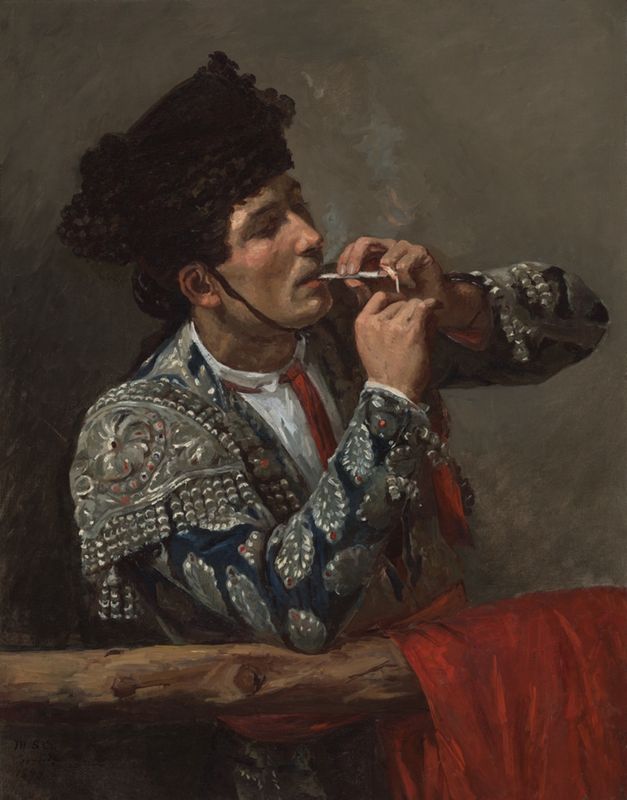 Same era · 1850s–1880s
After the Bullfight
Mary Cassatt · 1873 · Art Institute of Chicago
 Same era · 1850s–1880s
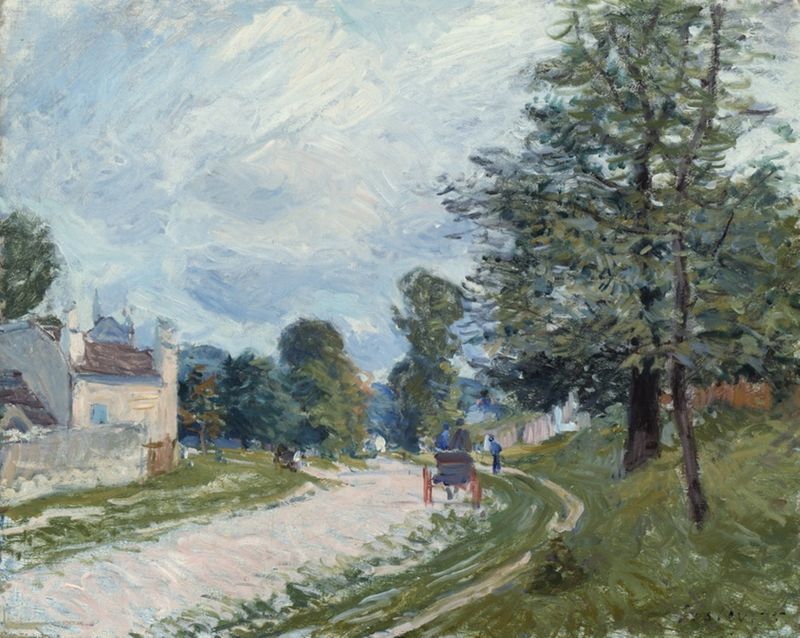
A Turn in the Road
Alfred Sisley · 1873 · Art Institute of Chicago
 Same era · 1850s–1880s
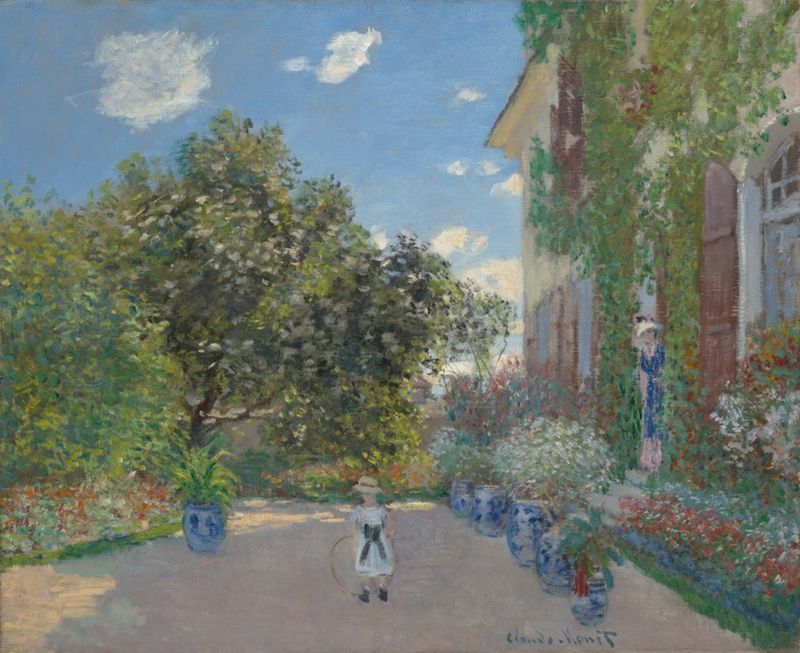
The Artist's House at Argenteuil
Claude Monet · 1873 · Art Institute of Chicago
 Same era · 1850s–1880s
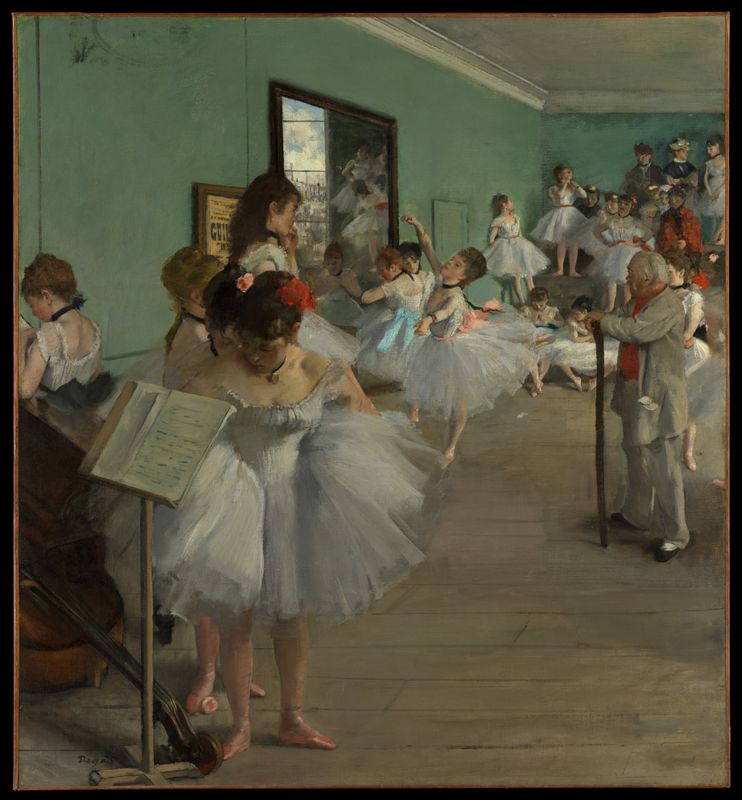
The Dance Class
Edgar Degas · 1873 · National Gallery of Art
 Same era · 1850s–1880s
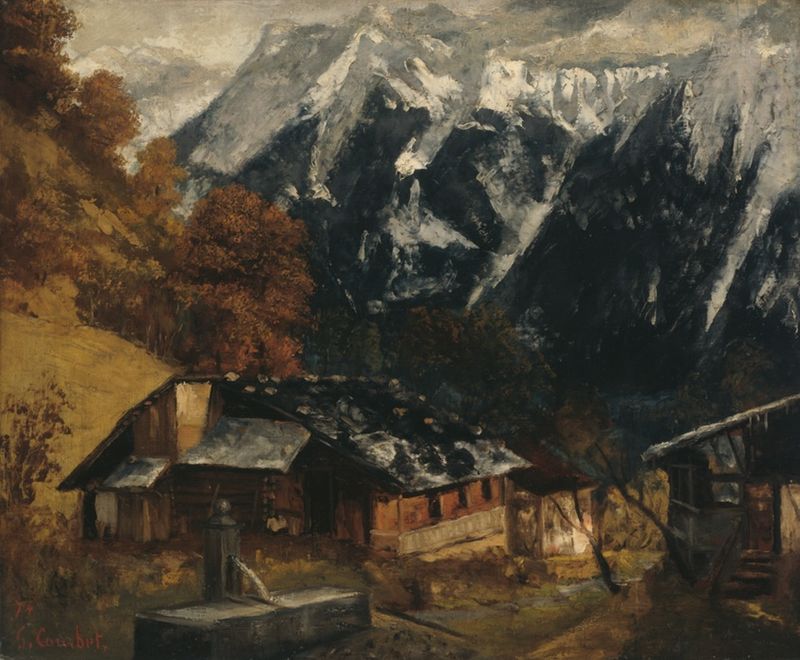
An Alpine Scene
Gustave Courbet · 1874 · Art Institute of Chicago
 Same era · 1850s–1880s
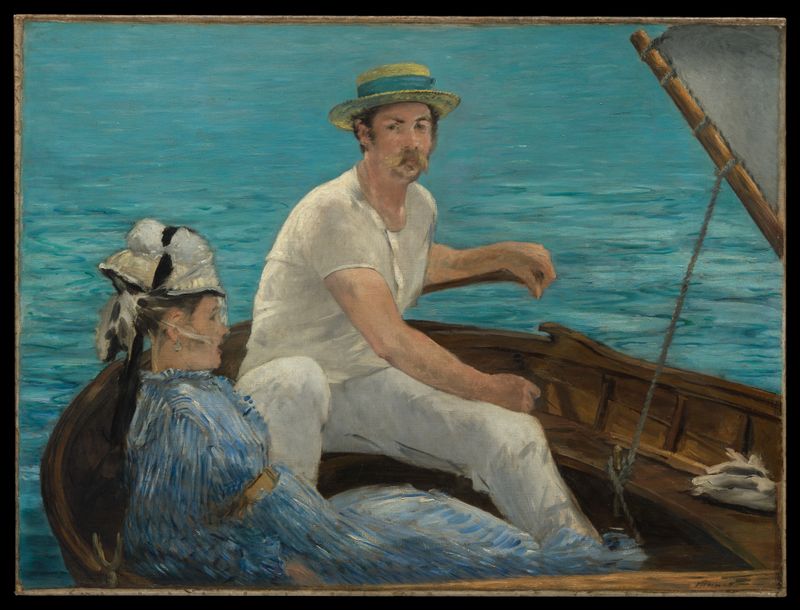
Boating
Édouard Manet · 1874 · Metropolitan Museum of Art
 Same era · 1850s–1880s
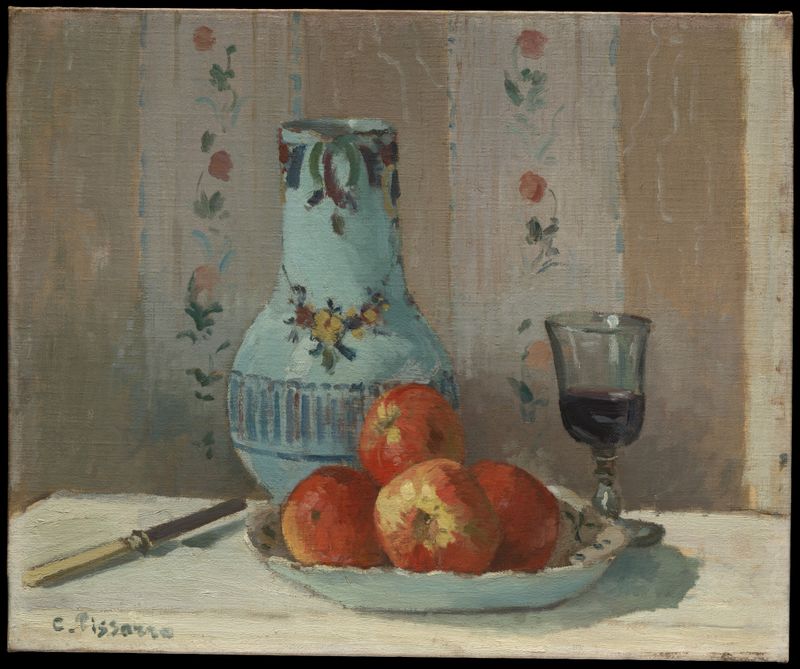
Still Life with Apples and Pitcher
Camille Pissarro · 1872 · The Metropolitan Museum of Art
