01
The roasted turkey
The golden-brown turkey on its platter sits at the center of the picture. Everyone's attention and the title's idea of plenty meet here.
1 of 5 on the painting
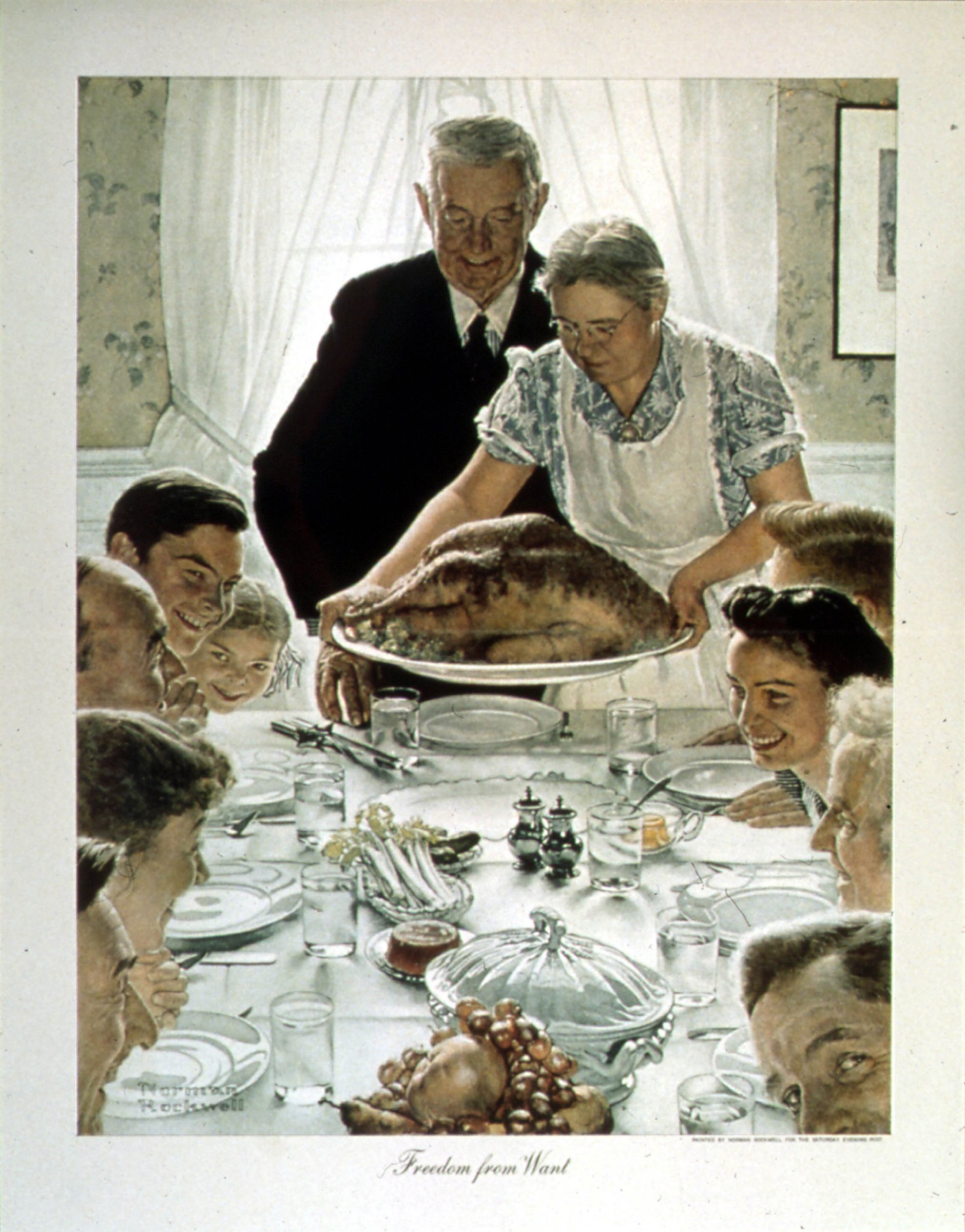
“This painting, "Freedom from Want," is Norman Rockwell's iconic portrayal of an American Thanksgiving, symbolizing an idealized vision of family and abundance during wartime. It's a powerful image from his famous "Four Freedoms" series.”
In this iconic painting, a multi-generational family gathers around a Thanksgiving table, eyes fixed on the matriarch as she presents a golden-brown roasted turkey. The scene, bathed in warm, inviting light, captures an idealized vision of American family life and abundance. This work is the third in Norman Rockwell's "Four Freedoms" series, inspired by President Franklin D. Roosevelt's 1941 speech articulating universal rights. Painted in November 1942 and published in The Saturday Evening Post in March 1943, it became a powerful symbol of hope and national values during World War II. Rockwell meticulously composed the scene, photographing friends and family in Arlington, Vermont, and painting them into this tableau. The masterful handling of white-on-white elements, from the crisp tablecloth to the gleaming plates, creates a sense of purity and celebration, contrasting with the empty plates that hint at the anticipation of the feast.
Five details hide in plain sight. Pick one and we’ll show you exactly where to look.
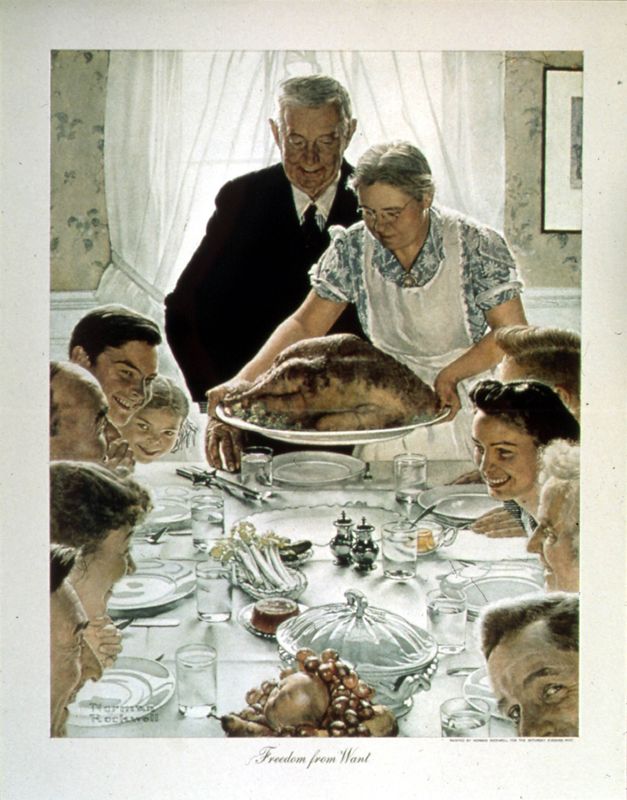
The golden-brown turkey on its platter sits at the center of the picture. Everyone's attention and the title's idea of plenty meet here.
A white-haired man in a dark suit stands behind a woman in an apron as she sets down the turkey. Both look down toward the platter with warm, pleased expressions.
Look at the creased tablecloth, plates, glasses and curtains. Rockwell used many soft shades of white and grey so that each one reads clearly.
The plates in front are bare and the glasses hold only water. The turkey has only just arrived, so the family is still waiting to eat.
Smiling faces lean in from the left and right edges, some cropped by the frame. They draw your eye toward the turkey and make you feel seated among them.
The full narration walks you through Freedom from Want — the story behind it, the details most visitors miss, and why it matters. Free in the Art Whisper app.
The man who painted 323 Saturday Evening Post covers also depicted a six-year-old Ruby Bridges integrating a New Orleans school.
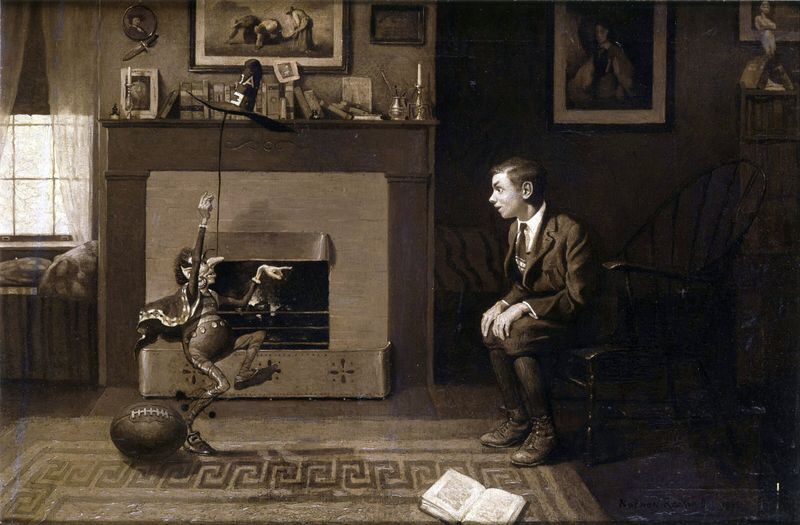 The Magic Foot-ball, 'I thought you were wrong,' he said in triumph. 'You said it was nine! Stupid!'
1914 · Norman Rockwell Museum
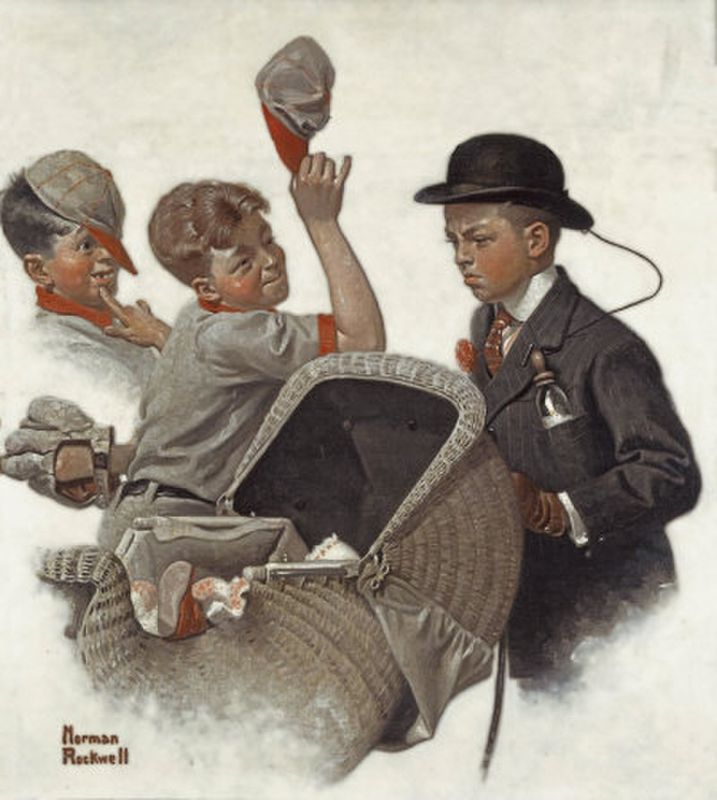 Boy with Baby Carriage
1916 · Norman Rockwell Museum
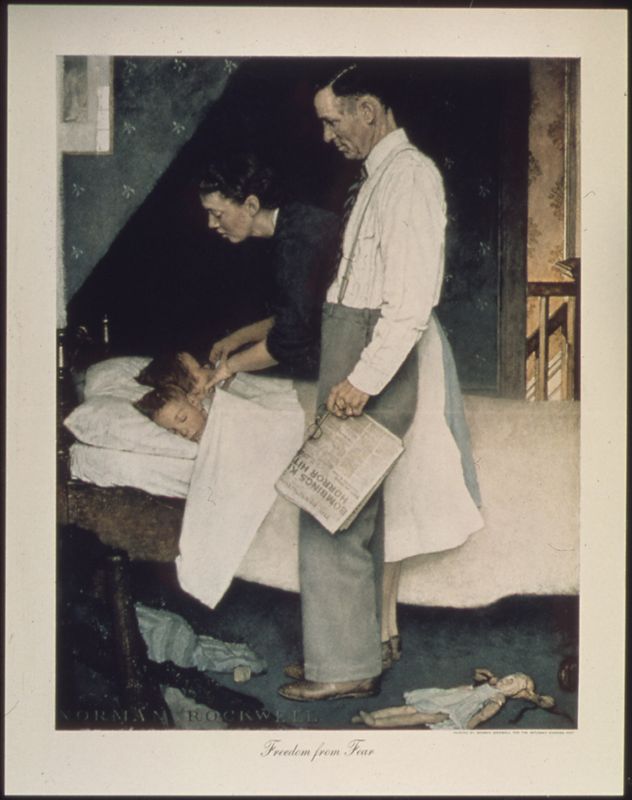 Freedom from Fear
1943 · Norman Rockwell Museum
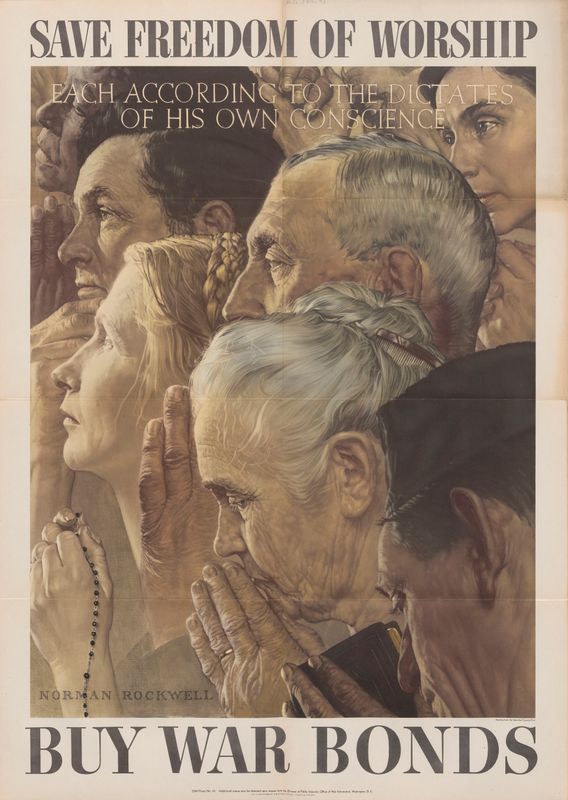 Freedom of Worship
1943 · Norman Rockwell Museum
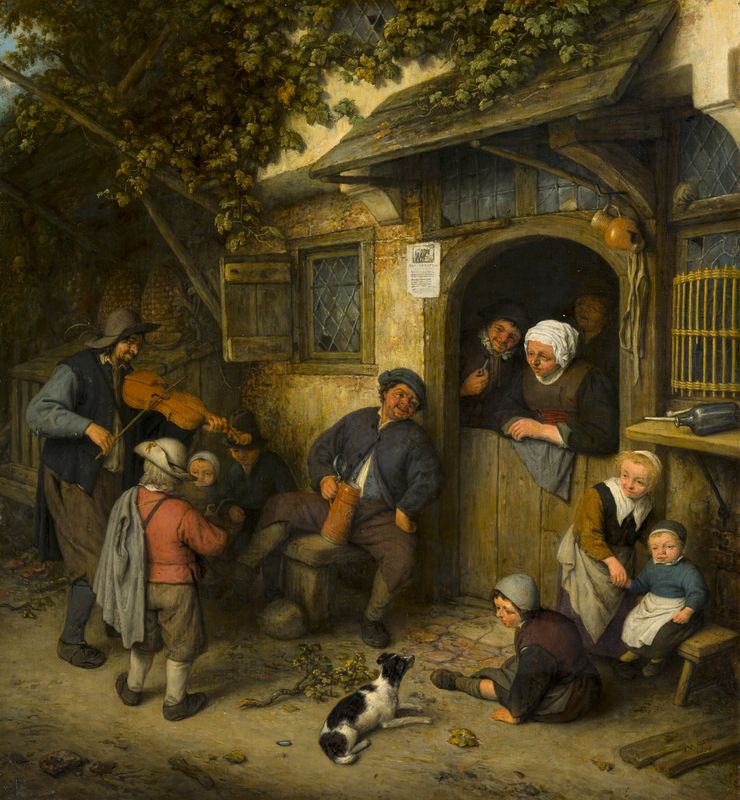 The Fiddler
1921 · Brandywine Museum of Art
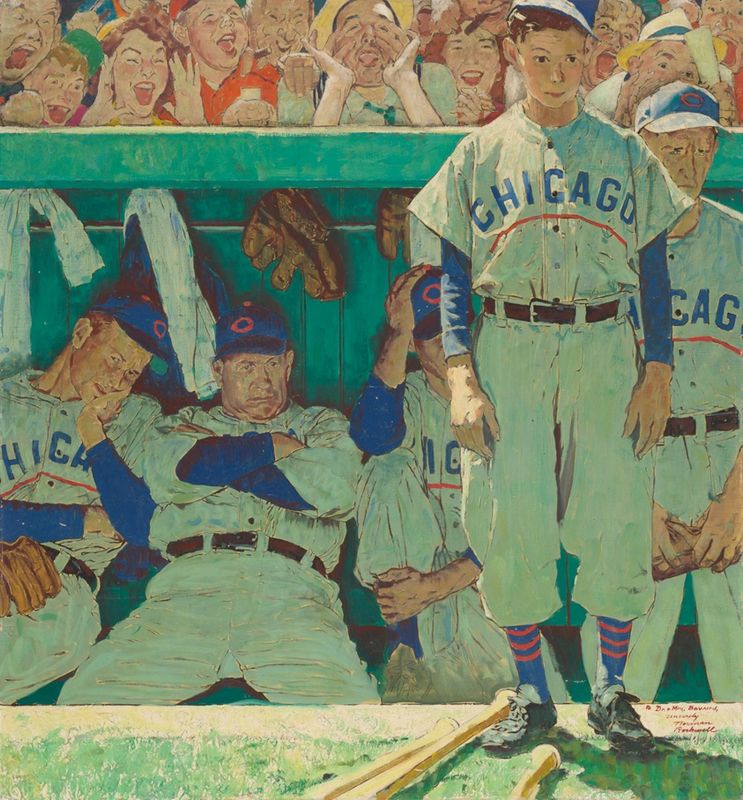 The Dugout
1948 · Art Institute of Chicago
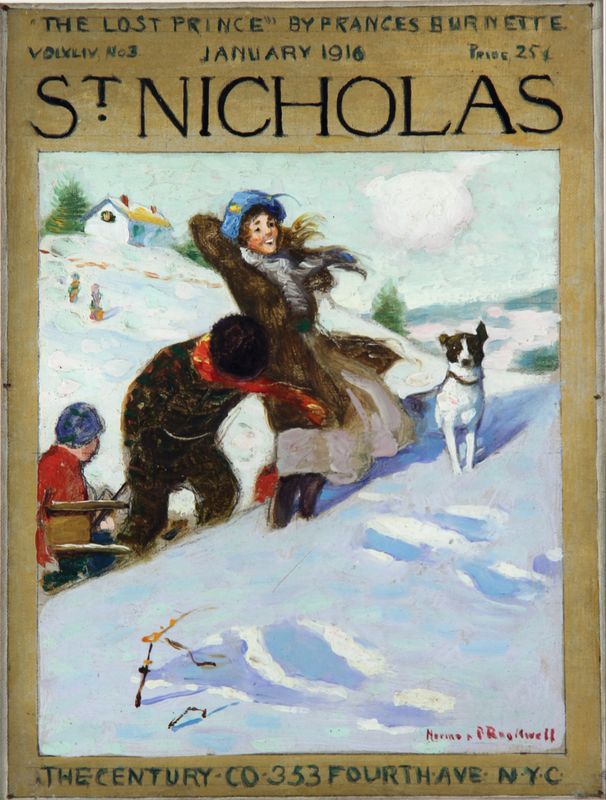 Girl in Snow With Dog
1916 · Norman Rockwell Museum
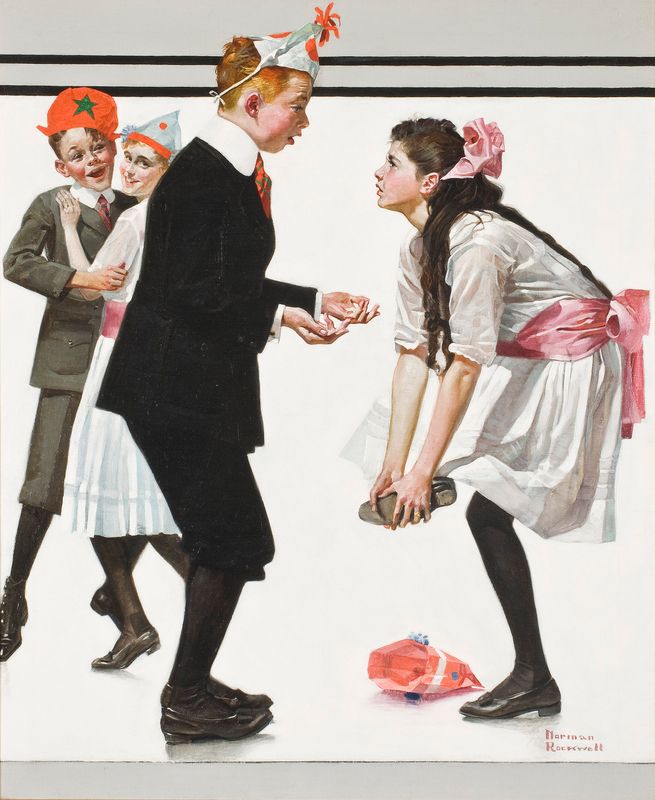 Children Dancing at a Party
1918 · Steven Spielberg
Beyond Rockwell and Realism: works from the same years.
 Same era · 1920s–1950s
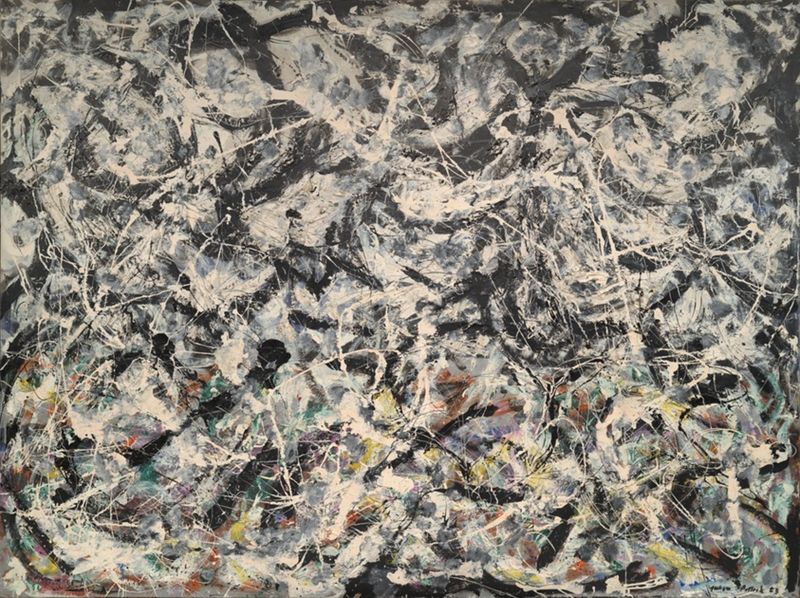
Greyed Rainbow
Jackson Pollock · 1953 · Art Institute of Chicago
 Same era · 1920s–1950s
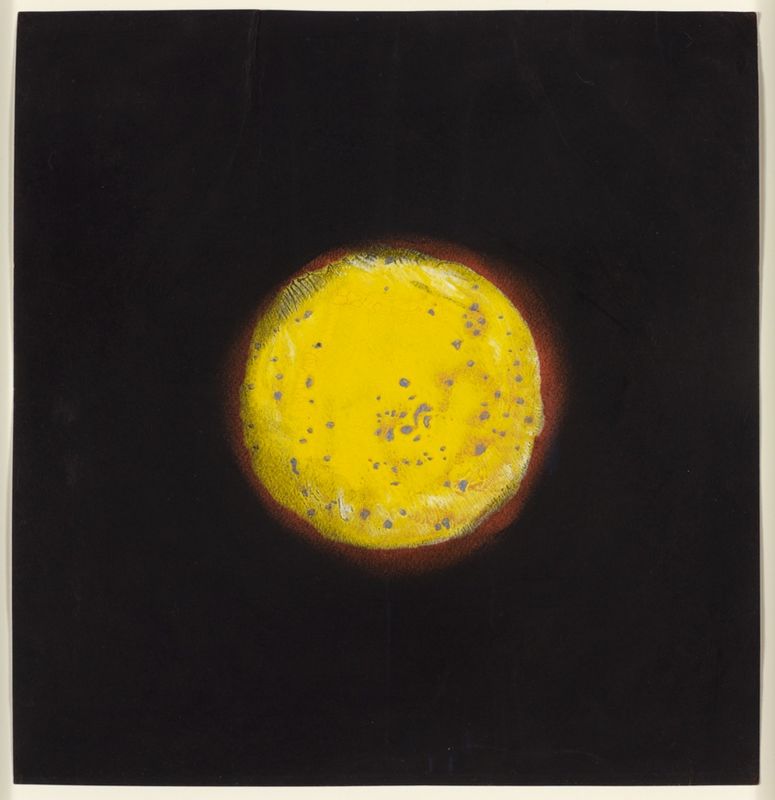
Sun Spot
Yayoi Kusama · 1953 · Art Institute of Chicago
 Same era · 1920s–1950s
Deux personnages
Pierre Alechinsky · 1950
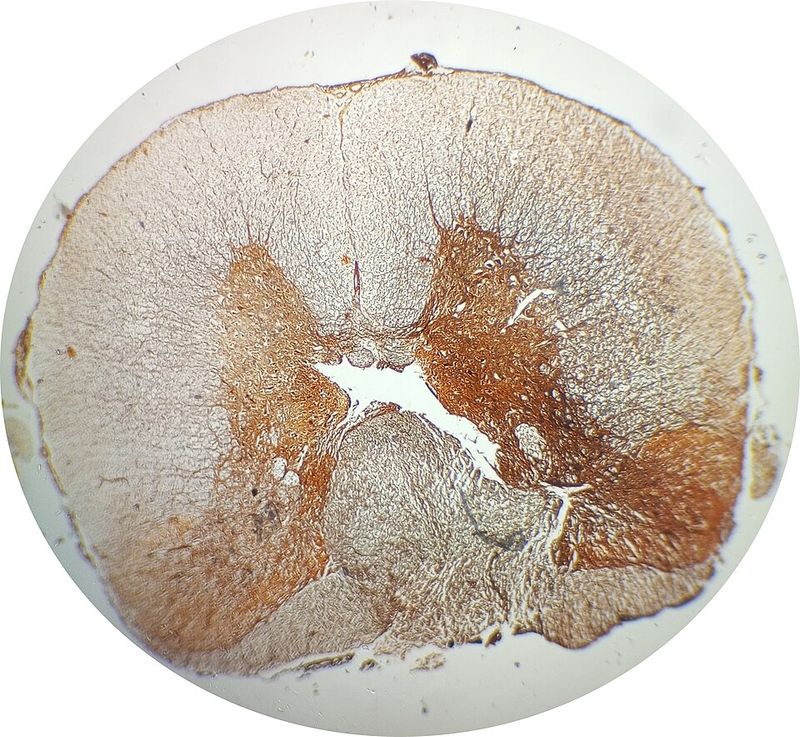 Same era · 1920s–1950s
Impregnazione
Piero Manzoni · 1958
 Same era · 1920s–1950s
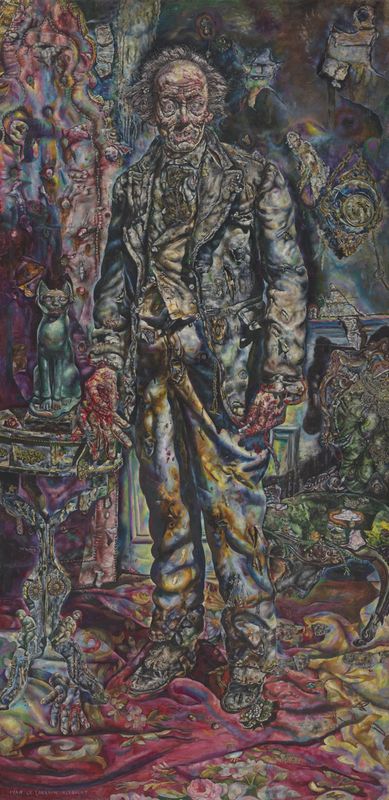
Picture of Dorian Gray
Ivan Puni · 1943 · Art Institute of Chicago
 Same era · 1920s–1950s
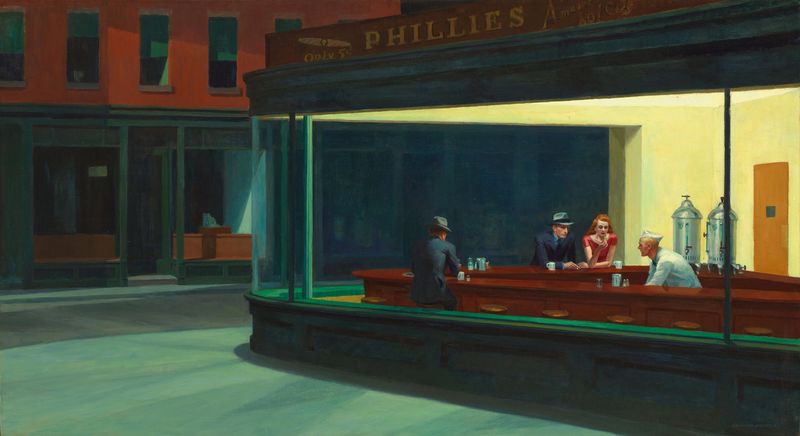
Nighthawks
Okada Saburosuke · 1942 · Art Institute of Chicago
 Same era · 1920s–1950s
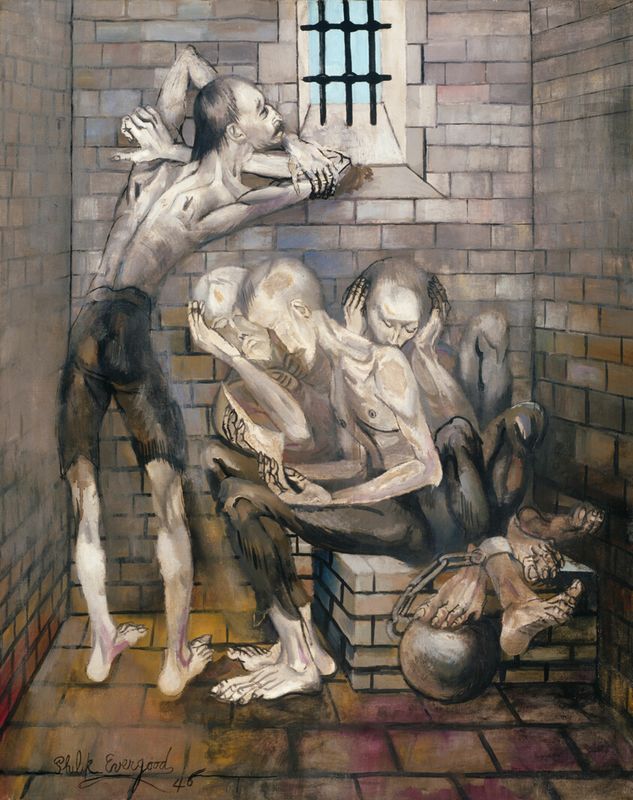
The Indestructibles
Philip Evergood · 1946 · Art Institute of Chicago
 Same era · 1920s–1950s
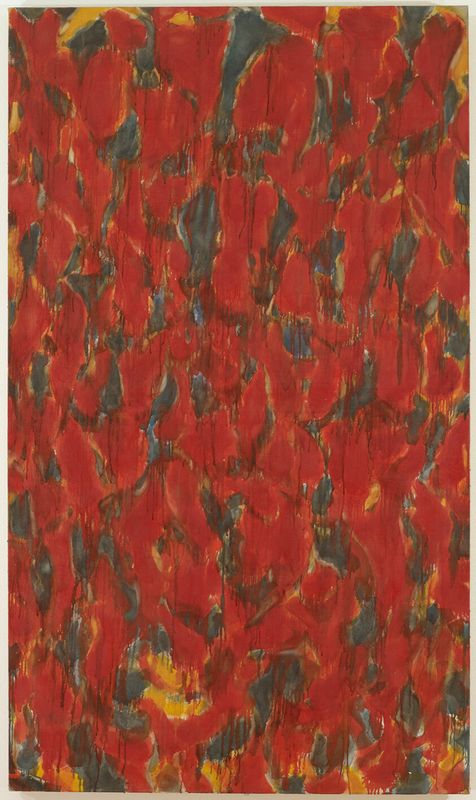
Red No. 2
Sam Francis · 1954 · Art Institute of Chicago
 Same era · 1920s–1950s
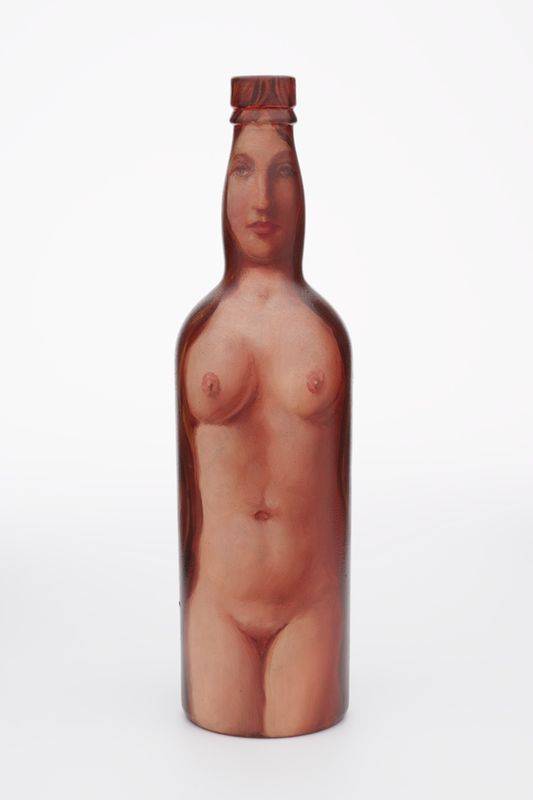
Untitled (Woman-Bottle)
René Magritte · 1943 · Art Institute of Chicago
 Same era · 1920s–1950s
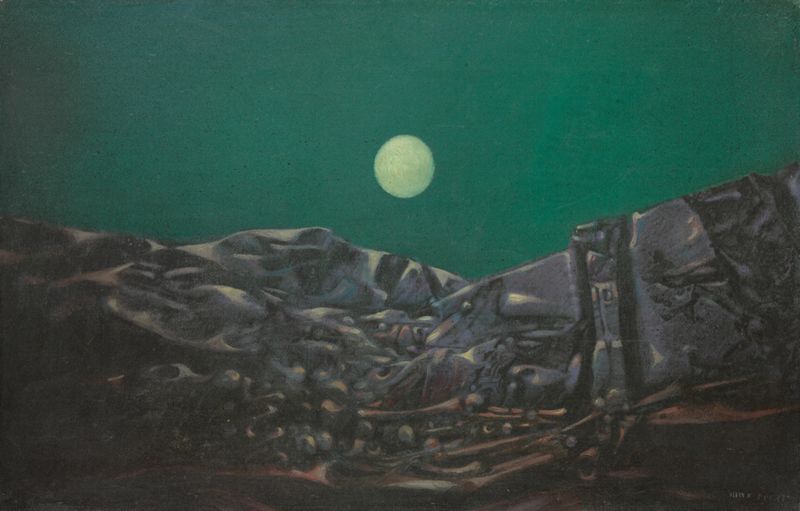
Summer Night in Arizona
Max Ernst · 1944 · Art Institute of Chicago
 Same era · 1920s–1950s
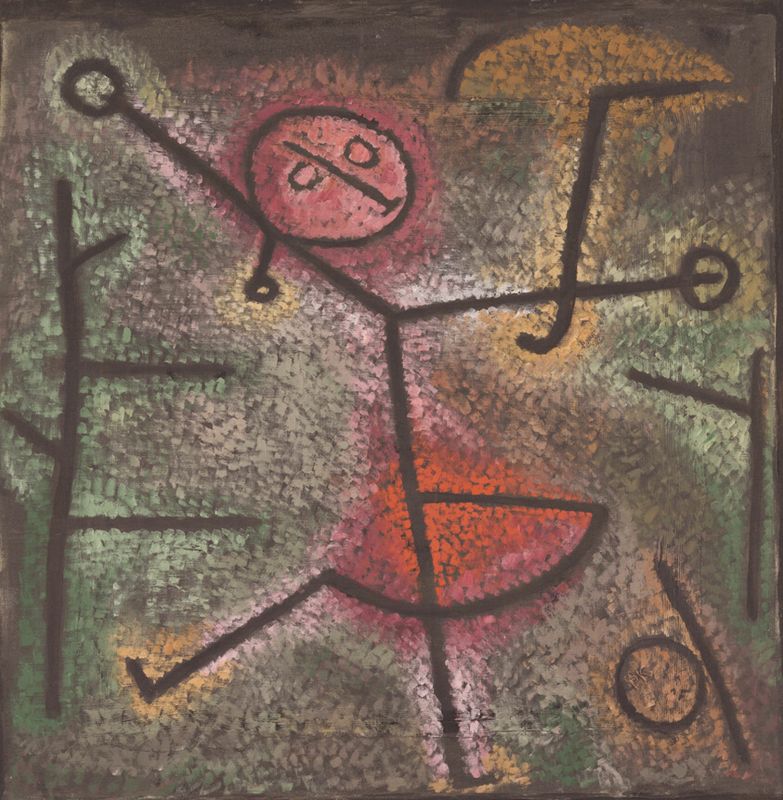
Dancing Girl
Paul Klee · 1940 · Art Institute of Chicago
 Same era · 1920s–1950s
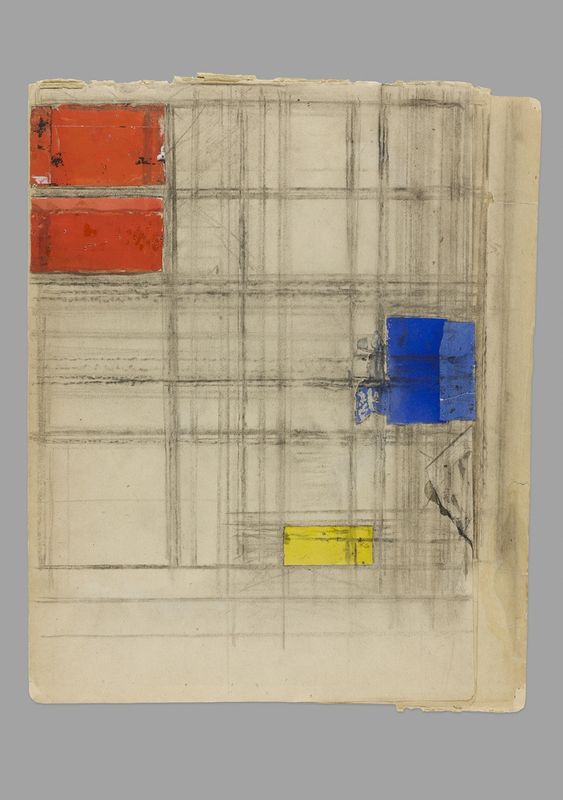
Study for a Composition
Piet Mondrian · 1940 · Art Institute of Chicago