
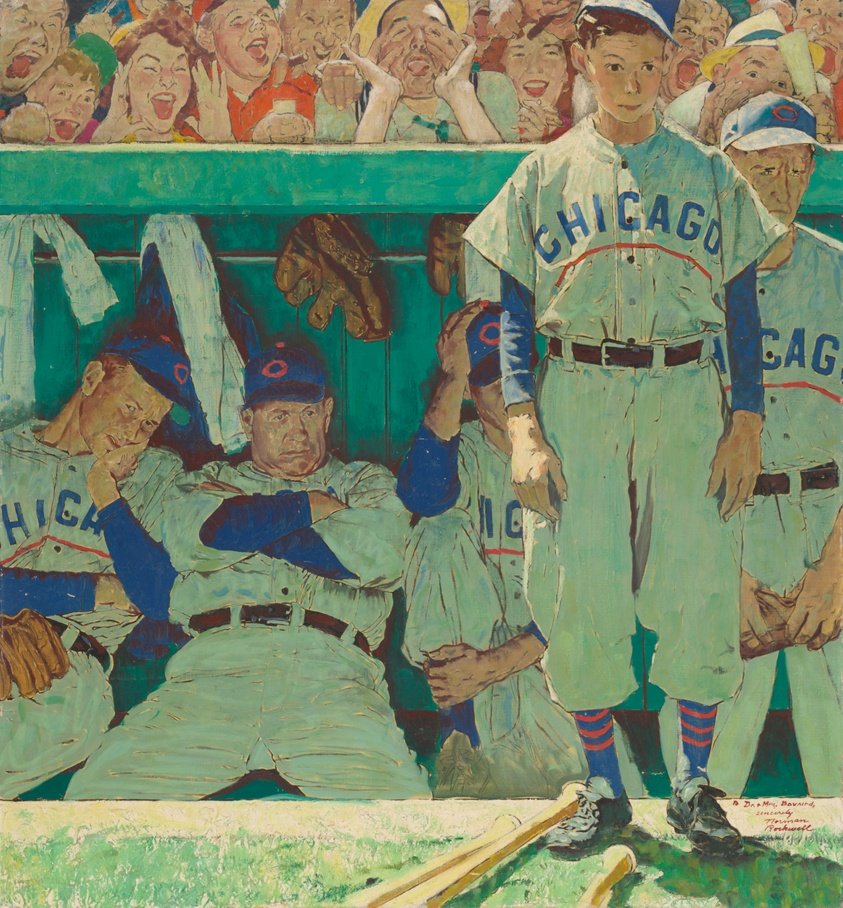
“This iconic Norman Rockwell painting captures the universal experience of loss in baseball, contrasting the dejection of the Chicago Cubs with the elation of rival fans. It's a staged masterpiece that became synonymous with the Cubs' "lovable loser" image.”
In "The Dugout," a somber scene unfolds in the visitors' dugout, capturing the dejection of the Chicago Cubs during a baseball game. Four players and a batboy slump in various states of despair, their faces etched with disappointment. Above them, two rows of Boston Braves fans, including family members of Braves personnel, lean over the railing, their expressions a stark contrast of elation and scorn. This painting, created for a 1948 Saturday Evening Post cover, was meticulously staged by the artist after he attended a doubleheader where the Braves swept the Cubs. He photographed players and fans, even convincing a Braves batboy to wear a Cubs uniform for the shot, creating a poignant image that came to symbolize the Cubs' "lovable loser" reputation.
- Artist
- Norman Rockwell
- Date
- 1948
- Medium
- Oil and gouache on canvas
- Location
- Art Institute of Chicago
- Dimensions
- 109.3 × 104 cm (43 × 40 15/16 in.)
- Collection
- Arts of the Americas
- Culture
- Boston
- Credit line
- Gift of The Honorable Bruce V. Rauner and Diana M. Rauner
What to Notice
Four details hide in plain sight. Here’s where to look.
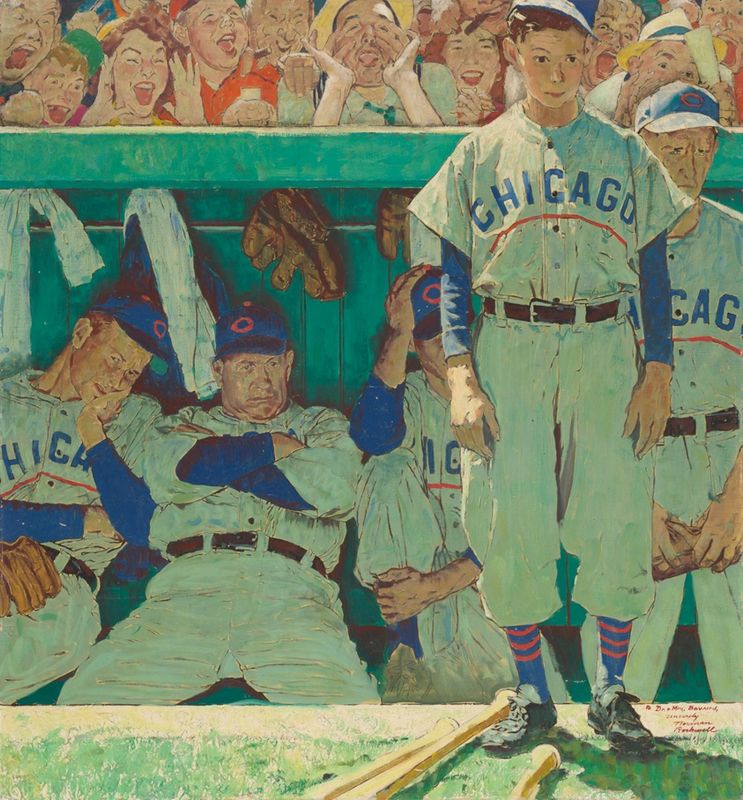
The batboy's forlorn posture, isolated in front of the dugout.
The varied expressions of dejection on the Cubs players' faces.
The jubilant, almost taunting, smiles of the Braves fans above.
The subtle details of the baseball uniforms and equipment.
Stand in front of it and listen
The full narration walks you through The Dugout — the story behind it, the details most visitors miss, and why it matters. Free in the Art Whisper app.
Norman Rockwell
1894–1978 · United StatesThe man who painted 323 Saturday Evening Post covers also depicted a six-year-old Ruby Bridges integrating a New Orleans school.
Further Works by Rockwell
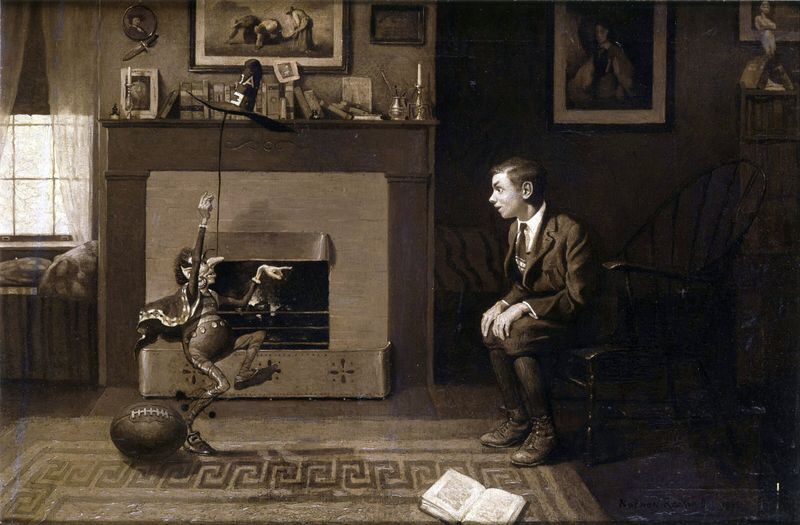 The Magic Foot-ball, 'I thought you were wrong,' he said in triumph. 'You said it was nine! Stupid!'
1914 · Norman Rockwell Museum
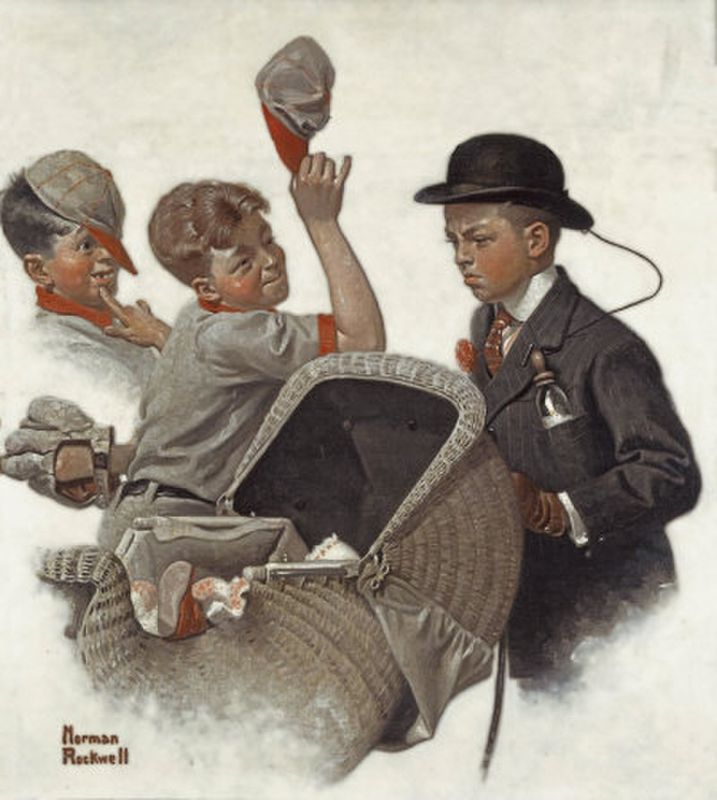 Boy with Baby Carriage
1916 · Norman Rockwell Museum
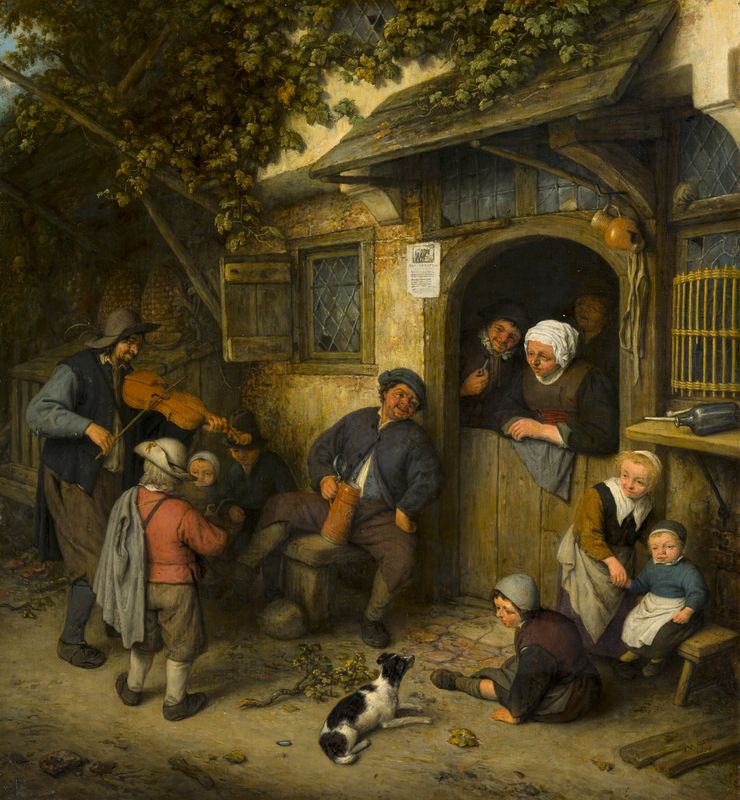 The Fiddler
1921 · Brandywine Museum of Art
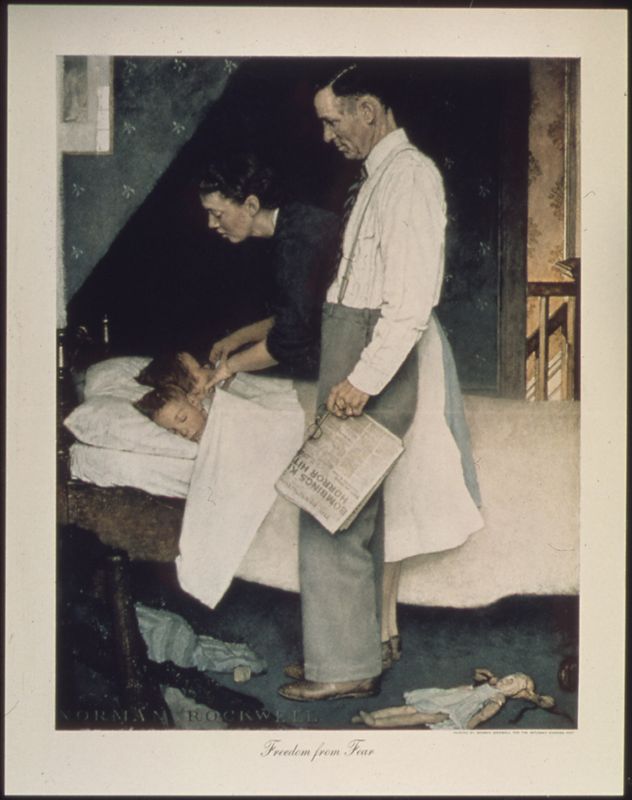 Freedom from Fear
1943 · Norman Rockwell Museum
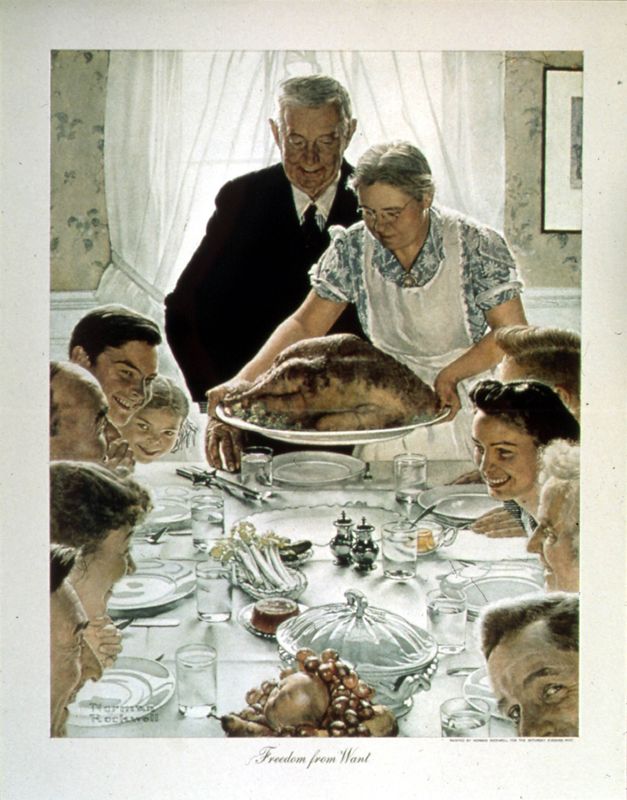 Freedom from Want
1943 · Norman Rockwell Museum
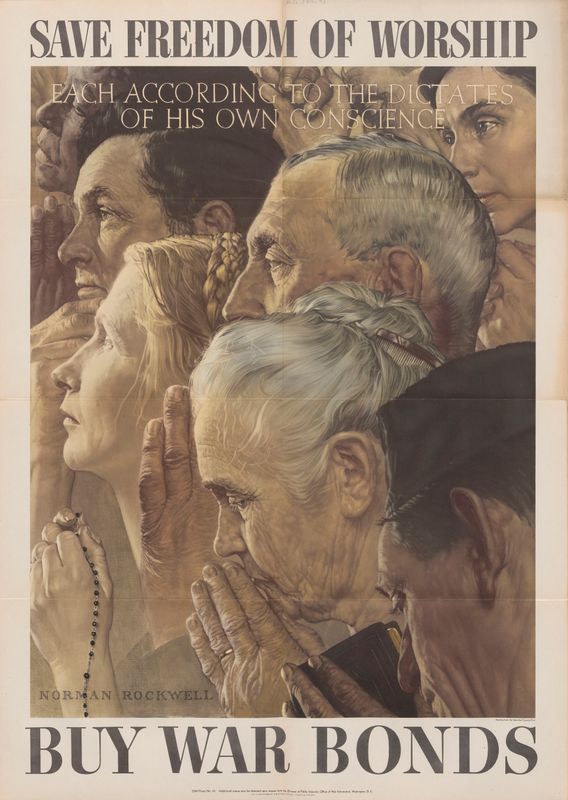 Freedom of Worship
1943 · Norman Rockwell Museum
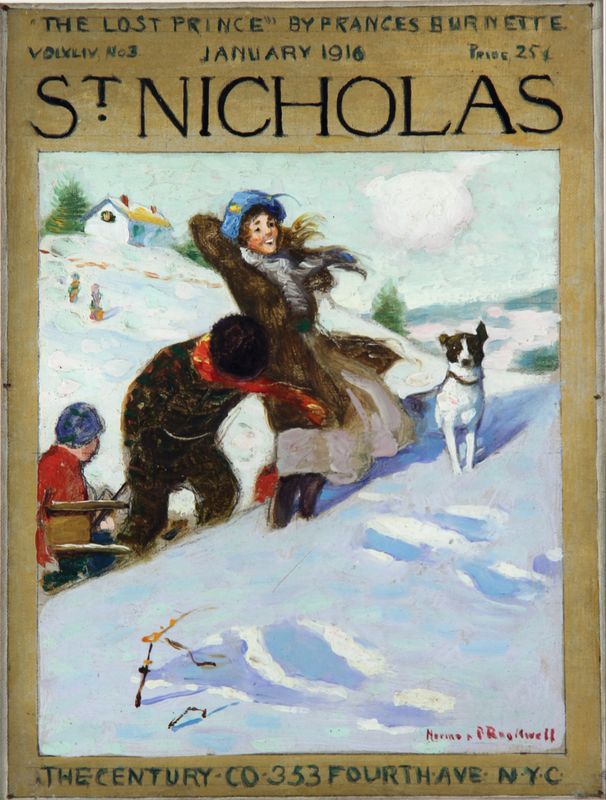 Girl in Snow With Dog
1916 · Norman Rockwell Museum
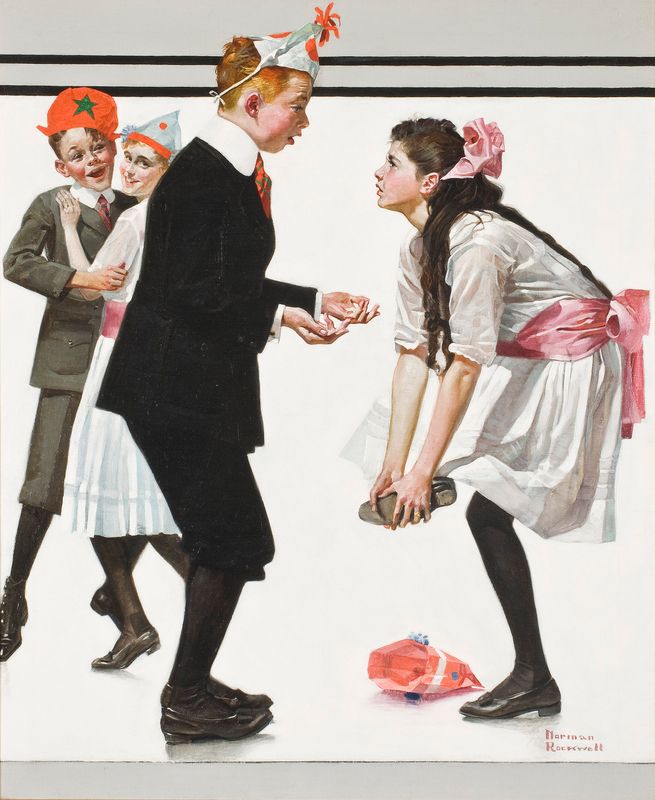 Children Dancing at a Party
1918 · Steven Spielberg
More from Realism
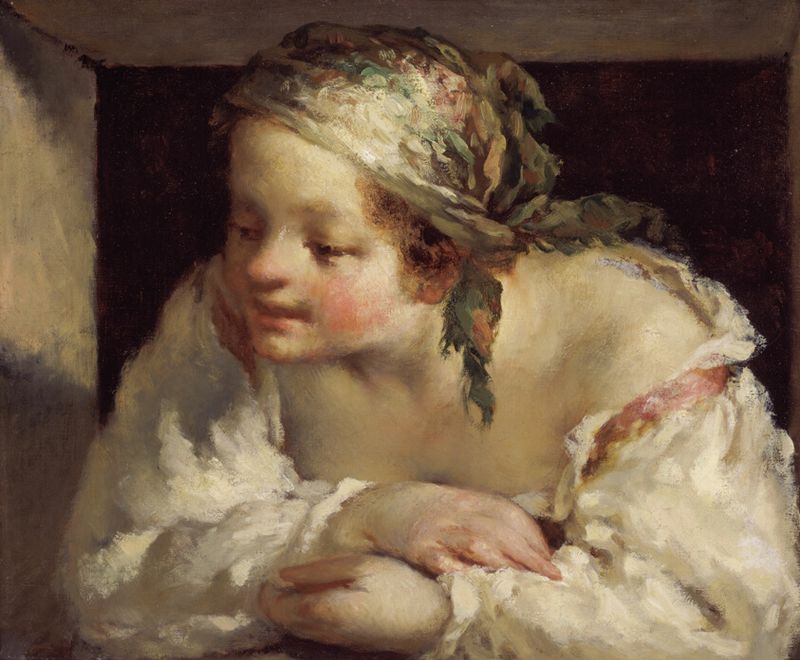
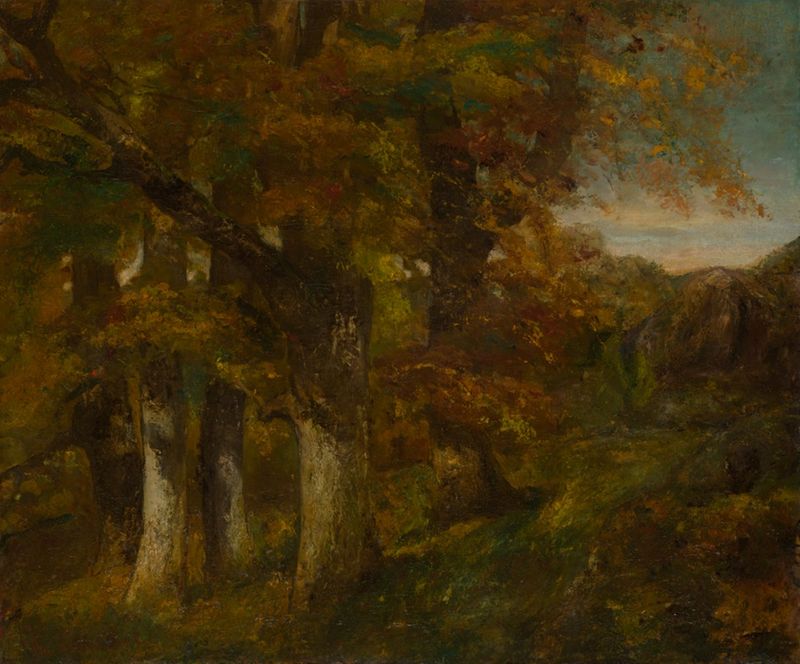
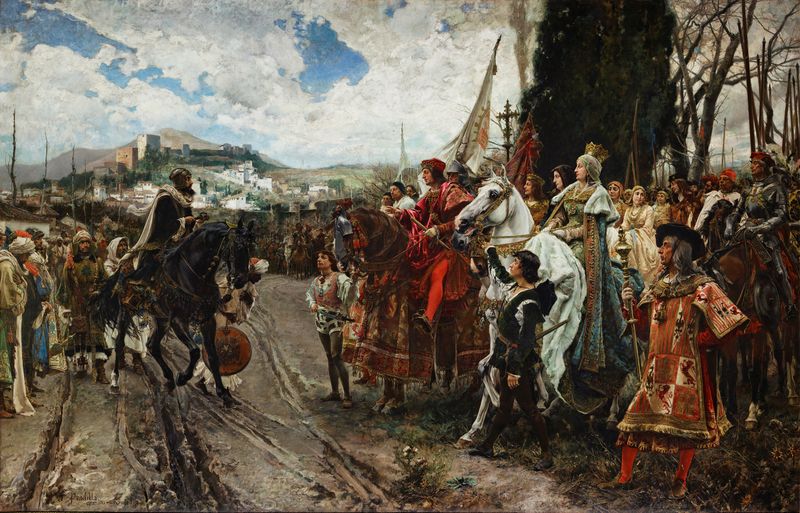
More works to explore
Beyond Rockwell and Realism: works from the same years.
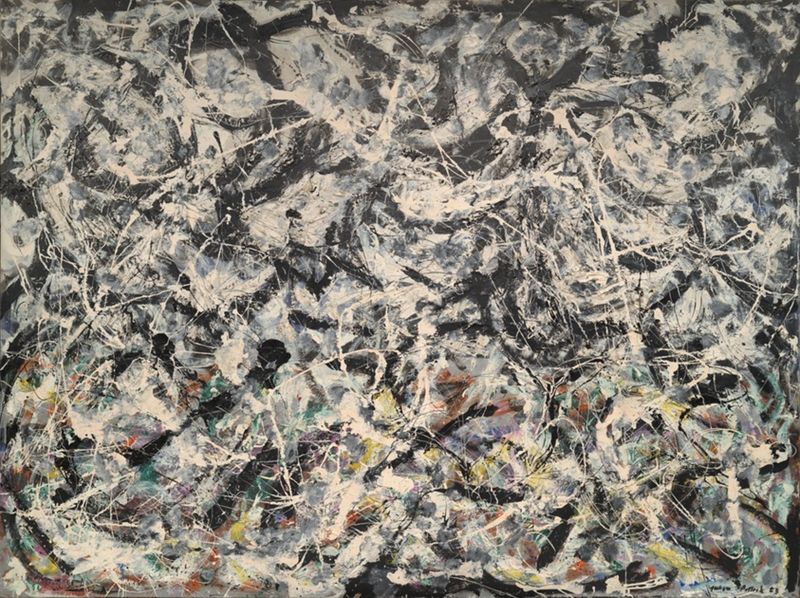 Same era · 1930s–1960s
Greyed Rainbow
Jackson Pollock · 1953 · Art Institute of Chicago
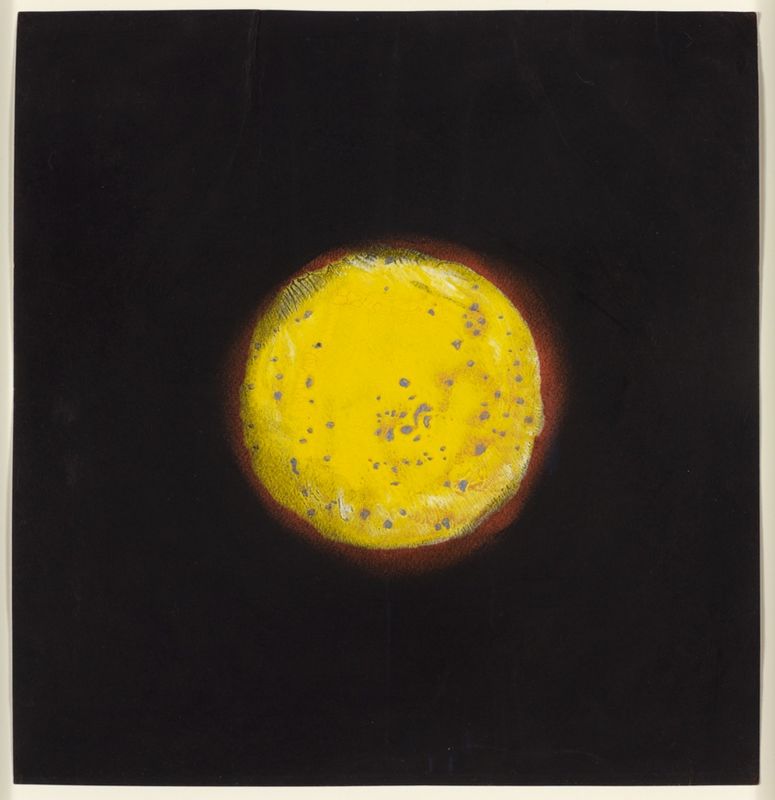 Same era · 1930s–1960s
Sun Spot
Yayoi Kusama · 1953 · Art Institute of Chicago
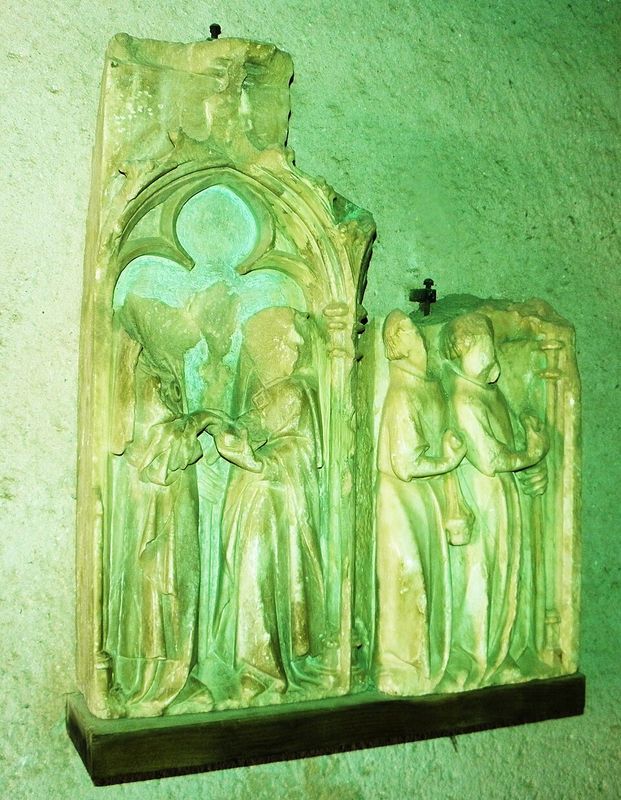 Same era · 1930s–1960s
Deux personnages
Pierre Alechinsky · 1950
 Same era · 1930s–1960s
Impregnazione
Piero Manzoni · 1958
 Same era · 1930s–1960s
Essai
Sam Francis · 1963 · Art Institute of Chicago
 Same era · 1930s–1960s
The Indestructibles
Philip Evergood · 1946 · Art Institute of Chicago
 Same era · 1930s–1960s
The Temptation of St. Anthony
Ivan Puni · 1945 · Art Institute of Chicago
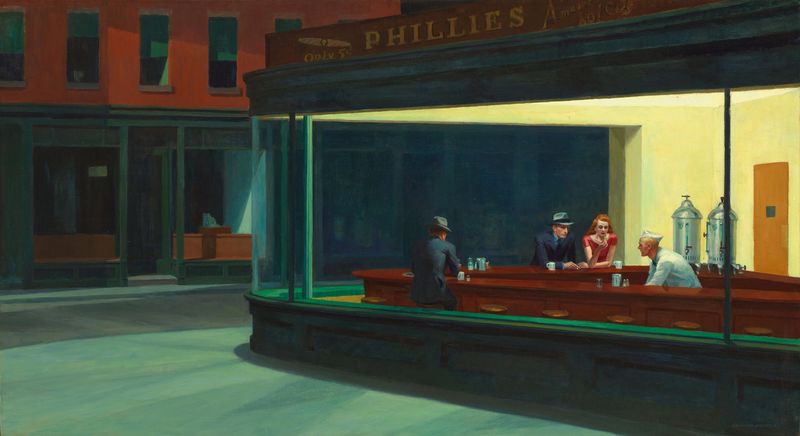 Same era · 1930s–1960s
Nighthawks
Okada Saburosuke · 1942 · Art Institute of Chicago
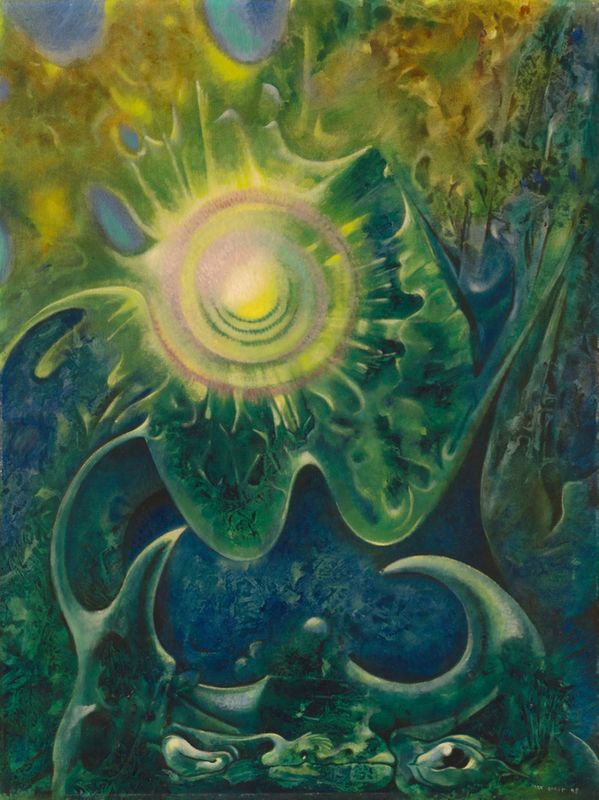 Same era · 1930s–1960s
Halleluiah
Max Ernst · 1948 · Art Institute of Chicago
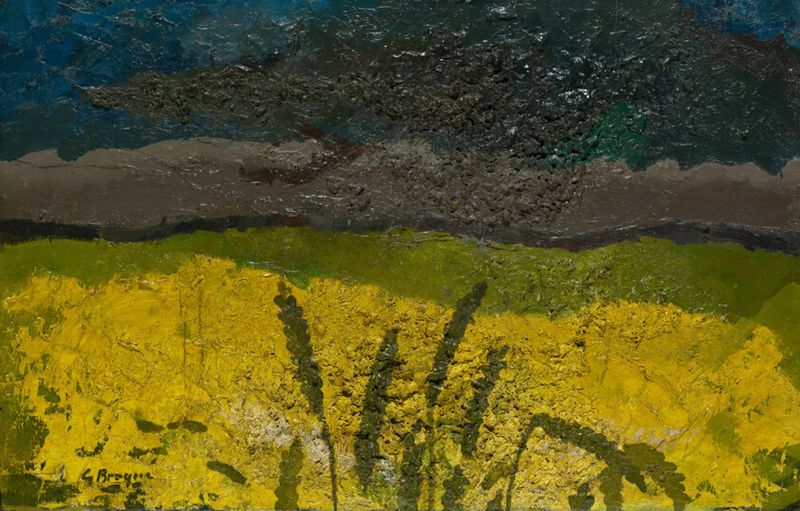 Same era · 1930s–1960s
Wheatfield
Georges Braque · 1951 · Art Institute of Chicago
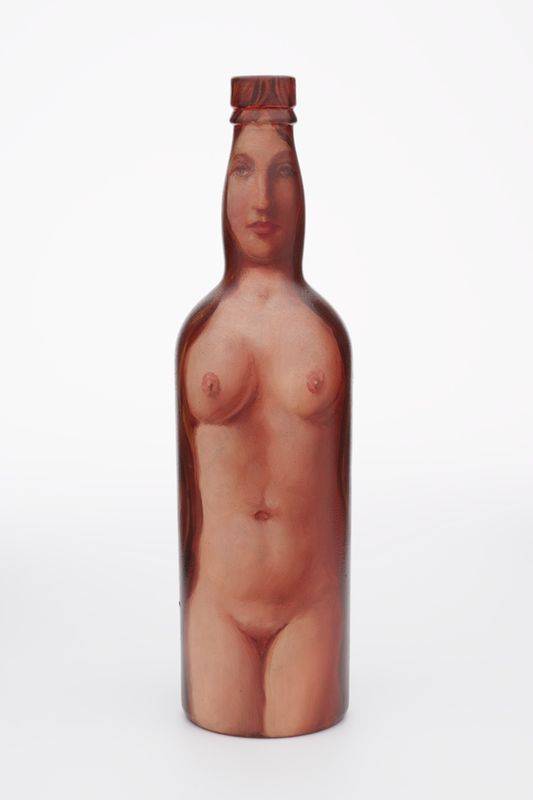 Same era · 1930s–1960s
Untitled (Woman-Bottle)
René Magritte · 1943 · Art Institute of Chicago
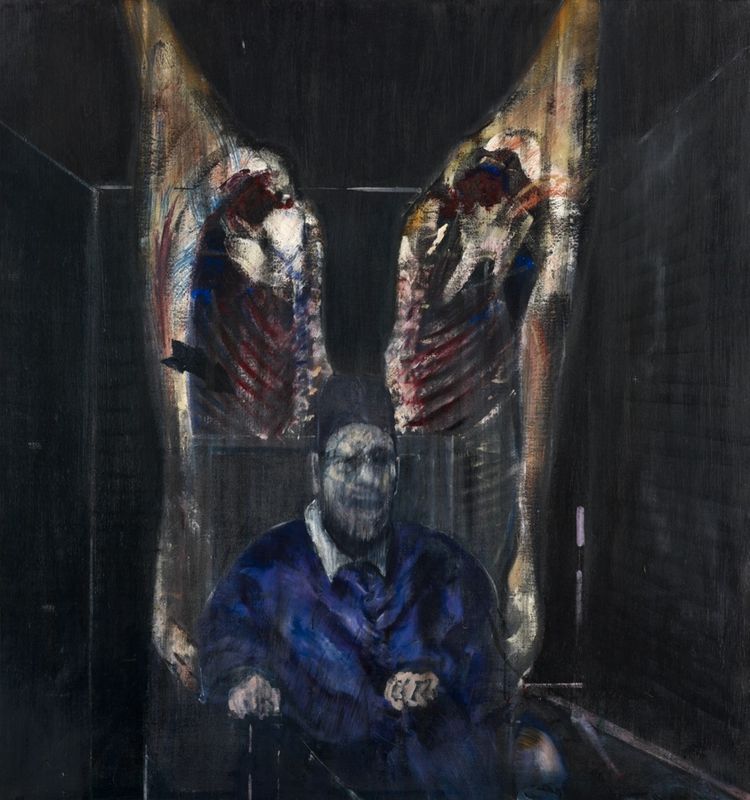 Same era · 1930s–1960s
Figure with Meat
Francis Bacon · 1954 · Art Institute of Chicago