
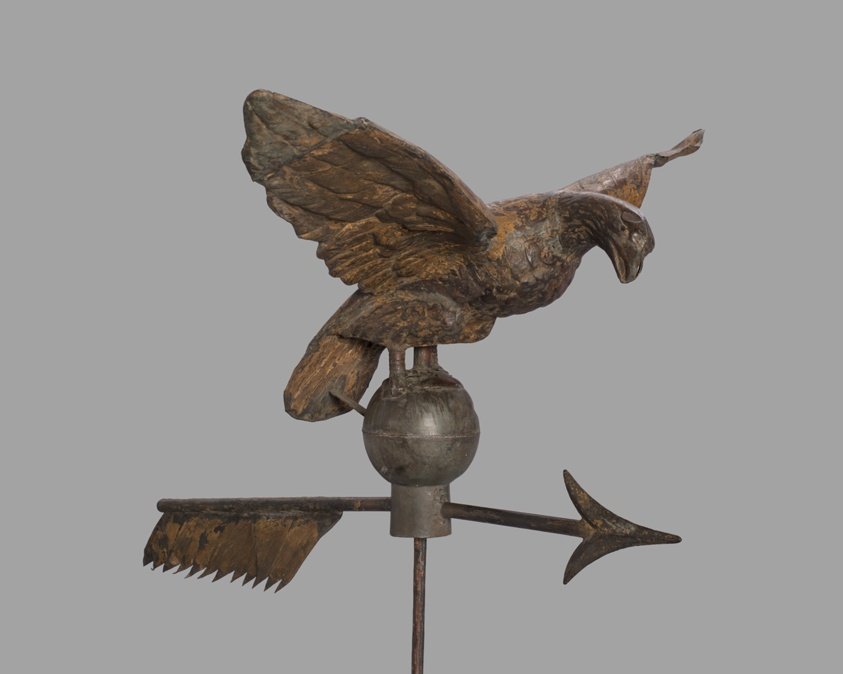
“This striking copper eagle, dating from 1801, is more than a weather vane; it's an early American folk sculpture, symbolizing freedom and ingenuity while also serving a practical purpose high above a building.”
This majestic eagle, poised mid-flight with its wings spread wide, once served a practical purpose, rotating atop a building to indicate wind direction. Created in 1801, it is a remarkable example of early American folk art, crafted from copper and gilded to catch the light. Weathervanes like this were not just functional objects; they were also considered some of the earliest non-Indigenous sculptures in the United States, embodying both artistic skill and technological ingenuity. The eagle, a powerful symbol of flight and freedom, was a particularly popular choice for these rooftop sentinels, reflecting the burgeoning national identity of the young country. Its grand scale and intricate detailing would have made it a prominent feature in any townscape, a beacon against the sky.
- Artist
- Artist Unknown - The Mercat Cross, Aberdeen
- Date
- 1801
- Medium
- Copper and gilding
- Location
- Art Institute of Chicago
- Dimensions
- 68.6 × 62.2 × 101.6 cm (27 1/16 × 24 1/2 × 40 in.)
- Collection
- Arts of the Americas
- Culture
- Maryland
- Credit line
- Elizabeth R. Vaughan Fund
What to Notice
Four details hide in plain sight. Here’s where to look.
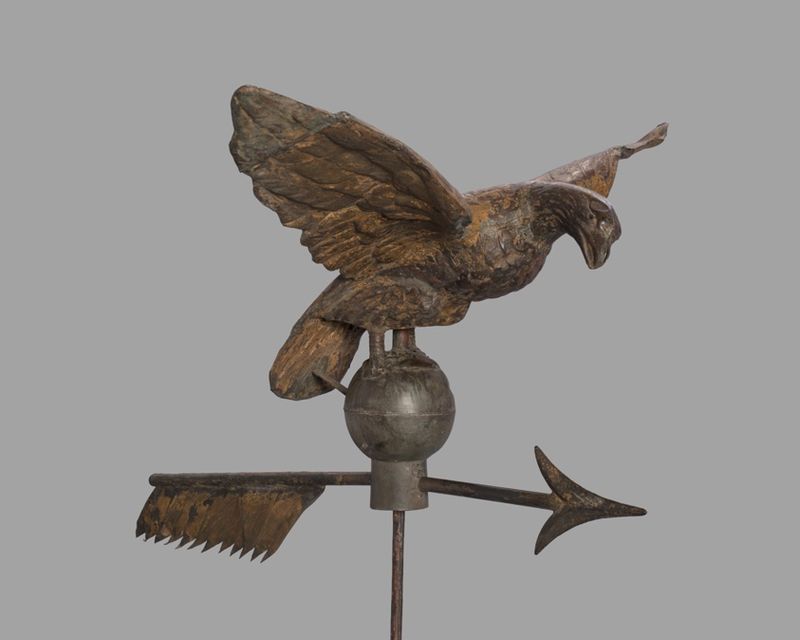
Observe the intricate feather details on the eagle's wings and tail.
Notice the remnants of gilding, which would have shimmered in the sun.
See how the eagle’s head is turned, as if scanning the horizon.
Look at the robust standard beneath the eagle, designed to withstand the elements.
Stand in front of it and listen
The full narration walks you through Eagle Weather Vane and Standard — the story behind it, the details most visitors miss, and why it matters. Free in the Art Whisper app.
Artist Unknown - The Mercat Cross, Aberdeen
This 'Artist Unknown' represents a vast collection of anonymous creators, whose works like 'Boston Common' and 'Self Portrait' offer glimpses into diverse historical periods and artistic practices.
Further Works by Aberdeen
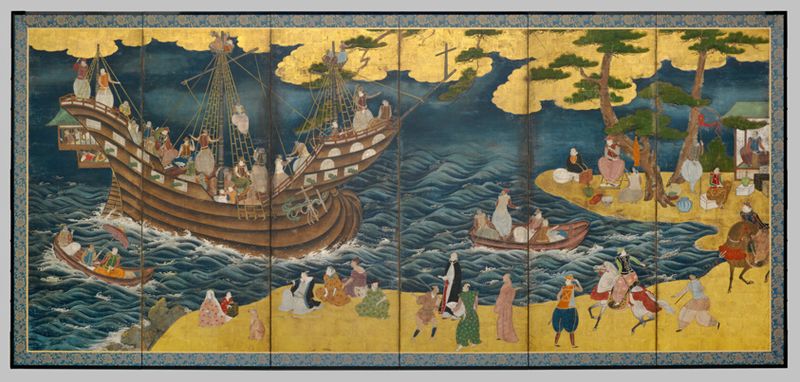 Southern Barbarians
1625 · Art Institute of Chicago
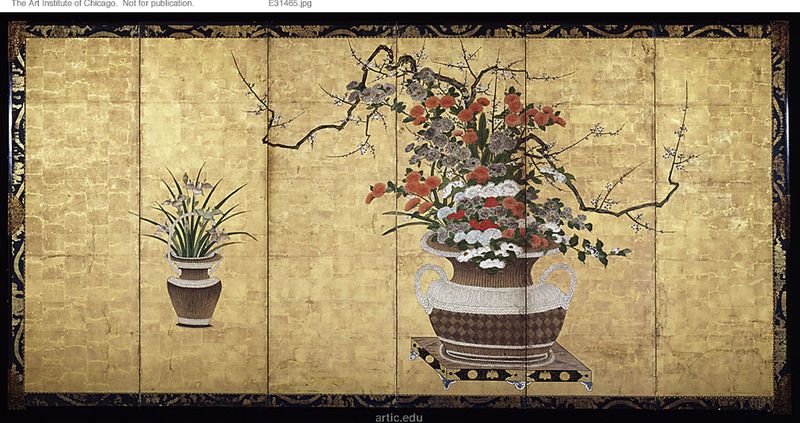 Baskets with Flowers of the Four Seasons
1701 · Art Institute of Chicago
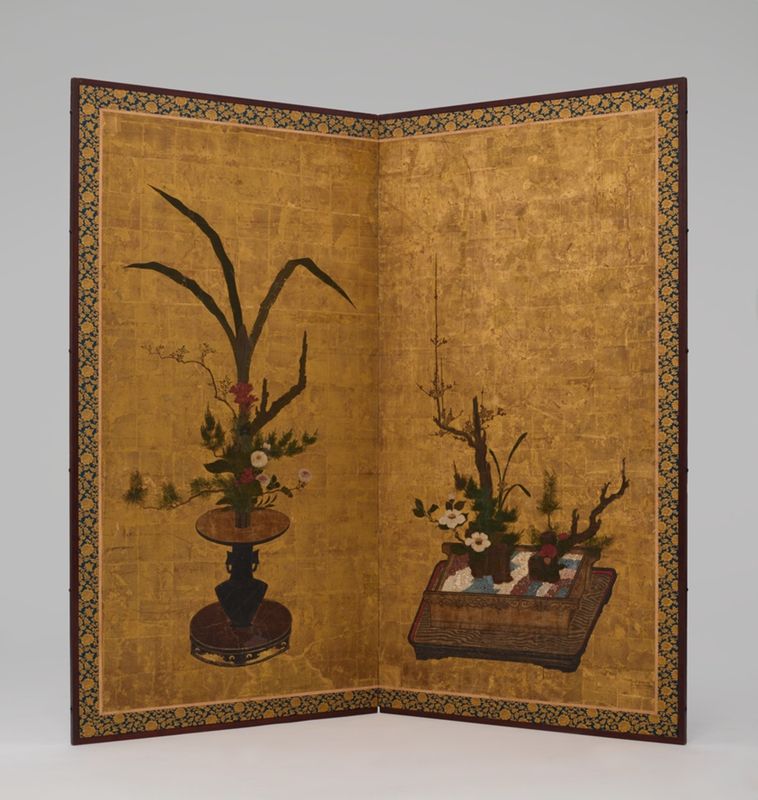 Flower Arrangements
1595 · Art Institute of Chicago
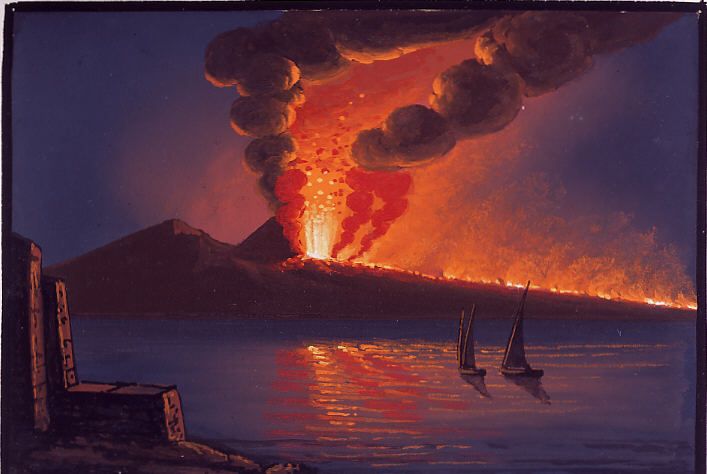 Sketchbook: Souvenir of Naples
1821 · The Metropolitan Museum of Art
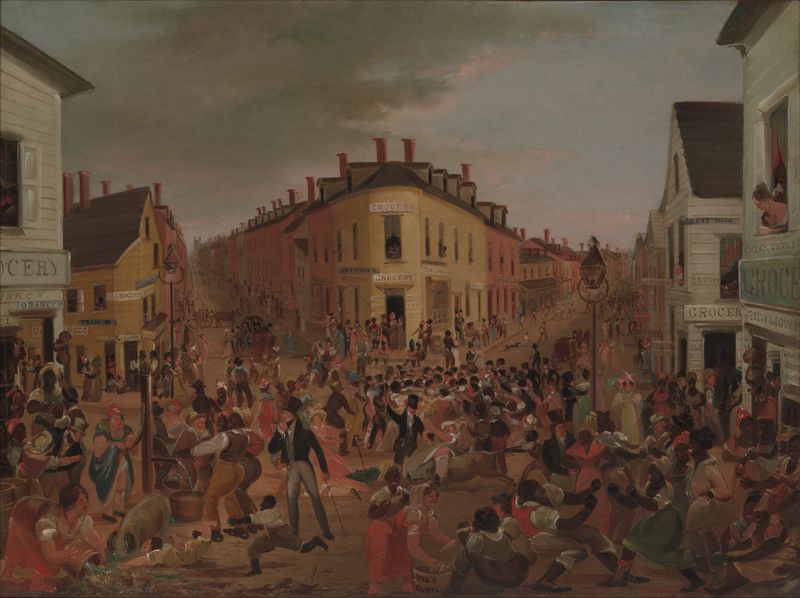 The Five Points
1822 · The Metropolitan Museum of Art
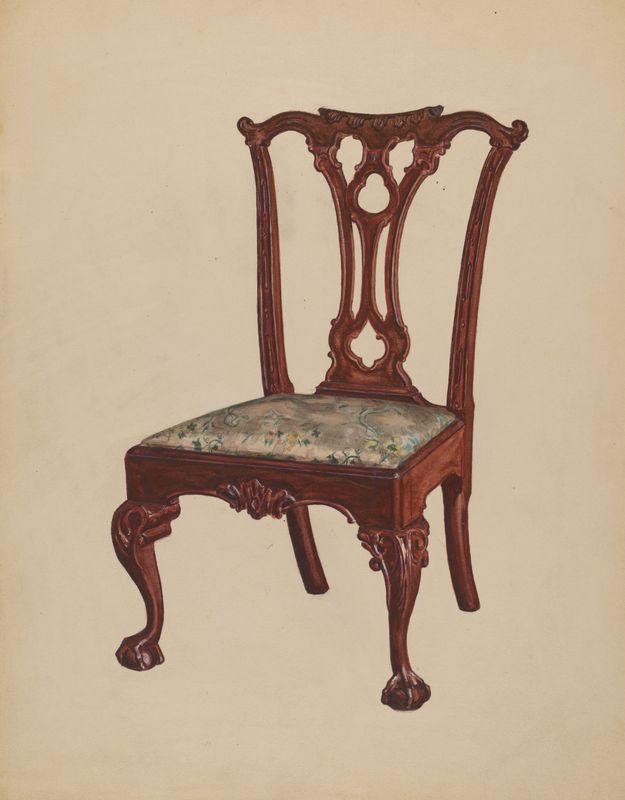 Side Chair
1750 · Art Institute of Chicago
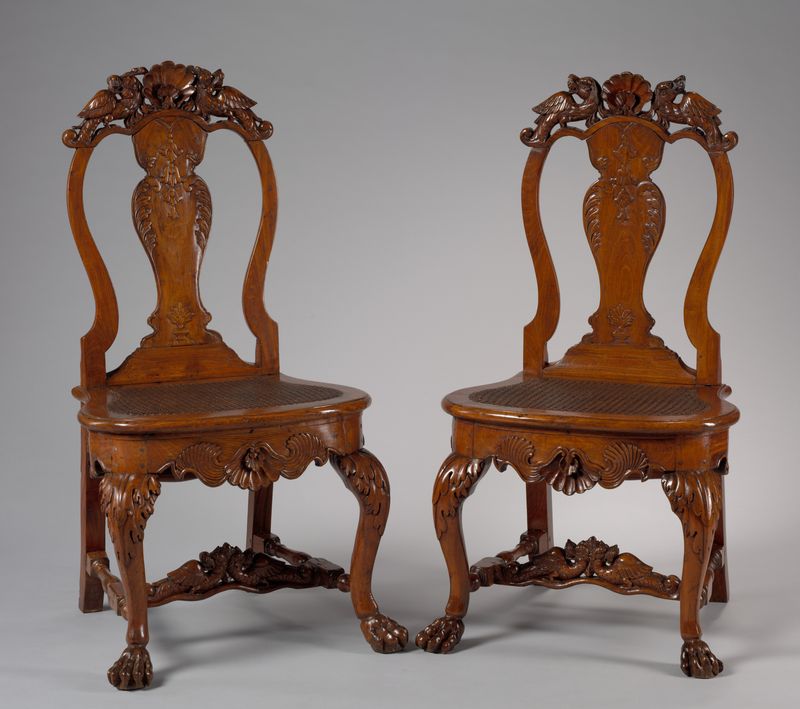 Pair of Side Chairs
1770 · Art Institute of Chicago
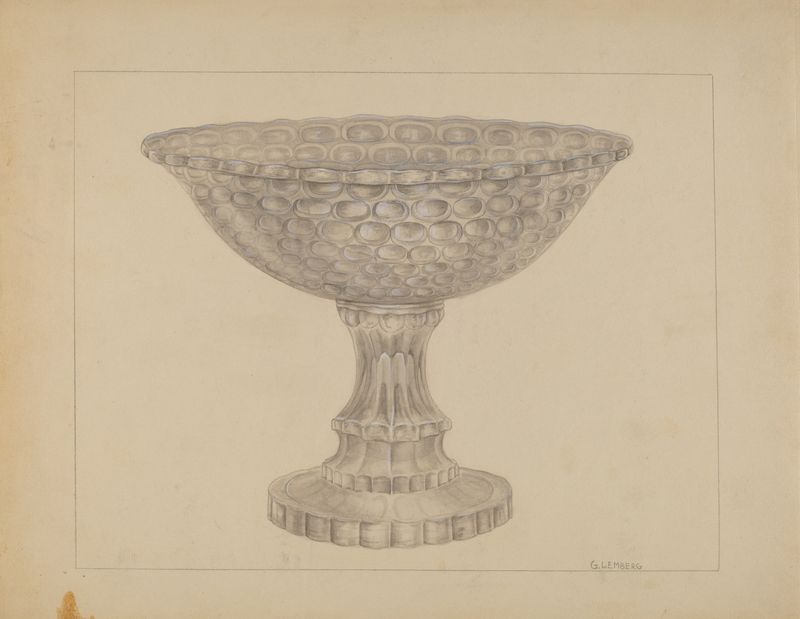 Punch Bowl
1789 · Art Institute of Chicago
More works to explore
Beyond Aberdeen: works from the same years.
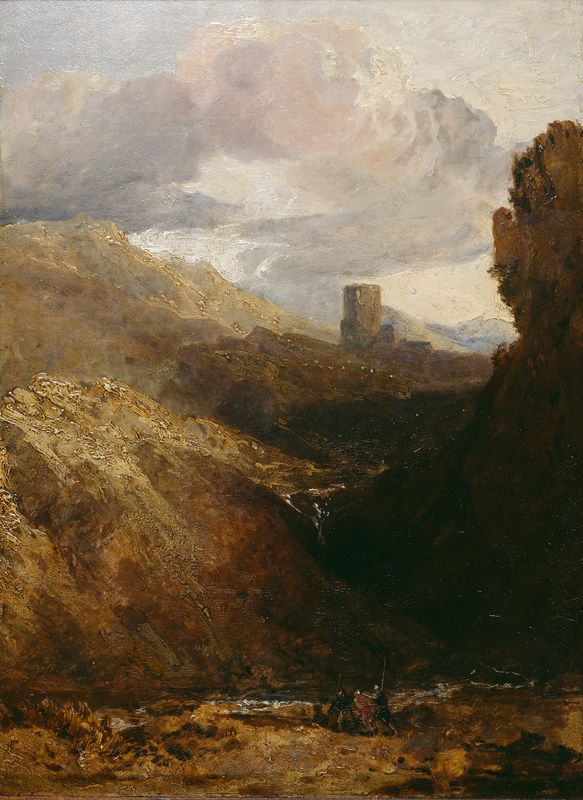 Same era · 1780s–1810s
Dolbadarn Castle
J. M. W. Turner · 1800 · National Library of Wales
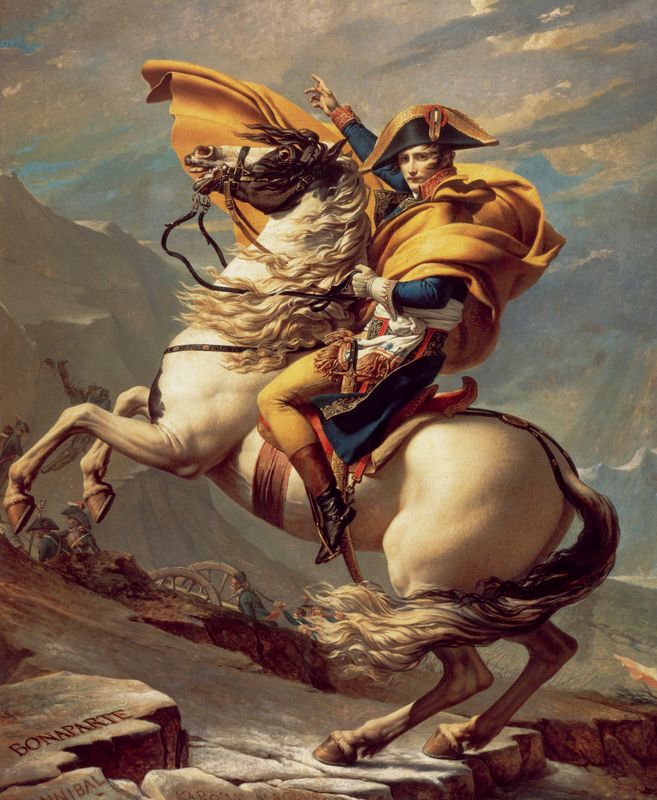 Same era · 1780s–1810s
Napoleon Crossing the Alps
Jacques-Louis David · 1800 · Musée national de Malmaison et Bois-Préau
 Same era · 1780s–1810s
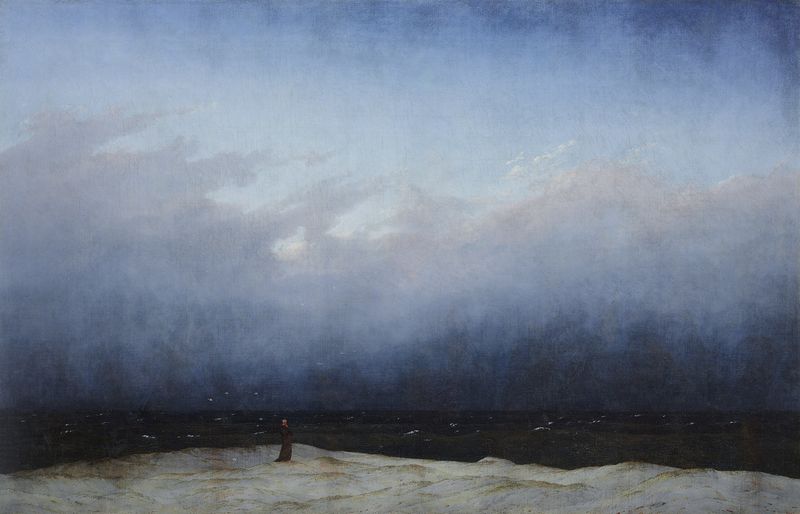
The Monk by the Sea
Caspar David Friedrich · 1800 · Alte Nationalgalerie
 Same era · 1780s–1810s
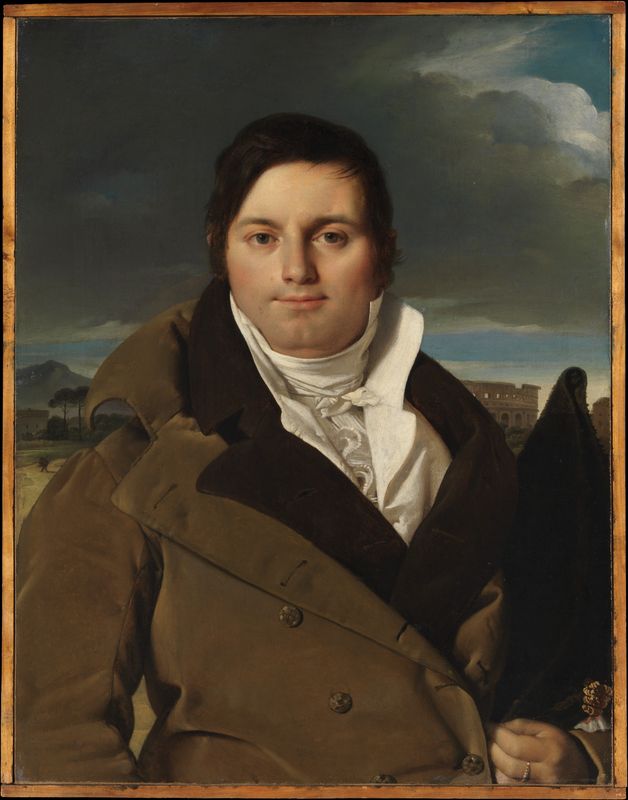
Joseph-Antoine Moltedo (born 1775)
Jean-Auguste-Dominique Ingres · 1805 · The Metropolitan Museum of Art
 Same era · 1780s–1810s
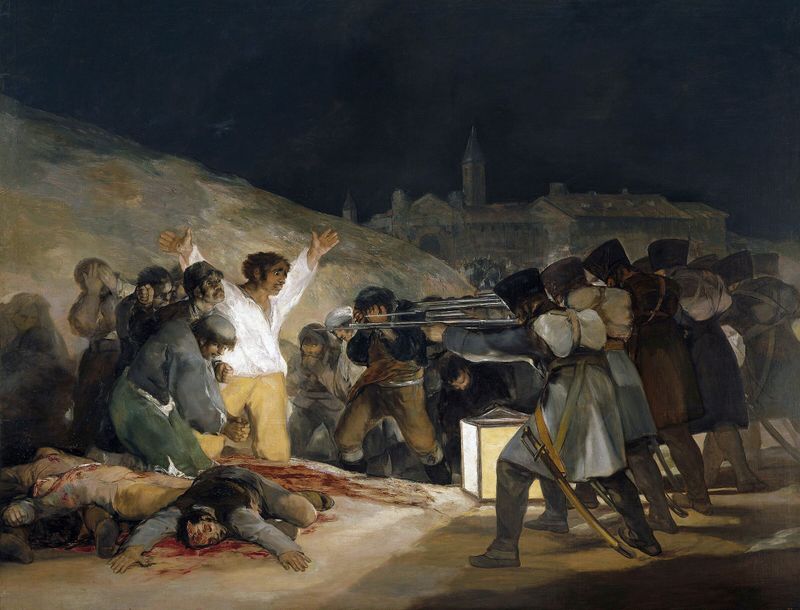
The Third of May 1808
Francisco Goya · 1814 · Museo del Prado
 Same era · 1780s–1810s
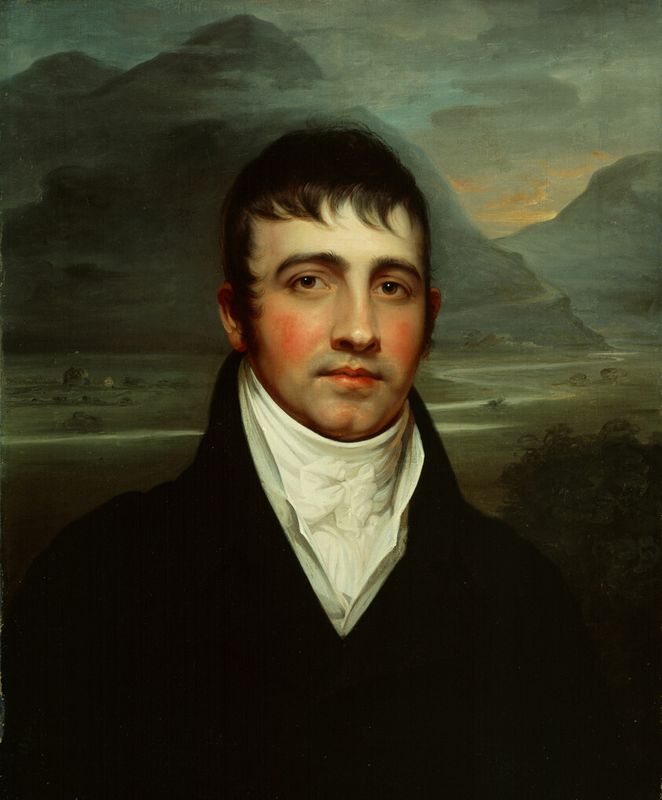
Samuel Fisher Bradford
Rembrandt Peale · 1803 · Art Institute of Chicago
 Same era · 1780s–1810s
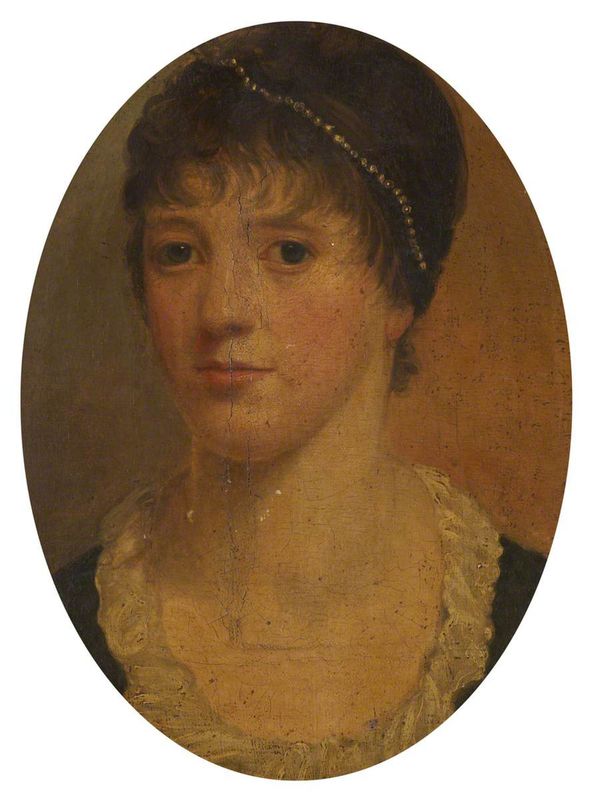
Mrs Jackson
Thomas Stewardson · 1800 · Abbot Hall Art Gallery
 Same era · 1780s–1810s
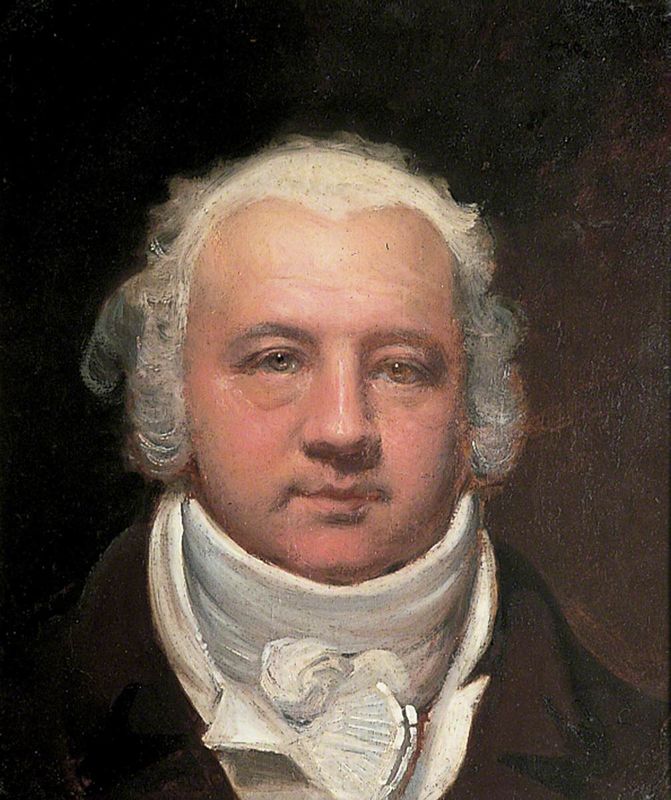
John Blake (1770–1810), Mayor of Maidstone (1799)
Samuel Drummond · 1799 · Maidstone Museum and Bentlif Art Gallery
 Same era · 1780s–1810s
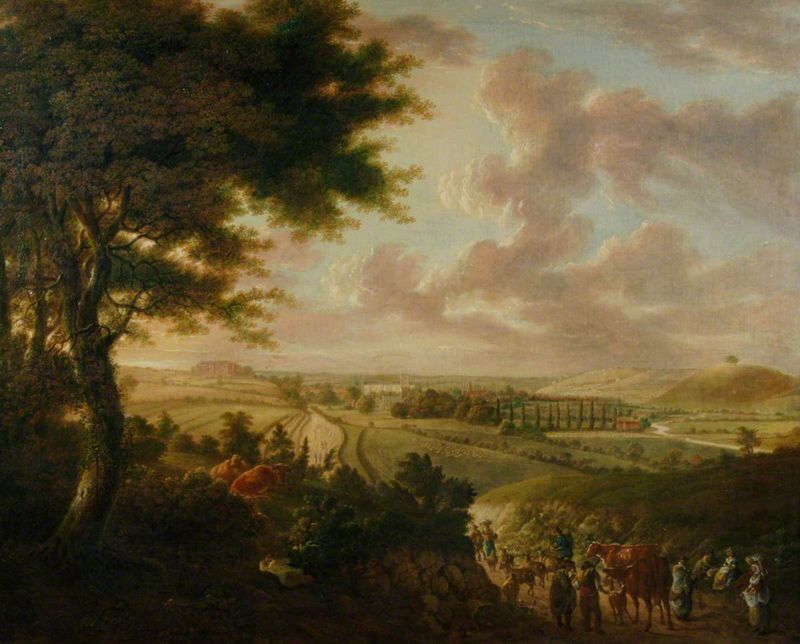
Winchester from the South
Tobias Young · 1803 · Winchester Guildhall
 Same era · 1780s–1810s
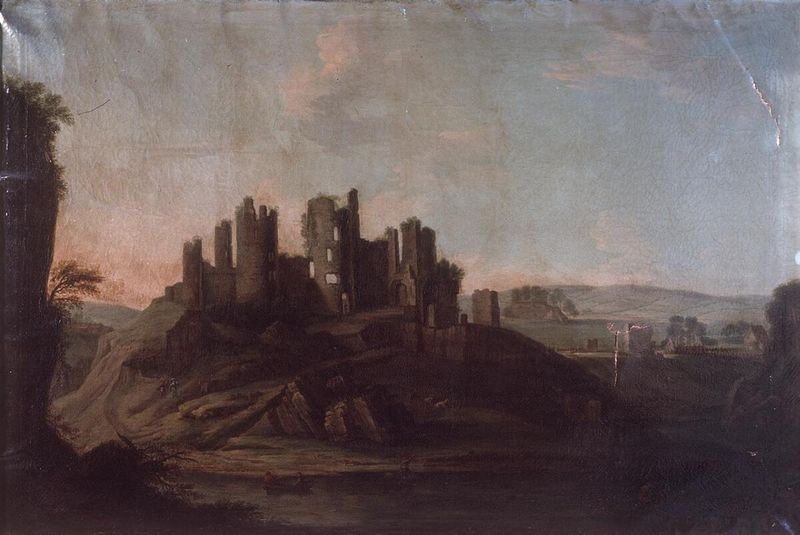
Cilgerran Castle
William Havell · 1805 · National Museum Cardiff
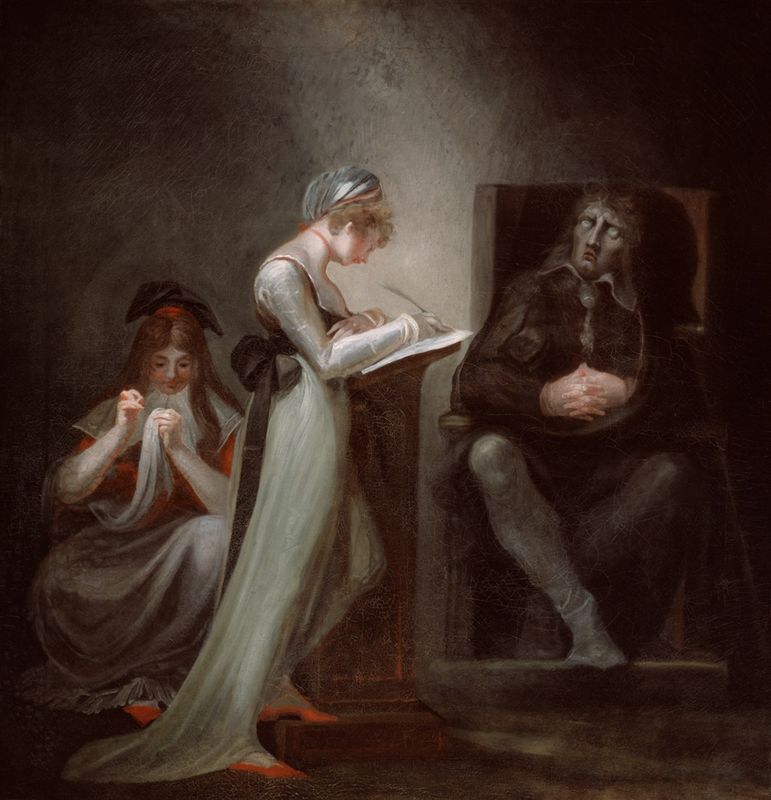 Same era · 1780s–1810s
Milton Dictating to His Daughter
Henry Fuseli · 1794 · Art Institute of Chicago
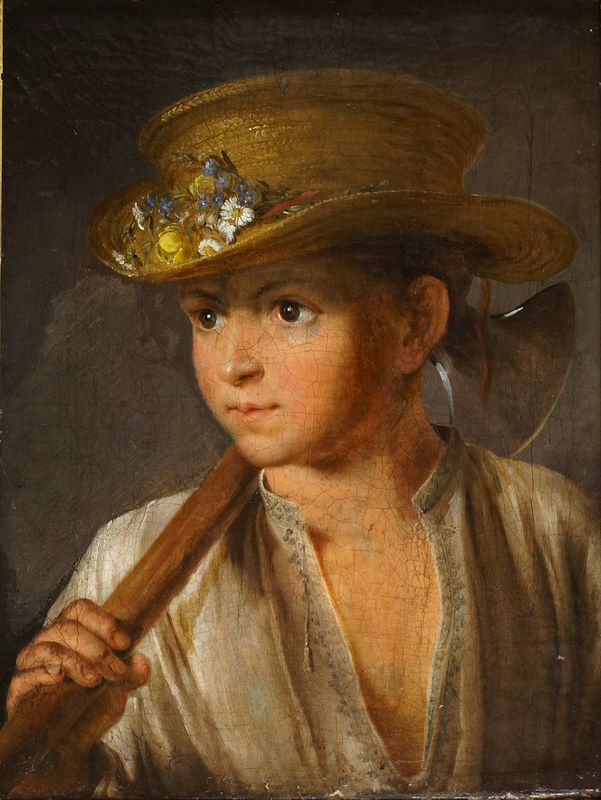 Same era · 1780s–1810s
The Peasant Boy with a Hatchet
Vasily Andreevich Tropinin · 1810 · Ekaterinburg Museum of Fine Arts