
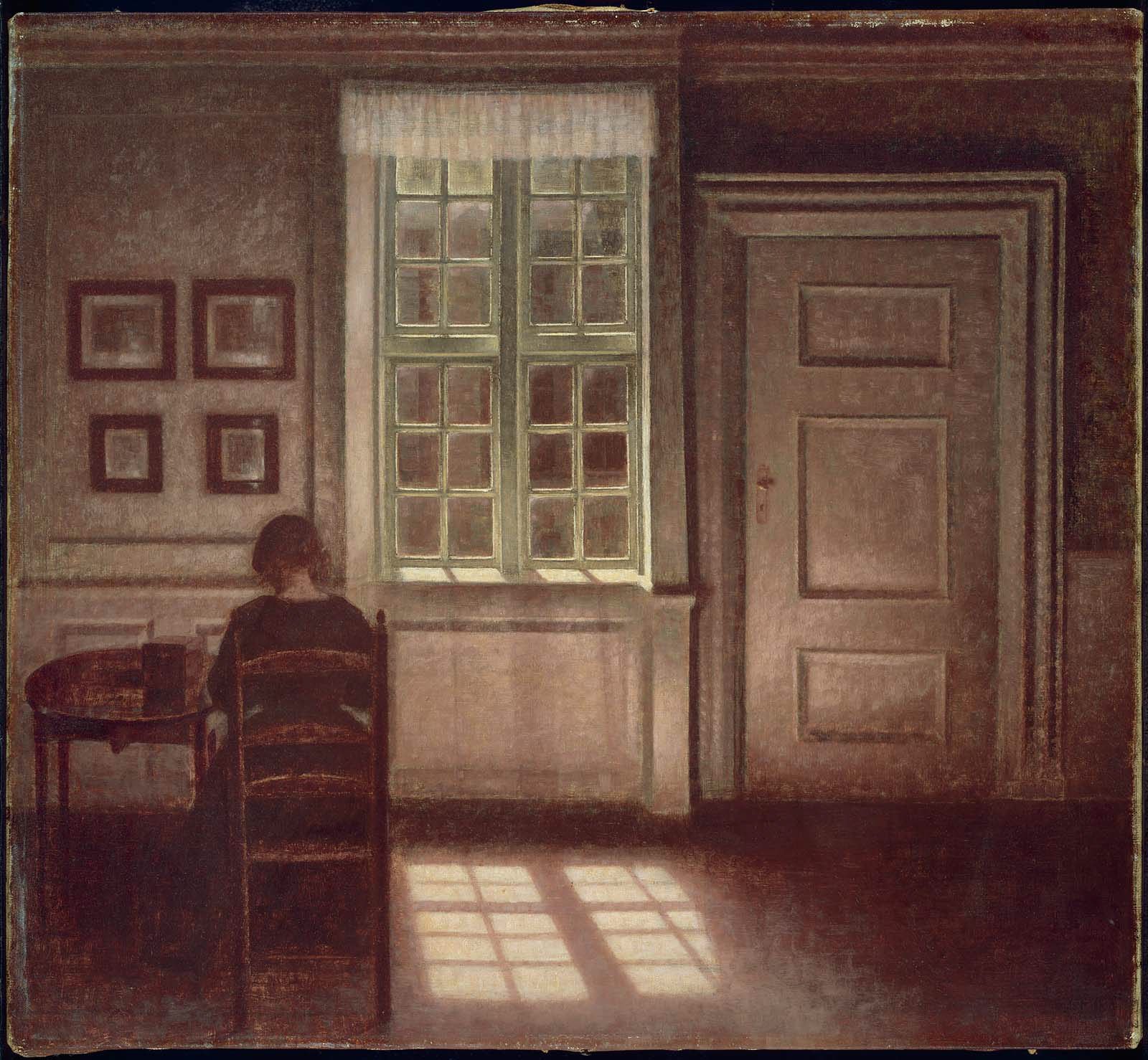
DETAILS
- Artist
- Alexander Archipenko
- Date
- 1917
- Location
- Fogg Museum
ART MOVEMENTS
AUDIO DEEP DIVE
Stand in front of it and listen
The full narration walks you through Woman in an Interior — the story behind it, the details most visitors miss, and why it matters. Free in the Art Whisper app.
THE ARTIST
Alexander Archipenko
1887–1964 · Russian EmpireRevolutionary sculptor who introduced voids and negative space to Cubism, exhibiting alongside Picasso in Paris.
EXPLORE THE MOVEMENT
More from Cubism
KEEP EXPLORING
More works to explore
Beyond Archipenko and Cubism: works from the same years, and from the other movements Woman in an Interior belongs to.
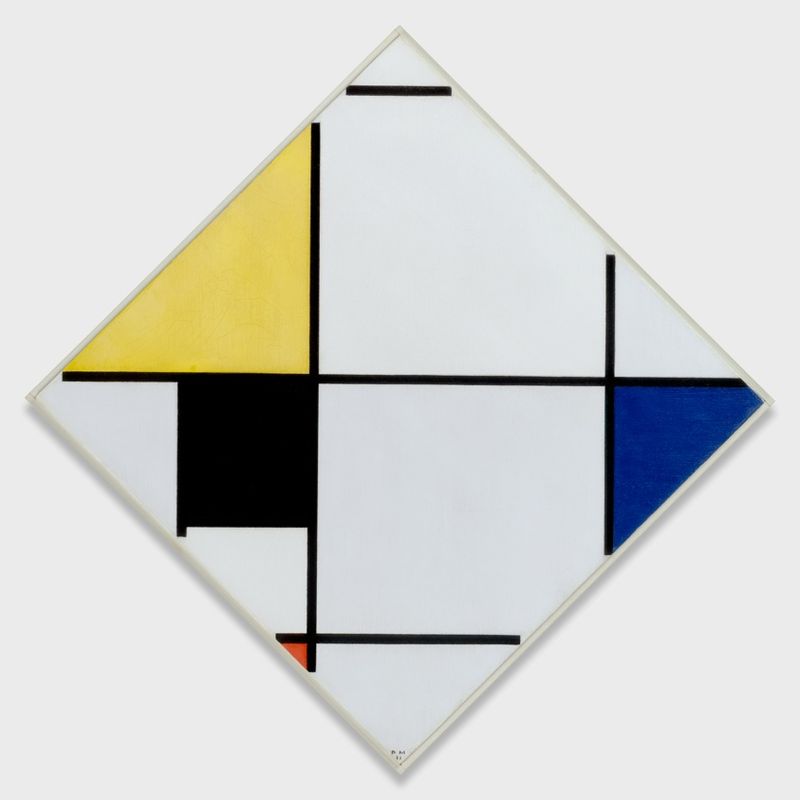 Same movement · Orphism
Lozenge Composition with Yellow, Black, Blue, Red, and Gray
Piet Mondrian · 1921 · Art Institute of Chicago
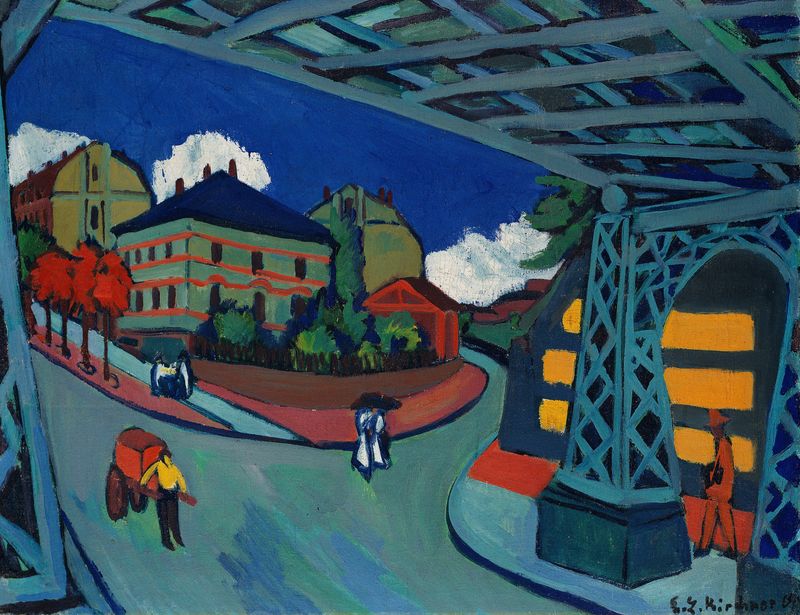 Same era · 1900s–1930s
Railway Bridge on Löbtauer Strasse in Dresden
Ernst Ludwig Kirchner · 1918 · Galerie Neue Meister
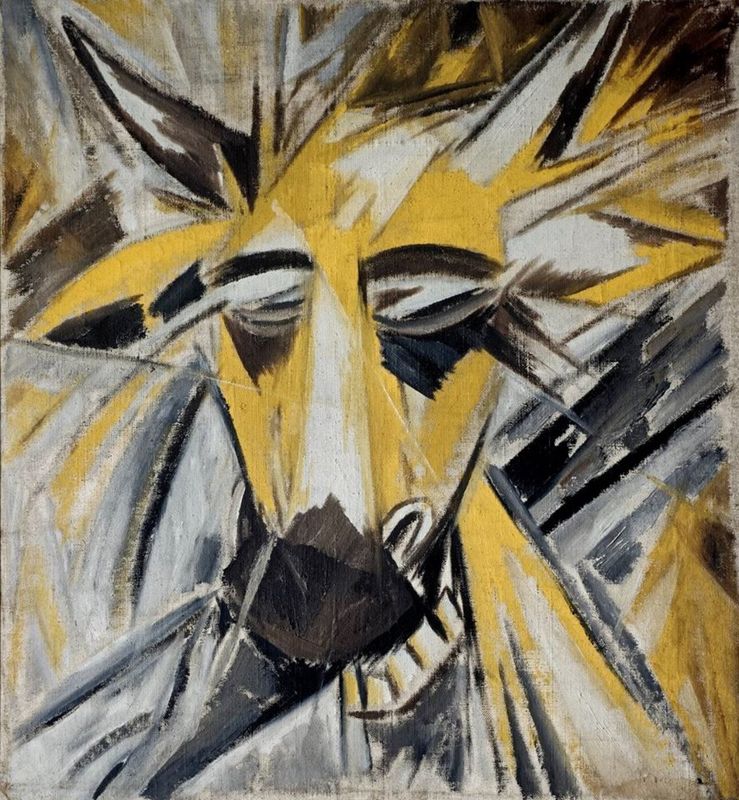 Same era · 1900s–1930s
Bull's Head
Mikhail Larionov · 1913 · Tretyakov Gallery
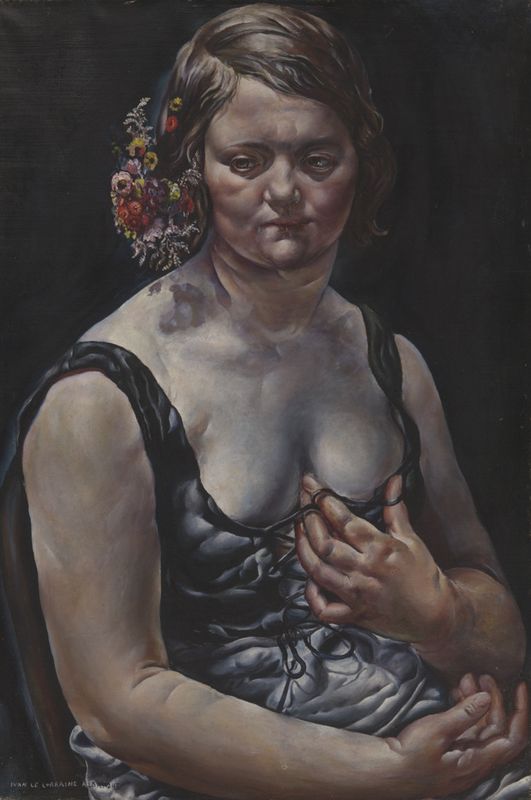 Same era · 1900s–1930s
Memories of the Past
Ivan Puni · 1927 · Art Institute of Chicago
 Same era · 1900s–1930s
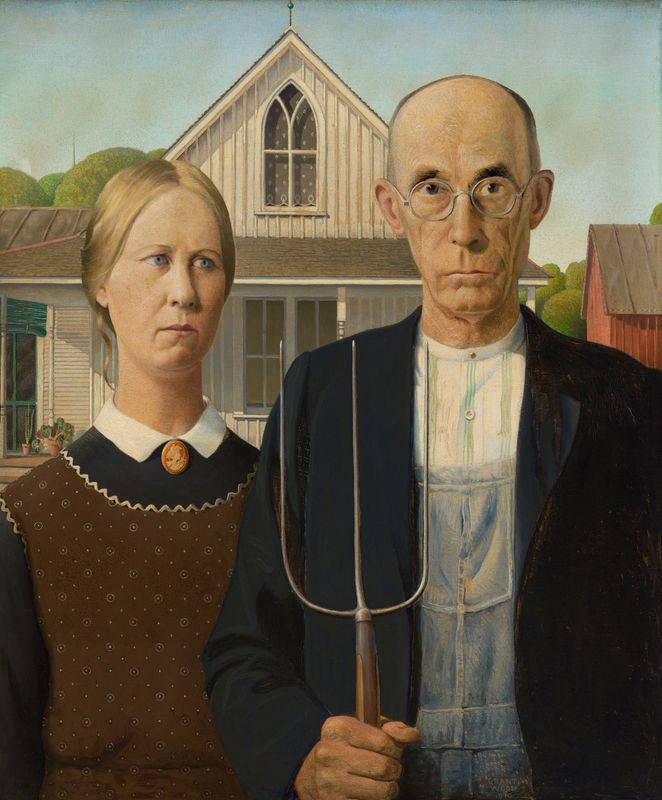
American Gothic
Okada Saburosuke · 1930 · Art Institute of Chicago
 Same era · 1900s–1930s
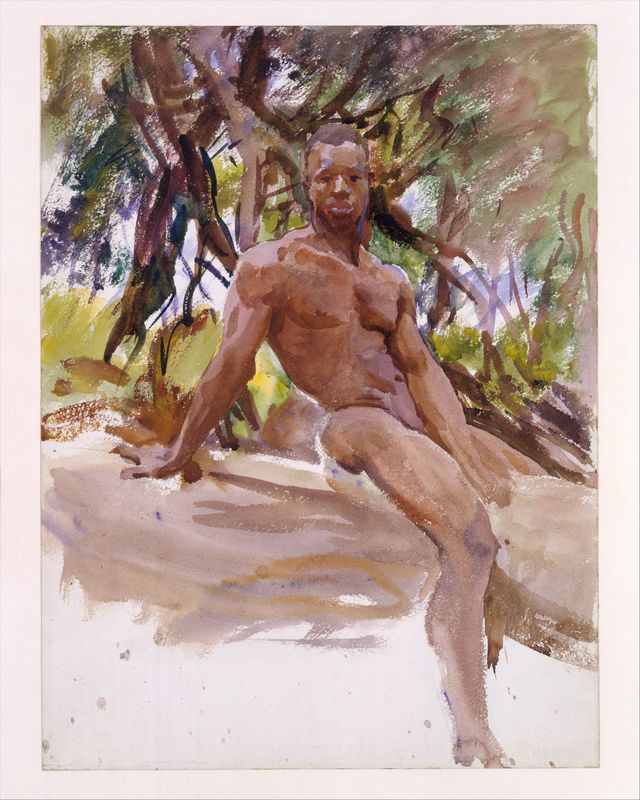
Man and Trees, Florida
John Singer Sargent · 1917 · The Metropolitan Museum of Art
 Same era · 1900s–1930s
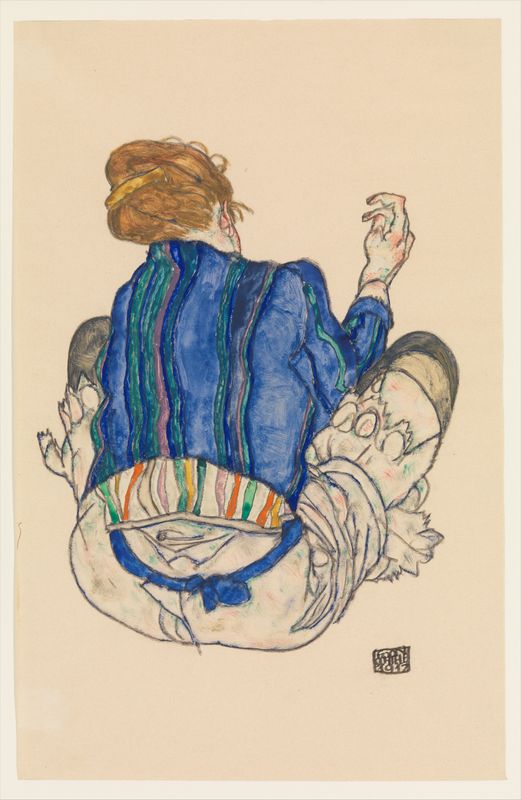
Seated Woman, Back View
Egon Schiele · 1917 · The Metropolitan Museum of Art
 Same era · 1900s–1930s
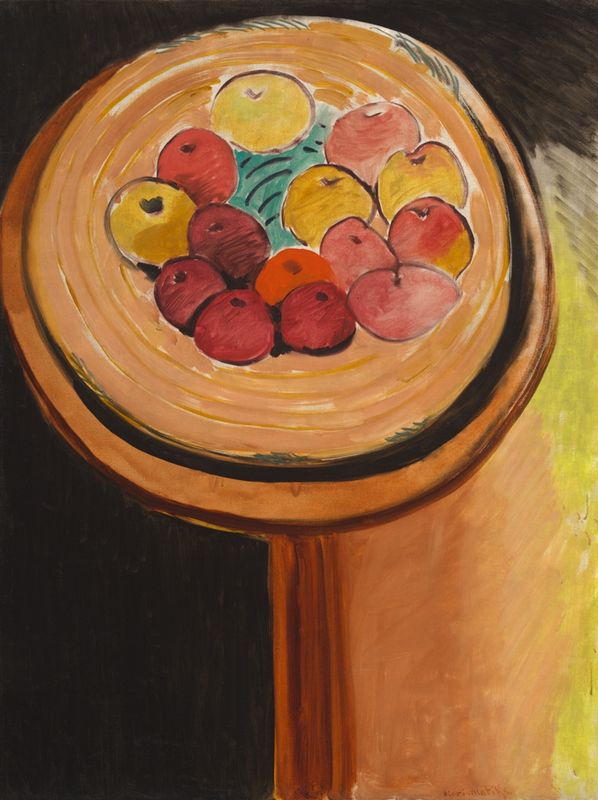
Apples
Henri Matisse · 1916 · Art Institute of Chicago
 Same era · 1900s–1930s
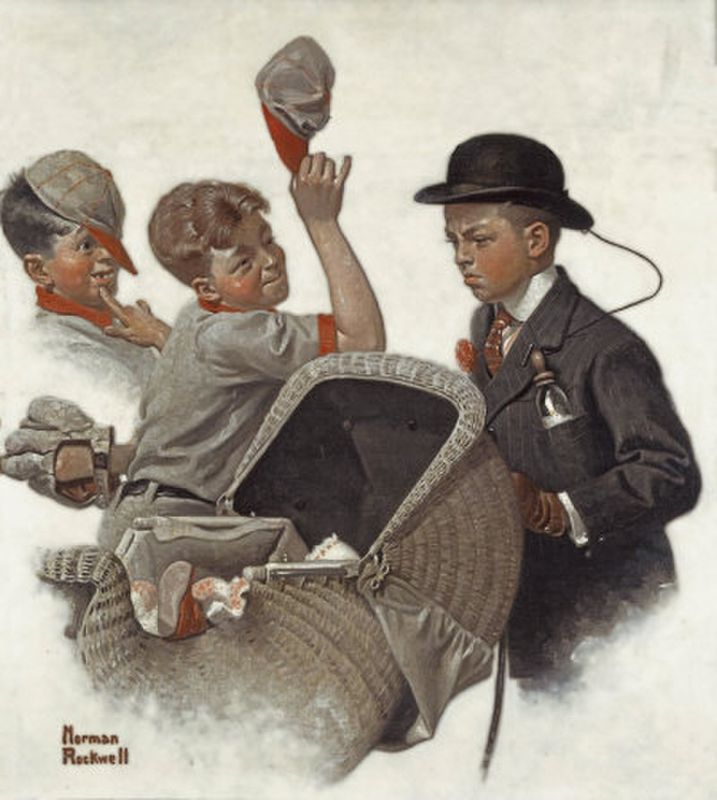
Boy with Baby Carriage
Norman Rockwell · 1916 · Norman Rockwell Museum
 Same era · 1900s–1930s
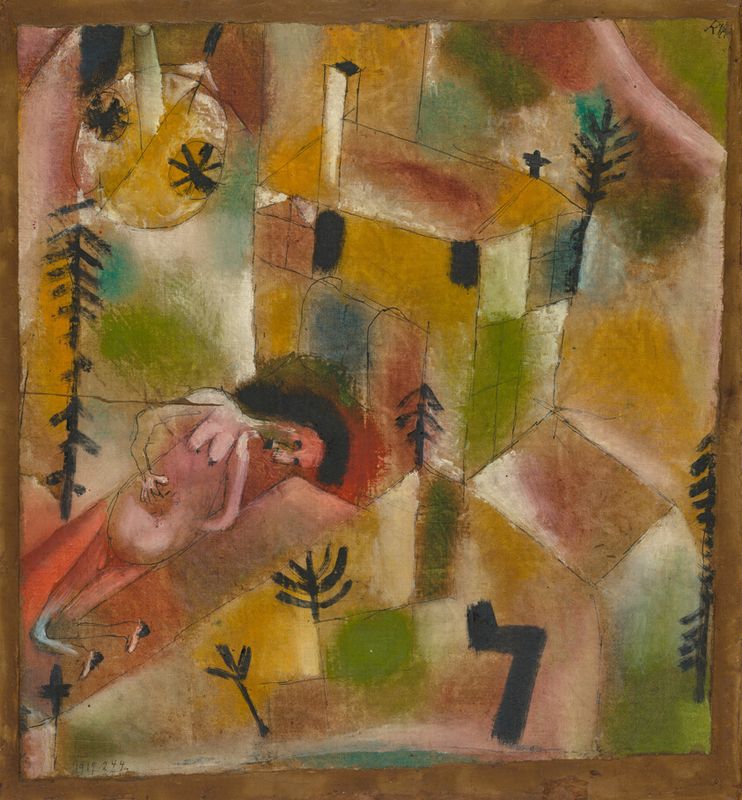
Death in the Garden (Legend)
Paul Klee · 1919 · Art Institute of Chicago
 Same era · 1900s–1930s
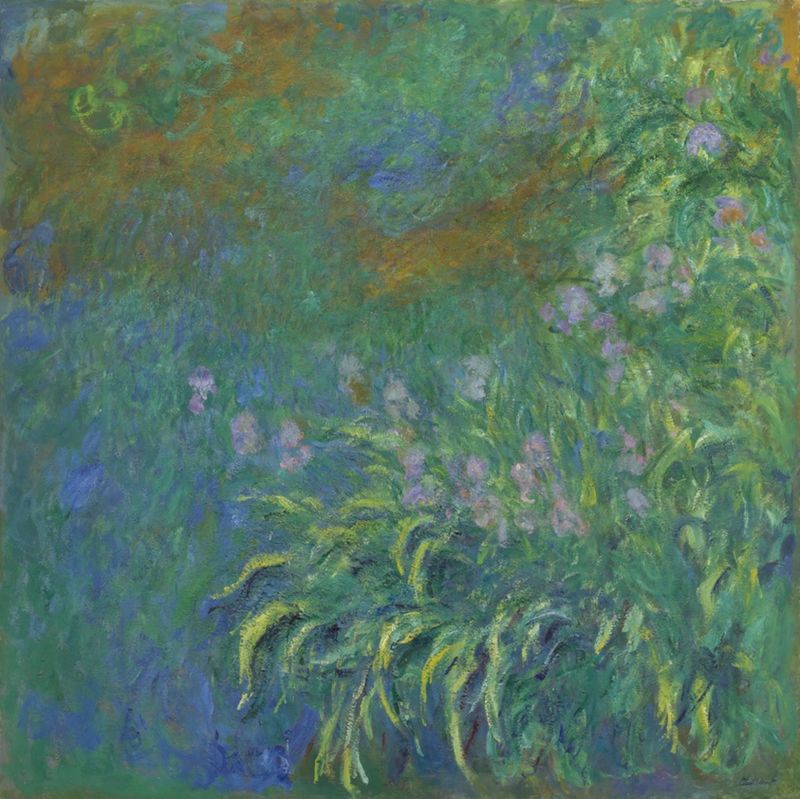
Irises
Claude Monet · 1915 · National Gallery
 Same era · 1900s–1930s
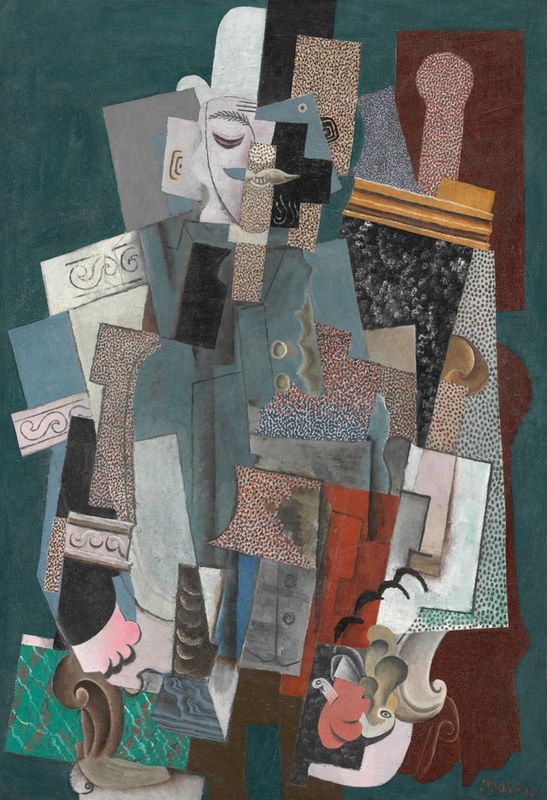
Man with a Pipe
Pablo Picasso · 1915 · Art Institute of Chicago
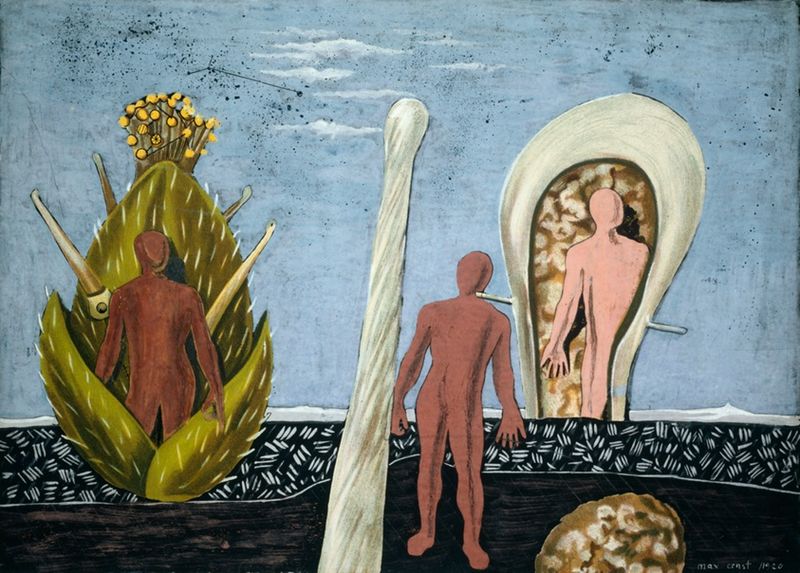 Same era · 1900s–1930s
Dada Gauguin
Max Ernst · 1920 · Art Institute of Chicago