01
Girl lighting a lantern
The girl on the left reaches up to a pink lantern, her face turned down and partly in shadow. Her raised hands sit close to the lantern's glow, which ties her to it.
1 of 5 on the painting
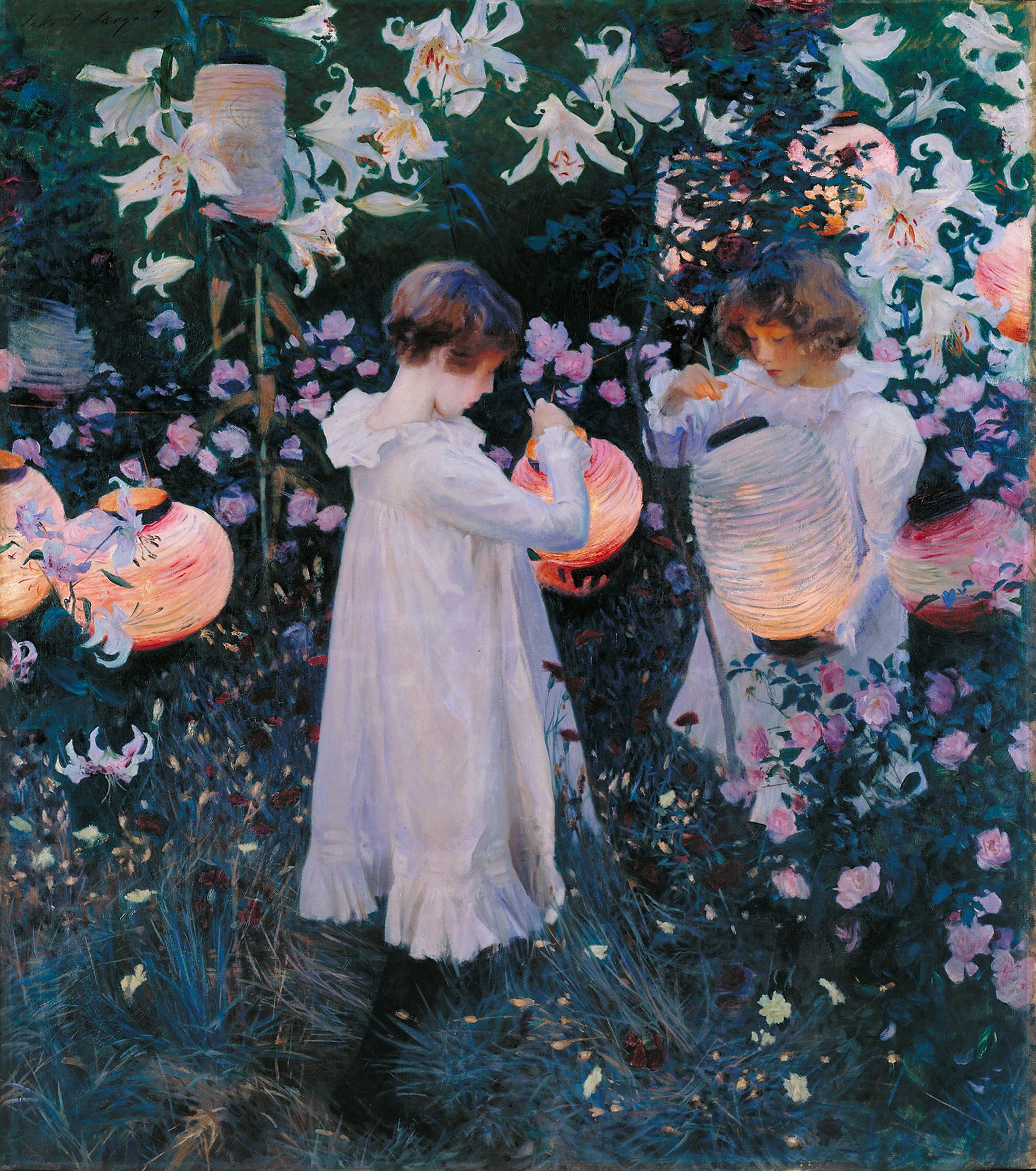
“This captivating painting captures two sisters in a flower-filled garden at twilight, illuminated by the soft glow of Chinese lanterns. It's a masterful study of light and atmosphere, evoking a sense of childhood wonder and the passing of a summer day.”
Two young girls, intent on their task, illuminate the canvas in a garden filled with white flowers. They are sisters, Dolly and Polly Barnard, captured by the artist John Singer Sargent in a moment just before dusk. The painting’s title comes from a popular song of the era, evoking a sense of innocence and fleeting beauty. Sargent painted this scene over several months during the summers of 1885 and 1886, often working outdoors (en plein air) to capture the precise quality of the fading light. He was particularly fascinated by the challenge of rendering the glow of Chinese lanterns as they were lit each evening, a detail that brings a magical, ephemeral quality to the composition. The work’s Impressionistic qualities, such as its loose brushwork and focus on light and atmosphere, reflect the influence of contemporary French painting, even as it retains a distinct sense of narrative.
Five details hide in plain sight. Pick one and we’ll show you exactly where to look.
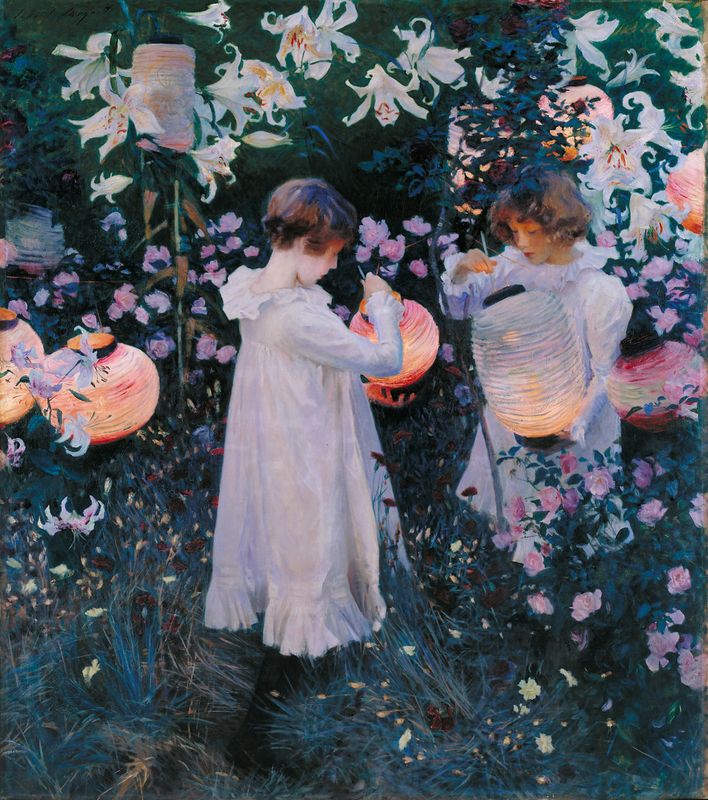
The girl on the left reaches up to a pink lantern, her face turned down and partly in shadow. Her raised hands sit close to the lantern's glow, which ties her to it.
The big pale lantern held by the girl on the right glows from inside. Its ridged paper catches the light in soft stripes.
Look at the left girl's white dress. It is built from touches of lilac, grey and pink rather than plain white, which helps it read as evening light.
White lilies and a paper lantern press in along the top edge. There is no sky or horizon, so the garden feels like a wall of flowers.
In the lower foreground, quick flicks of blue-green paint and small yellow and white dabs suggest grass and flowers without drawing each one.
The full narration walks you through Carnation, Lily, Lily and Rose — the story behind it, the details most visitors miss, and why it matters. Free in the Art Whisper app.
The man who painted 900 oils and 2,000 watercolors once caused a Paris scandal with a single bare shoulder.
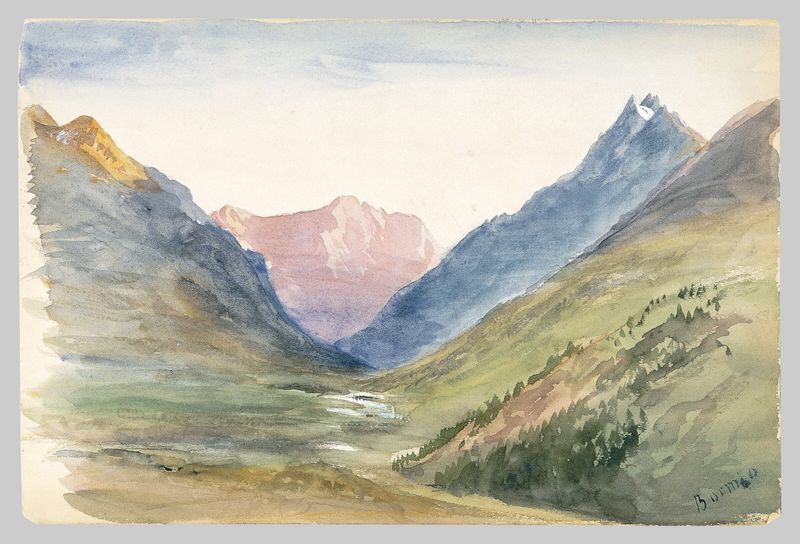 Mountain View at Bormio (from Switzerland 1869 Sketchbook)
1869 · The Metropolitan Museum of Art
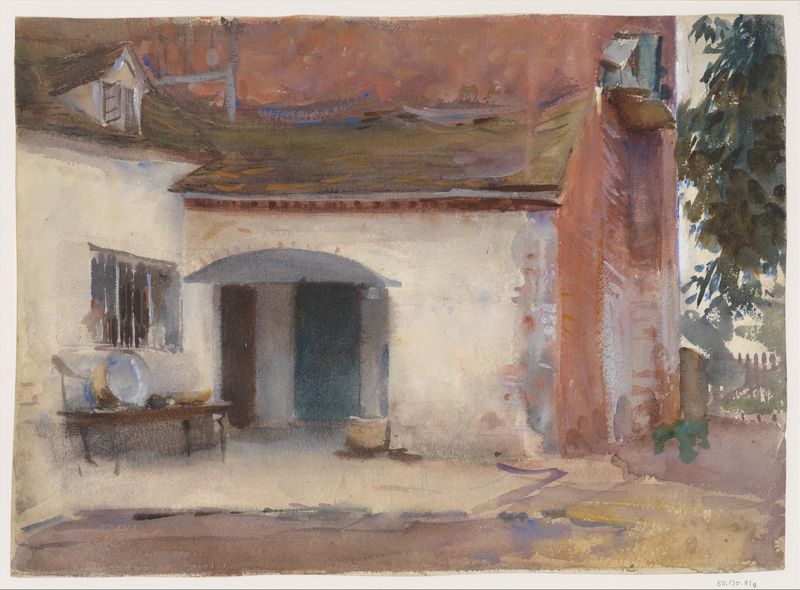 House and Courtyard
1895 · The Metropolitan Museum of Art
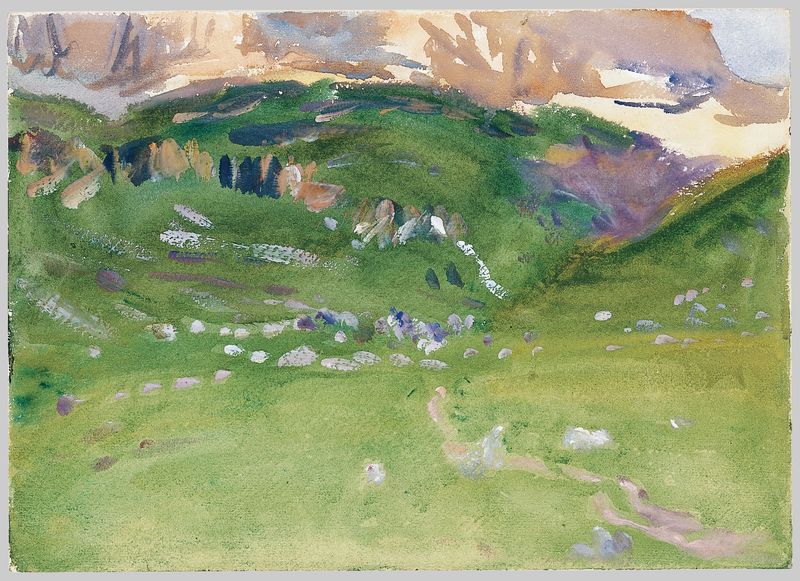 Sellar Alp, Dolomites
1913 · The Metropolitan Museum of Art
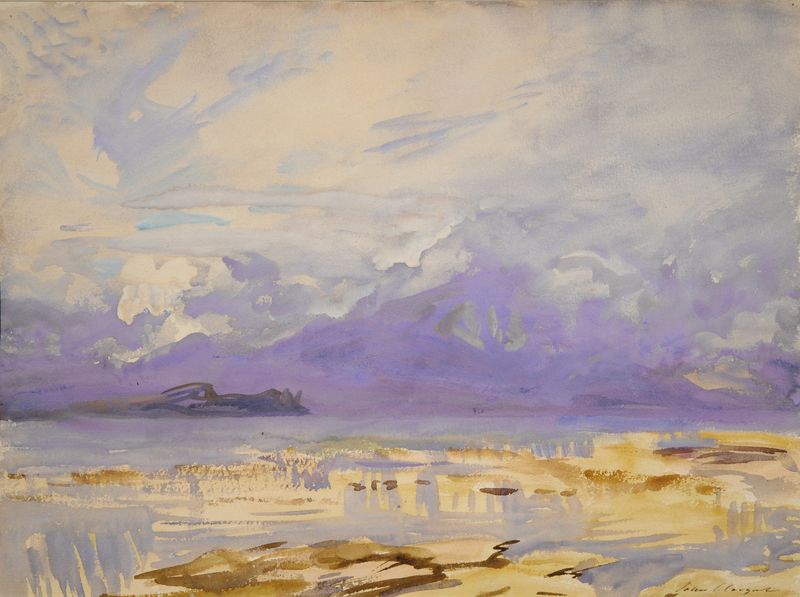 Sirmione
1913 · The Metropolitan Museum of Art
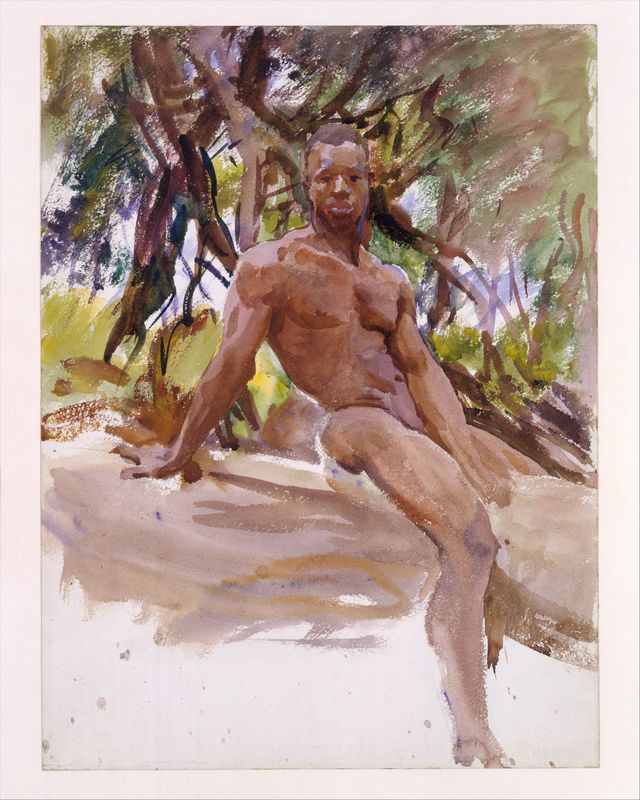 Man and Trees, Florida
1917 · The Metropolitan Museum of Art
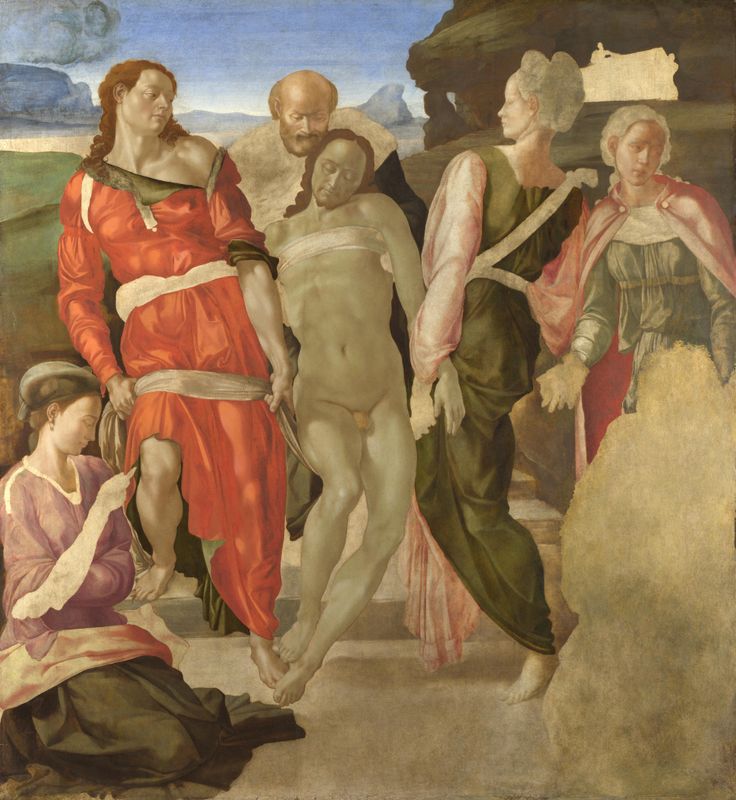 Entombment
1874 · The Metropolitan Museum of Art
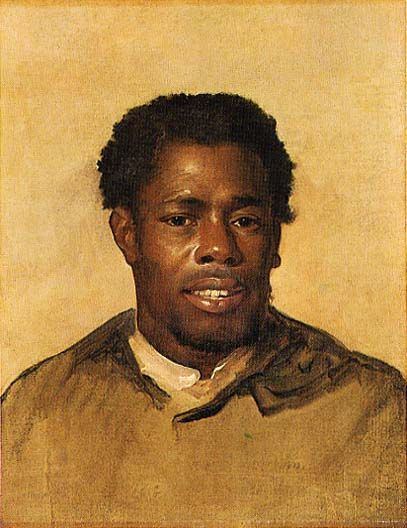 Head of a Man
1874 · The Metropolitan Museum of Art
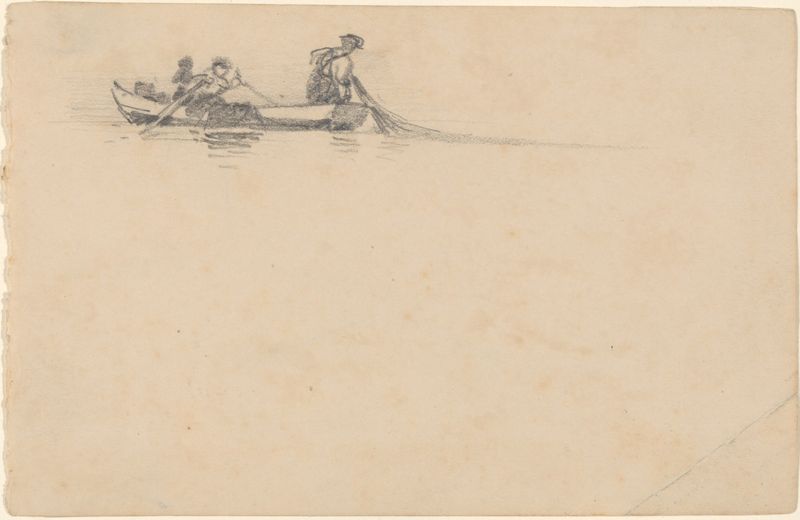 Fishermen with Nets
1875 · The Metropolitan Museum of Art
Beyond Sargent and Tonalism: works from the same years.
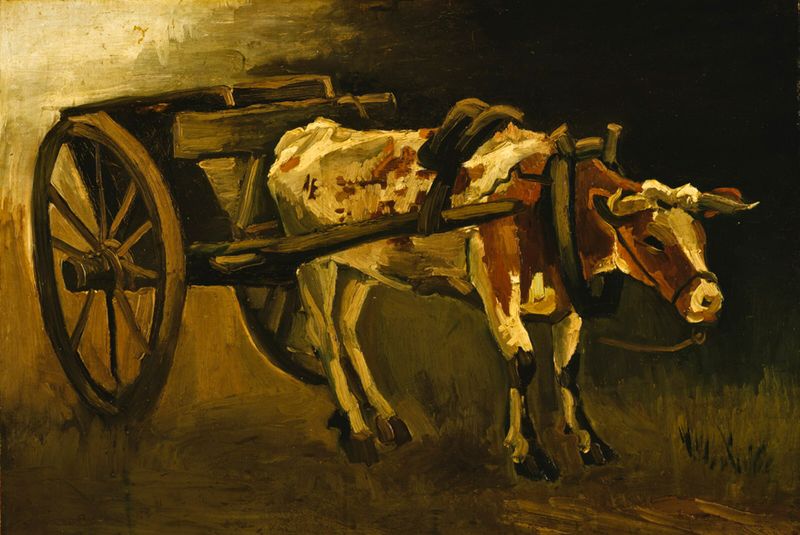 Same era · 1870s–1900s
Cart with Red and White Ox
Vincent van Gogh · 1884 · Kröller-Müller Museum
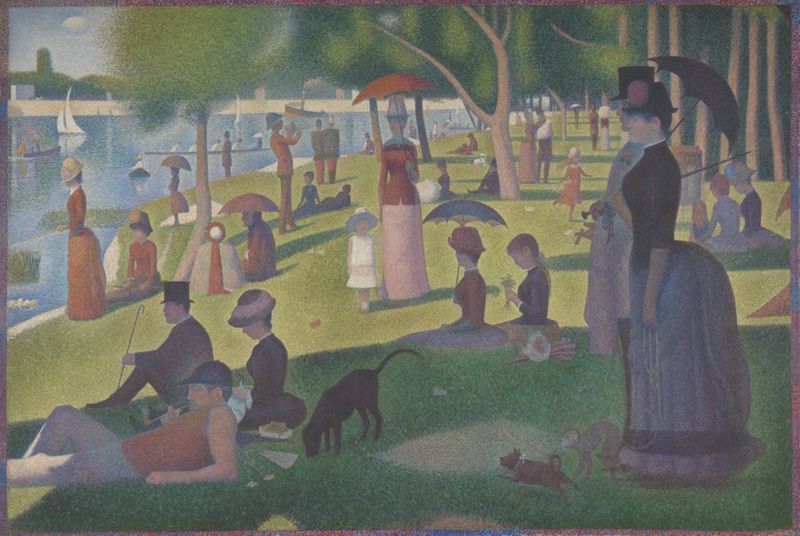 Same era · 1870s–1900s
A Sunday on La Grande Jatte — 1884
Okada Saburosuke · 1884 · Art Institute of Chicago
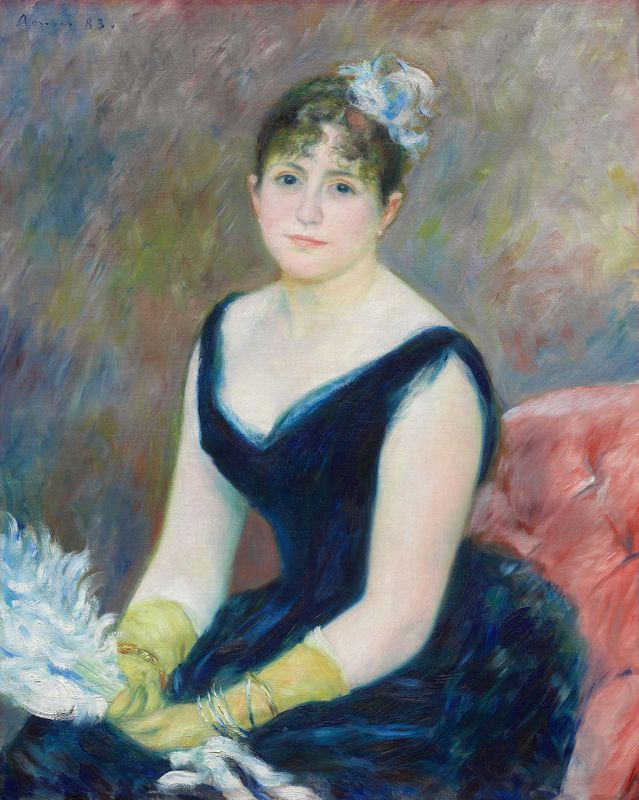 Same era · 1870s–1900s
Madame Léon Clapisson
Léon-Victor Dupré · 1883 · Art Institute of Chicago
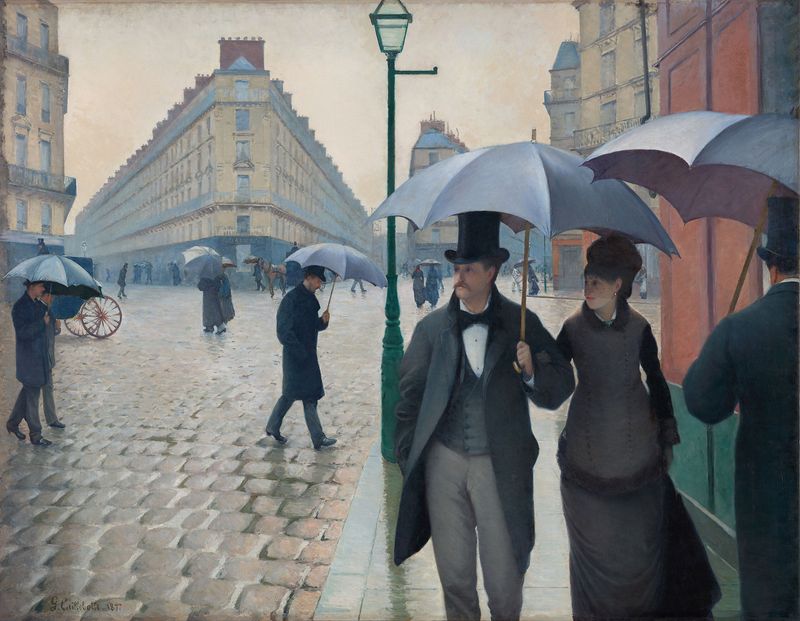 Same era · 1870s–1900s
Paris Street; Rainy Day
Kawabata Gyokushō · 1877 · Art Institute of Chicago
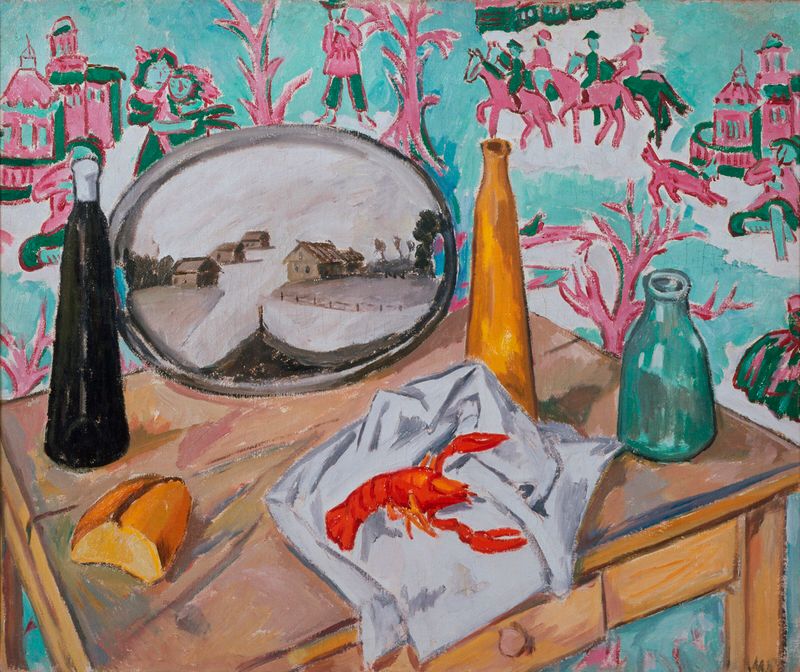 Same era · 1870s–1900s
Still Life with Crayfish
Mikhail Larionov · 1900 · Museum Ludwig
 Same era · 1870s–1900s
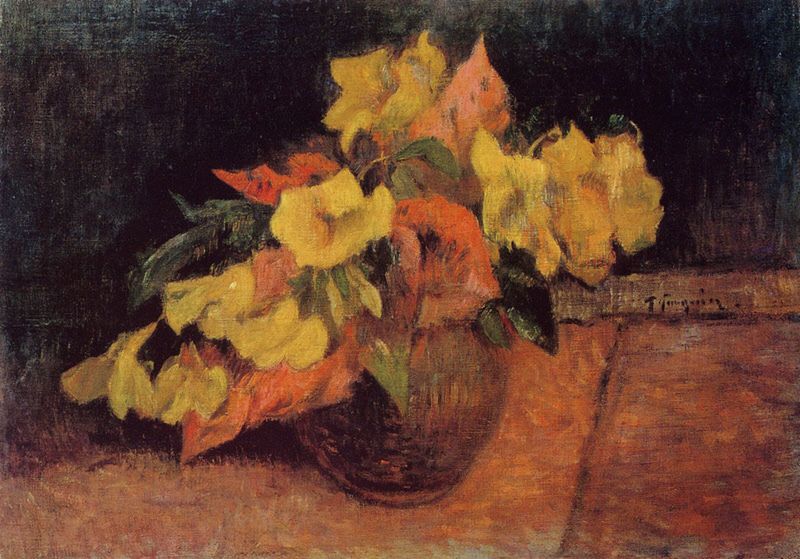
Evening Primroses in a Vase
Paul Gauguin · 1885
 Same era · 1870s–1900s
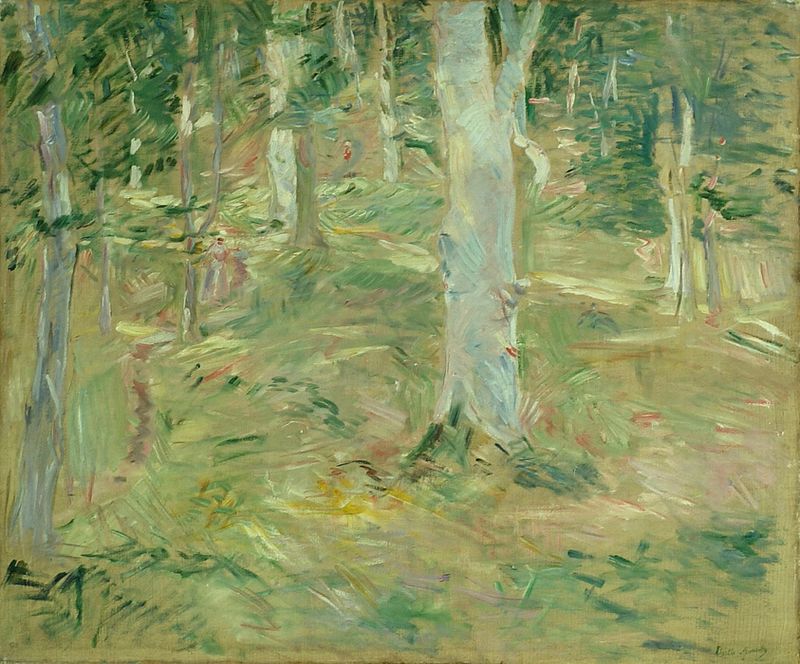
Forêt de Compiègne
Berthe Morisot · 1885 · Art Institute of Chicago
 Same era · 1870s–1900s
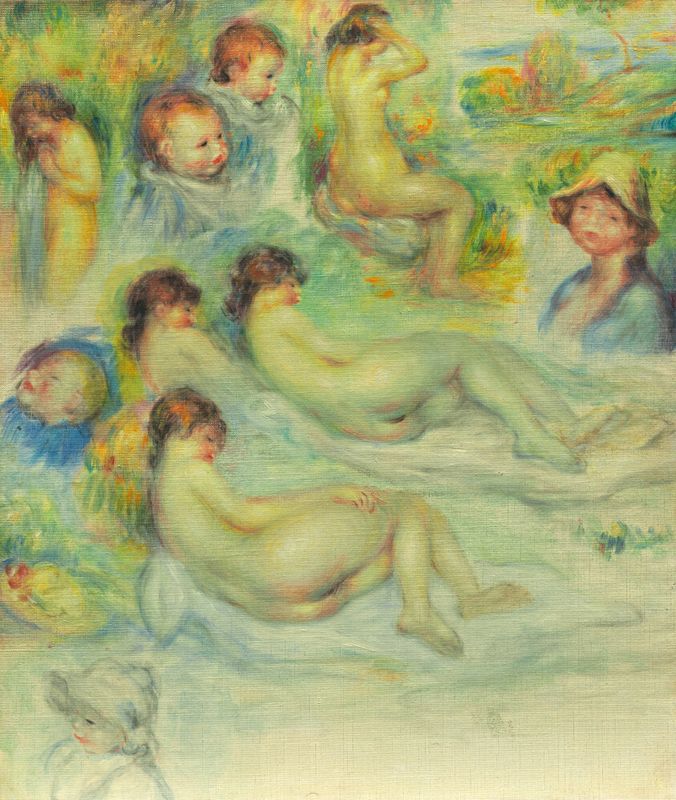
Studies of Pierre Renoir; His Mother, Aline Charigot; Nudes; and Landscape
Pierre-Auguste Renoir · 1885 · Art Institute of Chicago
 Same era · 1870s–1900s
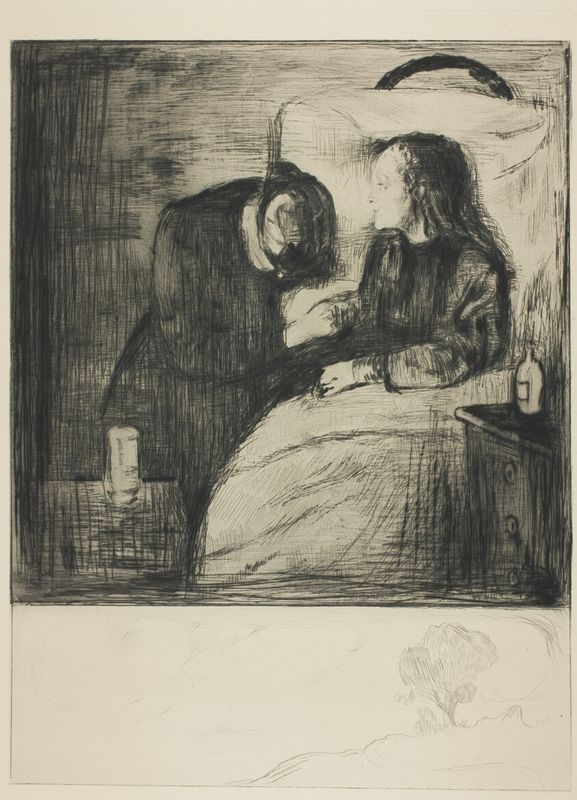
The Sick Child
Edvard Munch · 1885 · National Museum of Art, Architecture and Design
 Same era · 1870s–1900s
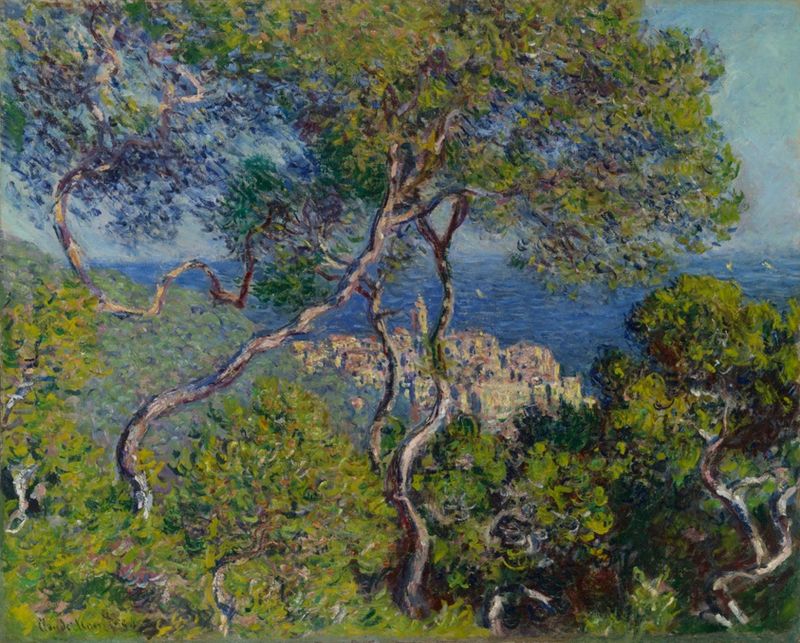
Bordighera
Claude Monet · 1884 · Art Institute of Chicago
 Same era · 1870s–1900s
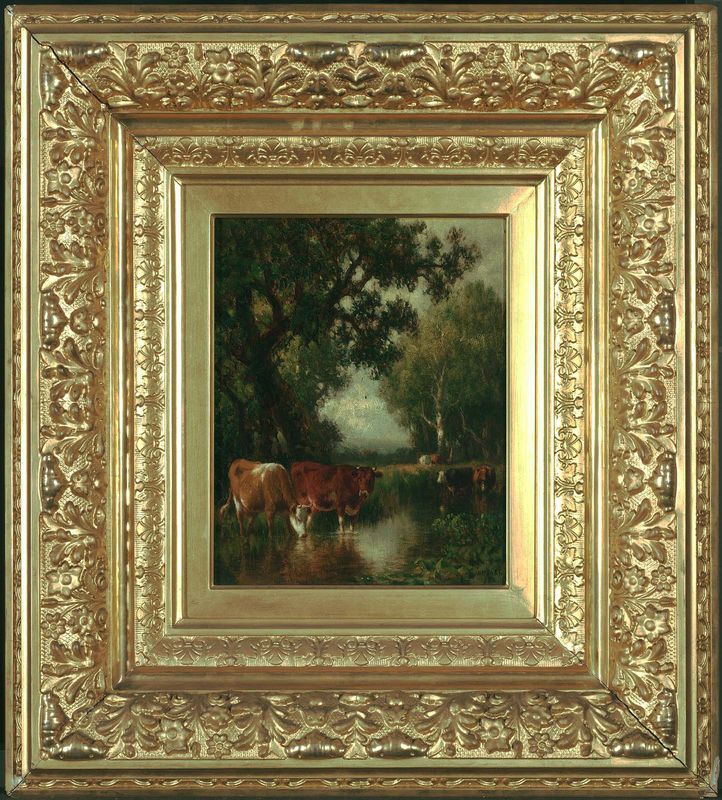
Cows Drinking at a Pool
William Hart · 1886 · Museum of Fine Arts Boston
 Same era · 1870s–1900s
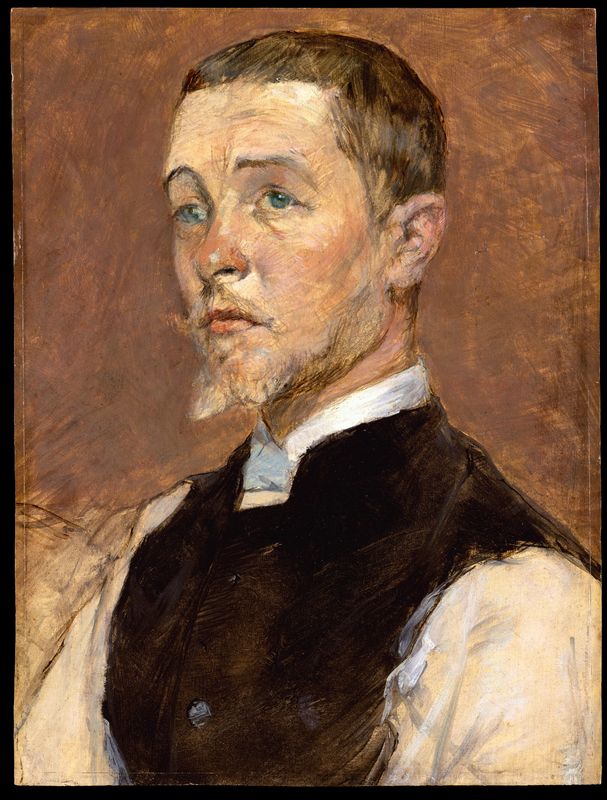
Albert (René) Grenier (1858–1925)
Henri de Toulouse-Lautrec · 1887 · The Metropolitan Museum of Art