

“Stop to appreciate this striking 17th-century engraving, where the artist Noriega captures a profound moment of contemplation through intricate detail and expressive form.”
This engraving presents a man in profile, his gaze directed upward and outward, suggesting a moment of contemplation or perhaps inspiration. The delicate lines of the engraving capture the subtle textures of his curly hair and the soft folds of his garment, creating a sense of depth despite the monochromatic medium. Made in 1630, this work reflects the Baroque era's interest in dramatic expression and the human form, even in portraiture. The artist Noriega, whose identity remains somewhat elusive in art historical records, has nonetheless imbued this print with a striking presence. The composition emphasizes the subject's thoughtful expression, inviting the viewer to consider what might be occupying his mind.
- Artist
- Noriega
- Date
- 1630
- Medium
- Engraving in black on cream laid paper
- Location
- Art Institute of Chicago
- Dimensions
- Trimmed to platemark: 24.3 × 17.7 cm (9 5/8 × 7 in.)
- Collection
- Prints and Drawings
- Culture
- Flanders
- Credit line
- Gift of John E. Irwin
What to Notice
Four details hide in plain sight. Here’s where to look.
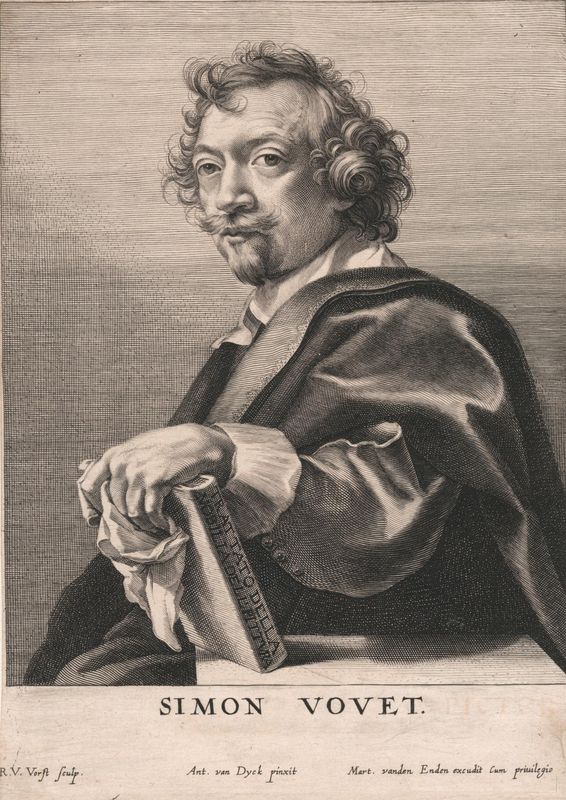
The delicate curls of the man's hair, catching the light.
The subtle shading that defines the planes of his face.
The soft folds of his drapery, suggesting movement.
The upward tilt of his head and his focused gaze.
Stand in front of it and listen
The full narration walks you through Simon Vouet — the story behind it, the details most visitors miss, and why it matters. Free in the Art Whisper app.
Noriega
Susana Noriega is a Mexican painter, one of several notable individuals sharing the Noriega surname.
Further Works by Noriega
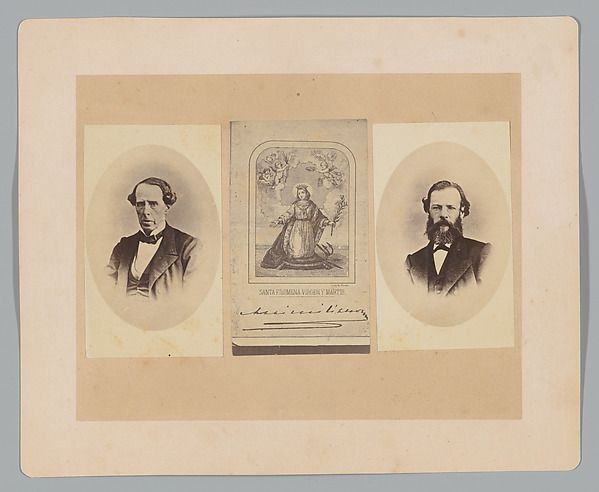 [Baron von Magnus, autograph of Emperor Maximilian of Mexico, Dr. Bosch]
1867 · The Metropolitan Museum of Art
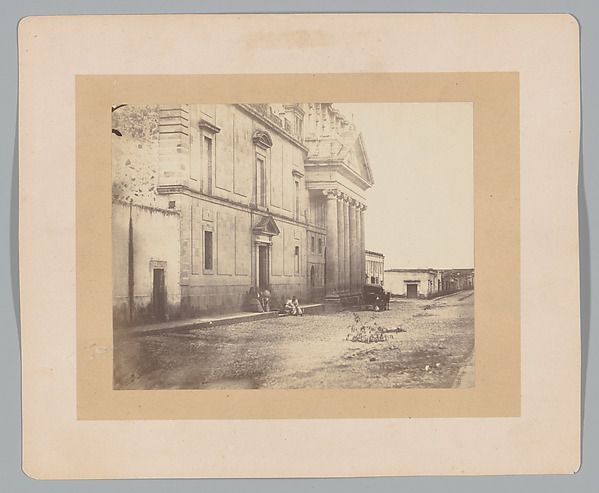 [Convent in La Cruz]
1867 · The Metropolitan Museum of Art
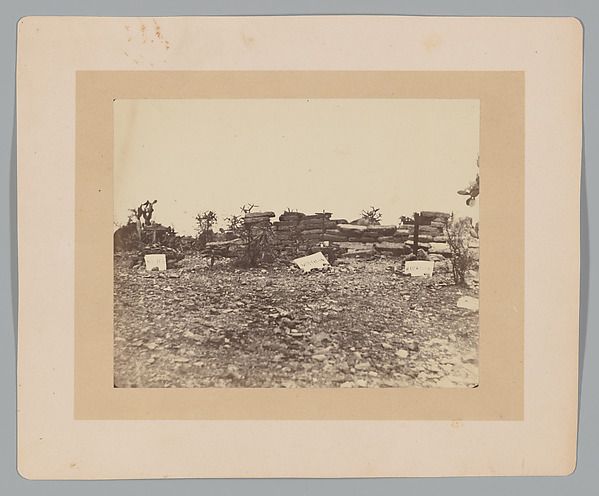 [Death Scene]
1867 · The Metropolitan Museum of Art
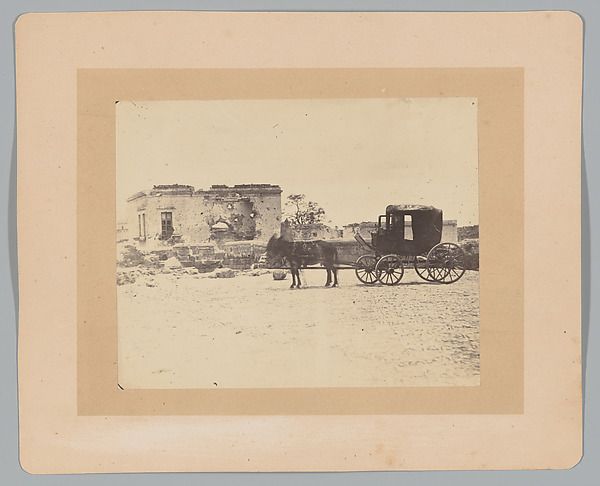 [Emperor Maximilian's Death Carriage]
1867 · The Metropolitan Museum of Art
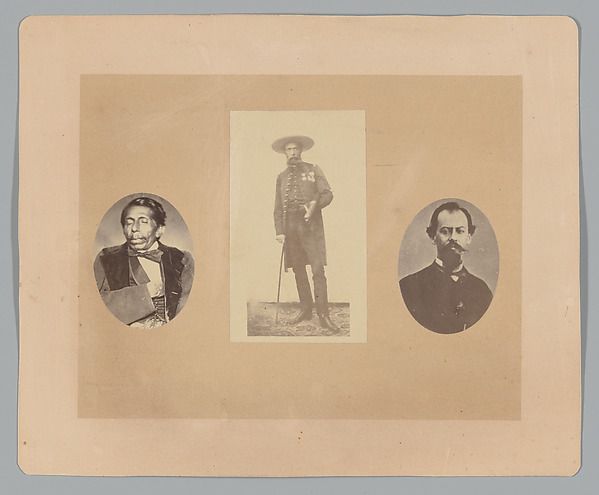 [General Tomas Mejia, Emperor Maximilian, General Misamon]
1867 · The Metropolitan Museum of Art
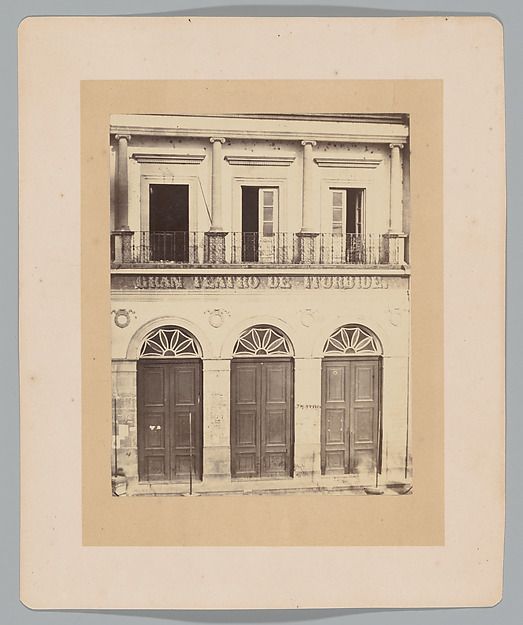 [Gran Teatro de Iturbide]
1867 · The Metropolitan Museum of Art
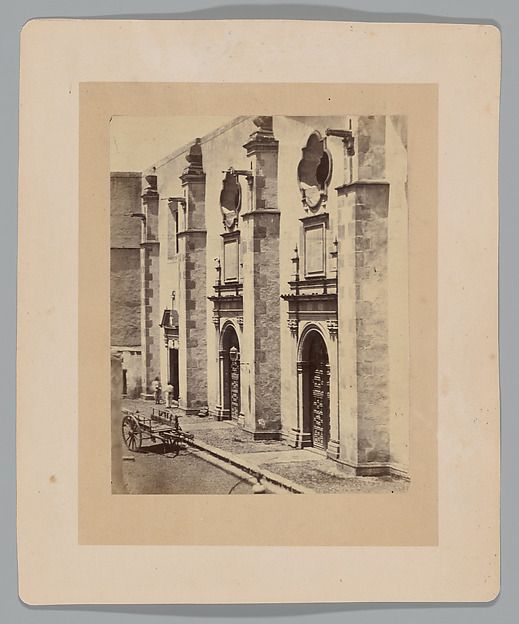 [Place of imprisonment for Emperor Maxmilian of Mexico and soldiers]
1867 · The Metropolitan Museum of Art
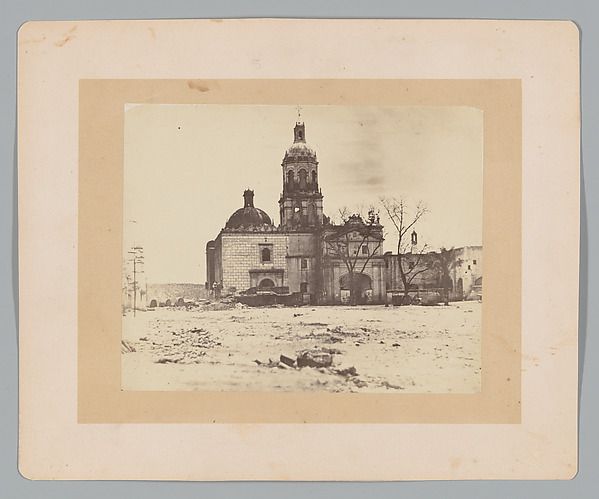 [Prison, Capuchin Convent]
1867 · The Metropolitan Museum of Art
More works to explore
Beyond Noriega: works from the same years.
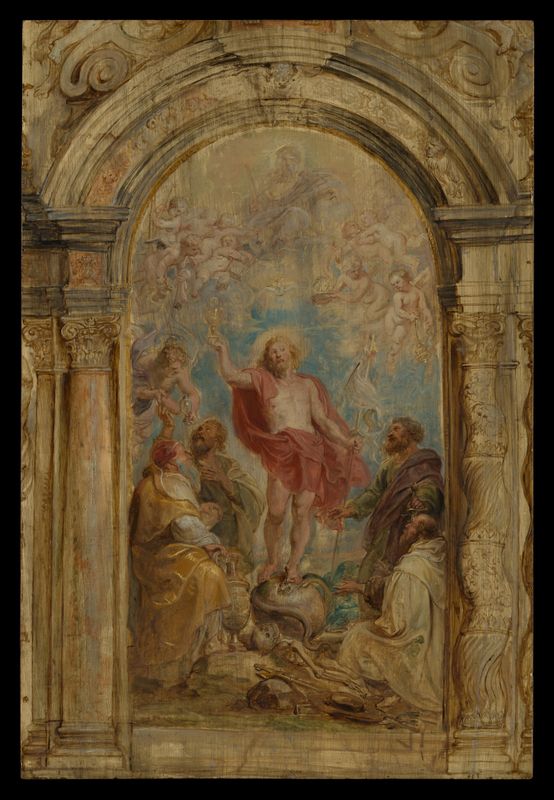 Same era · 1610s–1640s
The Glorification of the Eucharist
Peter Paul Rubens · 1630 · The Metropolitan Museum of Art
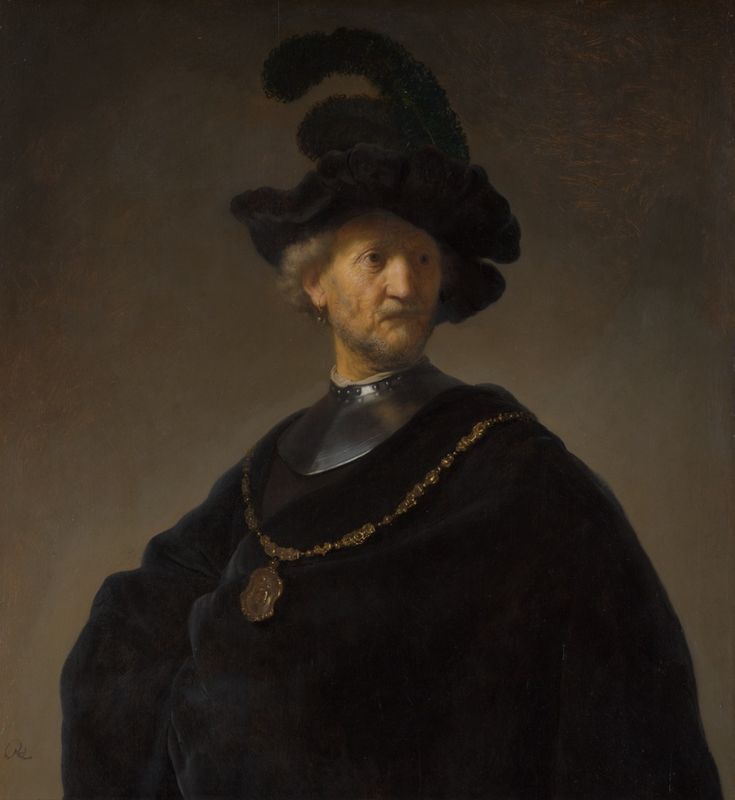 Same era · 1610s–1640s
Old Man with a Gold Chain
Rembrandt · 1631 · Art Institute of Chicago
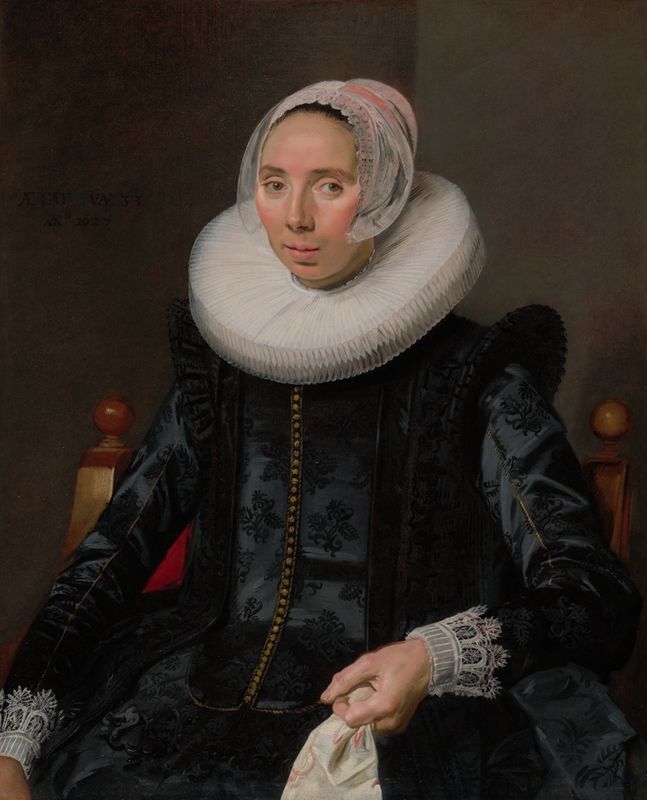 Same era · 1610s–1640s
Portrait of a Lady
Frans Hals · 1627 · Art Institute of Chicago
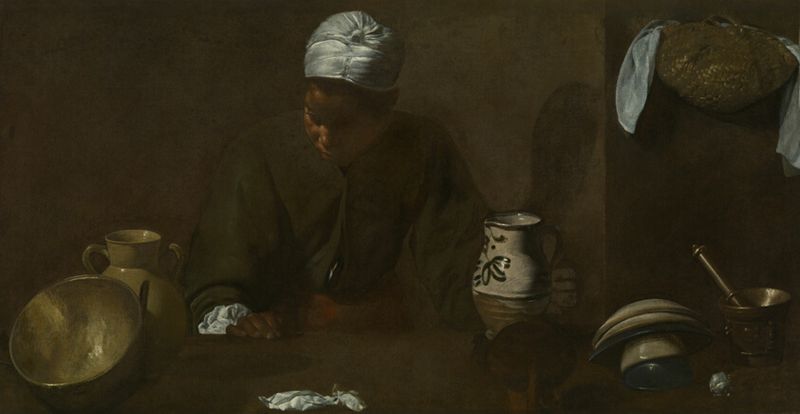 Same era · 1610s–1640s
Kitchen Scene
Diego Velázquez · 1618 · Art Institute of Chicago
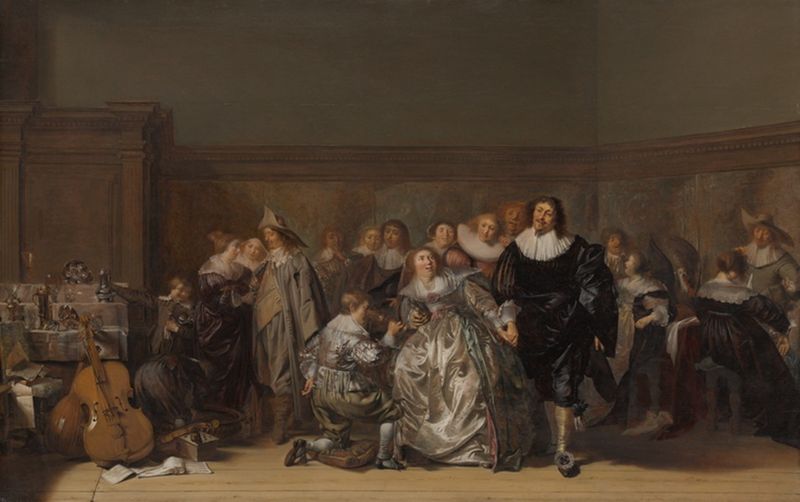 Same era · 1610s–1640s
An Elegant Company
Samuel Alcock & Company · 1632 · Art Institute of Chicago
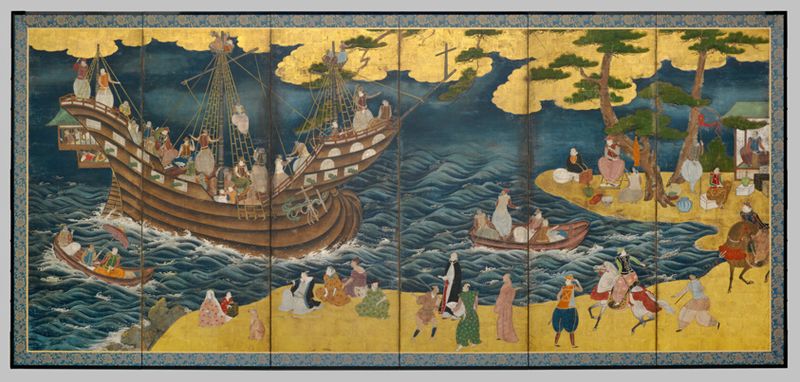 Same era · 1610s–1640s
Southern Barbarians
Artist Unknown - The Mercat Cross, Aberdeen · 1625 · Art Institute of Chicago
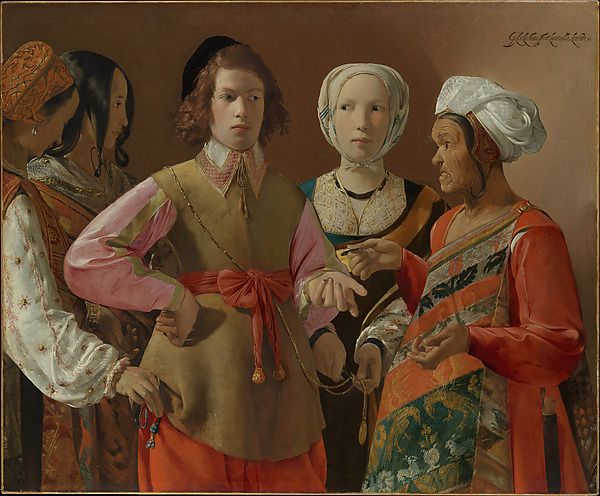 Same era · 1610s–1640s
The Fortune-Teller
Georges de La Tour · 1630 · The Metropolitan Museum of Art
 Same era · 1610s–1640s
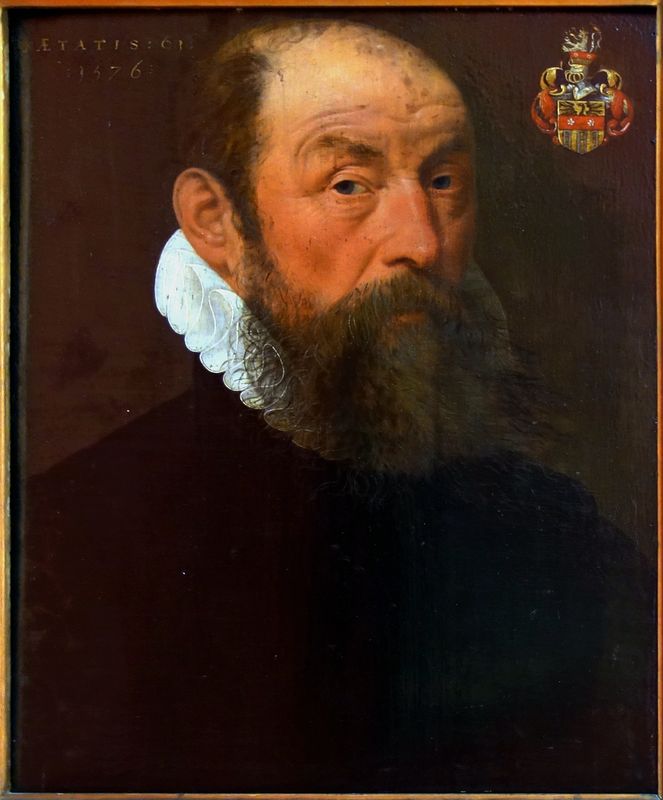
Portrait of a man
Willem van der Vliet · 1634 · Pushkin Museum of Fine Arts
 Same era · 1610s–1640s
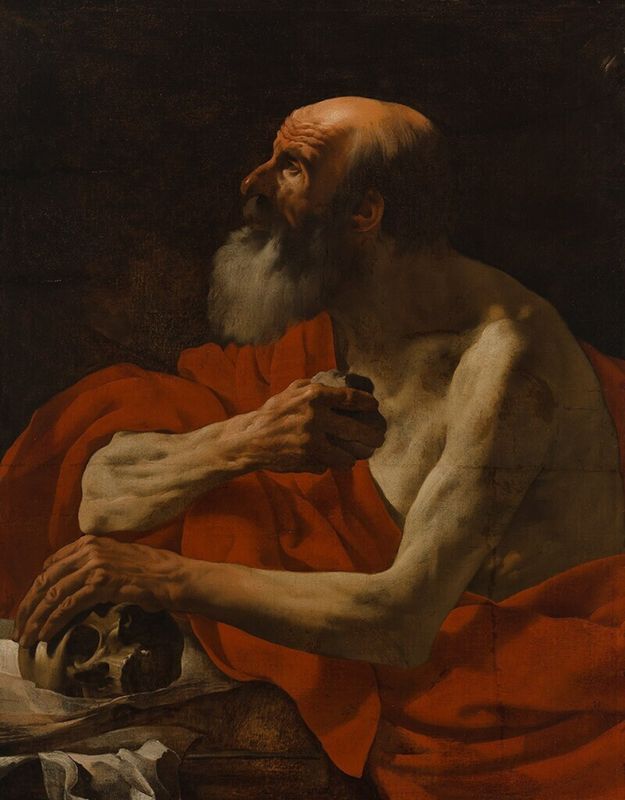
Saint Jerome
Hendrick ter Brugghen · 1624 · Museum Boijmans Van Beuningen
 Same era · 1610s–1640s
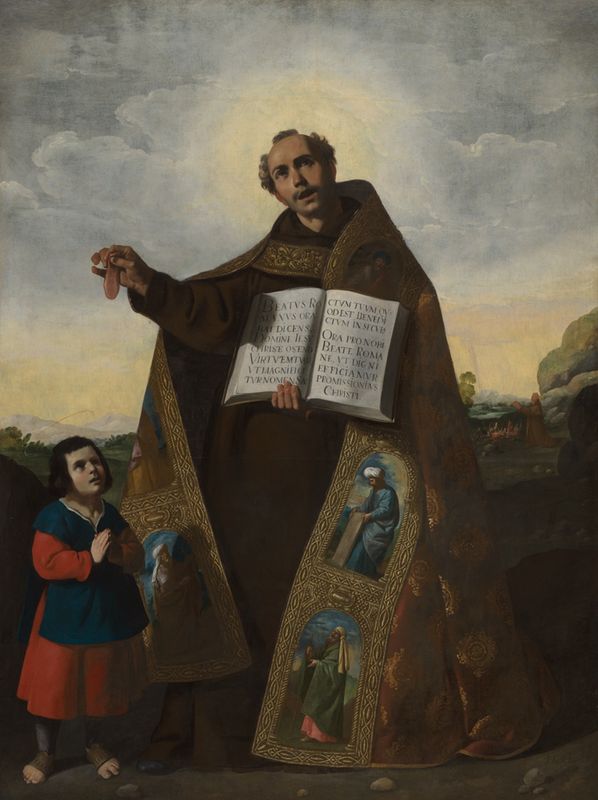
Saint Romanus of Antioch and Saint Barulas
Master of the View of Saint Gudula · 1638 · Art Institute of Chicago
 Same era · 1610s–1640s
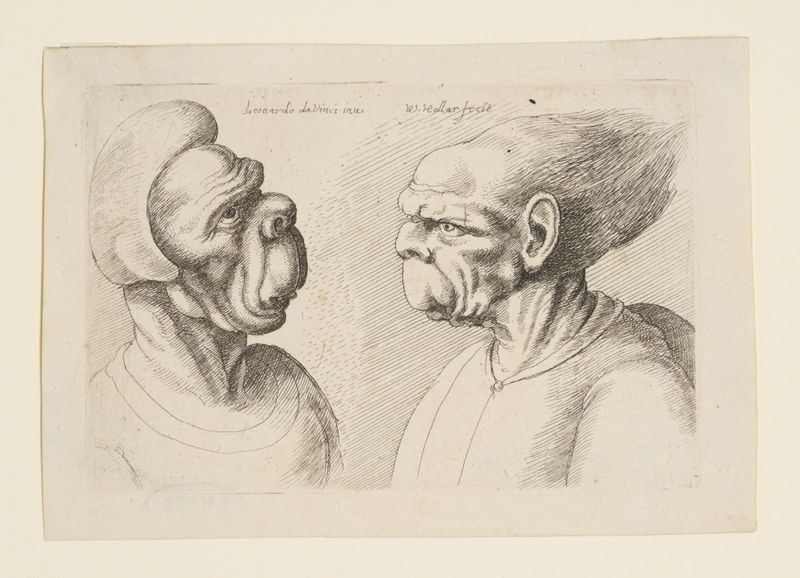
Two Deformed Heads with Very Long Upper Lips
Leonardo da Vinci · 1645 · The Metropolitan Museum of Art
 Same era · 1610s–1640s
Floral Still Life
Jan van Kessel the Elder · 1633 · Museo del Prado