01
The laughing face
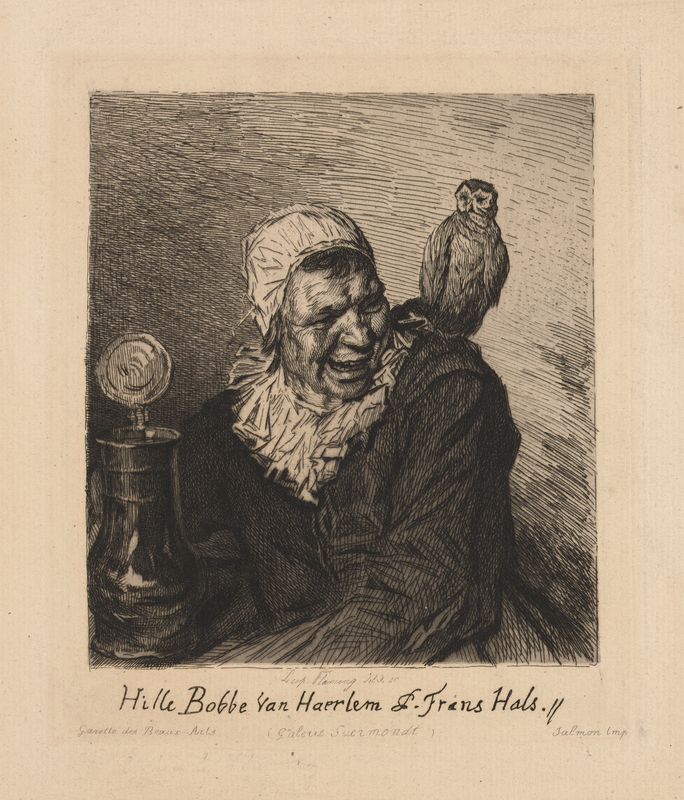
Look at the open, toothy mouth and squeezed-shut eyes. The deep wrinkles make her cackle feel caught mid-moment, not posed.
1 of 5 on the painting
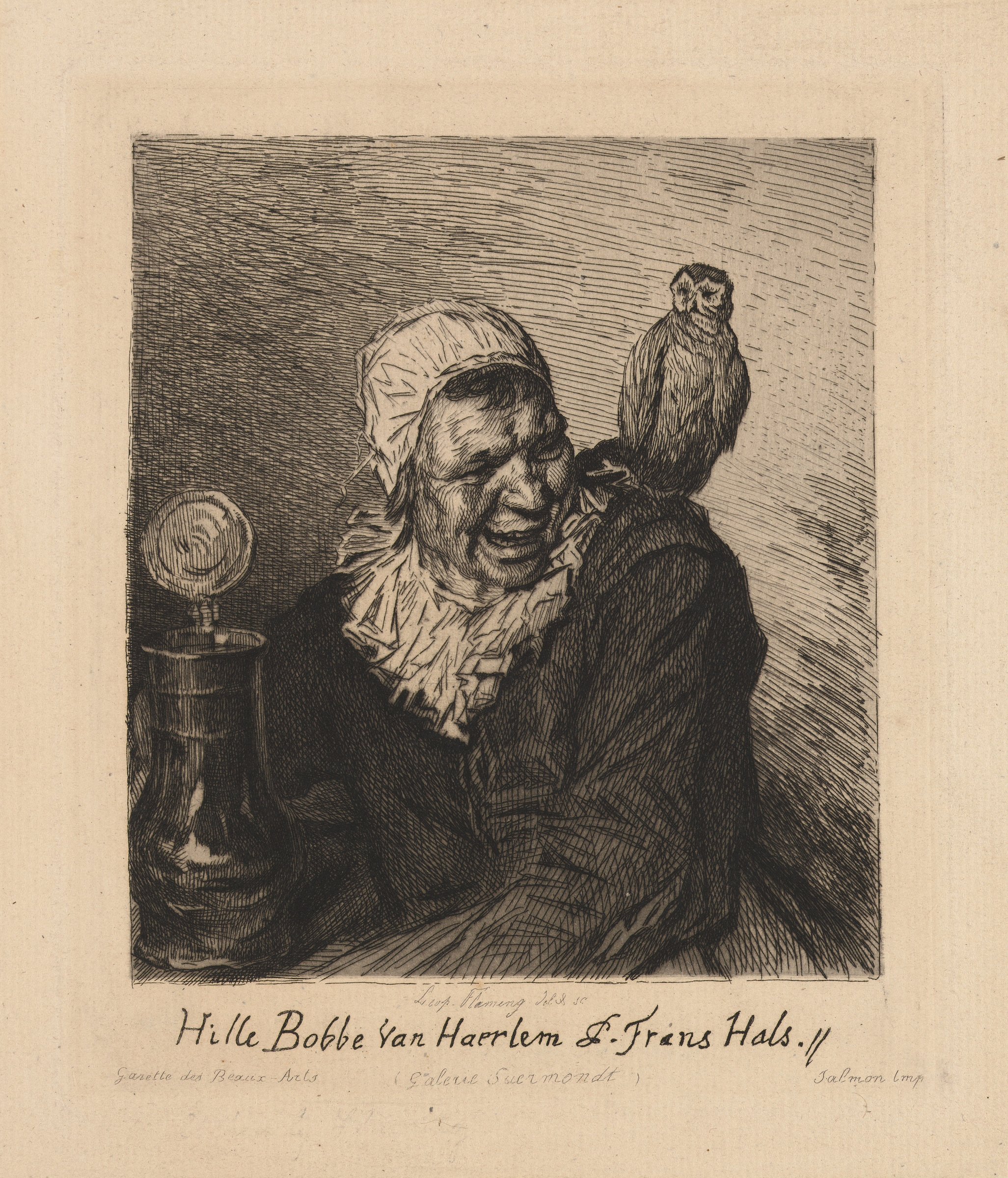
“Stop and look at this lively etching of "Hille Bobbe," a famous Haarlem character. Her boisterous grin and pet owl offer a vivid glimpse into 17th-century Dutch street life and the art of capturing everyday personality.”
A boisterous woman, perhaps a tavern keeper or a fishwife, grins out at us in this etching. She’s often identified as "Hille Bobbe," a local character from Haarlem known for her loud behavior and her pet owl. Her face is a riot of expressive lines, capturing a moment of raw, uninhibited joy or perhaps a tipsy chuckle. The etching medium, with its sharp, incisive marks, perfectly conveys the energy of her expression and the texture of her simple cap. This print captures a very human, unidealized figure, a common person from the streets of 17th-century Holland, presented with a vibrant immediacy that was groundbreaking for its time. It’s a testament to the era’s fascination with everyday life and character studies, or "tronies," which were popular art forms depicting exaggerated facial expressions or types of people.
Five details hide in plain sight. Pick one and we’ll show you exactly where to look.
Look at the open, toothy mouth and squeezed-shut eyes. The deep wrinkles make her cackle feel caught mid-moment, not posed.
An owl perches on her shoulder and stares out at us. Owls often stood for folly or wisdom in Dutch art, and this one sits calmly beside her loud laugh.
At the left, a large tankard with a round lid catches a little light. It suggests a tavern setting and drinking, and its steady, solid shape balances her animated face.
The white ruffle and cap stay mostly bare paper, with a few quick lines for folds. They glow against the dark coat and pull the eye to her face.
Her coat is built from loose, crossing etched lines that give the dark mass of the body some texture and movement. The sketchy handling suits the lively spirit of the subject.
The full narration walks you through Hille Bobbe — the story behind it, the details most visitors miss, and why it matters. Free in the Art Whisper app.
Master of spontaneous brushwork who captured Dutch burghers with unrivaled liveliness and psychological insight.
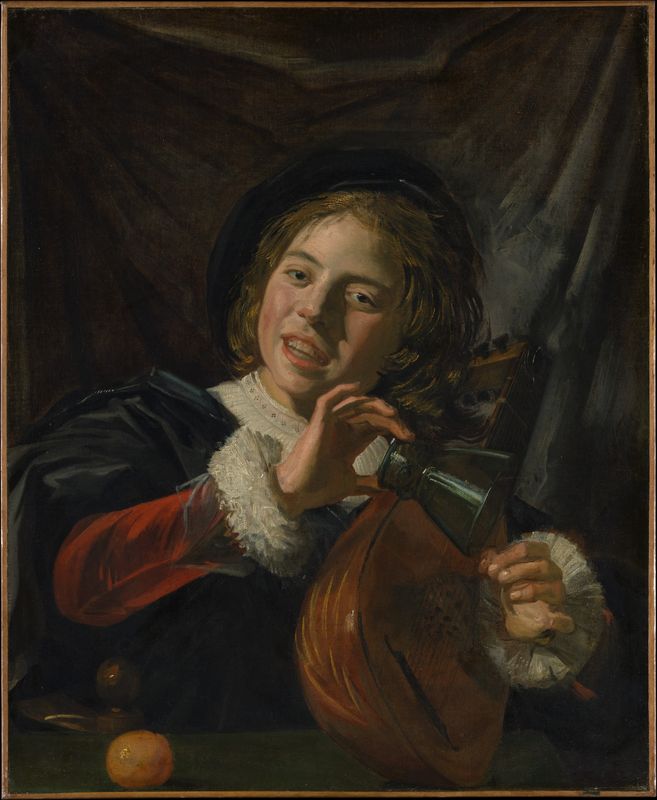 Boy with a Lute
1620 · The Metropolitan Museum of Art
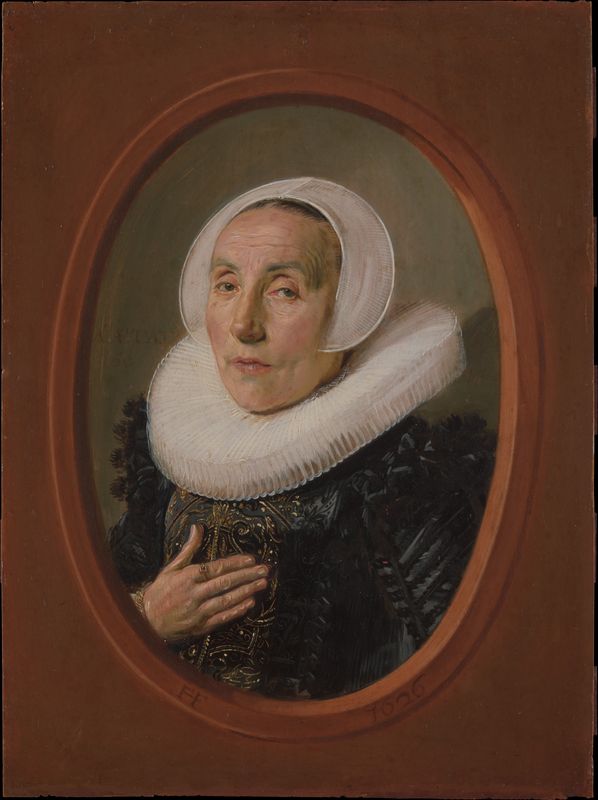 Anna van der Aar (born 1576/77, died after 1626)
1626 · The Metropolitan Museum of Art
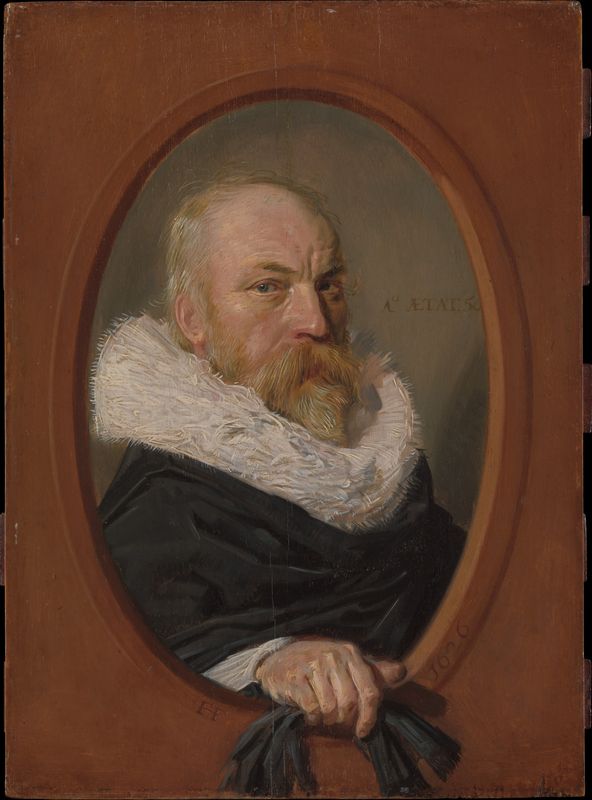 Petrus Scriverius (1576–1660)
1626 · The Metropolitan Museum of Art
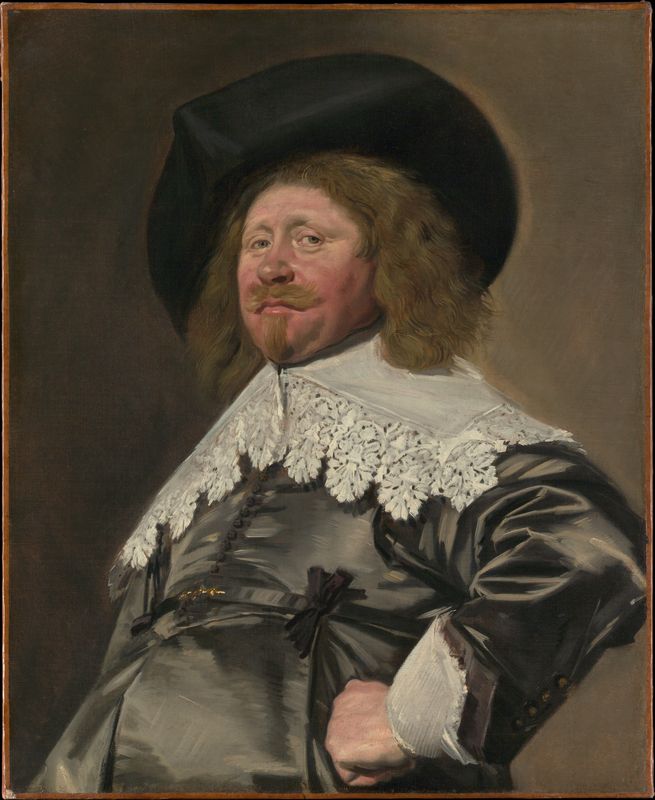 Portrait of a Man, Possibly Nicolaes Pietersz Duyst van Voorhout (born about 1600, died 1650)
1636 · The Metropolitan Museum of Art
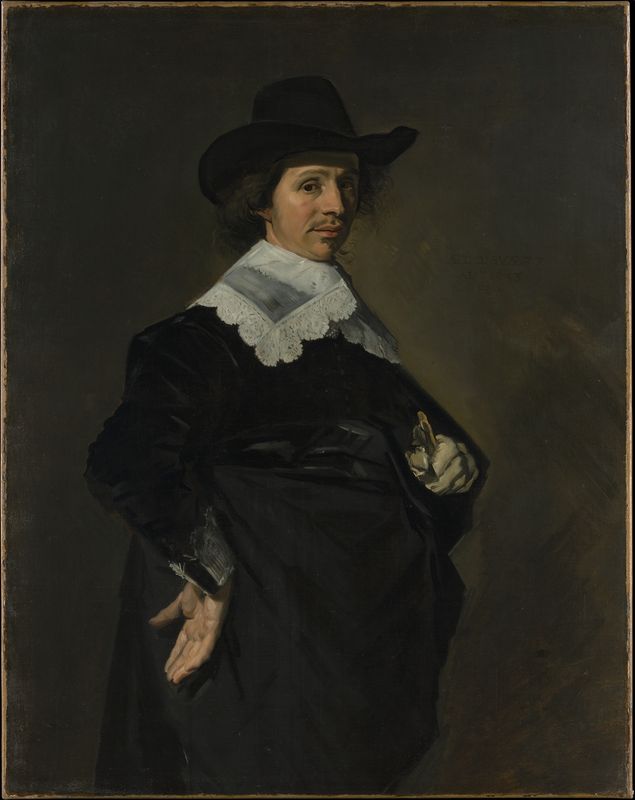 Paulus Verschuur (1606–1667)
1643 · The Metropolitan Museum of Art
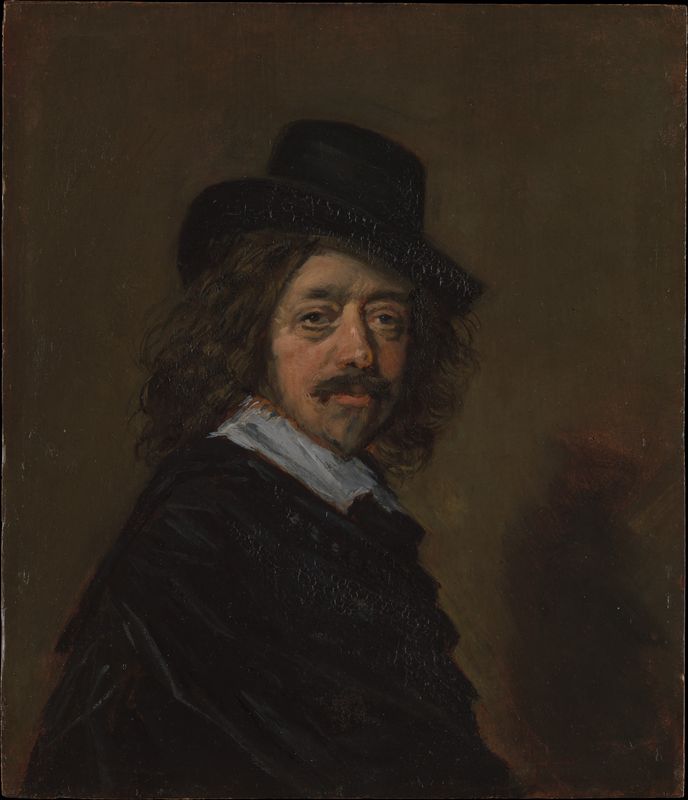 Frans Hals (1582/83–1666)
1650 · The Metropolitan Museum of Art
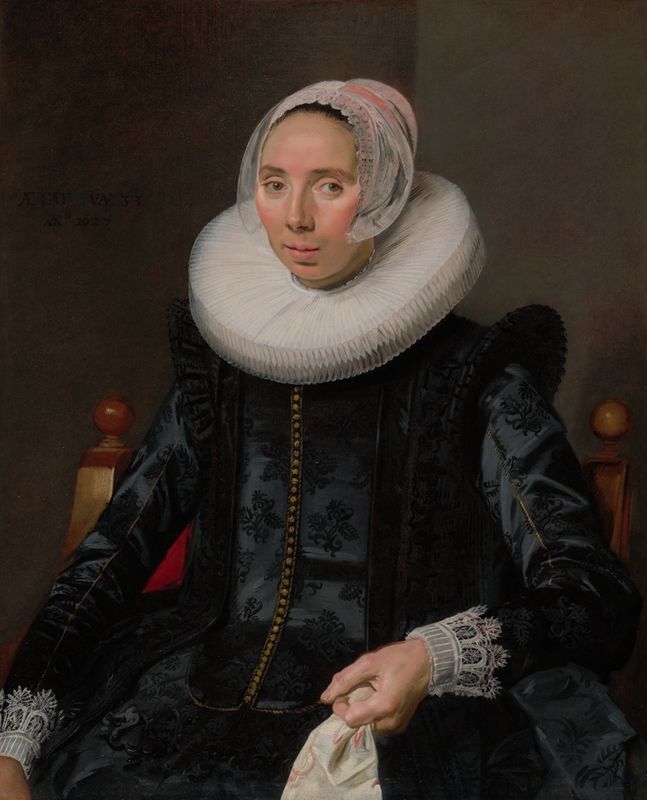 Portrait of a Lady
1627 · Art Institute of Chicago
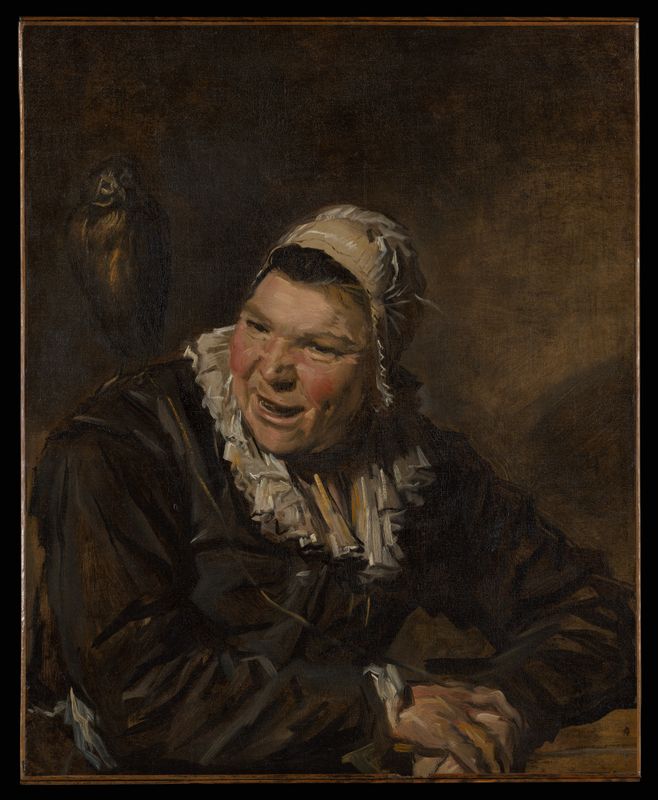 Malle Babbe
1640 · Gemäldegalerie Berlin