
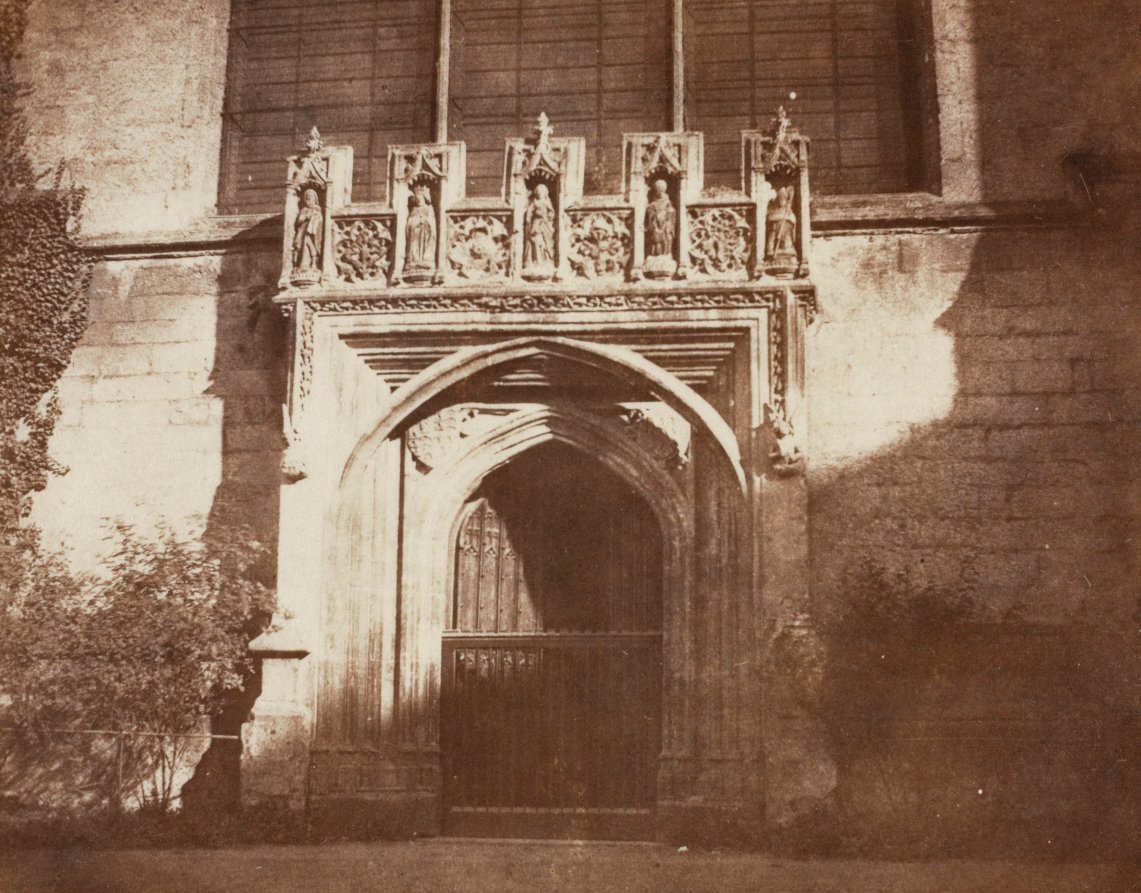
“Stop to appreciate one of the earliest photographs of architecture. This image of an ancient Oxford door, made in 1843, showcases the pioneering calotype process with its distinctive soft focus and rich textures.”
This early photograph captures an ancient wooden door at Magdalen College, Oxford, its surface textured with the marks of time. The scene is bathed in a soft, even light, revealing the intricate patterns of the weathered wood and the rough stone archway. Taken in 1843, this image is a product of William Henry Fox Talbot's pioneering calotype process, which allowed for multiple positive prints to be made from a single paper negative. The slight blur and subtle tonal shifts, characteristic of this early photographic method, lend the door a timeless, almost painterly quality, emphasizing its age and history. It's a quiet study of architecture and light, transforming a mundane architectural feature into a subject of contemplation.
- Artist
- William Henry Fox Talbot
- Date
- 1843
- Medium
- salted paper print from calotype negative
- Location
- Cleveland Museum of Art
- Dimensions
- [object Object]
- Collection
- Photography
- Culture
- England, 19th century
- Credit line
- Andrew R. and Martha Holden Jennings Fund
What to Notice
Four details hide in plain sight. Here’s where to look.
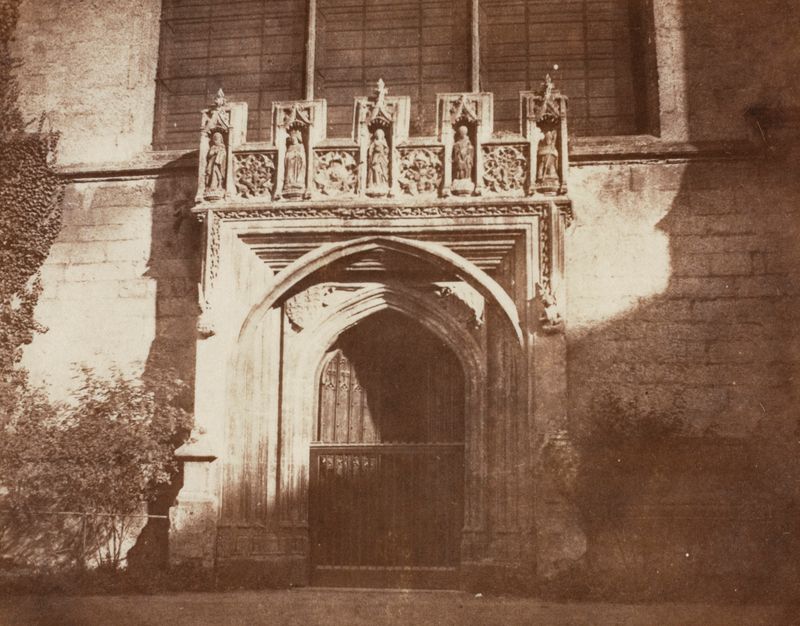
The rich texture of the wooden door, showing years of weathering.
The intricate ironwork of the hinges and handle.
The rough, uneven surface of the stone archway framing the door.
The subtle variations in light and shadow across the aged materials.
Stand in front of it and listen
The full narration walks you through Ancient Door, Magdalen College, Oxford — the story behind it, the details most visitors miss, and why it matters. Free in the Art Whisper app.
William Henry Fox Talbot
1800–1877 · Kingdom of Great BritainThe man who invented the negative-positive process, making every photograph ever printed possible.
Further Works by Talbot
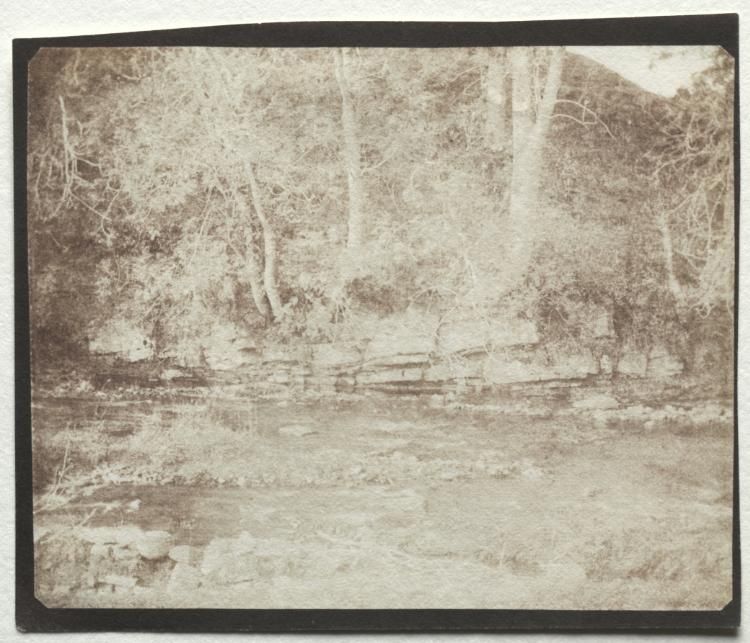 A Mountain Rivulet Which Flows at the Foot of Doune Castle
1844 · Cleveland Museum of Art
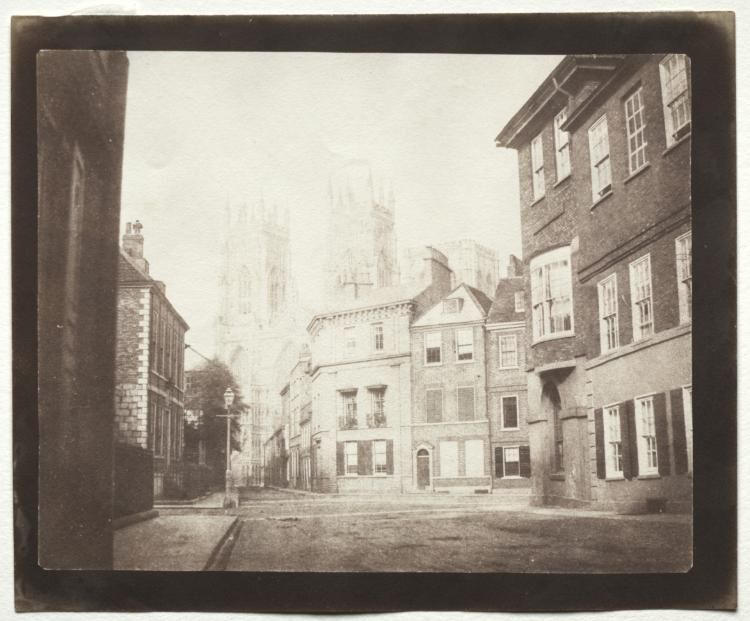 A Scene in York
1845 · Cleveland Museum of Art
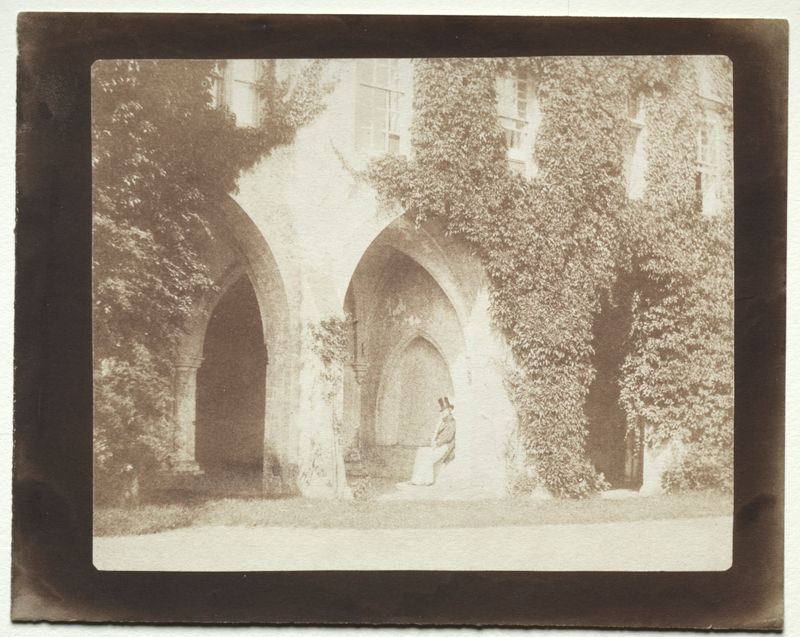 Calvert Jones Seated in the Sacristy of Lacock Abbey
1845 · Cleveland Museum of Art
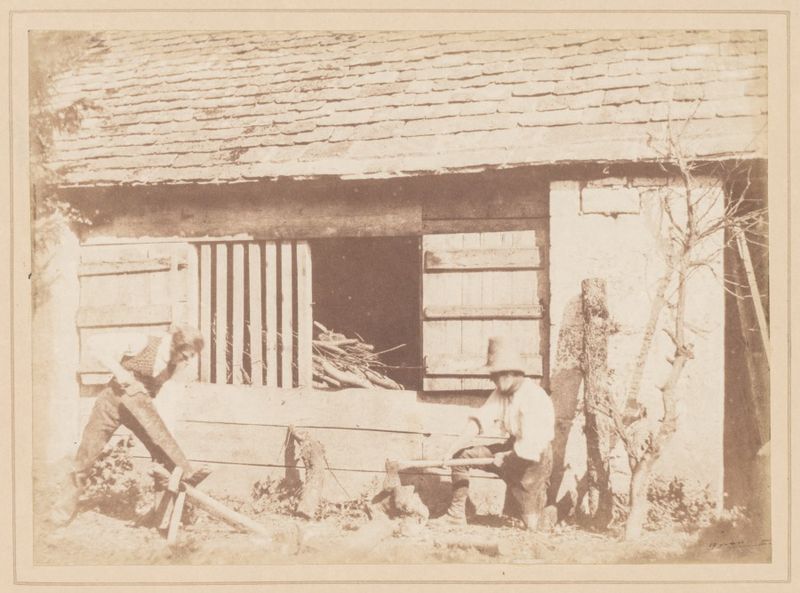 The Woodcutters
1845 · Cleveland Museum of Art
 The Fruit Sellers
1837 · Art Institute of Chicago
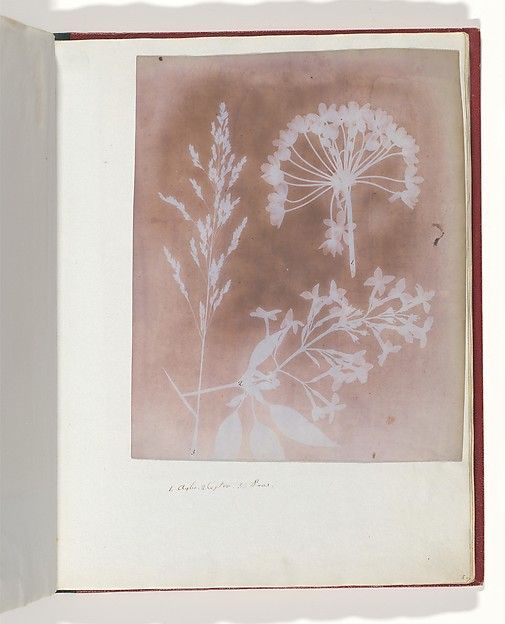 1. Aglio. 2. Cestro. 3. Poa.
1839 · The Metropolitan Museum of Art
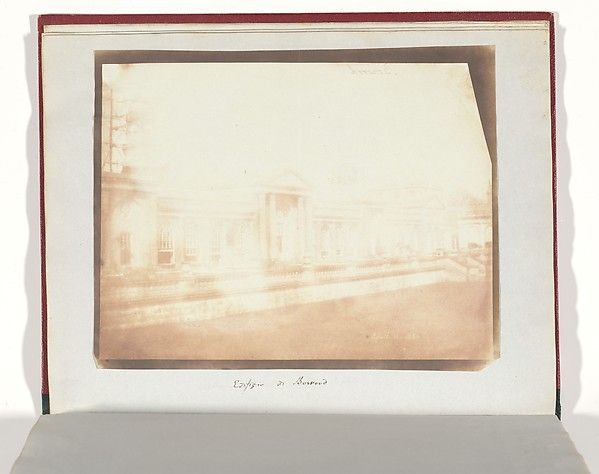 Bowood
1839 · The Metropolitan Museum of Art
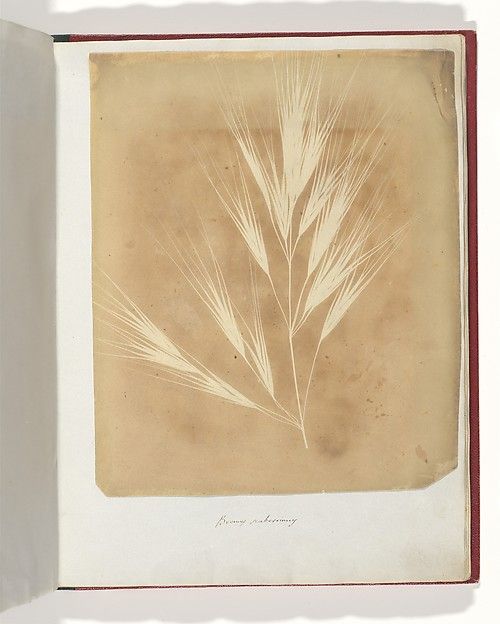 Bromus Maximus, Genoa
1839 · The Metropolitan Museum of Art
More works to explore
Beyond Talbot: works from the same years.
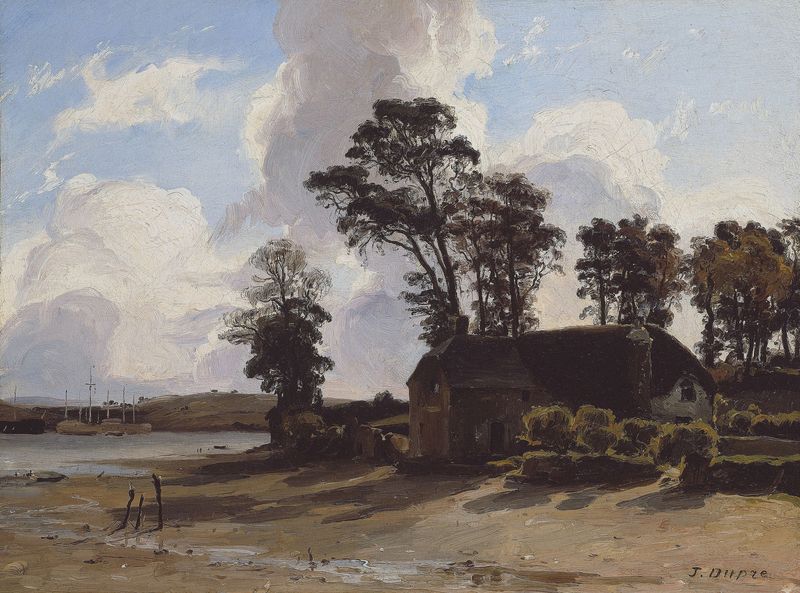 Same era · 1820s–1850s
The Estuary Farm
Léon-Victor Dupré · 1831 · Art Institute of Chicago
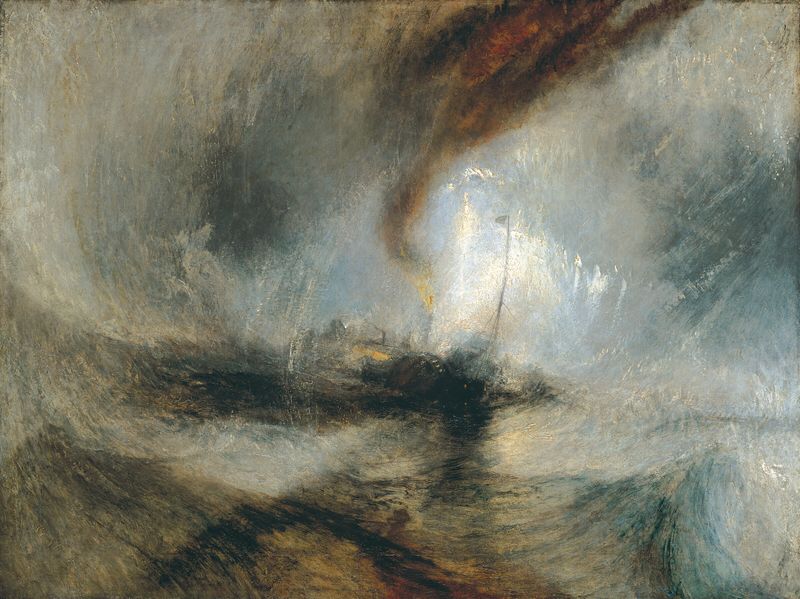 Same era · 1820s–1850s
Snow Storm: Steam-Boat off a Harbour's Mouth
J. M. W. Turner · 1842 · National Gallery
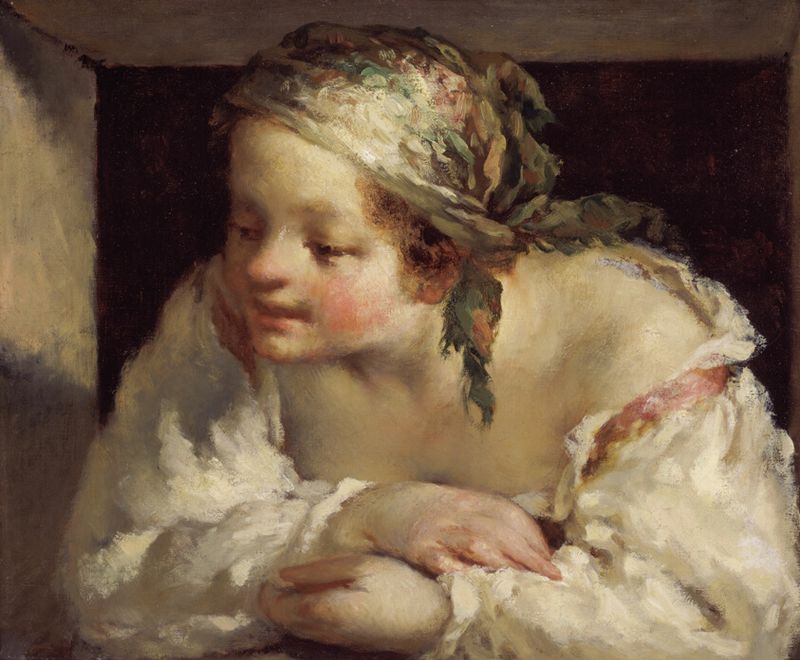 Same era · 1820s–1850s
Young Woman
Jean-François Millet · 1844 · Art Institute of Chicago
 Same era · 1820s–1850s
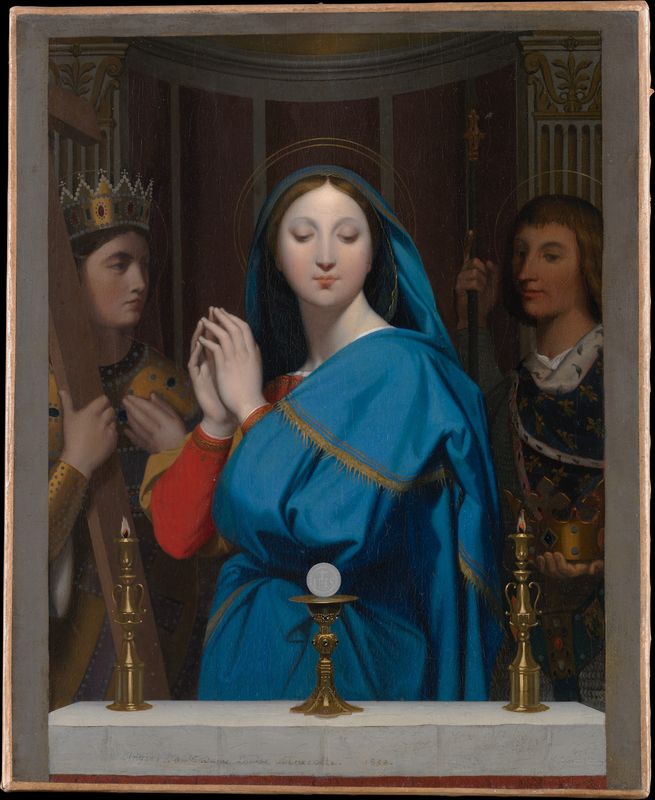
The Virgin Adoring the Host
Jean-Auguste-Dominique Ingres · 1841 · Pushkin Museum of Fine Arts
 Same era · 1820s–1850s
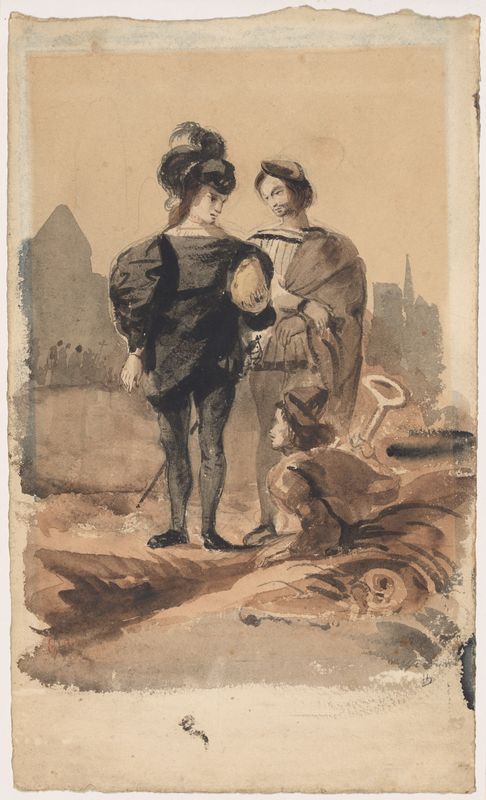
Hamlet and Horatio in the Graveyard
Eugène Delacroix · 1839 · Department of Paintings of the Louvre
 Same era · 1820s–1850s
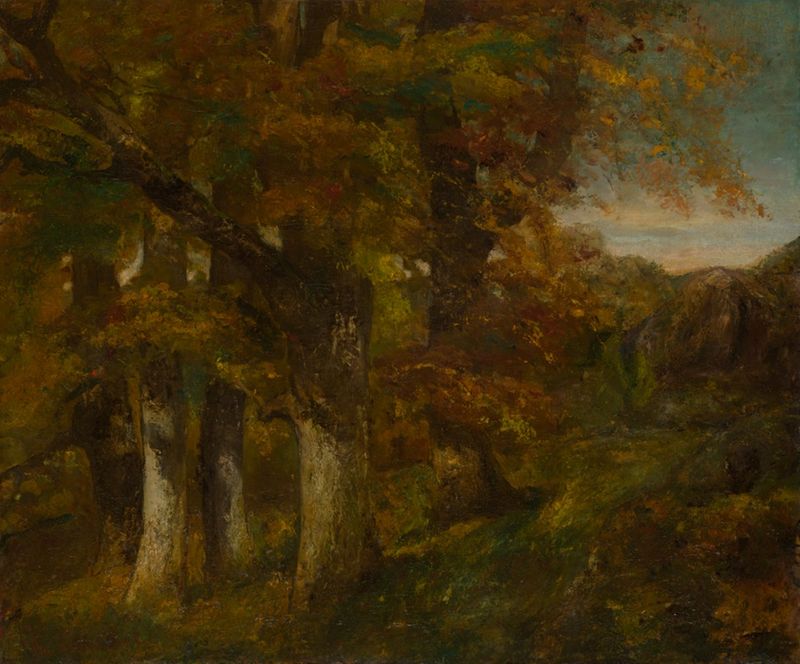
Wooded Landscape
Gustave Courbet · 1848 · Art Institute of Chicago
 Same era · 1820s–1850s
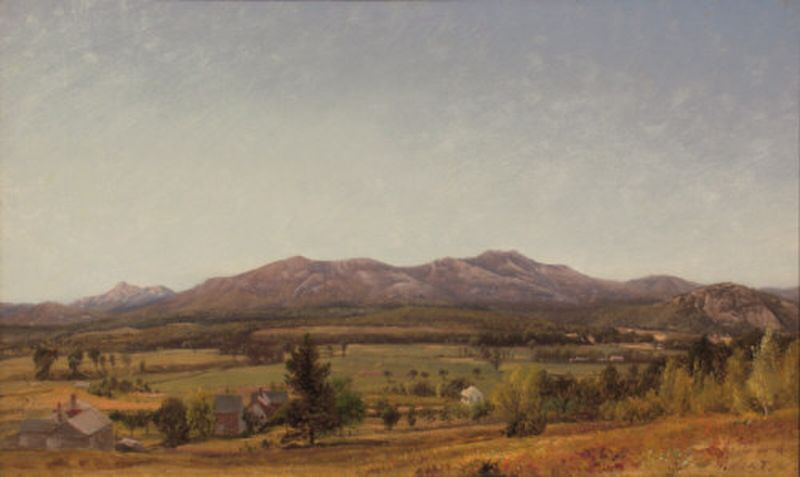
Mount Chocorua and Moat Mountain from North Conway
William Hart · 1850
 Same era · 1820s–1850s
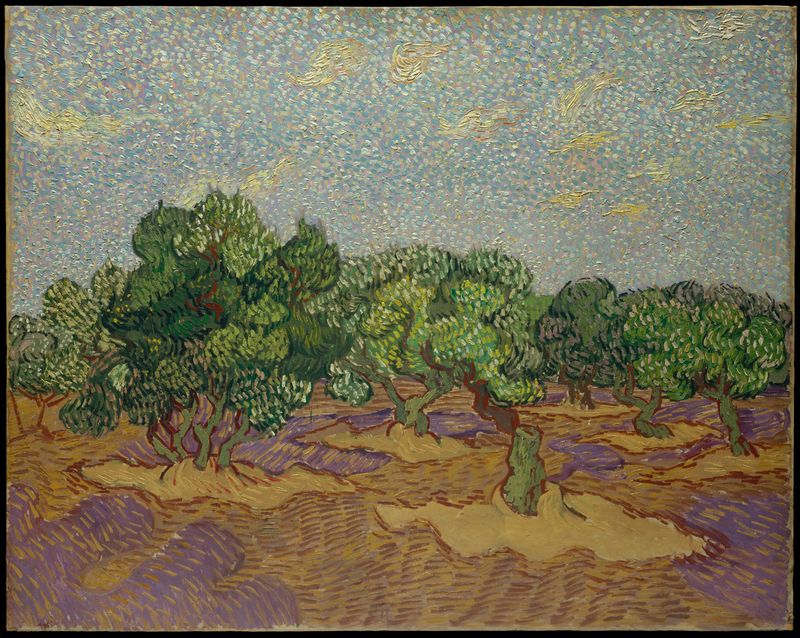
Olive Trees
Vincent van Gogh · 1853 · The Metropolitan Museum of Art
 Same era · 1820s–1850s
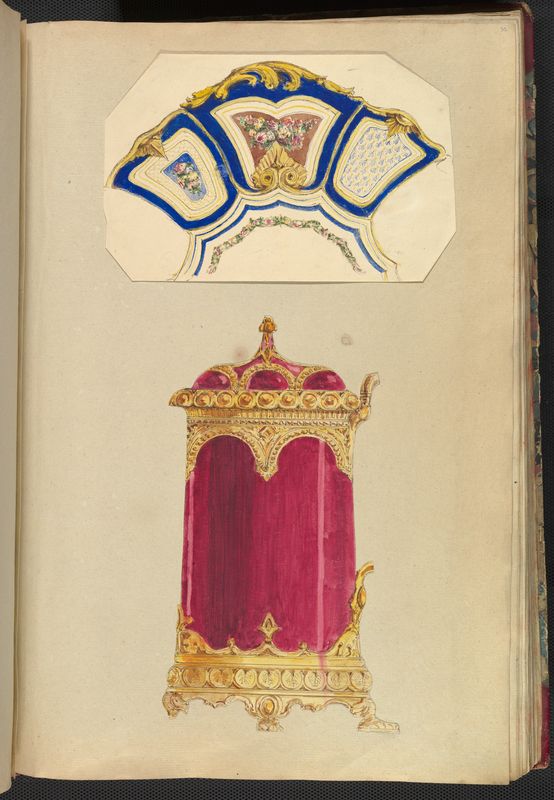
Designs for a Decorated Dish, or Platter, and a Biscuit Barrel
Alfred Henry Forrester [Alfred Crowquill] · 1845 · The Metropolitan Museum of Art
 Same era · 1820s–1850s
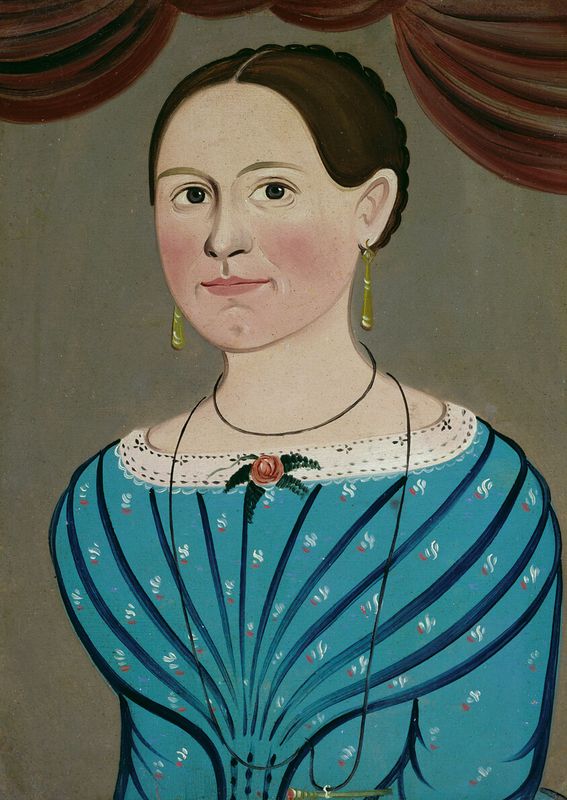
Woman in a Blue Dress
School of William Matthew Prior · 1840 · Art Institute of Chicago
 Same era · 1820s–1850s
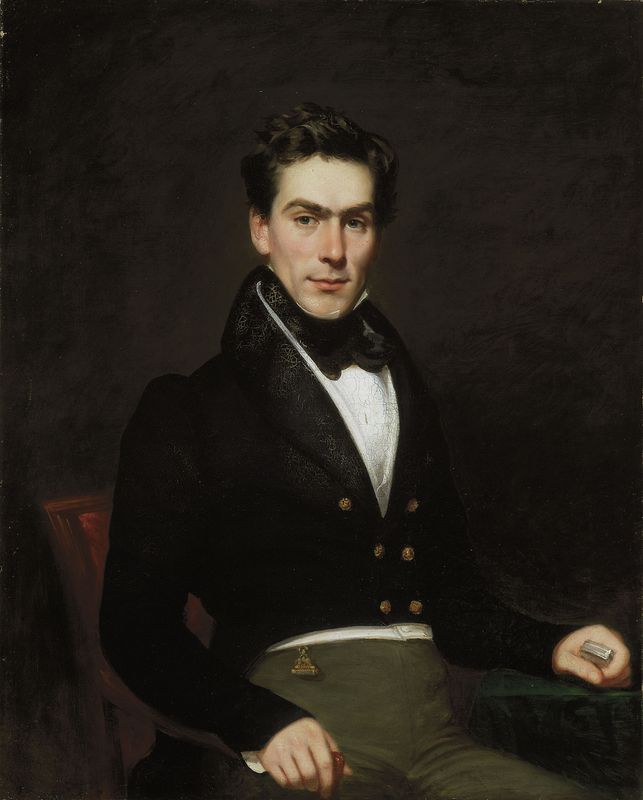
Mr. James Mackie
Samuel Alcock & Company · 1830 · Art Institute of Chicago
 Same era · 1820s–1850s
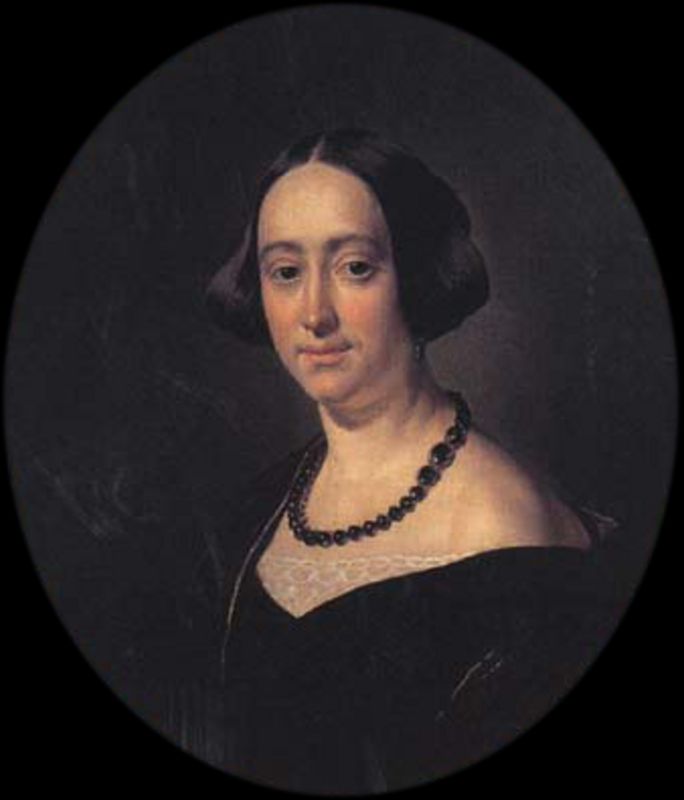
Porträt der Elizaveta Mazurina Vladimirona
Vasily Andreevich Tropinin · 1844