
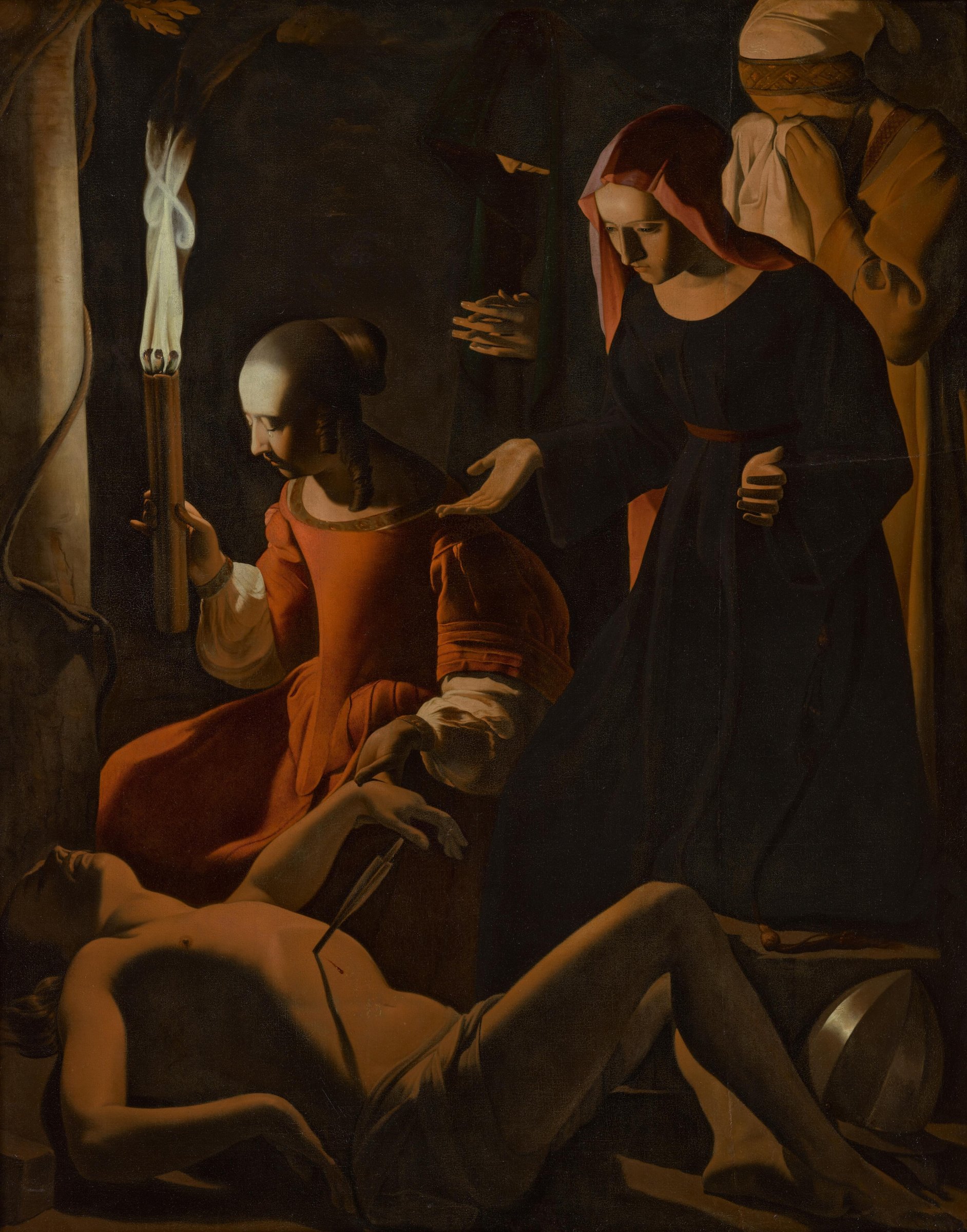
“This painting draws you in with its striking use of light and shadow, highlighting a poignant moment of compassion as Saint Irene tends to the wounded Saint Sebastian.”
In this intimate, candlelit scene, Saint Irene and her servant tend to Saint Sebastian, a Roman soldier martyred for his Christian faith. La Tour captures the moment after Sebastian has been shot with arrows, focusing not on the violence, but on the quiet compassion of his rescuers. The single, unseen light source casts deep shadows and illuminates only essential forms, emphasizing the figures' solemn expressions and the tender gesture of Irene supporting Sebastian's head. This dramatic use of chiaroscuro, a technique of strong contrasts between light and dark, draws the viewer into the hushed intensity of the moment, transforming a gruesome act into a profound tableau of human care. The simplified forms and stillness of the composition create a powerful sense of timelessness, characteristic of Baroque religious painting.
- Artist
- Georges de La Tour
- Date
- 1634
- Medium
- Oil on canvas
- Location
- Gemäldegalerie Berlin
What to Notice
Five details hide in plain sight. Here’s where to look.
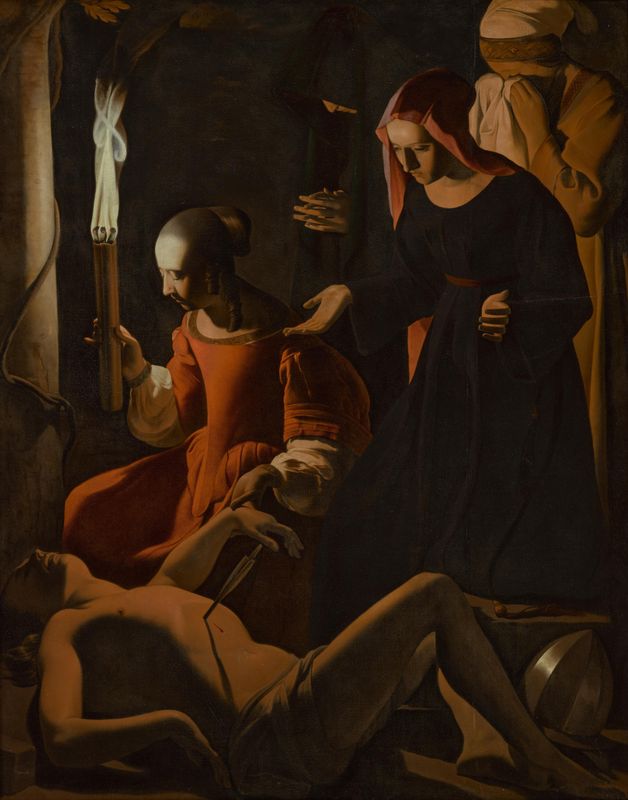
The glowing candle, hidden from view, creating dramatic light.
Saint Sebastian's pale, lifeless hand resting on Irene's arm.
The servant's focused gaze as she removes an arrow from Sebastian's side.
The texture of Sebastian's skin against the rough fabric of Irene's sleeve.
1 more detail is waiting.
See all 5 in Art Whisper →Stand in front of it and listen
The full narration walks you through Saint Sebastian tended by Saint Irene — the story behind it, the details most visitors miss, and why it matters. Free in the Art Whisper app.
Georges de La Tour
1593–1652 · Duchy of LorraineGeorges de La Tour, a master of candlelight, illuminated religious scenes with a quiet, dramatic chiaroscuro that captivated 17th-century Lorraine.
Further Works by de La Tour
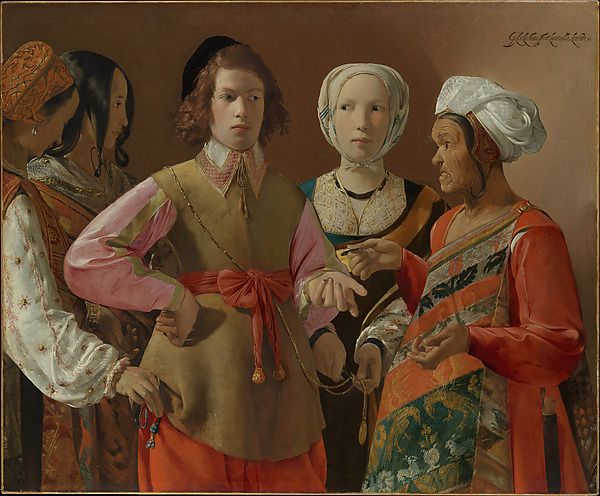 The Fortune-Teller
1630 · The Metropolitan Museum of Art
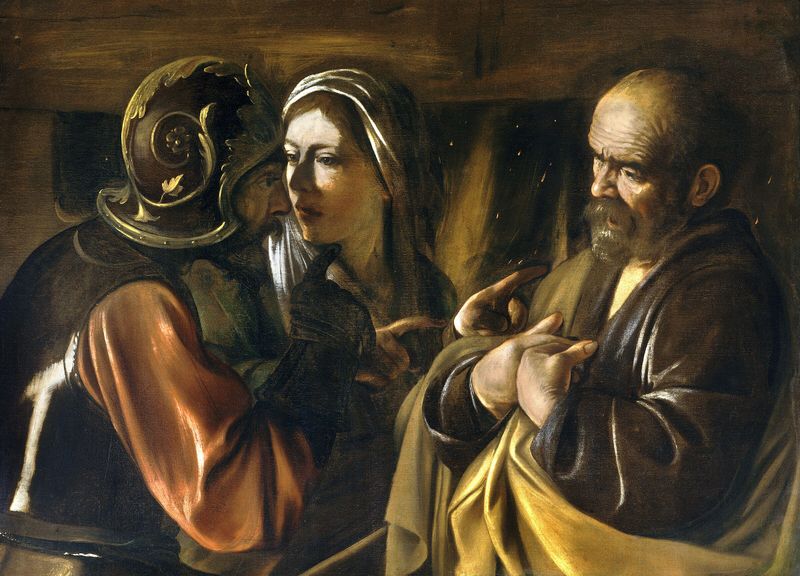 The Denial of Saint Peter
1650 · Nantes Museum of Arts
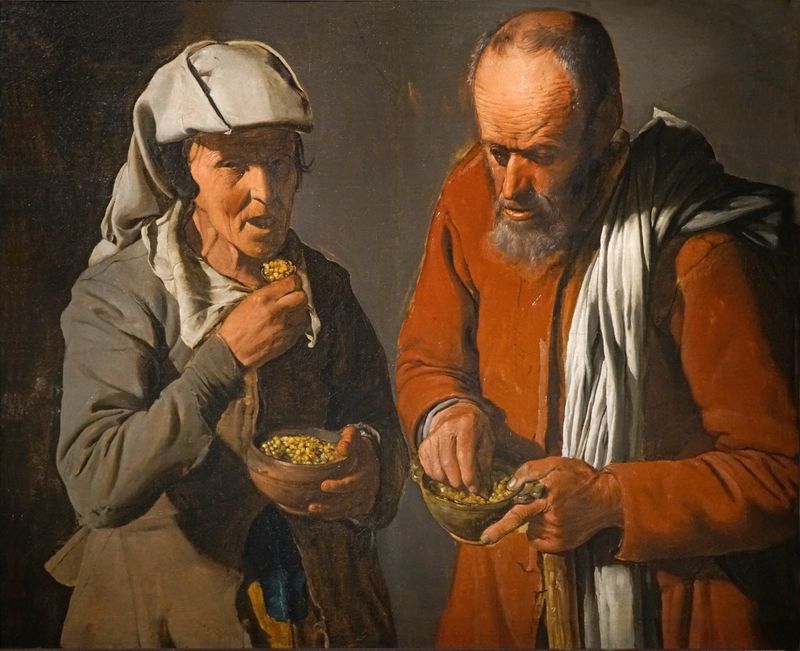 Peasant couple eating peas
1623 · Gemäldegalerie Berlin
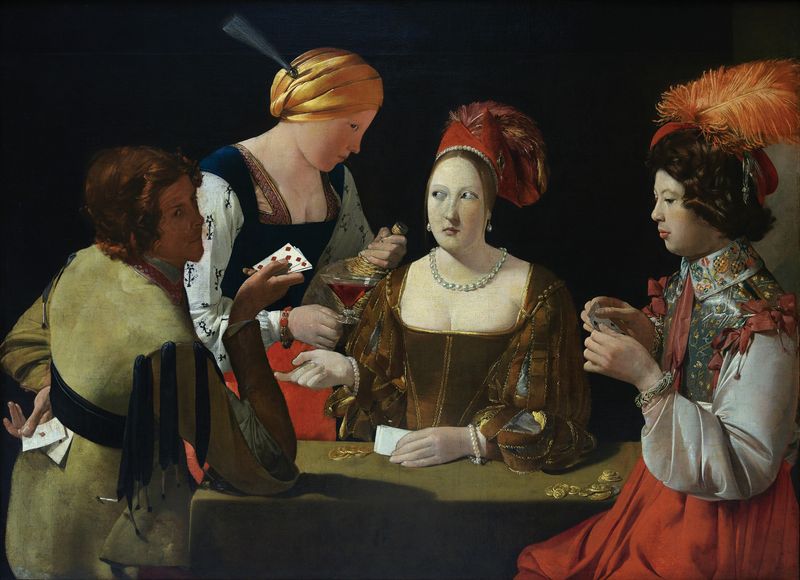 The Cheat with the Ace of Diamonds
1635 · Department of Paintings of the Louvre
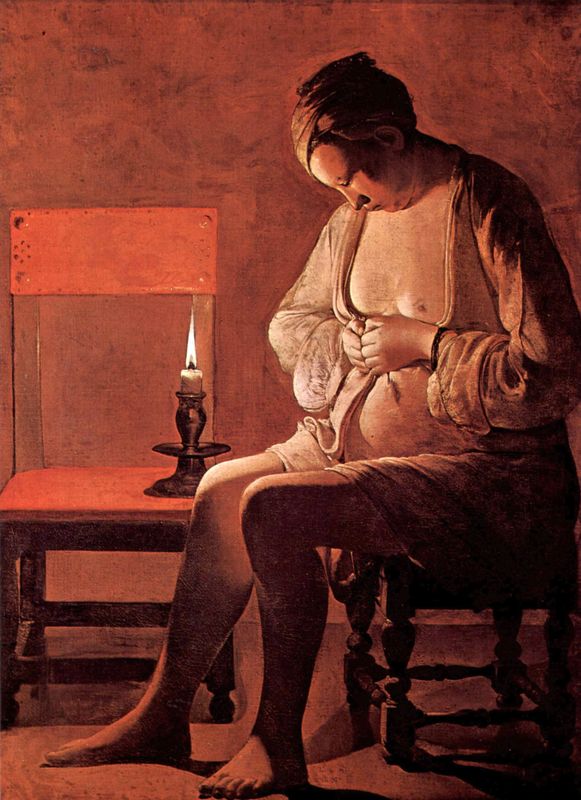 Woman Catching Fleas
1635 · Musée Lorrain
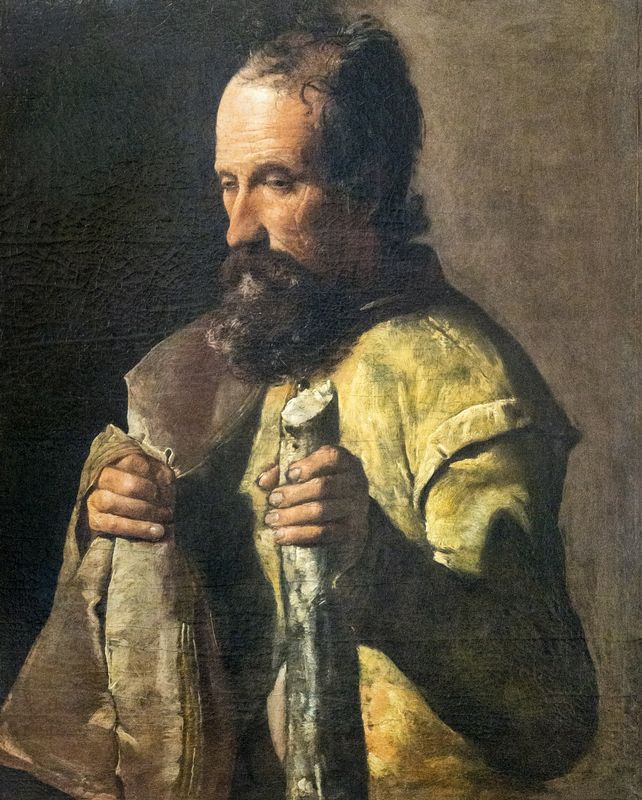 Jacob
1637 · Musée Toulouse-Lautrec
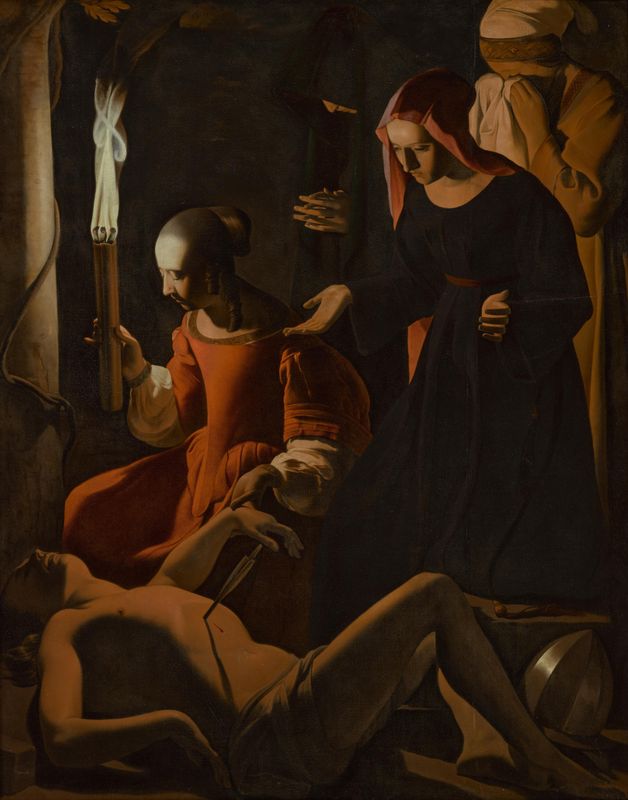 Saint Sebastian tended by Saint Irene
1638 · Seattle Art Museum
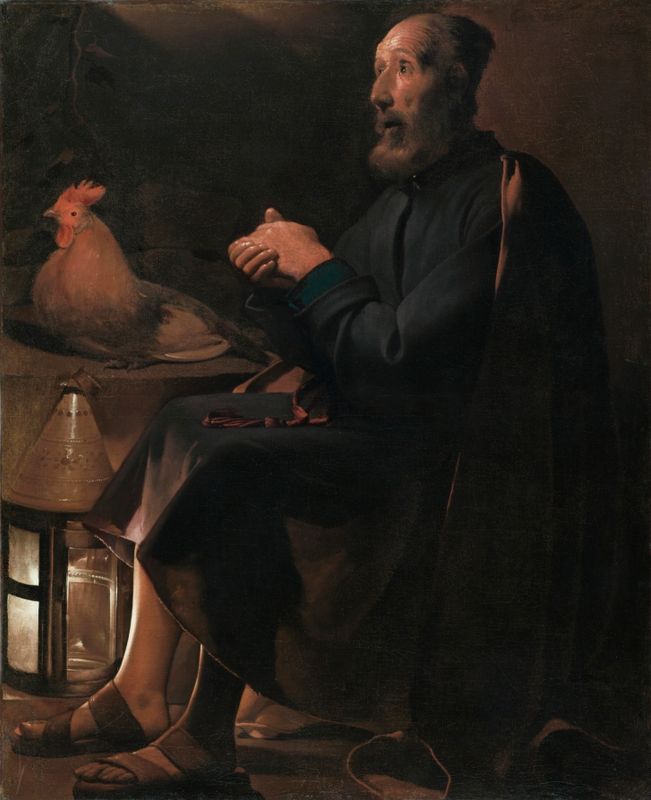 Saint Peter Repentant
1645 · Cleveland Museum of Art
More works to explore
Beyond de La Tour: works from the same years.
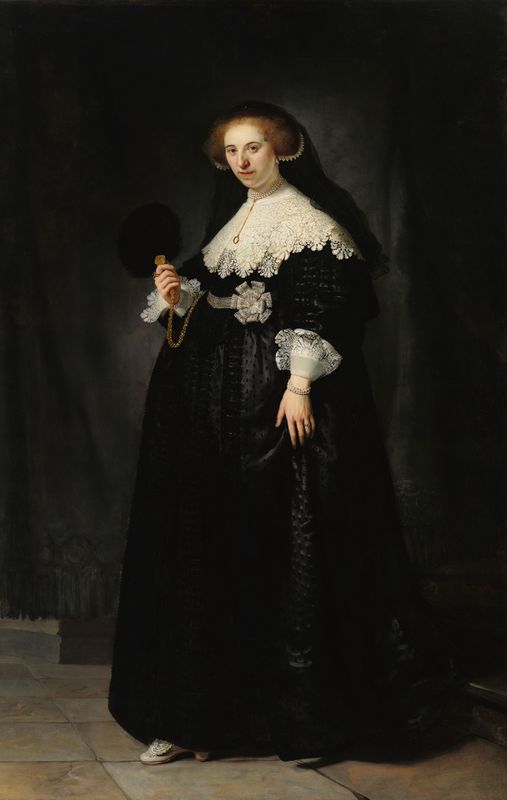 Same era · 1610s–1640s
Portrait of Oopjen Coppit
Rembrandt · 1634 · Rijksmuseum
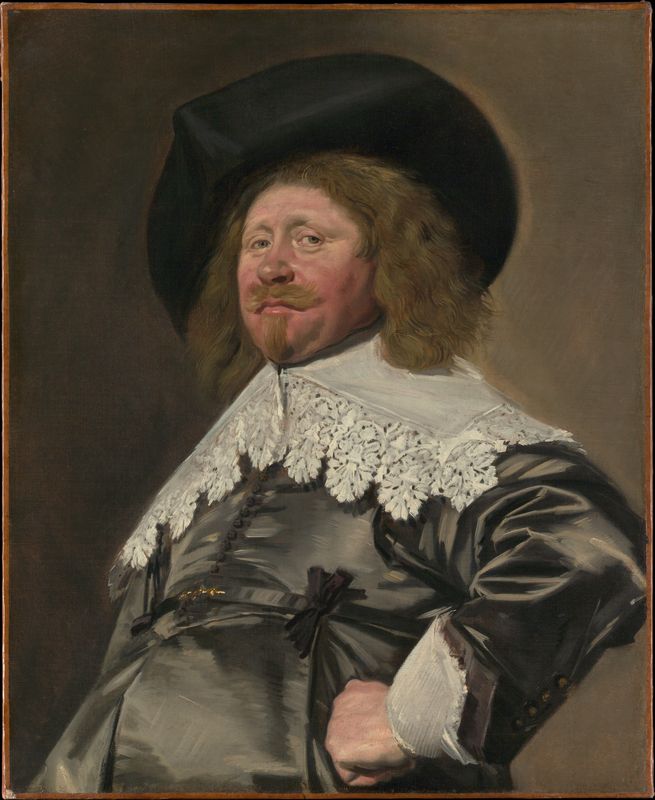 Same era · 1610s–1640s
Portrait of a Man, Possibly Nicolaes Pietersz Duyst van Voorhout (born about 1600, died 1650)
Frans Hals · 1636 · The Metropolitan Museum of Art
 Same era · 1610s–1640s
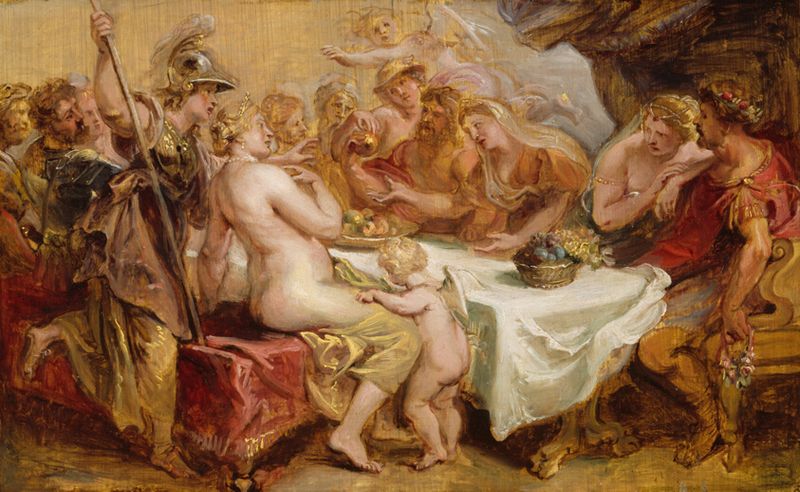
The Wedding of Peleus and Thetis
Peter Paul Rubens · 1636 · Art Institute of Chicago
 Same era · 1610s–1640s
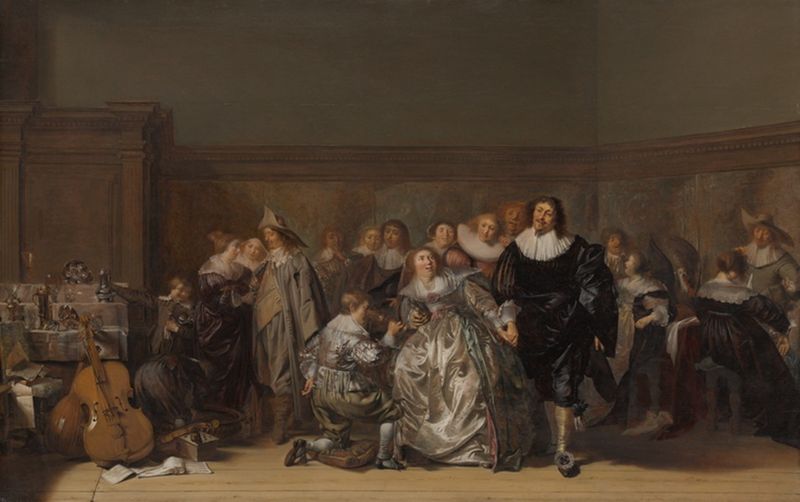
An Elegant Company
Samuel Alcock & Company · 1632 · Art Institute of Chicago
 Same era · 1610s–1640s
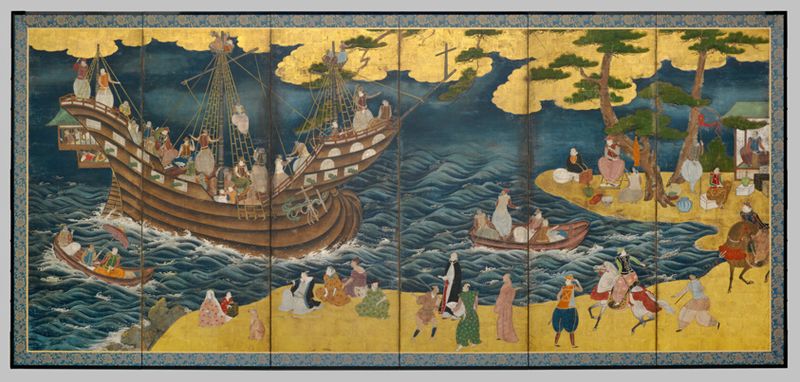
Southern Barbarians
Artist Unknown - The Mercat Cross, Aberdeen · 1625 · Art Institute of Chicago
 Same era · 1610s–1640s
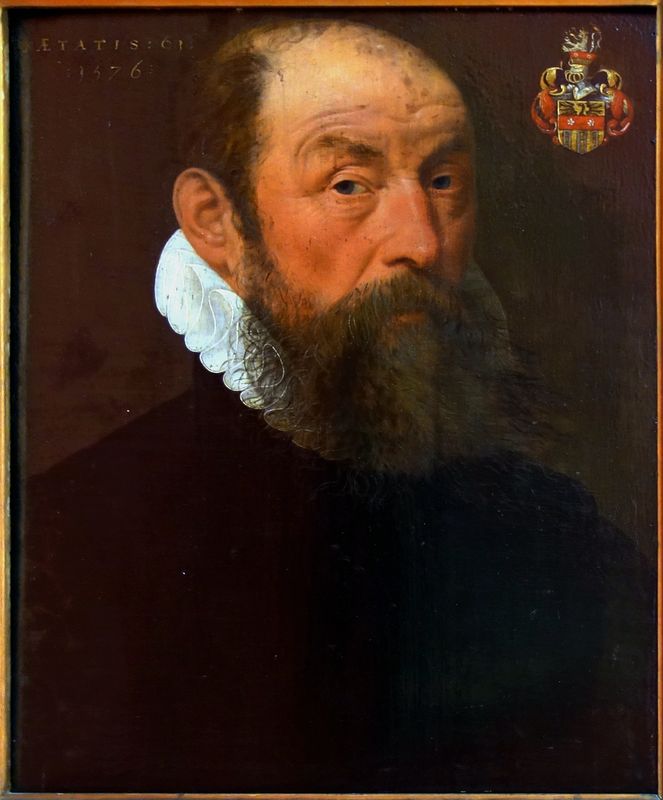
Portrait of a man
Willem van der Vliet · 1634 · Pushkin Museum of Fine Arts
 Same era · 1610s–1640s
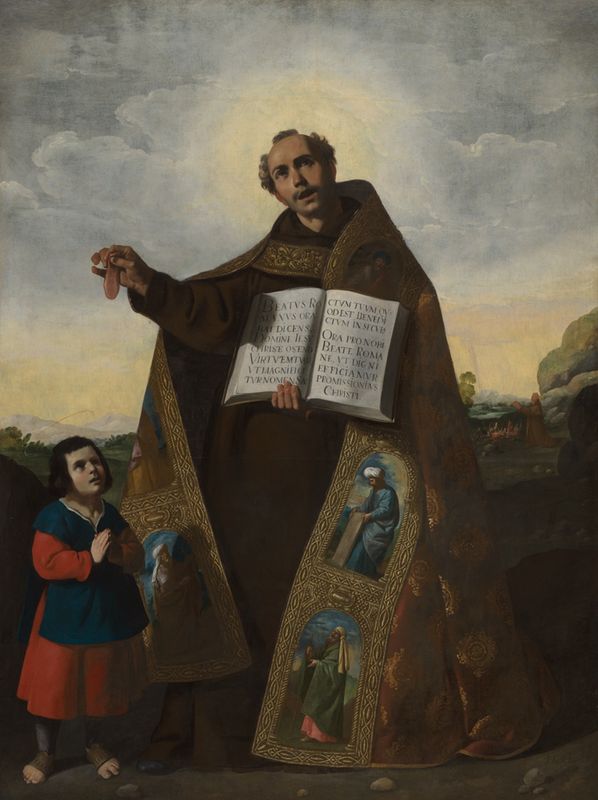
Saint Romanus of Antioch and Saint Barulas
Master of the View of Saint Gudula · 1638 · Art Institute of Chicago
 Same era · 1610s–1640s
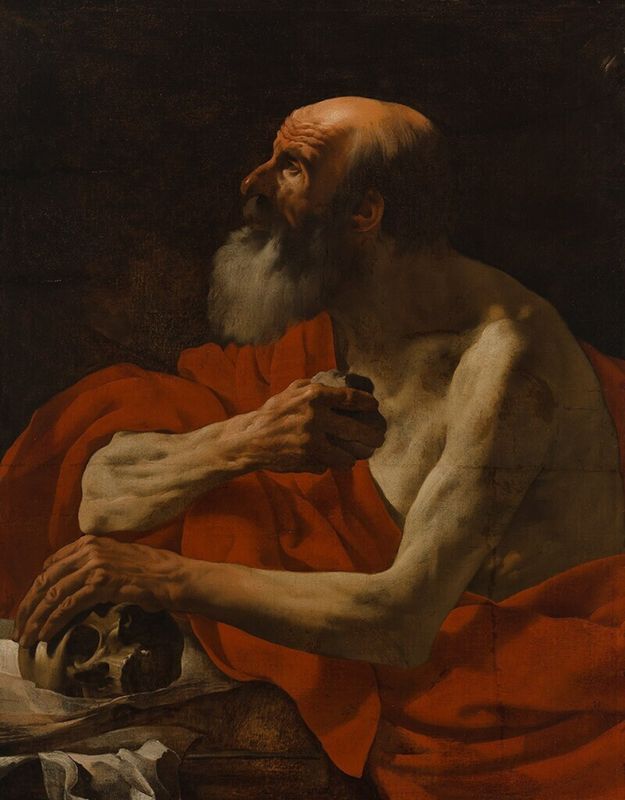
Saint Jerome
Hendrick ter Brugghen · 1624 · Museum Boijmans Van Beuningen
 Same era · 1610s–1640s
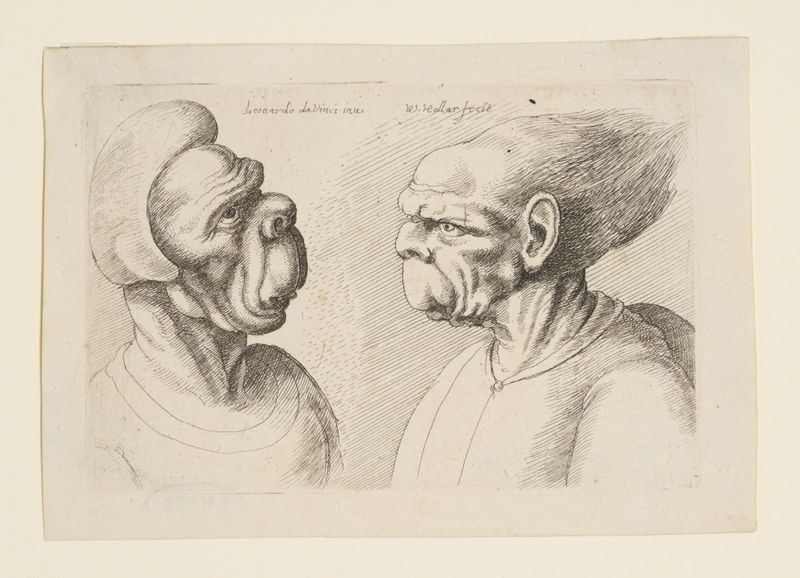
Two Deformed Heads with Very Long Upper Lips
Leonardo da Vinci · 1645 · The Metropolitan Museum of Art
 Same era · 1610s–1640s
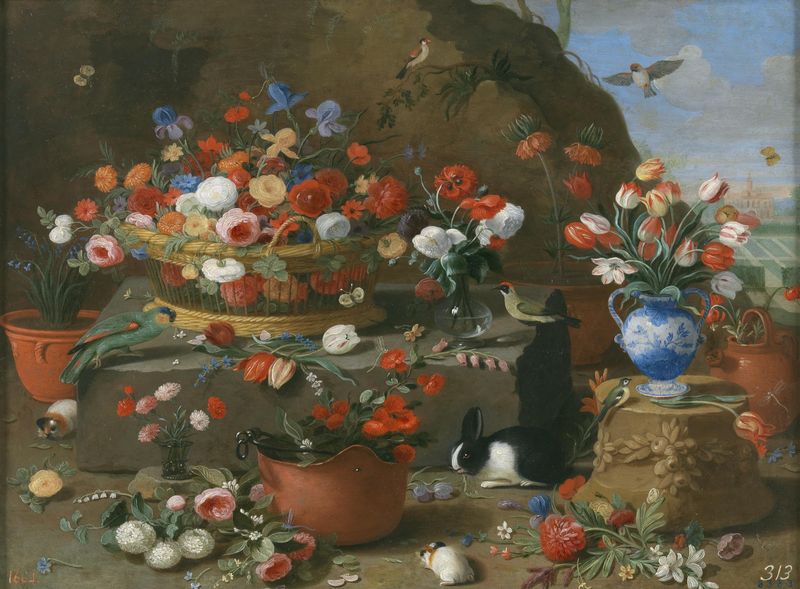
Floral Still Life
Jan van Kessel the Elder · 1633 · Museo del Prado
 Same era · 1610s–1640s
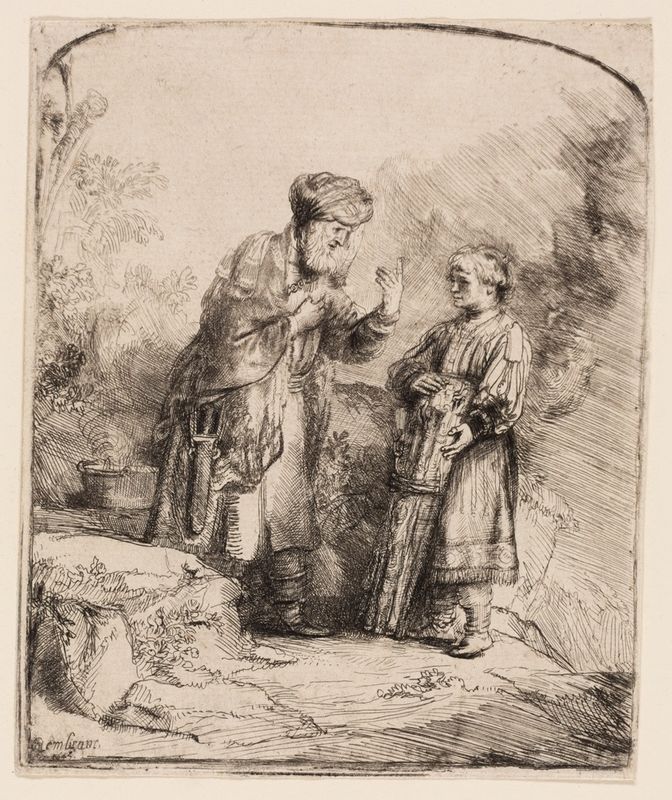
Abraham and Isaac
Rembrandt van Rijn · 1645 · Art Institute of Chicago
 Same era · 1610s–1640s
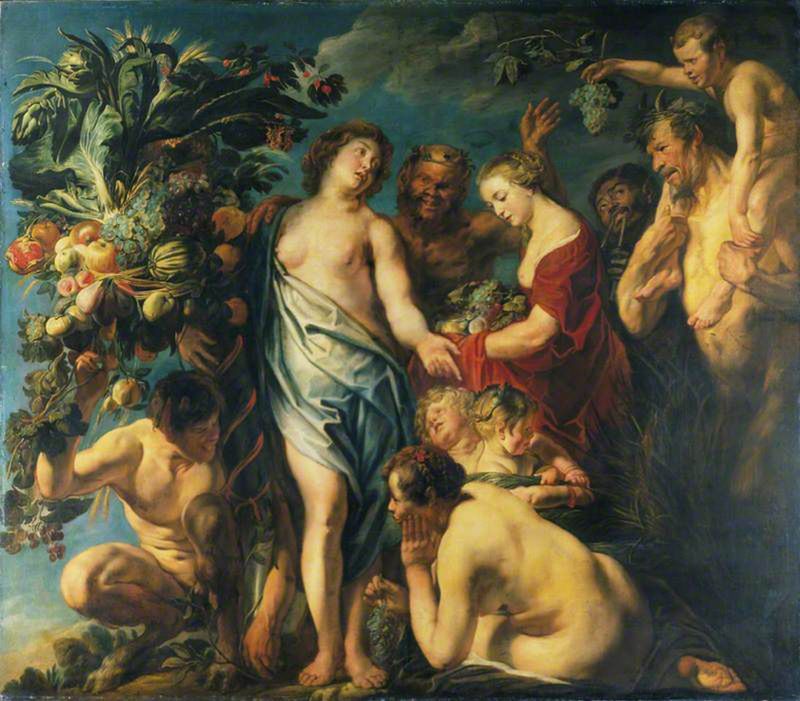
An Allegory of Fruitfulness
Jacob Jordaens · 1620 · Wallace Collection