
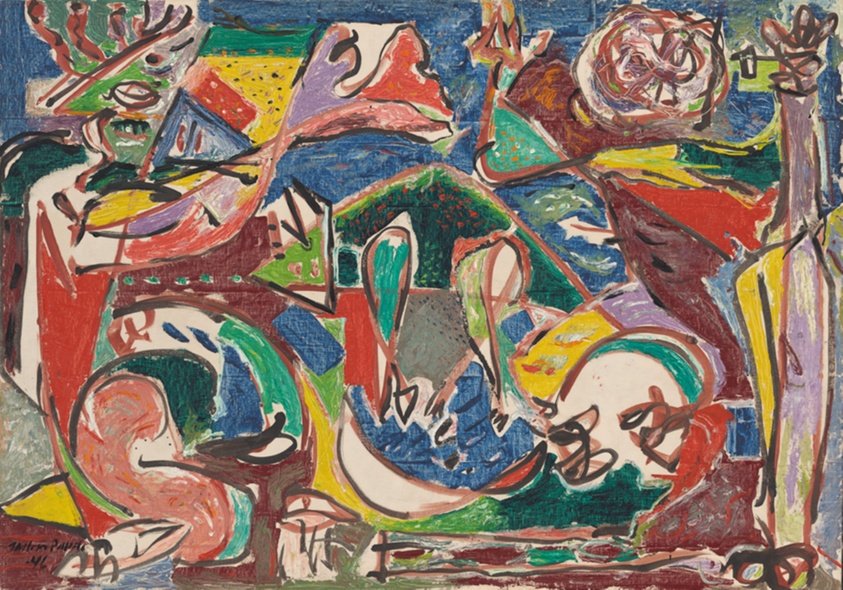
“Stop to experience the raw energy of this early drip painting, where tangled lines and thick paint capture the artist's physical engagement with the canvas, inviting your eye to explore every inch of its dynamic surface.”
In this dynamic painting from 1946, a dense, swirling network of black, white, and ochre lines creates a sense of frenetic energy. The brushwork is thick and layered, with some lines appearing to push forward while others recede, suggesting a shallow but turbulent space. It lacks a clear focal point, inviting the eye to wander across the entire surface, tracing the intricate paths of paint. This approach, where the entire canvas receives equal attention, was characteristic of a shift in painting during the mid-20th century. Here, the raw application of oil paint, sometimes dripped or flung, emphasizes the physical act of creation itself, capturing a moment of intense artistic process rather than depicting a recognizable subject.
- Artist
- Jackson Pollock
- Date
- 1946
- Medium
- Oil on linen
- Location
- Art Institute of Chicago
What to Notice
Five details hide in plain sight. Here’s where to look.
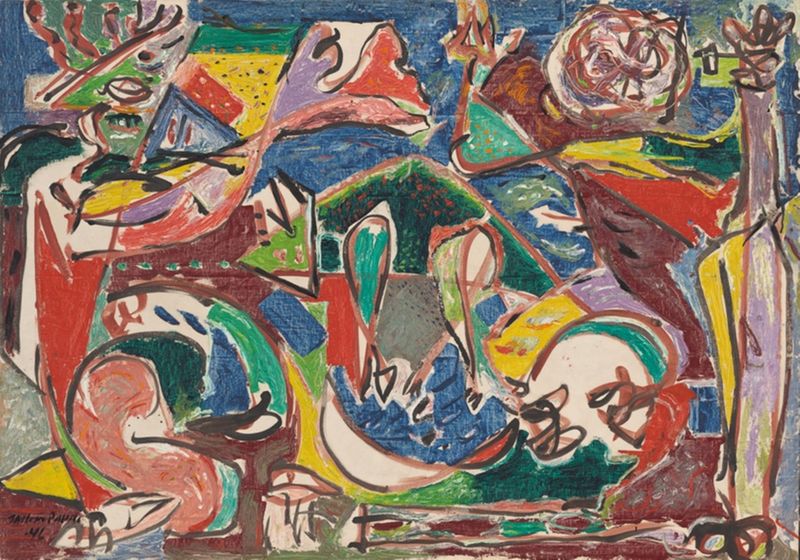
Look for the thick impasto, where paint is built up in tangible ridges.
Notice how black lines intertwine with lighter ones, creating visual depth.
Follow a single line across the canvas; it never truly ends or begins.
Spot areas where paint seems to have been flung or splashed directly.
1 more detail is waiting.
See all 5 in Art Whisper →Stand in front of it and listen
The full narration walks you through The Key — the story behind it, the details most visitors miss, and why it matters. Free in the Art Whisper app.
Jackson Pollock
1912–1956 · United StatesPaul Jackson Pollock was an American painter. A major figure in the abstract expressionist movement, he was widely noticed for his "drip technique" of pouring or splashing liquid household paint onto a horizontal surface, enabling him to view and paint his canvases from all angles. It was called all-over painting and action painting, because Pollock covered the entire canvas and used the force of his whole body to paint, often in a frenetic dancing style. This extreme form of abstraction divided critics: some praised the immediacy of the creation, while others derided the random effects.
Further Works by Pollock
More from Tachisme
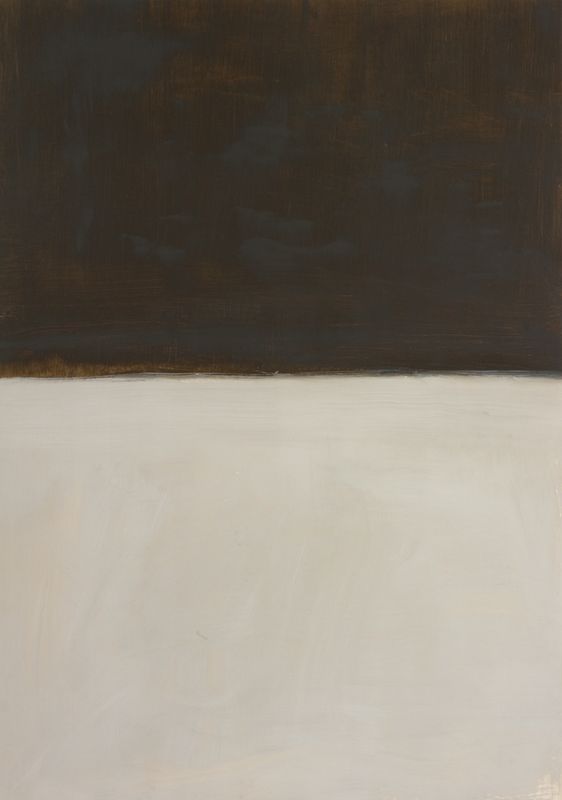
More works to explore
Beyond Pollock and Tachisme: works from the same years.
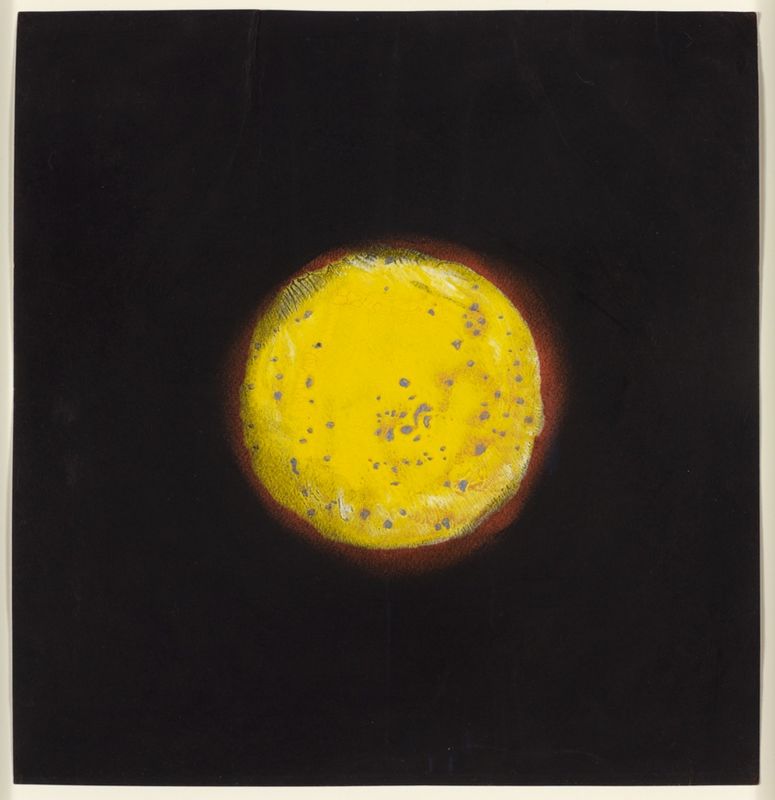 Same era · 1930s–1960s
Sun Spot
Yayoi Kusama · 1953 · Art Institute of Chicago
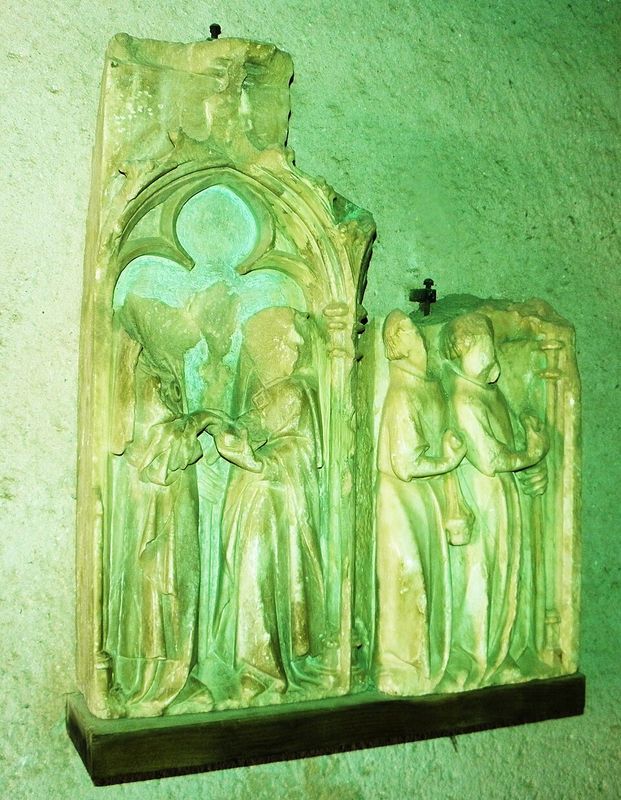 Same era · 1930s–1960s
Deux personnages
Pierre Alechinsky · 1950
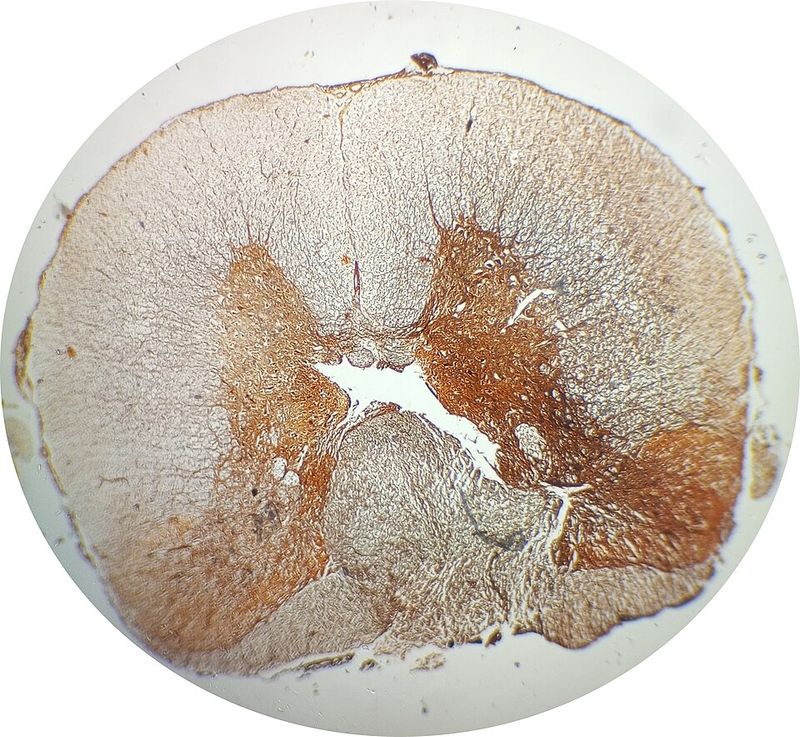 Same era · 1930s–1960s
Impregnazione
Piero Manzoni · 1958
 Same era · 1930s–1960s
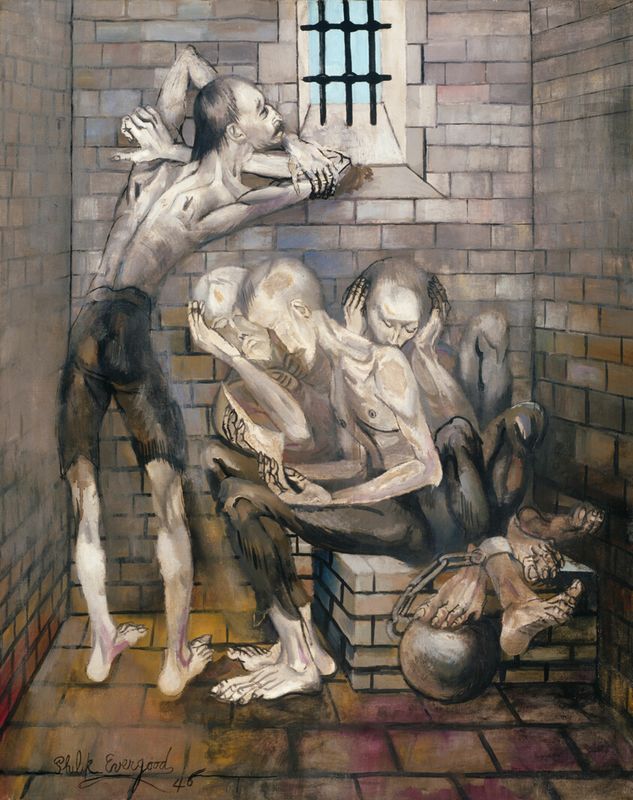
The Indestructibles
Philip Evergood · 1946 · Art Institute of Chicago
 Same era · 1930s–1960s
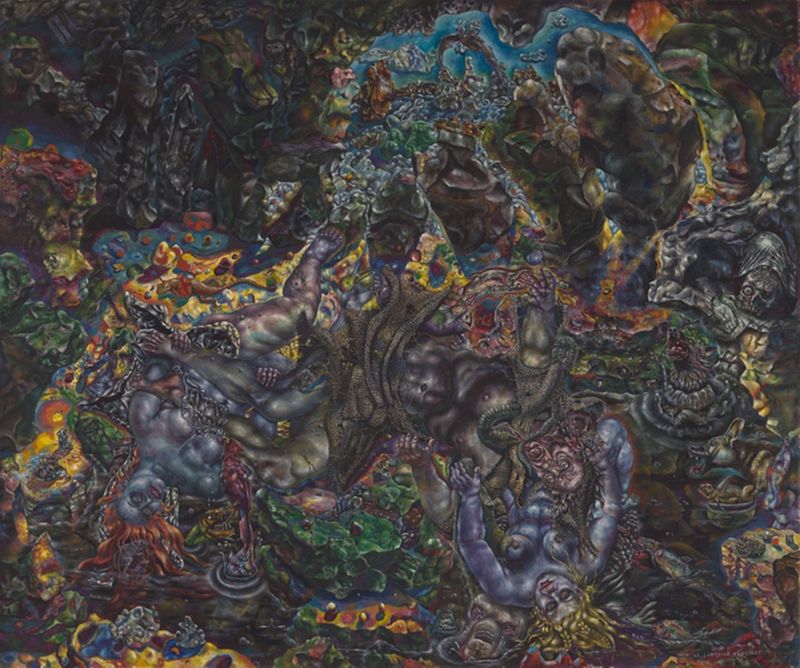
The Temptation of St. Anthony
Ivan Puni · 1945 · Art Institute of Chicago
 Same era · 1930s–1960s
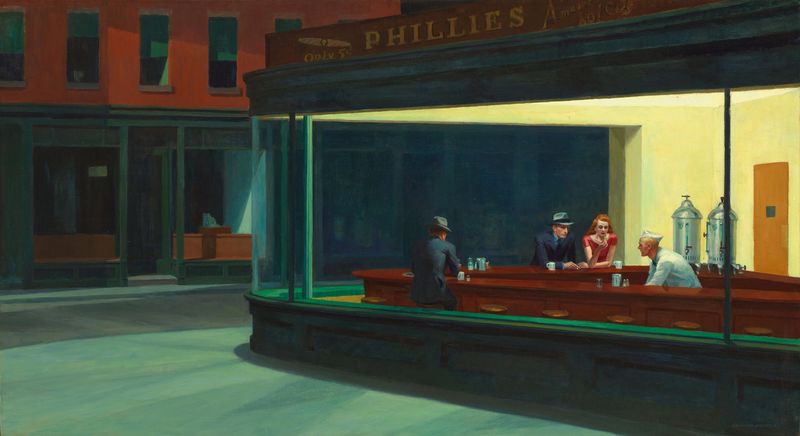
Nighthawks
Okada Saburosuke · 1942 · Art Institute of Chicago
 Same era · 1930s–1960s
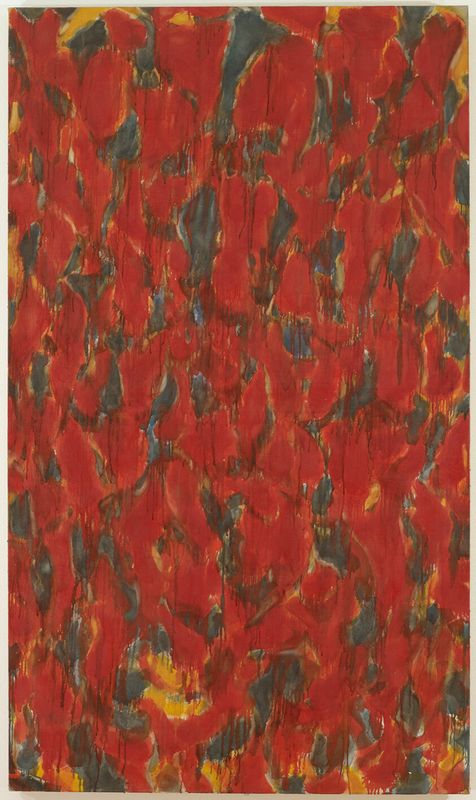
Red No. 2
Sam Francis · 1954 · Art Institute of Chicago
 Same era · 1930s–1960s
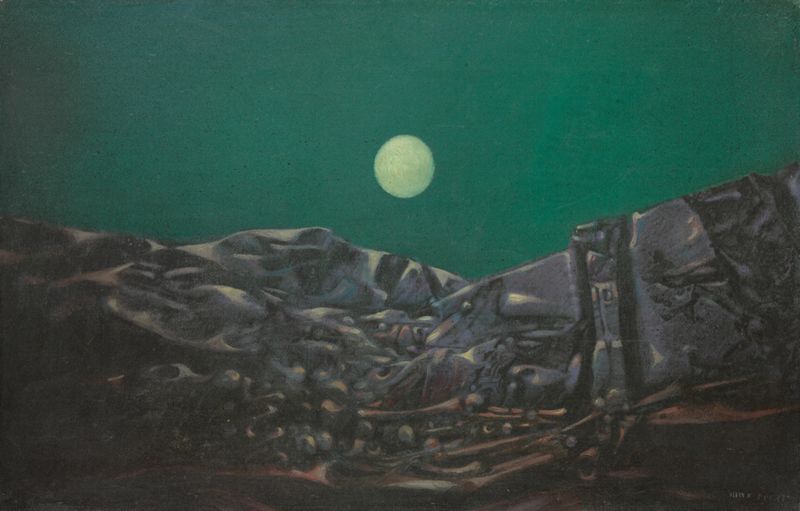
Summer Night in Arizona
Max Ernst · 1944 · Art Institute of Chicago
 Same era · 1930s–1960s
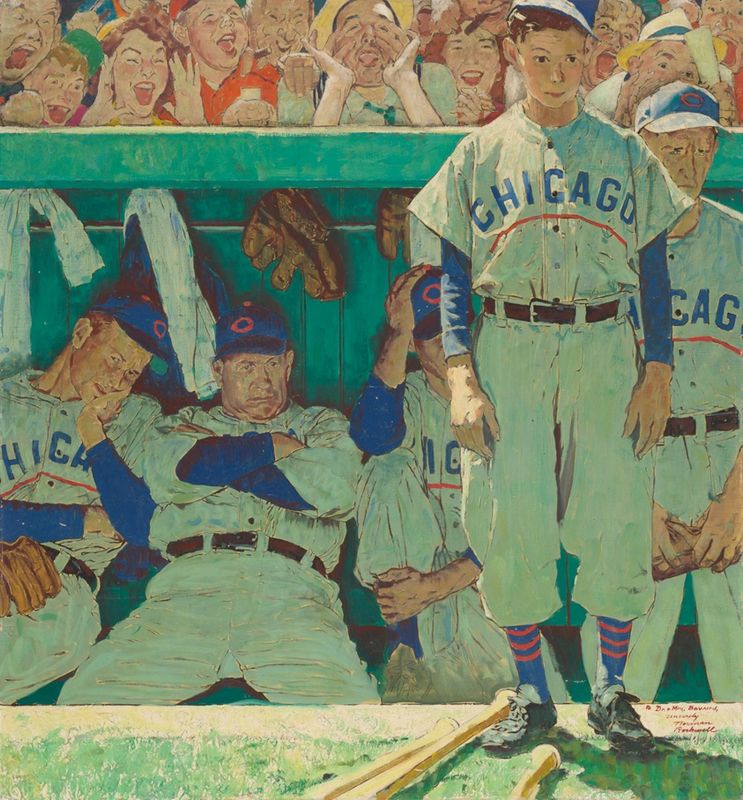
The Dugout
Norman Rockwell · 1948 · Art Institute of Chicago
 Same era · 1930s–1960s
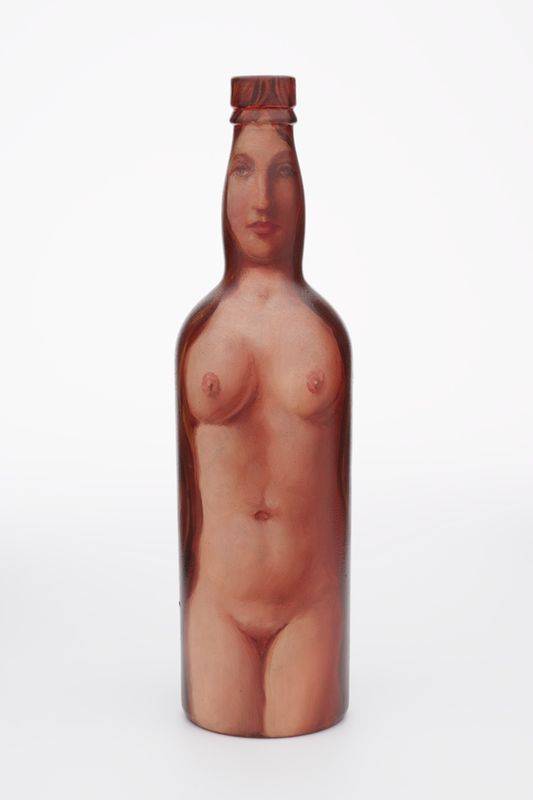
Untitled (Woman-Bottle)
René Magritte · 1943 · Art Institute of Chicago
 Same era · 1930s–1960s
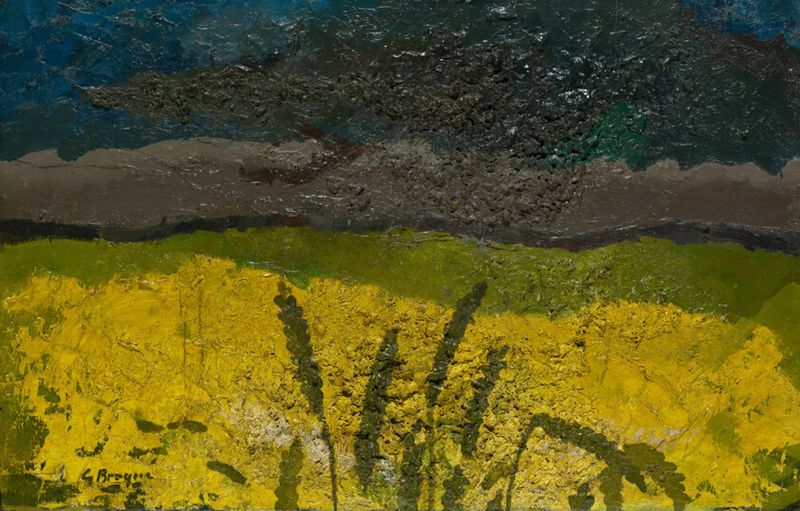
Wheatfield
Georges Braque · 1951 · Art Institute of Chicago
 Same era · 1930s–1960s
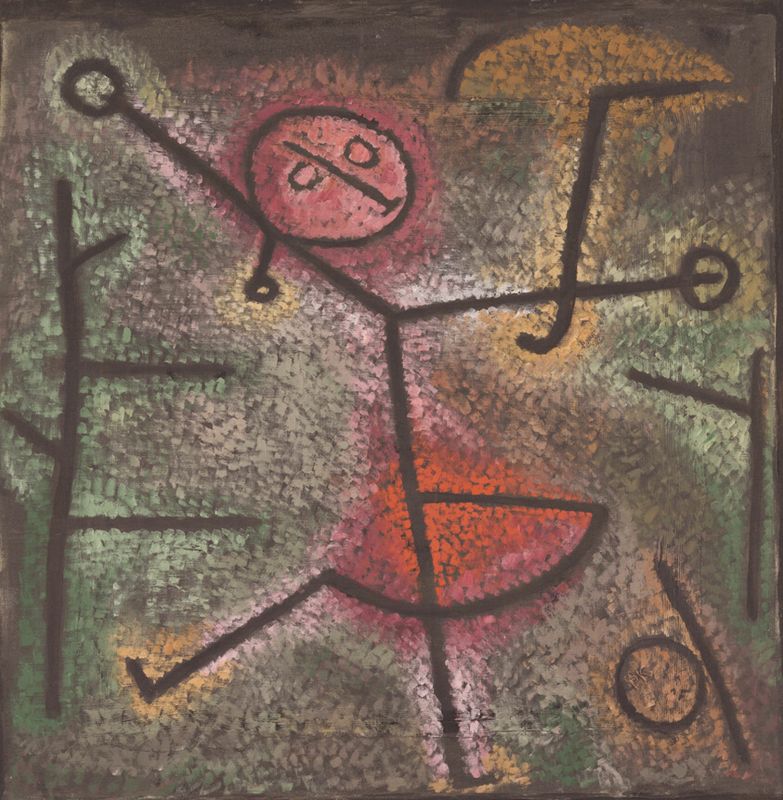
Dancing Girl
Paul Klee · 1940 · Art Institute of Chicago