
“Picture yourself walking into a gallery and seeing enormous canvases that seem to pulse with raw energy—swirling paint drips, bold color fields that stretch wall to wall, or aggressive brushstrokes that look like they were applied in a frenzy.”
That's Abstract Expressionism, and it transformed New York into the art capital of the world after World War II. These artists weren't trying to paint recognizable objects or tell clear stories. Instead, they wanted to express pure emotion and psychological depth through the physical act of painting itself.
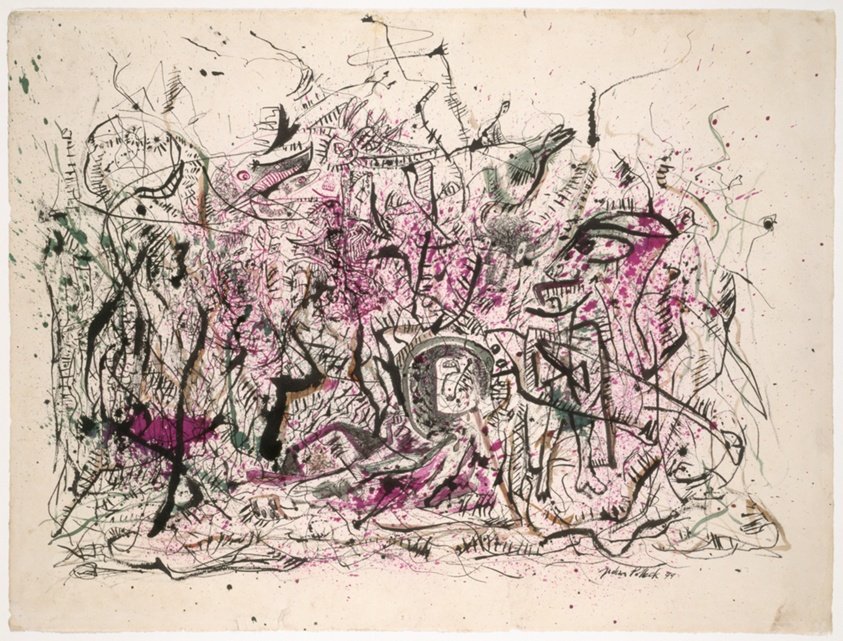
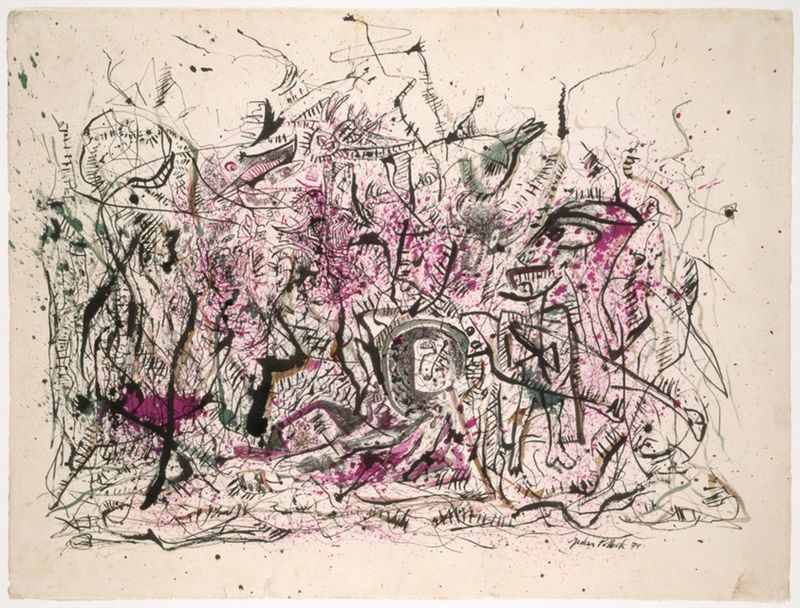
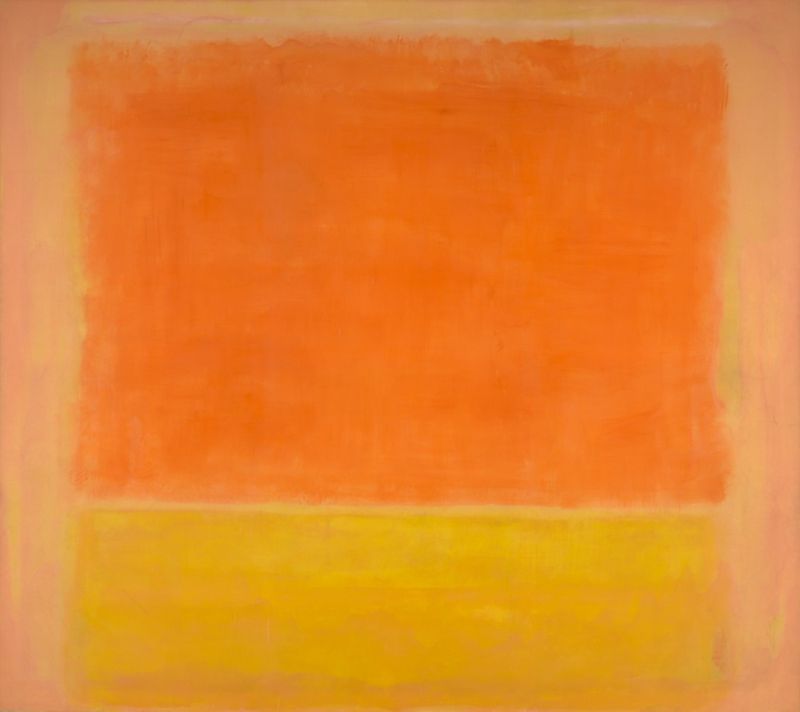
What makes this movement so distinctive is its radical emphasis on spontaneity and scale. These weren't polite, carefully planned compositions. Artists like Jackson Pollock literally danced around canvases laid on the floor, dripping and splashing paint in what seemed like controlled chaos. Others, like Mark Rothko, took the opposite approach—creating meditative, room-sized color fields that seem to glow from within. Either way, the paintings demand your full attention. They're designed to be immersive experiences, not just pictures on a wall.
The movement split into two main camps: the "action painters" who made their creative process visible through energetic brushwork, and the "color field" painters who explored emotion through large areas of saturated color. But they all shared a belief that painting could communicate feelings directly, without needing to depict anything from the real world. Standing in front of these works, you're not looking at a representation of something else—you're experiencing the artwork as a powerful object in its own right, a direct transmission of the artist's inner world.
- Period
- c. 1946–1960
- Peak
- around 1950
- Born in
- New York City, USA
- Key artists
- Jackson Pollock, Louise Bourgeois, Mark Rothko
- Came before
- Surrealism
- Came after
- Minimalism and Pop Art
When it happened
- CAME BEFORESurrealism
- ~1946 · STARTED
- ~1950 · PEAKED
- ~1960 · ENDED
- CAME AFTERMinimalism and Pop Art
What makes it Abstract Expressionism
Monumental Scale
Canvases are often enormous—taller than you, wider than your outstretched arms—designed to fill your entire field of vision.
e.g. Autumn Rhythm (Number 30) by Jackson PollockNo Recognizable Subjects
You won't find landscapes, portraits, or objects. Instead, pure abstraction: shapes, lines, colors, and textures alone.
e.g. No. 61 (Rust and Blue) by Mark RothkoVisible Creative Process
Drips, splatters, bold brushstrokes—you can see exactly how the artist moved. The act of painting becomes part of the art.
e.g. Excavation by Willem de KooningIntense Color or Dramatic Contrast
Either vibrant, saturated color fields that seem to vibrate, or stark black-and-white compositions with explosive energy.
e.g. Vir Heroicus Sublimis by Barnett NewmanEmotional Intensity
These works feel urgent, dramatic, sometimes even aggressive. They're designed to provoke a visceral emotional response.
e.g. The Liver is the Cock's Comb by Arshile GorkyHow to spot Abstract Expressionism
Three signs you’re standing in front of one — all easy to see in Untitled (Painting).
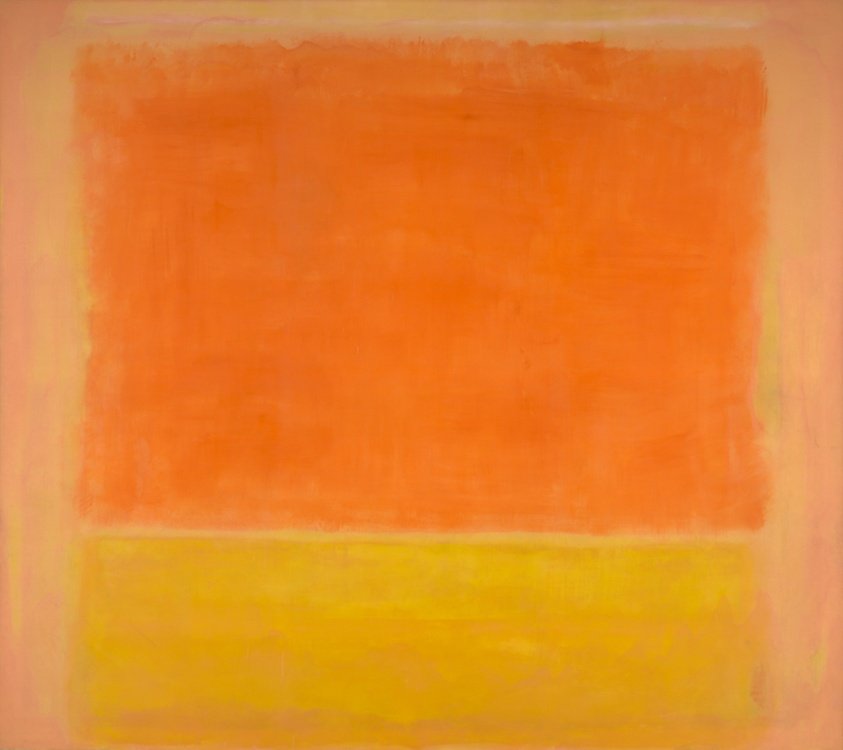
Look for size—if the canvas is bigger than a person and contains no recognizable objects, you're likely looking at Abstract Expressionism.
Check the paint itself: drips, thick impasto, or thin stains? The physical application of paint is a key feature, not something to hide.
Step back and notice your gut reaction. These paintings aim for immediate emotional impact rather than intellectual puzzles to decode.
Jackson Pollock's drip paintings were partly inspired by Navajo sand painting he witnessed, where artists work on the ground in ritual ceremonies.
The CIA secretly promoted Abstract Expressionism during the Cold War as proof of American freedom versus Soviet artistic control.
Mark Rothko was so particular about how his paintings were displayed that he once angrily withdrew them from a restaurant commission.
The artists who defined it
Works to know
Take Abstract Expressionism to the museum
Point your phone at any painting and Art Whisper tells you its story — who made it, what to notice, and why it matters. Free to start.