01
Saint John writing
On the left, John sits with a pen in his right hand and a book across his lap. He is the witness recording the vision, so the whole scene is built around his task.
1 of 5 on the painting

“This striking woodcut captures Saint John's awe-inspiring vision of the Virgin Mary, blending celestial glory with earthly detail. It's a powerful frontispiece from Albrecht Dürer's Apocalypse series, showcasing his mastery of printmaking.”
In this dramatic woodcut, Saint John the Evangelist kneels, his gaze fixed on a radiant vision of the Virgin Mary. She appears to him in a burst of light, crowned with stars and standing on the crescent moon, a traditional depiction from the Book of Revelation. The scene is framed by an ornate archway, its classical columns and intricate carvings creating a sense of monumental architecture. Below, a small, bustling city unfolds, its buildings and distant hills rendered with meticulous detail. The contrast between the heavenly apparition and the earthly realm below emphasizes the miraculous nature of John's vision, a moment of divine intervention witnessed from a grounded perspective.
Five details hide in plain sight. Pick one and we’ll show you exactly where to look.
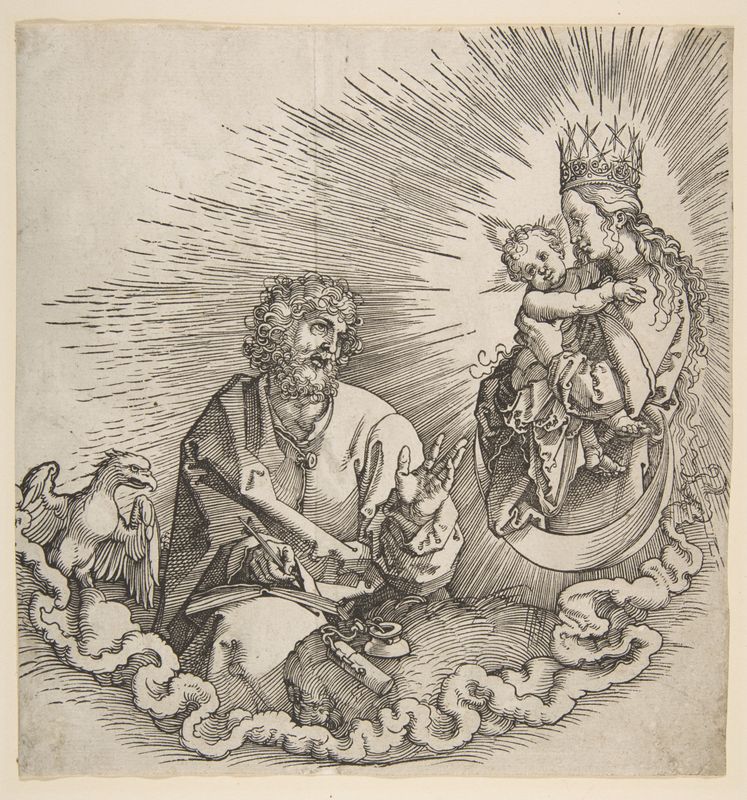
On the left, John sits with a pen in his right hand and a book across his lap. He is the witness recording the vision, so the whole scene is built around his task.
Find the Virgin on the right, standing on a crescent moon and holding the Child. Her starry crown and the glowing rays around her mark her as the vision John sees.
The sharp straight lines fanning out from the Virgin stand for radiant light. Cut as simple strokes, they spread across the sky and draw your eye back to her.
At the far left an eagle perches on the clouds beside John with its wings partly open. The eagle is his traditional attribute, a quiet sign of who he is.
Look at John's head, where tight curls of hair and beard are built from tiny curved cut lines. Dürer packs in fine detail that rivals engraving.
The full narration walks you through The Virgin Appearing to Saint John, Frontispiece to the Apocalypse — the story behind it, the details most visitors miss, and why it matters. Free in the Art Whisper app.
Renaissance master who revolutionized printmaking across Europe before turning 30.
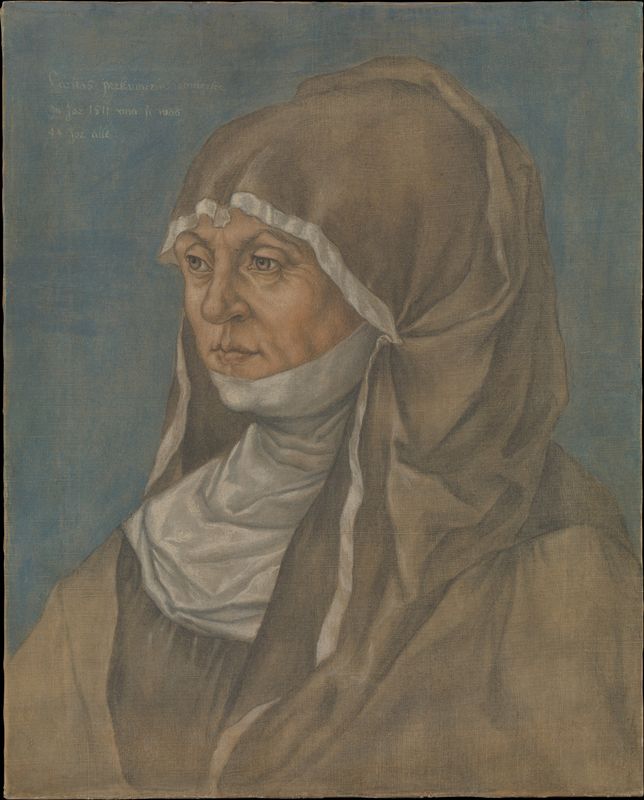 Portrait of a Woman, Said to Be Caritas Pirckheimer (1467–1532)
The Metropolitan Museum of Art
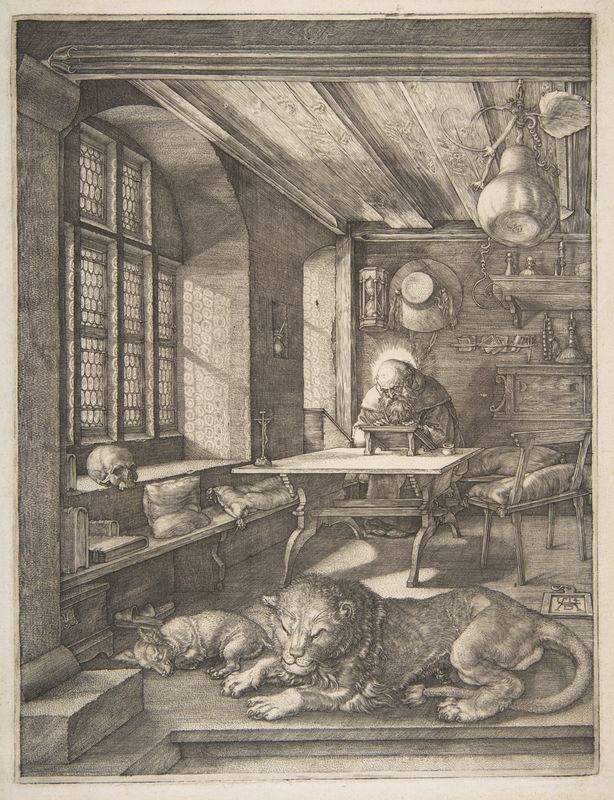 Saint Jerome in His Study
1521 · National Museum of Ancient Art
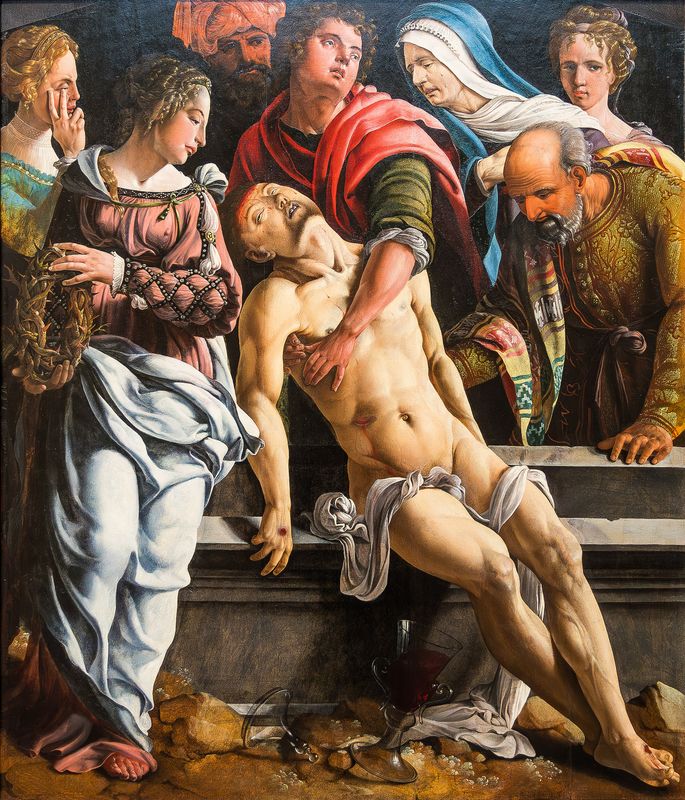 The Lamentation
1477 · The Metropolitan Museum of Art
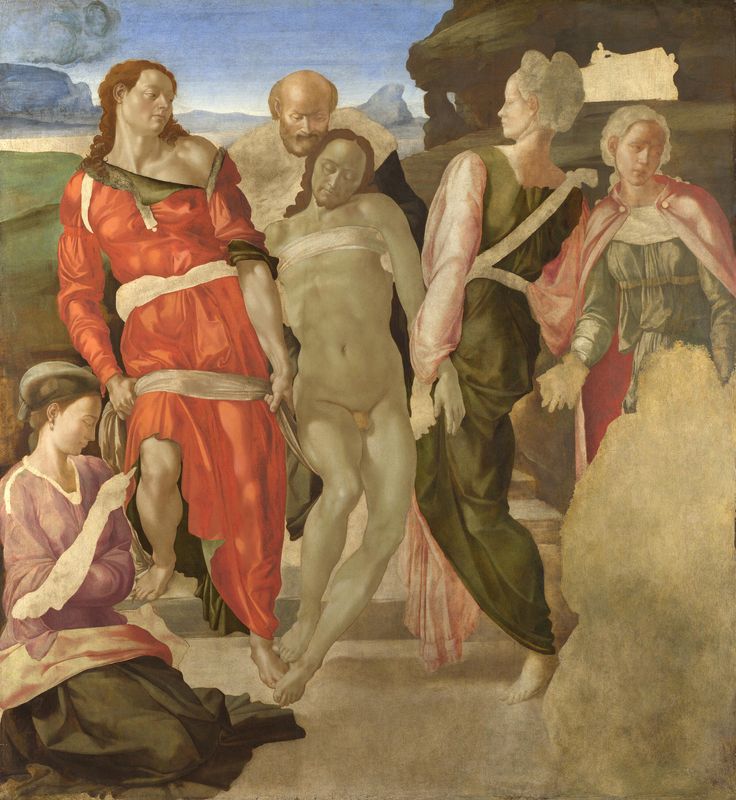 The Entombment
1485 · The Metropolitan Museum of Art
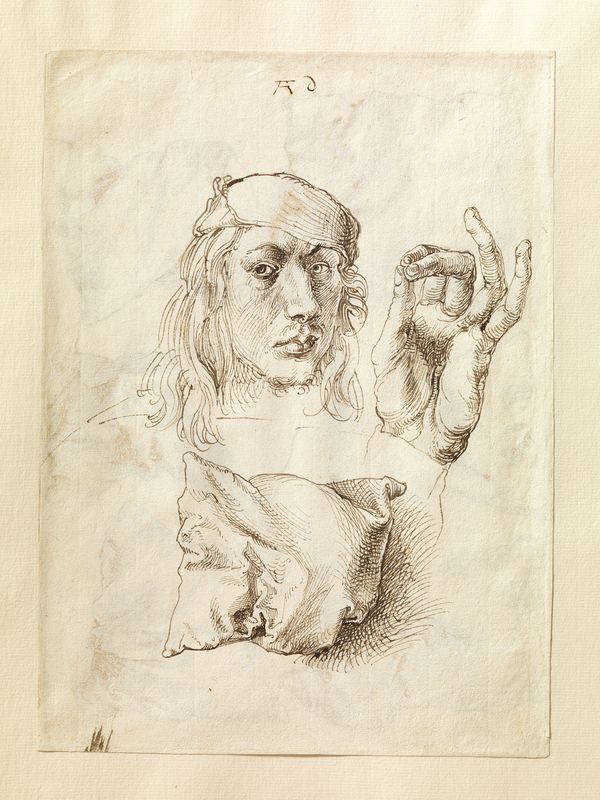 Self-portrait, Study of a Hand and a Pillow (recto); Six Studies of Pillows (verso)
1493 · The Metropolitan Museum of Art
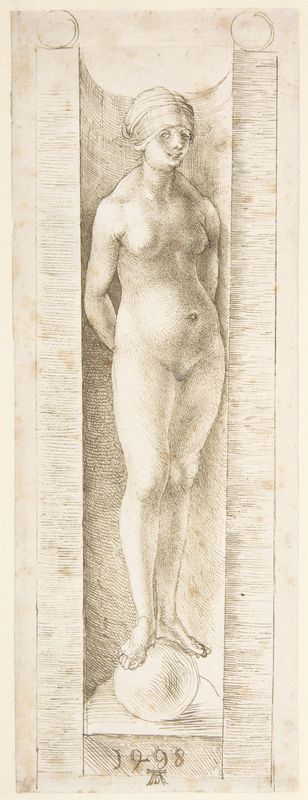 Fortuna in a Niche
1498 · The Metropolitan Museum of Art
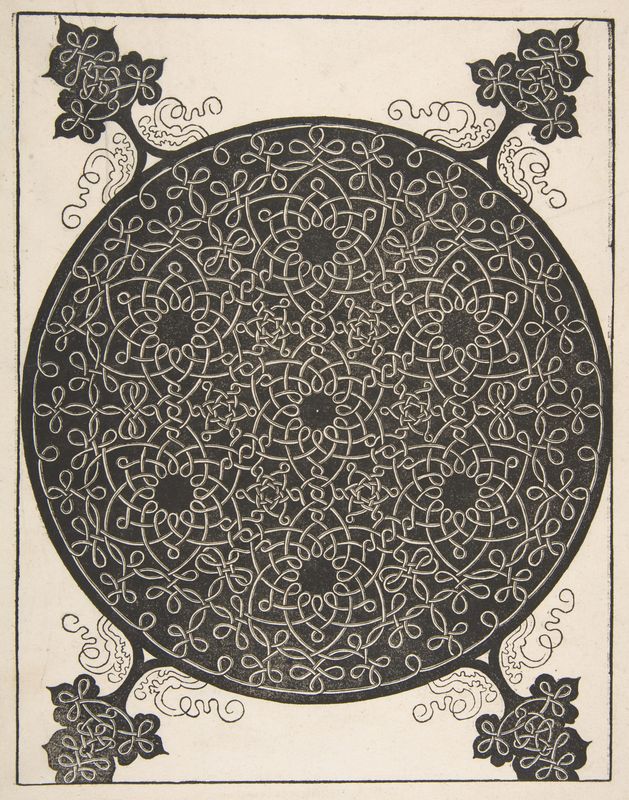 Embroidery Pattern with Seven Six-pointed Stars and Four Corner Pieces
1500 · The Metropolitan Museum of Art
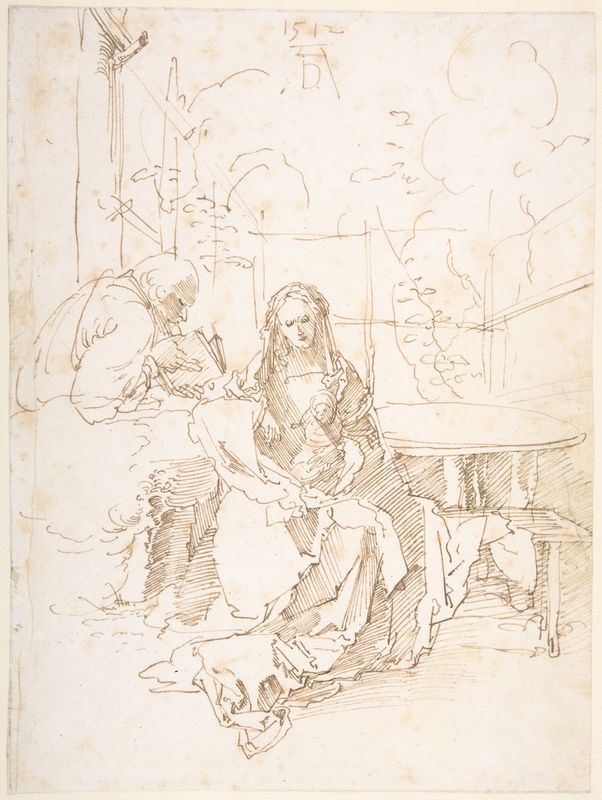 The Holy Family in an Enclosed Garden
1512 · The Metropolitan Museum of Art
Beyond Dürer and Northern Renaissance: works from the same years.
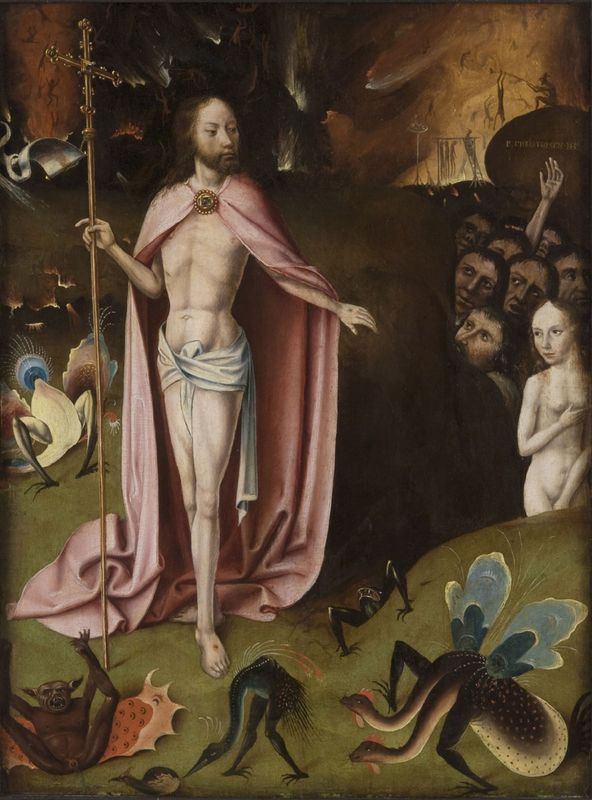 Same era · 1490s–1520s
Christ in Limbo
Hieronymus Bosch · 1510
 Same era · 1490s–1520s
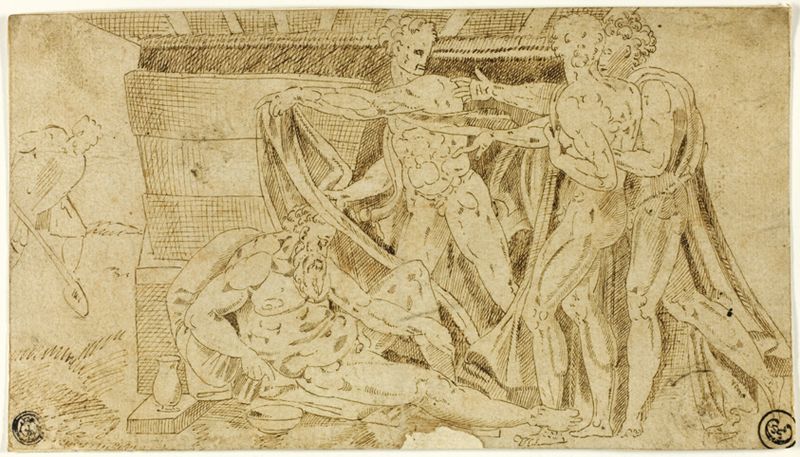
Drunkenness of Noah
Michelangelo · 1509 · Sistine Chapel
 Same era · 1490s–1520s
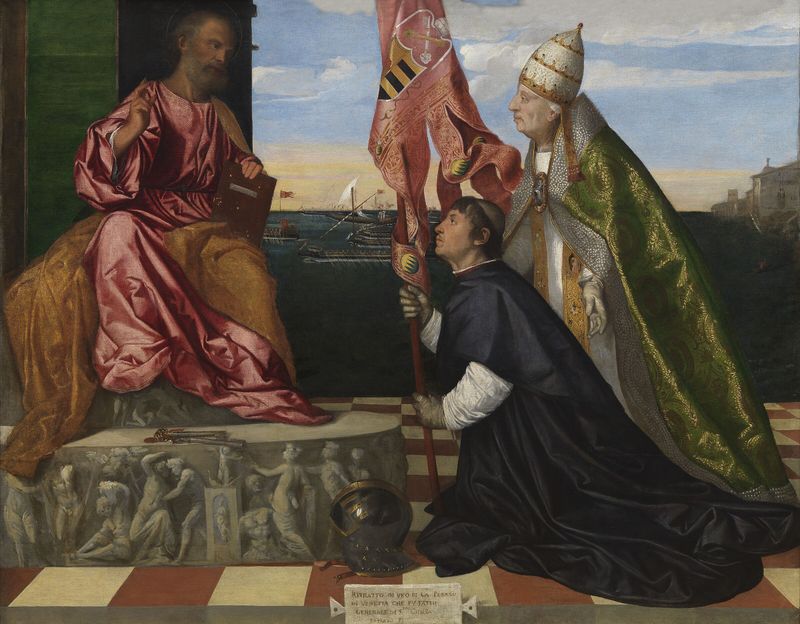
Jacopo Pesaro, Bishop of Paphos, being presented by Pope Alexander VI to Saint Peter
Titian · 1504 · Royal Museum of Fine Arts Antwerp
 Same era · 1490s–1520s
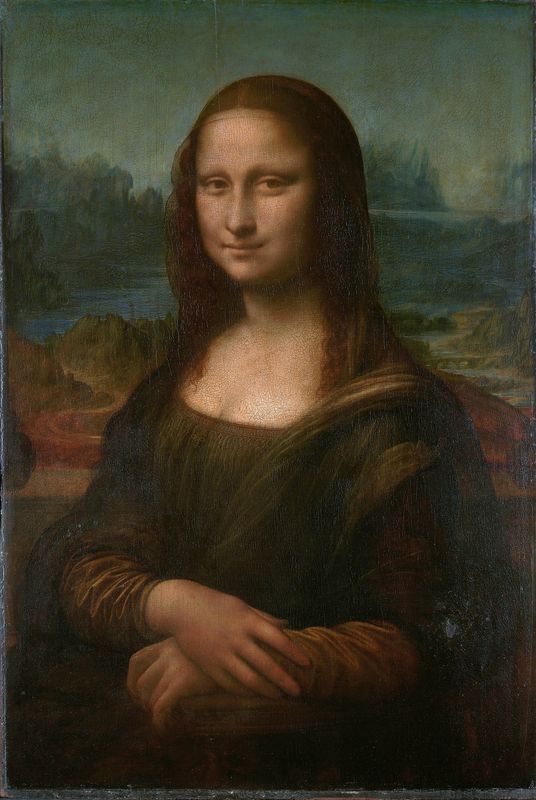
Mona Lisa
Leonardo da Vinci · 1503 · Department of Paintings of the Louvre
 Same era · 1490s–1520s
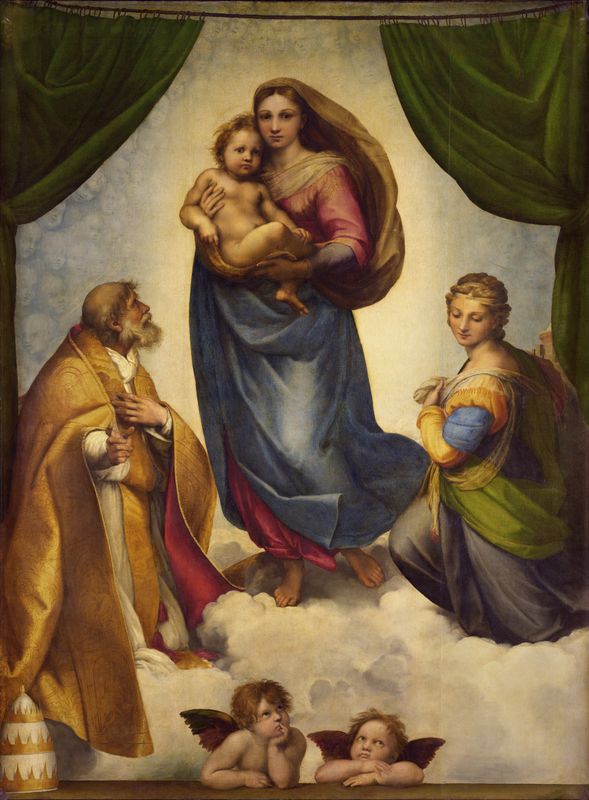
Sistine Madonna (Madonna di San Sisto)
Raphael (Raffaello Sanzio da Urbino) · 1512
 Same era · 1490s–1520s
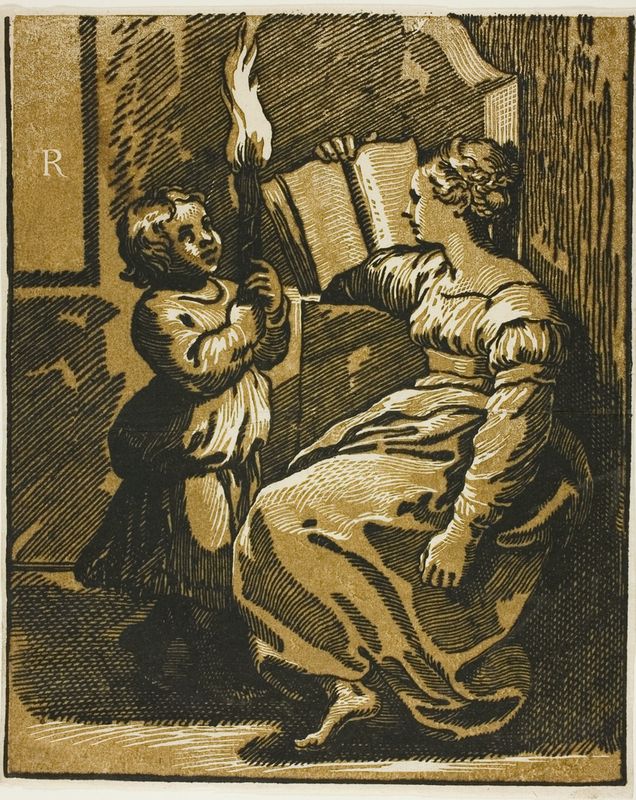
The Sibyl and a Child Bearing a Torch
Artist Unknown - The Mercat Cross, Aberdeen · 1520 · Art Institute of Chicago