01
Mary and the Child
Mary sits at the center in a hooded veil, with the small Child held against her chest. The densest hatching gathers around them.
1 of 5 on the painting
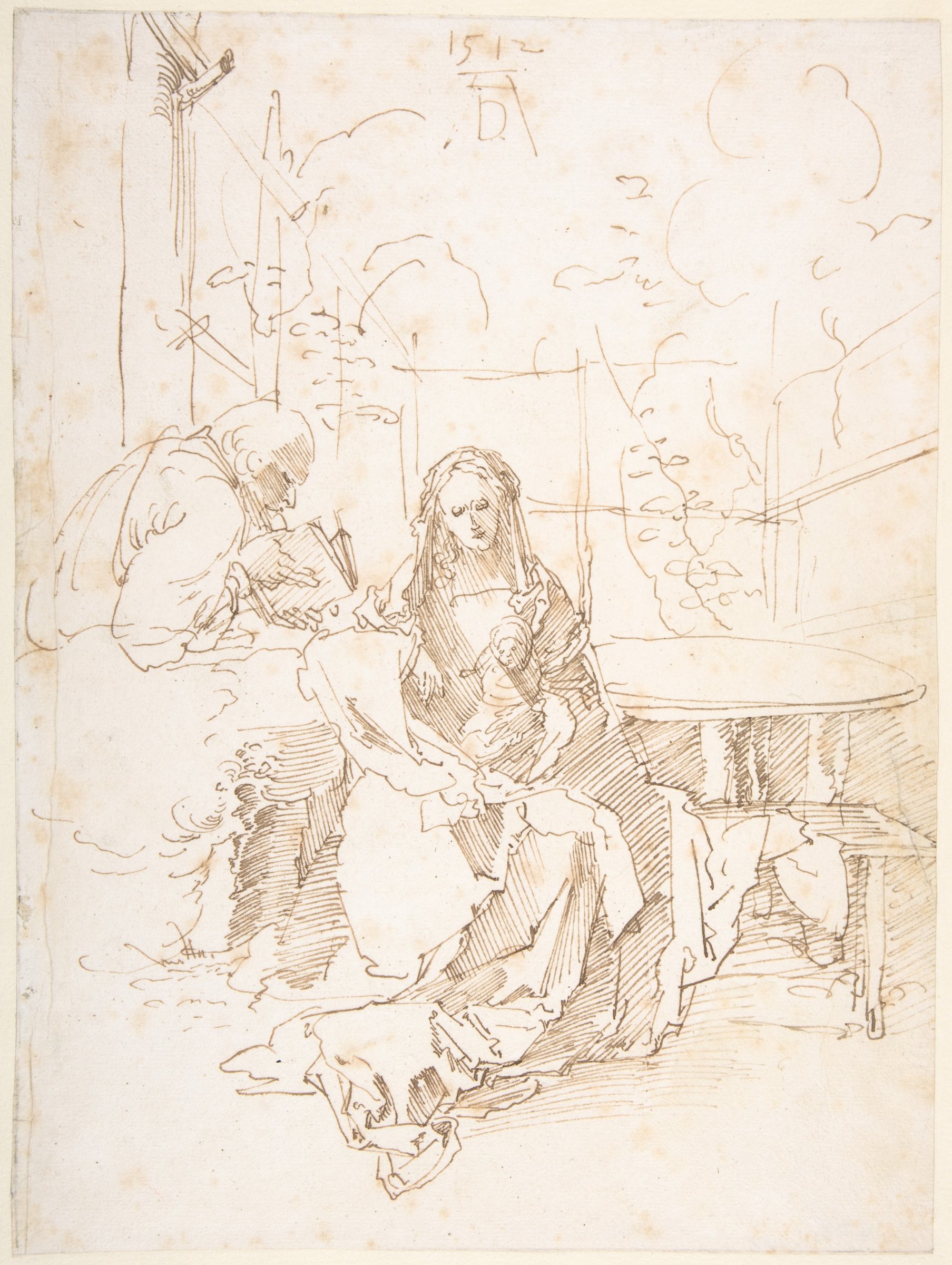
“Pause to admire this detailed pen and ink drawing of the Holy Family, where Albrecht Dürer brings a scene of quiet domesticity to life within a symbolic enclosed garden. Notice the intricate details of the plants and the tender interactions between the figures.”
In this intimate pen and ink drawing, the Holy Family is nestled within a lush, enclosed garden, a setting often symbolizing Mary's purity. Mary sits on the ground, absorbed in a book, her head gently bowed, while the Christ Child, reaching for her, balances precariously on a pillow at her feet. Joseph, a figure of quiet contemplation, rests his head on his hand, observing the tender scene from behind a low wall. The detailed rendering of the plants and flowers, from the delicate blooms to the sturdy tree trunk, creates a sense of natural tranquility, inviting the viewer into this serene domestic moment. This work, executed in reddish-brown ink, showcases the artist's remarkable ability to convey both spiritual depth and human warmth through precise draftsmanship, a hallmark of the German Renaissance.
Five details hide in plain sight. Pick one and we’ll show you exactly where to look.
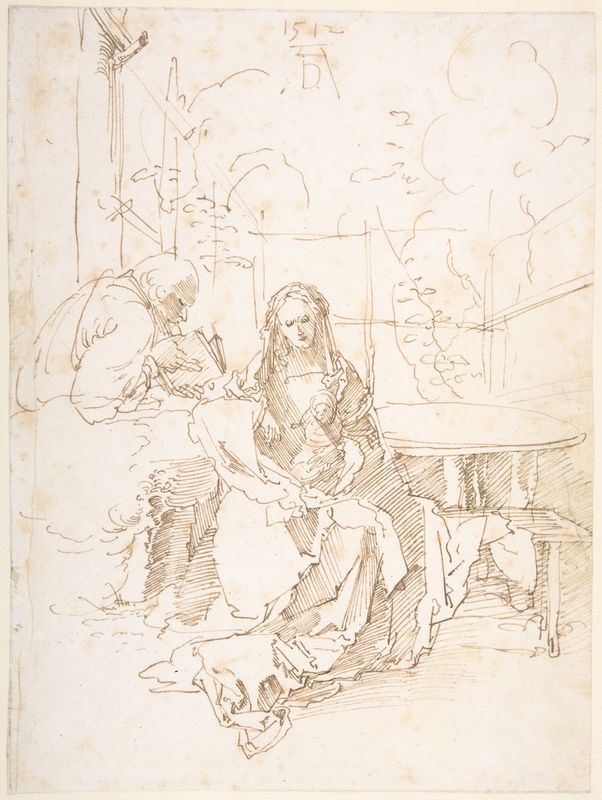
Mary sits at the center in a hooded veil, with the small Child held against her chest. The densest hatching gathers around them.
At the left, a figure bends over a book, face in shadow, usually read as Joseph. He is drawn more lightly than Mary, so he is easy to overlook.
Look at Mary's skirt, where straight diagonal pen lines pack together to make shadow and weight without any wash or color.
Behind the figures, the fence, trees and clouds are only thin, quick outlines. The garden setting is suggested and fades into blank paper.
At the top center, the artist's monogram sits under the date 1512, dating this loose pen sketch.
The full narration walks you through The Holy Family in an Enclosed Garden — the story behind it, the details most visitors miss, and why it matters. Free in the Art Whisper app.
Renaissance master who revolutionized printmaking across Europe before turning 30.
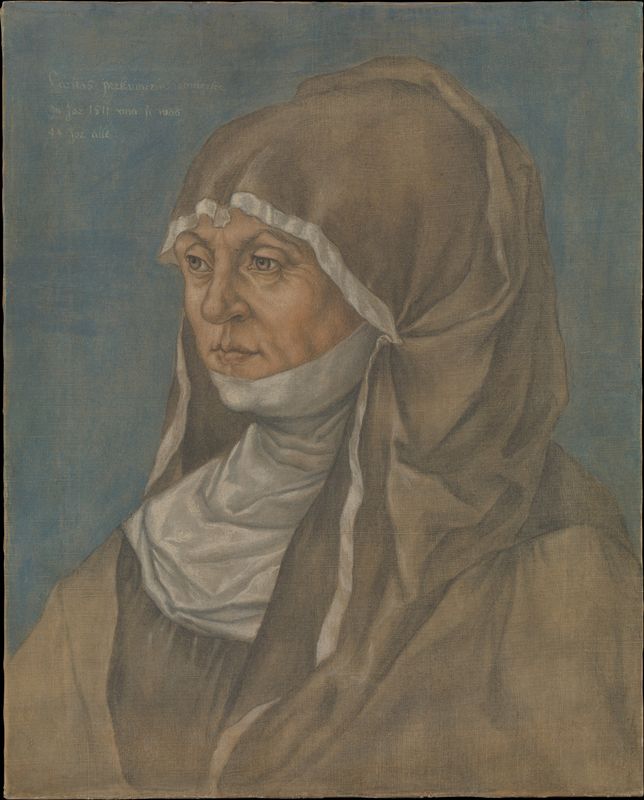 Portrait of a Woman, Said to Be Caritas Pirckheimer (1467–1532)
The Metropolitan Museum of Art
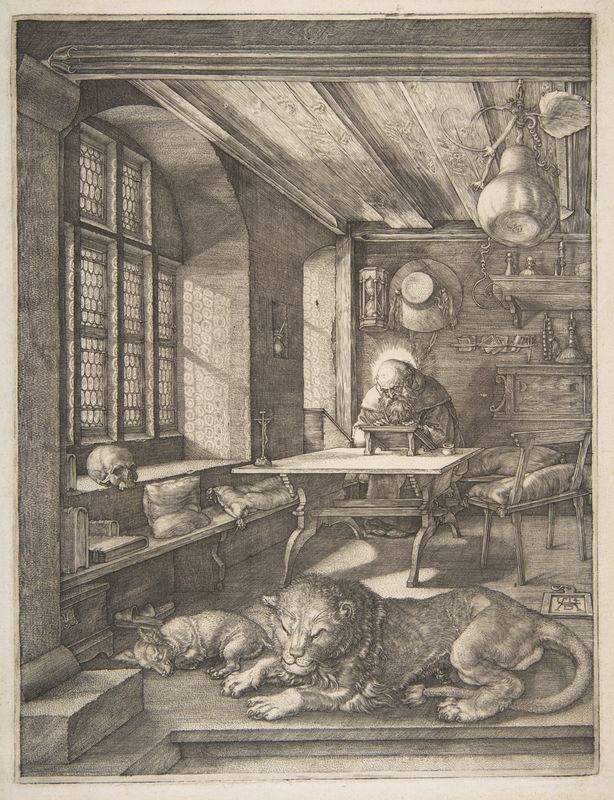 Saint Jerome in His Study
1521 · National Museum of Ancient Art
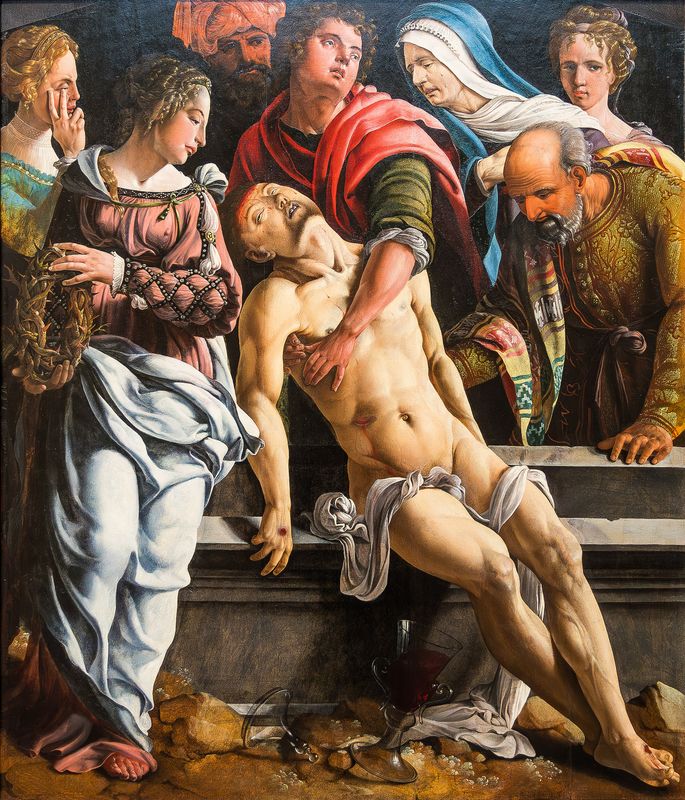 The Lamentation
1477 · The Metropolitan Museum of Art
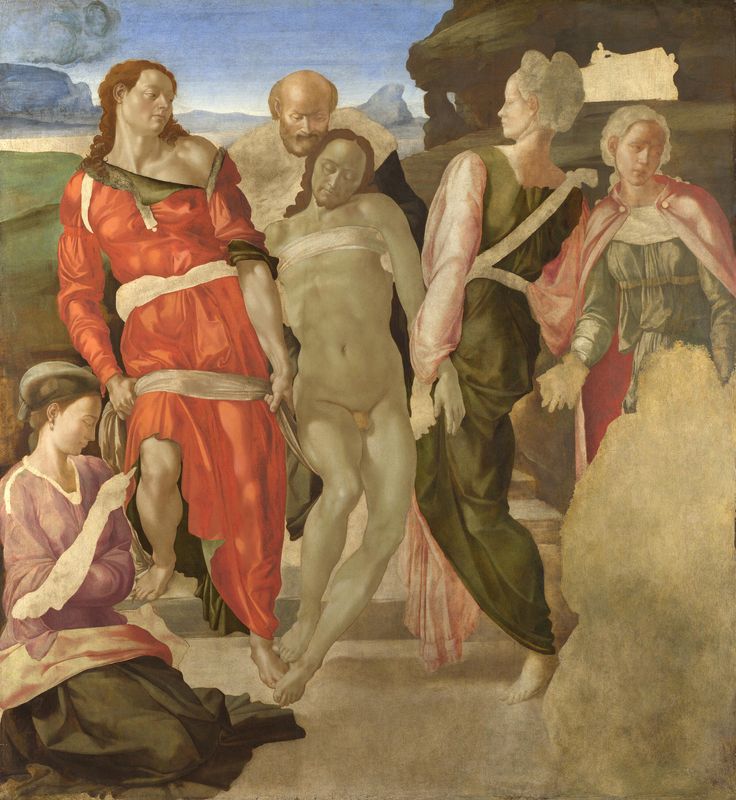 The Entombment
1485 · The Metropolitan Museum of Art
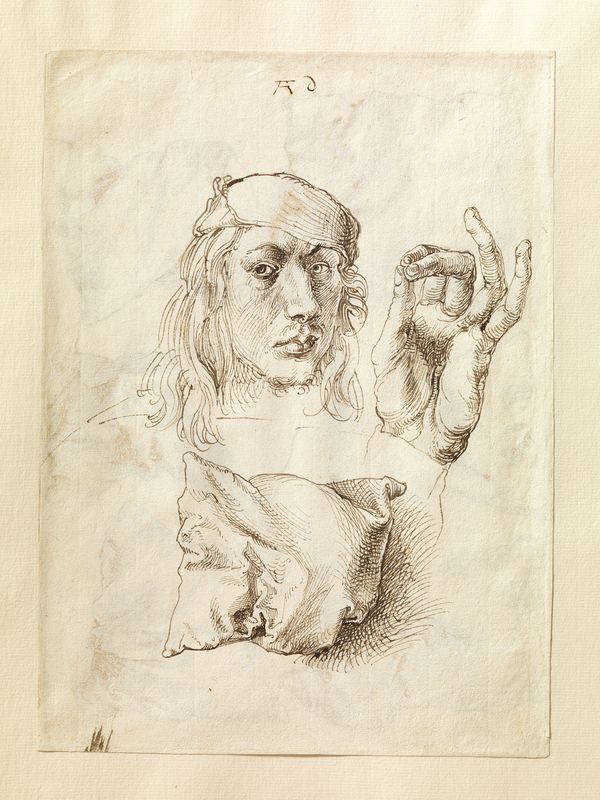 Self-portrait, Study of a Hand and a Pillow (recto); Six Studies of Pillows (verso)
1493 · The Metropolitan Museum of Art
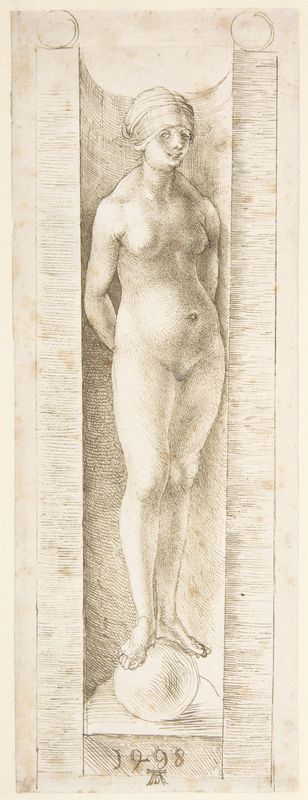 Fortuna in a Niche
1498 · The Metropolitan Museum of Art
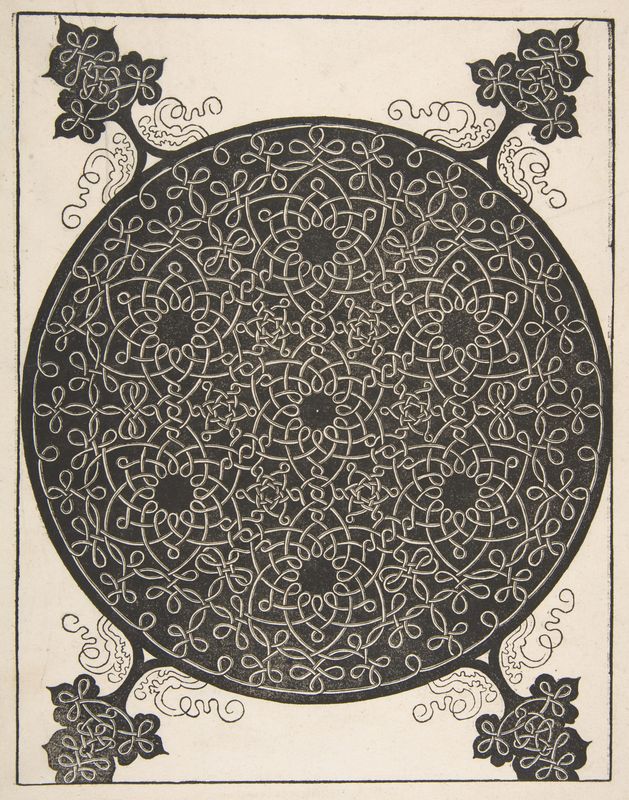 Embroidery Pattern with Seven Six-pointed Stars and Four Corner Pieces
1500 · The Metropolitan Museum of Art
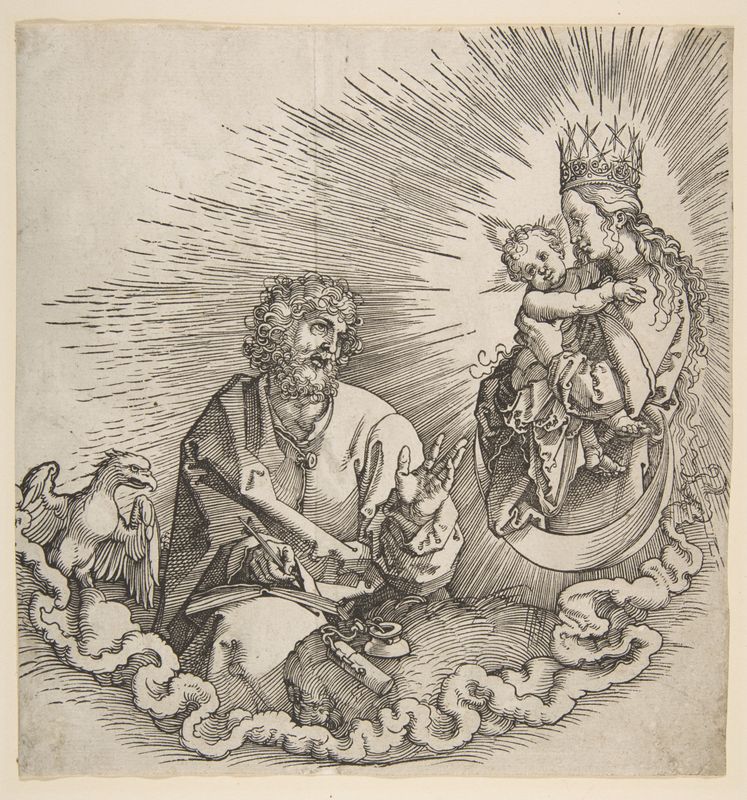 The Virgin Appearing to Saint John, Frontispiece to the Apocalypse
1511 · The Metropolitan Museum of Art
Beyond Dürer and Northern Renaissance: works from the same years.
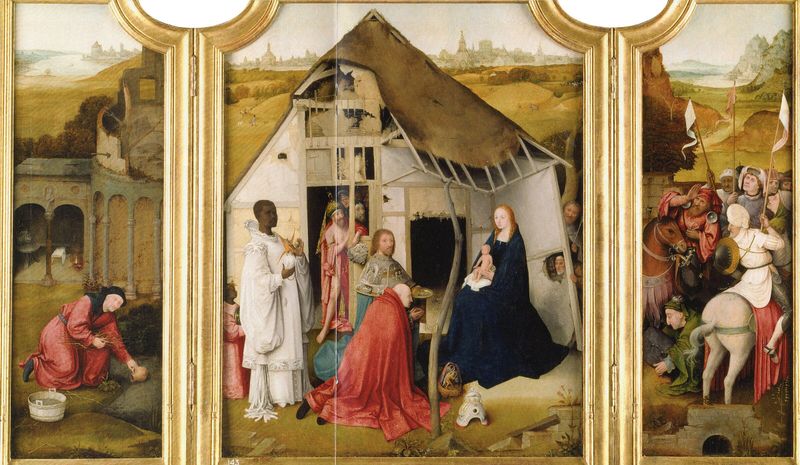 Same era · 1490s–1520s
The Adoration of the Kings
Hieronymus Bosch · 1514 · National Trust
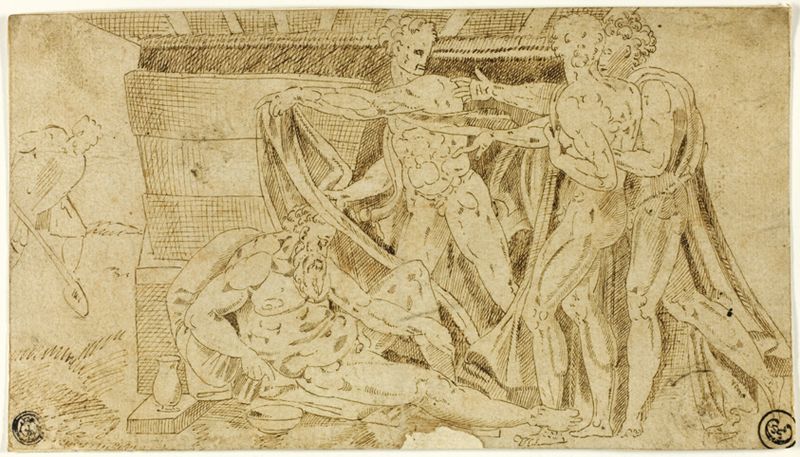 Same era · 1490s–1520s
Drunkenness of Noah
Michelangelo · 1509 · Sistine Chapel
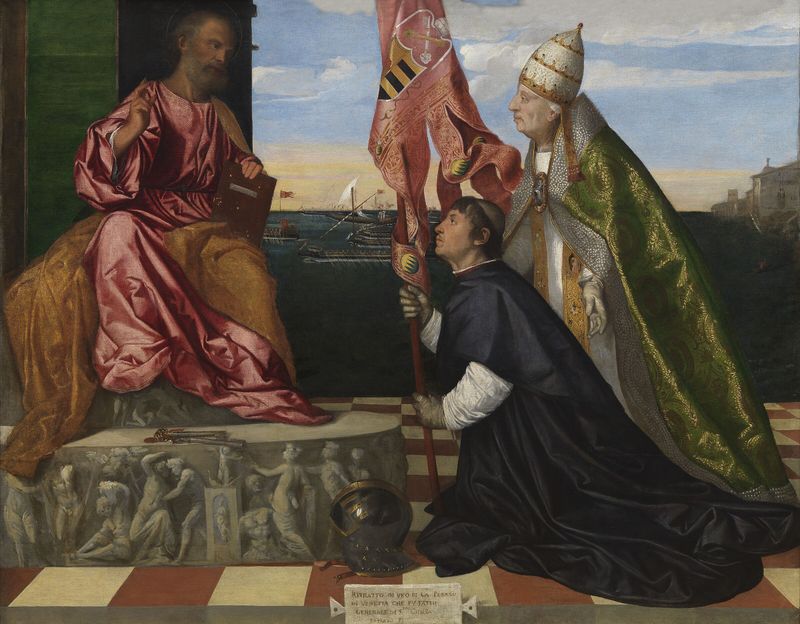 Same era · 1490s–1520s
Jacopo Pesaro, Bishop of Paphos, being presented by Pope Alexander VI to Saint Peter
Titian · 1504 · Royal Museum of Fine Arts Antwerp
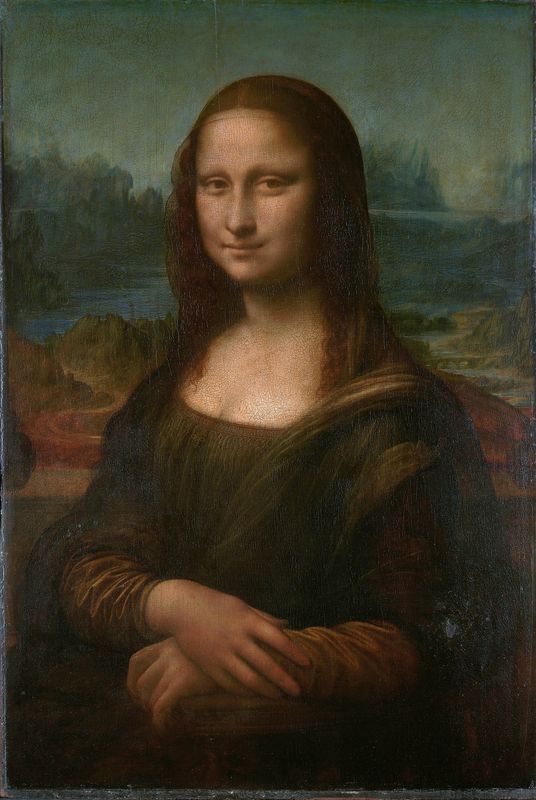 Same era · 1490s–1520s
Mona Lisa
Leonardo da Vinci · 1503 · Department of Paintings of the Louvre
 Same era · 1490s–1520s
Sistine Madonna (Madonna di San Sisto)
Raphael (Raffaello Sanzio da Urbino) · 1512
 Same era · 1490s–1520s
The Sibyl and a Child Bearing a Torch
Artist Unknown - The Mercat Cross, Aberdeen · 1520 · Art Institute of Chicago