
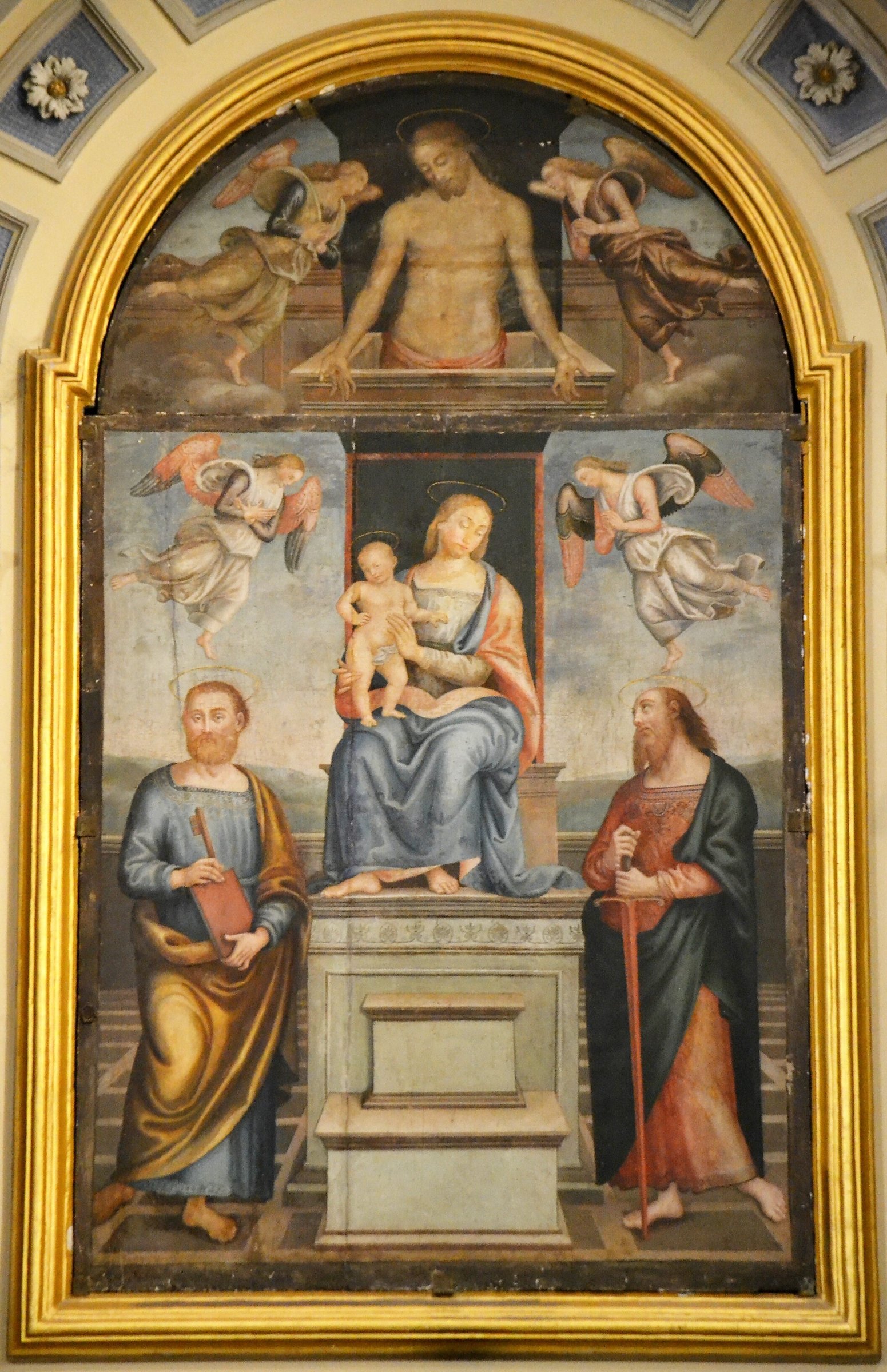
“This print captures a serene moment between the Madonna and Child and two revered saints, rendered with a soft, painterly quality that invites closer inspection of its delicate details and rich shadows.”
In this tender scene, the Virgin Mary presents the Christ Child to two prominent saints. Light spills from the upper left, illuminating Mary's face and the infant Jesus, who reaches out with a gesture of blessing. The composition draws your eye to the central trio, creating a sense of intimacy even as the figures are rendered with a certain classical grandeur. The rich, velvety shadows, particularly noticeable in the drapery and the background, suggest the use of aquatint, a printmaking technique that allows for gradations of tone, almost like a watercolor. This technique, perhaps combined with etching, gives the print a painterly quality, softening the lines and adding depth to the figures and their surroundings. The artist, Stefano Mulinari, was active in the latter half of the 18th century, and this work from around 1750 (when he would have been about nine years old, suggesting the date might be an early estimate for his career) showcases a blend of devotional subject matter with a refined graphic sensibility.
- Artist
- Stefano Mulinari
- Date
- 1750
- Medium
- Etching and aquatint (?)
- Location
- The Metropolitan Museum of Art
- Dimensions
- sheet: 11 5/8 x 8 3/4 in. (29.5 x 22.2 cm)
- Collection
- Drawings and Prints
- Credit line
- Rogers Fund, 1962
What to Notice
Five details hide in plain sight. Here’s where to look.
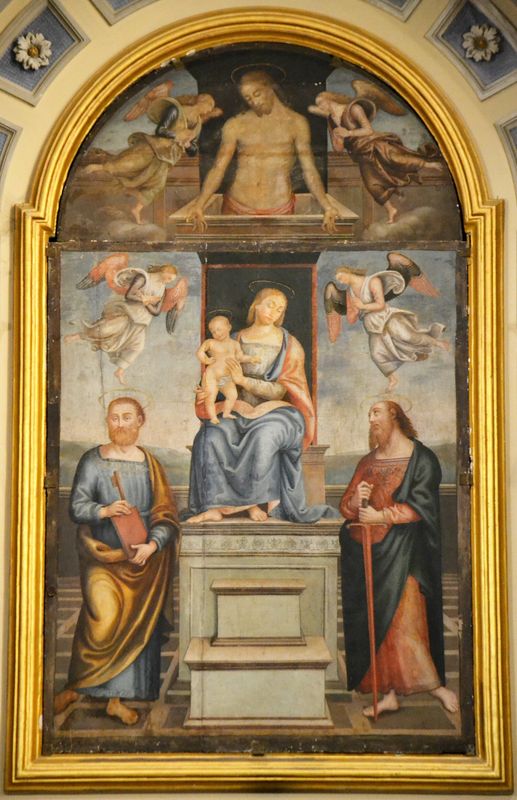
The Christ Child's tiny hand, raised in a gesture of blessing.
Saint Peter's keys, a symbol of his role, hanging from his belt.
The intricate folds of the Virgin Mary's drapery, catching the light.
The subtle gradations of tone in the background, hinting at aquatint.
1 more detail is waiting.
See all 5 in Art Whisper →Stand in front of it and listen
The full narration walks you through Madonna and Child with Saints Peter and Paul — the story behind it, the details most visitors miss, and why it matters. Free in the Art Whisper app.
Stefano Mulinari
1741–1790Italian engraver who transformed devotional scenes into intimate etchings with aquatint and colored washes.
Further Works by Mulinari
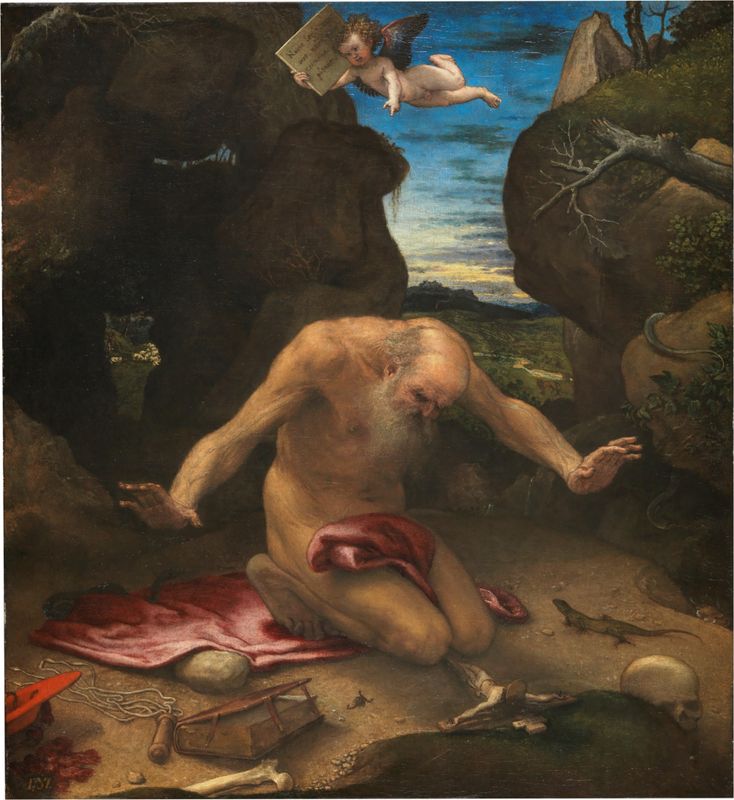 Saint Jerome in Penitence
1750 · The Metropolitan Museum of Art
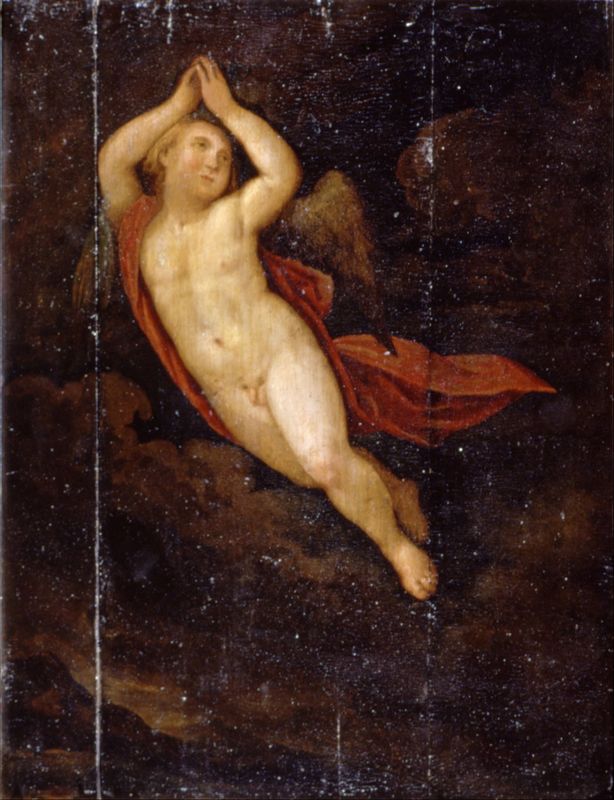 Winged Figure
1750 · The Metropolitan Museum of Art
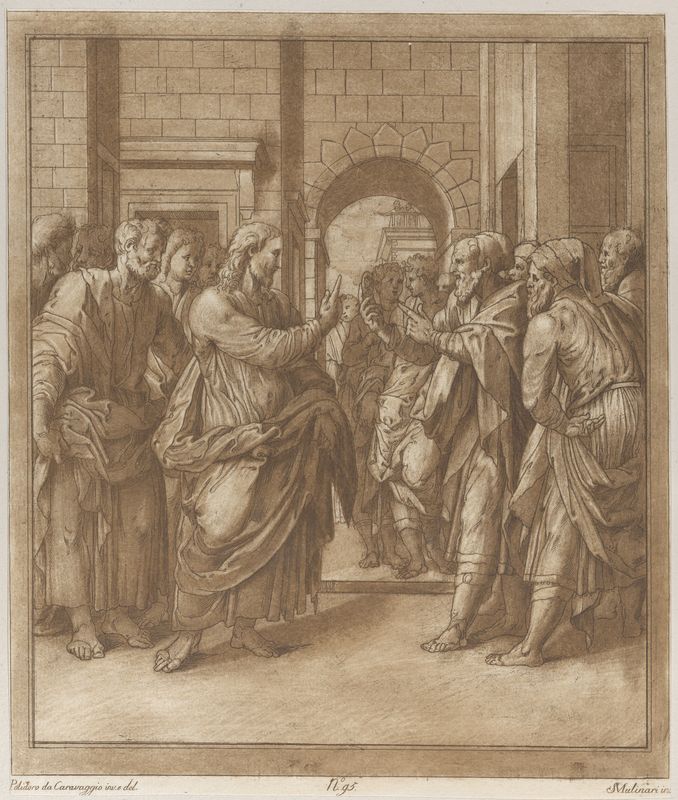 Christ standing before an entrance to a city surrounded by apostles addressing a group of men at right
1756 · The Metropolitan Museum of Art
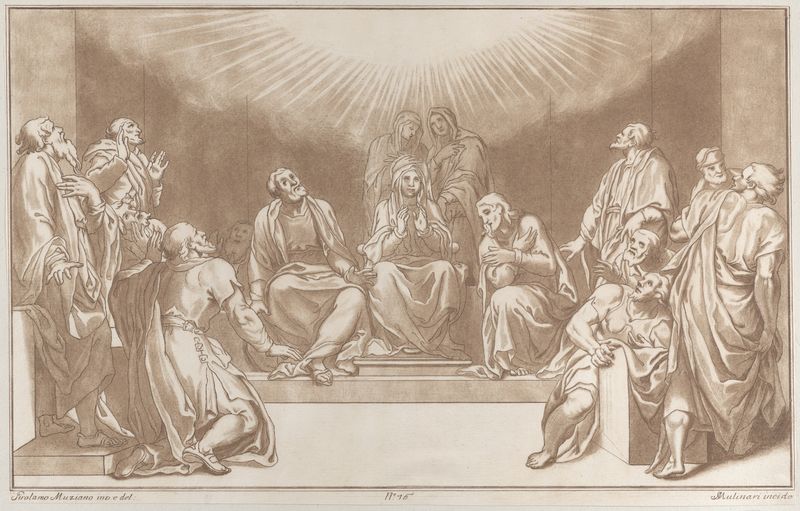 Descent of the Holy Ghost
1760 · The Metropolitan Museum of Art
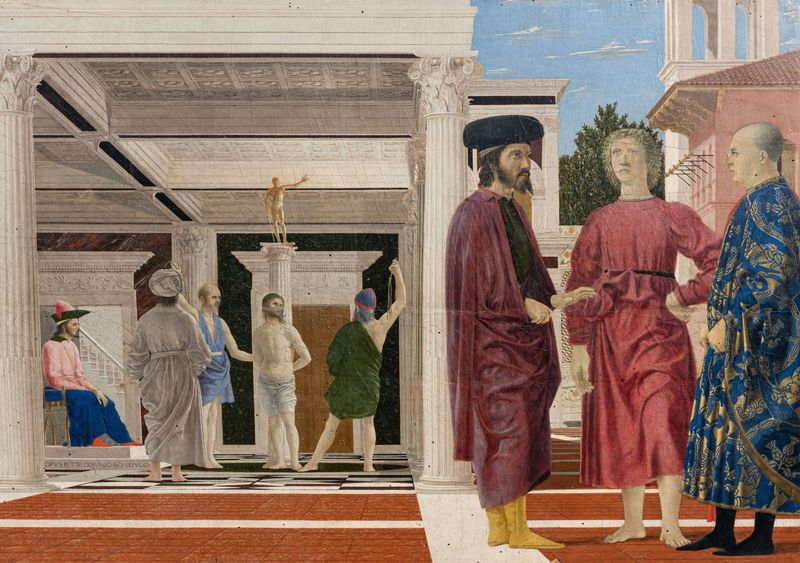 Flagellation of Christ
1760 · The Metropolitan Museum of Art
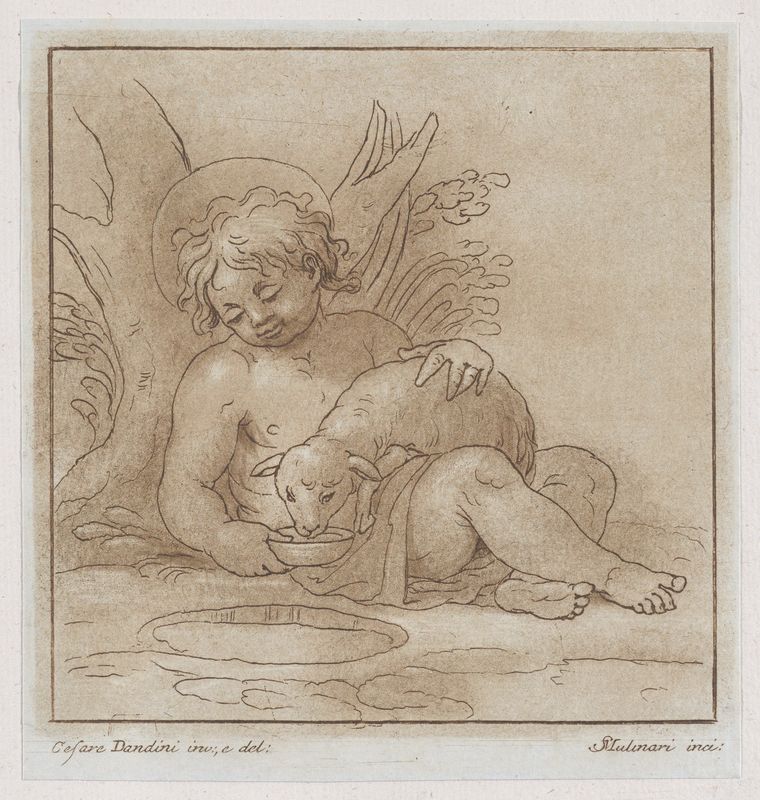 Saint John the Baptist with a lamb
1766 · The Metropolitan Museum of Art
More works to explore
Beyond Mulinari: works from the same years.
 Same era · 1730s–1760s
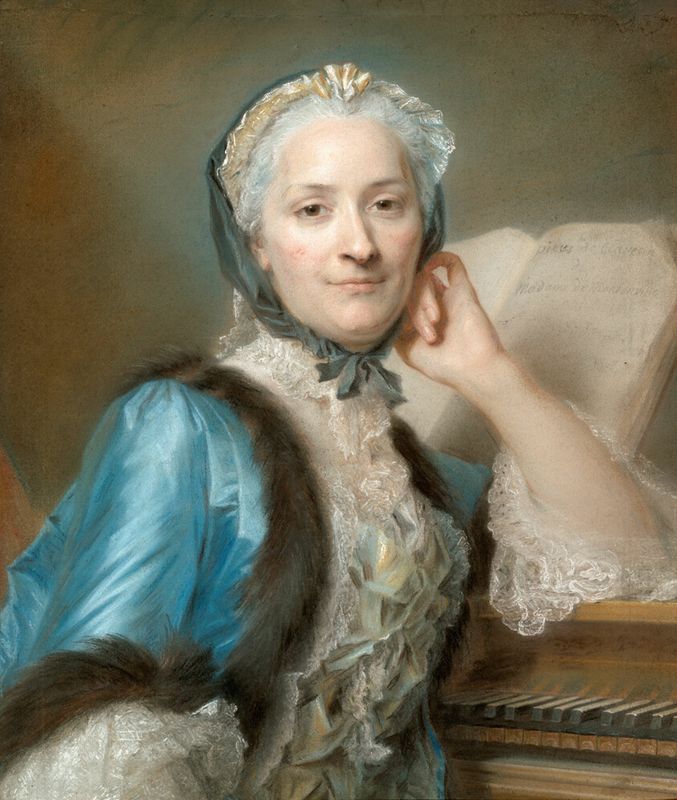
Portrait of Madame Anne-Jeanne Cassanéa de Mondonville, née Boucon (1708-1780)
Maurice Quentin de Latour · 1752 · Art Institute of Chicago
 Same era · 1730s–1760s
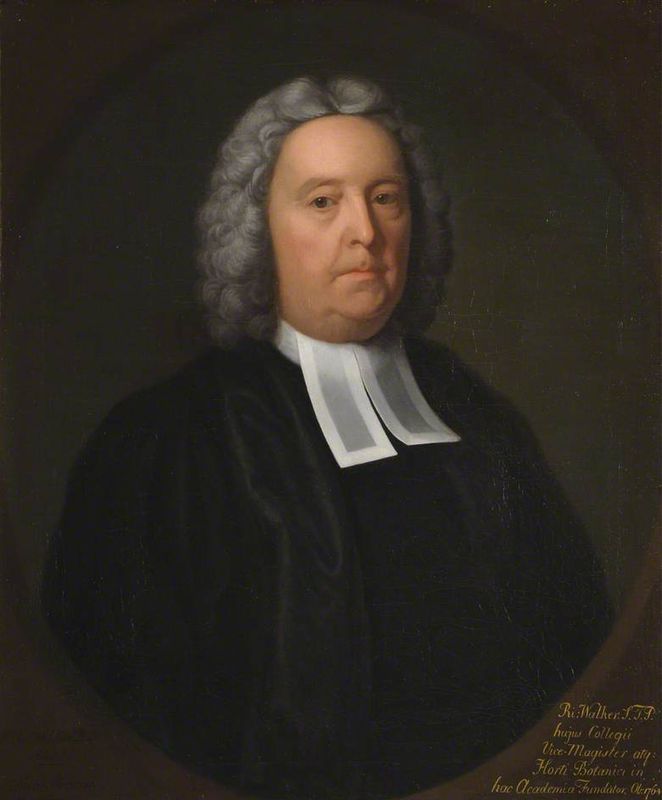
Richard Walker (1679–1764), Vice-Master and Horticulturist
John Theodore Heins · 1751 · Trinity College
 Same era · 1730s–1760s
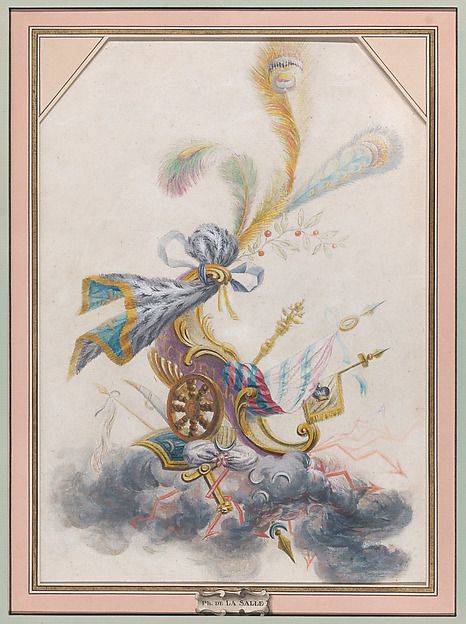
Design for a Lampas Silk with a Triumphal Chariot on a Cloud
Philippe de la Salle · 1765 · The Metropolitan Museum of Art
 Same era · 1730s–1760s
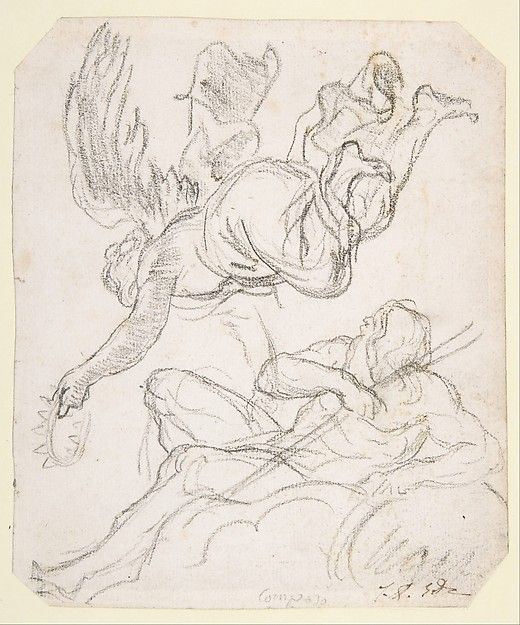
Flying Figure Holding a Crown, Reclining River God
Jacques-Louis David · 1760 · The Metropolitan Museum of Art
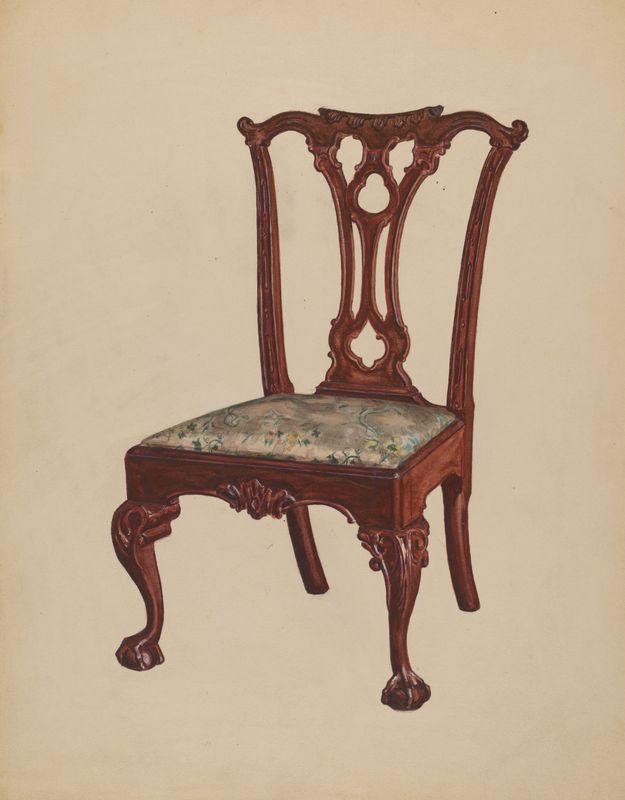 Same era · 1730s–1760s
Side Chair
Artist Unknown - The Mercat Cross, Aberdeen · 1750 · Art Institute of Chicago
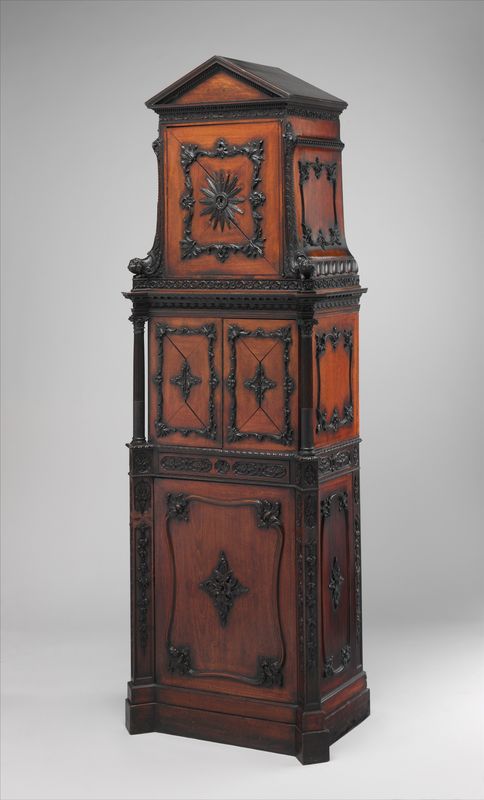 Same era · 1730s–1760s
Medal cabinet
William Vile · 1760 · The Metropolitan Museum of Art
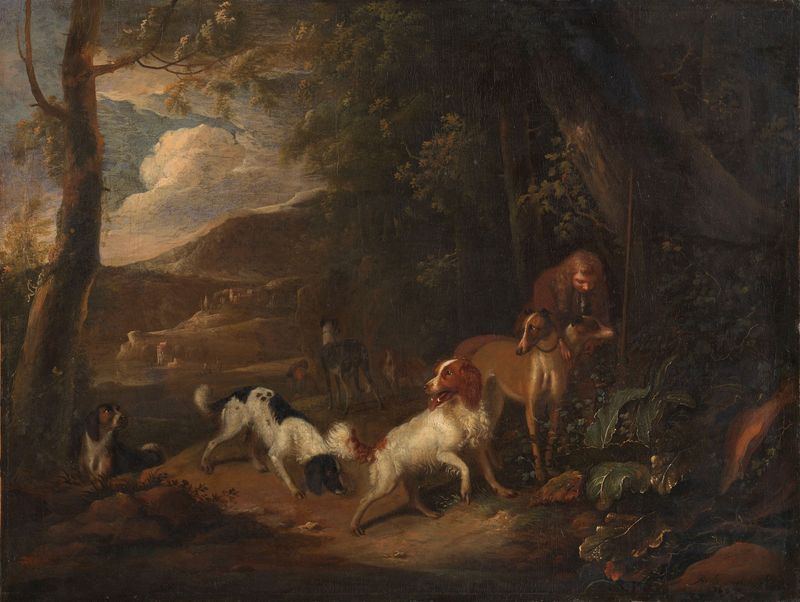 Same era · 1730s–1760s
Hunter with Hounds
Höchster Porzellan-Manufaktur · 1755 · The Metropolitan Museum of Art
 Same era · 1730s–1760s
Image of an Empire in Peace and Prosperity
Zhou Kun · 1745 · National Palace Museum
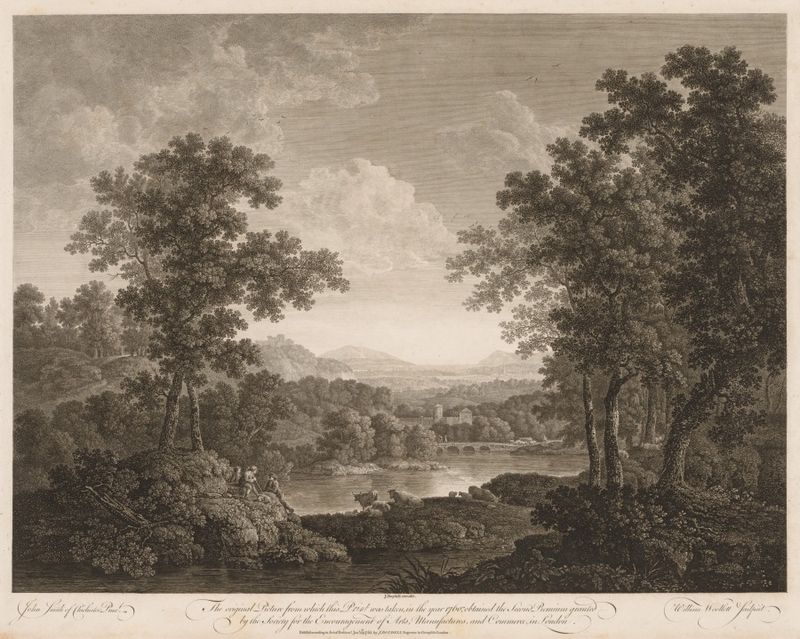 Same era · 1730s–1760s
Landscape
William Wooller · 1763 · Cleveland Museum of Art
 Same era · 1730s–1760s
View of Ponte Lugano on the Anio, from Views of Rome
Giovanni Battista Piranesi · 1763 · Art Institute of Chicago