01
The embracing pair
The red-clad woman wraps her arm around the older man's neck, and their faces nearly touch. The whole scene turns on this one intimate moment.
1 of 5 on the painting
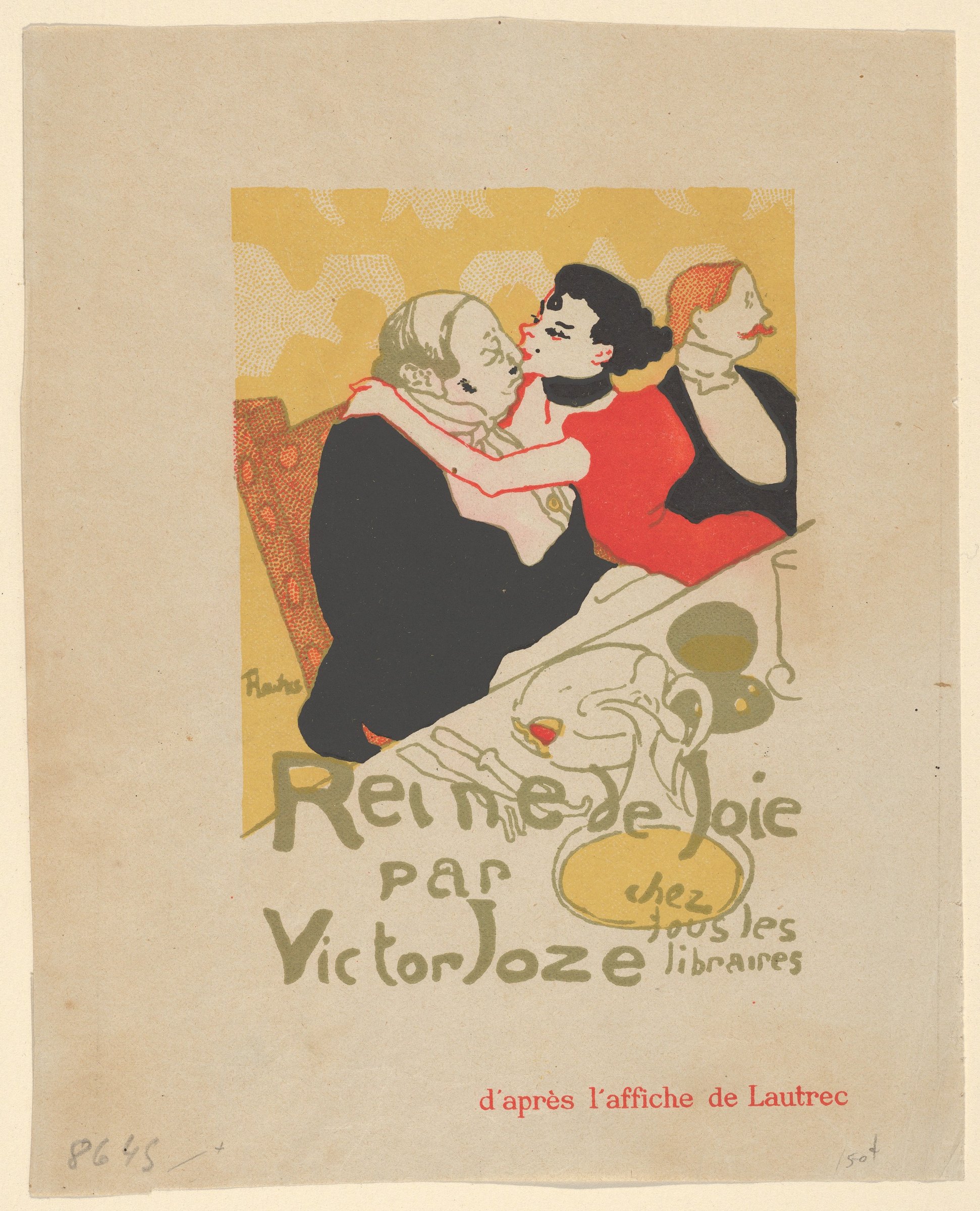
“Step into the scandalous allure of late 19th-century Paris with this bold lithograph. The "Queen of Joy" demands attention, embodying the vibrant, often risqué, spirit of Montmartre's nightlife through striking color and direct gaze.”
This lithograph, a striking example of late 19th-century Parisian poster art, plunges us into the vibrant, often scandalous, world of Montmartre nightlife. The central figure, a woman in a vivid red dress, dominates the scene with her confident, almost defiant, gaze. She is the "Queen of Joy" (Reine de Joie), a title that evokes the era's cabaret and dance halls, places where societal norms were often playfully subverted. The bold lines and stark contrasts, typical of the poster medium, ensure the image grabs attention, much like an advertisement would on a bustling street. The dynamic composition and exaggerated features create a sense of immediacy, drawing the viewer into the spectacle. This work captures the energy and allure of a specific moment in Parisian culture, reflecting a fascination with the city's bohemian and sometimes illicit entertainments.
Five details hide in plain sight. Pick one and we’ll show you exactly where to look.
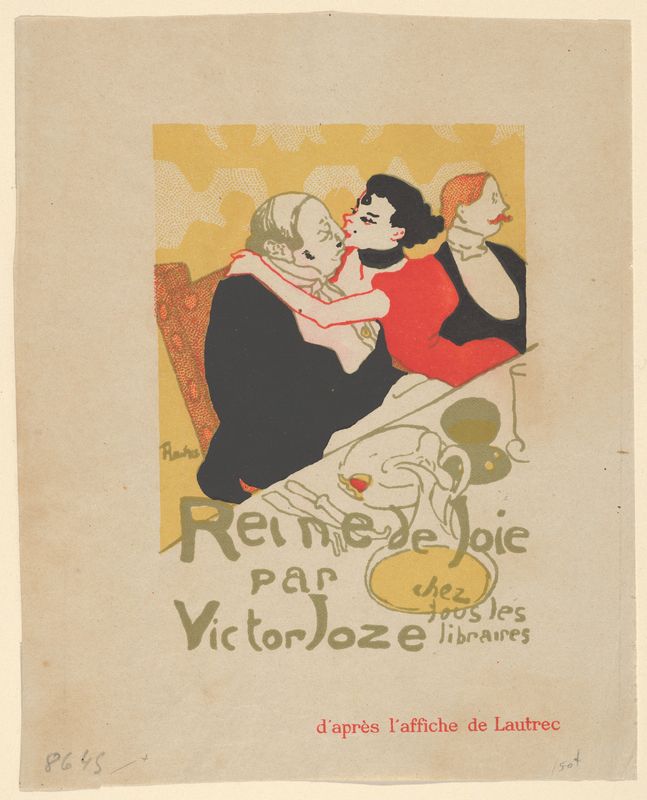
The red-clad woman wraps her arm around the older man's neck, and their faces nearly touch. The whole scene turns on this one intimate moment.
At the right edge, a red-haired figure in black looks off to the side, apart from the kiss. That cool profile sets the embrace apart from the rest of the scene.
The white table cuts in on a sharp diagonal from the lower right. It leads the eye up to the couple and sets the figures behind a barrier.
The man's coat is one big flat shape of black with almost no detail. It anchors the picture and makes the red dress and pale faces stand out.
The title and author's name are drawn in loose, uneven olive letters. They sit low in the scene and overlap the tabletop, so the text feels part of the picture.
The full narration walks you through Reine de Joie par Victor Joze — the story behind it, the details most visitors miss, and why it matters. Free in the Art Whisper app.
Henri de Toulouse-Lautrec, the aristocratic artist of fin-de-siècle Paris, immortalized the vibrant, often scandalous, life of Montmartre's cabarets and brothels.
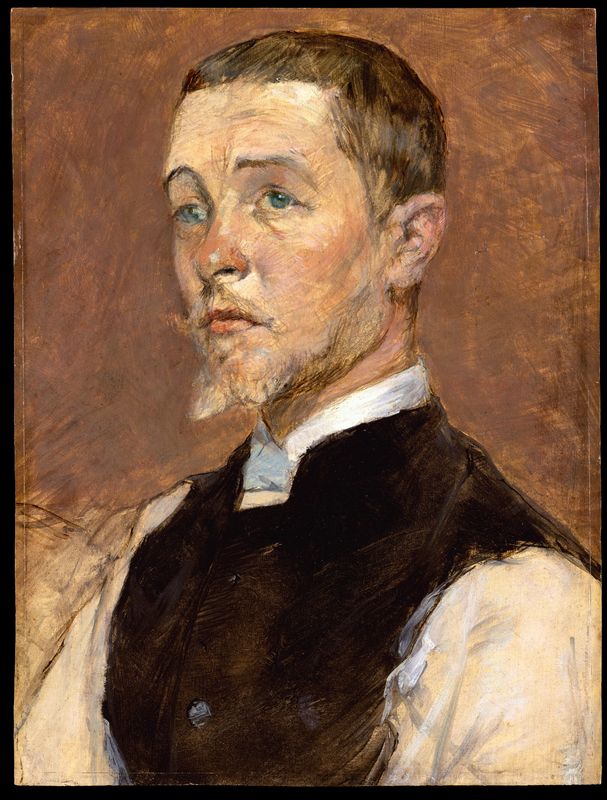 Albert (René) Grenier (1858–1925)
1887 · The Metropolitan Museum of Art
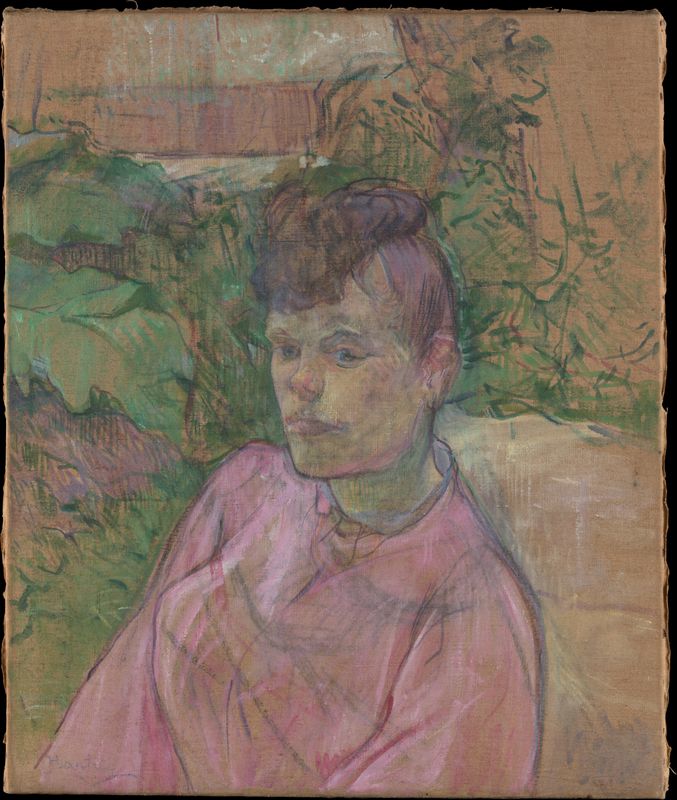 Woman in the Garden of Monsieur Forest
1889 · The Metropolitan Museum of Art
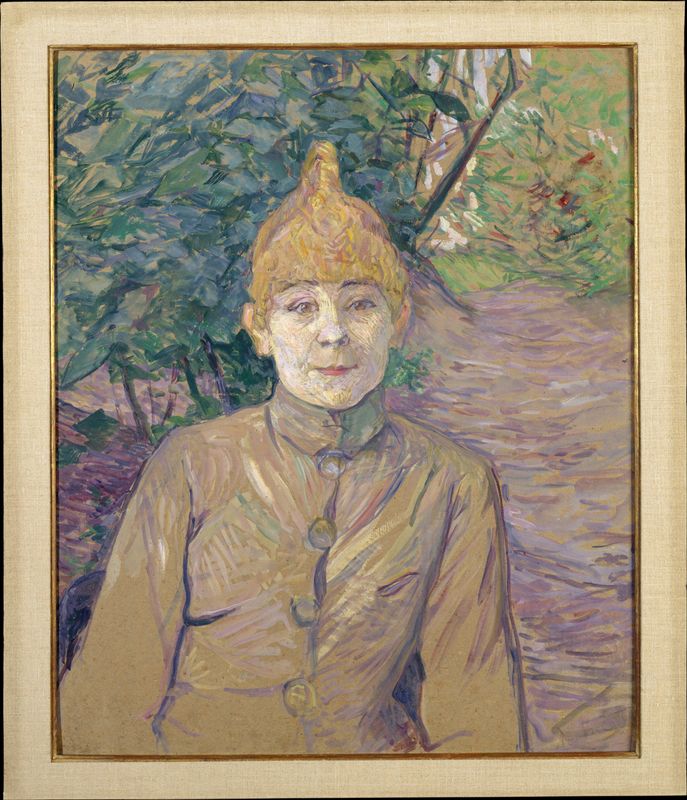 The Streetwalker
1890 · The Metropolitan Museum of Art
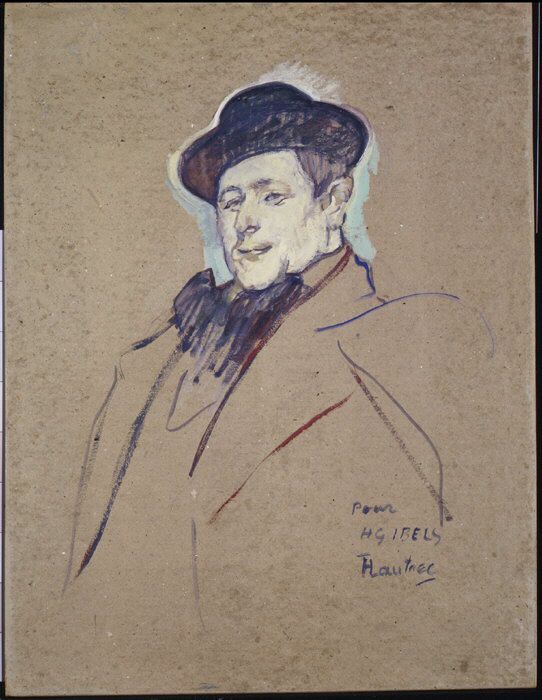 Henri-Gabriel Ibels (1867–1936)
1892 · The Metropolitan Museum of Art
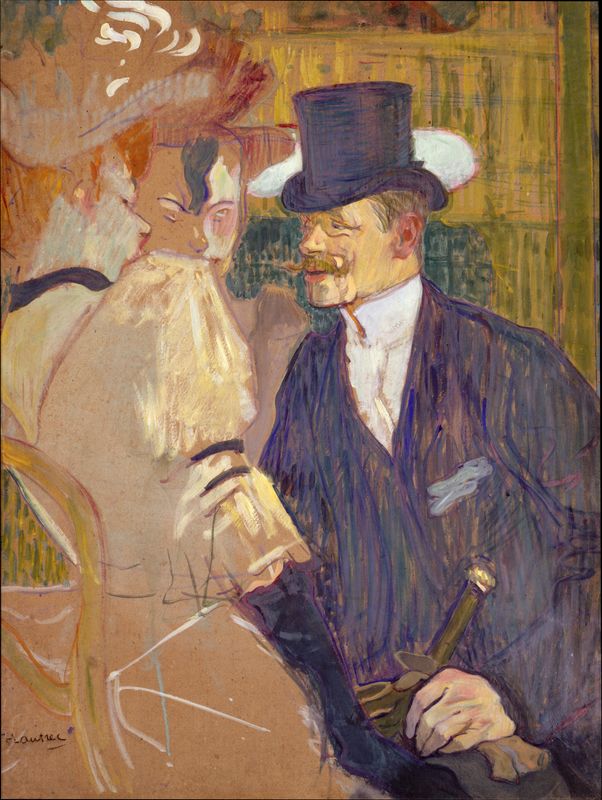 The Englishman (William Tom Warrener, 1861–1934) at the Moulin Rouge
1892 · The Metropolitan Museum of Art
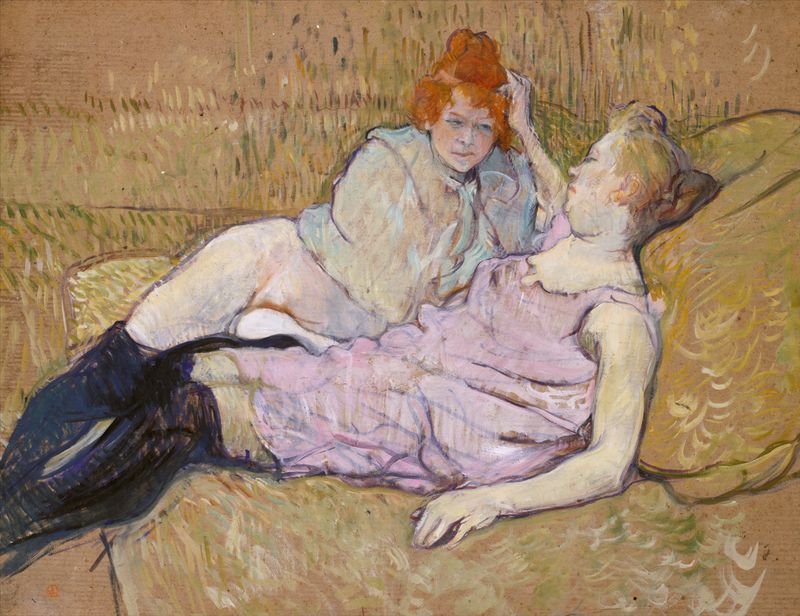 The Sofa
1894 · The Metropolitan Museum of Art
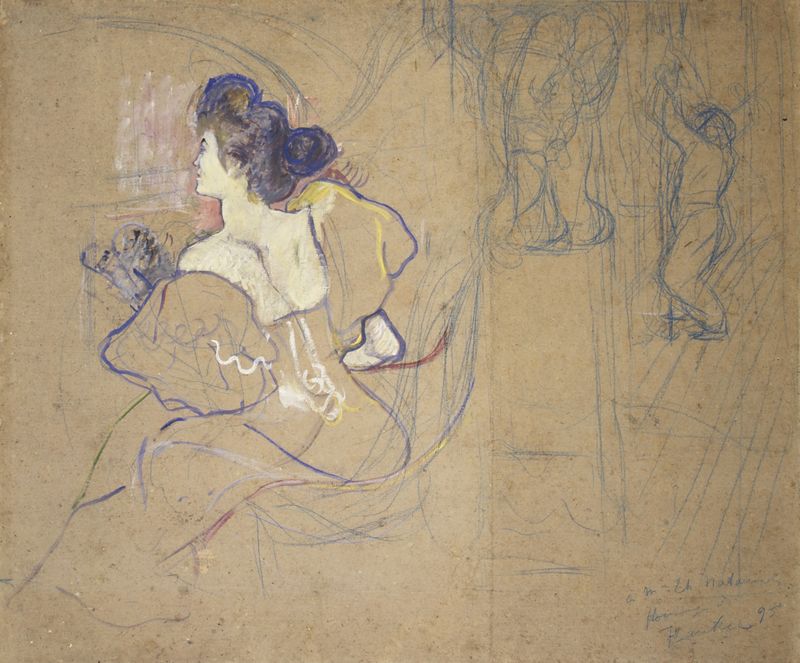 Madame Thadée Natanson (Misia Godebska, 1872–1950) at the Theater
1895 · The Metropolitan Museum of Art
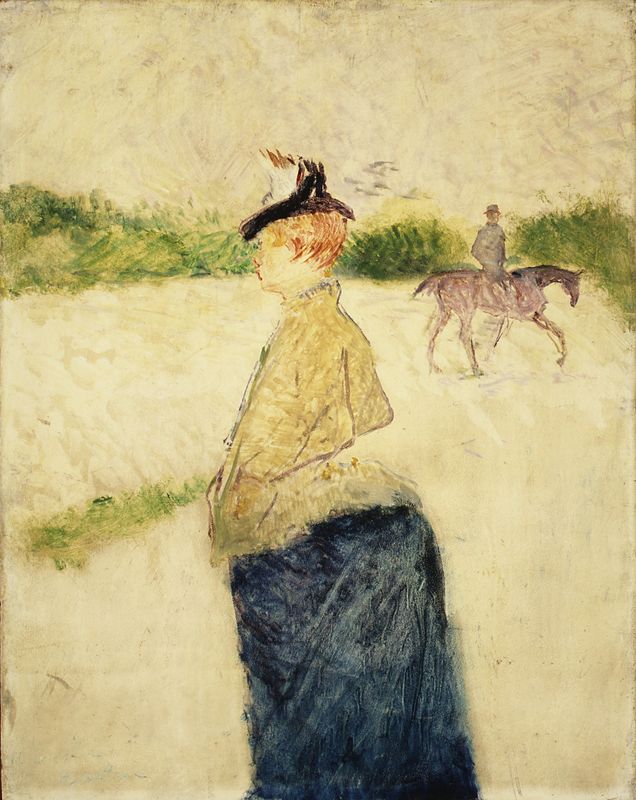 Émilie
1897 · The Metropolitan Museum of Art
Beyond de Toulouse-Lautrec and Post-Impressionism: works from the same years.
 Same era · 1860s–1890s
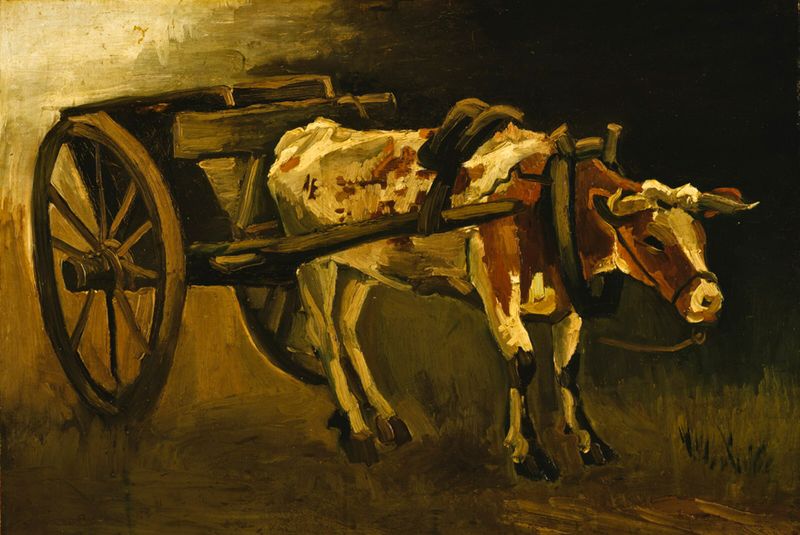
Cart with Red and White Ox
Vincent van Gogh · 1884 · Kröller-Müller Museum
 Same era · 1860s–1890s
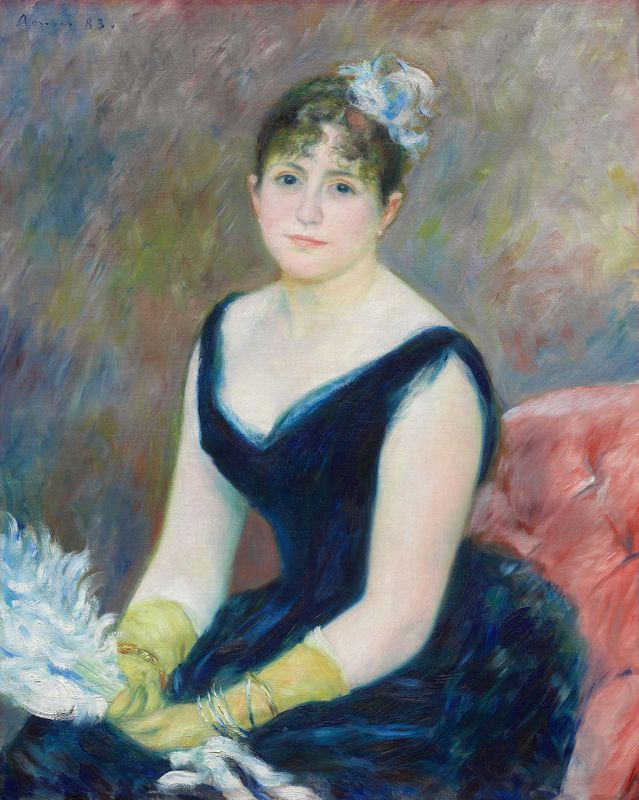
Madame Léon Clapisson
Léon-Victor Dupré · 1883 · Art Institute of Chicago
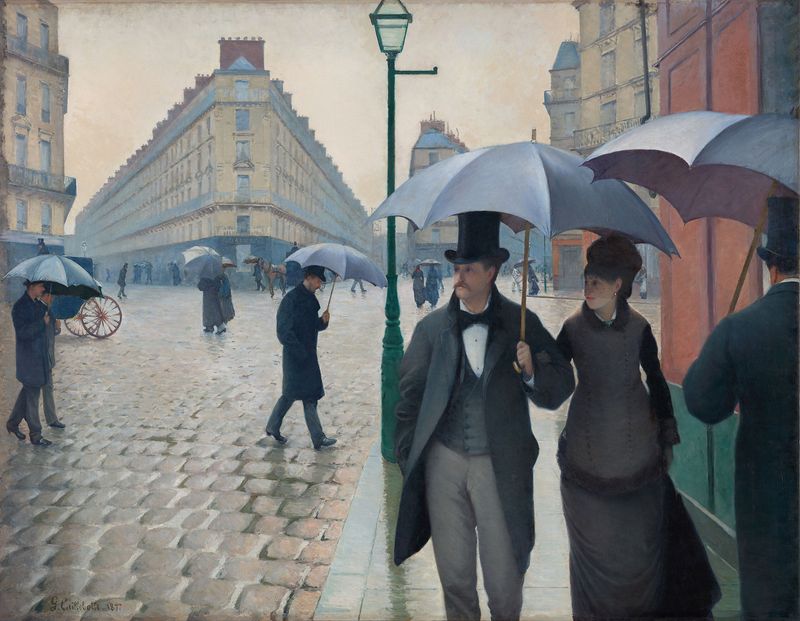 Same era · 1860s–1890s
Paris Street; Rainy Day
Kawabata Gyokushō · 1877 · Art Institute of Chicago
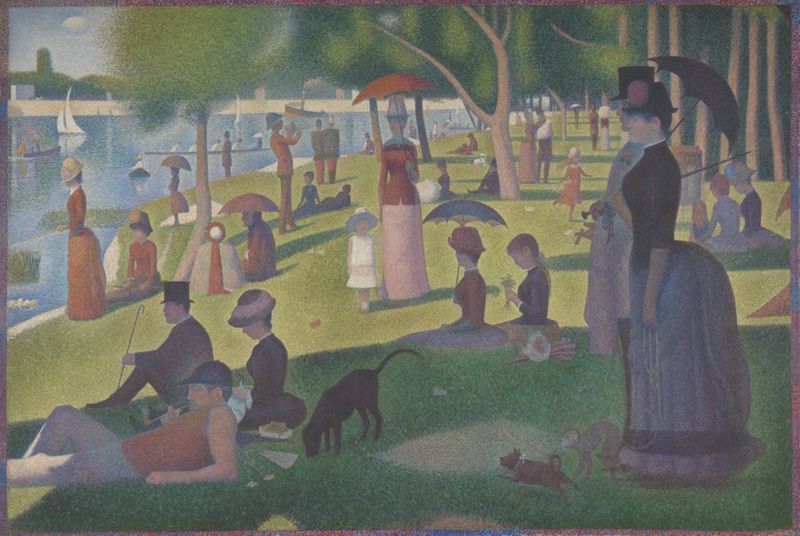 Same era · 1860s–1890s
A Sunday on La Grande Jatte — 1884
Okada Saburosuke · 1884 · Art Institute of Chicago
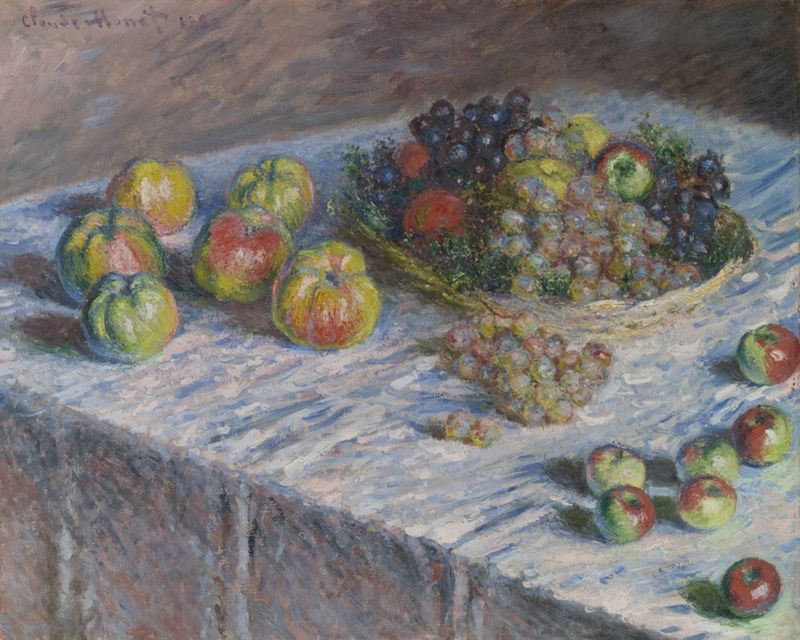 Same era · 1860s–1890s
Apples and Grapes
Claude Monet · 1880 · Art Institute of Chicago
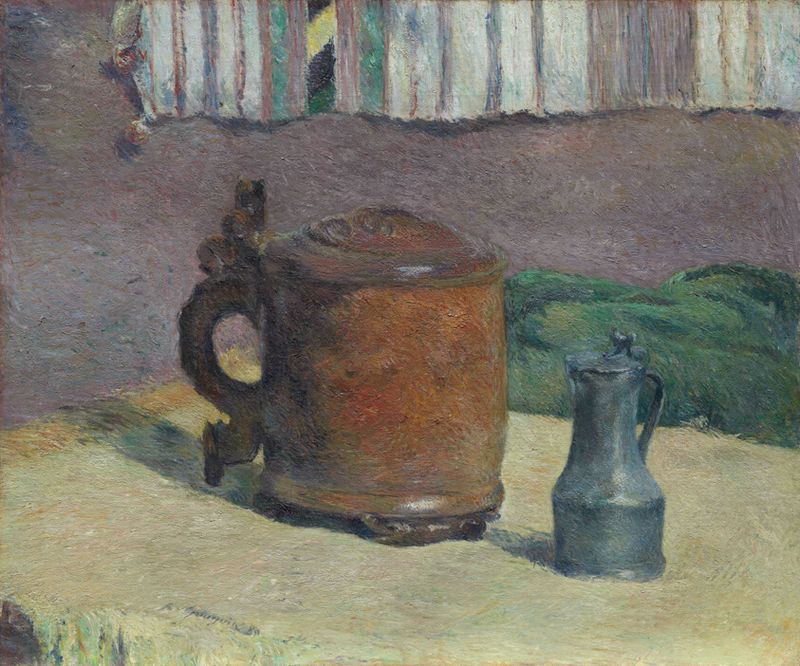 Same era · 1860s–1890s
Still Life: Wood Tankard and Metal Pitcher
Paul Gauguin · 1880 · Art Institute of Chicago
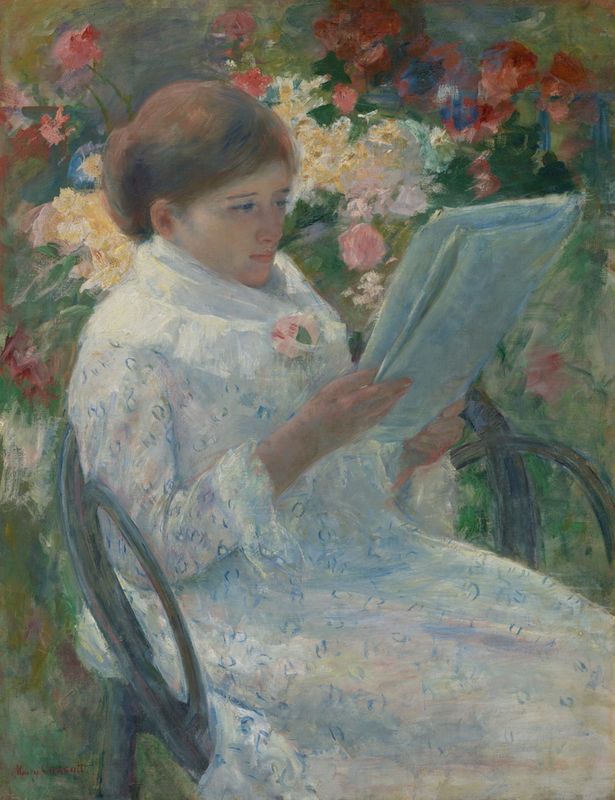 Same era · 1860s–1890s
On a Balcony
Mary Cassatt · 1879 · Art Institute of Chicago
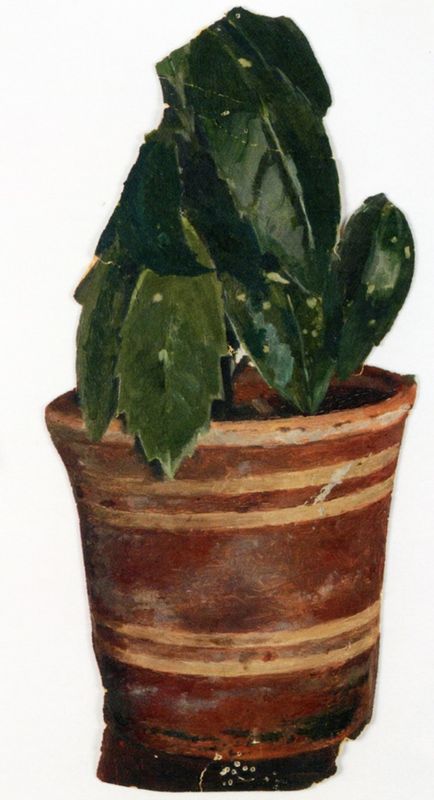 Same era · 1860s–1890s
Potted Plant
Edvard Munch · 1881 · Munch Museum
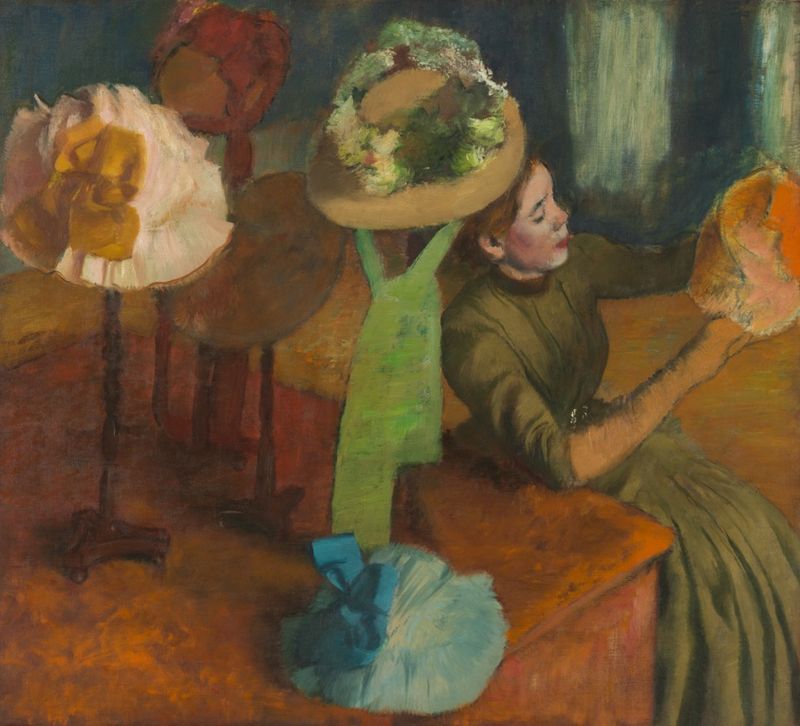 Same era · 1860s–1890s
The Millinery Shop
Edgar Degas · 1879 · Art Institute of Chicago
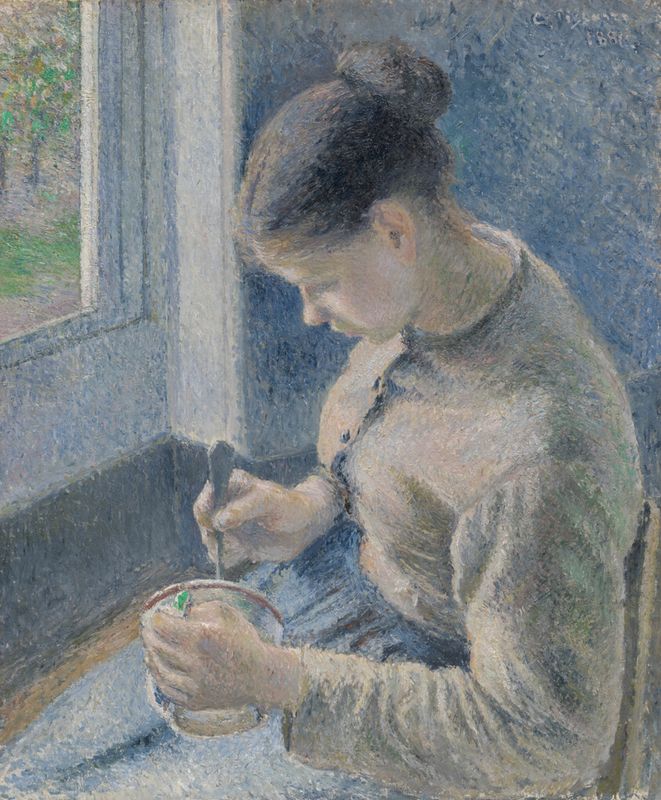 Same era · 1860s–1890s
Young Peasant Having Her Coffee
Camille Pissarro · 1881 · Art Institute of Chicago
 Same era · 1860s–1890s
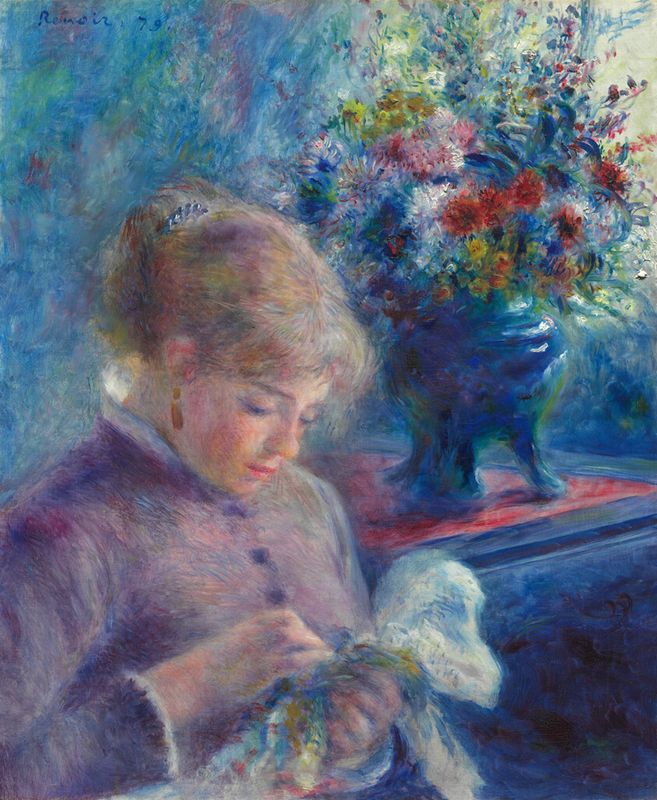
Young Woman Sewing
Pierre-Auguste Renoir · 1879 · Art Institute of Chicago
 Same era · 1860s–1890s
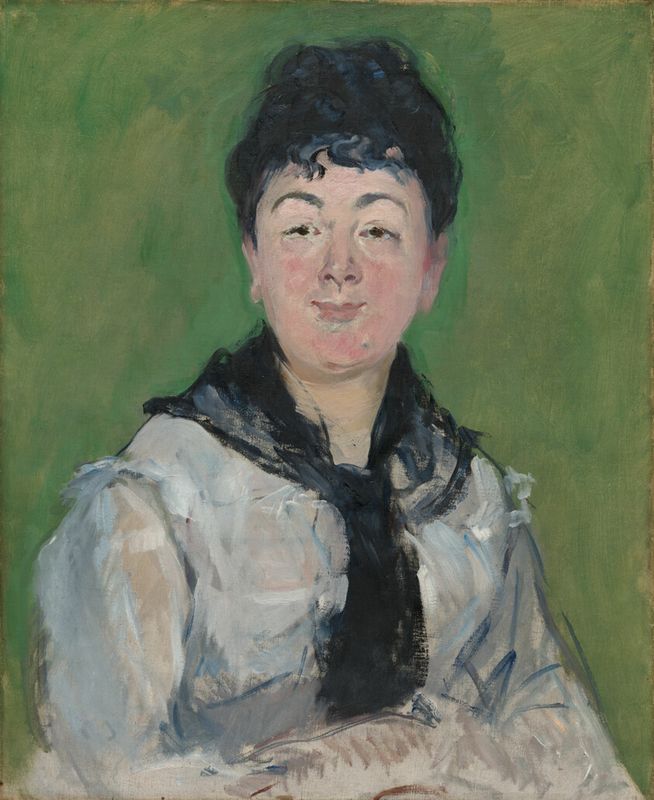
Portrait of a Woman with a Black Fichu
Édouard Manet · 1878 · Art Institute of Chicago