
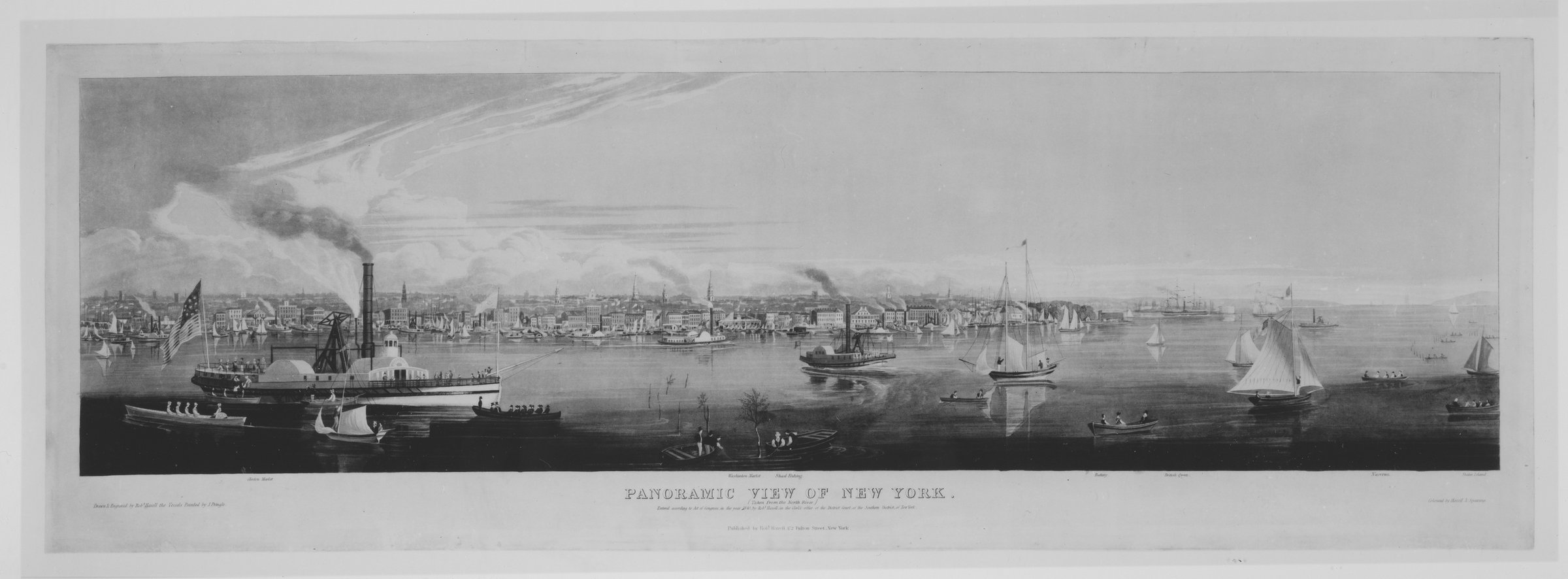
“Step back to 1840 and witness New York City's vibrant waterfront from the Hudson River. This hand-colored etching offers a detailed, bustling panorama of the growing metropolis, alive with ships and emerging architecture.”
This expansive panoramic etching captures New York City in 1840, viewed from the North River, now known as the Hudson. The city stretches across the horizon, a burgeoning metropolis of spires and docks, all rendered with meticulous detail. In the foreground, the river teems with activity: sailboats glide across the water, their sails catching the light, while steamboats churn through the currents, their smokestacks puffing. The print is hand-colored, adding depth and vibrancy to the sky and water, making the distant city feel more immediate. It offers a glimpse into a pivotal moment in American history, when New York was rapidly transforming into a major port and urban center, still connected to the natural landscape that surrounds it. This work, created by William Havell, is a testament to the era's fascination with detailed topographical views, allowing viewers to immerse themselves in the bustling scene.
- Artist
- William Havell
- Date
- 1840
- Medium
- Hand-colored etching and aquatint; first state of two
- Location
- The Metropolitan Museum of Art
- Dimensions
- plate: 8 7/8 x 32 in. (22.5 x 81.3 cm) sheet: 11 1/4 x 33 1/2 in. (28.6 x 85.1 cm)
- Collection
- Drawings and Prints
- Credit line
- The Edward W. C. Arnold Collection of New York Prints, Maps and Pictures, Bequest of Edward W. C. Arnold, 1954
What to Notice
Five details hide in plain sight. Here’s where to look.
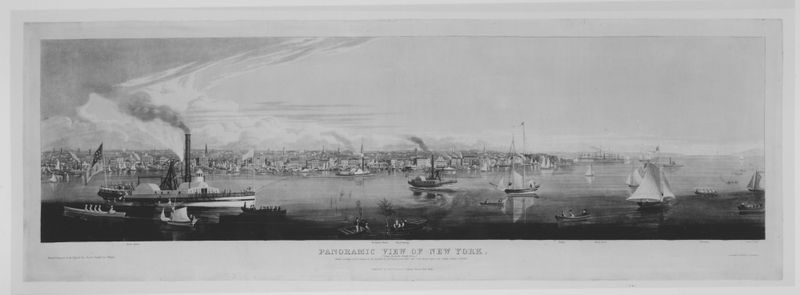
The numerous ships and boats filling the North River.
The dense cluster of buildings and church spires on the Manhattan skyline.
The subtle hand-coloring that highlights the sky and water.
The distant, low-lying hills on the New Jersey shore.
1 more detail is waiting.
See all 5 in Art Whisper →Stand in front of it and listen
The full narration walks you through Panoramic View of New York Taken from the North River — the story behind it, the details most visitors miss, and why it matters. Free in the Art Whisper app.
William Havell
1782–1857 · Kingdom of Great BritainWilliam Havell, a founding member of the Society of Painters in Watercolours, captured the dramatic landscapes of Wales and the Lake District before embarking on a global journey.
Further Works by Havell
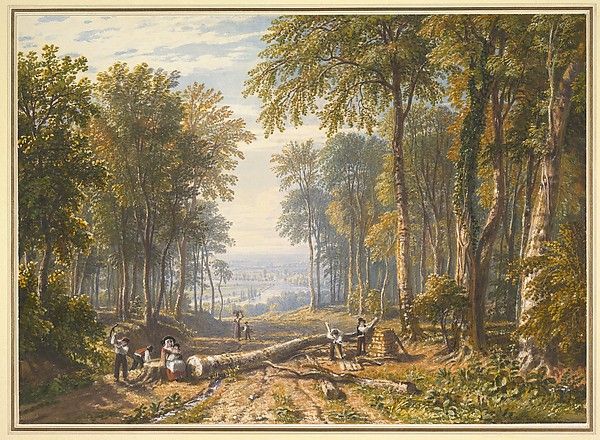 Woodcutters at Park Place, Henley, the River Thames Beyond
1821 · The Metropolitan Museum of Art
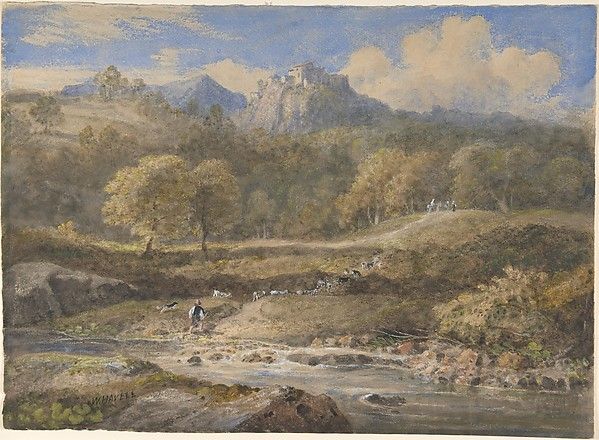 Licenza, near Rome: Horace's Villa
1828 · The Metropolitan Museum of Art
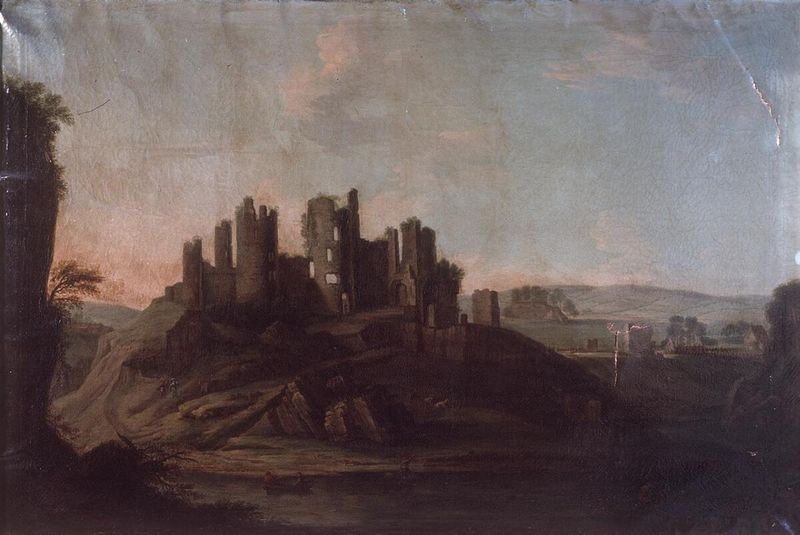 Cilgerran Castle
1805 · National Museum Cardiff
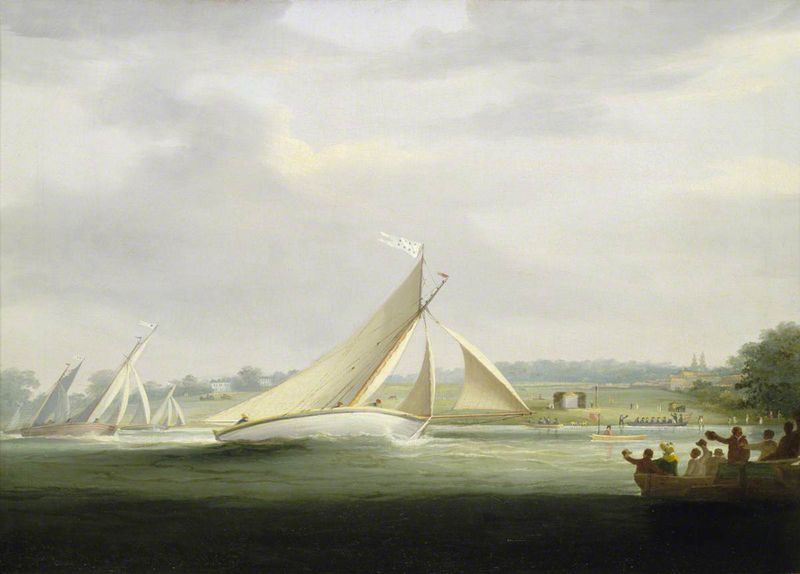 Yachts of the Cumberland Society Racing on the Thames, circa 1815
1815 · Royal Museums Greenwich
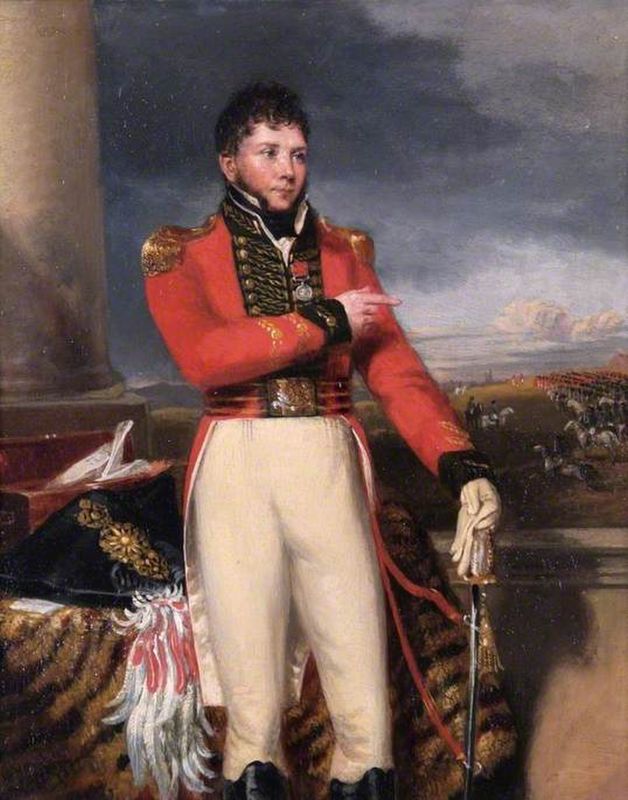 Indian Army Officer
1822 · Reading Museum
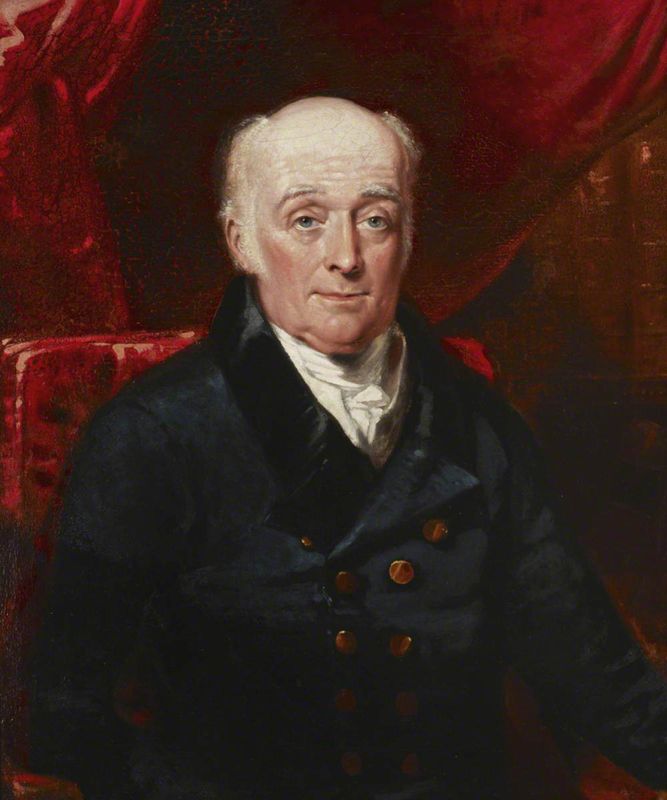 Lieutenant Colonel William Lambton (1756–1823)
1822 · Royal Asiatic Society of Great Britain and Ireland
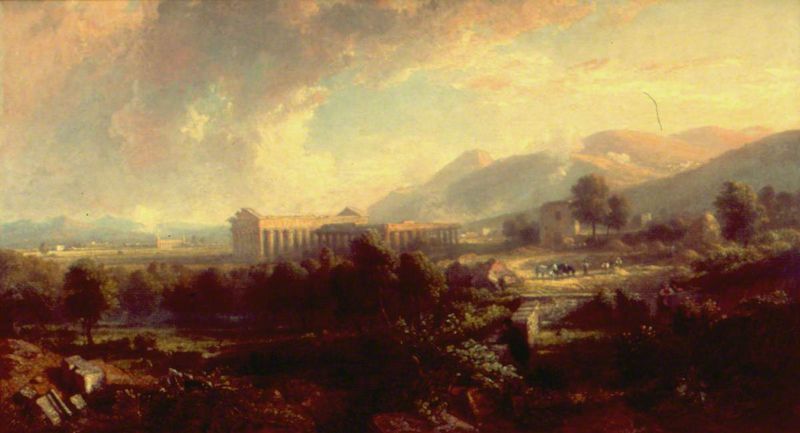 Temple of Paestum, Italy
1830 · Reading Museum
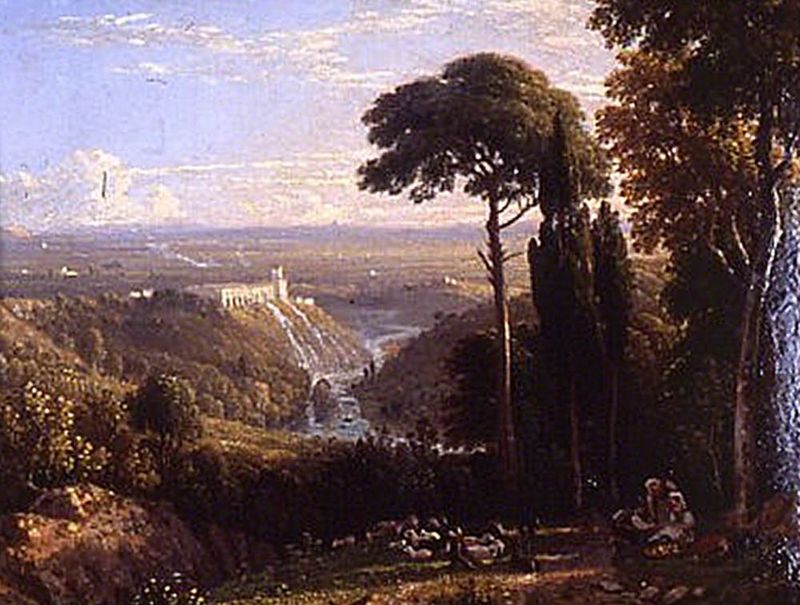 Tivoli, Italy
1830 · Reading Museum
More works to explore
Beyond Havell: works from the same years.
 Same era · 1820s–1850s
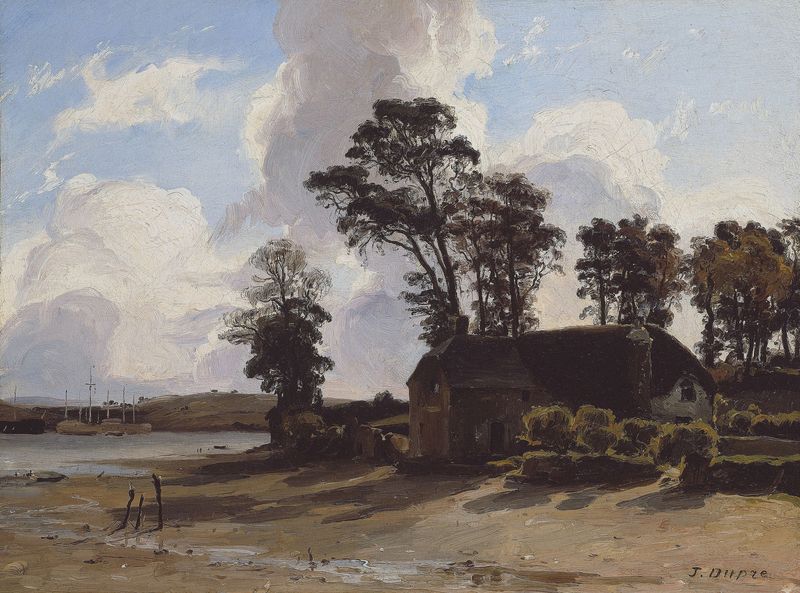
The Estuary Farm
Léon-Victor Dupré · 1831 · Art Institute of Chicago
 Same era · 1820s–1850s
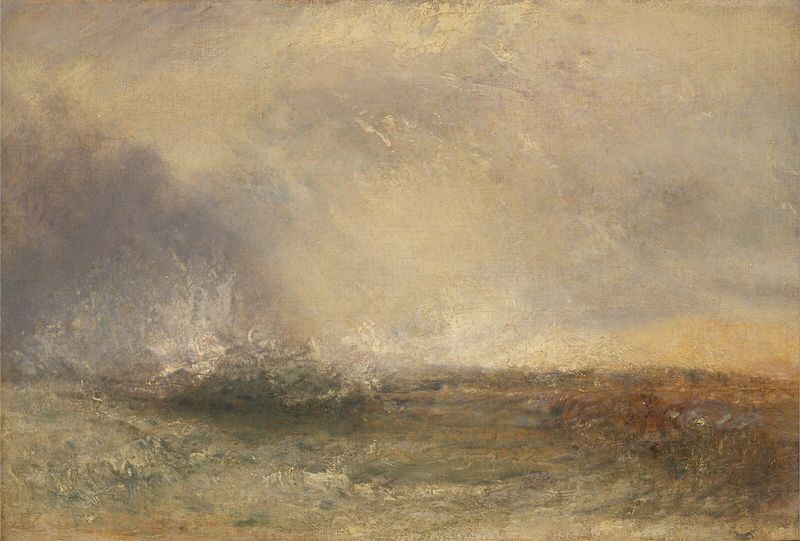
Stormy Sea Breaking on a Shore
J. M. W. Turner · 1840 · Yale Center for British Art
 Same era · 1820s–1850s
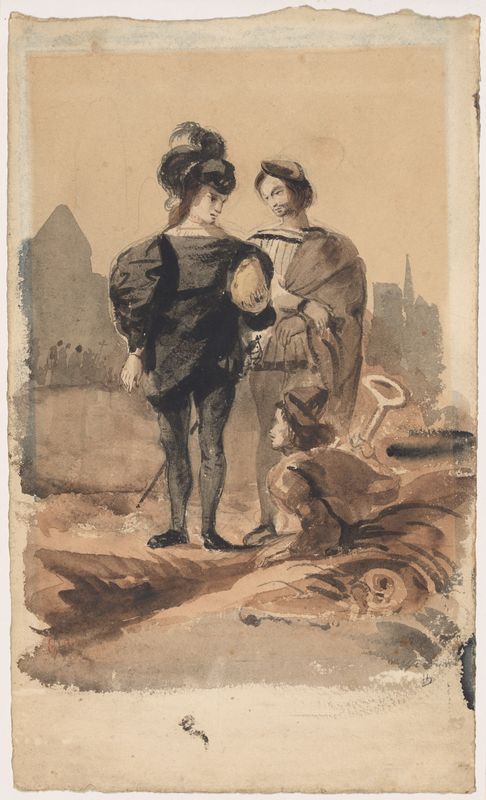
Hamlet and Horatio in the Graveyard
Eugène Delacroix · 1839 · Department of Paintings of the Louvre
 Same era · 1820s–1850s
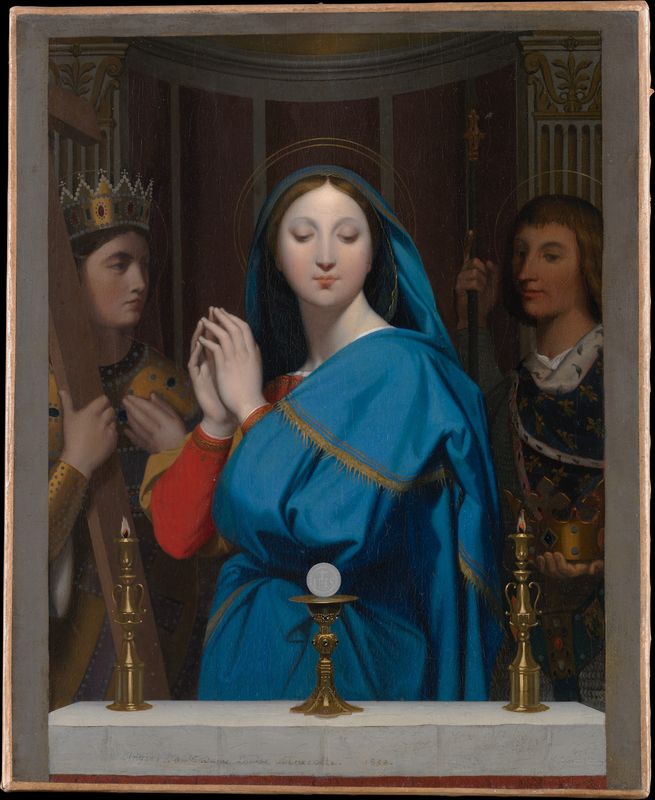
The Virgin Adoring the Host
Jean-Auguste-Dominique Ingres · 1841 · Pushkin Museum of Fine Arts
 Same era · 1820s–1850s
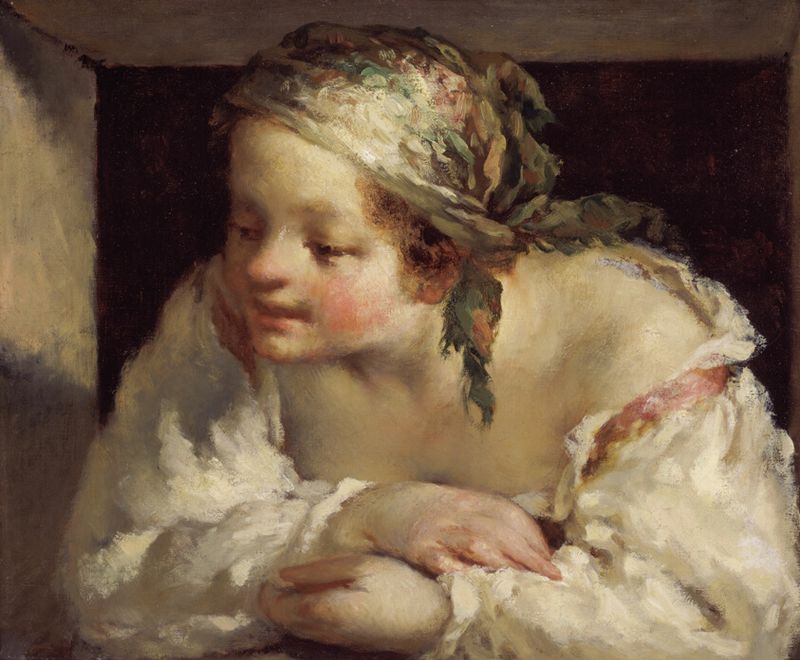
Young Woman
Jean-François Millet · 1844 · Art Institute of Chicago
 Same era · 1820s–1850s
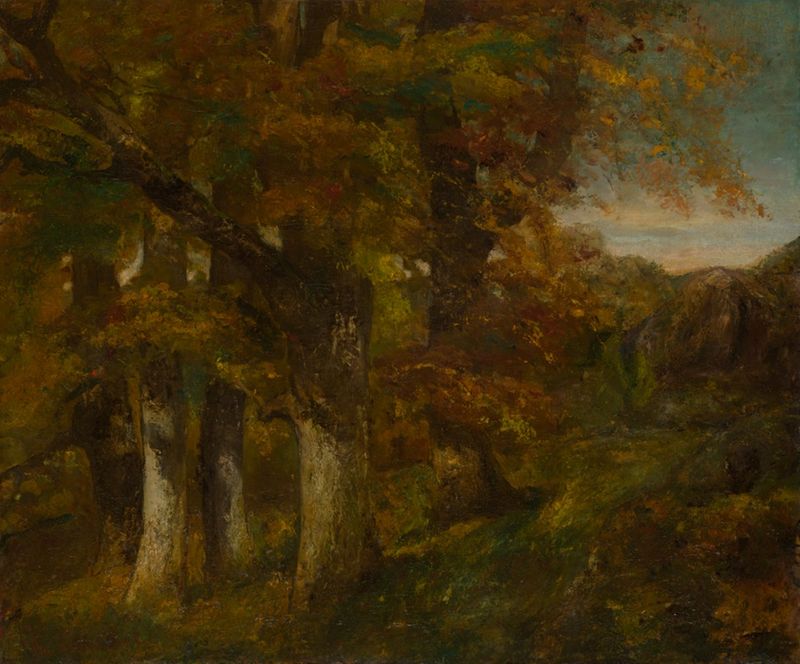
Wooded Landscape
Gustave Courbet · 1848 · Art Institute of Chicago
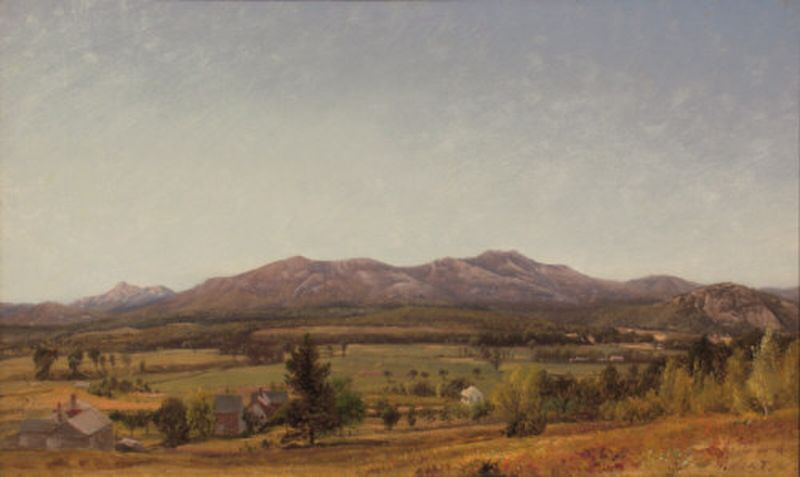 Same era · 1820s–1850s
Mount Chocorua and Moat Mountain from North Conway
William Hart · 1850
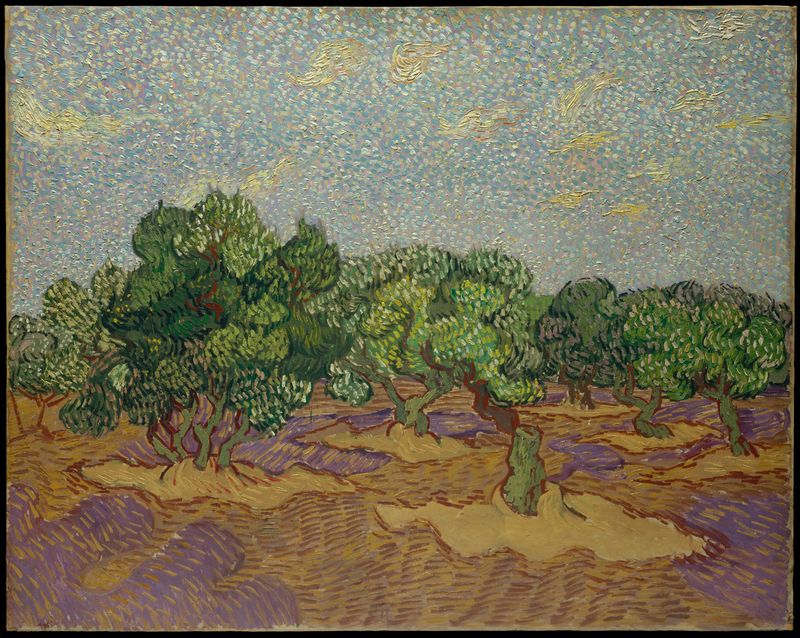 Same era · 1820s–1850s
Olive Trees
Vincent van Gogh · 1853 · The Metropolitan Museum of Art
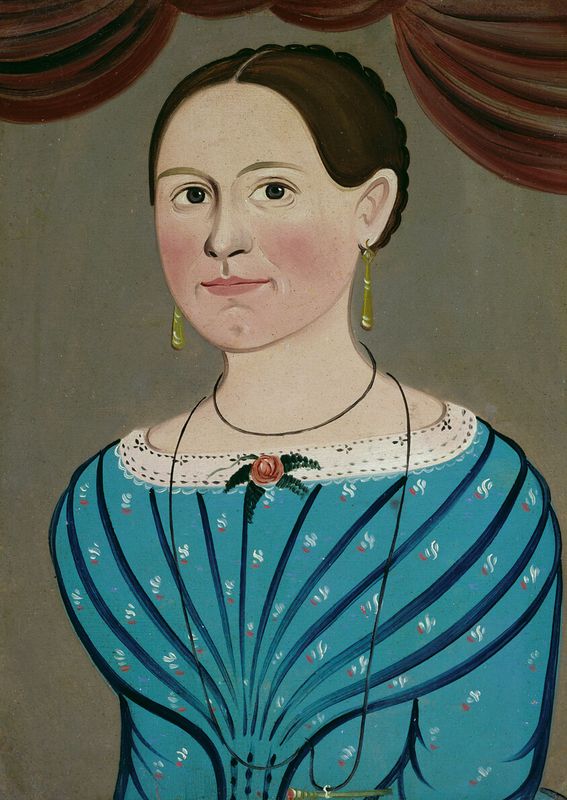 Same era · 1820s–1850s
Woman in a Blue Dress
School of William Matthew Prior · 1840 · Art Institute of Chicago
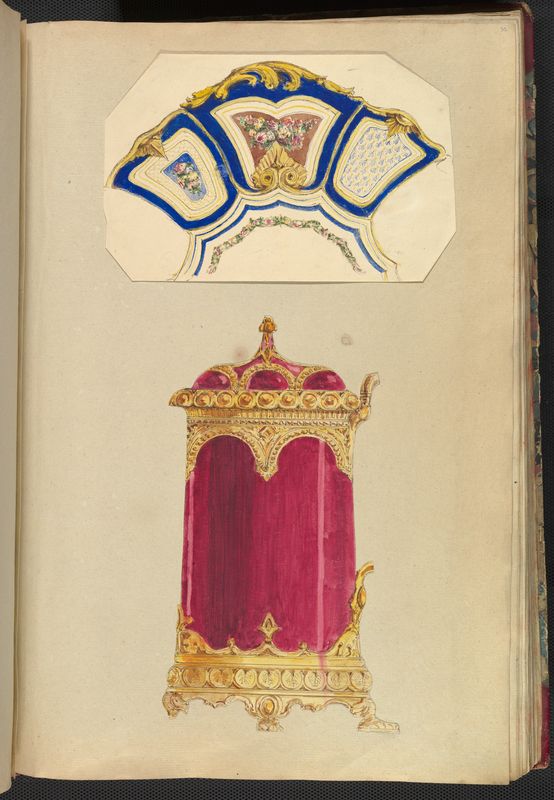 Same era · 1820s–1850s
Designs for a Decorated Dish, or Platter, and a Biscuit Barrel
Alfred Henry Forrester [Alfred Crowquill] · 1845 · The Metropolitan Museum of Art
 Same era · 1820s–1850s
Mr. James Mackie
Samuel Alcock & Company · 1830 · Art Institute of Chicago
 Same era · 1820s–1850s
The Captive Slave (Ira Aldridge)
John Philip Simpson · 1827 · Art Institute of Chicago