
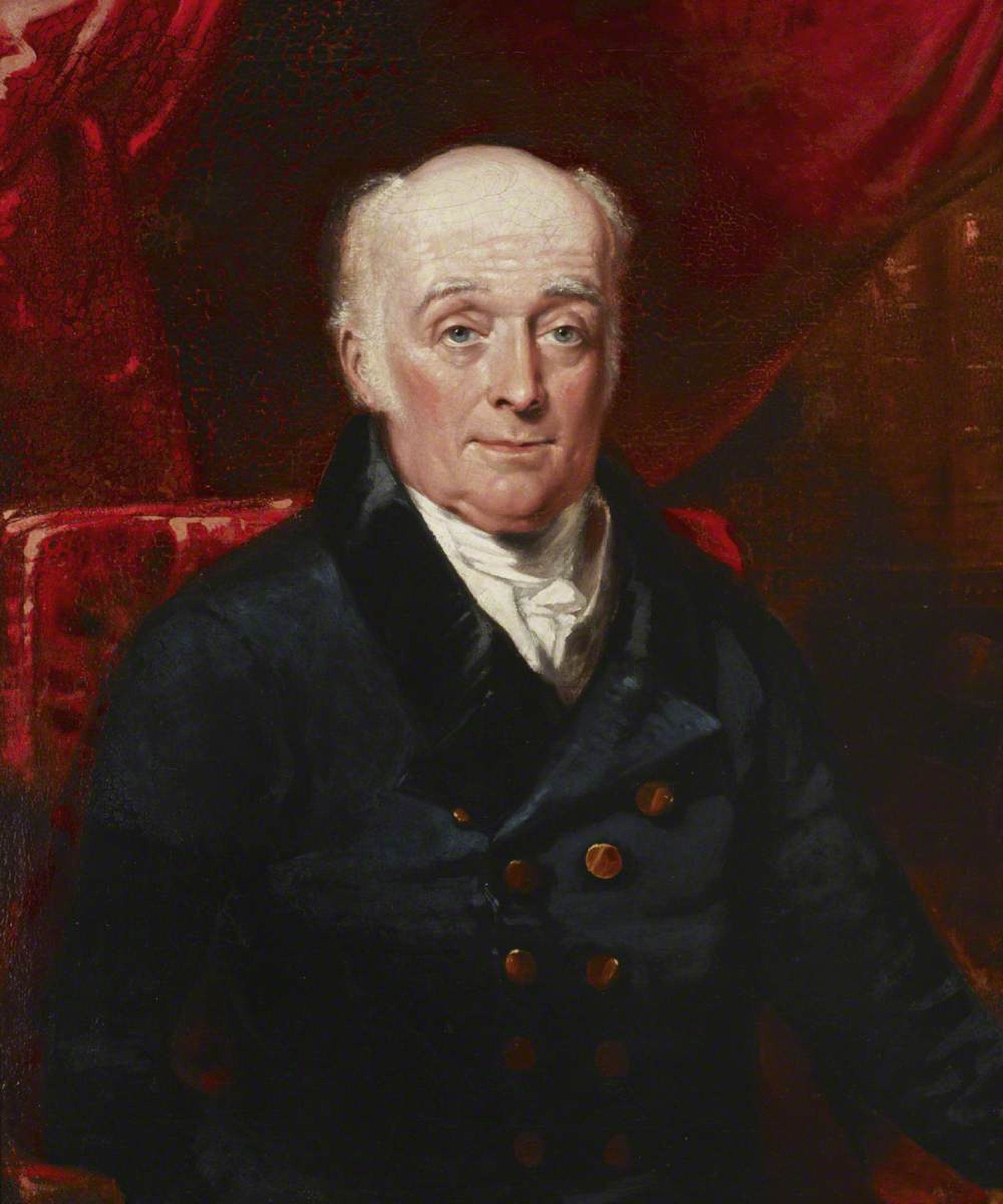
“This portrait captures Lieutenant Colonel William Lambton, a key figure in the Great Trigonometrical Survey of India, with a directness and detail that brings his historical presence to life.”
Lieutenant Colonel William Lambton stands before us, a figure of quiet authority painted in 1822 by William Havell. He is depicted in a dark uniform, his gaze steady, suggesting a man of experience and resolve. The subtle play of light on his face and the crisp detailing of his military attire anchor him firmly in the canvas. This is a work that captures a specific moment in time for a notable individual, reflecting the demand for portraiture among the British elite during the early 19th century. Lambton himself was a significant figure, known for his work in the Great Trigonometrical Survey of India, which mapped the subcontinent with unprecedented accuracy. The painting serves as a visual record of his presence, rendered with a directness that makes him feel almost contemporary.
- Artist
- William Havell
- Date
- 1822
- Medium
- Oil on canvas
- Location
- Royal Asiatic Society of Great Britain and Ireland
What to Notice
Four details hide in plain sight. Here’s where to look.
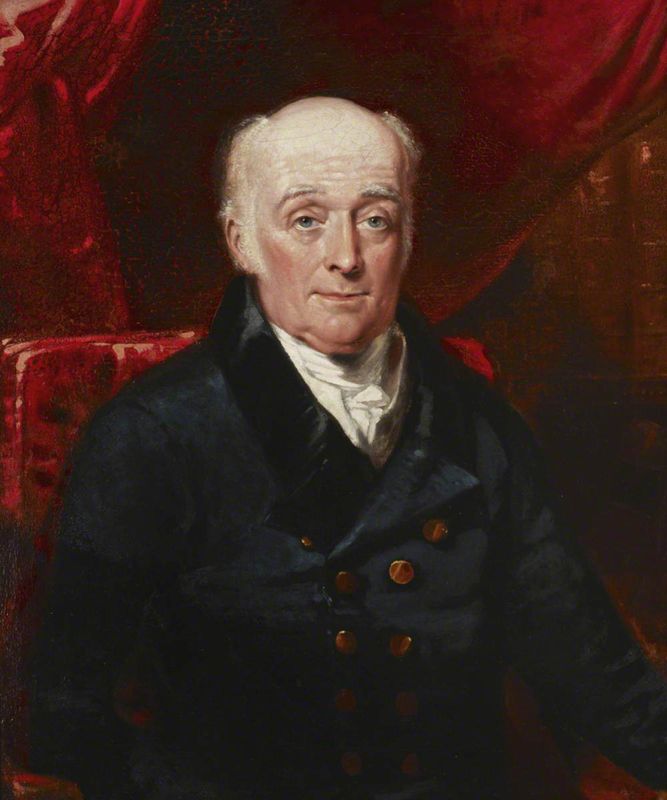
The subtle highlights on the gold braid and buttons of his uniform.
The way light defines the contours of his face, particularly around his eyes.
The precise rendering of his dark, curly hair and sideburns.
The dark, almost monochromatic background, focusing attention on the sitter.
Stand in front of it and listen
The full narration walks you through Lieutenant Colonel William Lambton (1756–1823) — the story behind it, the details most visitors miss, and why it matters. Free in the Art Whisper app.
William Havell
1782–1857 · Kingdom of Great BritainWilliam Havell, a founding member of the Society of Painters in Watercolours, captured the dramatic landscapes of Wales and the Lake District before embarking on a global journey.
Further Works by Havell
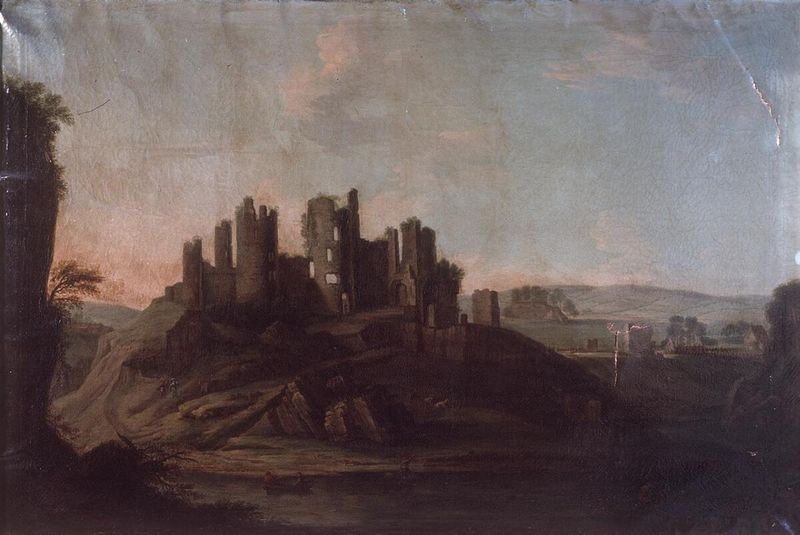 Cilgerran Castle
1805 · National Museum Cardiff
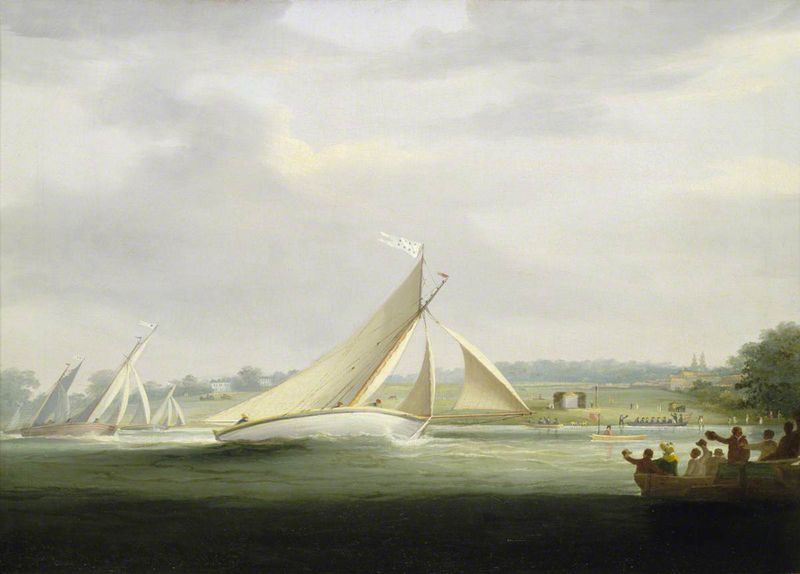 Yachts of the Cumberland Society Racing on the Thames, circa 1815
1815 · Royal Museums Greenwich
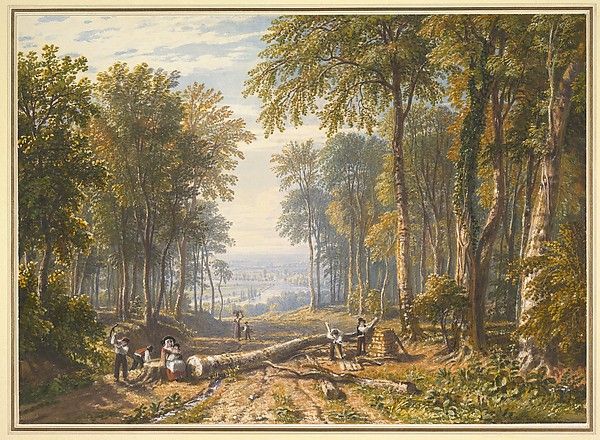 Woodcutters at Park Place, Henley, the River Thames Beyond
1821 · The Metropolitan Museum of Art
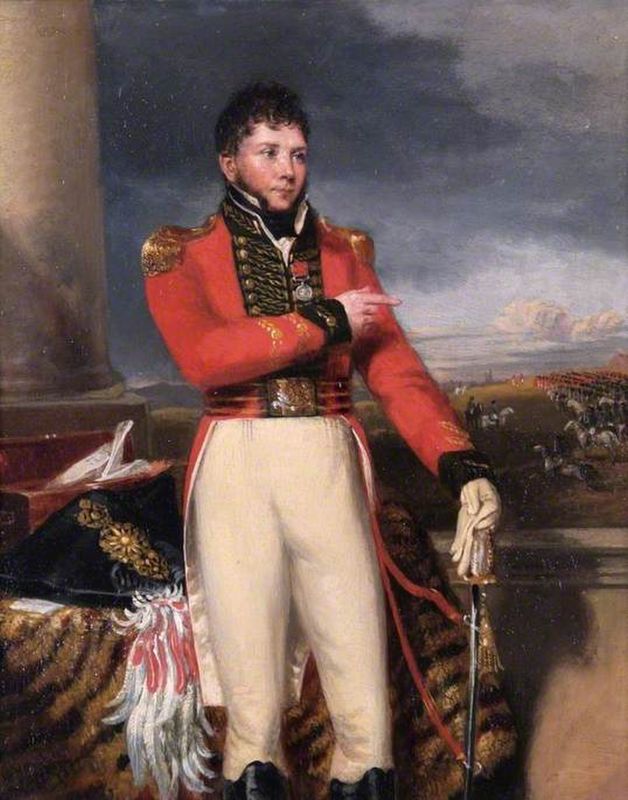 Indian Army Officer
1822 · Reading Museum
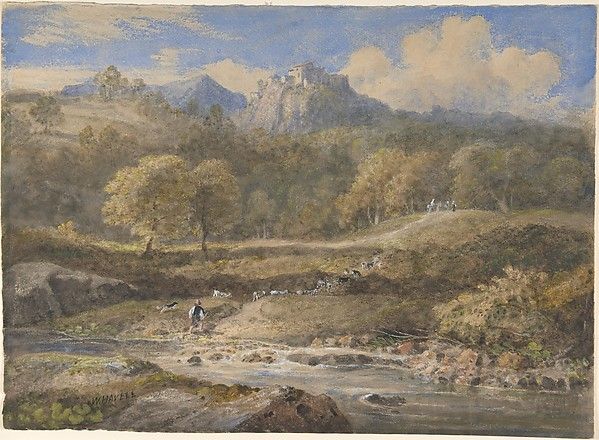 Licenza, near Rome: Horace's Villa
1828 · The Metropolitan Museum of Art
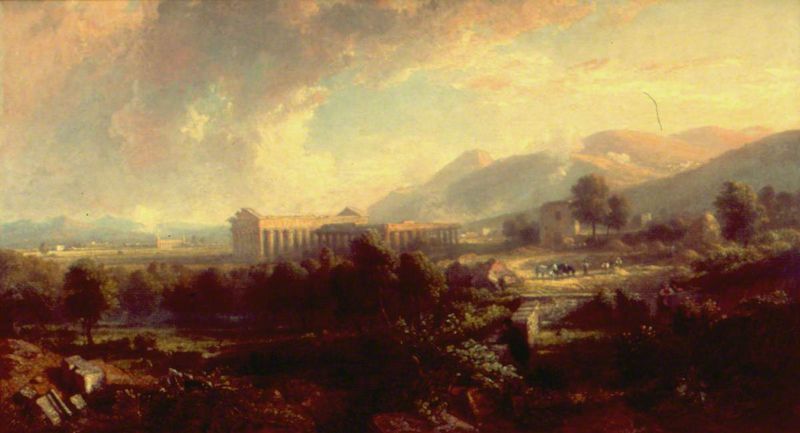 Temple of Paestum, Italy
1830 · Reading Museum
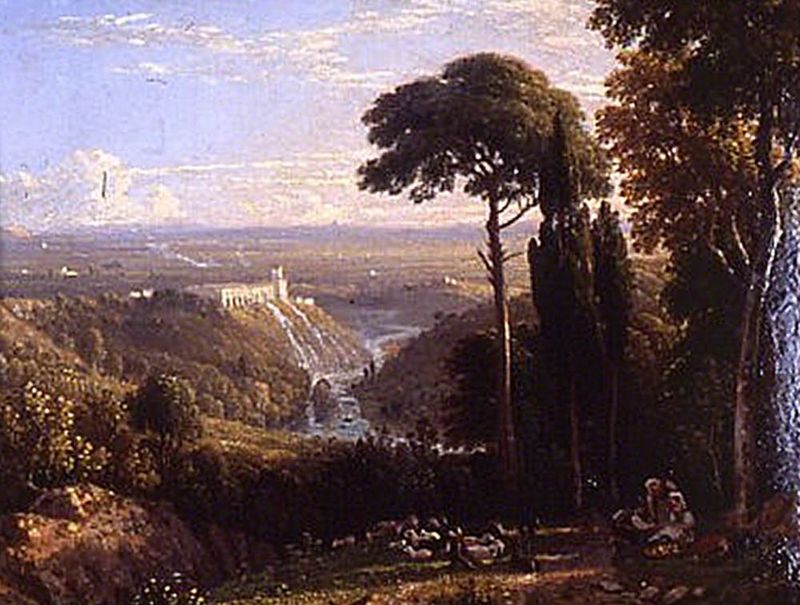 Tivoli, Italy
1830 · Reading Museum
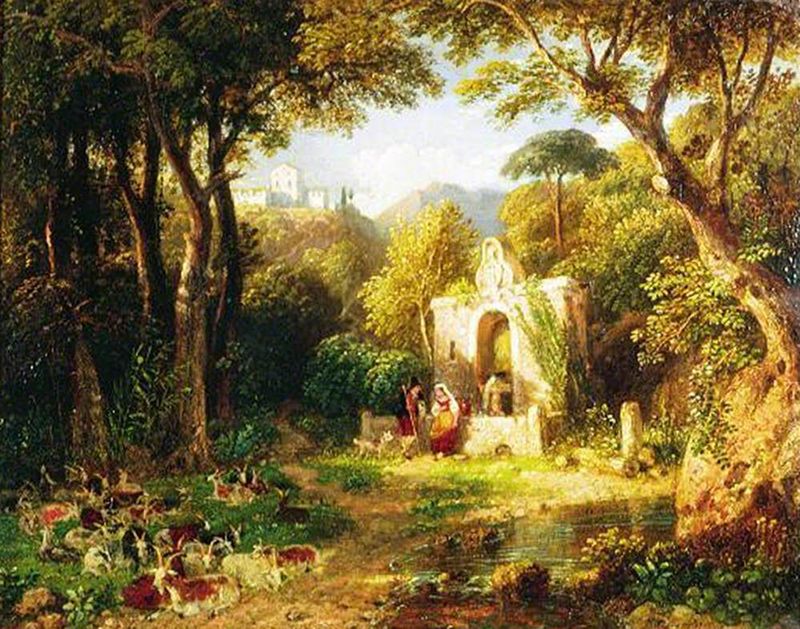 Figures at an Arcadian Fountain (Fountain of Egeria)
1840 · Reading Museum
More works to explore
Beyond Havell: works from the same years.
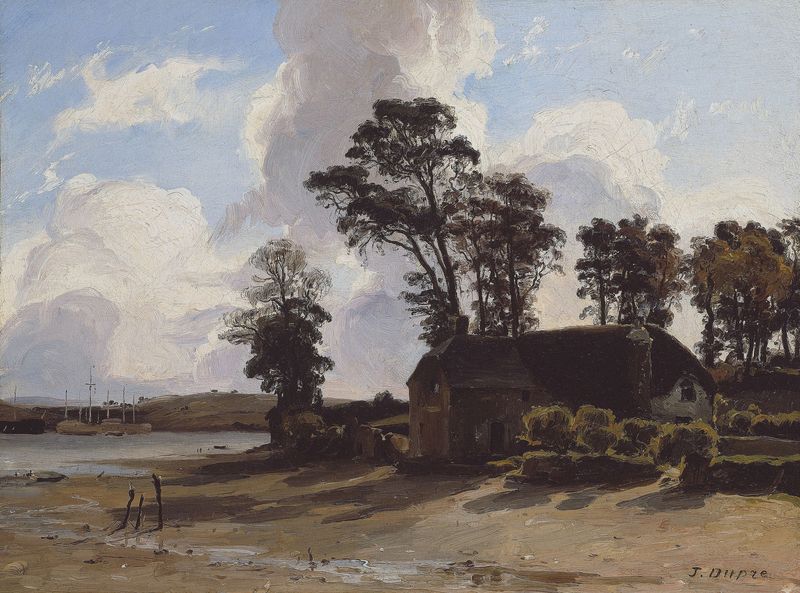 Same era · 1800s–1830s
The Estuary Farm
Léon-Victor Dupré · 1831 · Art Institute of Chicago
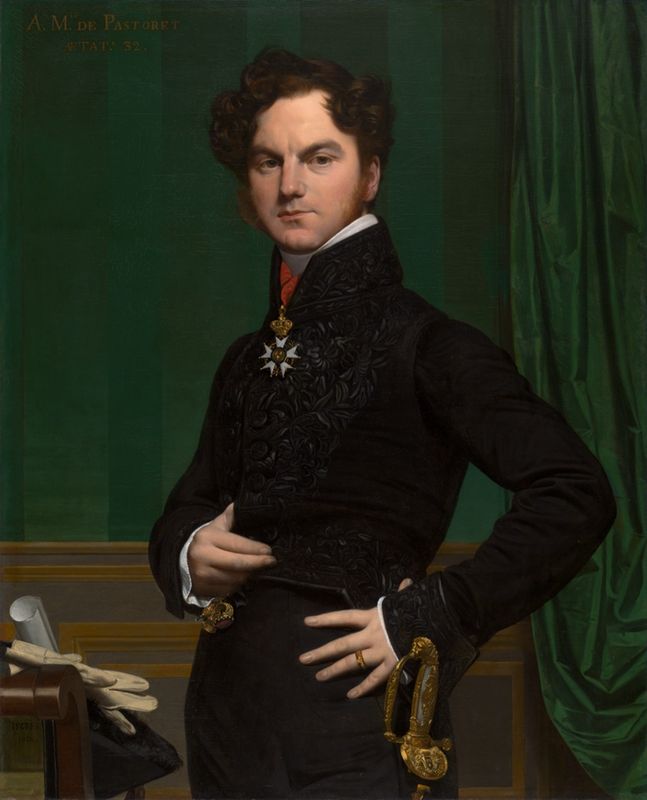 Same era · 1800s–1830s
Amédée-David, the Comte de Pastoret
Jean-Auguste-Dominique Ingres · 1823 · Art Institute of Chicago
 Same era · 1800s–1830s
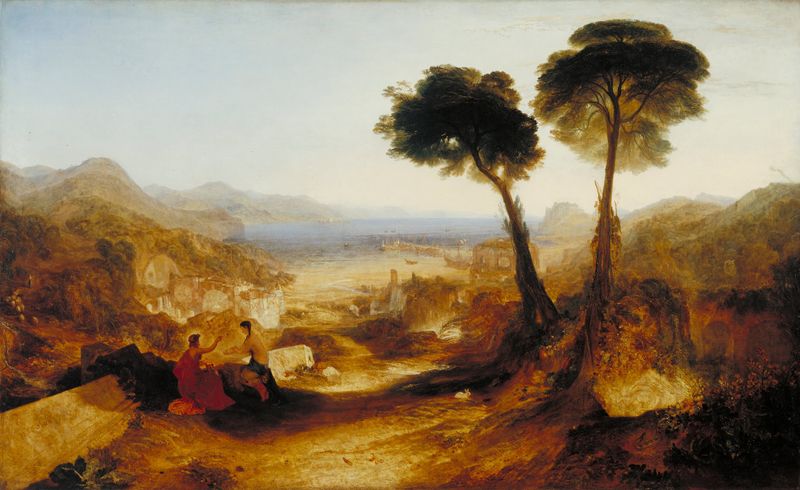
The Bay of Baiae, with Apollo and the Sibyl
J. M. W. Turner · 1823 · National Gallery
 Same era · 1800s–1830s
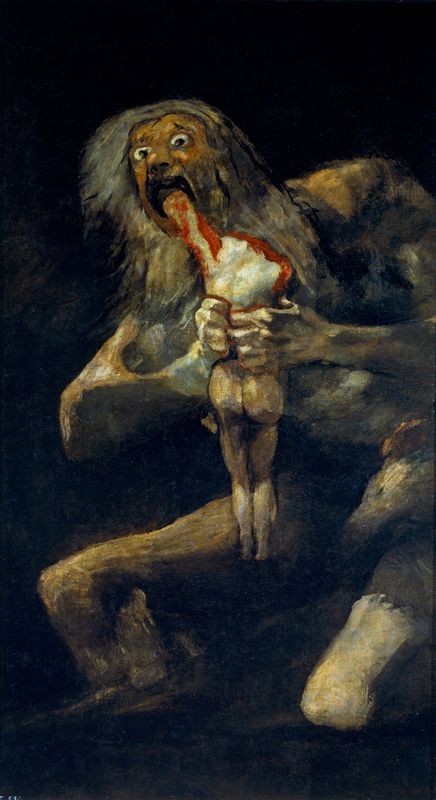
Saturn Devouring His Son
Francisco Goya · 1820 · Museo del Prado
 Same era · 1800s–1830s
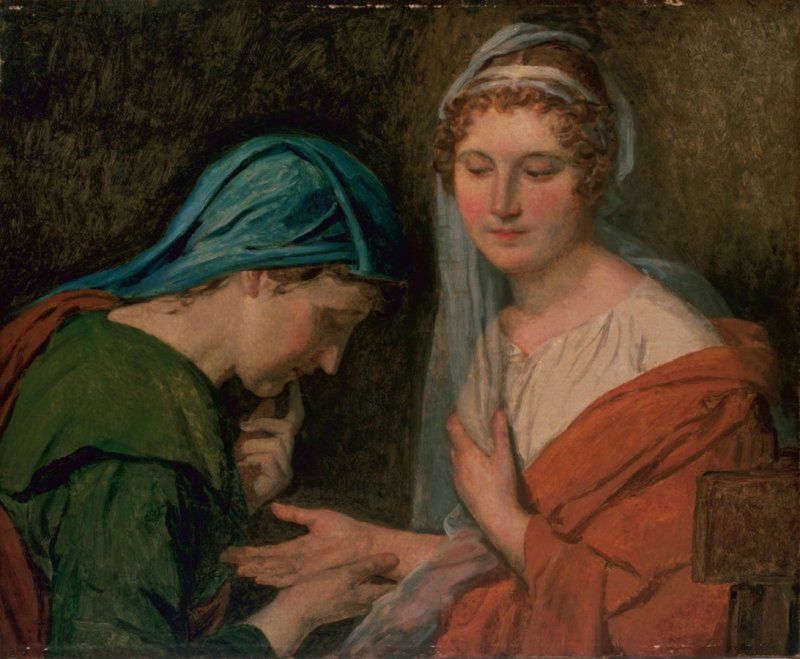
The Fortune Teller (La Bonne Aventure)
Jacques-Louis David · 1824 · Fine Arts Museums of San Francisco
 Same era · 1800s–1830s
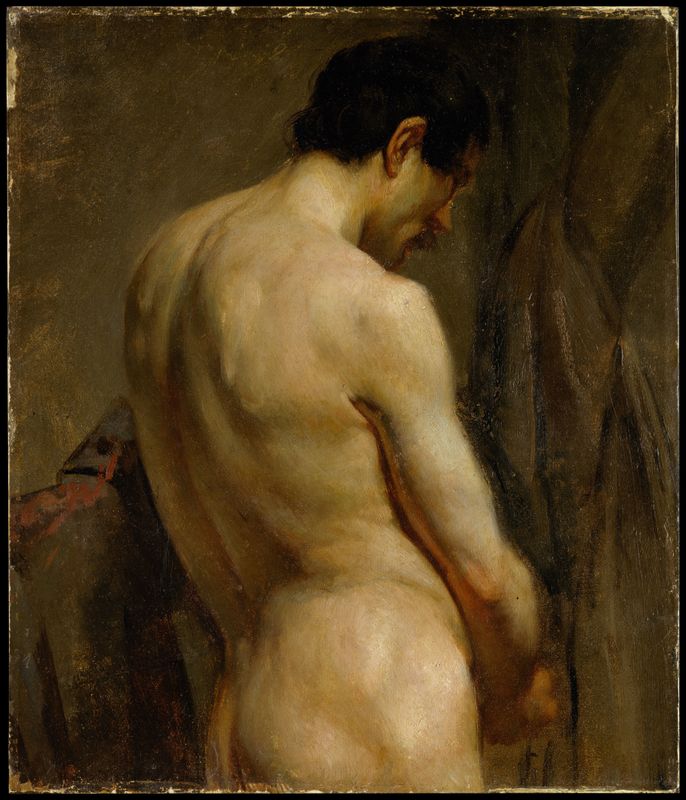
Male Academy Figure: Half-Length, Side View
Eugène Delacroix · 1819 · Karen B. Cohen Collection
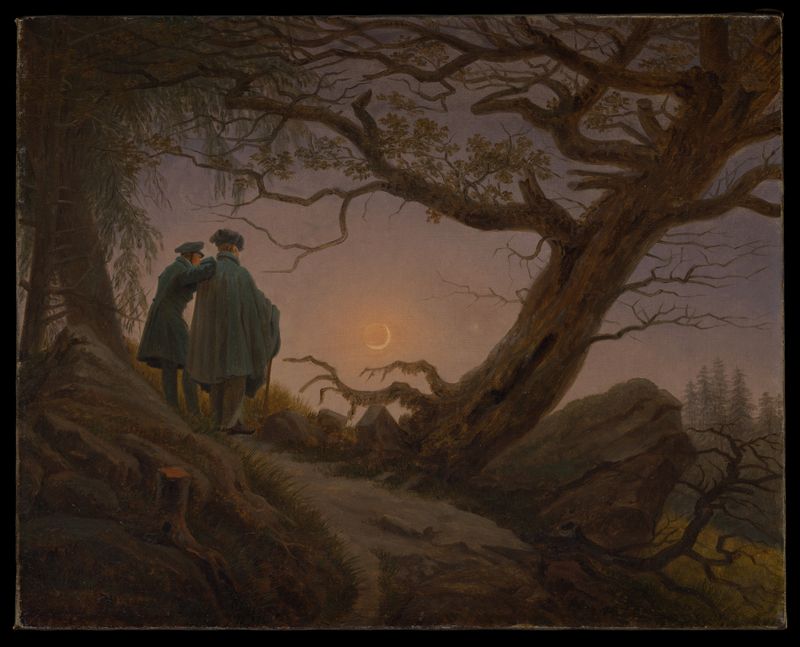 Same era · 1800s–1830s
Two Men Contemplating the Moon
Caspar David Friedrich · 1819 · Staatliche Kunstsammlungen Dresden
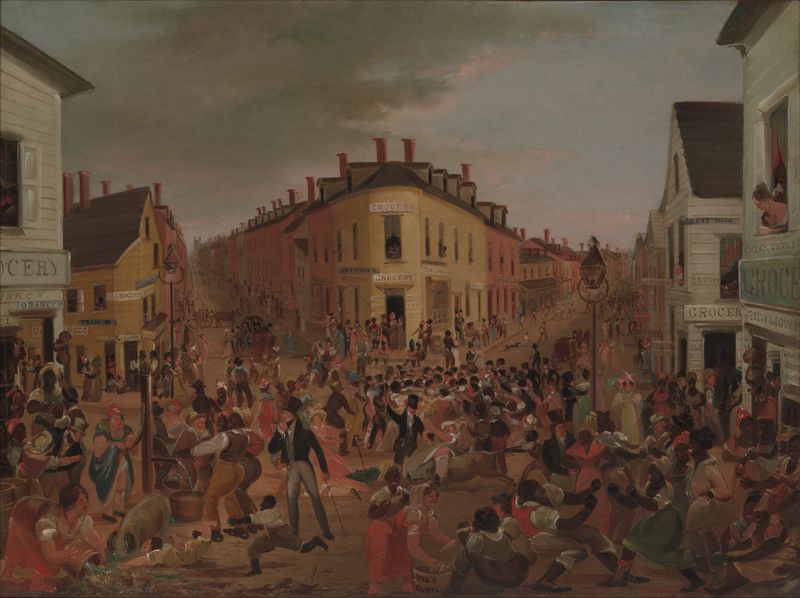 Same era · 1800s–1830s
The Five Points
Artist Unknown - The Mercat Cross, Aberdeen · 1822 · The Metropolitan Museum of Art
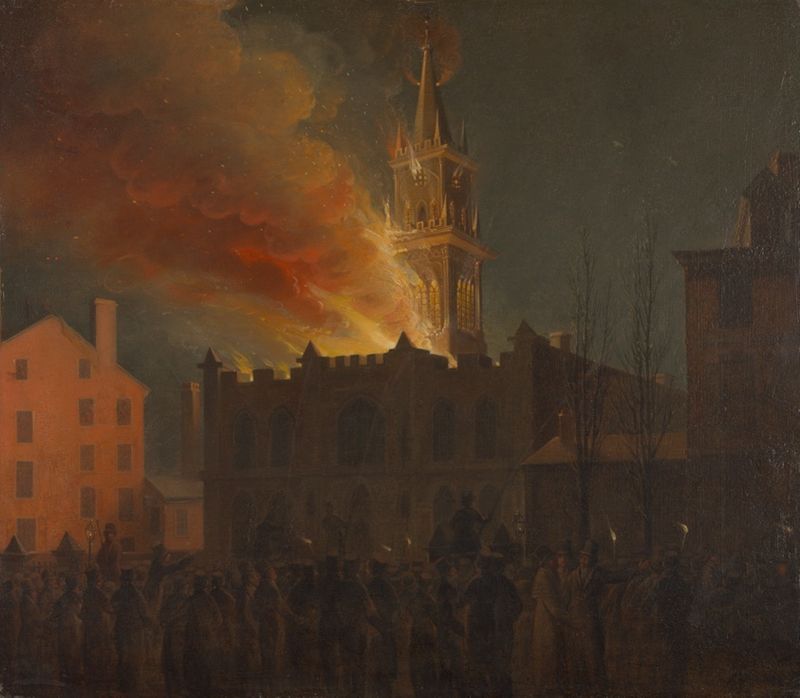 Same era · 1800s–1830s
Conflagration of the Masonic Hall, Chestnut Street, Philadelphia, Pennsylvania
Samuel Jones · 1819 · Art Institute of Chicago
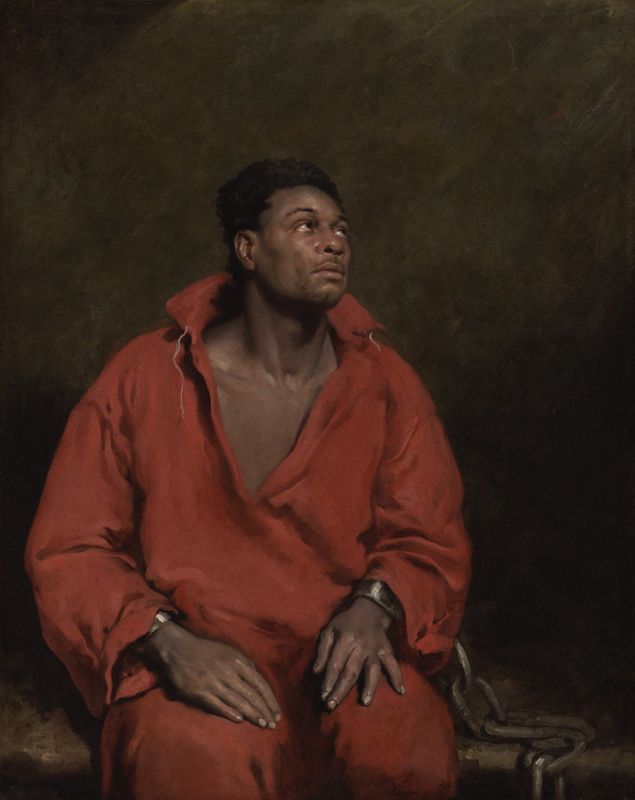 Same era · 1800s–1830s
The Captive Slave (Ira Aldridge)
John Philip Simpson · 1827 · Art Institute of Chicago
 Same era · 1800s–1830s
Mr. James Mackie
Samuel Alcock & Company · 1830 · Art Institute of Chicago
 Same era · 1800s–1830s
Ekim Lazarev
Vasily Andreevich Tropinin · 1822 · National Gallery of Armenia