01
Hilltop villa and falls
Find the pale columned building on the ridge at left, where a white cascade drops down the slope below it. The title points to Tivoli, and this is the focal landmark of the view.
1 of 4 on the painting
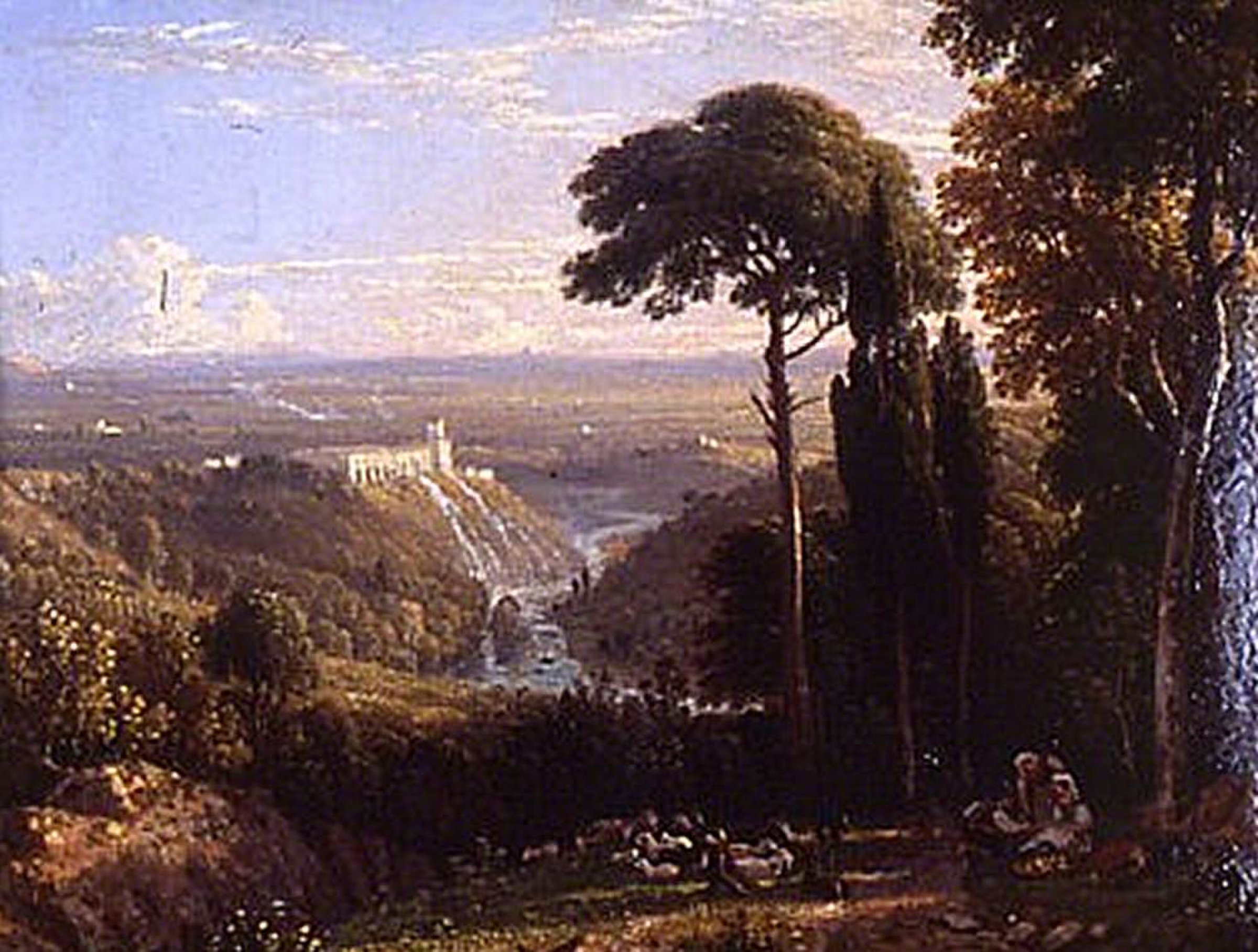
“Stop and take in this sweeping view of Tivoli, Italy, painted by William Havell in 1830. It's a classic example of a 19th-century landscape, capturing both the natural drama and historical resonance of a beloved Italian site.”
In this expansive oil painting, William Havell captures the dramatic landscape of Tivoli, Italy, a popular destination for artists and Grand Tourists in the 19th century. The view unfolds with a rugged, sun-drenched valley, hinting at the ancient history and natural beauty that drew visitors to this Roman hill town. Havell, who traveled to Italy in 1827, would have been intimately familiar with these vistas, translating the grandeur of the Italian countryside onto his canvas. The scene is not just a topographical record; it evokes a sense of timelessness and the sublime, a characteristic often sought by landscape painters of the era. The soft, luminous light suggests a particular time of day, perhaps late afternoon, casting long shadows and highlighting the textures of the terrain and the distant architecture.
Five details hide in plain sight. Pick one and we’ll show you exactly where to look.
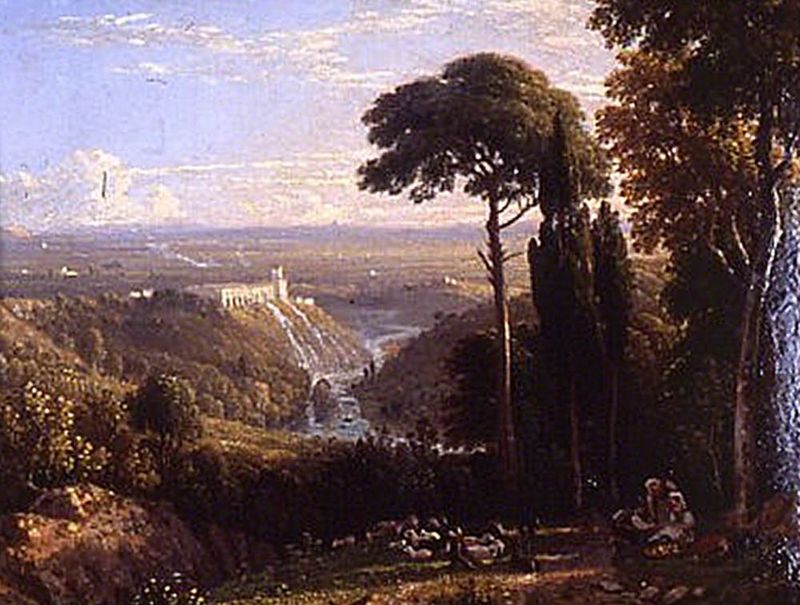
Find the pale columned building on the ridge at left, where a white cascade drops down the slope below it. The title points to Tivoli, and this is the focal landmark of the view.
The tall pine and slim cypresses on the right act like a stage curtain. Their dark mass pushes your eye left toward the bright valley.
A thin ribbon of water flashes between the hills below the falls, then disappears into the plain. It pulls your eye from the dark foreground into the distance.
Tucked in the shade at lower right, a small group sits near the tree trunk. They give the huge view a human scale and a quiet, unhurried mood.
Golden browns and deep greens fill the near ground, while the far plain melts into blue haze. The color shift makes the valley feel miles deep.
The full narration walks you through Tivoli, Italy — the story behind it, the details most visitors miss, and why it matters. Free in the Art Whisper app.
William Havell, a founding member of the Society of Painters in Watercolours, captured the dramatic landscapes of Wales and the Lake District before embarking on a global journey.
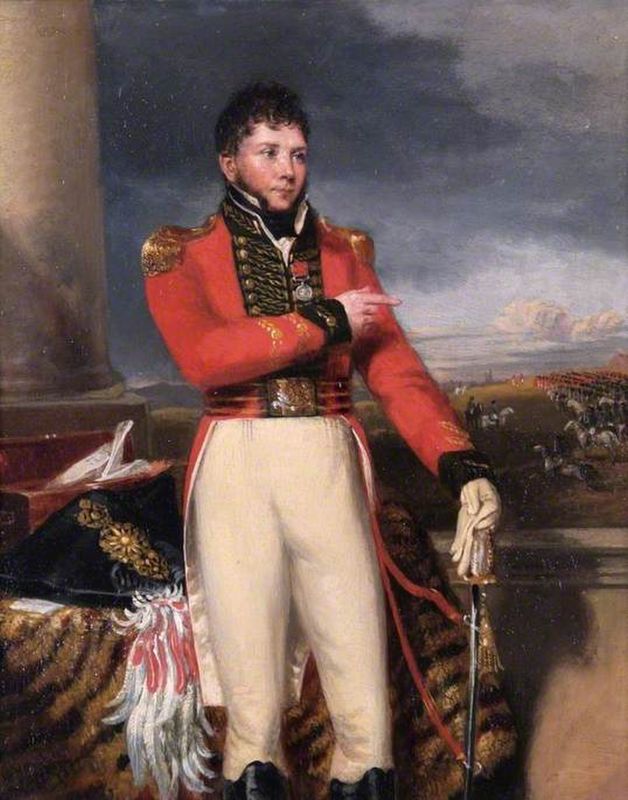 Indian Army Officer
1822 · Reading Museum
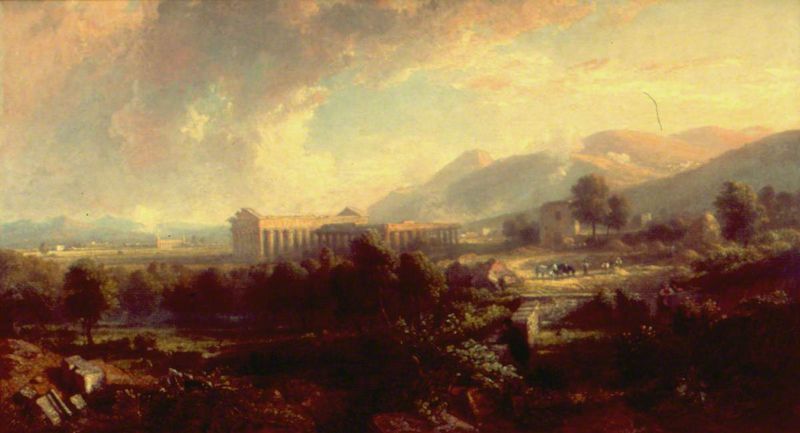 Temple of Paestum, Italy
1830 · Reading Museum
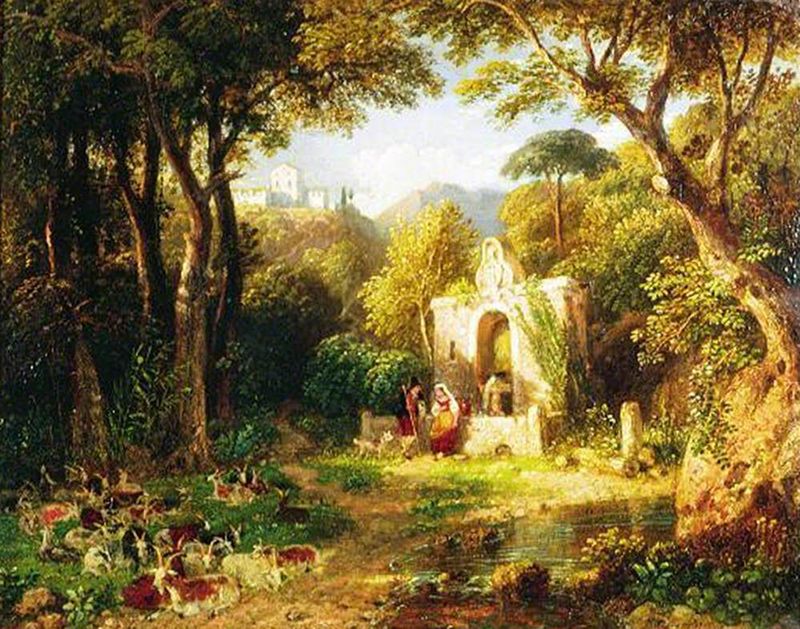 Figures at an Arcadian Fountain (Fountain of Egeria)
1840 · Reading Museum
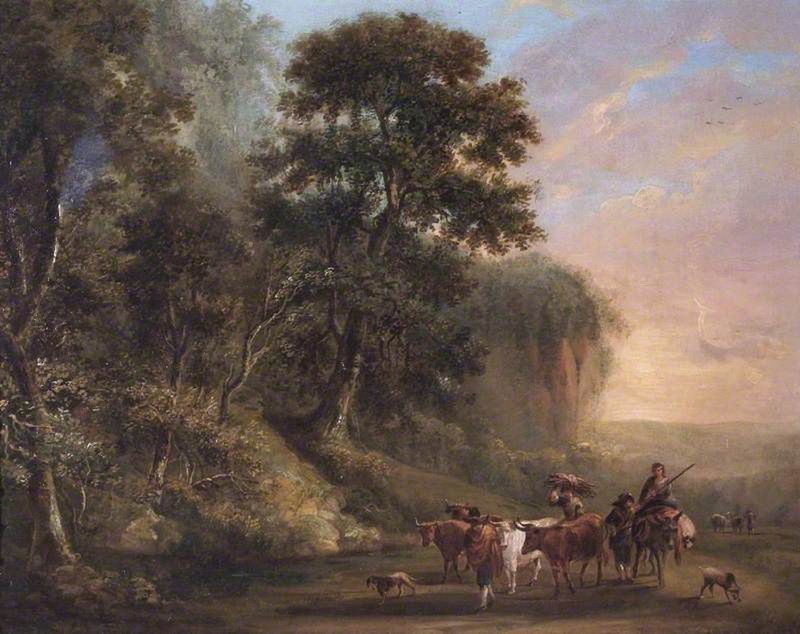 Landscape with Peasants and Cattle
Reading Museum
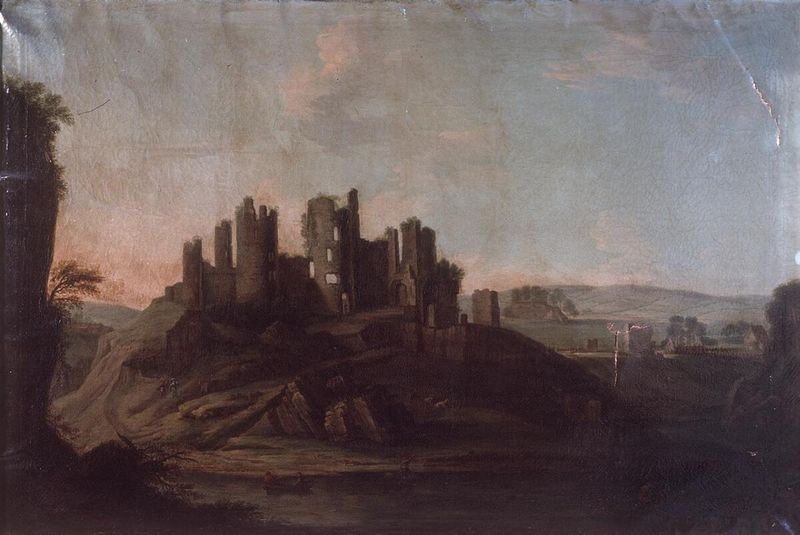 Cilgerran Castle
1805 · National Museum Cardiff
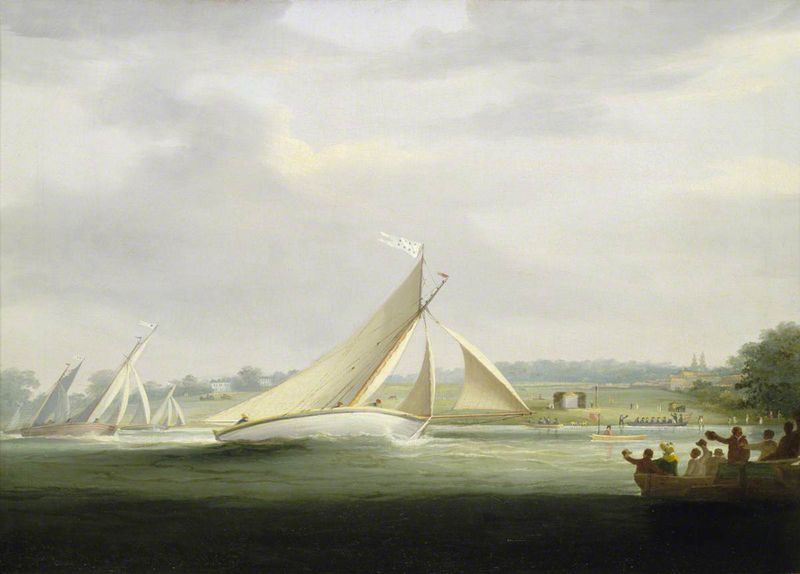 Yachts of the Cumberland Society Racing on the Thames, circa 1815
1815 · Royal Museums Greenwich
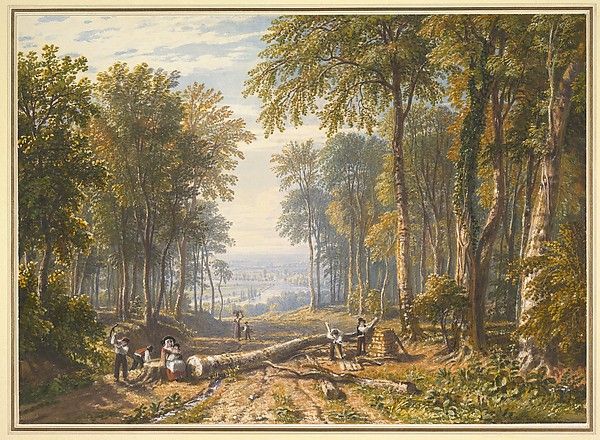 Woodcutters at Park Place, Henley, the River Thames Beyond
1821 · The Metropolitan Museum of Art
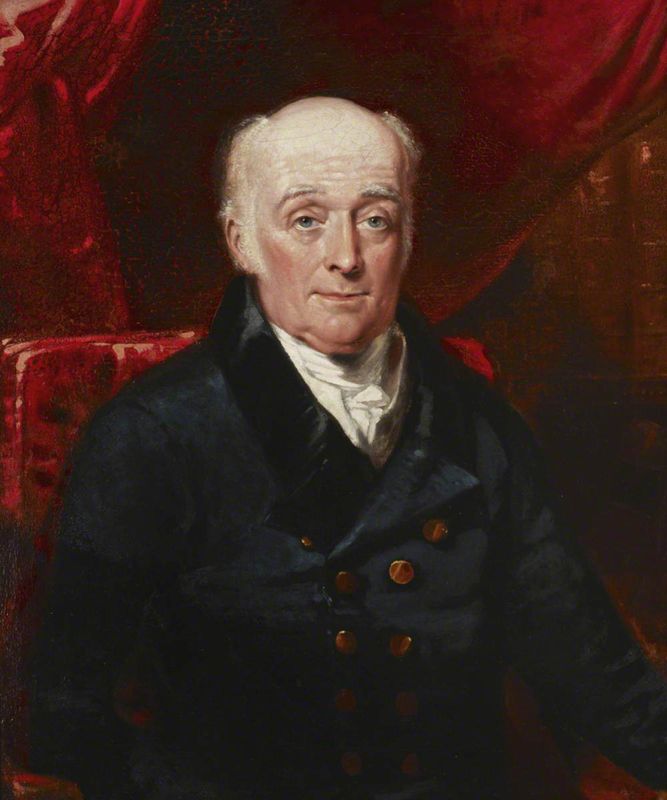 Lieutenant Colonel William Lambton (1756–1823)
1822 · Royal Asiatic Society of Great Britain and Ireland
Beyond Havell: works from the same years.
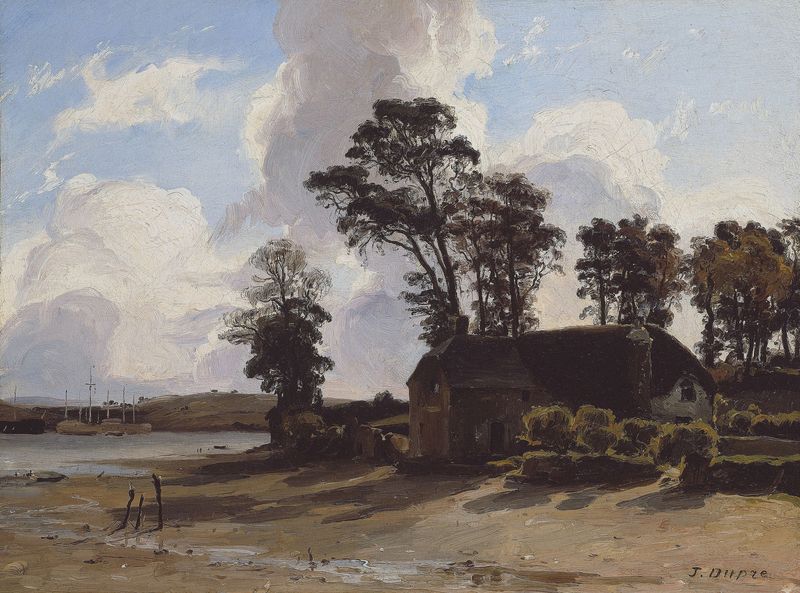 Same era · 1810s–1840s
The Estuary Farm
Léon-Victor Dupré · 1831 · Art Institute of Chicago
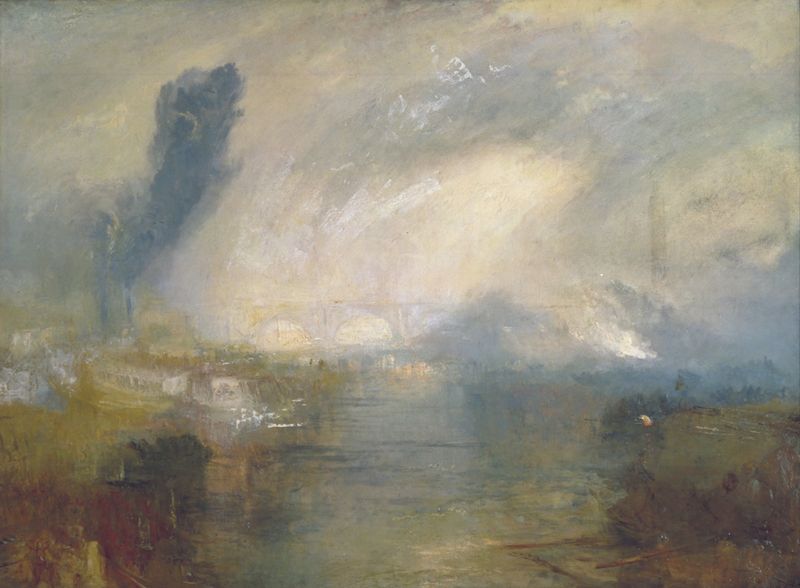 Same era · 1810s–1840s
The Thames above Waterloo Bridge
J. M. W. Turner · 1830 · National Gallery
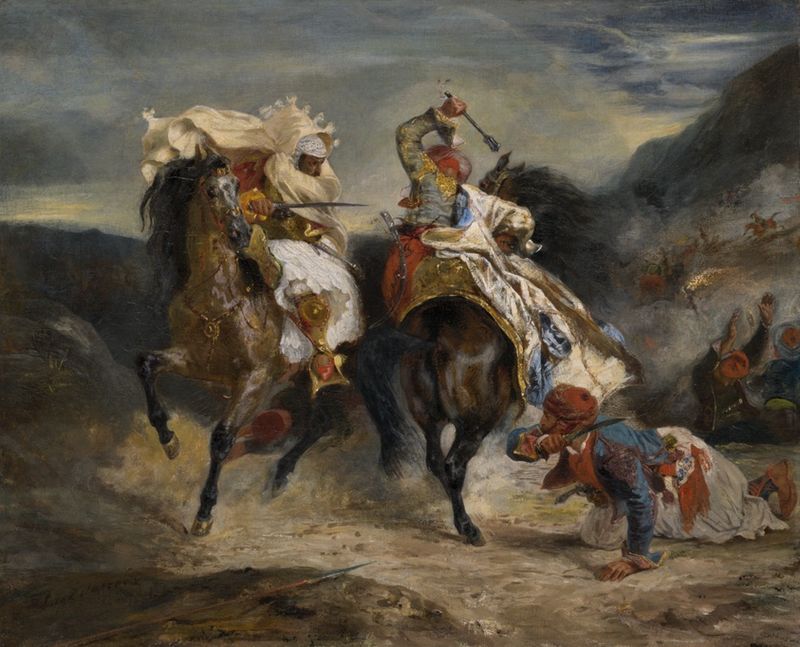 Same era · 1810s–1840s
The Combat of the Giaour and Hassan
Eugène Delacroix · 1826 · Art Institute of Chicago
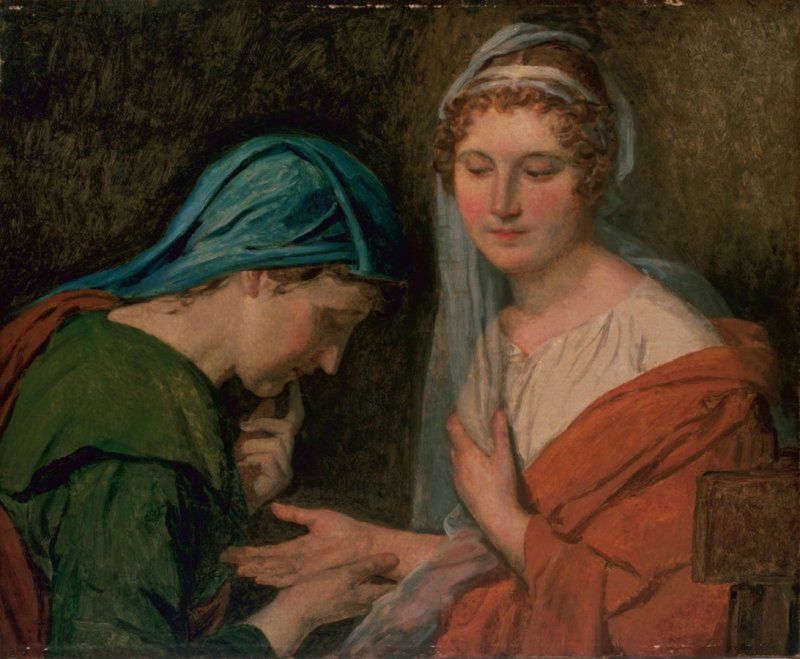 Same era · 1810s–1840s
The Fortune Teller (La Bonne Aventure)
Jacques-Louis David · 1824 · Fine Arts Museums of San Francisco
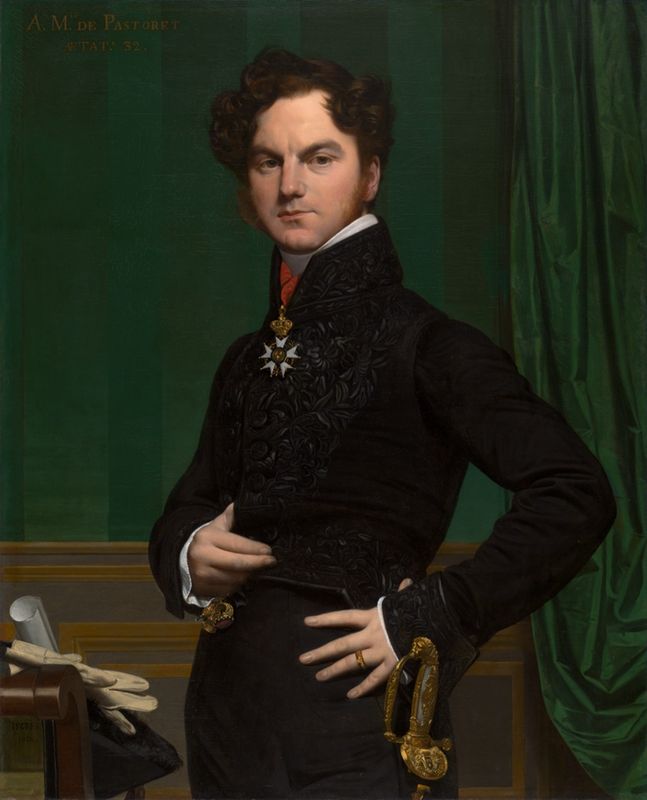 Same era · 1810s–1840s
Amédée-David, the Comte de Pastoret
Jean-Auguste-Dominique Ingres · 1823 · Art Institute of Chicago
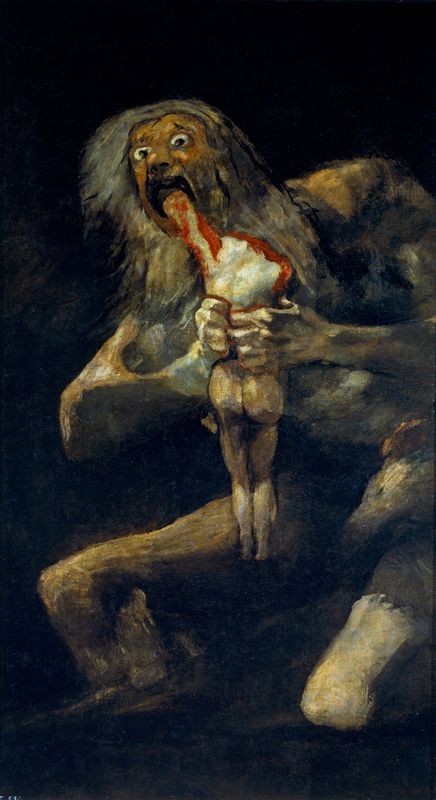 Same era · 1810s–1840s
Saturn Devouring His Son
Francisco Goya · 1820 · Museo del Prado
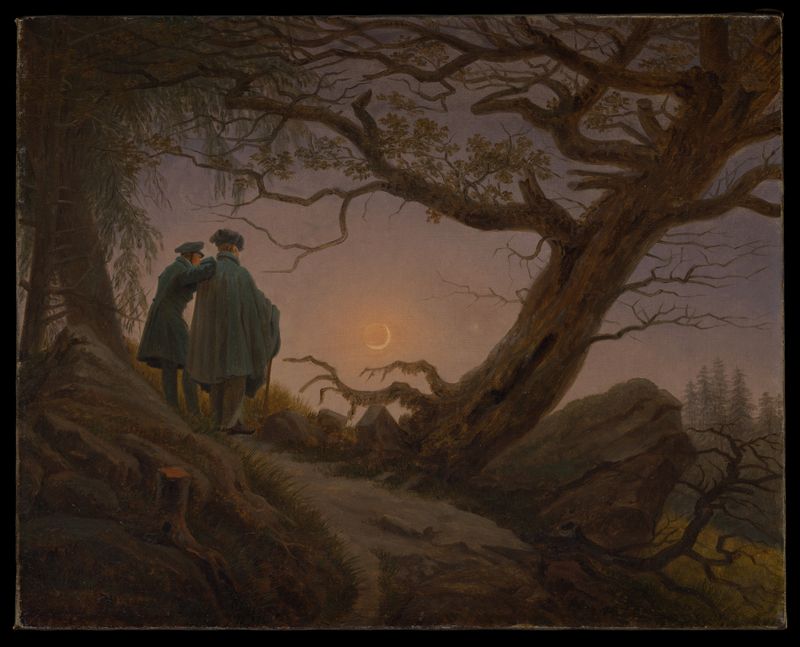 Same era · 1810s–1840s
Two Men Contemplating the Moon
Caspar David Friedrich · 1819 · Staatliche Kunstsammlungen Dresden
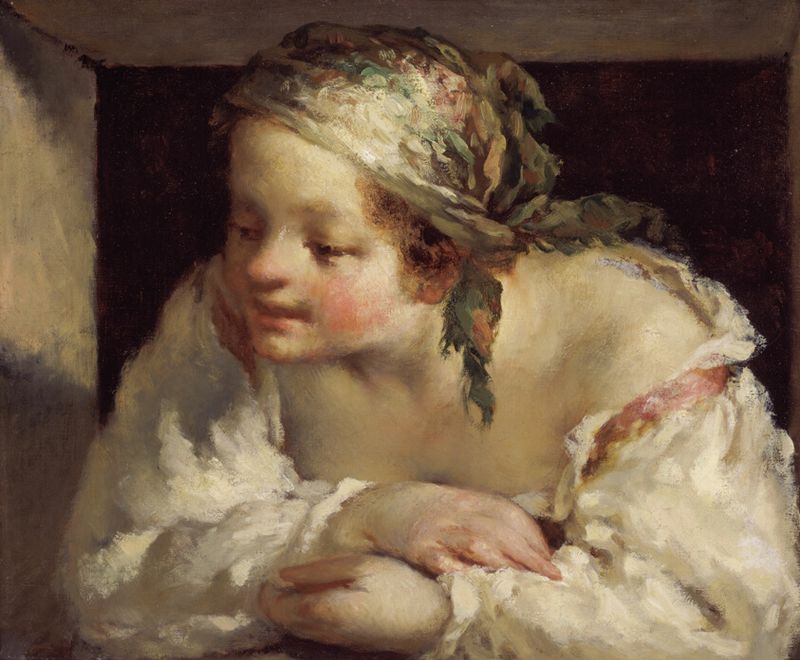 Same era · 1810s–1840s
Young Woman
Jean-François Millet · 1844 · Art Institute of Chicago
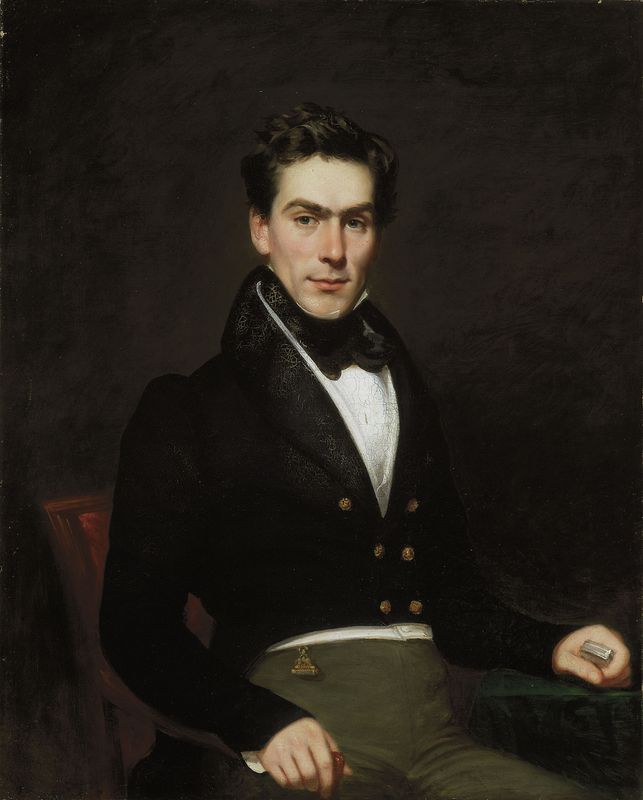 Same era · 1810s–1840s
Mr. James Mackie
Samuel Alcock & Company · 1830 · Art Institute of Chicago
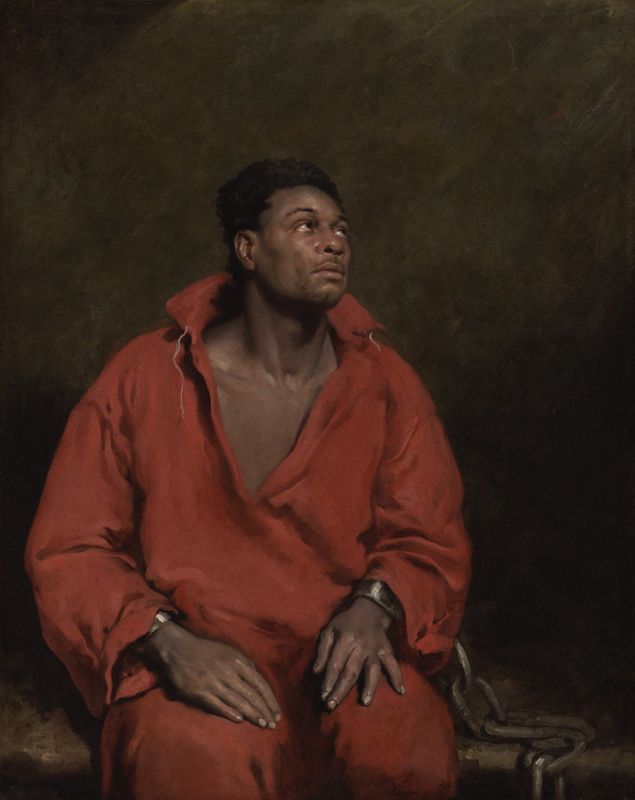 Same era · 1810s–1840s
The Captive Slave (Ira Aldridge)
John Philip Simpson · 1827 · Art Institute of Chicago
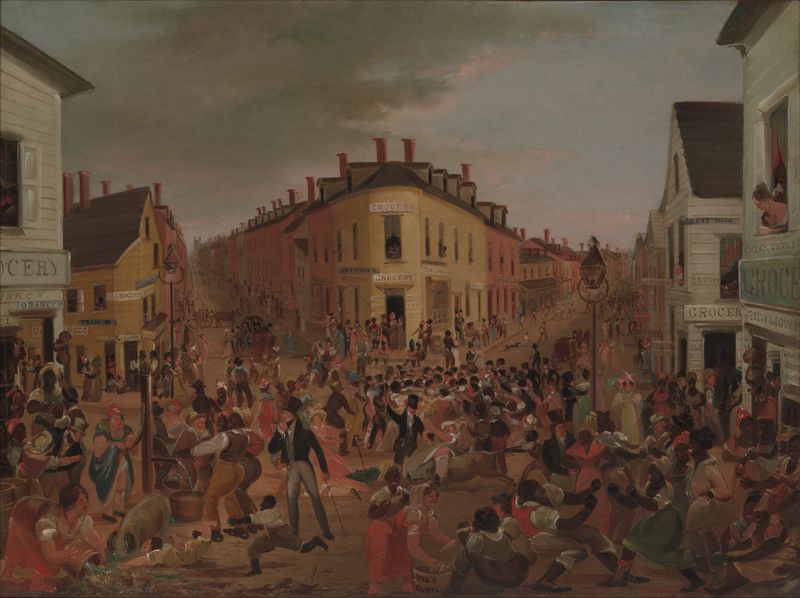 Same era · 1810s–1840s
The Five Points
Artist Unknown - The Mercat Cross, Aberdeen · 1822 · The Metropolitan Museum of Art
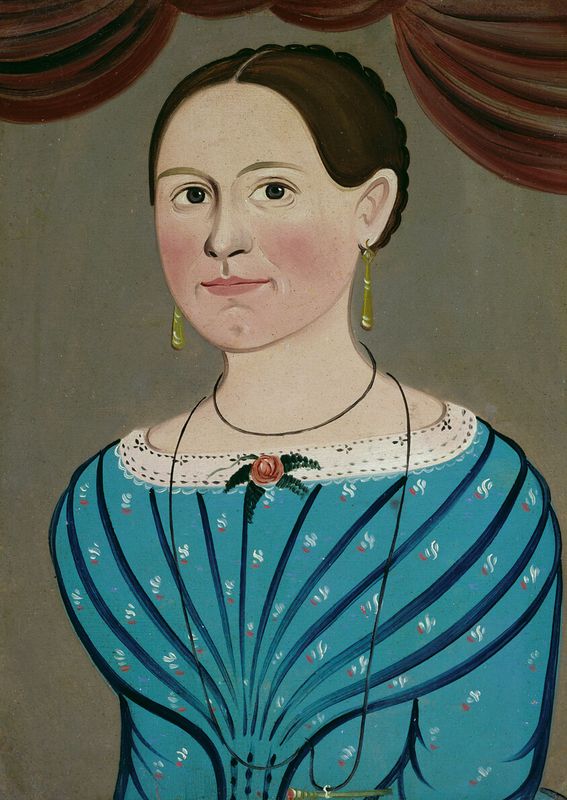 Same era · 1810s–1840s
Woman in a Blue Dress
School of William Matthew Prior · 1840 · Art Institute of Chicago
