
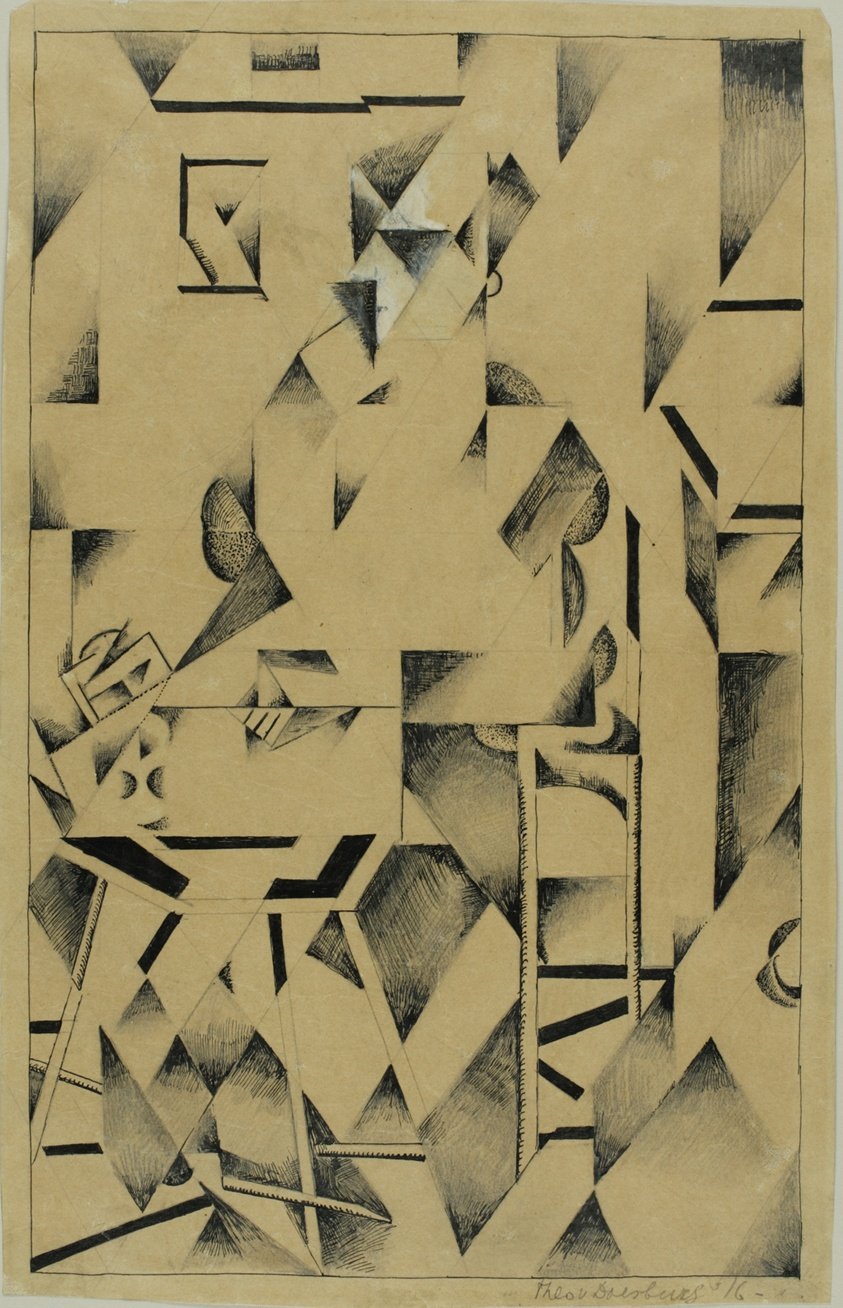
“This drawing by Theo van Doesburg offers a glimpse into a moment of quiet solitude, using stark contrasts and simplified forms that foreshadow his pioneering role in the De Stijl movement.”
A solitary figure sits hunched over a coffee table, his form almost swallowed by the deep shadows in this 1916 drawing. The artist, Theo van Doesburg, uses pen and black ink, with touches of graphite and white gouache, to create a stark contrast between light and dark. The man's face is obscured, his head bowed, suggesting introspection or perhaps weariness. The simplified, almost geometric shapes of the table and chair hint at the artist's emerging interest in abstraction, a style that would soon define his work with the De Stijl movement. This piece captures a moment of quiet contemplation, rendered with a striking economy of line and tone, inviting viewers to ponder the man's inner world.
- Artist
- Theo van Doesburg
- Date
- 1916
- Medium
- Pen and black ink, with graphite and touches of white gouache, on tan wove paper
- Location
- Art Institute of Chicago
- Dimensions
- 34.3 × 21.9 cm (13 9/16 × 8 5/8 in.)
What to Notice
Five details hide in plain sight. Here’s where to look.
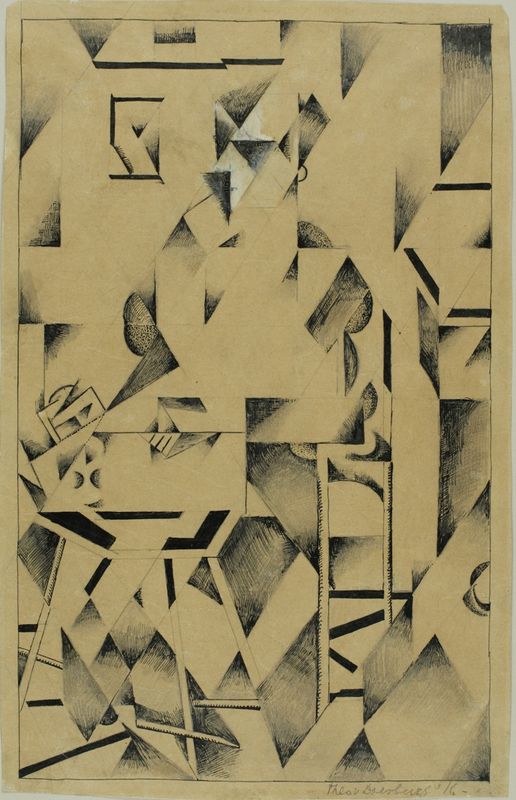
The way the man's head is bowed, obscuring his face.
The sharp, angular lines defining the coffee table and chair.
The subtle touches of white gouache highlighting the man's collar.
The deep shadows that almost entirely envelop the figure.
1 more detail is waiting.
See all 5 in Art Whisper →Theo van Doesburg
1883–1931 · Kingdom of the NetherlandsTheo van Doesburg was a Dutch painter, writer, poet, and architect. He is best known as the founder and leader of De Stijl.
More from Expressionism
More works to explore
Beyond van Doesburg and Expressionism: works from the same years, and from the other movements Man at Coffee Table belongs to.
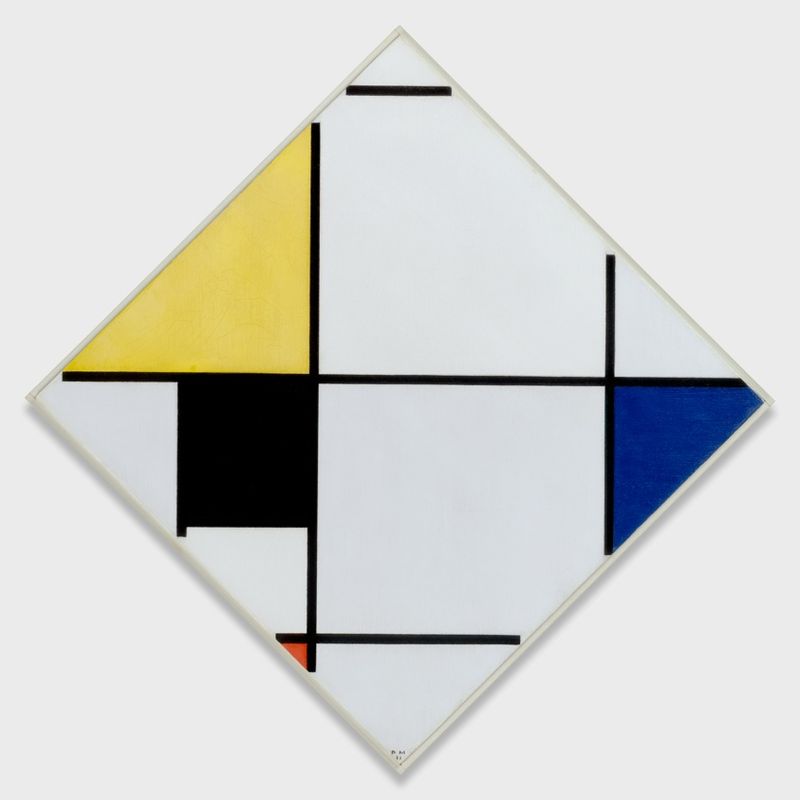 Same movement · De Stijl
Lozenge Composition with Yellow, Black, Blue, Red, and Gray
Piet Mondrian · 1921 · Art Institute of Chicago
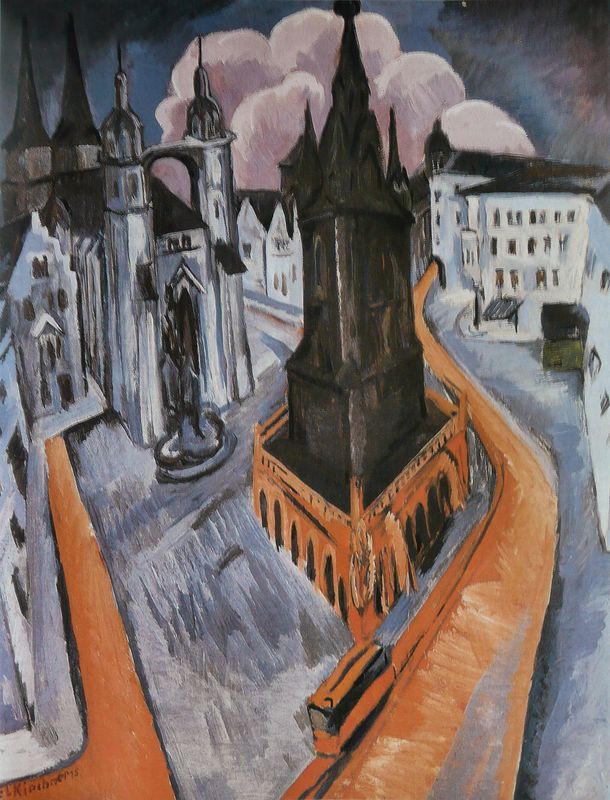 Same era · 1900s–1930s
The Red Tower in Halle
Ernst Ludwig Kirchner · 1915 · Museum Folkwang
 Same era · 1900s–1930s
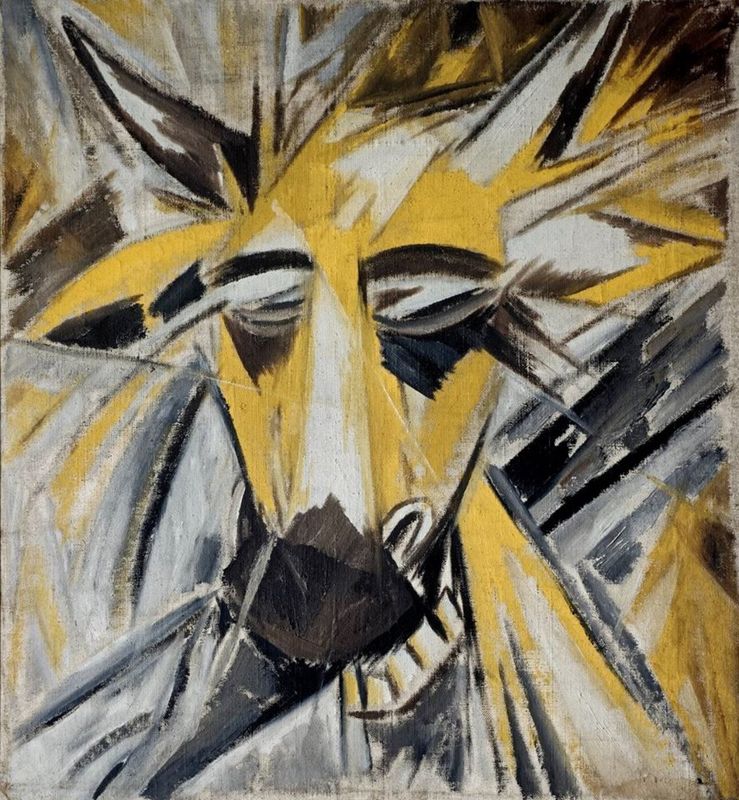
Bull's Head
Mikhail Larionov · 1913 · Tretyakov Gallery
 Same era · 1900s–1930s
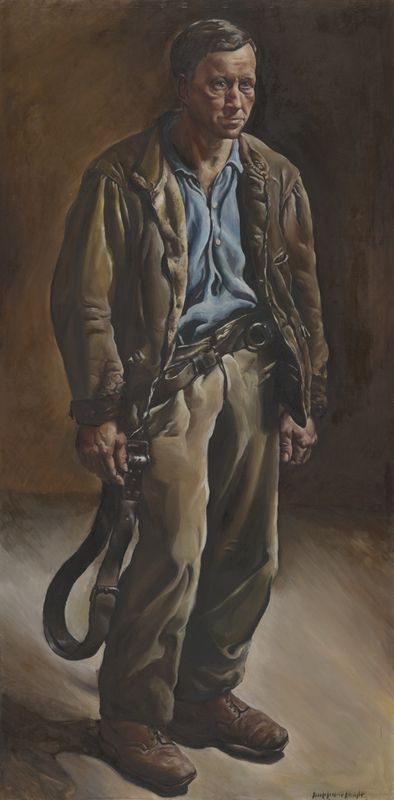
The Lineman
Ivan Puni · 1927 · Art Institute of Chicago
 Same era · 1900s–1930s
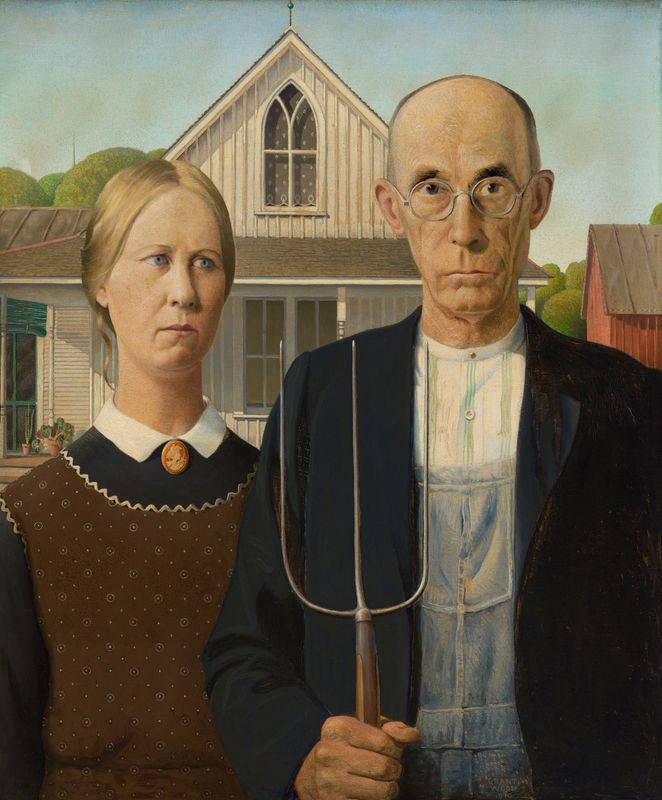
American Gothic
Okada Saburosuke · 1930 · Art Institute of Chicago
 Same era · 1900s–1930s
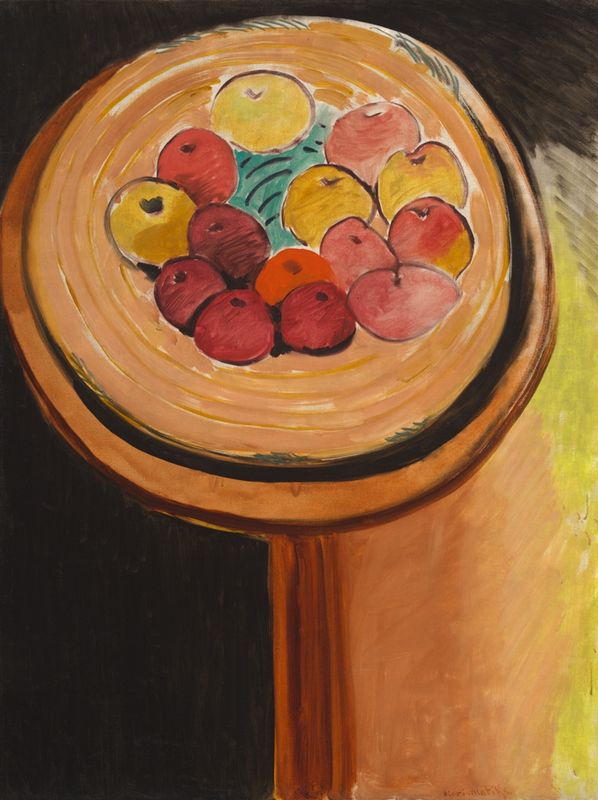
Apples
Henri Matisse · 1916 · Art Institute of Chicago
 Same era · 1900s–1930s
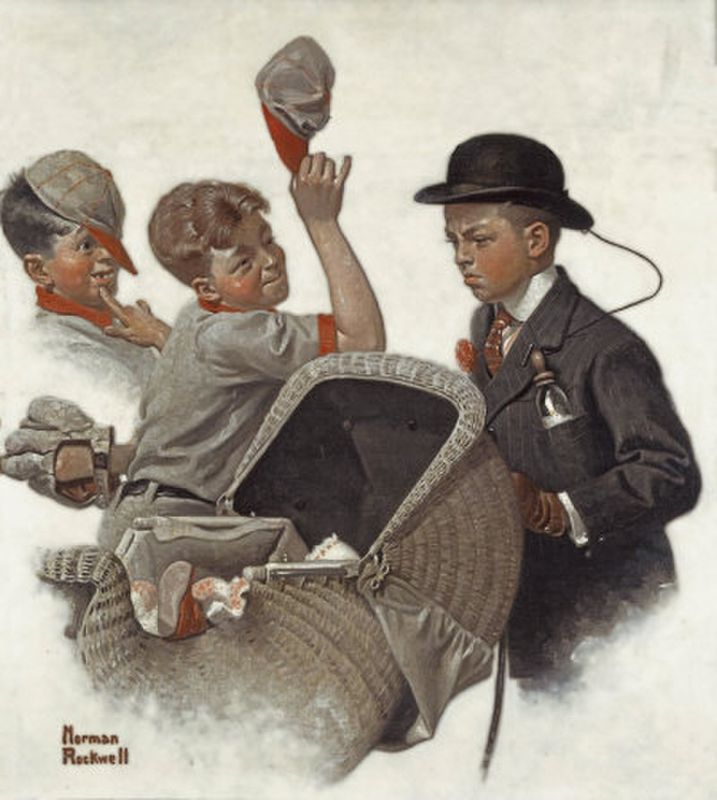
Boy with Baby Carriage
Norman Rockwell · 1916 · Norman Rockwell Museum
 Same era · 1900s–1930s
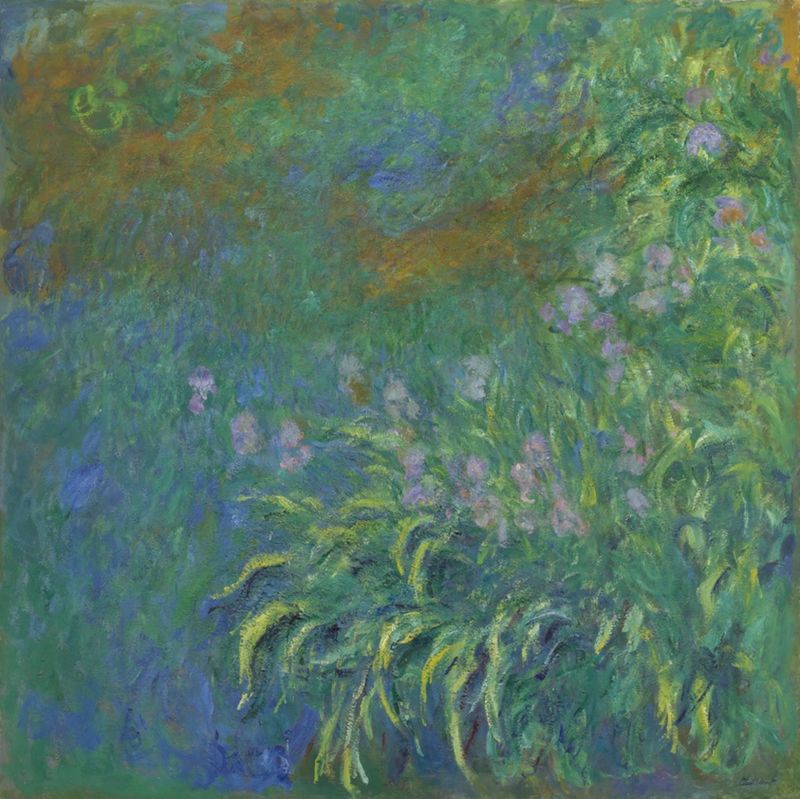
Irises
Claude Monet · 1915 · National Gallery
 Same era · 1900s–1930s
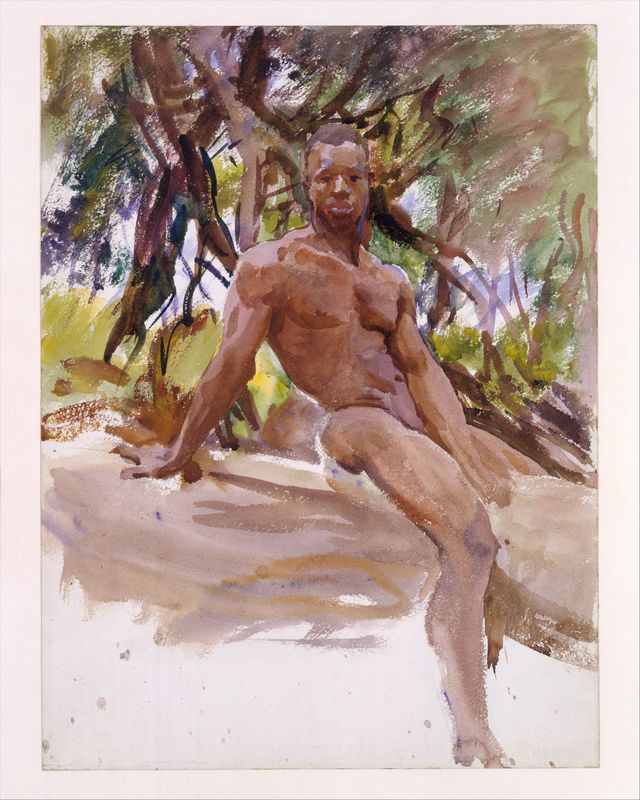
Man and Trees, Florida
John Singer Sargent · 1917 · The Metropolitan Museum of Art
 Same era · 1900s–1930s
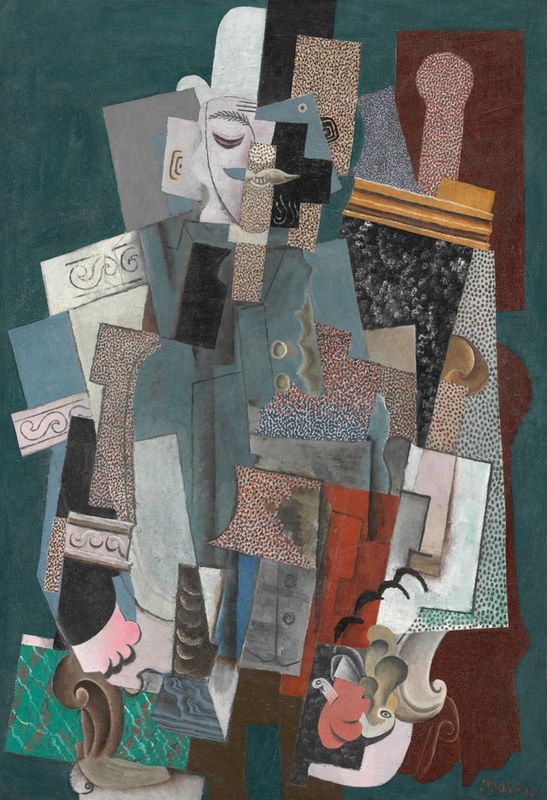
Man with a Pipe
Pablo Picasso · 1915 · Art Institute of Chicago
 Same era · 1900s–1930s
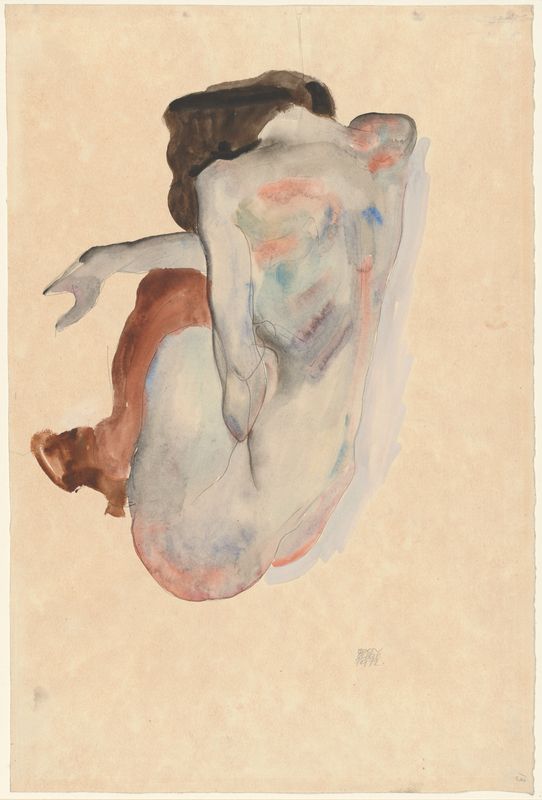
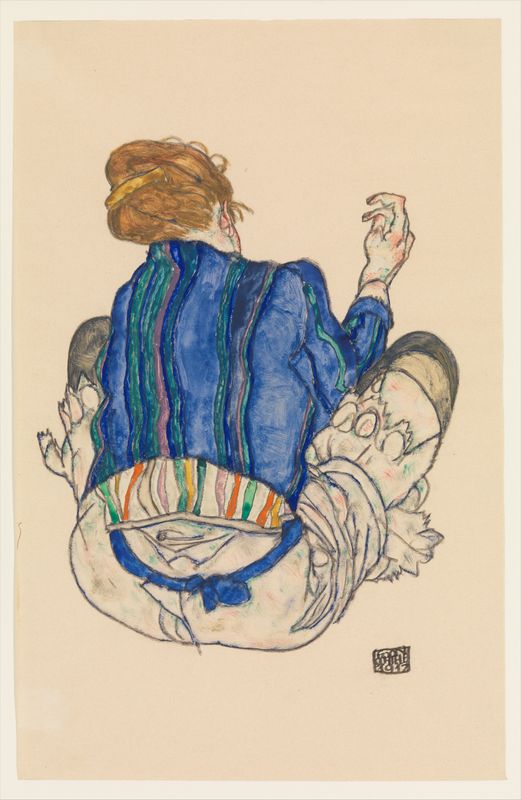
Seated Woman, Back View
Egon Schiele · 1917 · The Metropolitan Museum of Art
 Same era · 1900s–1930s
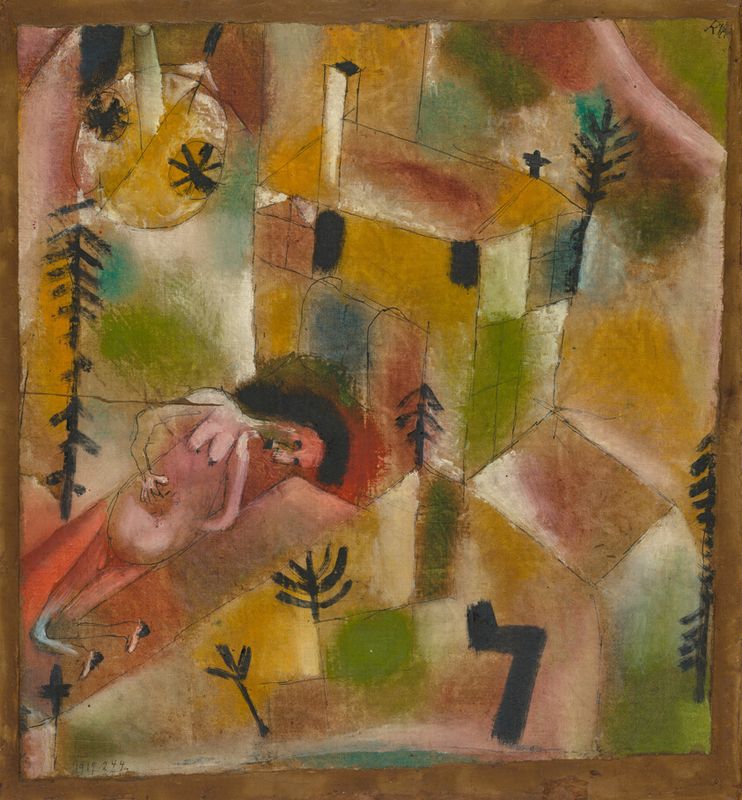
Death in the Garden (Legend)
Paul Klee · 1919 · Art Institute of Chicago
 Same era · 1900s–1930s
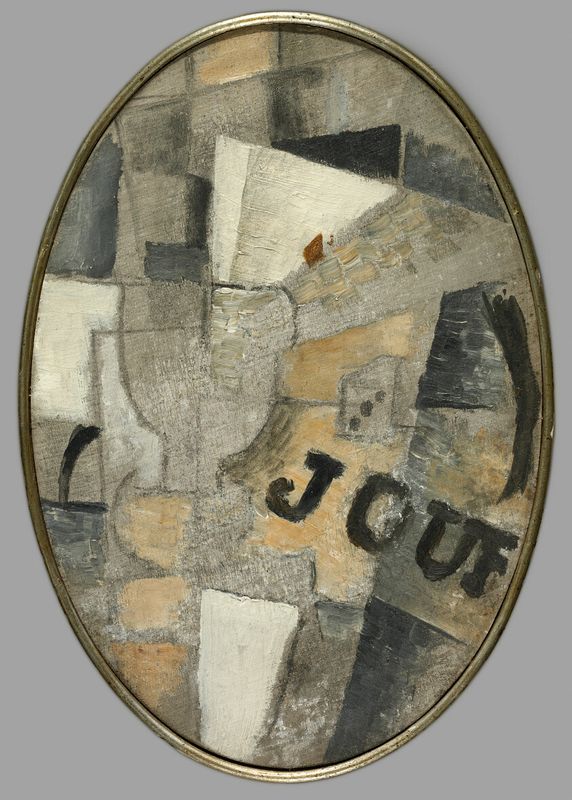
Still Life with Glass, Dice, Newspaper and Playing Card
Georges Braque · 1913 · Art Institute of Chicago