
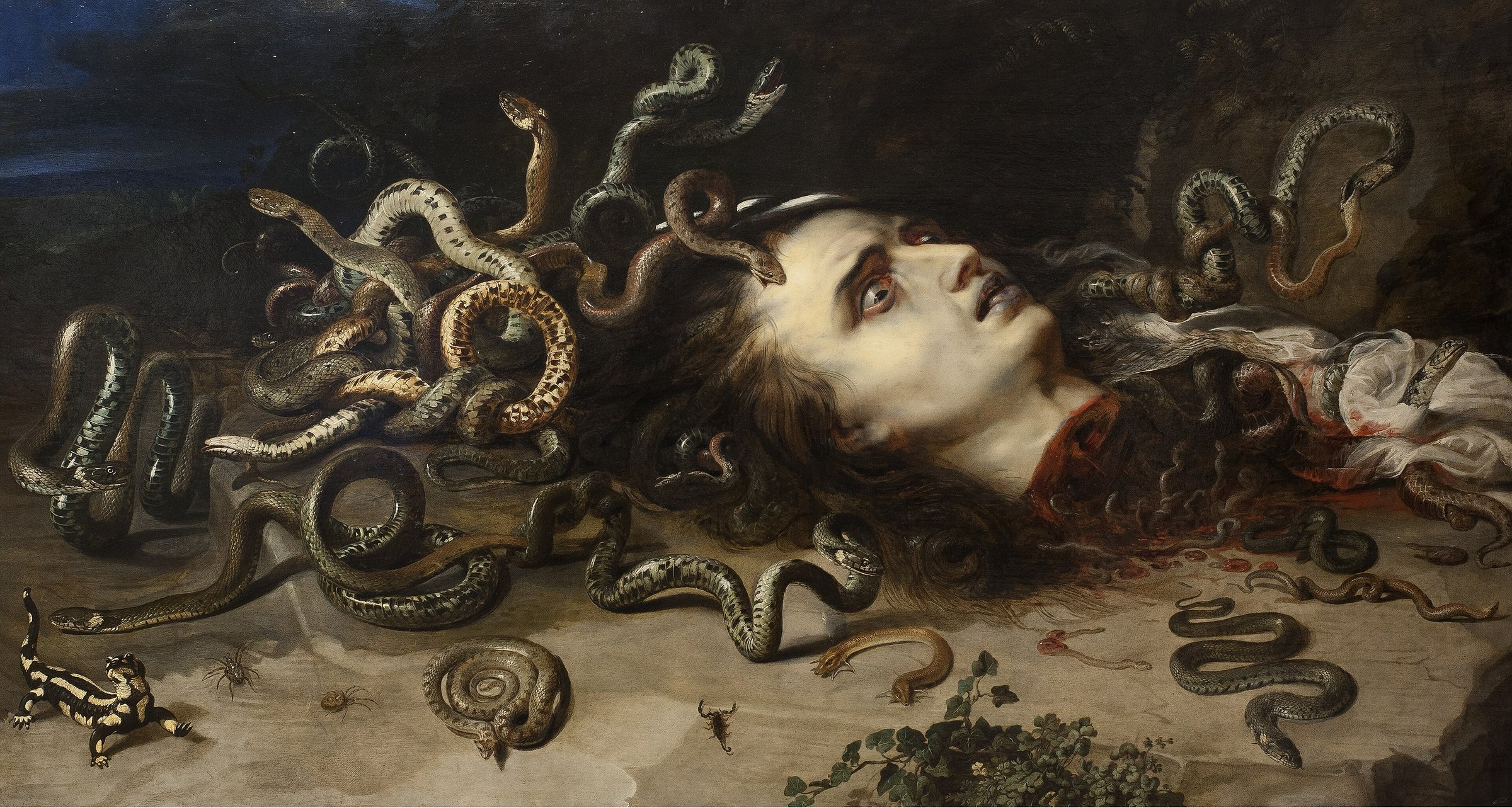
“Stop to confront Peter Paul Rubens's chilling depiction of Medusa's severed head, a masterpiece of Baroque drama that brings a terrifying myth to vivid, visceral life.”
The severed head of Medusa stares out with wide, unseeing eyes, her mouth agape in a final, silent scream. Her infamous snakes writhe and hiss around her head, their scales catching the light in a way that suggests a horrifying, living crown. The painting captures a moment of intense drama and visceral horror, with blood still dripping from the neck onto the rough, stony surface below. The dramatic lighting, a hallmark of the Baroque period, emphasizes the grisly details, casting deep shadows and highlighting the pale, lifeless skin. This work, created around 1617, exemplifies the period's fascination with classical mythology and its capacity for spectacle, transforming a terrifying myth into a vivid, immediate experience for the viewer.
- Artist
- Peter Paul Rubens
- Date
- 1617
- Location
- Moravian Gallery in Brno
What to Notice
Five details hide in plain sight. Here’s where to look.
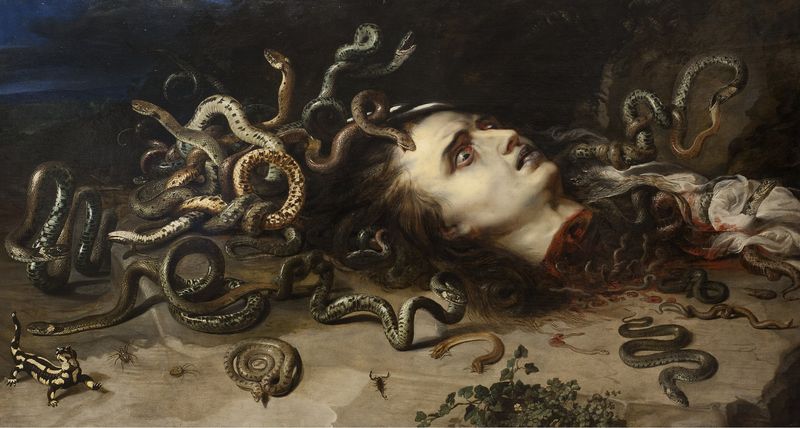
The way the snakes coil and interlace, each one distinct.
Medusa's wide, glassy eyes, still reflecting a hint of life.
The rivulets of blood on the stony ground beneath her head.
The subtle green and yellow tones in her pallid skin.
1 more detail is waiting.
See all 5 in Art Whisper →Stand in front of it and listen
The full narration walks you through Head of Medusa — the story behind it, the details most visitors miss, and why it matters. Free in the Art Whisper app.
Peter Paul Rubens
1577–1640 · Spanish NetherlandsFlemish master who blended diplomacy with art, creating movement-filled Baroque masterpieces across Europe.
Further Works by Rubens
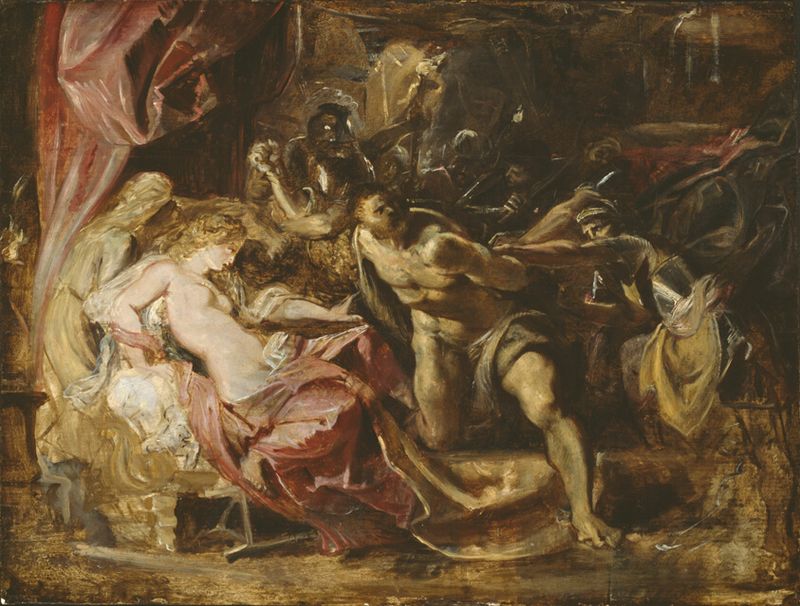 The Capture of Samson
1609 · Art Institute of Chicago
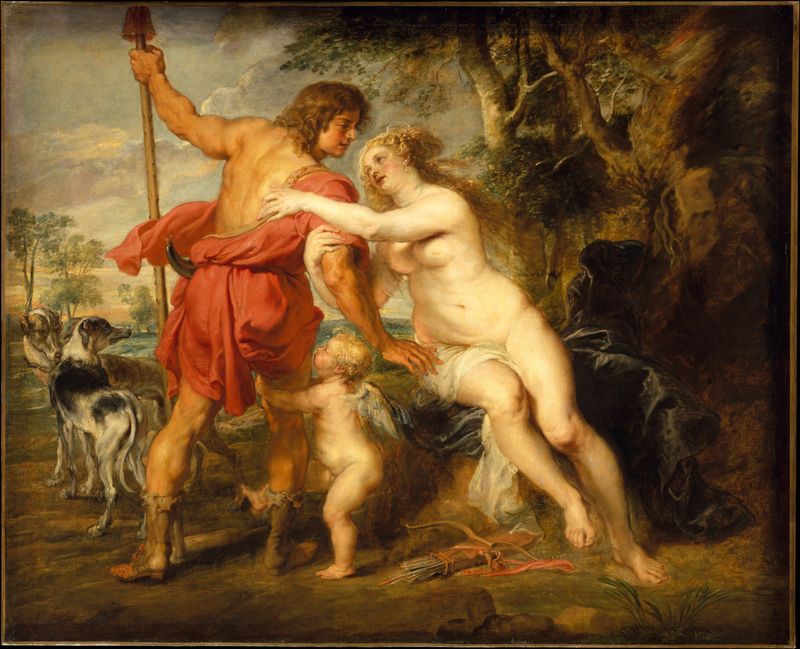 Venus and Adonis
1610 · Museum Kunstpalast
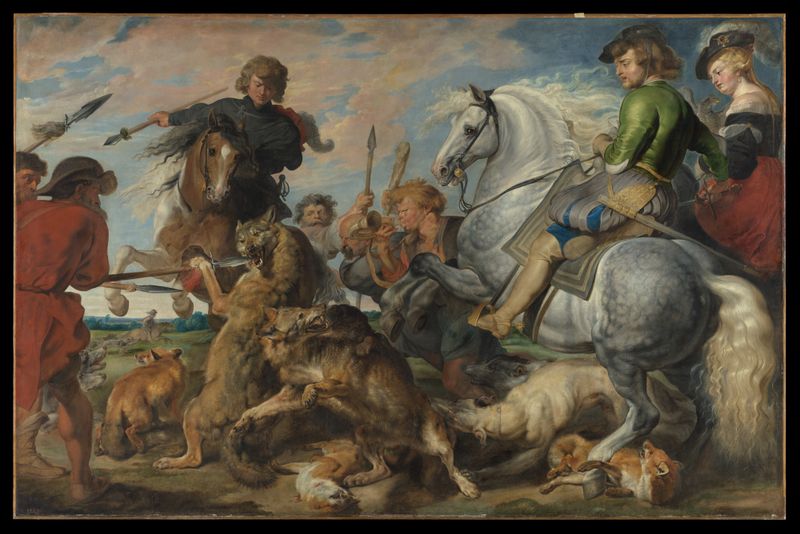 Wolf and Fox Hunt
1611 · The Metropolitan Museum of Art
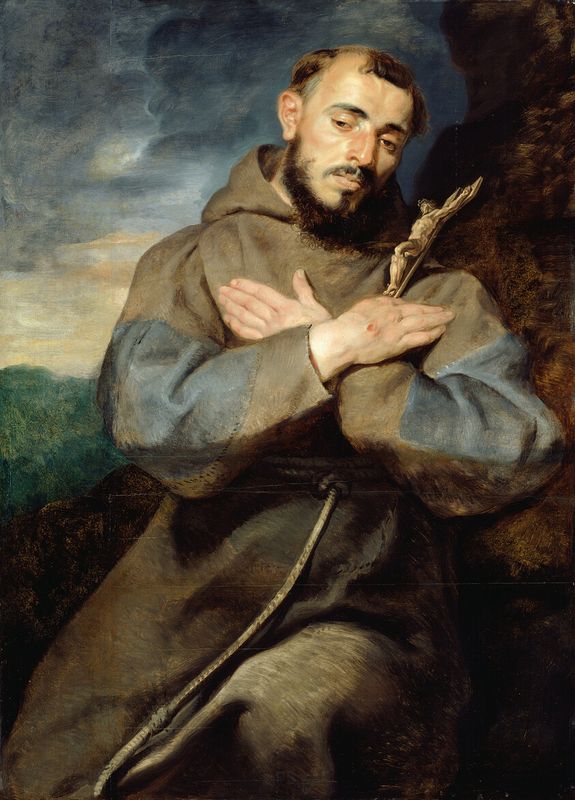 Saint Francis
1615 · Art Institute of Chicago
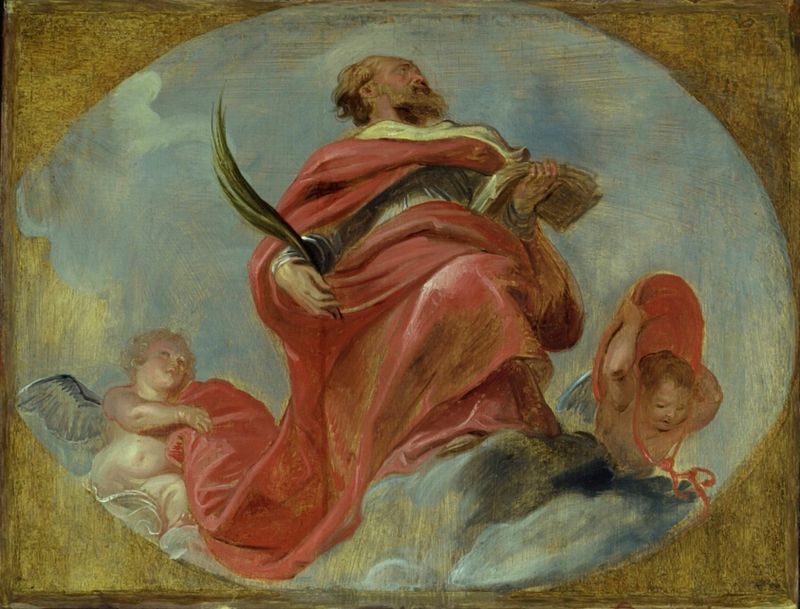 St. Albert of Louvain
1620 · Art Institute of Chicago
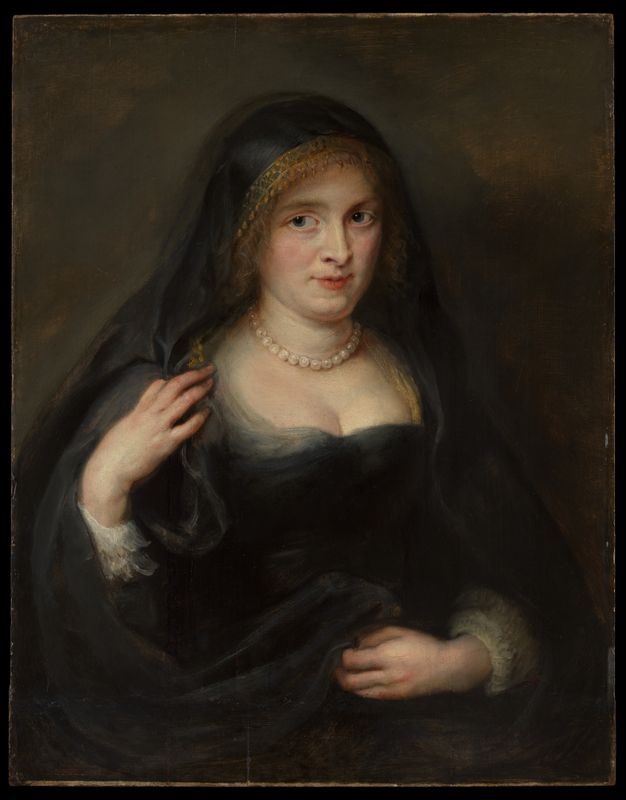 Portrait of a Woman, Probably Susanna Lunden (Susanna Fourment, 1599–1628)
1625 · The Metropolitan Museum of Art
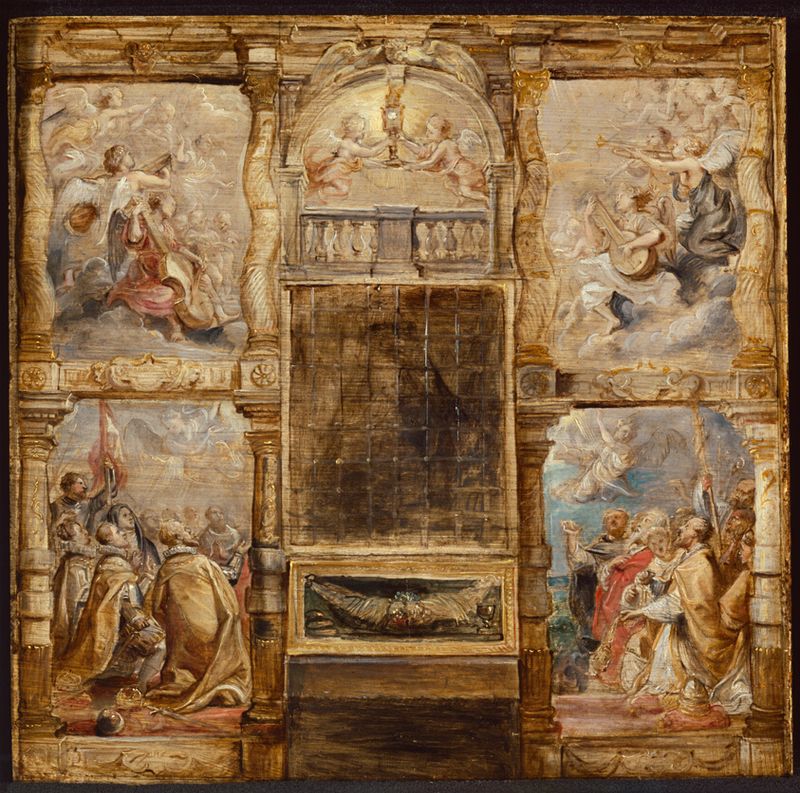 The Adoration of the Eucharist
1626 · Art Institute of Chicago
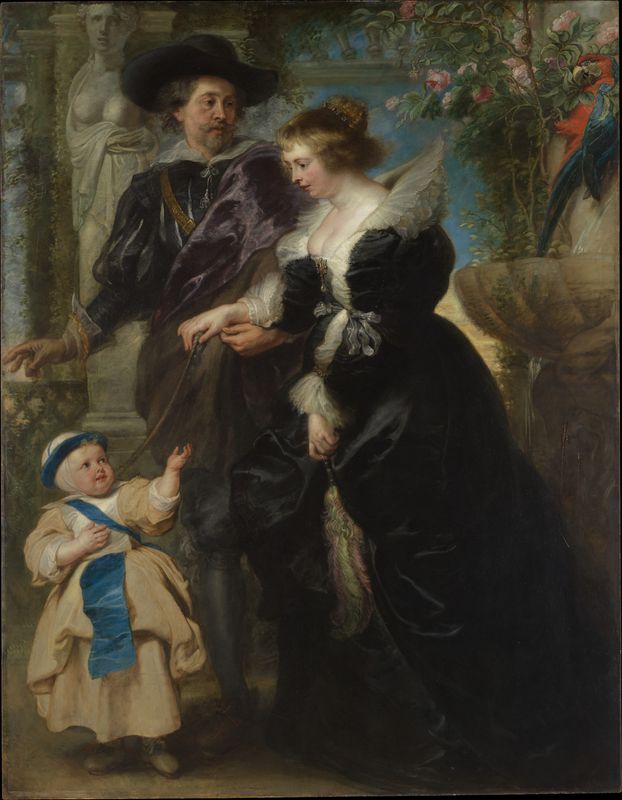 Rubens, Helena Fourment (1614–1673), and Their Son Frans (1633–1678)
1630 · The Metropolitan Museum of Art
More from Baroque
More works to explore
Beyond Rubens and Baroque: works from the same years.
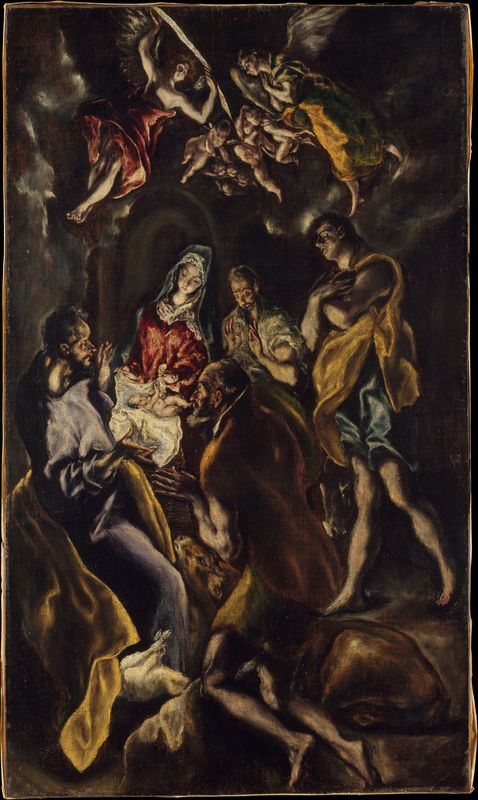 Same era · 1600s–1630s
The Adoration of the Shepherds
El Greco · 1610
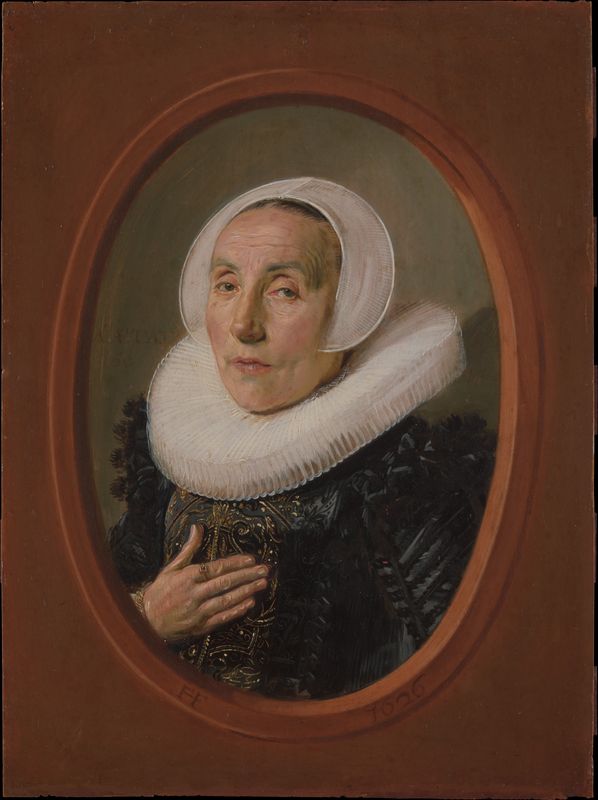 Same era · 1600s–1630s
Anna van der Aar (born 1576/77, died after 1626)
Frans Hals · 1626 · The Metropolitan Museum of Art
 Same era · 1600s–1630s
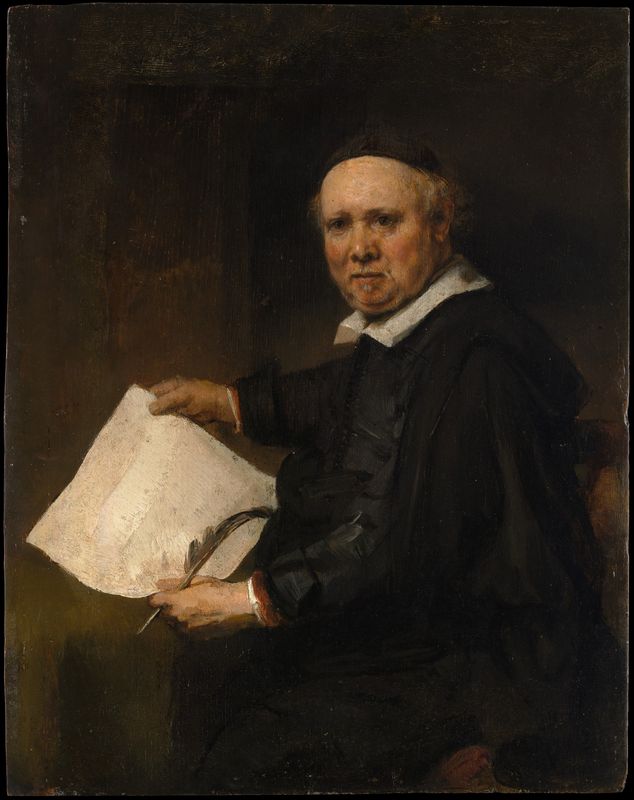
Lieven Willemsz van Coppenol (born about 1599, died 1671 or later)
Rembrandt · 1626 · The Metropolitan Museum of Art
 Same era · 1600s–1630s
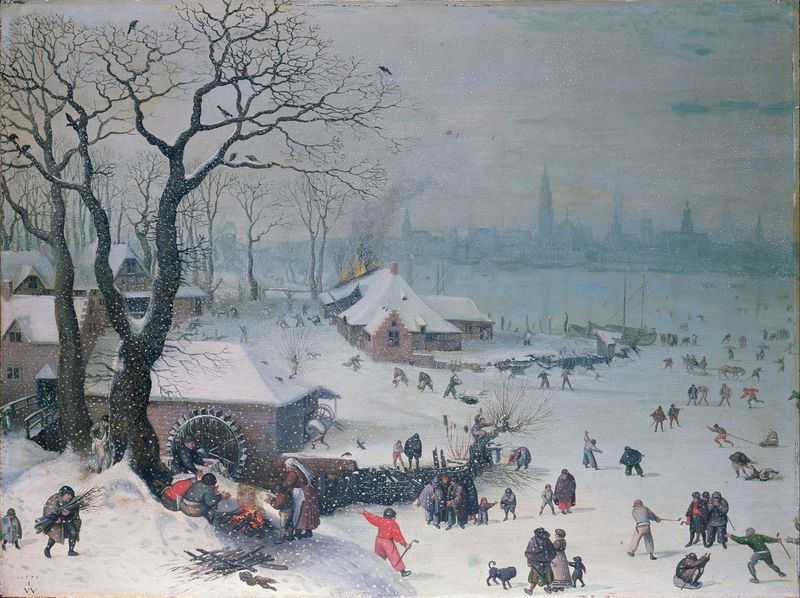
Winter Landscape with Snowfall near Antwerp
Jan Brueghel the Elder · 1610
 Same era · 1600s–1630s
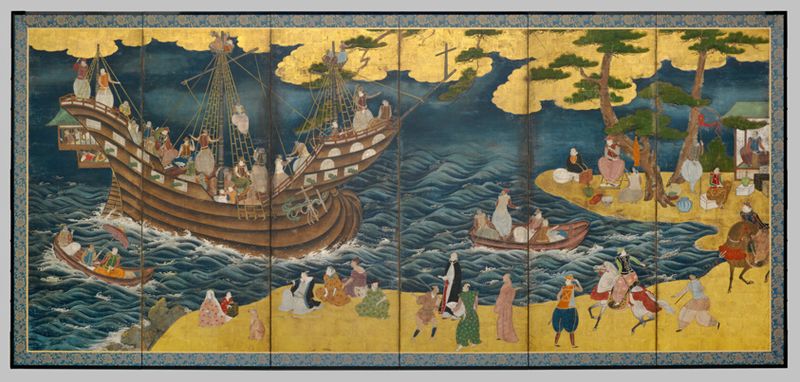
Southern Barbarians
Artist Unknown - The Mercat Cross, Aberdeen · 1625 · Art Institute of Chicago
 Same era · 1600s–1630s
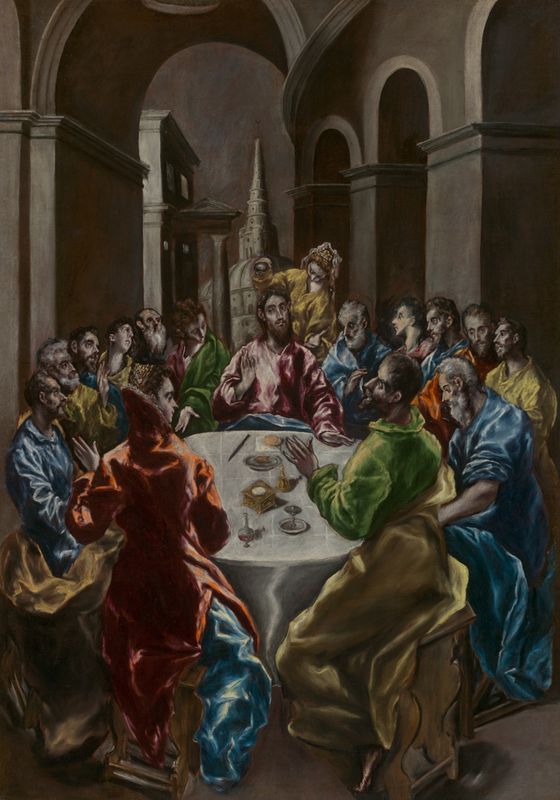
The Feast in the House of Simon
El Greco (Doménikos Theotokópoulos) and workshop · 1608 · Art Institute of Chicago
 Same era · 1600s–1630s
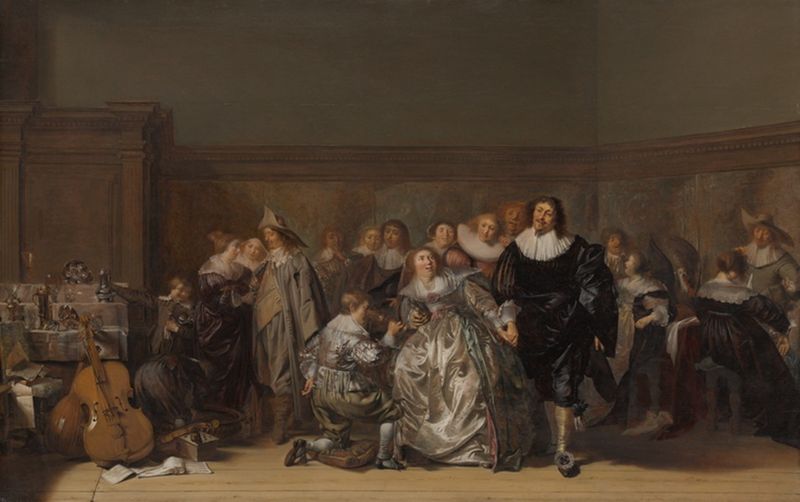
An Elegant Company
Samuel Alcock & Company · 1632 · Art Institute of Chicago
 Same era · 1600s–1630s
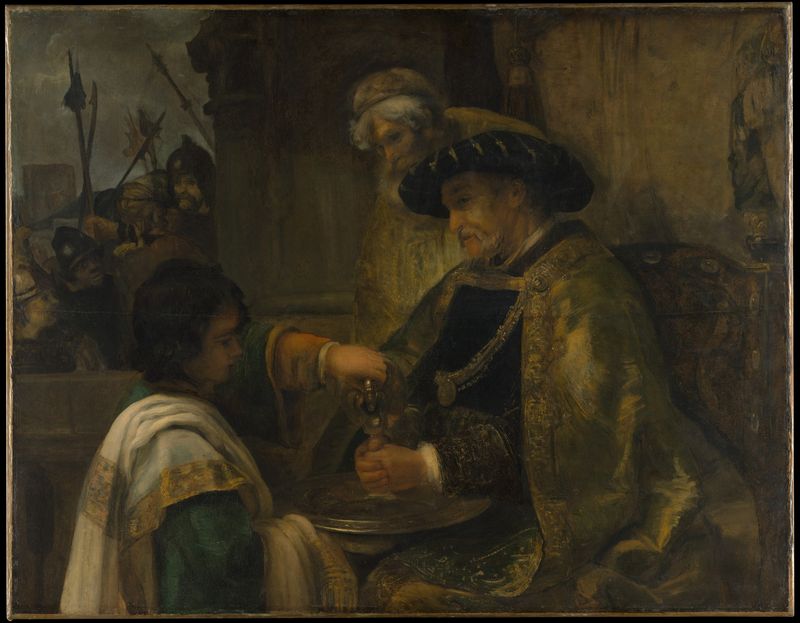
Pilate washing his hands
Hendrick ter Brugghen · 1617 · National Museum in Lublin
 Same era · 1600s–1630s
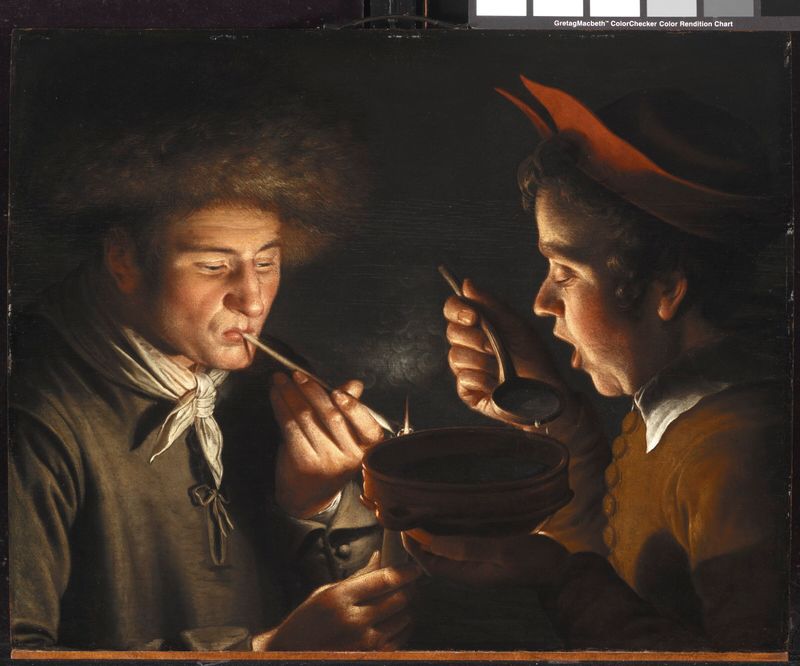
A Man Smoking and Another Man Eating by Candlelight
Willem van der Vliet · 1624 · Detroit Institute of Arts
 Same era · 1600s–1630s
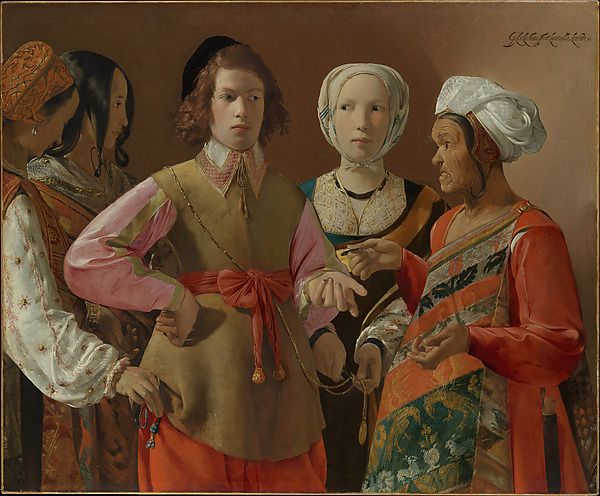
The Fortune-Teller
Georges de La Tour · 1630 · The Metropolitan Museum of Art
 Same era · 1600s–1630s
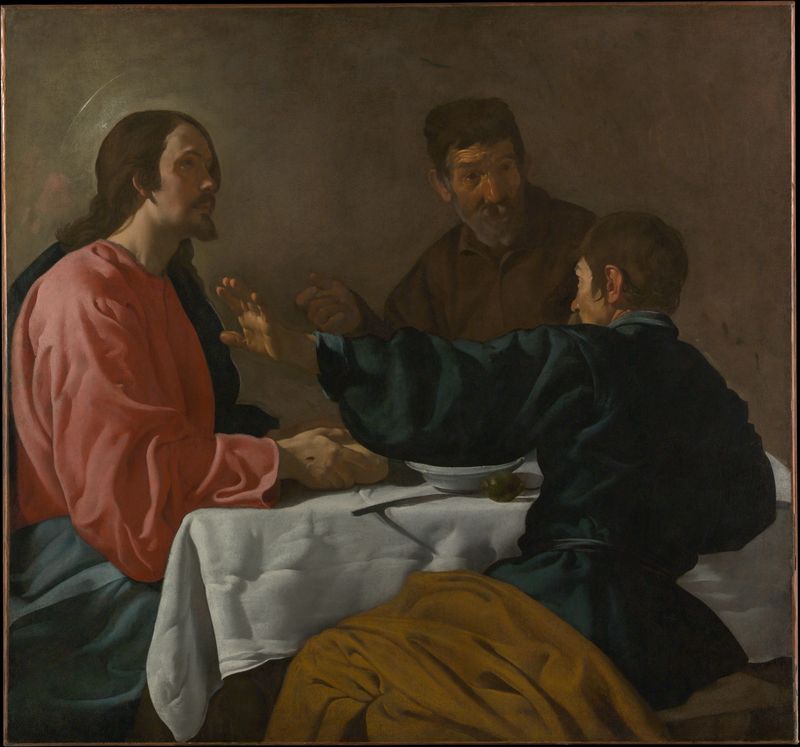
The Supper at Emmaus
Diego Velázquez · 1618 · Metropolitan Museum of Art
 Same era · 1600s–1630s
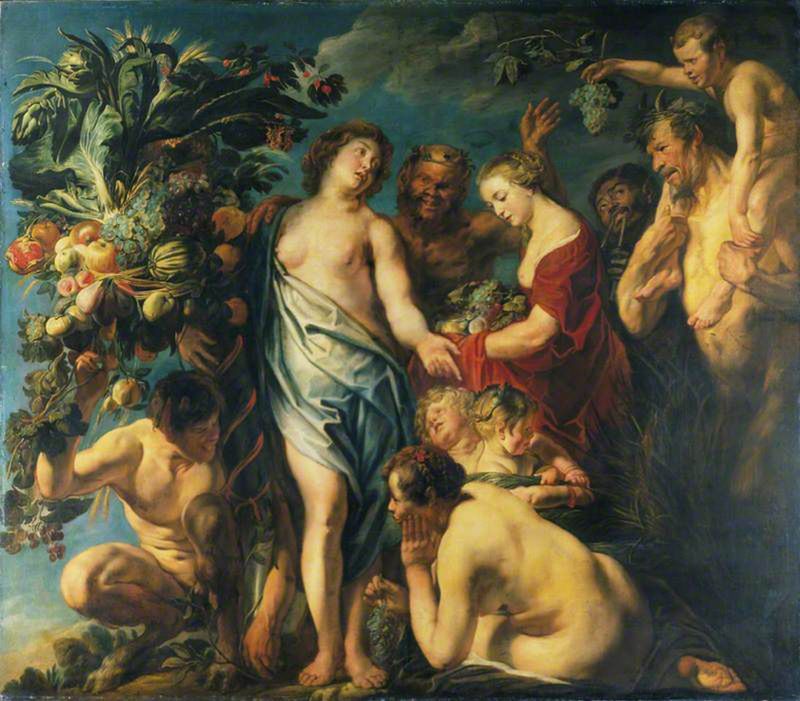
An Allegory of Fruitfulness
Jacob Jordaens · 1620 · Wallace Collection