
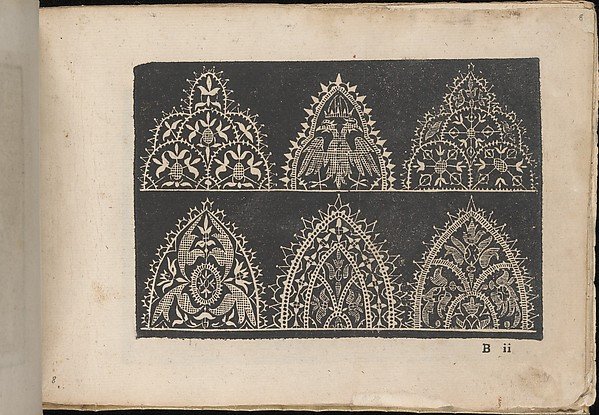
“Step into the intricate world of Renaissance design with this woodcut, a page from a 1591 embroidery pattern book. It reveals the era's passion for detailed floral motifs and geometric harmony, offering a blueprint for textile artistry.”
This woodcut presents a delicate, repeating pattern of interlocking diamond shapes, each filled with a stylized floral motif. The design, intended for embroidery, offers a glimpse into the intricate world of Renaissance textiles and domestic artistry. Each flower, with its symmetrical petals and central stamen, is rendered with precision, suggesting the painstaking effort involved in translating such a pattern into needlework. The overall effect is one of ordered beauty, a testament to the era's appreciation for both natural forms and geometric harmony. This page is part of a larger book, "Fiori di Ricami Nuovamente Posti in Luce" (Flowers of Embroidery Newly Brought to Light), which Matteo Florimi published in 1591, providing a valuable resource for artisans and a window into the decorative arts of the late 16th century.
- Artist
- Matteo Florimi
- Date
- 1591
- Medium
- Woodcut
- Location
- The Metropolitan Museum of Art
- Dimensions
- Overall: 5 1/2 x 7 7/8 in. (14 x 20 cm)
- Collection
- Drawings and Prints
- Credit line
- The Elisha Whittelsey Collection, The Elisha Whittelsey Fund, 1953
What to Notice
Four details hide in plain sight. Here’s where to look.
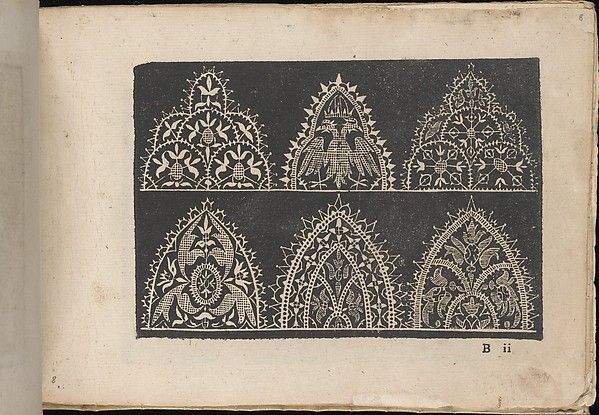
Observe the precise, symmetrical arrangement of the diamond shapes.
Notice the individual floral motifs within each diamond, each unique.
See how the patterns interlock, creating a continuous, flowing design.
Look at the fine lines of the woodcut, mimicking delicate embroidery stitches.
Stand in front of it and listen
The full narration walks you through Fiori di Ricami Nuovamente Posti in Luce, page 8 (recto) — the story behind it, the details most visitors miss, and why it matters. Free in the Art Whisper app.
Matteo Florimi
1540–1603Matteo Florimi was a prolific Italian engraver and publisher, known for his religious prints and intricate embroidery patterns.
Further Works by Florimi
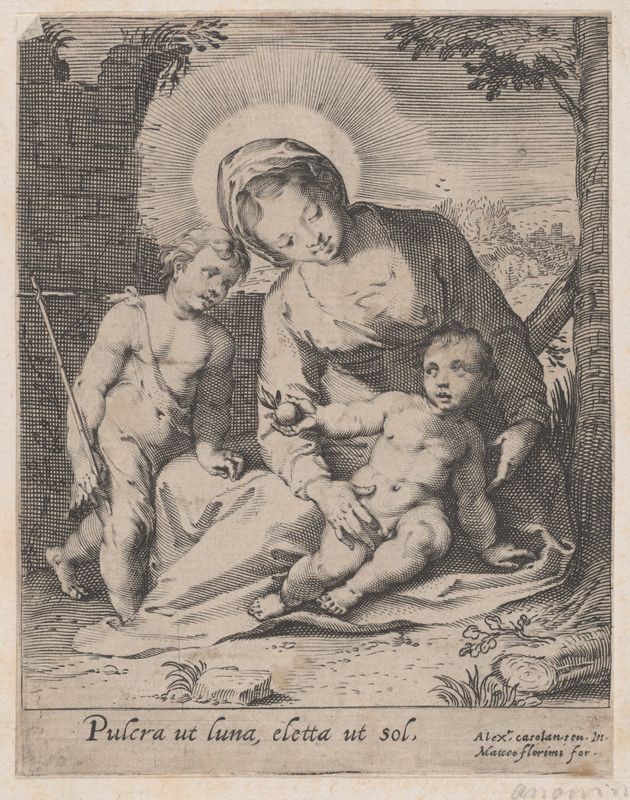 Virgin and Child with the infant Saint John the Baptist
1576 · The Metropolitan Museum of Art
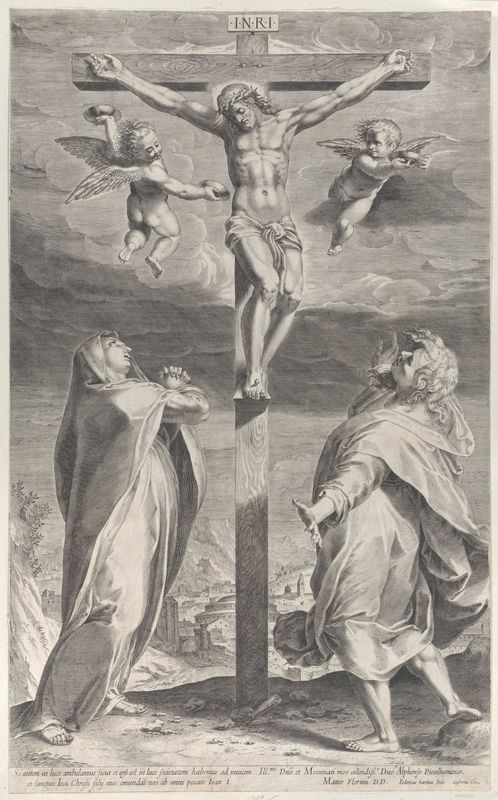 Crucifixion with the Virgin Mary and Saint John the Evangelist, angels overhead
1588 · The Metropolitan Museum of Art
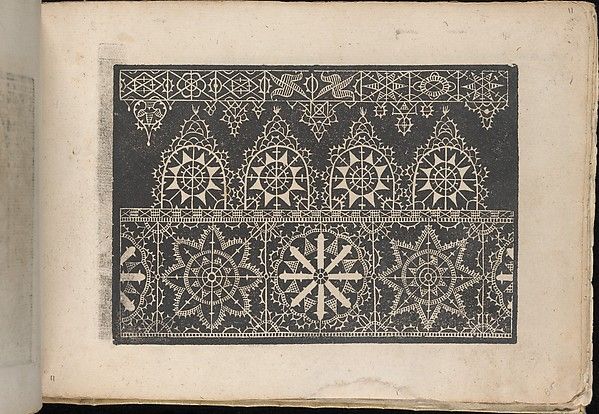 Fiori di Ricami Nuovamente Posti in Luce, page 11 (recto)
1591 · The Metropolitan Museum of Art
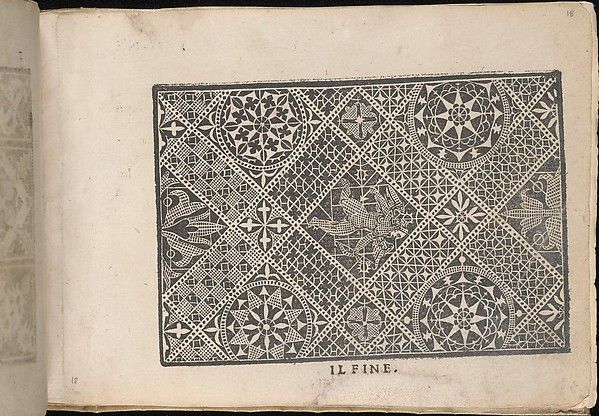 Fiori di Ricami Nuovamente Posti in Luce, page 18 (recto)
1591 · The Metropolitan Museum of Art
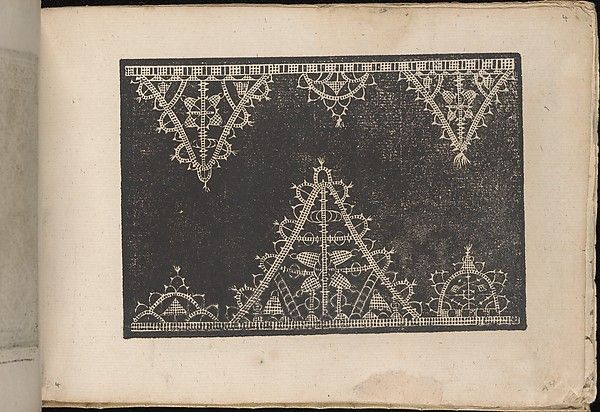 Fiori di Ricami Nuovamente Posti in Luce, page 4 (recto)
1591 · The Metropolitan Museum of Art
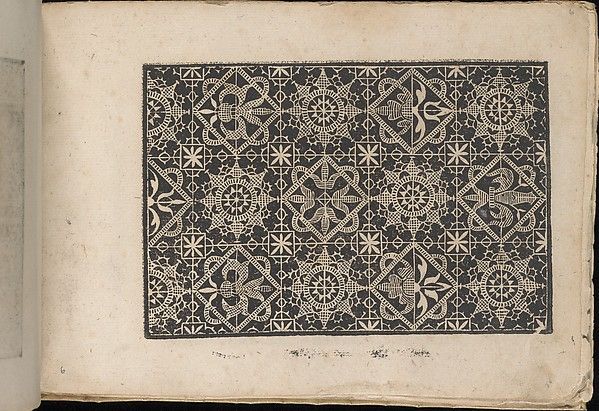 Fiori di Ricami Nuovamente Posti in Luce, page 6 (recto)
1591 · The Metropolitan Museum of Art
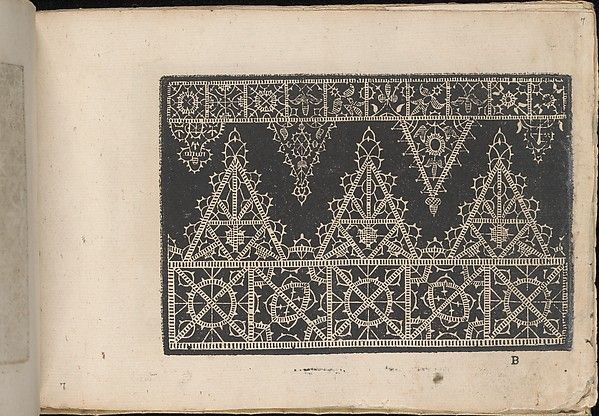 Fiori di Ricami Nuovamente Posti in Luce, page 7 (recto)
1591 · The Metropolitan Museum of Art
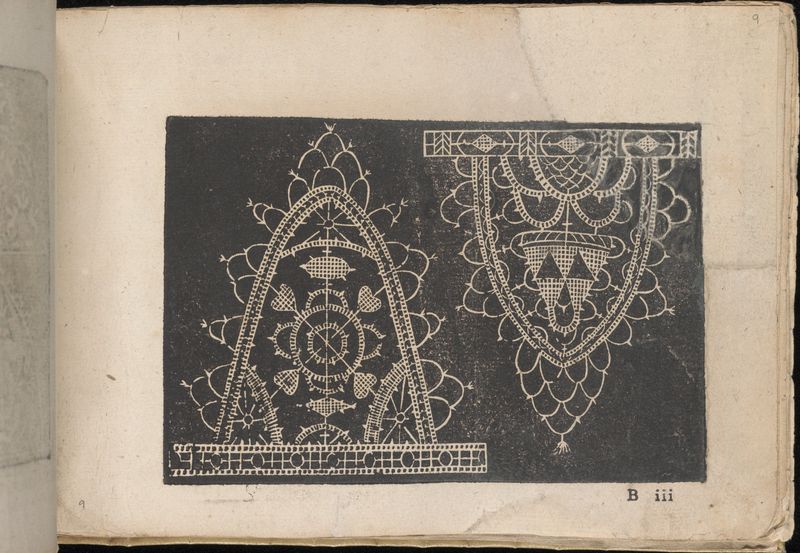 Fiori di Ricami Nuovamente Posti in Luce, page 9 (recto)
1591 · The Metropolitan Museum of Art
More works to explore
Beyond Florimi: works from the same years.
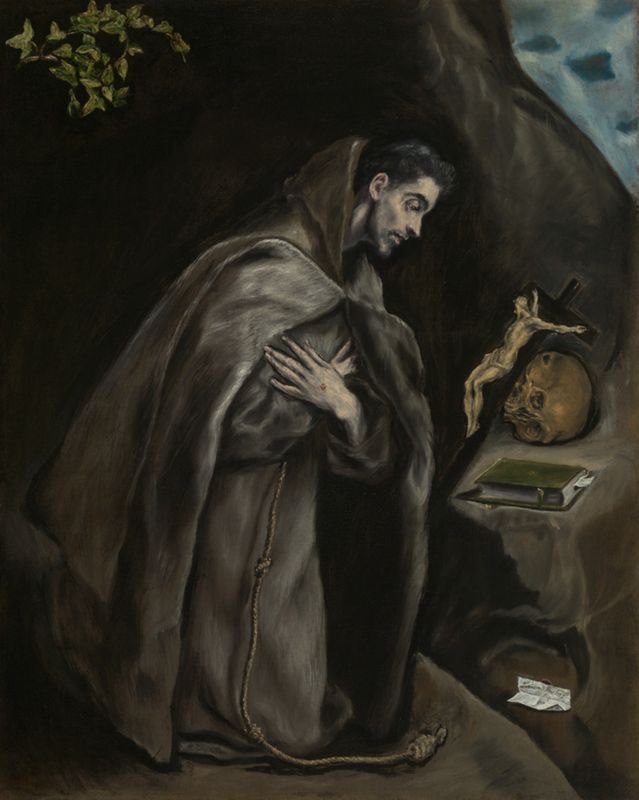 Same era · 1570s–1600s
Saint Francis Kneeling in Meditation
El Greco · 1597 · Art Institute of Chicago
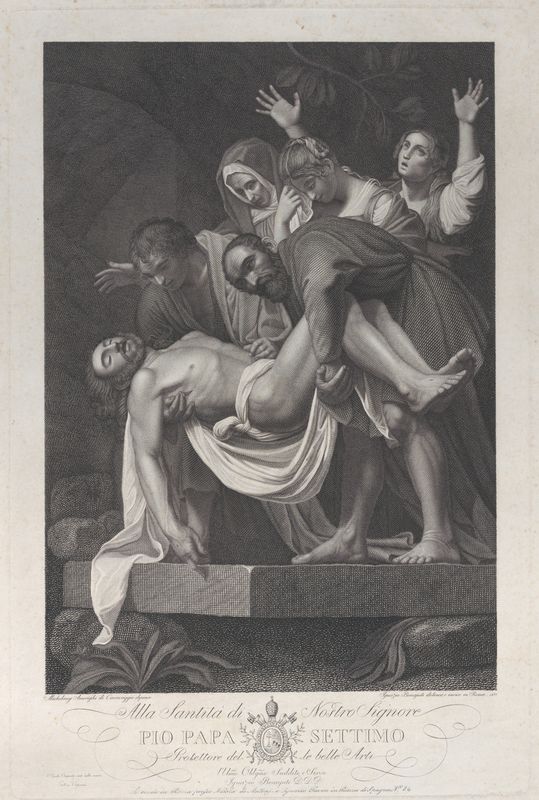 Same era · 1570s–1600s
The Entombment of Christ
Caravaggio · 1600 · Pinacoteca Vaticana
 Same era · 1570s–1600s
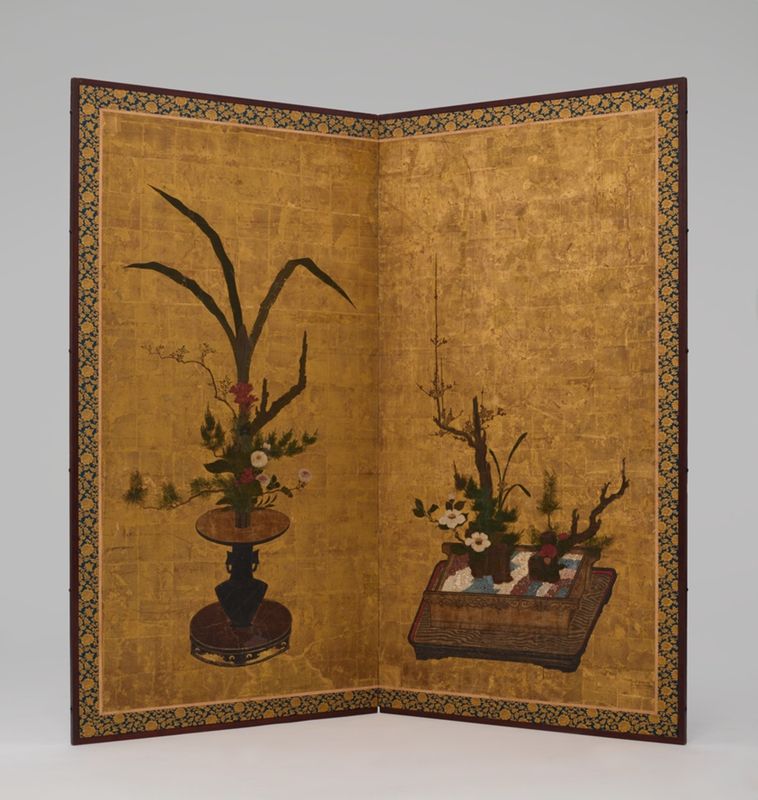
Flower Arrangements
Artist Unknown - The Mercat Cross, Aberdeen · 1595 · Art Institute of Chicago
 Same era · 1570s–1600s
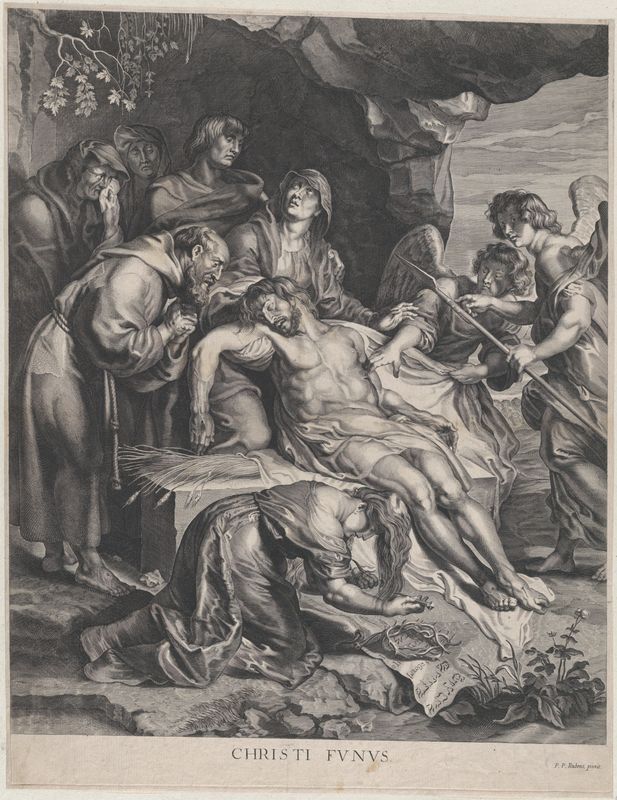
The Lamentation with Saint Francis and Two Angels
Peter Paul Rubens · 1603 · The Metropolitan Museum of Art
 Same era · 1570s–1600s
Wooded landscape with a road
Jan Brueghel the Elder · 1602
 Same era · 1570s–1600s
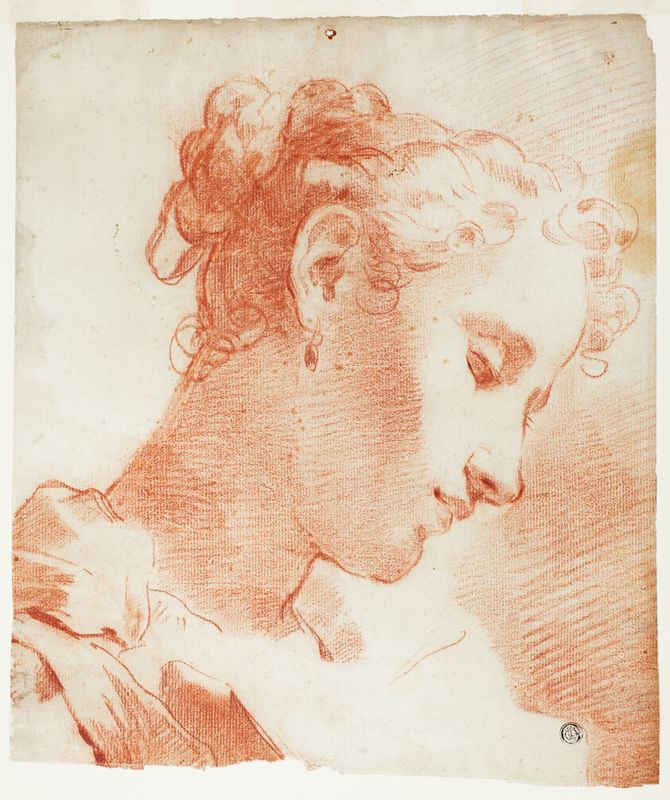
Female Head
Gaetano Gandolfi · 1592 · Art Institute of Chicago
 Same era · 1570s–1600s
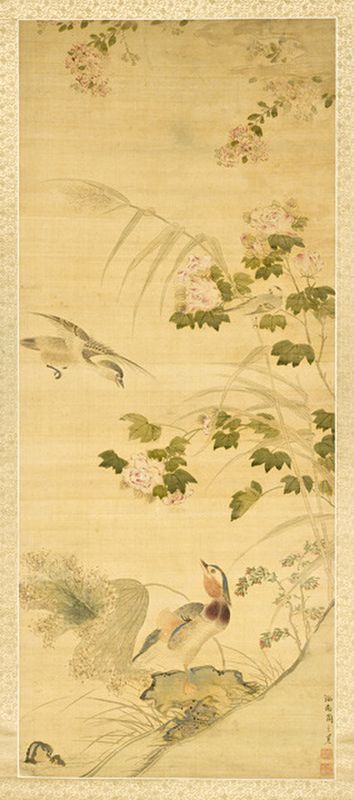
Flowers and Birds
Zhou Zhimian · 1595 · Los Angeles County Museum of Art
 Same era · 1570s–1600s
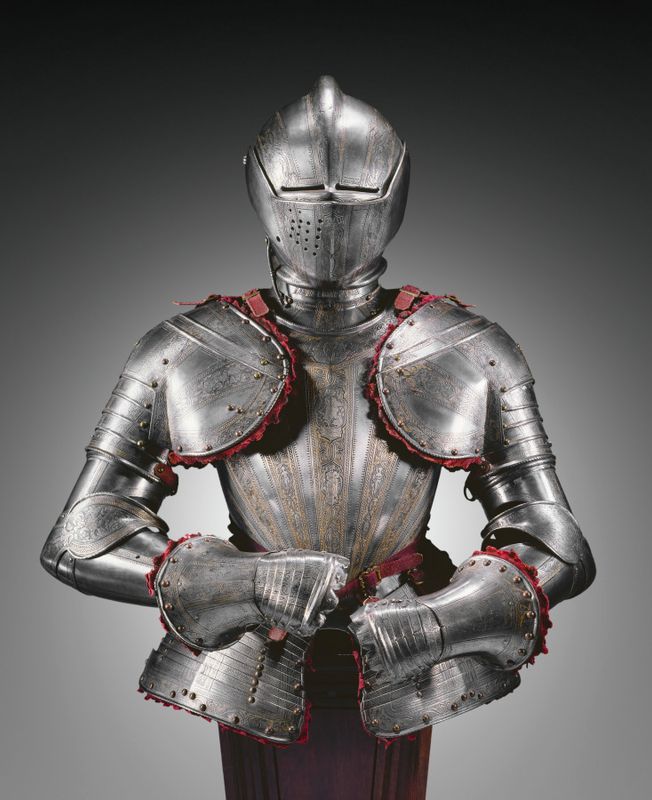
Half Armor for the Foot Tournament
Pompeo della Cesa · 1585 · Cleveland Museum of Art
 Same era · 1570s–1600s
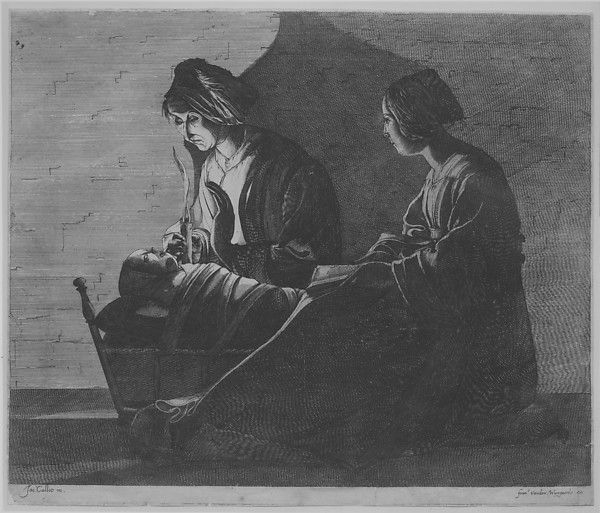
The Virgin and Child with Saint Anne
Georges de La Tour · 1600 · The Metropolitan Museum of Art
 Same era · 1570s–1600s
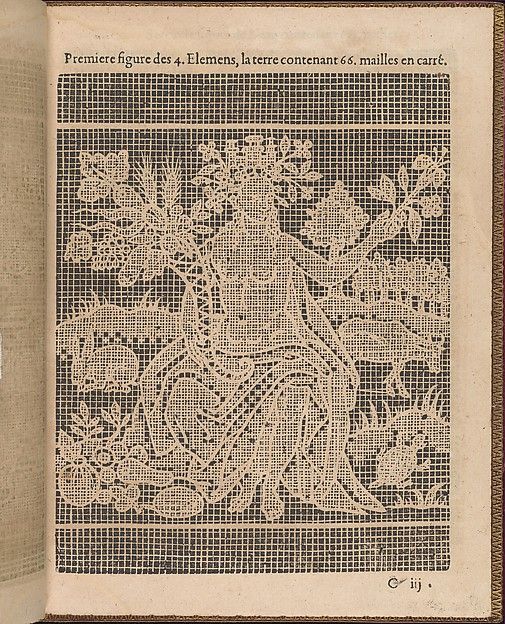
La Pratique de l'Aiguille, page 11 (recto)
Matthias Mignerak · 1605 · The Metropolitan Museum of Art