01
Bowed face in profile
The head tilts down in profile, eyes nearly closed. The pale skin stands out against the dark cave and gives the face a quiet, inward look of devotion.
1 of 5 on the painting
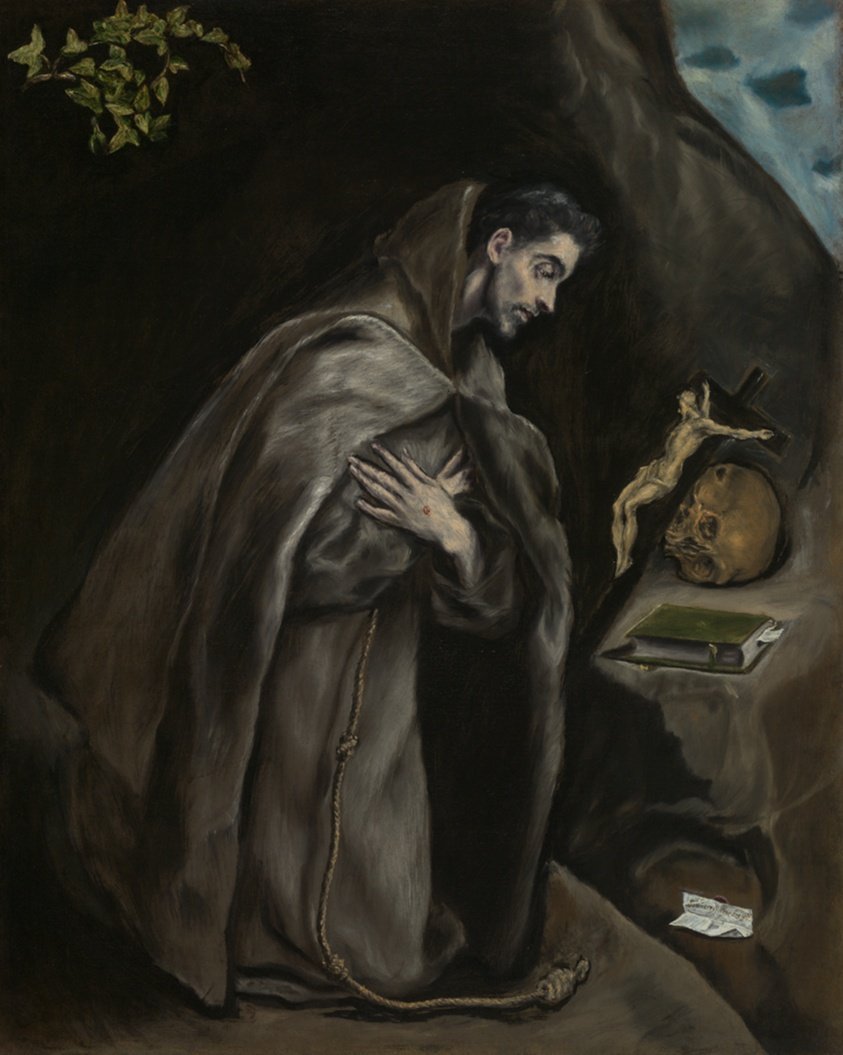
“This El Greco painting draws you into the intense spiritual world of Saint Francis, with dramatic light and shadow illuminating his profound meditation and the wounds of Christ on his hands.”
In this painting, Saint Francis kneels in deep meditation, his gaunt face turned heavenward, bathed in an ethereal light. His hands are clasped, revealing the stigmata, the wounds of Christ, a testament to his profound spiritual devotion. The dramatic contrast between the illuminated saint and the dark, almost abstract landscape behind him amplifies the sense of his inner world, separate from earthly concerns. The sky above, a turbulent swirl of grays and whites, echoes the intensity of his spiritual experience. This work captures a moment of intense introspection, inviting viewers to contemplate the saint's profound connection to the divine, a hallmark of Spanish Renaissance art, particularly during the Counter-Reformation.
Five details hide in plain sight. Pick one and we’ll show you exactly where to look.
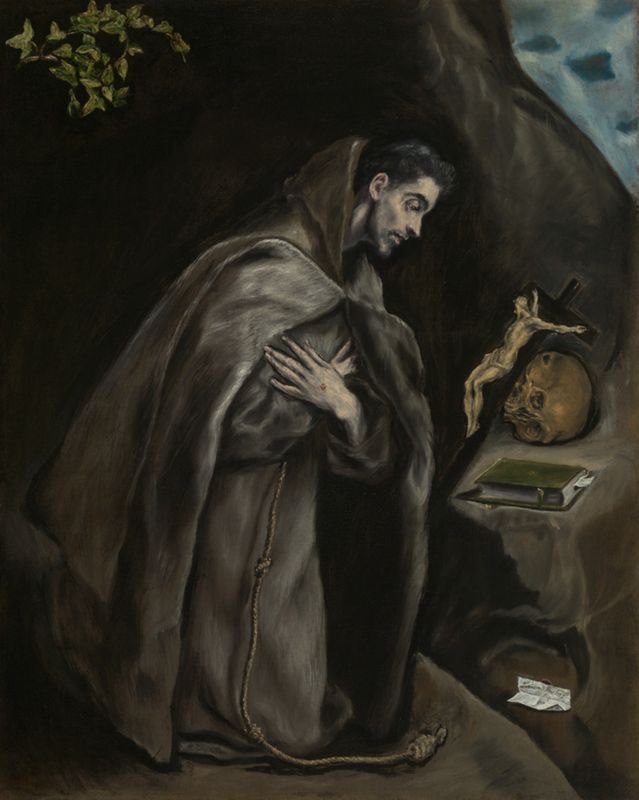
The head tilts down in profile, eyes nearly closed. The pale skin stands out against the dark cave and gives the face a quiet, inward look of devotion.
Find the pale hand pressed to the chest. A small red mark on the back of it points to the stigmata, the wounds Francis was said to have received.
At right, a small pale crucifix leans against a yellow-brown skull. Death and Christ's sacrifice sit side by side, close to where Francis directs his gaze and prayer.
A rough rope with knots hangs from the waist and curls on the ground by the knees. It is the Franciscan cord, a traditional sign of poverty and humility.
Near the lower right, a small crumpled white paper with a seal sits on the rocky floor. It is easy to miss, and it is the brightest spot in the dark foreground.
The full narration walks you through Saint Francis Kneeling in Meditation — the story behind it, the details most visitors miss, and why it matters. Free in the Art Whisper app.
A Greek painter who signed his works in Greek letters and added 'Cretan' to his name.
Beyond Greco and Renaissance: works from the same years.
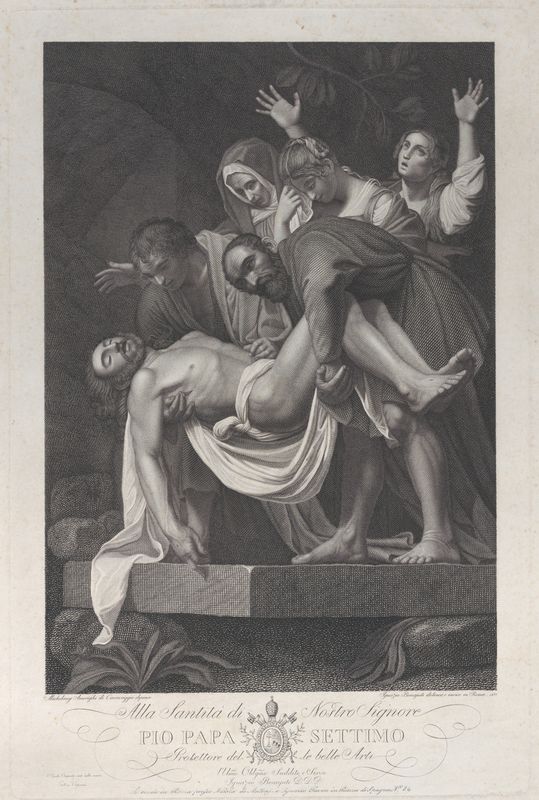 Same era · 1580s–1610s
The Entombment of Christ
Caravaggio · 1600 · Pinacoteca Vaticana
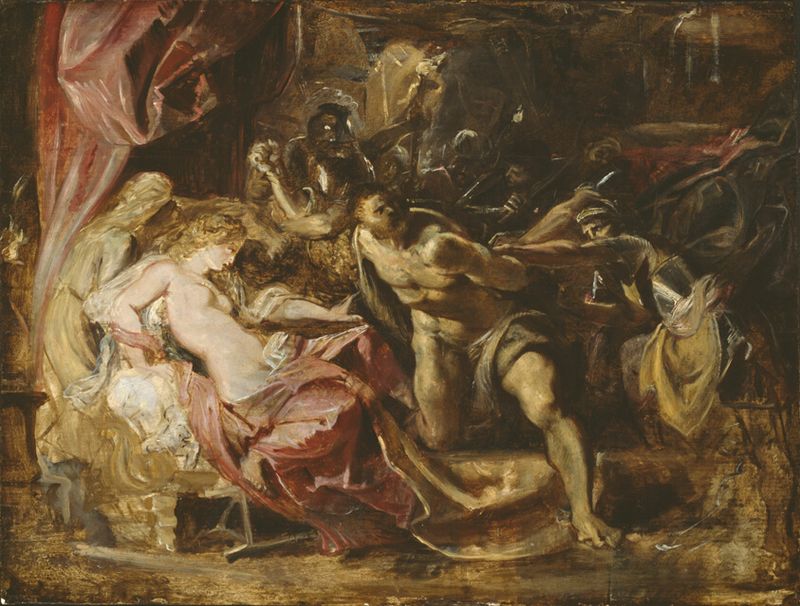 Same era · 1580s–1610s
The Capture of Samson
Peter Paul Rubens · 1609 · Art Institute of Chicago
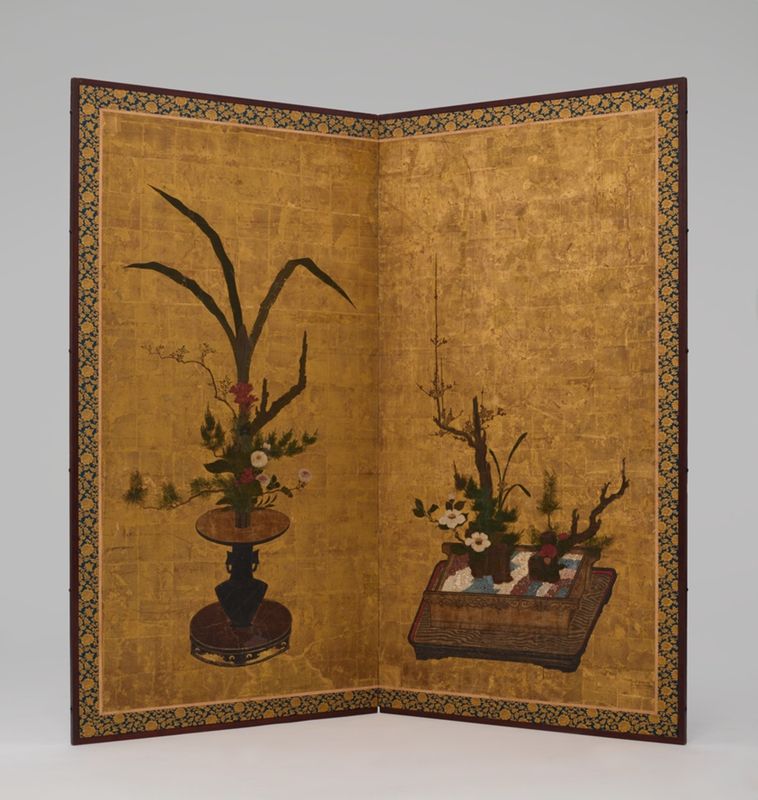 Same era · 1580s–1610s
Flower Arrangements
Artist Unknown - The Mercat Cross, Aberdeen · 1595 · Art Institute of Chicago
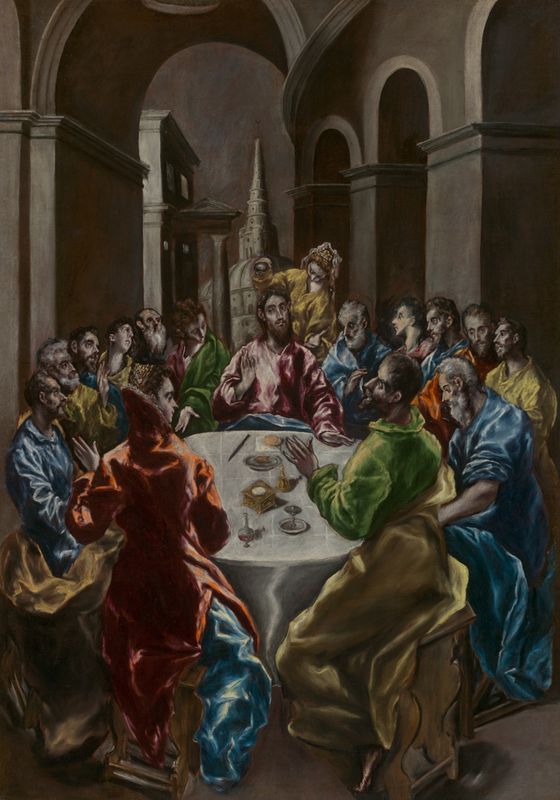 Same era · 1580s–1610s
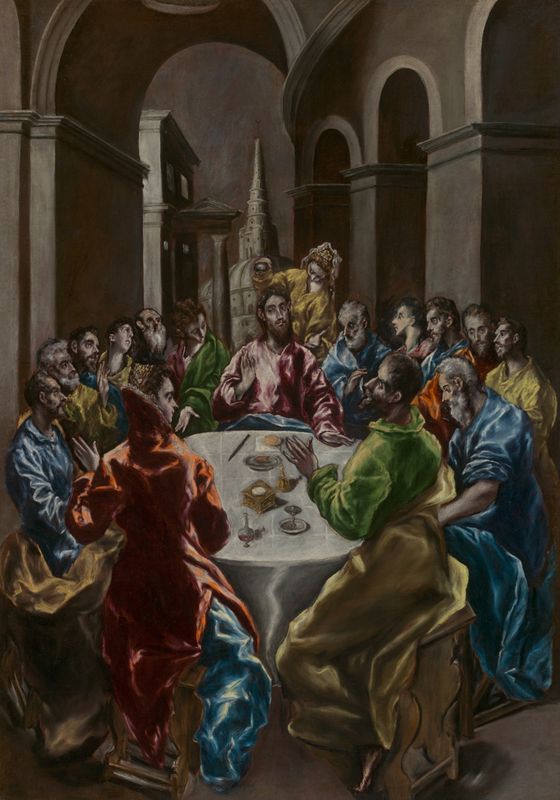
The Feast in the House of Simon
El Greco (Doménikos Theotokópoulos) and workshop · 1608 · Art Institute of Chicago
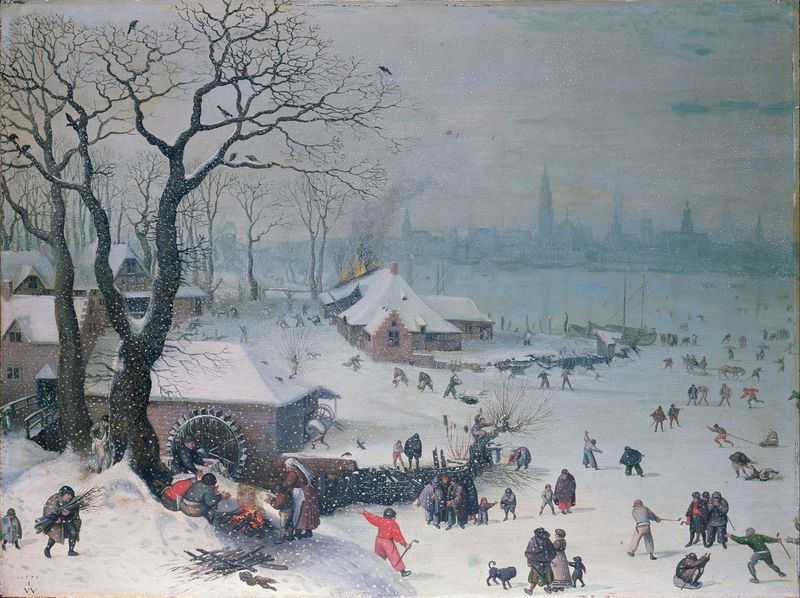 Same era · 1580s–1610s
Winter Landscape with Snowfall near Antwerp
Jan Brueghel the Elder · 1610
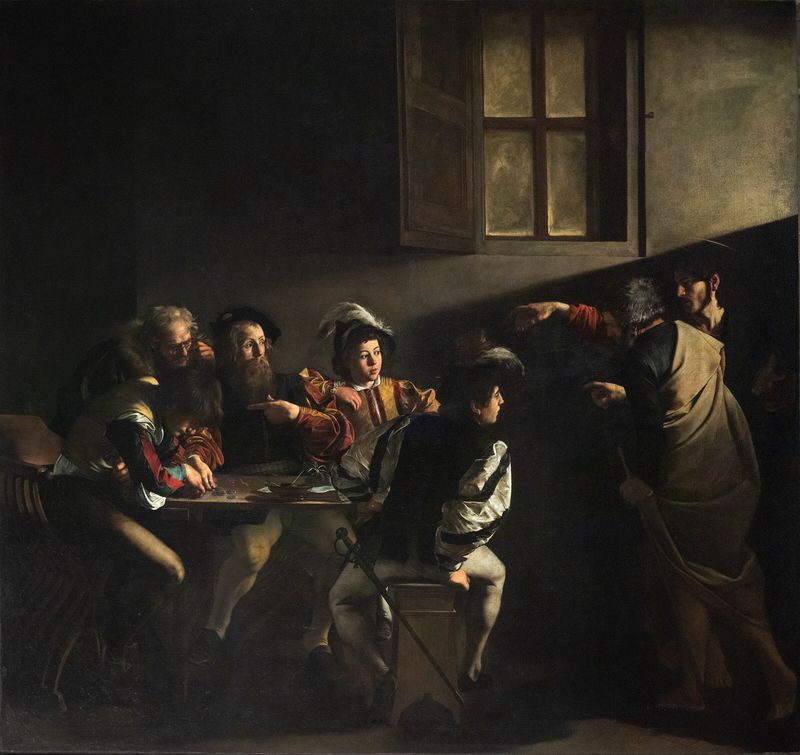 Same era · 1580s–1610s
The Calling of Saint Matthew
Hendrick ter Brugghen · 1609 · Museum of Fine Arts, Budapest
 Same era · 1580s–1610s
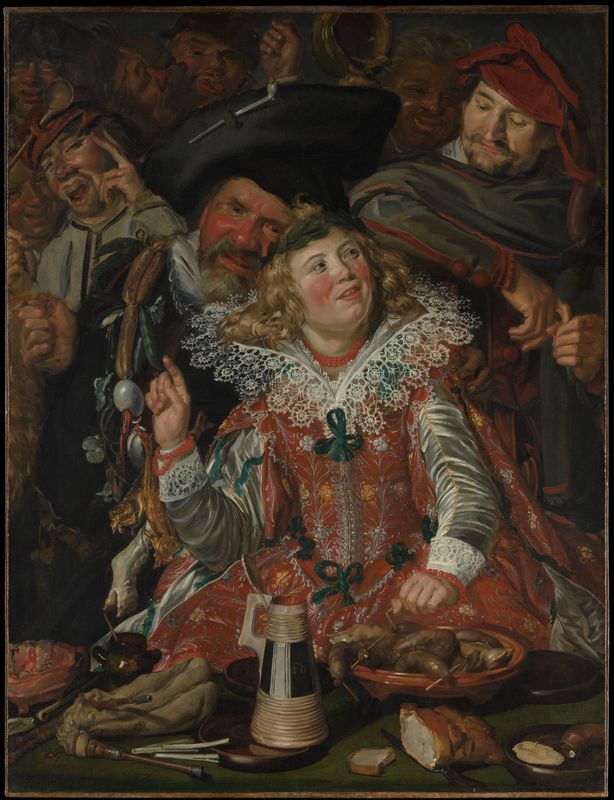
Merrymakers at Shrovetide
Frans Hals · 1610 · Metropolitan Museum of Art
 Same era · 1580s–1610s
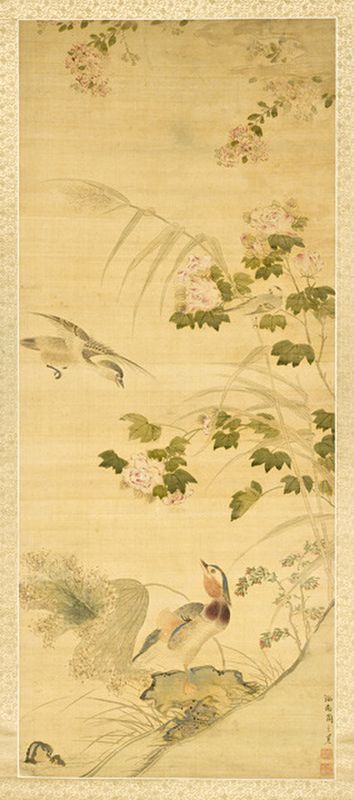
Flowers and Birds
Zhou Zhimian · 1595 · Los Angeles County Museum of Art
 Same era · 1580s–1610s
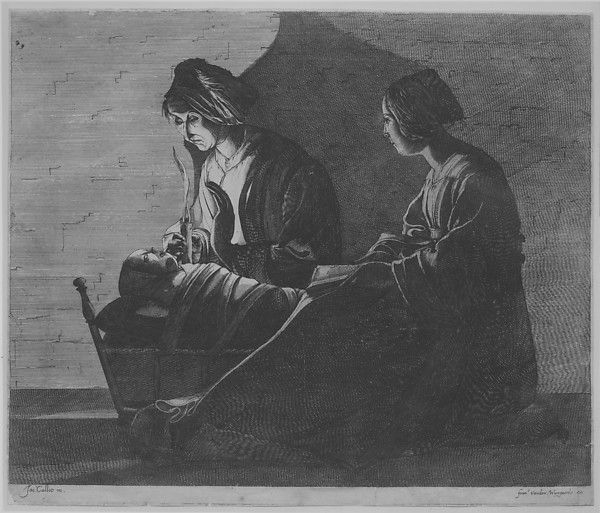
The Virgin and Child with Saint Anne
Georges de La Tour · 1600 · The Metropolitan Museum of Art
 Same era · 1580s–1610s
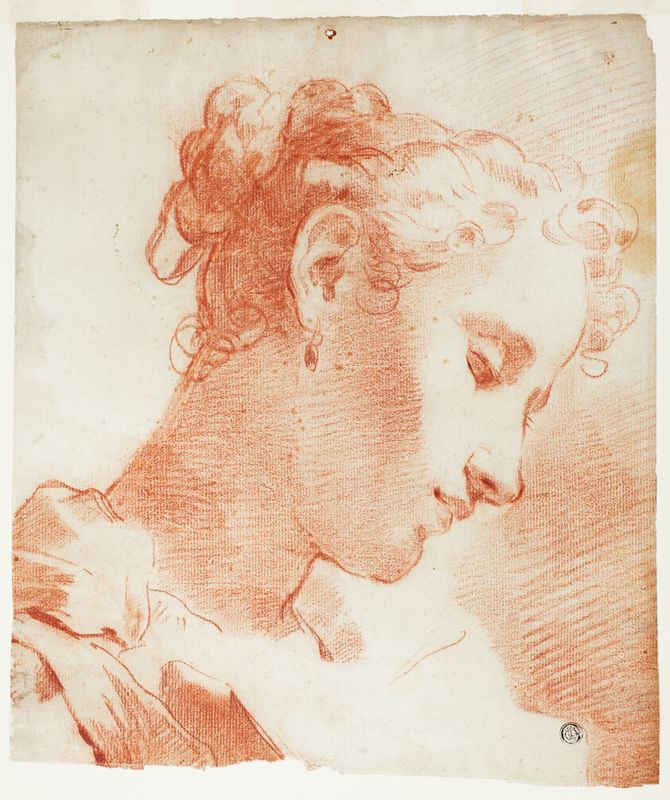
Female Head
Gaetano Gandolfi · 1592 · Art Institute of Chicago
 Same era · 1580s–1610s
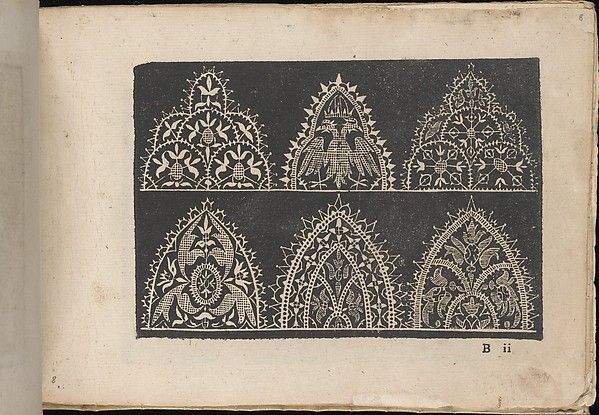
Fiori di Ricami Nuovamente Posti in Luce, page 8 (recto)
Matteo Florimi · 1591 · The Metropolitan Museum of Art
 Same era · 1580s–1610s
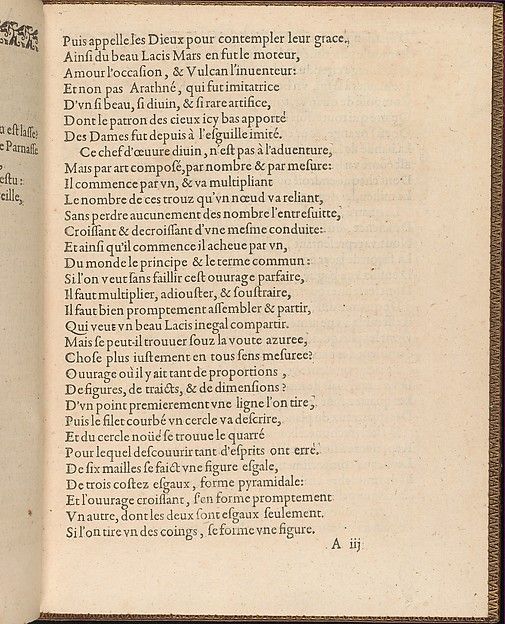
La Pratique de l'Aiguille, page 3 (recto)
Matthias Mignerak · 1605 · The Metropolitan Museum of Art