01
Oranges in her arms
The girl on the right hugs a bunch of oranges against her chest. Their saturated orange is the strongest color note in the picture.
1 of 5 on the painting
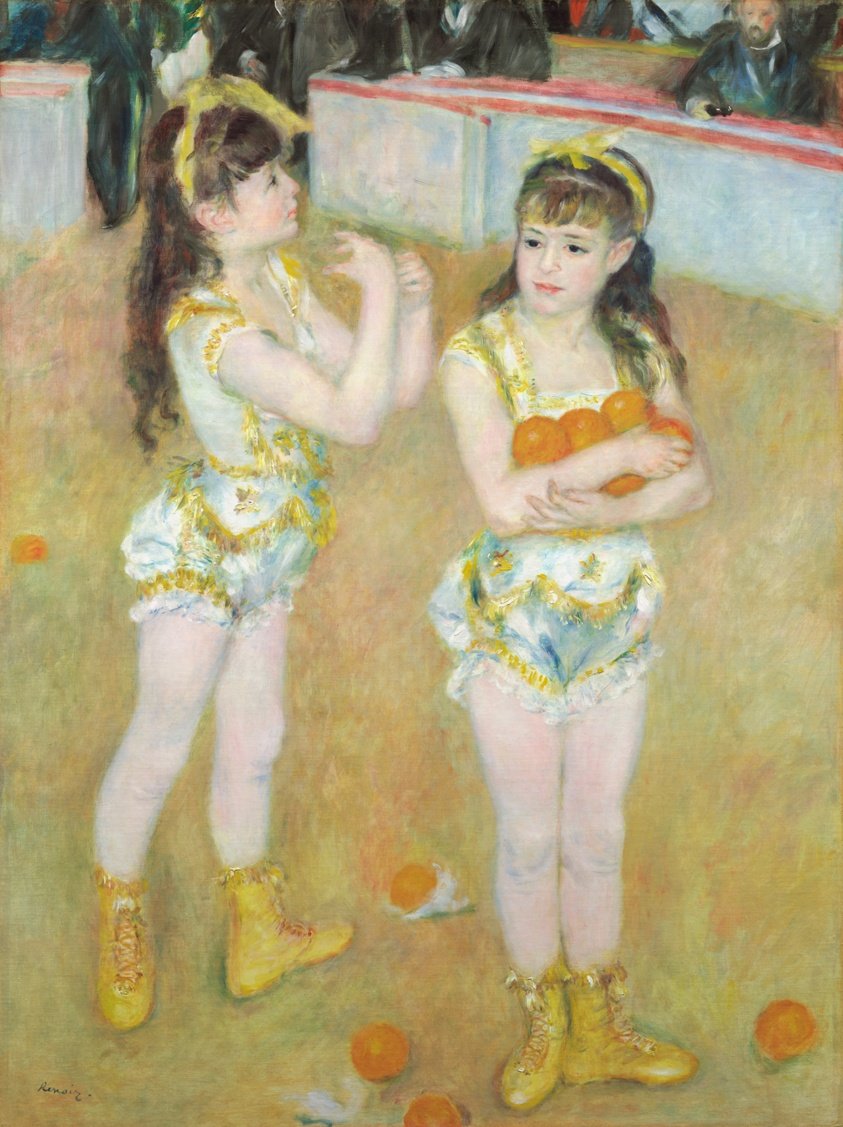
“Step into the dazzling world of the 19th-century Parisian circus with this painting, capturing two young acrobats taking their bow. It's a vivid snapshot of fleeting movement and light, characteristic of the Impressionist style.”
In this vibrant painting, two young acrobats, Francisca and Angelina Wartenberg, take their bow after a performance at the Cirque Fernando in Paris. The elder sister, Francisca, balances on a large yellow ball, her body angled in a graceful curve, while Angelina, smaller and younger, kneels beside her. The artist captures the fleeting moment of applause, with the sisters' bright, ruffled costumes shimmering under the circus lights. Look closely at the background and you will see the blurred faces of the audience, rendered with quick, expressive brushstrokes that convey the bustling atmosphere of the circus tent. This work, painted in 1879, reflects the Impressionist interest in modern life and leisure, bringing the viewer into the spectacle of Parisian entertainment.
Five details hide in plain sight. Pick one and we’ll show you exactly where to look.
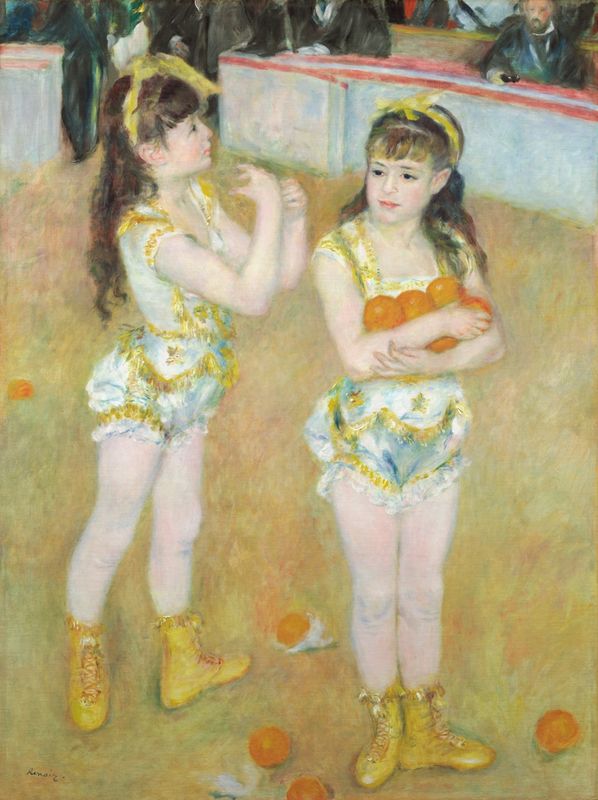
The girl on the right hugs a bunch of oranges against her chest. Their saturated orange is the strongest color note in the picture.
The girl on the right looks off to the side with a calm, slightly wary expression. Her gaze seems to drift away from the viewer and from her companion, which gives her a quiet, real presence.
The girl on the left turns up and away with her hands raised, while the girl on the right stands still and faces us. The contrast between them sets up a quiet story.
Oranges lie scattered on the ground, with bits of white peel near two of them. They tie the floor to the figures and suggest a juggling act that has been interrupted.
Look at the yellow fringe and white-blue costumes. Quick dabs of paint suggest the trim and ruffles without drawing each one.
The full narration walks you through Acrobats at the Cirque Fernando (Francisca and Angelina Wartenberg) — the story behind it, the details most visitors miss, and why it matters. Free in the Art Whisper app.
Pierre-Auguste Renoir, a leading Impressionist, painted lively scenes of Parisian life and celebrated feminine beauty.
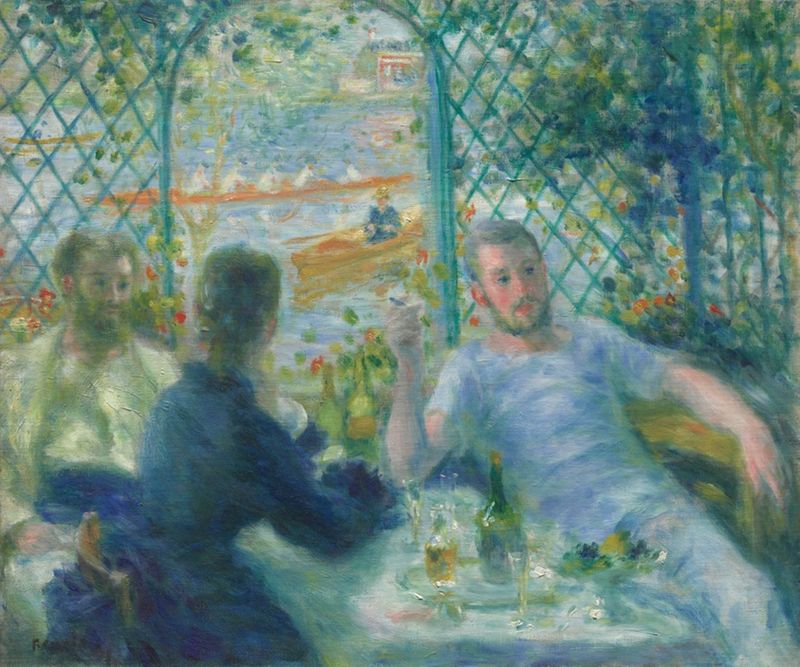 Lunch at the Restaurant Fournaise (The Rowers' Lunch)
1875 · Art Institute of Chicago
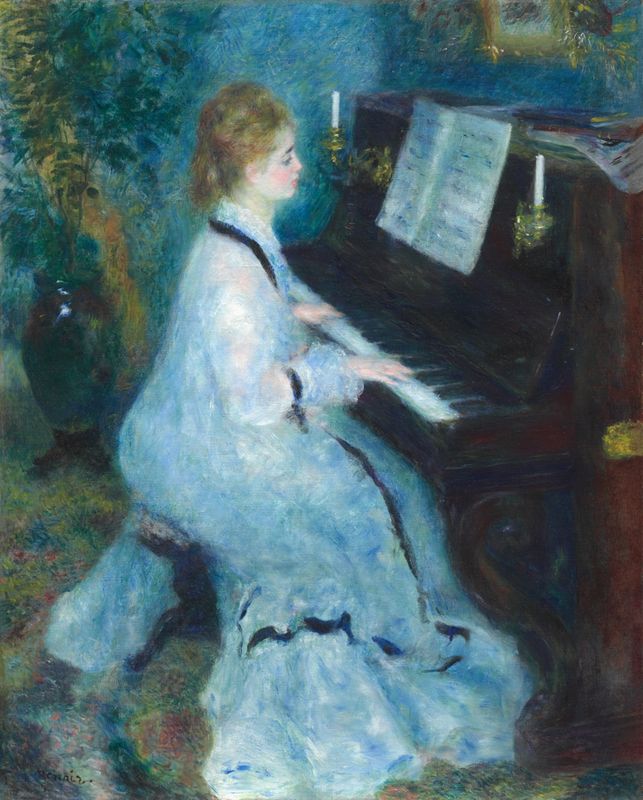 Woman at the Piano
1875 · Art Institute of Chicago
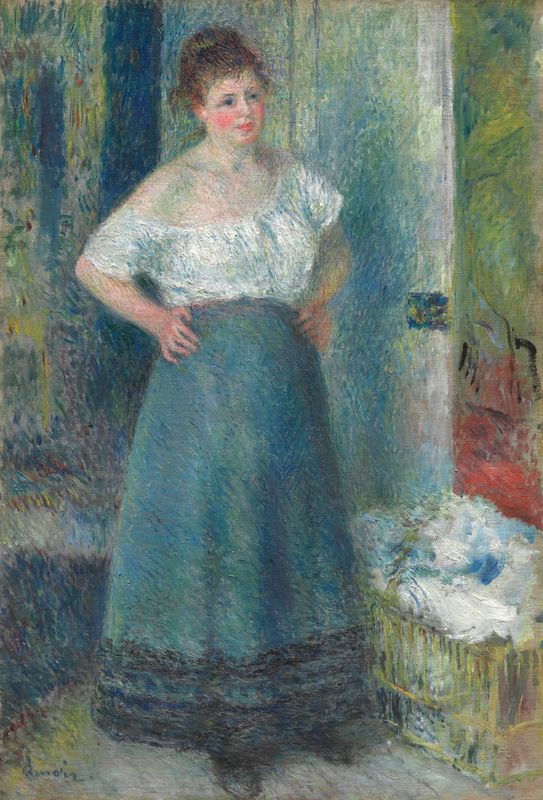 The Laundress
1877 · Art Institute of Chicago
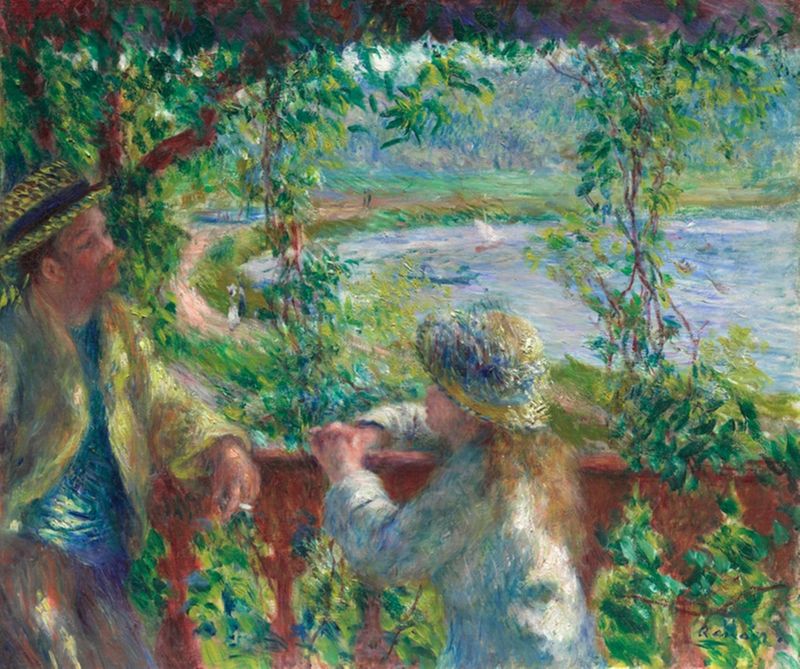 Near the Lake
1879 · Art Institute of Chicago
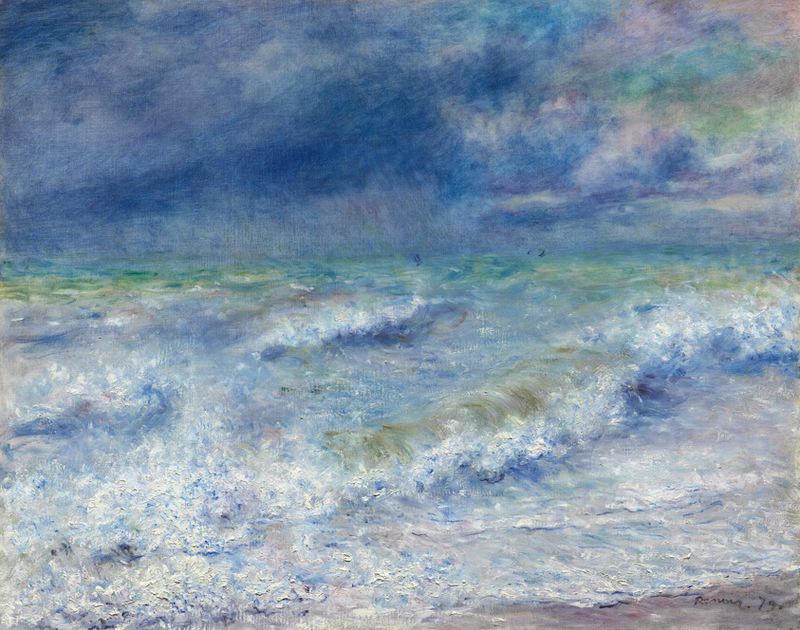 Seascape
1879 · Art Institute of Chicago
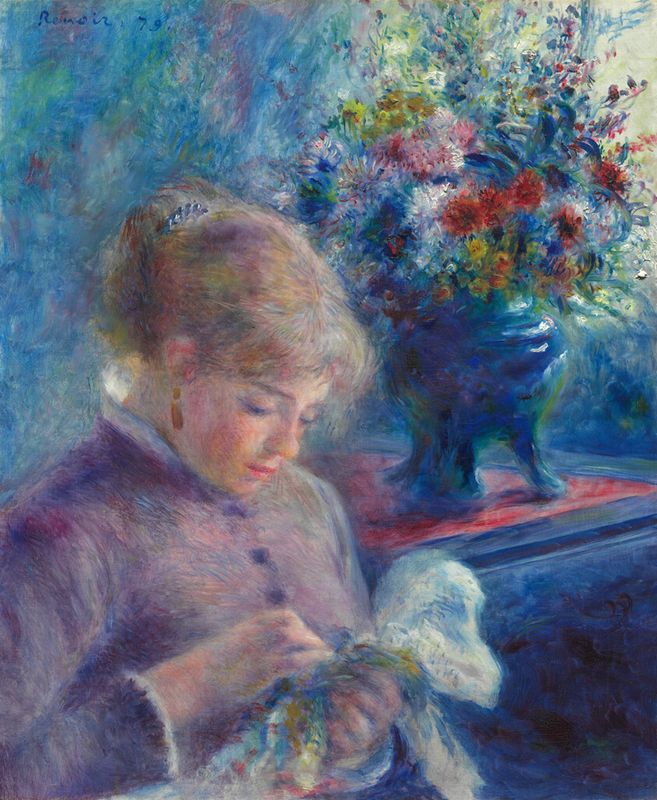 Young Woman Sewing
1879 · Art Institute of Chicago
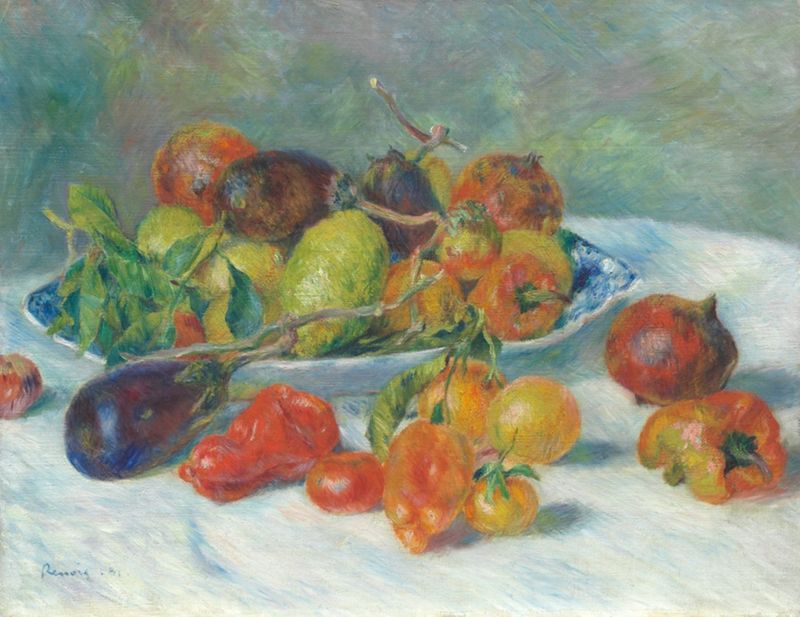 Fruits of the Midi
1881 · Art Institute of Chicago
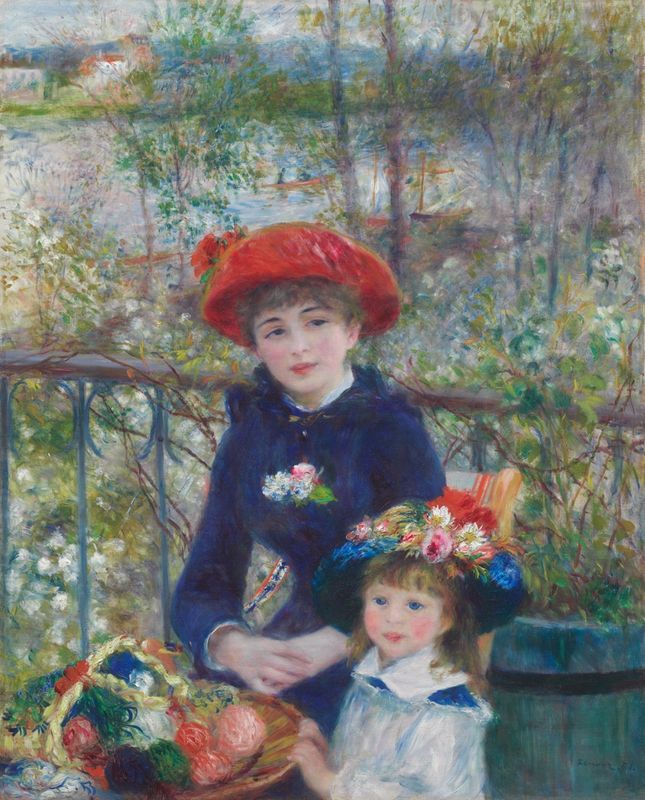 Two Sisters (On the Terrace)
1881 · Art Institute of Chicago
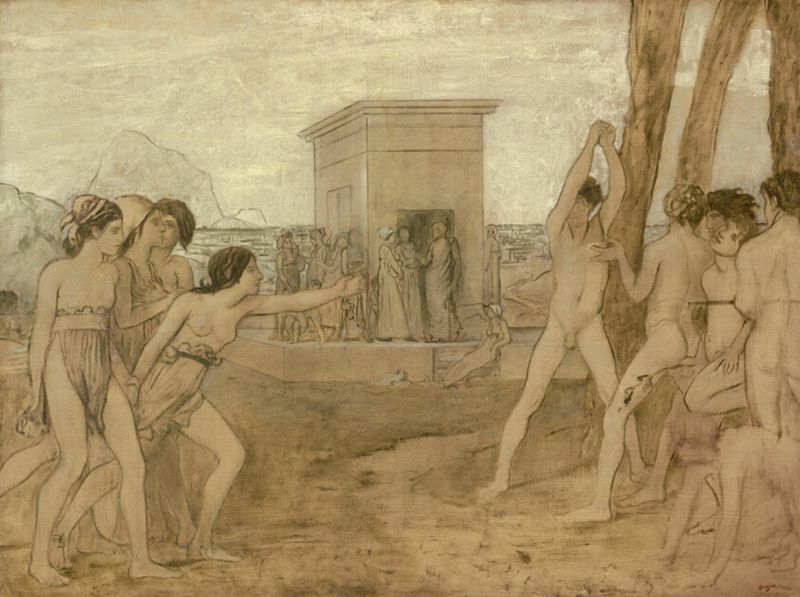 Young Spartan Girls Challenging Boys
Degas · 1860 · Art Institute of Chicago
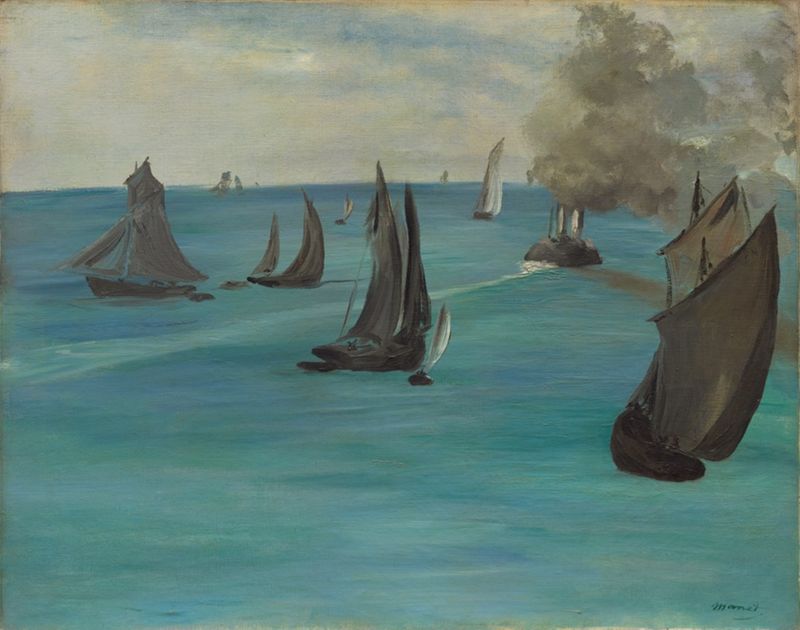 Sea View, Calm Weather (Vue de mer, temps calme)
Manet · 1864 · Art Institute of Chicago
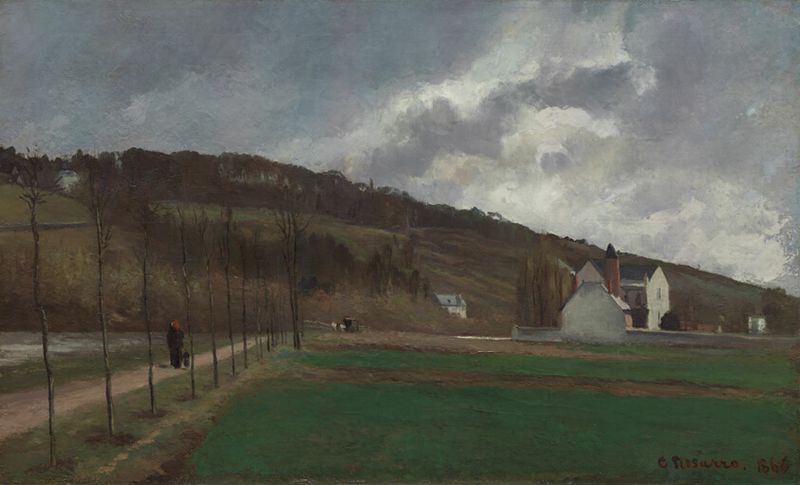 The Banks of the Marne in Winter
Pissarro · 1866 · Art Institute of Chicago
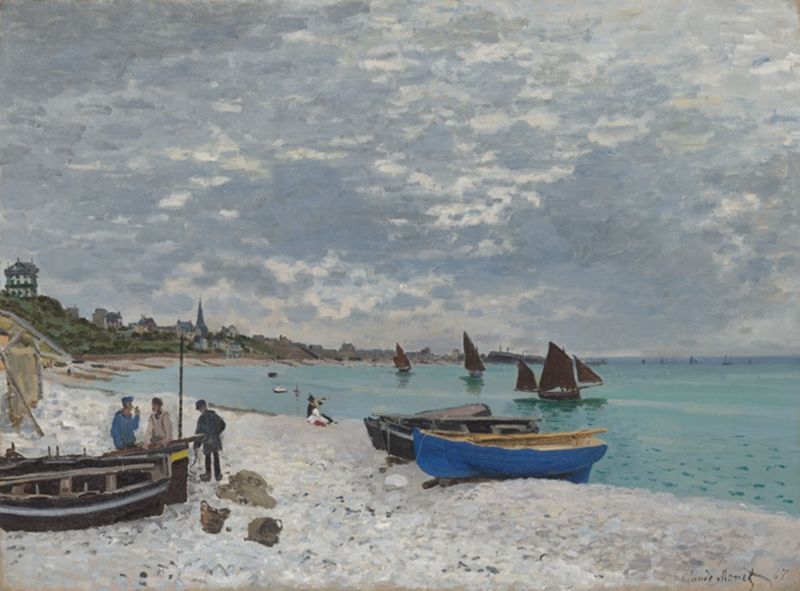 The Beach at Sainte-Adresse
Monet · 1867 · Art Institute of Chicago
Beyond Renoir and Impressionism: works from the same years.
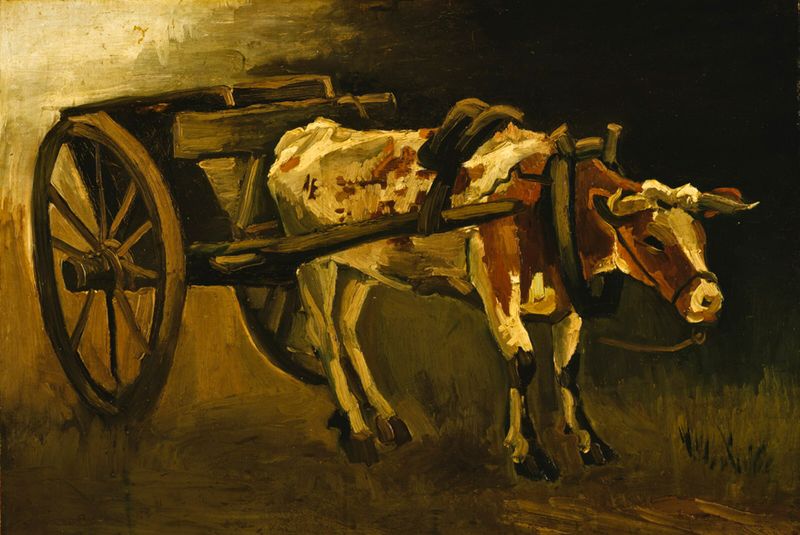 Same era · 1860s–1890s
Cart with Red and White Ox
Vincent van Gogh · 1884 · Kröller-Müller Museum
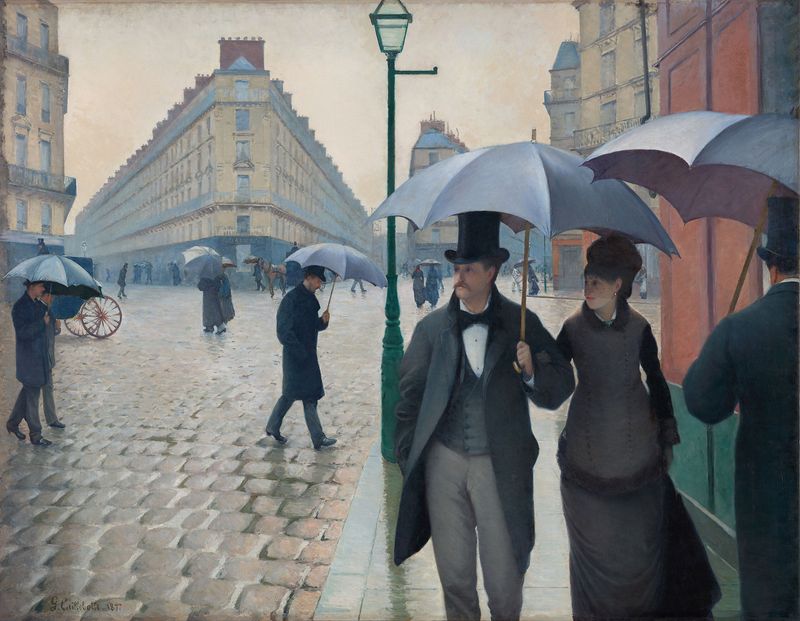 Same era · 1860s–1890s
Paris Street; Rainy Day
Kawabata Gyokushō · 1877 · Art Institute of Chicago
 Same era · 1860s–1890s
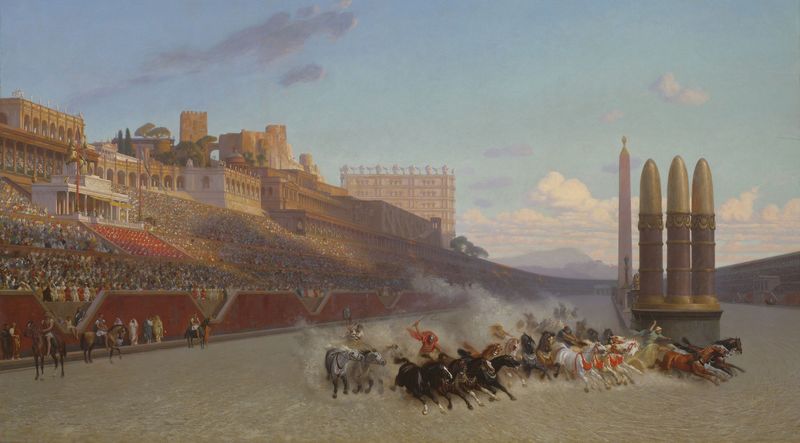
Chariot Race
Léon-Victor Dupré · 1876 · Art Institute of Chicago
 Same era · 1860s–1890s
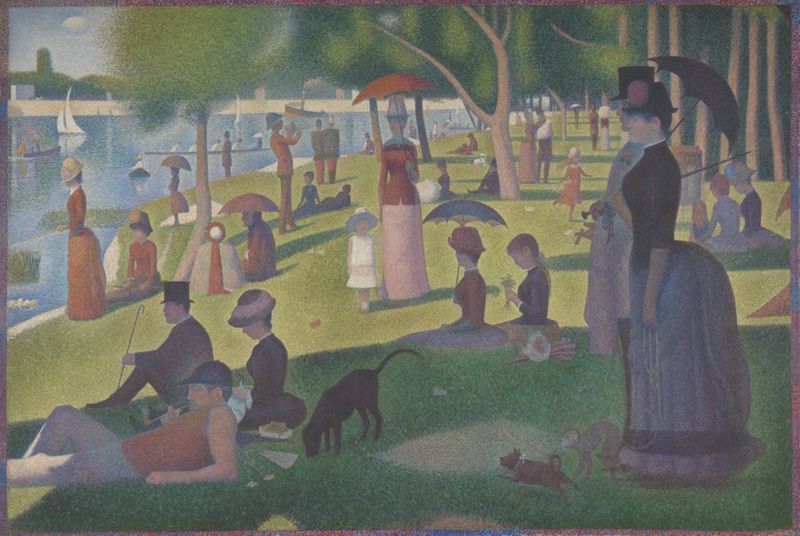
A Sunday on La Grande Jatte — 1884
Okada Saburosuke · 1884 · Art Institute of Chicago
 Same era · 1860s–1890s
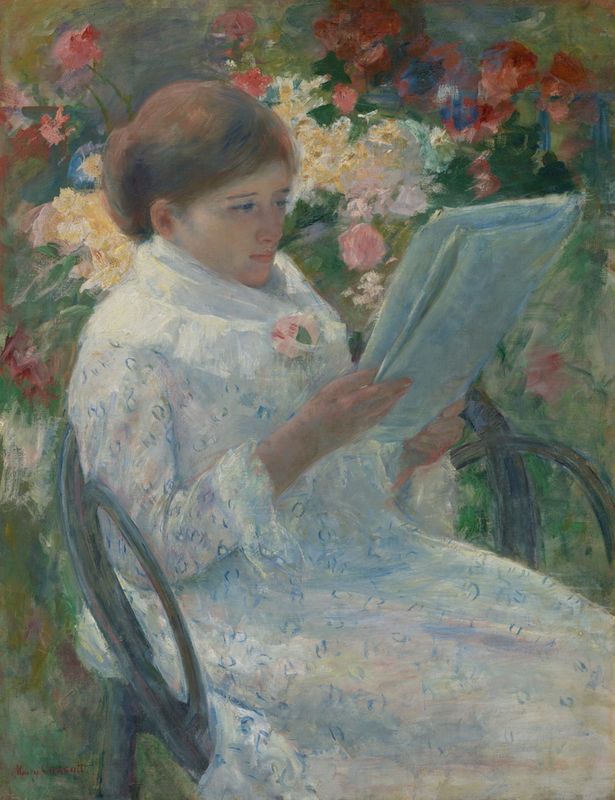
On a Balcony
Mary Cassatt · 1879 · Art Institute of Chicago
 Same era · 1860s–1890s
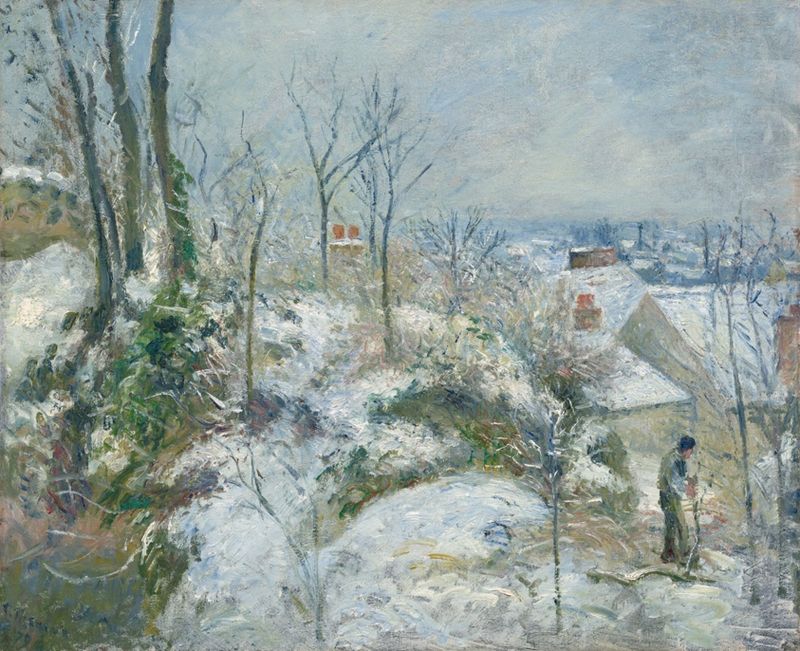
Rabbit Warren at Pontoise, Snow
Camille Pissarro · 1879 · Art Institute of Chicago
 Same era · 1860s–1890s
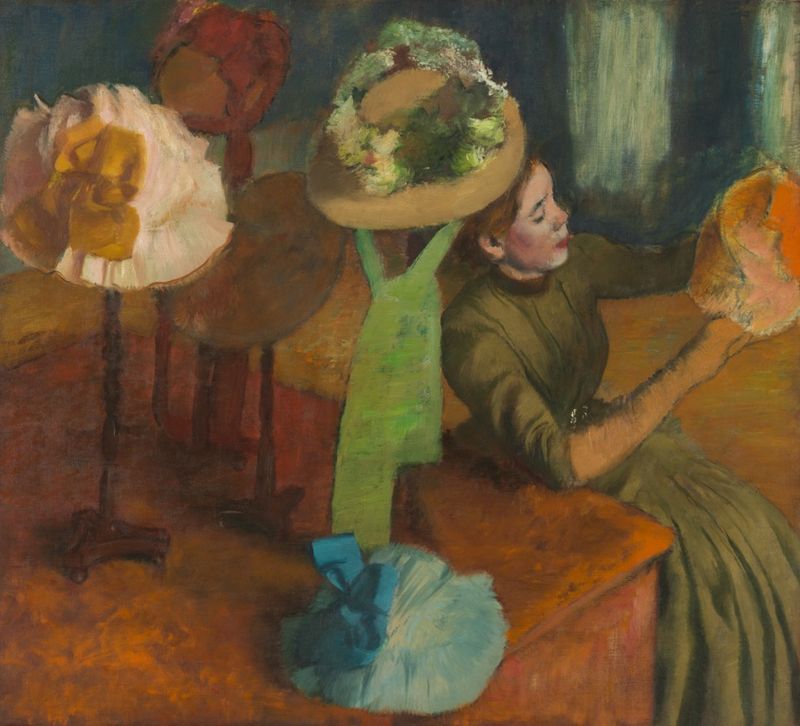
The Millinery Shop
Edgar Degas · 1879 · Art Institute of Chicago
 Same era · 1860s–1890s
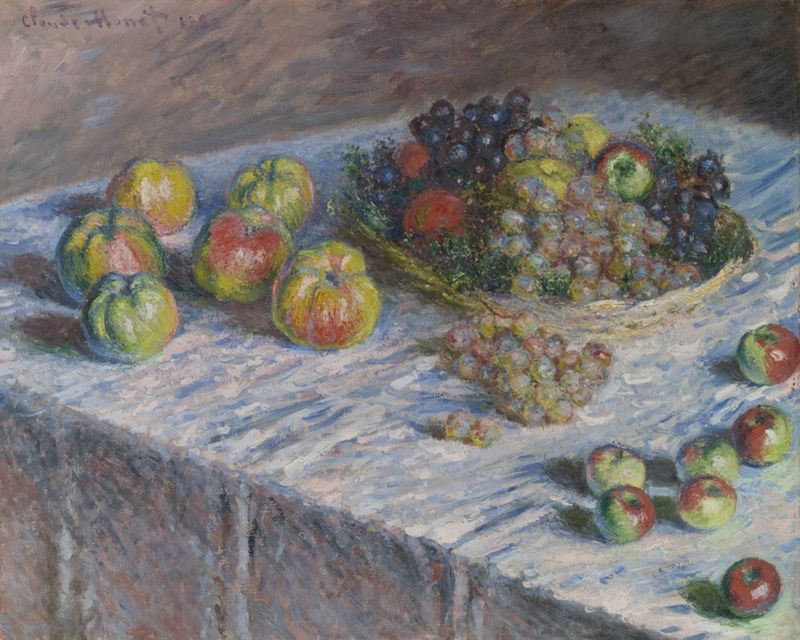
Apples and Grapes
Claude Monet · 1880 · Art Institute of Chicago
 Same era · 1860s–1890s
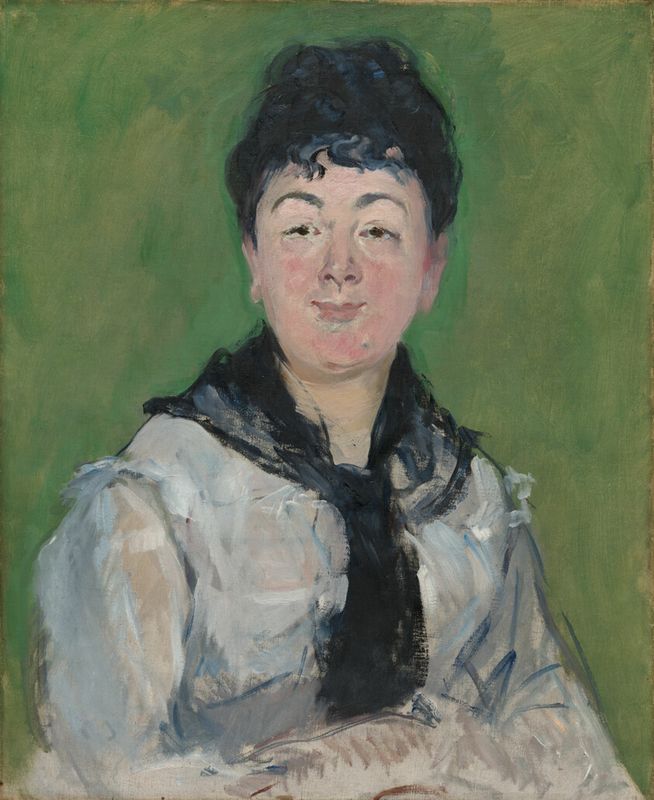
Portrait of a Woman with a Black Fichu
Édouard Manet · 1878 · Art Institute of Chicago
 Same era · 1860s–1890s
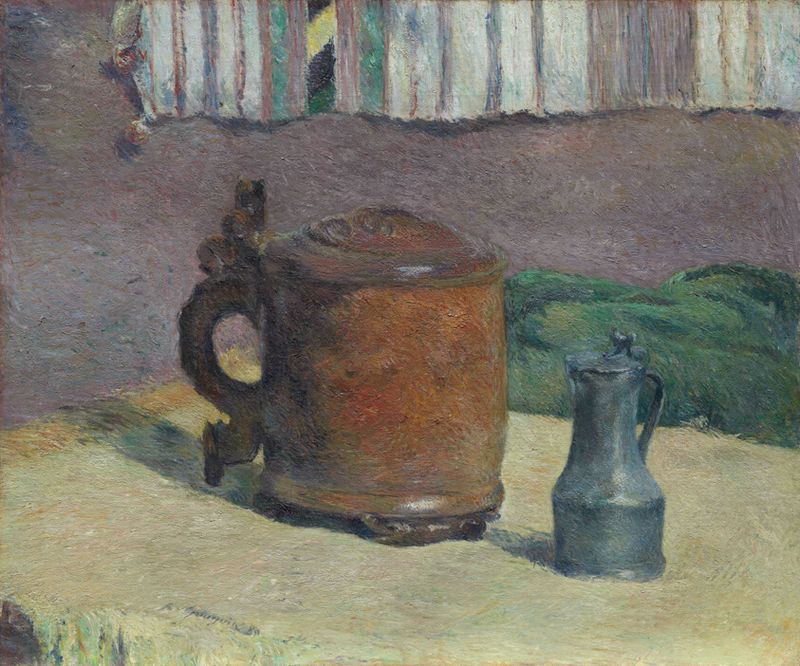
Still Life: Wood Tankard and Metal Pitcher
Paul Gauguin · 1880 · Art Institute of Chicago
 Same era · 1860s–1890s
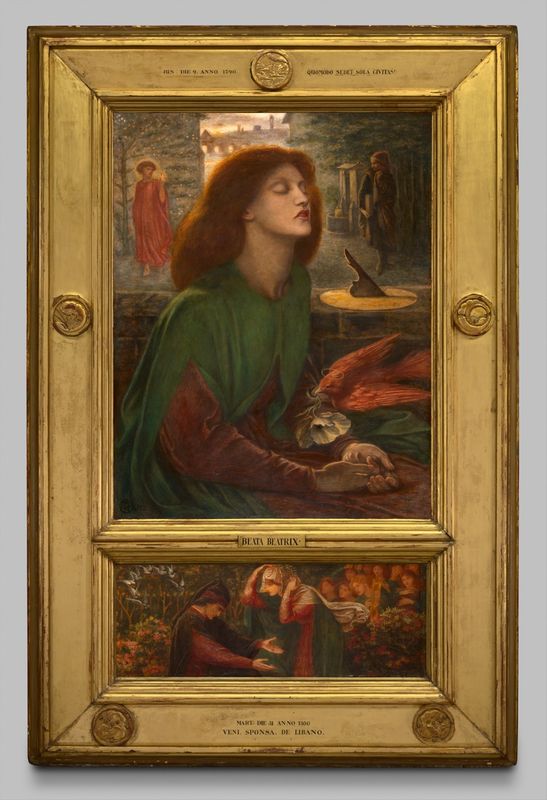
Beata Beatrix
Dante Gabriel Rossetti · 1877 · Birmingham Museums Trust
 Same era · 1860s–1890s
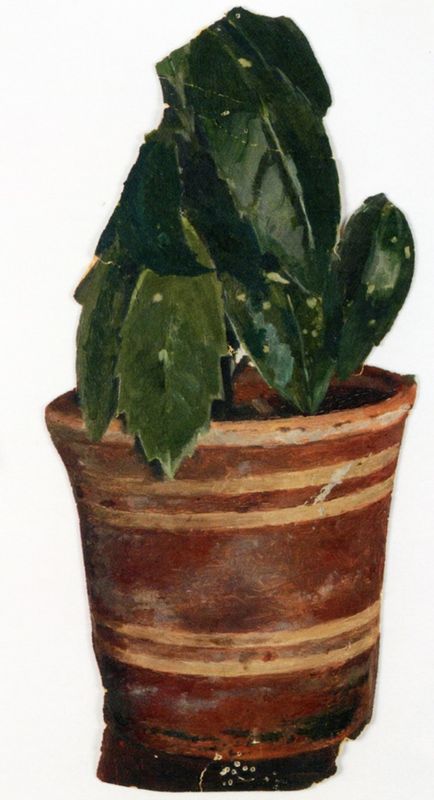
Potted Plant
Edvard Munch · 1881 · Munch Museum
