

“This photograph offers a poignant and unadorned glimpse into the quiet sorrow of a child's grave in Depression-era Alabama, reflecting the challenging realities of the time through a single, powerful image.”
This stark photograph, taken in rural Alabama in 1936, captures a small, homemade grave. The makeshift headstone, a simple wooden cross, stands slightly off-center, marking a child's final resting place amidst a sparse, unkempt field. The ground around it is bare, suggesting the harsh conditions of the Great Depression era in the American South. The image is devoid of people, yet their presence is deeply felt through the quiet testament of this grave. The light is even and clear, allowing every detail of the weathered wood and the sparse landscape to register with a profound sense of dignity and quiet sorrow. It's a powerful and unvarnished document of everyday life and loss during a challenging period, part of a larger body of work that aimed to record the realities of poverty.
- Artist
- Walker Evans
- Date
- 1936
- Medium
- Gelatin silver print
- Location
- Art Institute of Chicago
- Dimensions
- Image/paper: 8.4 × 23.1 cm (3 5/16 × 9 1/8 in.)
What to Notice
Five details hide in plain sight. Here’s where to look.
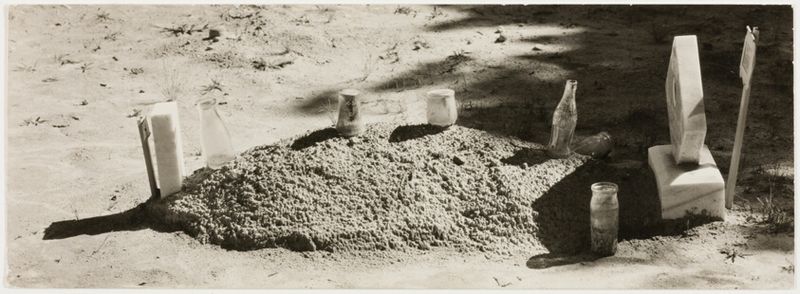
The simple wooden cross, likely handmade, marking the grave.
The small size of the grave, indicating it belongs to a child.
The sparse, dry vegetation surrounding the burial site.
The rough, uneven texture of the ground in the foreground.
1 more detail is waiting.
See all 5 in Art Whisper →Walker Evans
Walker Evans captured the stark realities of Depression-era America, from Alabama sharecroppers to New York City street life, with a "literate, authoritative, transcendent" eye.
More from Social Realism
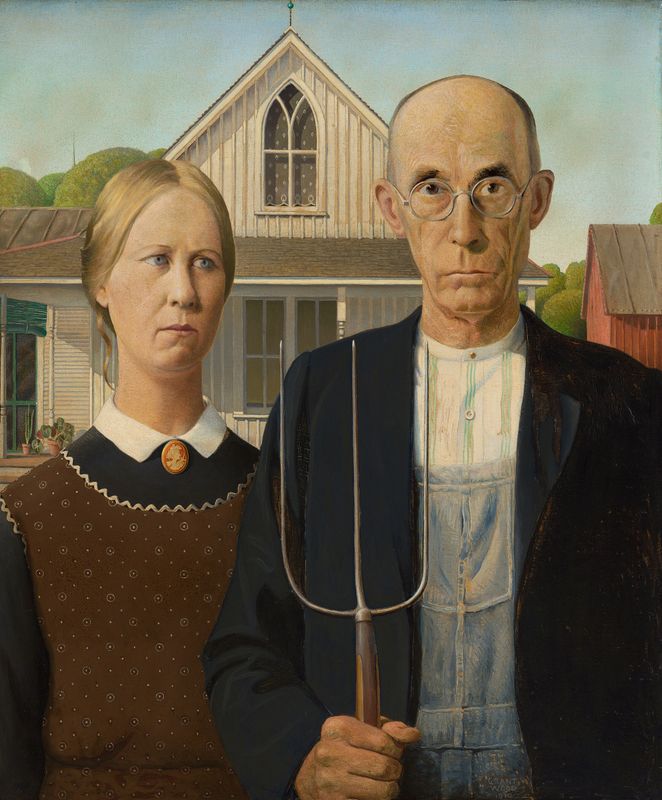
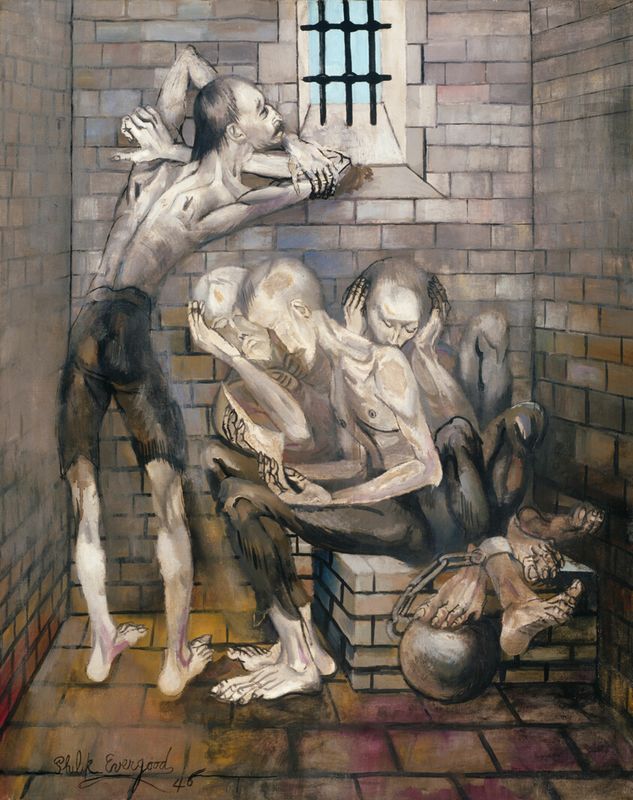
More works to explore
Beyond Evans and Social Realism: works from the same years.
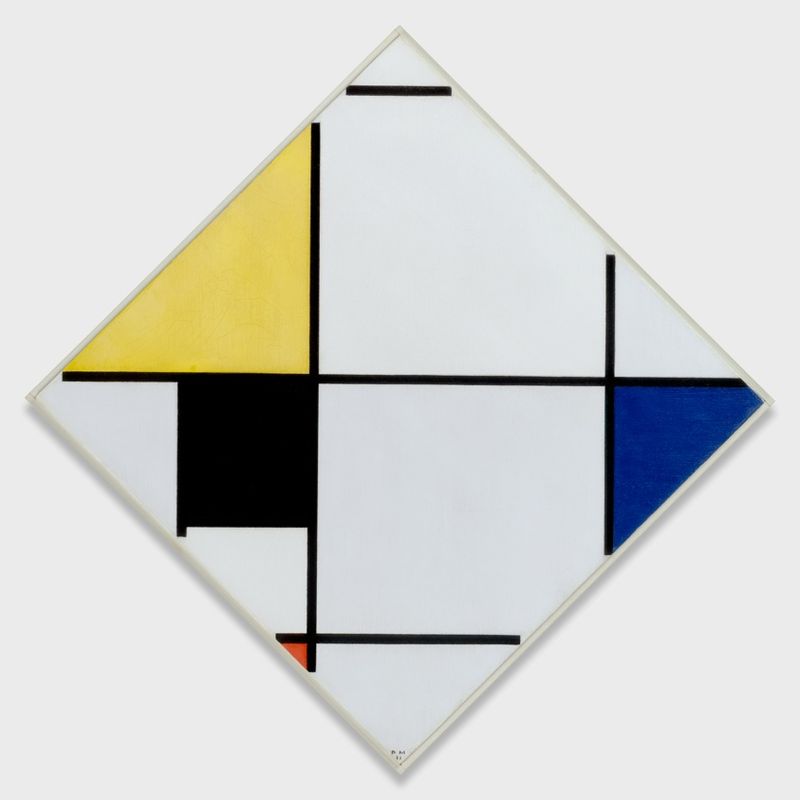 Same era · 1920s–1950s
Lozenge Composition with Yellow, Black, Blue, Red, and Gray
Piet Mondrian · 1921 · Art Institute of Chicago
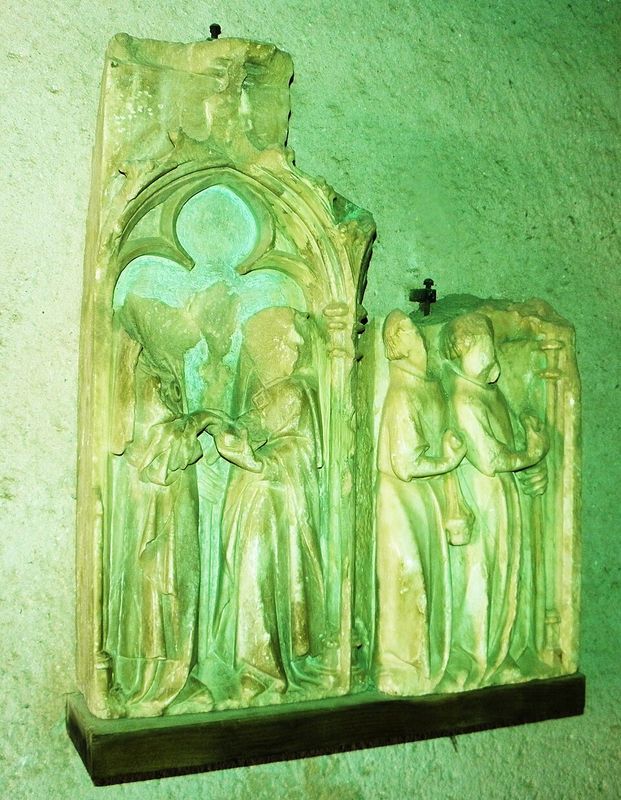 Same era · 1920s–1950s
Deux personnages
Pierre Alechinsky · 1950
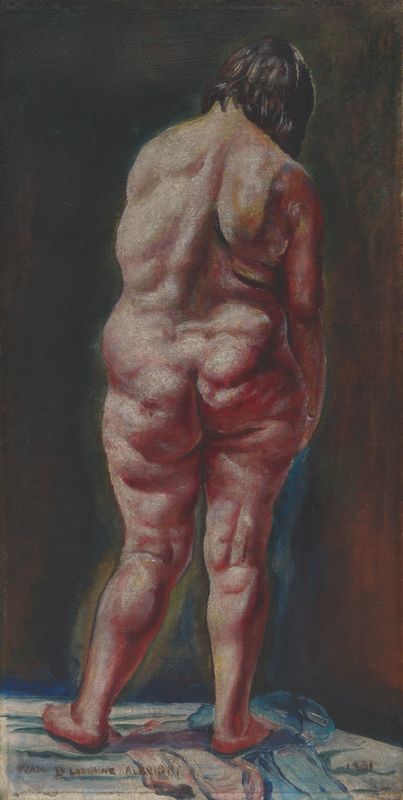 Same era · 1920s–1950s
Nude
Ivan Puni · 1931 · Art Institute of Chicago
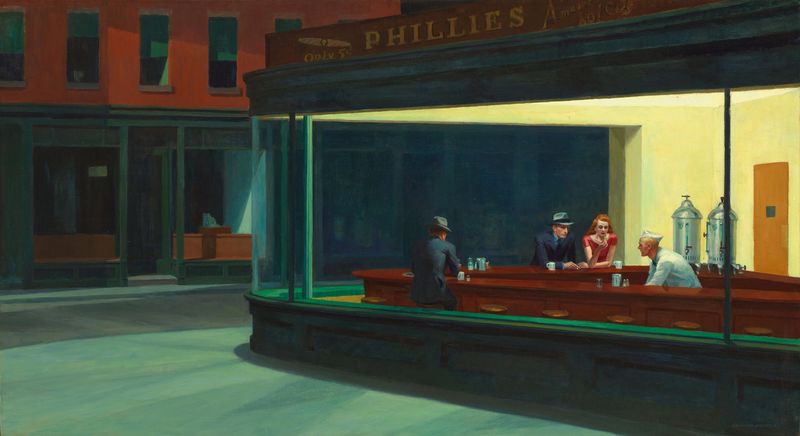 Same era · 1920s–1950s
Nighthawks
Okada Saburosuke · 1942 · Art Institute of Chicago
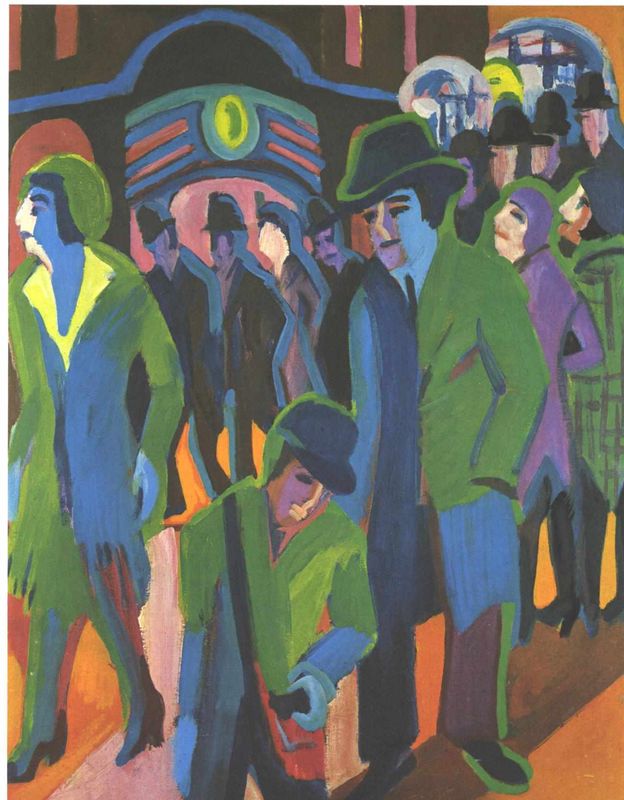 Same era · 1920s–1950s
Straße mit Passanten bei Nachtbeleuchtung
Ernst Ludwig Kirchner · 1927 · Museum Frieder Burda
 Same era · 1920s–1950s
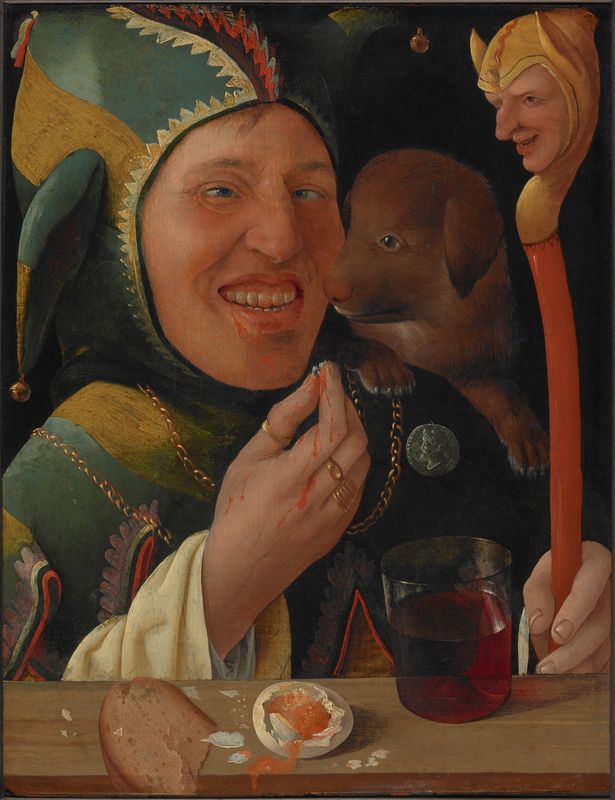
The Jester
Philip Evergood · 1950 · Whitney Museum of American Art
 Same era · 1920s–1950s
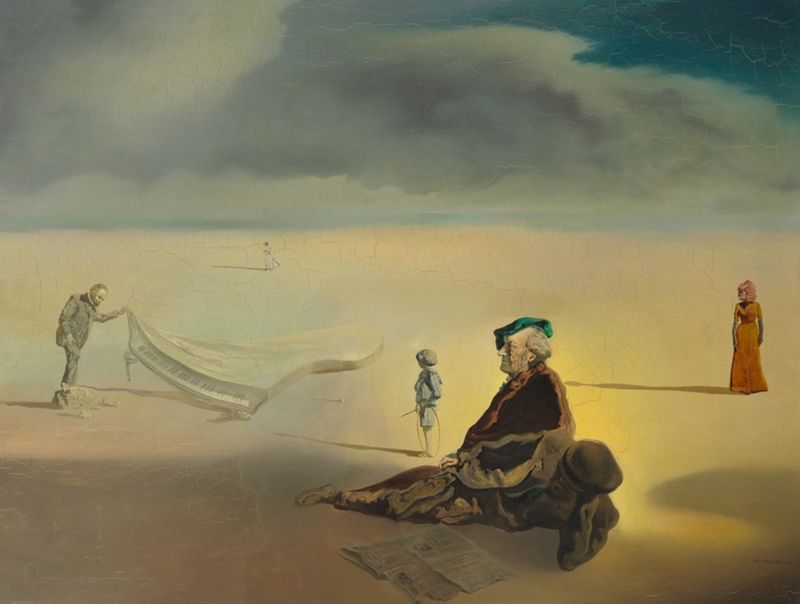
A Chemist Lifting with Extreme Precaution the Cuticle of a Grand Piano
Salvador Dalí · 1936 · Art Institute of Chicago
 Same era · 1920s–1950s
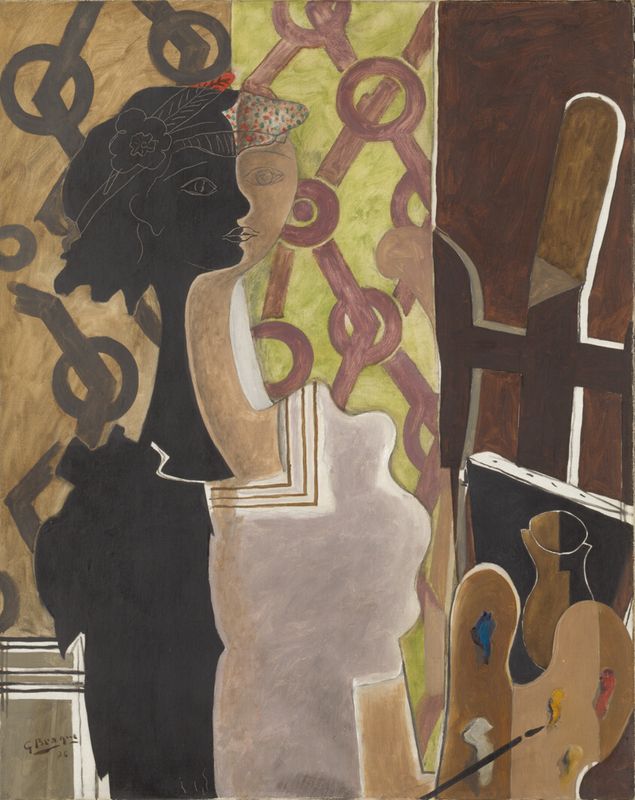
Woman at an Easel (Green Screen)
Georges Braque · 1936 · Art Institute of Chicago
 Same era · 1920s–1950s
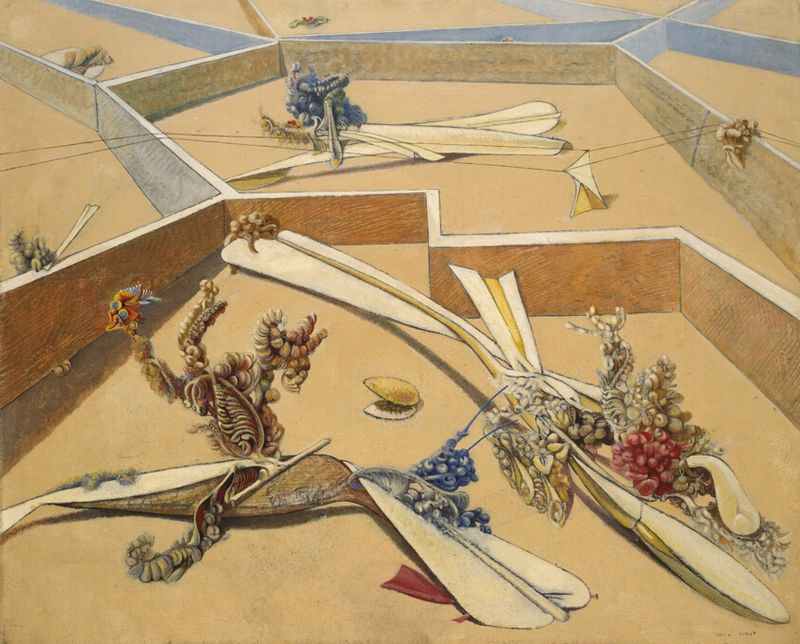
Garden Airplane-Trap
Max Ernst · 1935 · Art Institute of Chicago
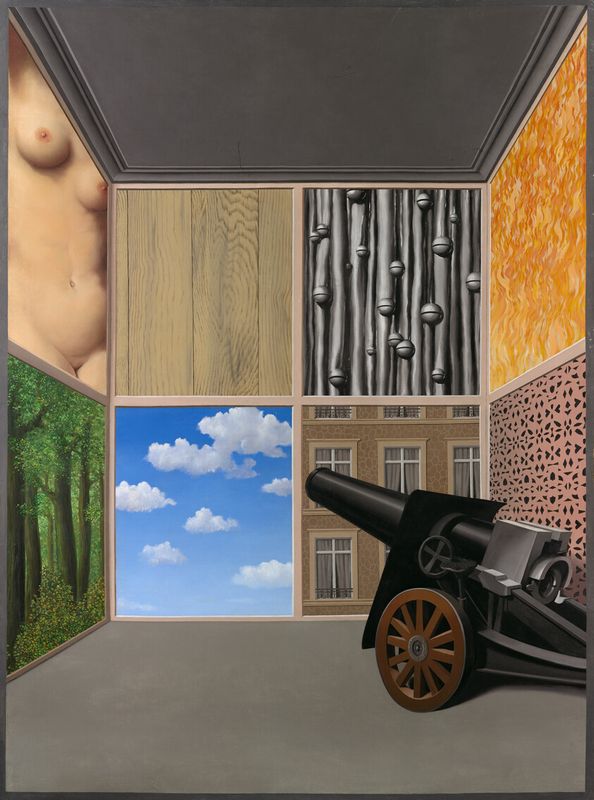 Same era · 1920s–1950s
On the Threshold of Liberty
René Magritte · 1937 · Art Institute of Chicago
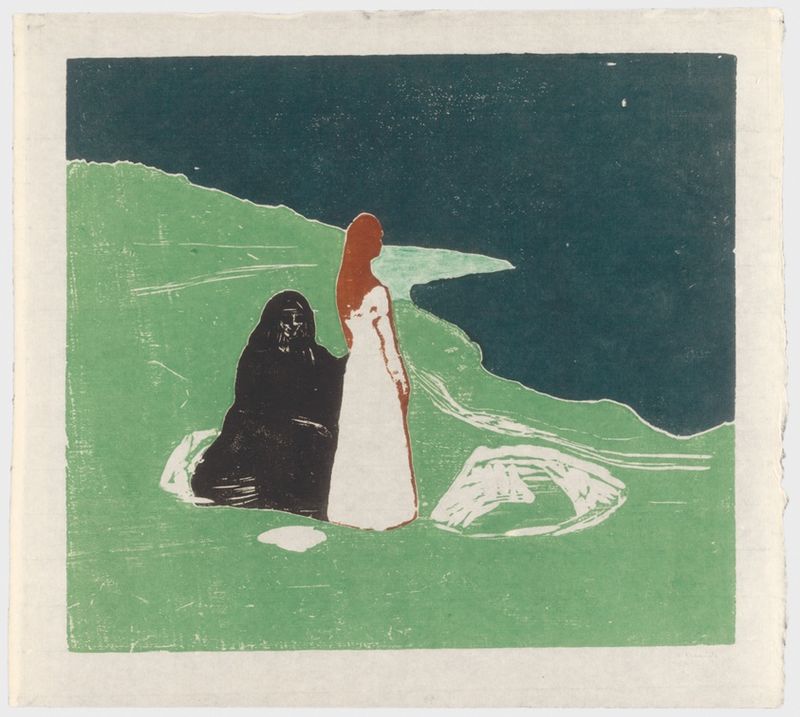 Same era · 1920s–1950s
Two Women on the Shore
Edvard Munch · 1935 · Munch Museum
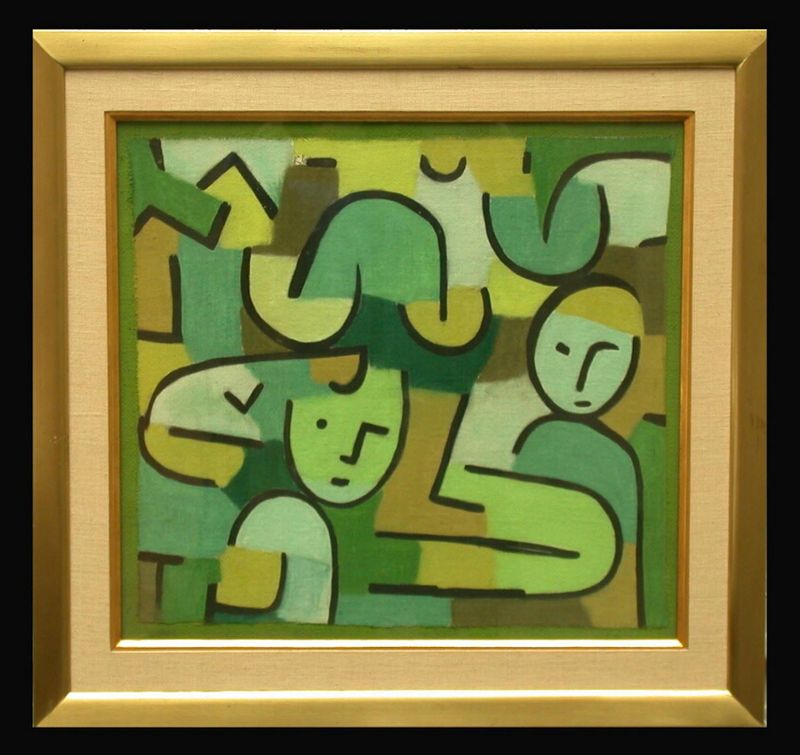 Same era · 1920s–1950s
Women Harvesting
Paul Klee · 1937 · Art Institute of Chicago