01
Mother's lowered gaze
Mary's heavy-lidded eyes look down as her cheek rests close to the child's head. The quiet tenderness feels more like a real mother than a distant holy icon.
1 of 5 on the painting
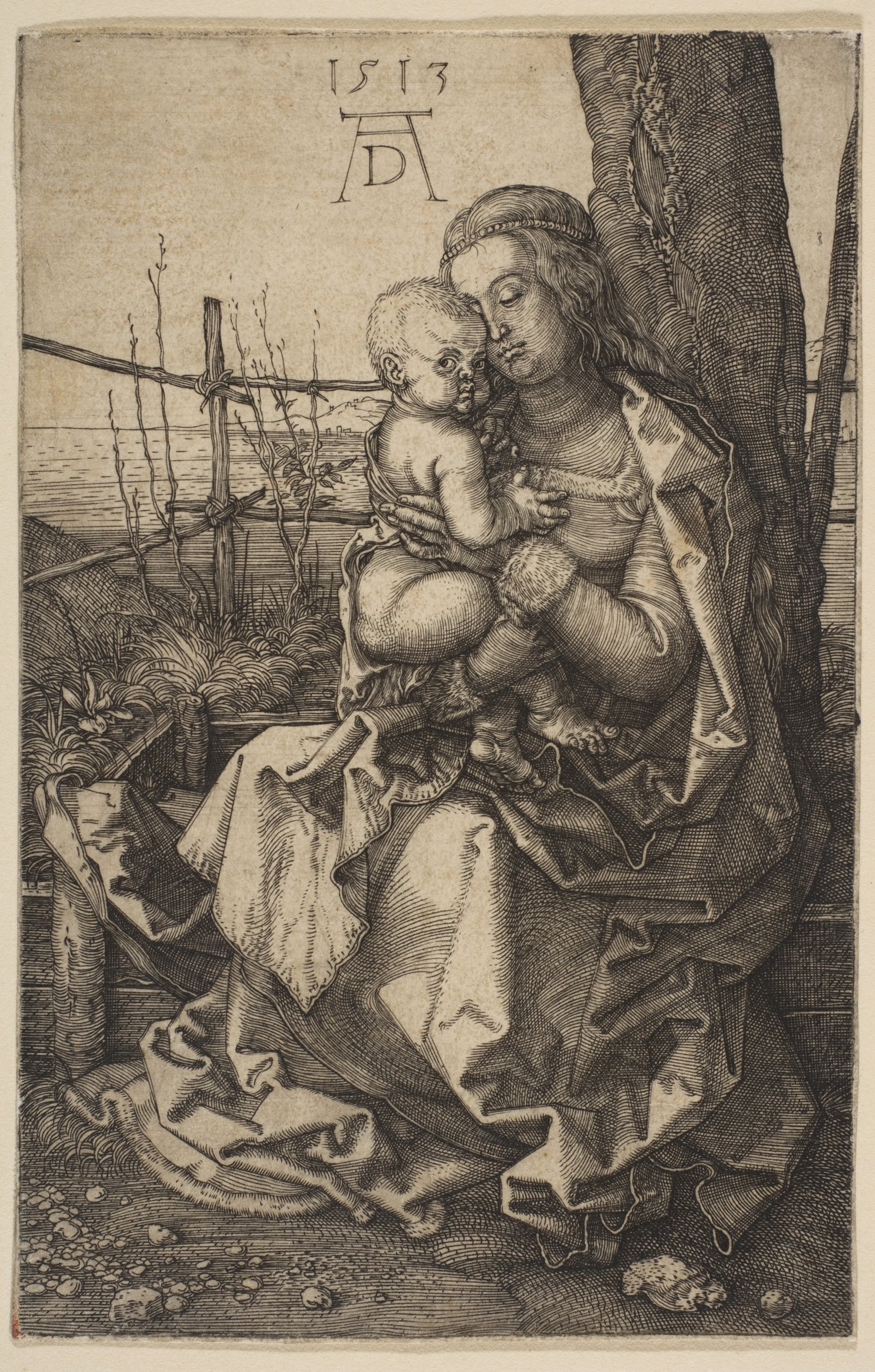
“Stop to appreciate Albrecht Dürer's exquisite engraving, a tender depiction of the Virgin and Child, showcasing his unparalleled skill in creating texture and depth on a small scale.”
In this small but intricate engraving, the Virgin Mary sits peacefully beneath a sprawling tree, holding the Christ Child on her lap. Her gaze is directed downward, a tender expression on her face, while the infant Jesus reaches out towards a small bird, a common symbol of the soul. The dense foliage of the tree, meticulously rendered, creates a natural canopy, suggesting a moment of quiet contemplation in a pastoral setting. Dürer’s mastery of the engraving medium is evident in the delicate interplay of light and shadow, which gives volume to the figures and depth to the landscape. This intimate scene, created in 1513, reflects the enduring devotional themes popular in the German Renaissance, inviting viewers to share in the Virgin's maternal warmth and the innocence of childhood.
Five details hide in plain sight. Pick one and we’ll show you exactly where to look.
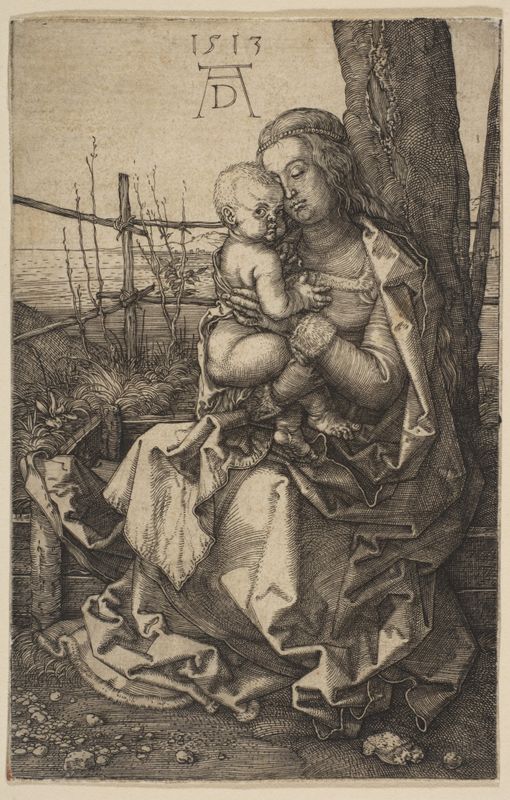
Mary's heavy-lidded eyes look down as her cheek rests close to the child's head. The quiet tenderness feels more like a real mother than a distant holy icon.
The chubby child turns his head away from Mary's cheek and stares out with wide, uneasy eyes. His wary look gives the tender embrace a slightly unsettled note.
At the top, the interlocked A and D sits under the date 1513. Dürer signed his prints like a trademark, so buyers knew whose hand made it.
Mary's lap and skirt fall in sharp, crumpled folds. Dense crosshatching builds deep shadows while bare paper stays bright on the ridges, so the cloth looks heavy.
On the left, a lashed wooden fence and thin bare shoots stand before a faint far shore. This everyday bit of landscape places the sacred pair in a humble, rural setting.
The full narration walks you through Virgin and Child Seated by a Tree — the story behind it, the details most visitors miss, and why it matters. Free in the Art Whisper app.
Renaissance master who revolutionized printmaking across Europe before turning 30.
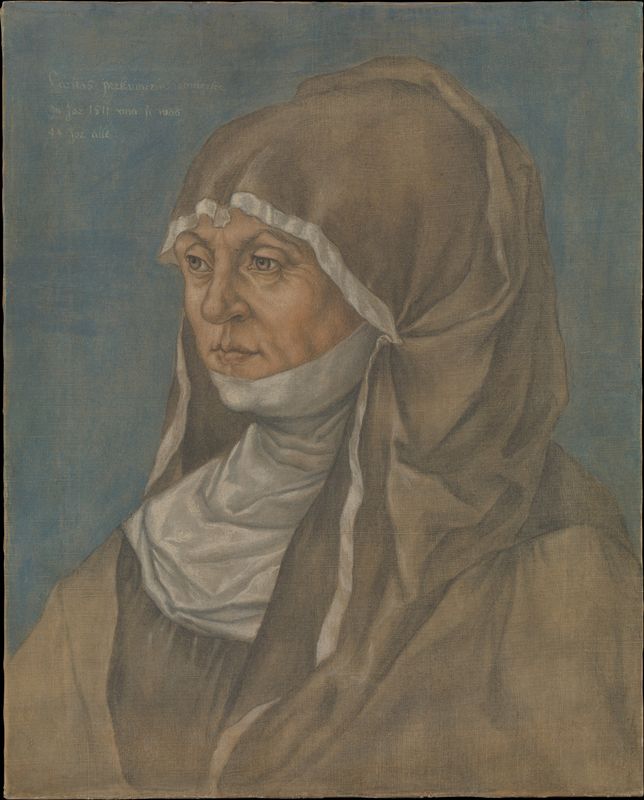 Portrait of a Woman, Said to Be Caritas Pirckheimer (1467–1532)
The Metropolitan Museum of Art
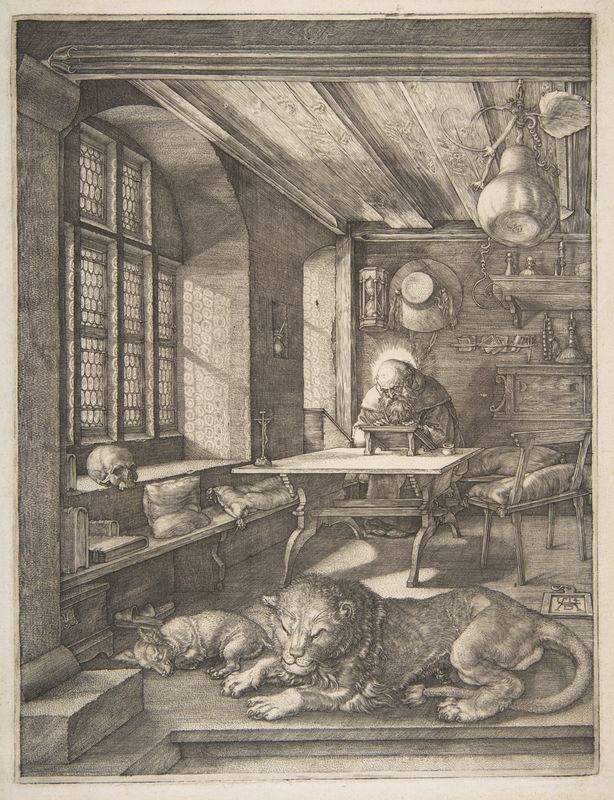 Saint Jerome in His Study
1521 · National Museum of Ancient Art
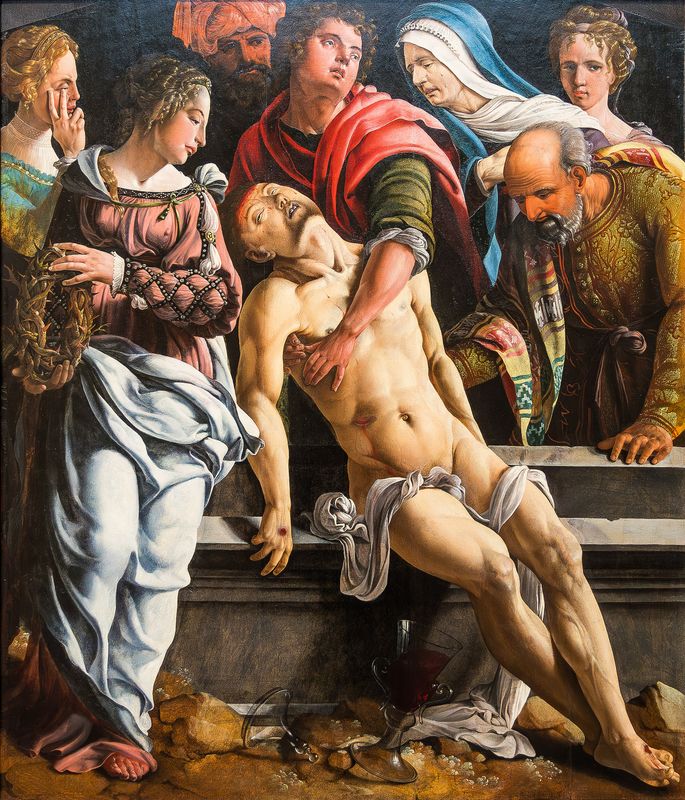 The Lamentation
1477 · The Metropolitan Museum of Art
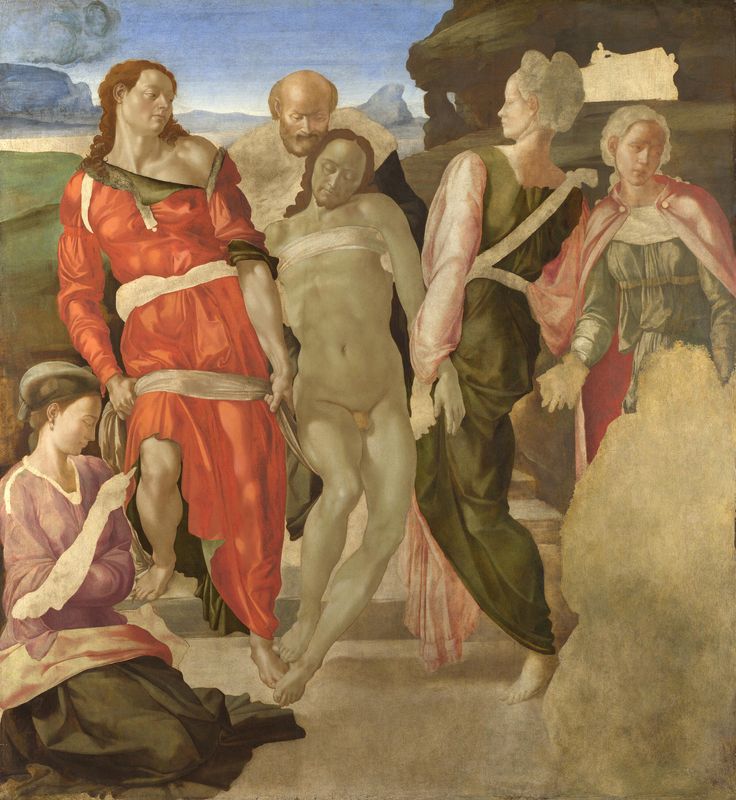 The Entombment
1485 · The Metropolitan Museum of Art
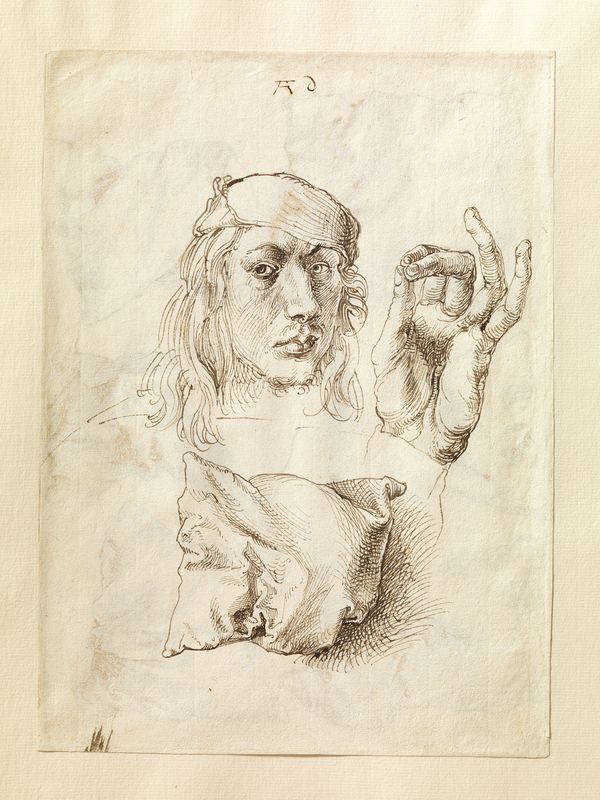 Self-portrait, Study of a Hand and a Pillow (recto); Six Studies of Pillows (verso)
1493 · The Metropolitan Museum of Art
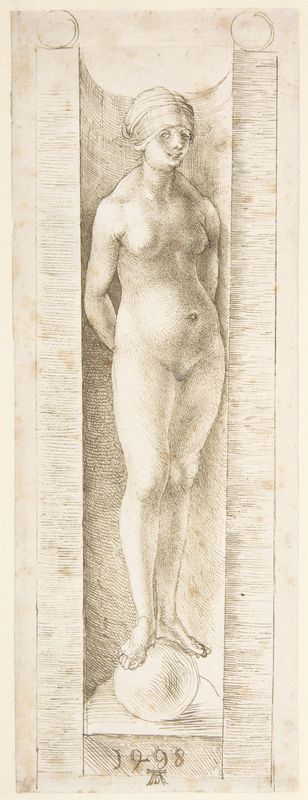 Fortuna in a Niche
1498 · The Metropolitan Museum of Art
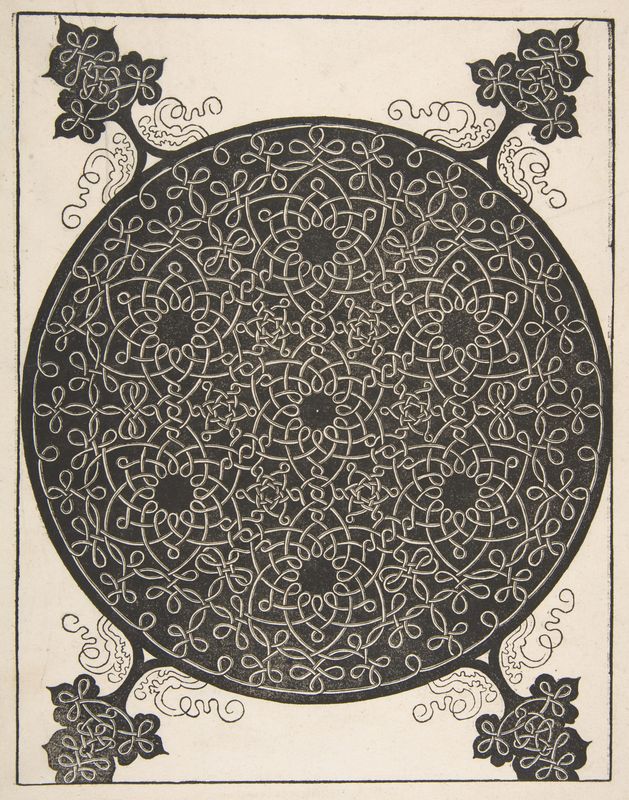 Embroidery Pattern with Seven Six-pointed Stars and Four Corner Pieces
1500 · The Metropolitan Museum of Art
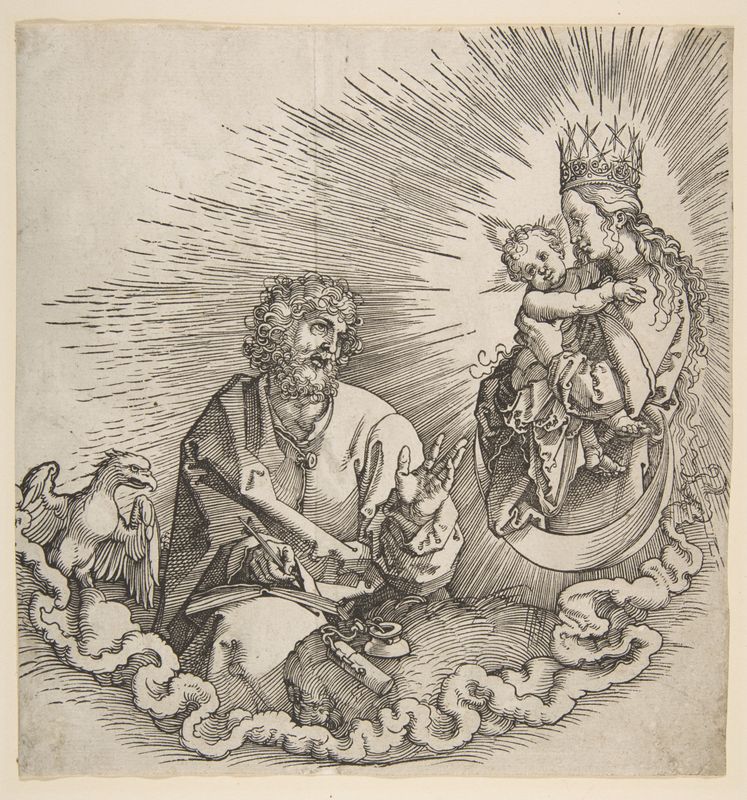 The Virgin Appearing to Saint John, Frontispiece to the Apocalypse
1511 · The Metropolitan Museum of Art
Beyond Dürer and Northern Renaissance: works from the same years.
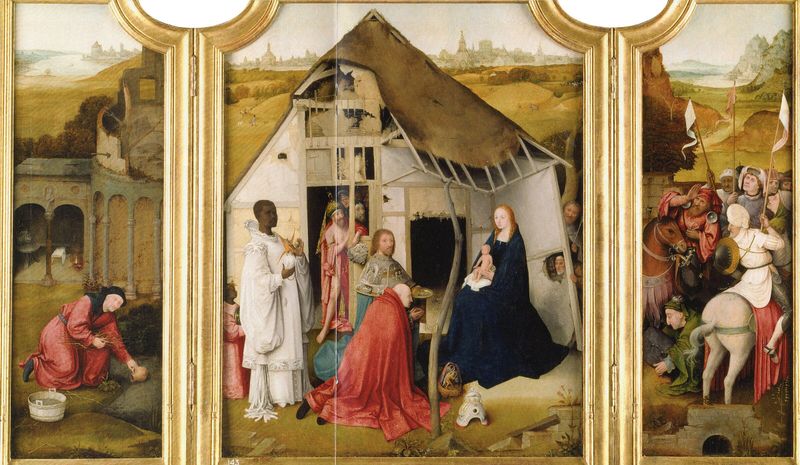 Same era · 1490s–1520s
The Adoration of the Kings
Hieronymus Bosch · 1514 · National Trust
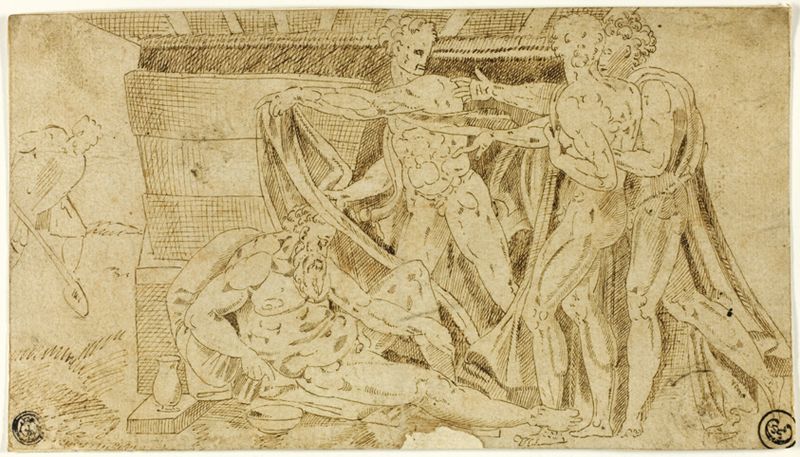 Same era · 1490s–1520s
Drunkenness of Noah
Michelangelo · 1509 · Sistine Chapel
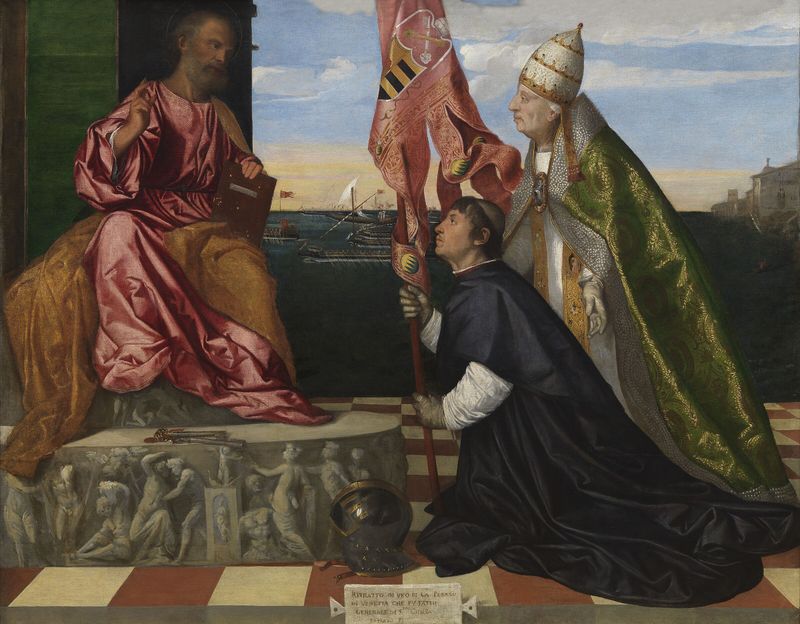 Same era · 1490s–1520s
Jacopo Pesaro, Bishop of Paphos, being presented by Pope Alexander VI to Saint Peter
Titian · 1504 · Royal Museum of Fine Arts Antwerp
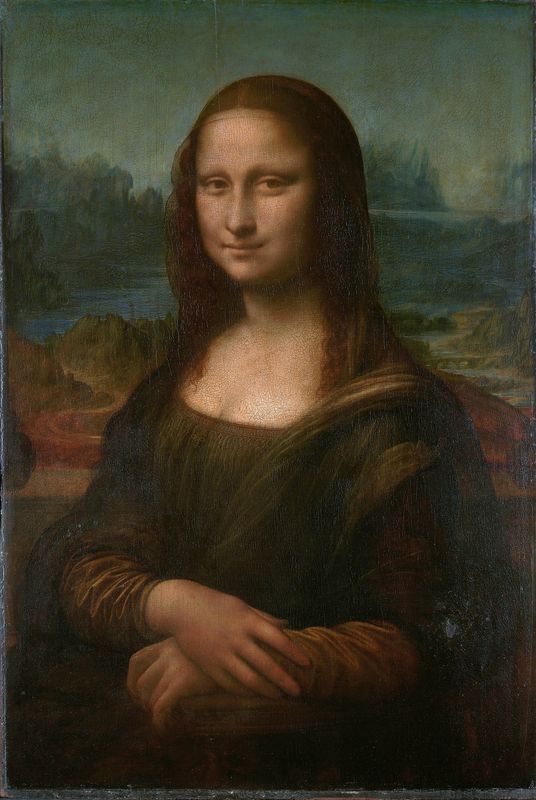 Same era · 1490s–1520s
Mona Lisa
Leonardo da Vinci · 1503 · Department of Paintings of the Louvre
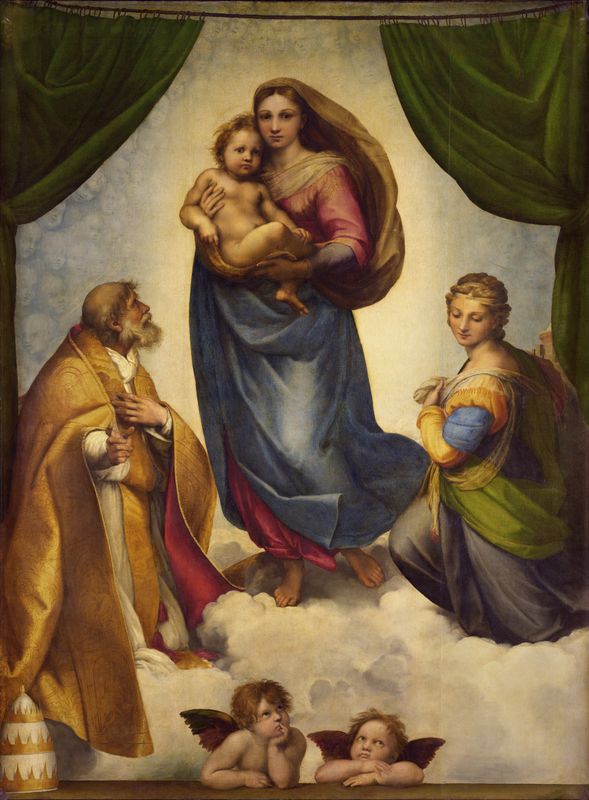 Same era · 1490s–1520s
Sistine Madonna (Madonna di San Sisto)
Raphael (Raffaello Sanzio da Urbino) · 1512
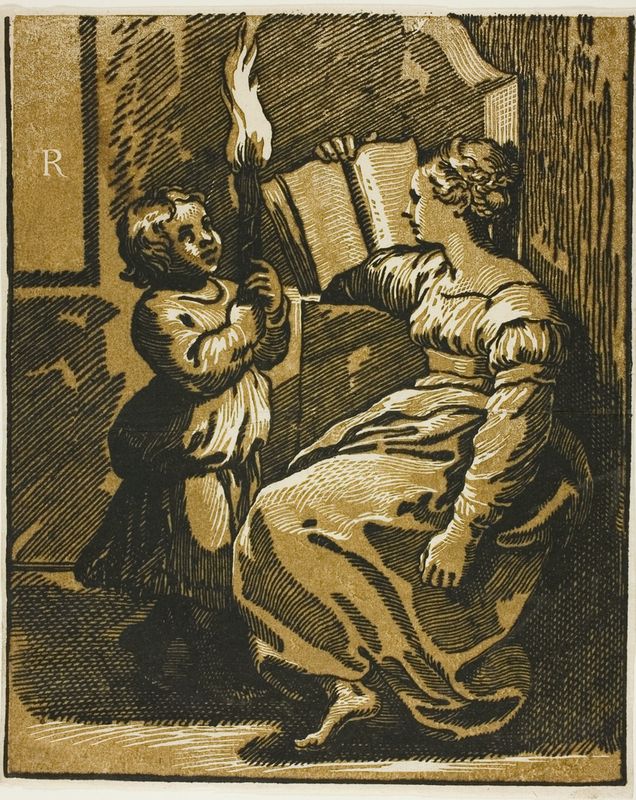 Same era · 1490s–1520s
The Sibyl and a Child Bearing a Torch
Artist Unknown - The Mercat Cross, Aberdeen · 1520 · Art Institute of Chicago
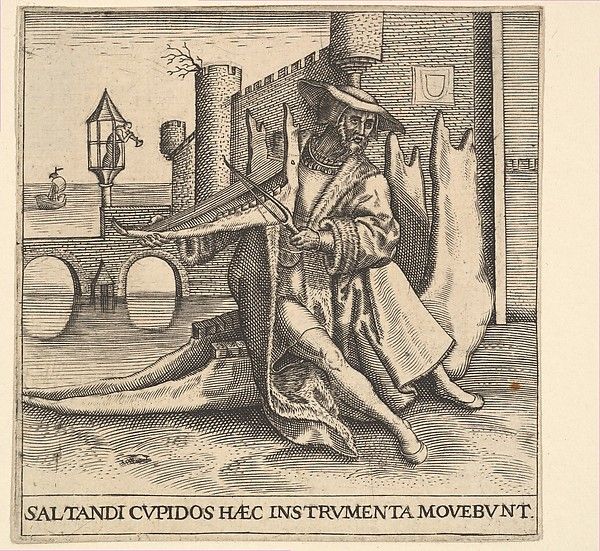 Same era · 1490s–1520s
The Rich Man Playing Violin on a Jaw Bone
Pieter Bruegel the Elder · 1528 · The Metropolitan Museum of Art