
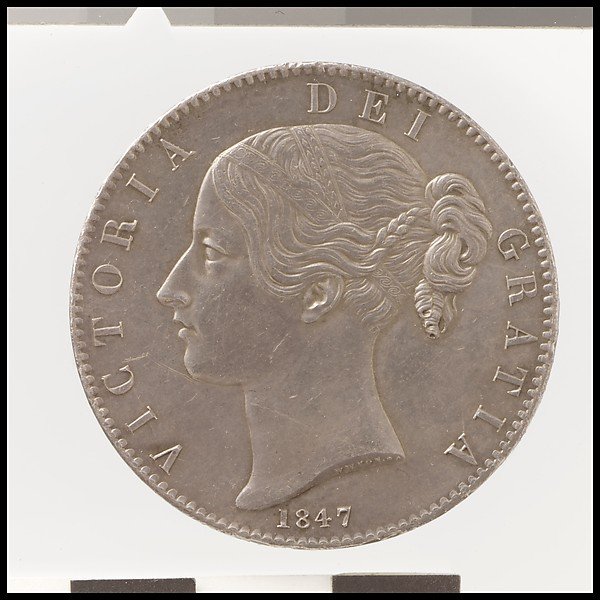
“This isn't just a coin; it's a miniature portrait of Queen Victoria, designed by William Wyon, that captures the romanticized "Gothic" style popular in 19th-century Britain. Look closely at the intricate details of her hair and the unique lettering.”
Gaze upon the profile of a young Queen Victoria, her features rendered with remarkable clarity on this large silver coin. This 1847 "Gothic" crown, one of William Wyon's most celebrated designs, captures the monarch in a style that evokes medieval aesthetics, a popular trend in mid-19th century Britain. Her hair is intricately braided and adorned with a wreath, while a delicate veil drapes behind her head. The detailed inscription, often referred to as 'Gothic lettering,' encircles her portrait, adding to the coin's distinctive character. Unlike the more common "Young Head" portrait Wyon designed for her everyday coinage, this special issue showcases a more romanticized and elaborate vision of the Queen, intended for collectors and ceremonial use rather than circulation.
- Artist
- William Wyon
- Date
- 1847
- Medium
- Silver
- Location
- The Metropolitan Museum of Art
- Dimensions
- Diameter: 150 mm.
- Collection
- European Sculpture and Decorative Arts
- Culture
- British
- Credit line
- Gift of Assunta Sommella Peluso, Ada Peluso, and Romano I. Peluso, in memory of Ignazio Peluso, 2000
What to Notice
Five details hide in plain sight. Here’s where to look.
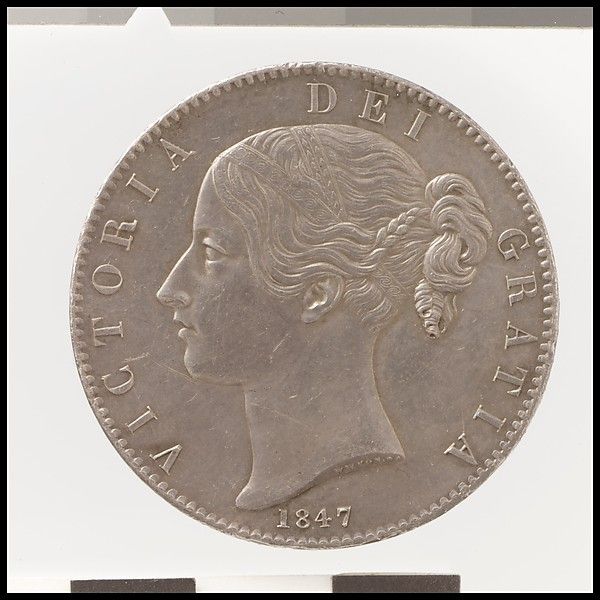
The intricate braiding of Queen Victoria's hair and the delicate wreath adorning it.
The "Gothic" style lettering of the inscription around the queen's portrait.
The small, almost imperceptible veil draped behind Victoria's head.
The sharp, raised relief of the queen's profile against the smooth silver background.
1 more detail is waiting.
See all 5 in Art Whisper →Stand in front of it and listen
The full narration walks you through Victoria crown — the story behind it, the details most visitors miss, and why it matters. Free in the Art Whisper app.
William Wyon
1795–1851 · British EmpireWilliam Wyon, Chief Engraver at the Royal Mint, left an indelible mark on British coinage and even the world's first adhesive postage stamp, the Penny Black.
Further Works by Wyon
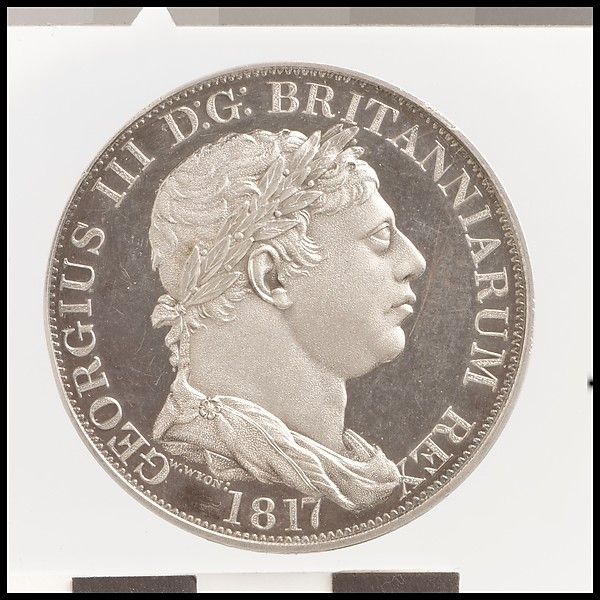 George III "Incorrupta" crown
1817 · The Metropolitan Museum of Art
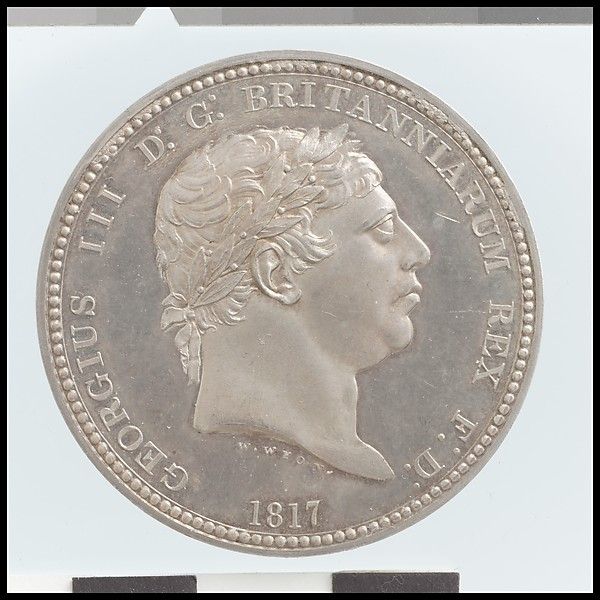 "Three Graces" crown
1817 · The Metropolitan Museum of Art
 Study for "Flying Victory"
1825 · The Metropolitan Museum of Art
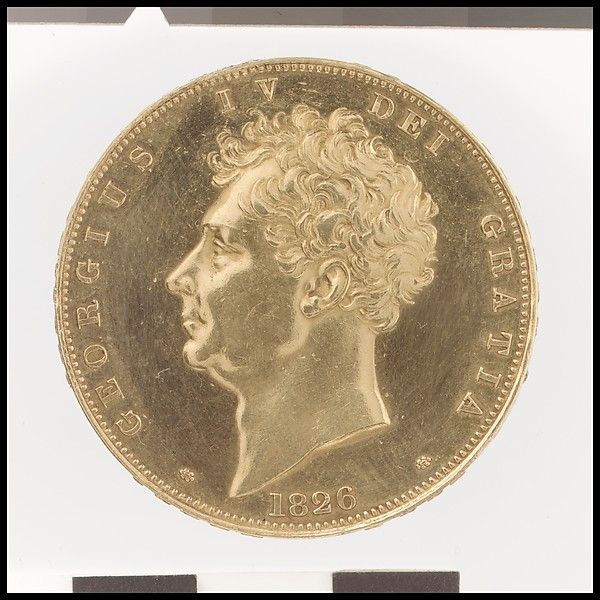 George IV crown
1826 · The Metropolitan Museum of Art
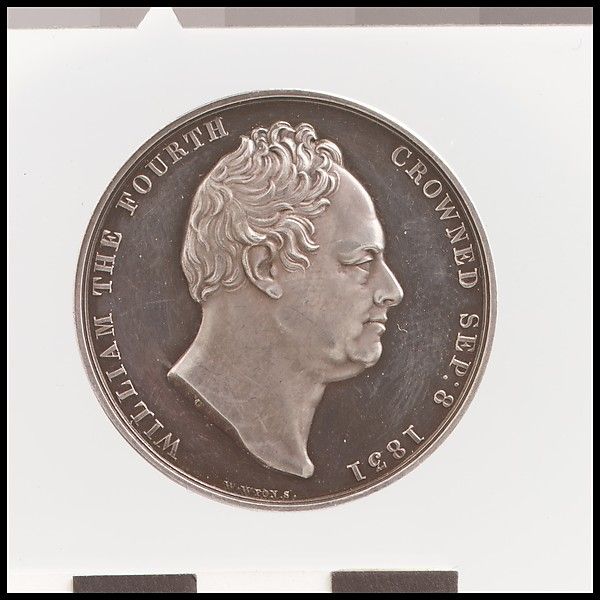 Coronation of William IV
1831 · The Metropolitan Museum of Art
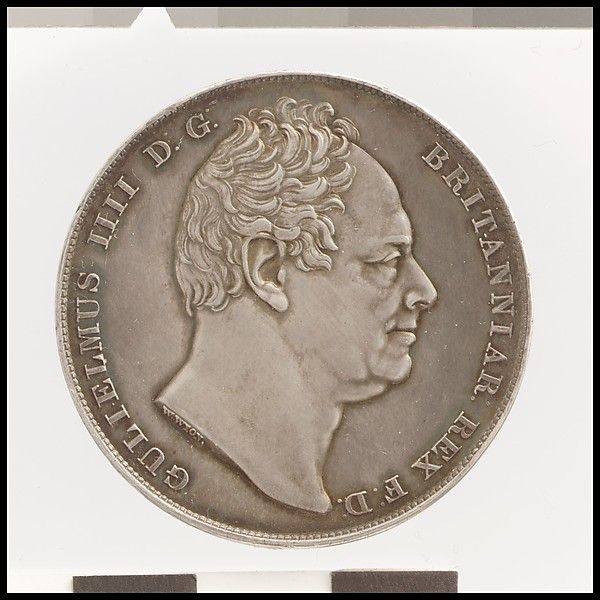 William IV proof crown
1831 · The Metropolitan Museum of Art
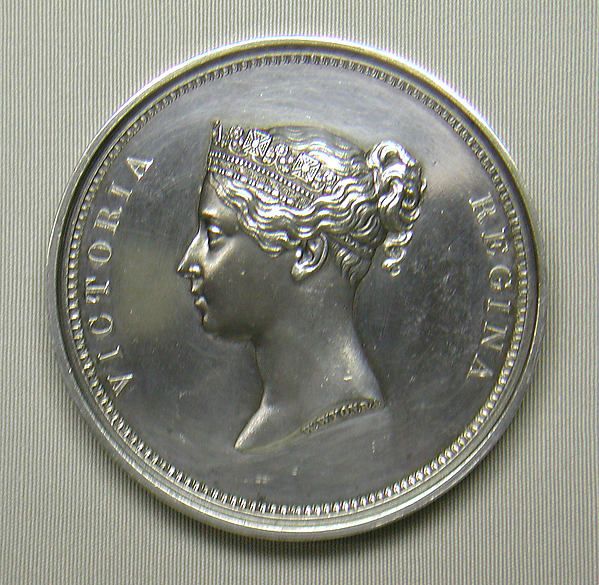 Queen Victoria's Visit to the Corporation of London
1837 · The Metropolitan Museum of Art
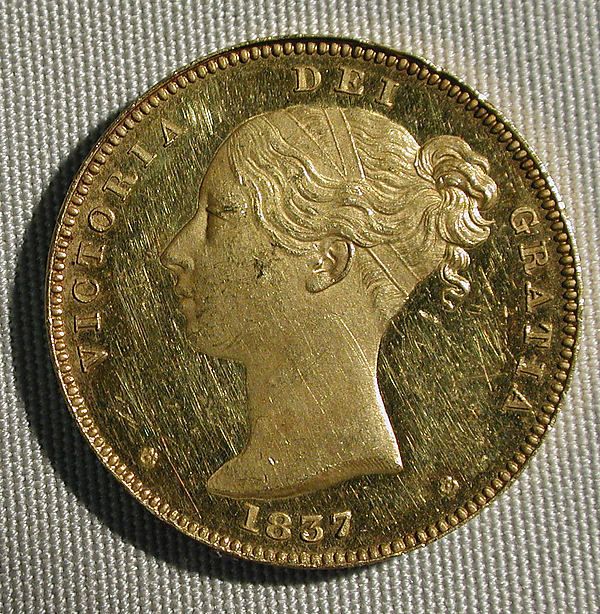 Victoria proof sovereign
1837 · The Metropolitan Museum of Art
More works to explore
Beyond Wyon: works from the same years.
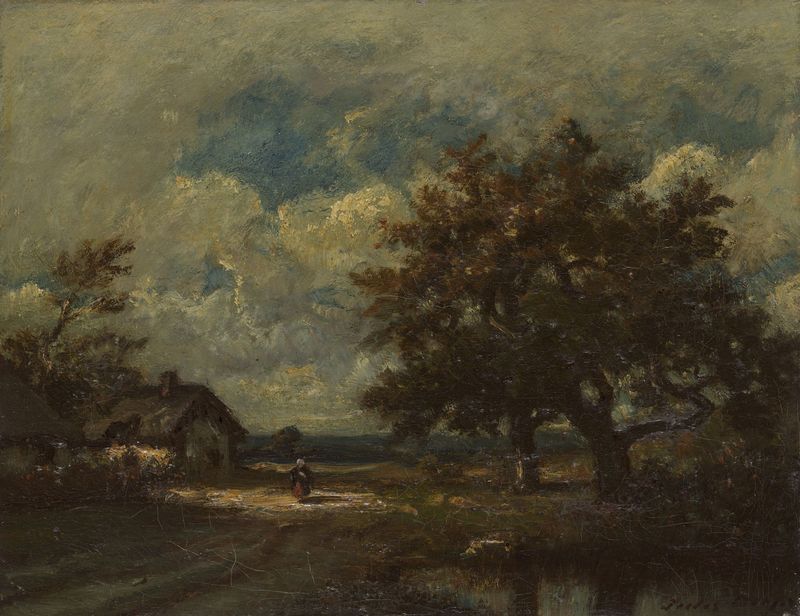 Same era · 1830s–1860s
The Cottage by the Roadside, Stormy Sky
Léon-Victor Dupré · 1855 · Art Institute of Chicago
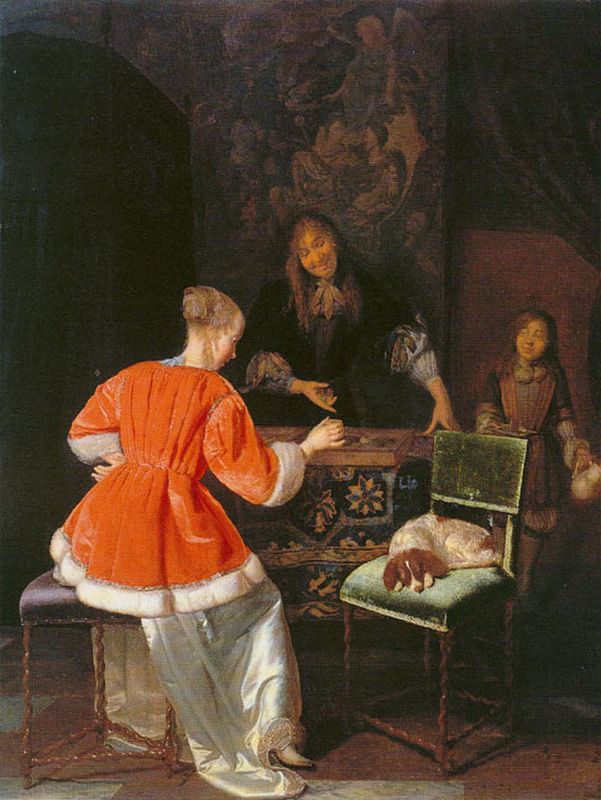 Same era · 1830s–1860s
The Backgammon Players
Philip Webb · 1861 · The Metropolitan Museum of Art
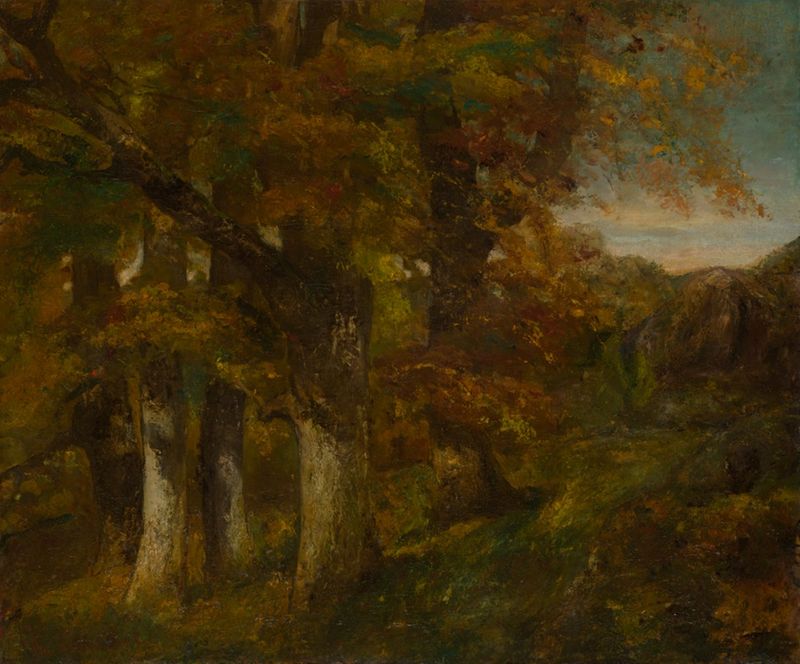 Same era · 1830s–1860s
Wooded Landscape
Gustave Courbet · 1848 · Art Institute of Chicago
 Same era · 1830s–1860s
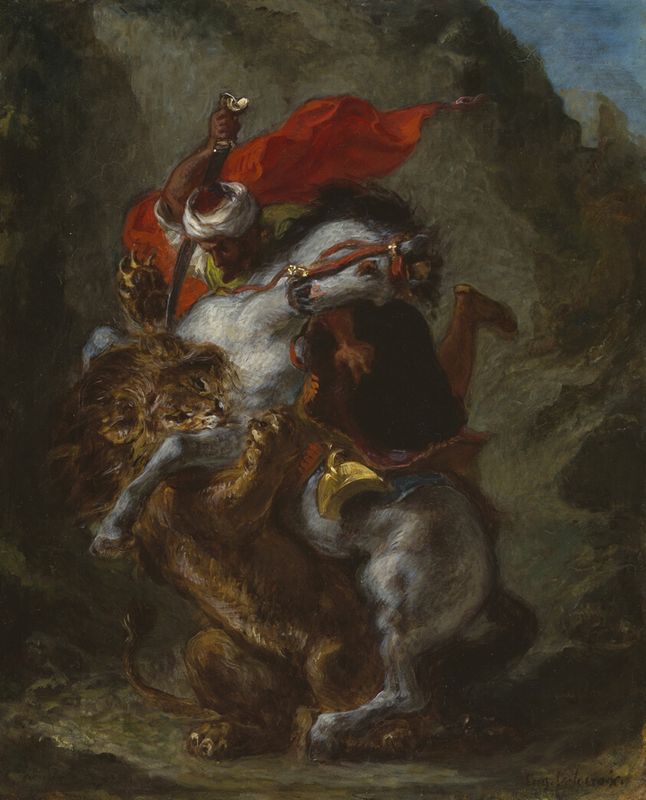
Arab Horseman Attacked by a Lion
Eugène Delacroix · 1849 · Art Institute of Chicago
 Same era · 1830s–1860s
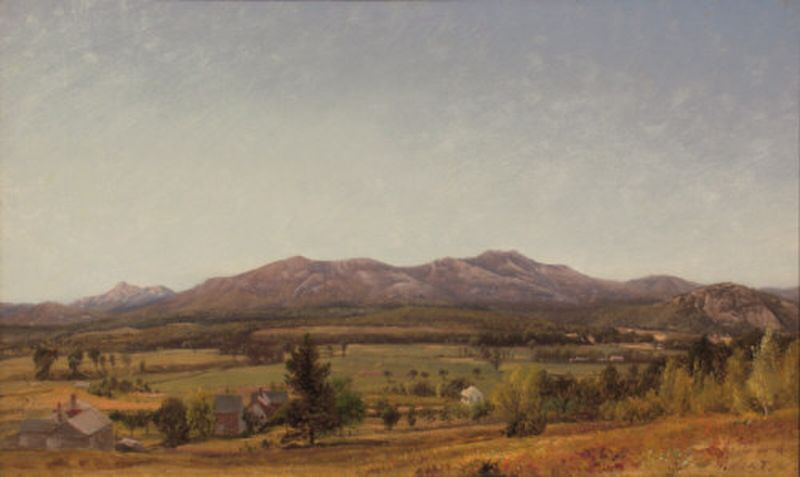
Mount Chocorua and Moat Mountain from North Conway
William Hart · 1850
 Same era · 1830s–1860s
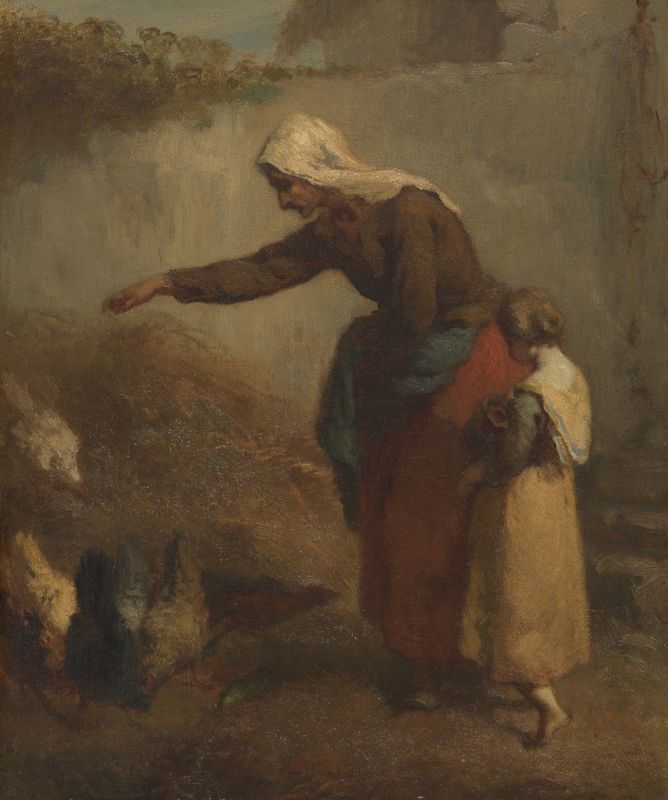
Woman Feeding Chickens
Jean-François Millet · 1850 · Art Institute of Chicago
 Same era · 1830s–1860s
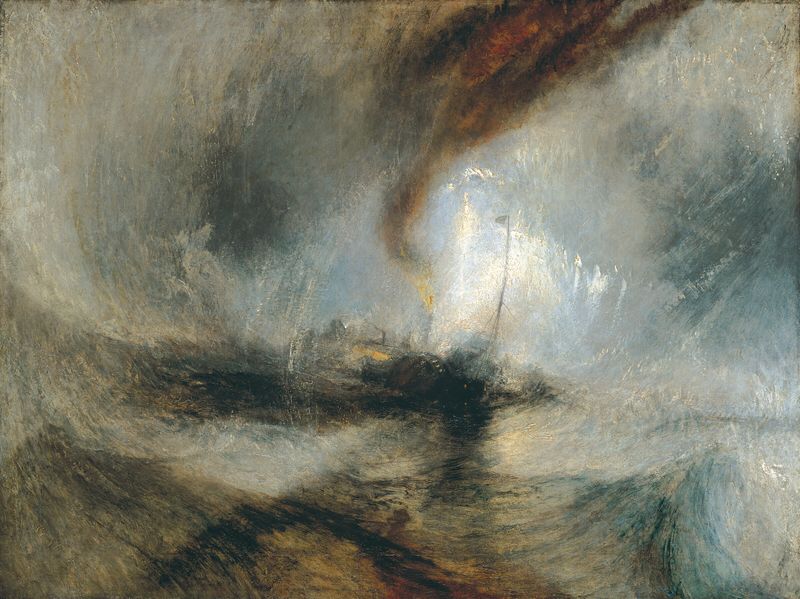
Snow Storm: Steam-Boat off a Harbour's Mouth
J. M. W. Turner · 1842 · National Gallery
 Same era · 1830s–1860s
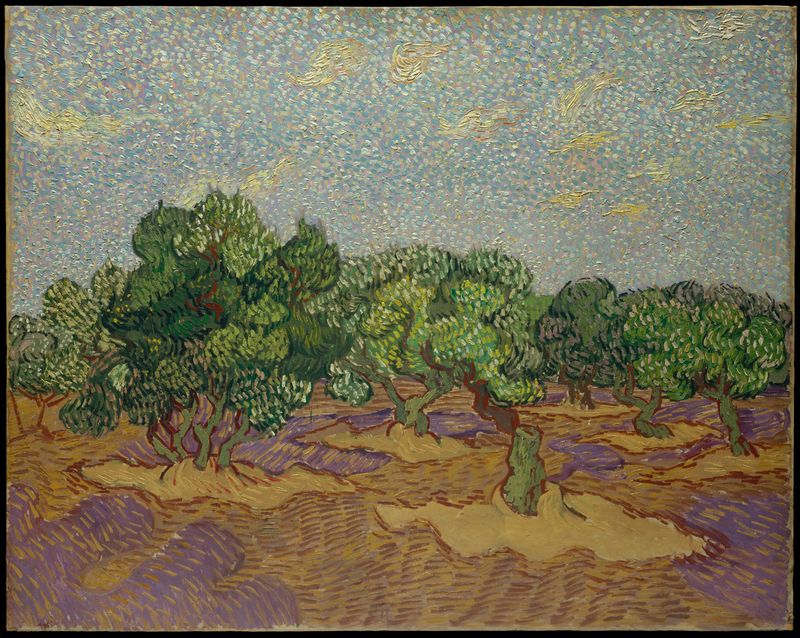
Olive Trees
Vincent van Gogh · 1853 · The Metropolitan Museum of Art
 Same era · 1830s–1860s
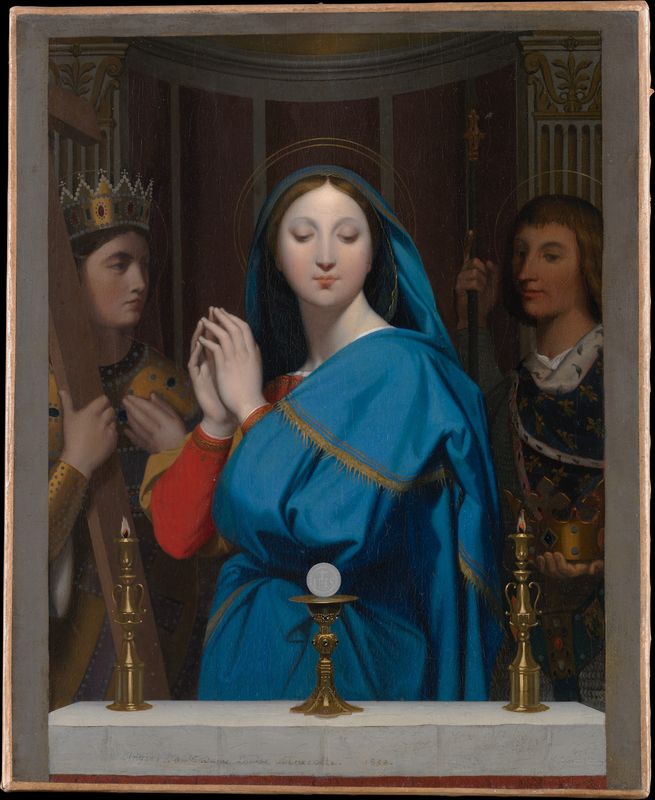
The Virgin Adoring the Host
Jean-Auguste-Dominique Ingres · 1841 · Pushkin Museum of Fine Arts
 Same era · 1830s–1860s
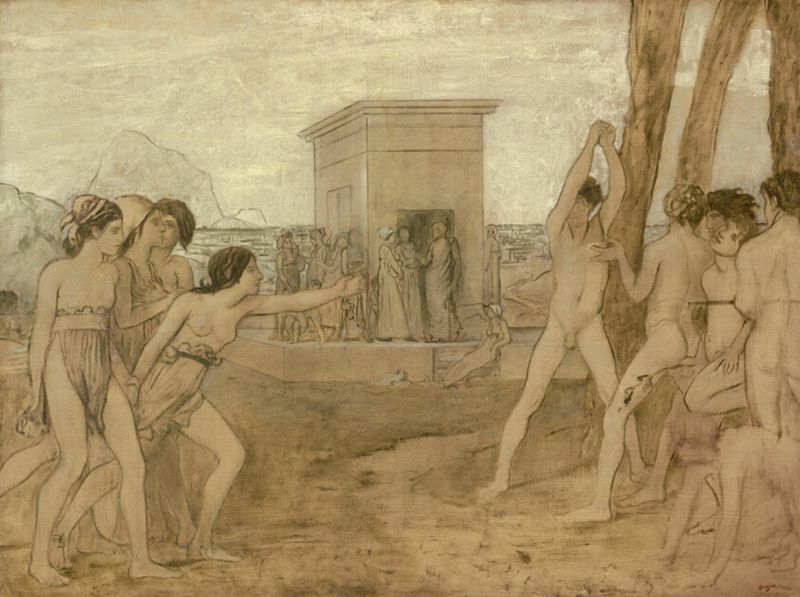
Young Spartan Girls Challenging Boys
Edgar Degas · 1860 · Art Institute of Chicago
 Same era · 1830s–1860s
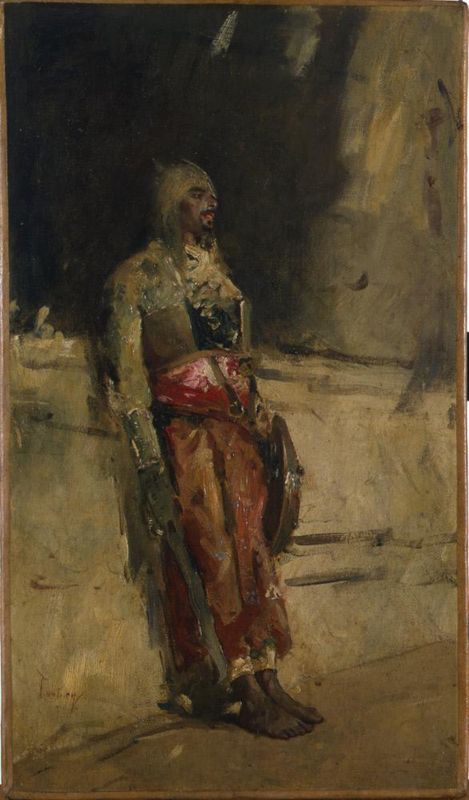
An Arab Warrior
Mariano Fortuny Marsal · 1862 · Hispanic Society of America
 Same era · 1830s–1860s
Portrait of Fred Adelbert Haywood
School of William Matthew Prior · 1848 · Art Institute of Chicago