
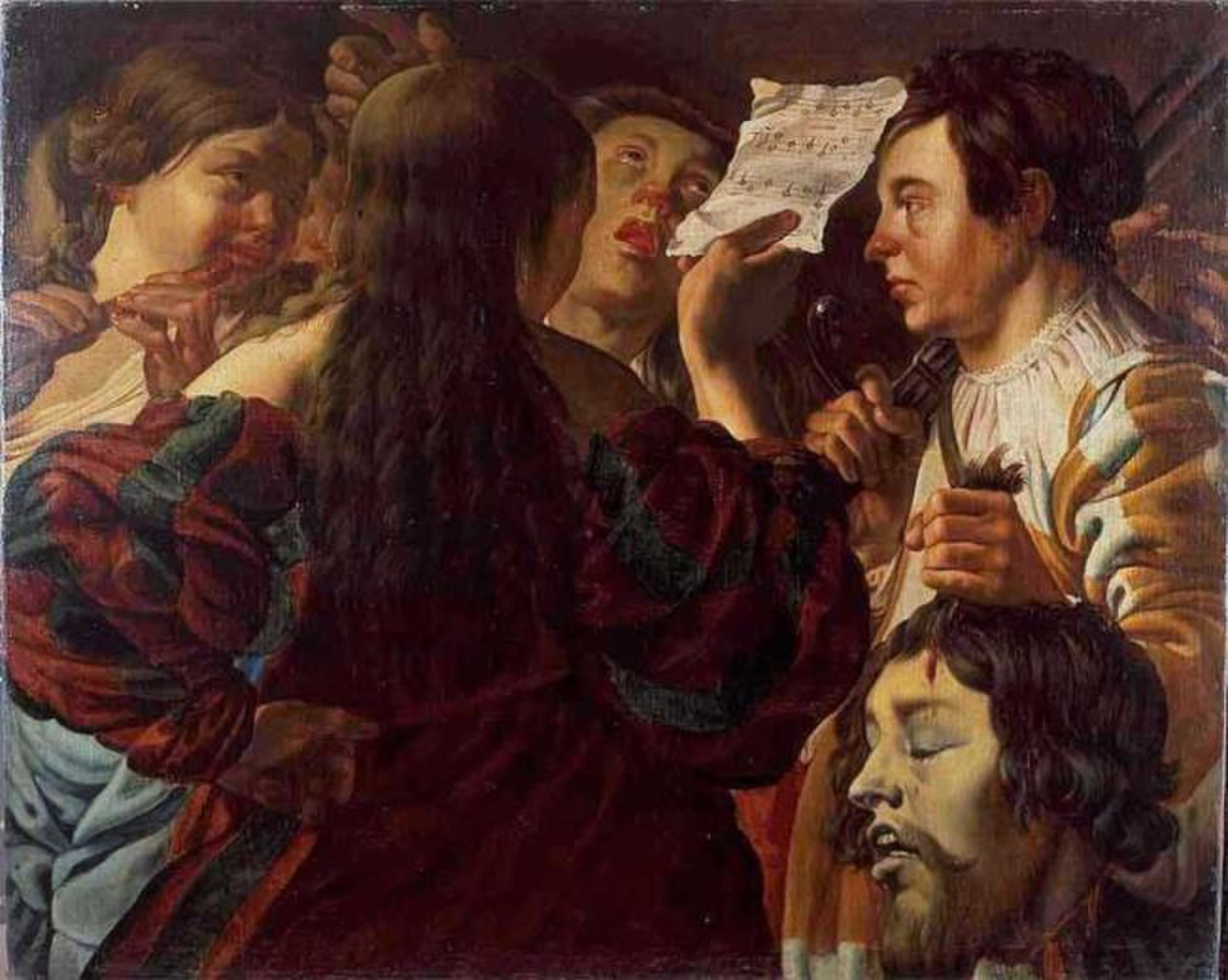
“This painting bursts with the energy of celebration, as women welcome the victorious David. Notice the dramatic lighting and the lively crowd, a testament to the artist's adoption of Caravaggio's theatrical style.”
In this vibrant canvas, a joyful crowd spills from a city gate, their faces illuminated by a dramatic play of light and shadow. The scene captures the moment the women of Israel emerge to greet David, celebrating his victory over Goliath. Ter Brugghen, a key figure among the Utrecht Caravaggisti, masterfully employs tenebrism, contrasting the brightly lit figures with deep, enveloping darkness. This creates a powerful sense of theatricality, drawing the viewer into the emotional heart of the procession. The painting’s energy comes from the varied expressions and gestures of the women, some singing, some playing instruments, all contributing to a rich tapestry of sound and movement. Painted in 1623, this work showcases the artist's engagement with Italian influences, particularly Caravaggio's dramatic realism, which he adapted to his own distinctive Dutch style.
- Artist
- Hendrick ter Brugghen
- Date
- 1623
- Medium
- Oil on canvas
- Location
- Brukenthal National Museum
What to Notice
Five details hide in plain sight. Here’s where to look.
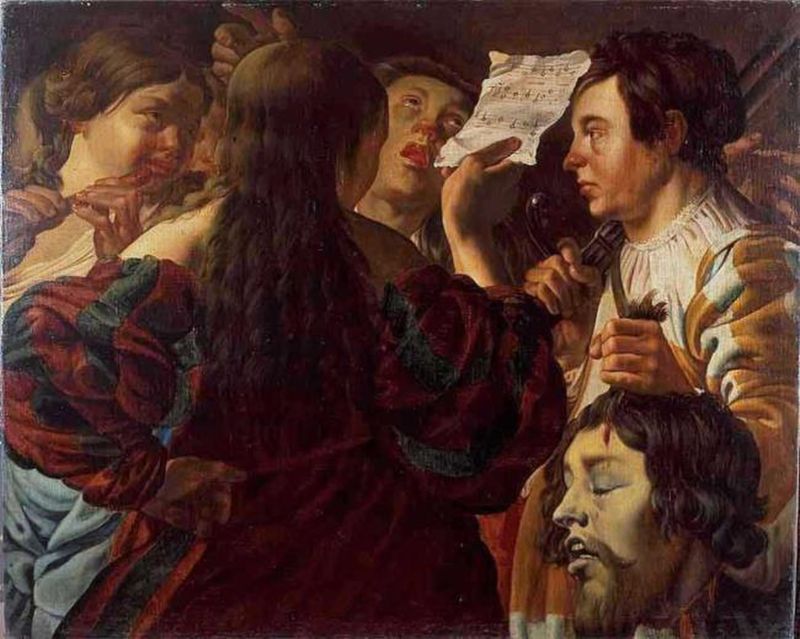
The woman in the foreground, striking a tambourine with visible enthusiasm.
The subtle, warm glow on the faces of the figures at the center.
The variety of musical instruments, including lutes and a viol, held by the women.
The city gate in the background, hinting at the setting.
1 more detail is waiting.
See all 5 in Art Whisper →Stand in front of it and listen
The full narration walks you through The women of Israel come out to welcome David — the story behind it, the details most visitors miss, and why it matters. Free in the Art Whisper app.
Hendrick ter Brugghen
1588–1629 · Dutch RepublicHendrick ter Brugghen brought Caravaggio's dramatic light and emotional realism from Italy to the Dutch Republic, profoundly shaping Dutch Golden Age painting.
Further Works by ter Brugghen
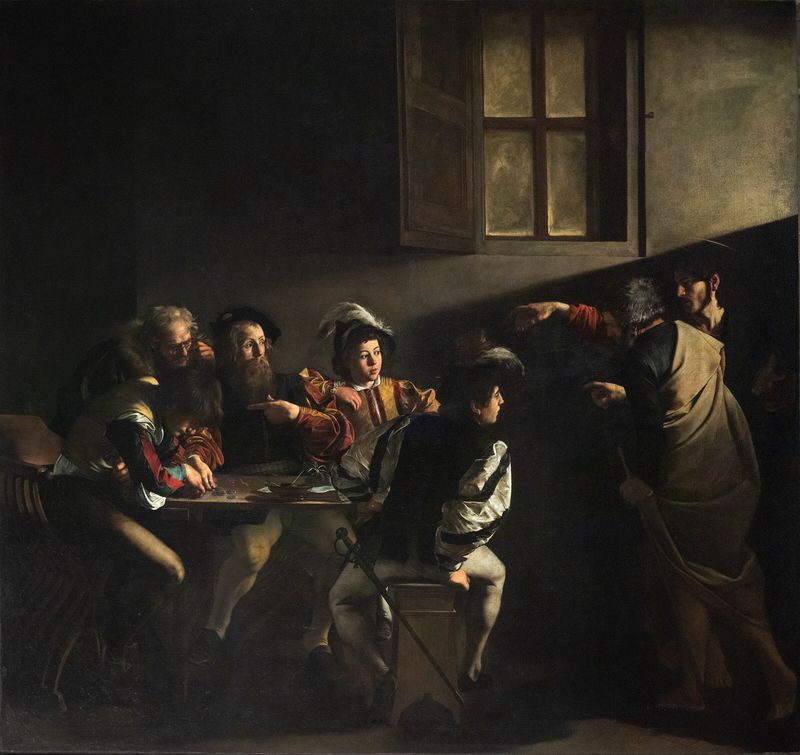 The Calling of Saint Matthew
1609 · Museum of Fine Arts, Budapest
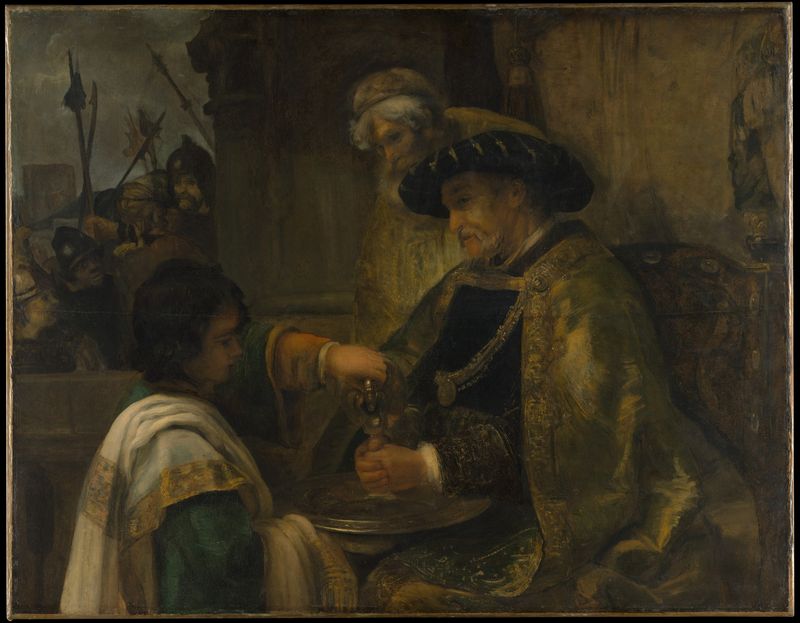 Pilate washing his hands
1617 · National Museum in Lublin
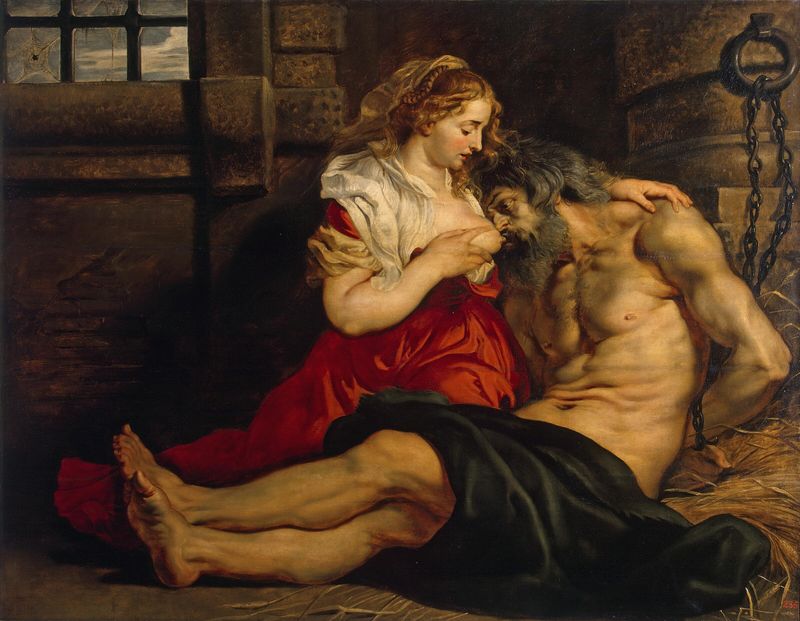 Roman Charity
1622 · The Metropolitan Museum of Art
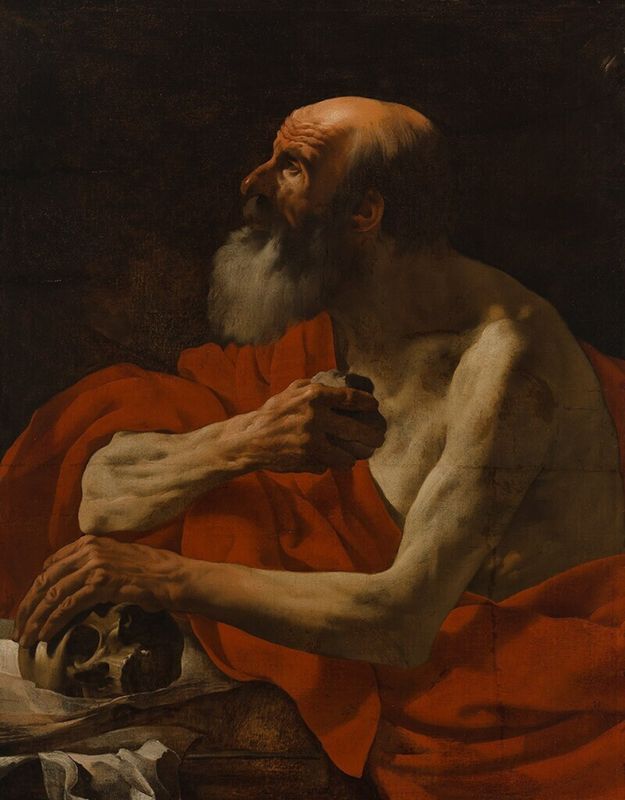 Saint Jerome
1624 · Museum Boijmans Van Beuningen
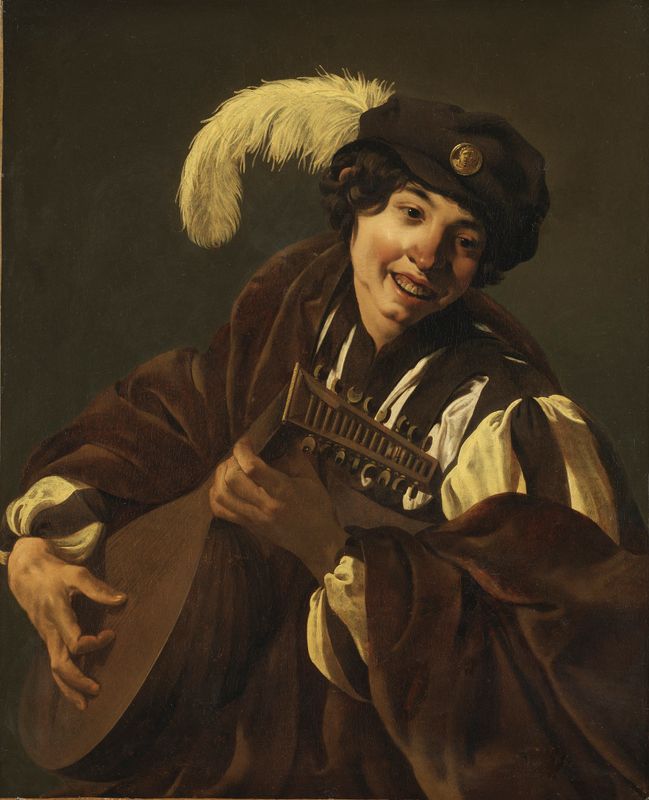 A Boy Playing the Lute ("Hearing", One of a Series of the Five Senses)
1620 · Nationalmuseum
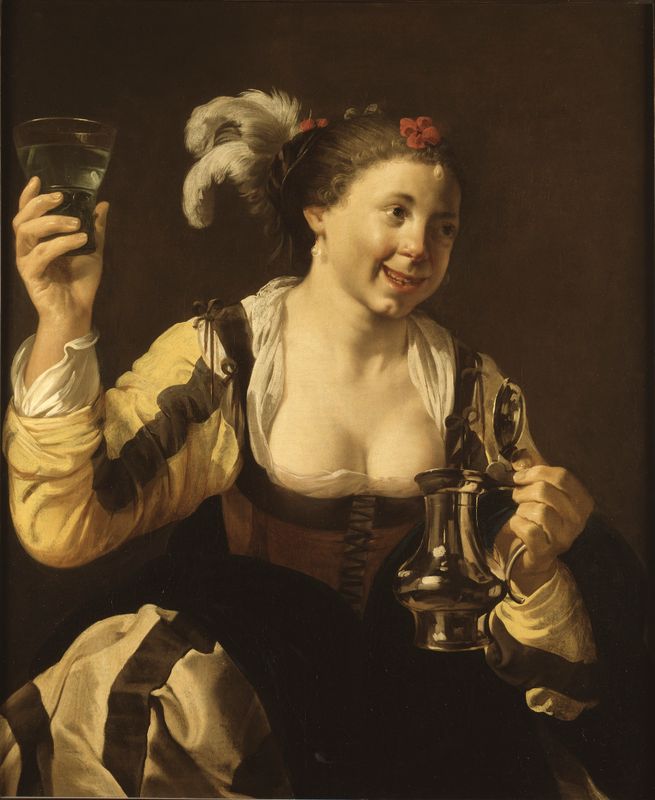 A Girl Holding a Glass ("Taste", One of a Series of the Five Senses)
1620 · Nationalmuseum
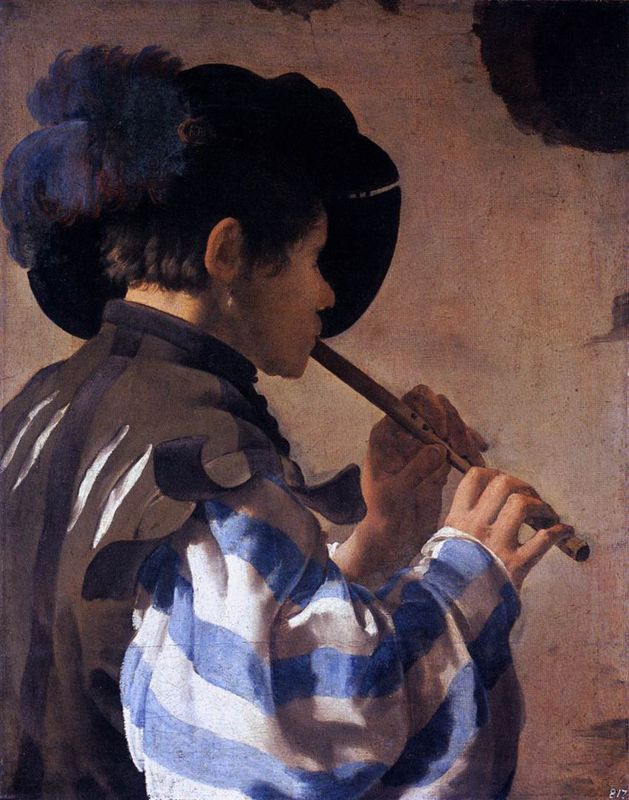 Boy Playing a Fife
1620 · Gemäldegalerie Alte Meister
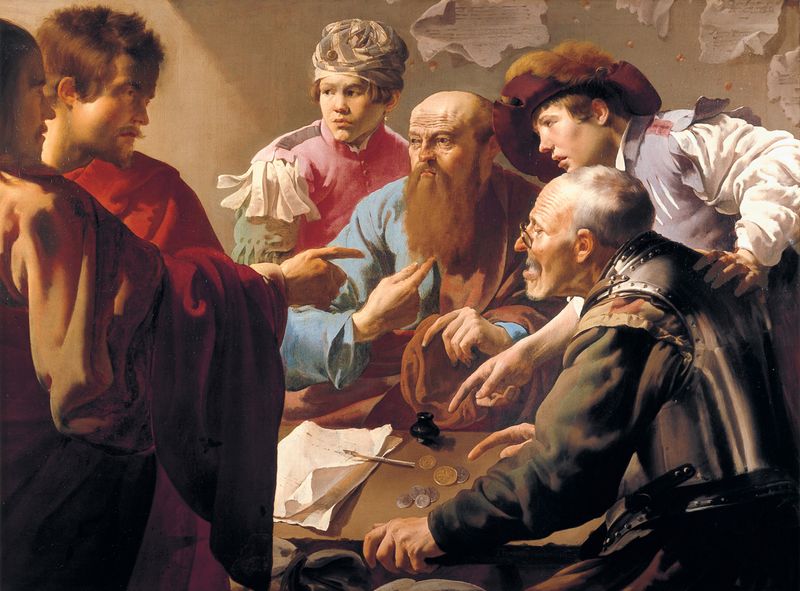 Calling of Saint Matthew
1621 · Centraal Museum
More works to explore
Beyond ter Brugghen: works from the same years.
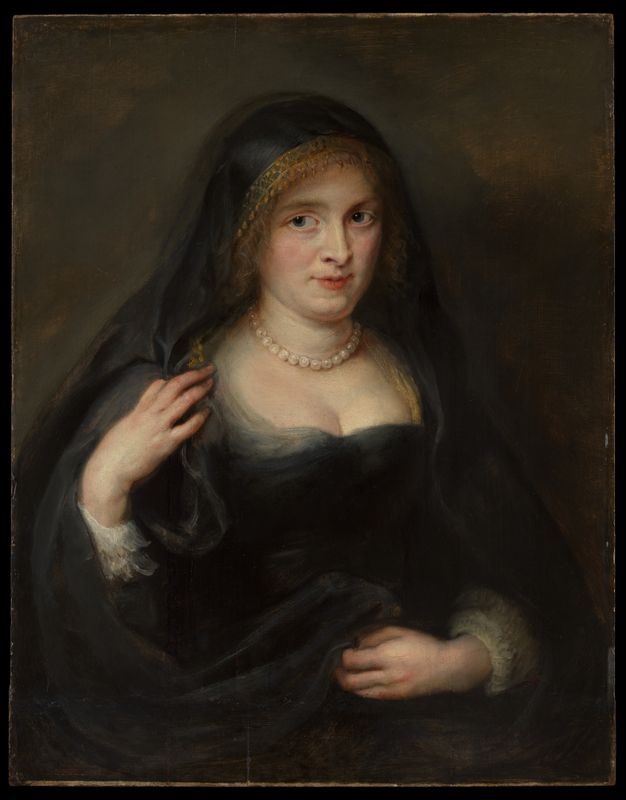 Same era · 1600s–1630s
Portrait of a Woman, Probably Susanna Lunden (Susanna Fourment, 1599–1628)
Peter Paul Rubens · 1625 · The Metropolitan Museum of Art
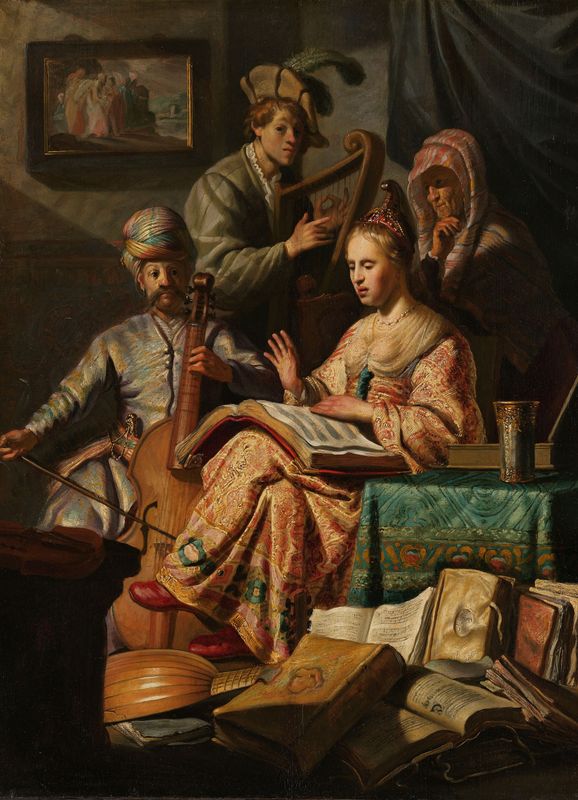 Same era · 1600s–1630s
Musical Company
Rembrandt · 1626 · Museum De Lakenhal
 Same era · 1600s–1630s
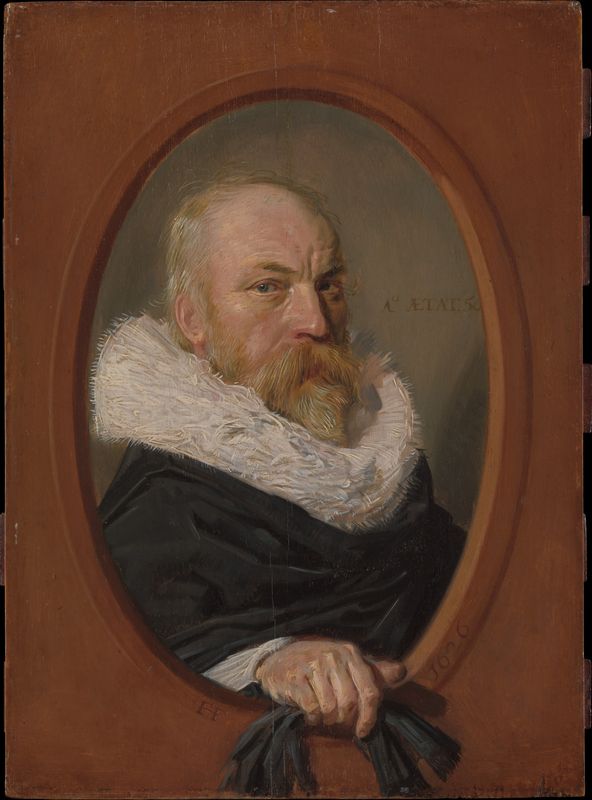
Petrus Scriverius (1576–1660)
Frans Hals · 1626 · The Metropolitan Museum of Art
 Same era · 1600s–1630s
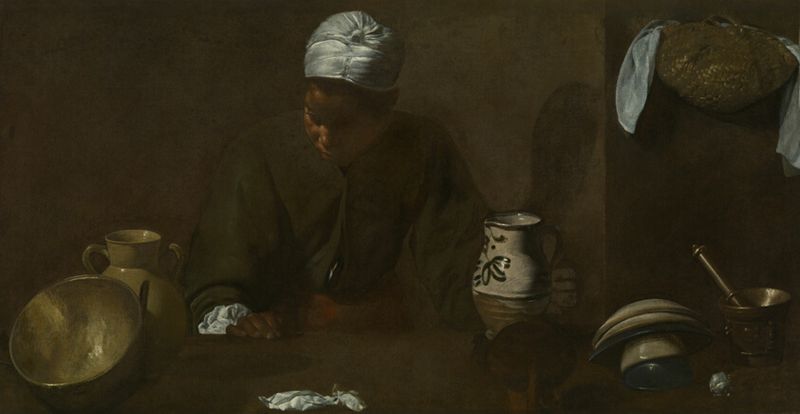
Kitchen Scene
Diego Velázquez · 1618 · Art Institute of Chicago
 Same era · 1600s–1630s
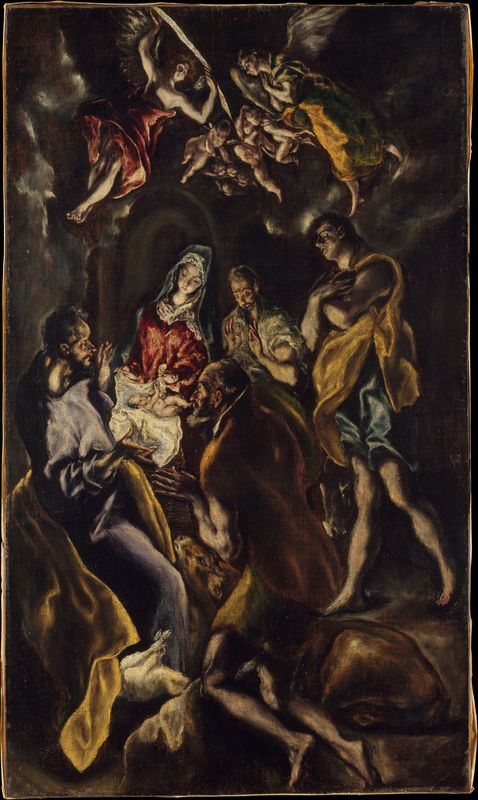
The Adoration of the Shepherds
El Greco · 1610
 Same era · 1600s–1630s
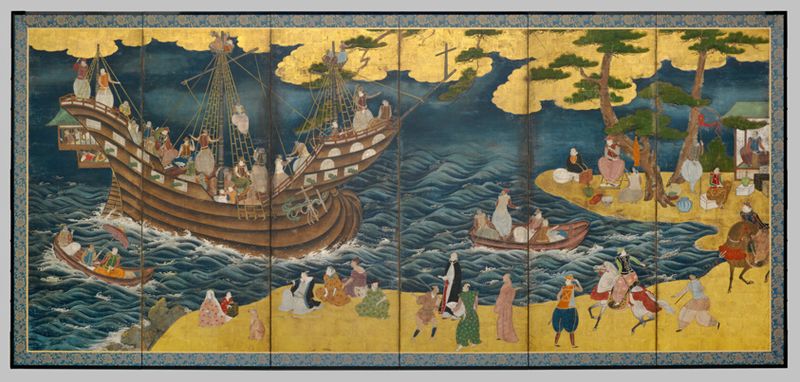
Southern Barbarians
Artist Unknown - The Mercat Cross, Aberdeen · 1625 · Art Institute of Chicago
 Same era · 1600s–1630s
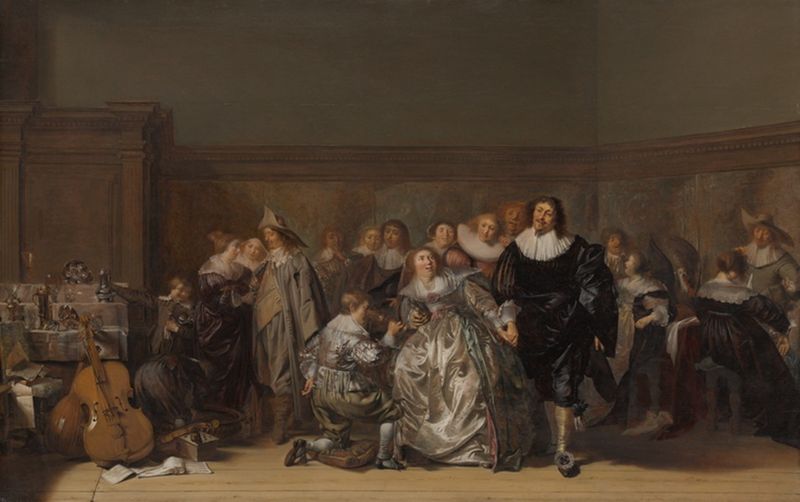
An Elegant Company
Samuel Alcock & Company · 1632 · Art Institute of Chicago
 Same era · 1600s–1630s
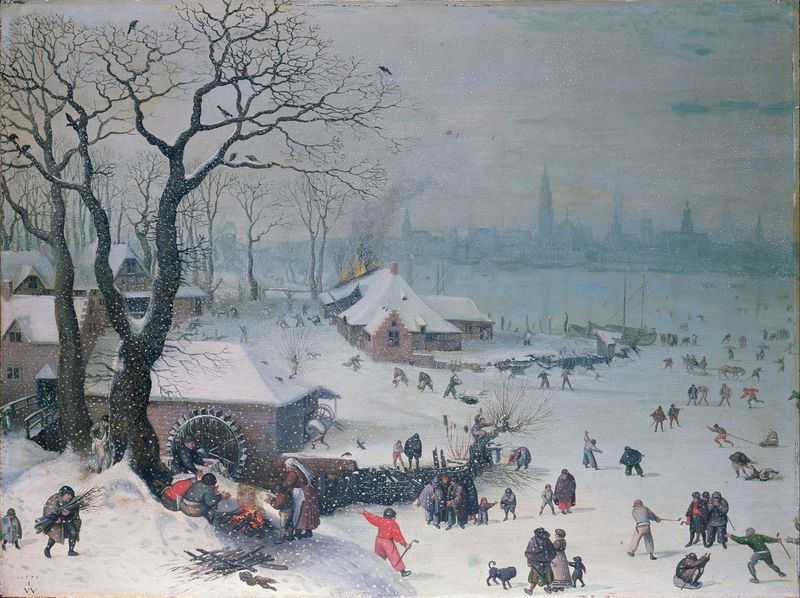
Winter Landscape with Snowfall near Antwerp
Jan Brueghel the Elder · 1610
 Same era · 1600s–1630s
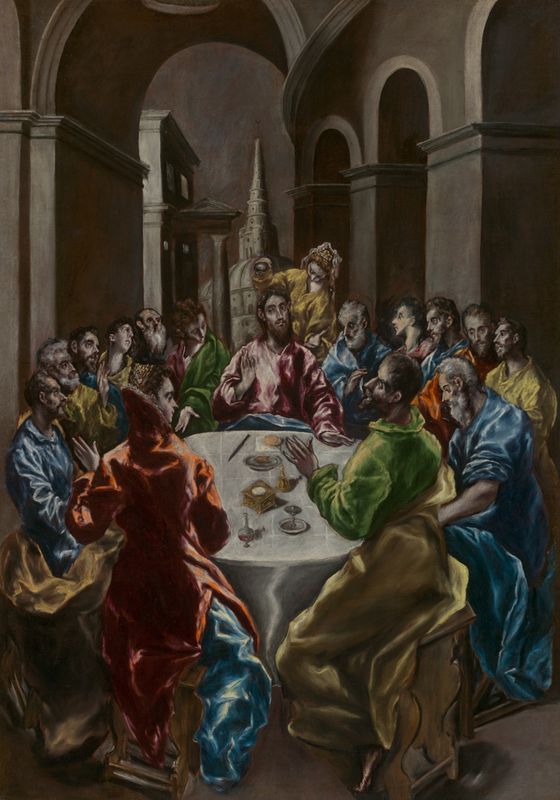
The Feast in the House of Simon
El Greco (Doménikos Theotokópoulos) and workshop · 1608 · Art Institute of Chicago
 Same era · 1600s–1630s
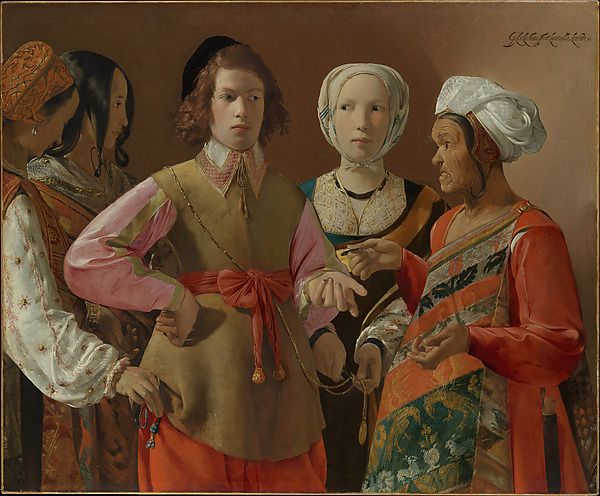
The Fortune-Teller
Georges de La Tour · 1630 · The Metropolitan Museum of Art
 Same era · 1600s–1630s
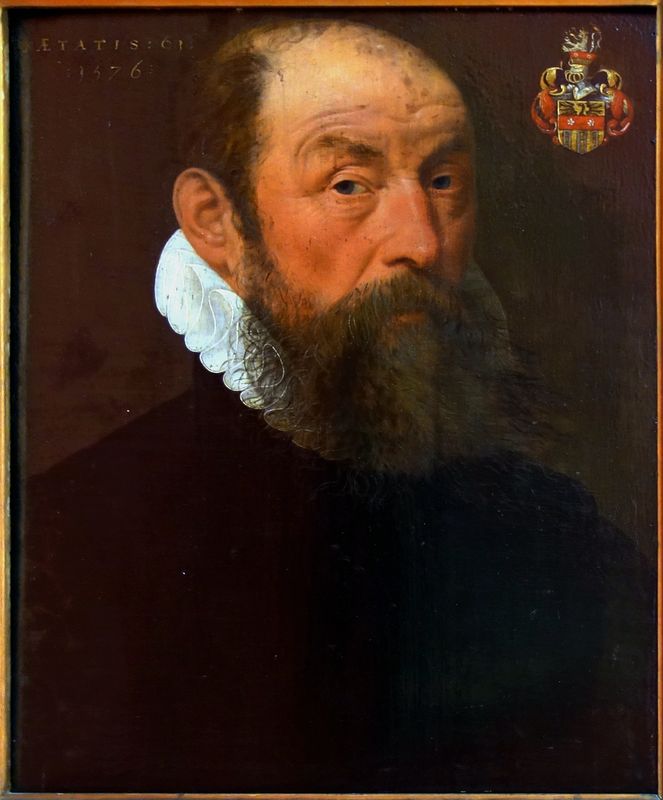
Portrait of a man
Willem van der Vliet · 1634 · Pushkin Museum of Fine Arts
 Same era · 1600s–1630s
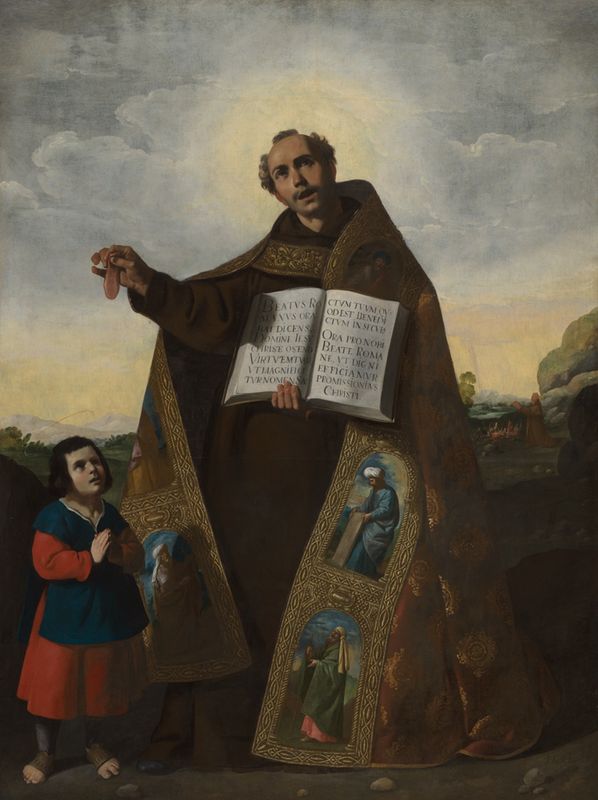
Saint Romanus of Antioch and Saint Barulas
Master of the View of Saint Gudula · 1638 · Art Institute of Chicago