01
Two bent heads
Look at the two heads bent close together at center. Both girls look down at the same spot, so their shared focus tells the story without a word.
1 of 5 on the painting

“Stop and observe this drypoint print by Mary Cassatt. It offers a rare glimpse into a woman's private world of intellectual focus, captured with delicate lines and an intimate perspective.”
In Mary Cassatt's "The Map," a woman leans intently over a large sheet of paper, her posture suggesting deep concentration. The drypoint technique, visible in the delicate lines and varied textures, creates a sense of intimacy and quiet observation. You can almost feel the weight of her gaze as she studies the details laid out before her. The scene is spare, focusing entirely on the figure and her activity, drawing the viewer into her private moment of study or planning. This work, created in 1890, captures a common, yet often unremarked upon, aspect of women's lives in the late 19th century: moments of quiet intellectual engagement, far removed from the more public or maternal scenes often depicted by artists of the period. It speaks to a private world of thought and purpose.
Five details hide in plain sight. Pick one and we’ll show you exactly where to look.
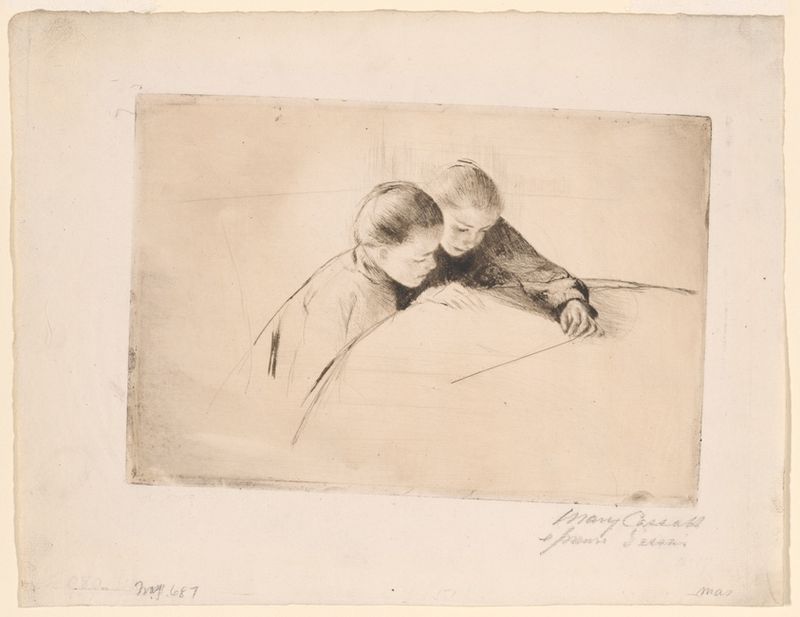
Look at the two heads bent close together at center. Both girls look down at the same spot, so their shared focus tells the story without a word.
Find the small hand at right, resting on the surface with the fingers touching it. It is the one spot where the girls' attention turns into action.
The big pale curve in the lower half appears to be the map or a large sheet they lean over, left almost blank. We see the girls' interest but not what they study.
Look at the dense, scratchy lines on the right girl's sleeve and shoulder. Drypoint leaves a soft, velvety burr that gives these darks their richness.
Follow the figure at left as its body dissolves into a few loose strokes toward the lower left. The body is only hinted at, so the faces carry the weight.
The full narration walks you through The Map — the story behind it, the details most visitors miss, and why it matters. Free in the Art Whisper app.
Mary Cassatt, an American painter and printmaker, captured the intimate world of women and children with remarkable tenderness, often exhibiting with the Impressionists in France.
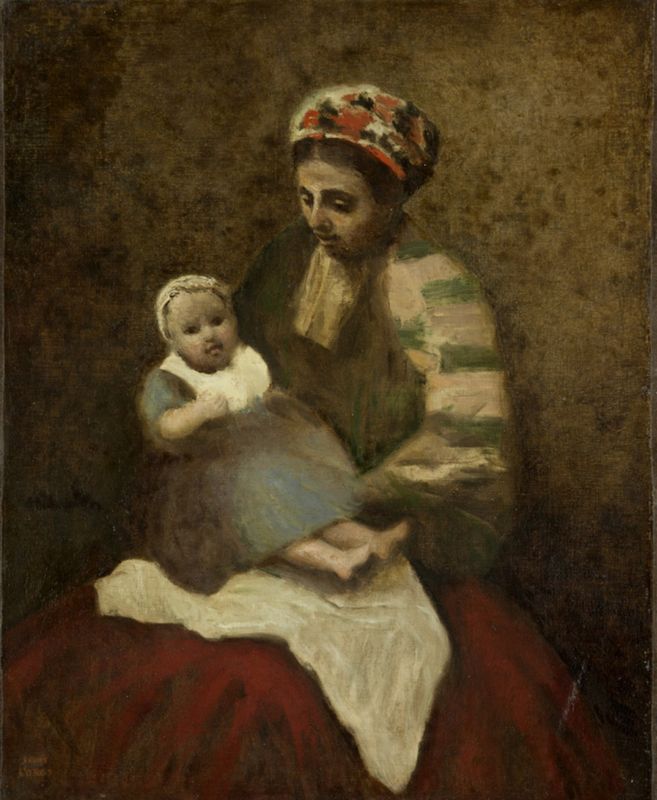 Nurse and Child
1896 · The Metropolitan Museum of Art
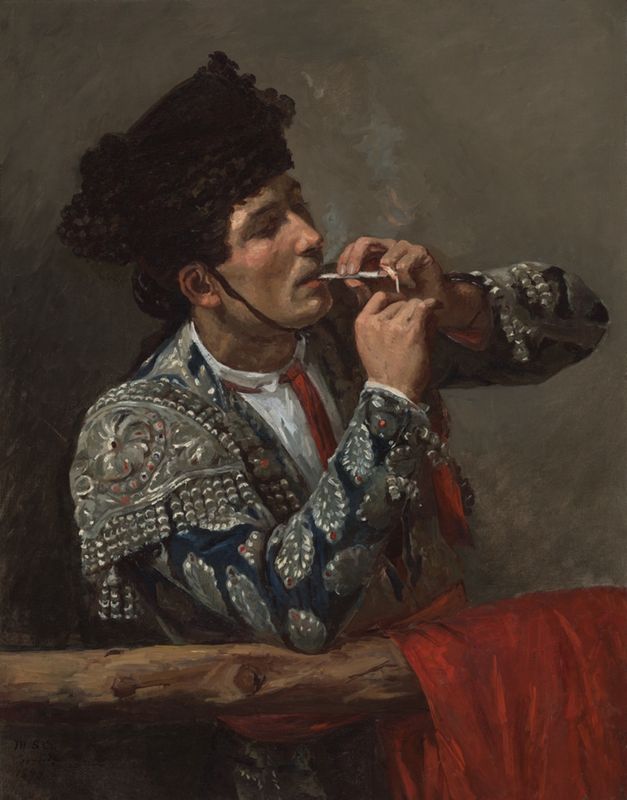 After the Bullfight
1873 · Art Institute of Chicago
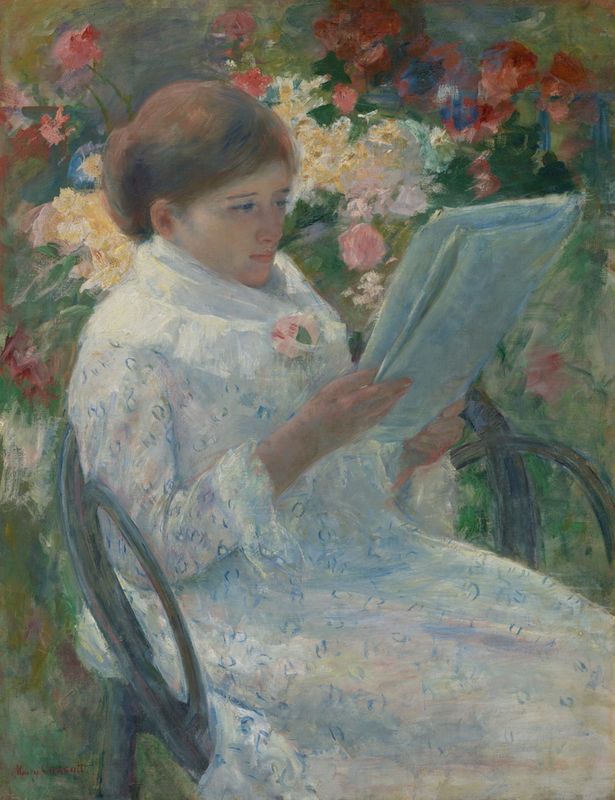 On a Balcony
1879 · Art Institute of Chicago
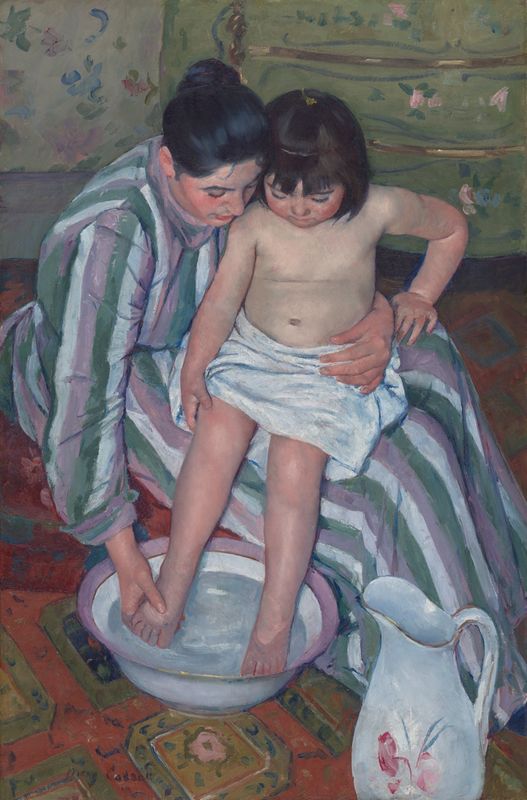 The Child's Bath
1893 · Art Institute of Chicago
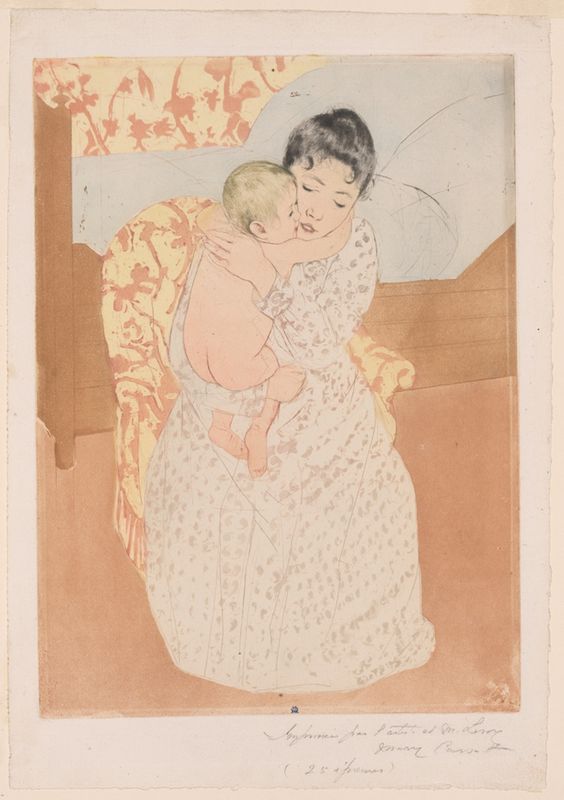 Maternal Caress
1896 · Philadelphia Museum of Art
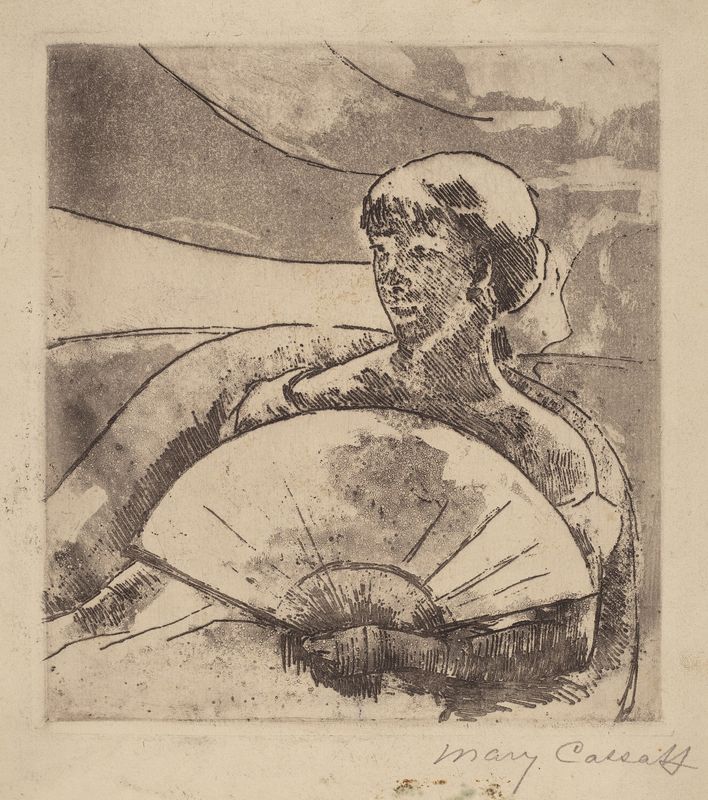 In the Opera Box (No. 3)
1875 · The Metropolitan Museum of Art
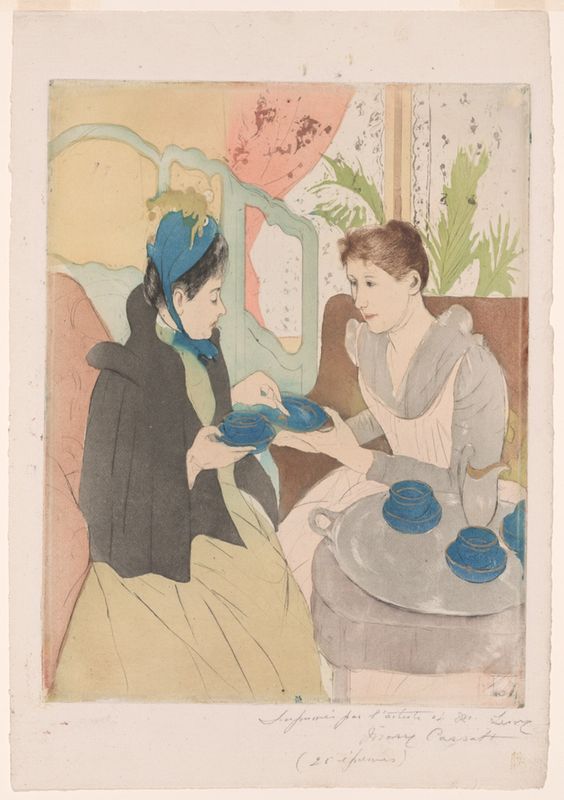 Afternoon Tea Party
1890 · The Metropolitan Museum of Art
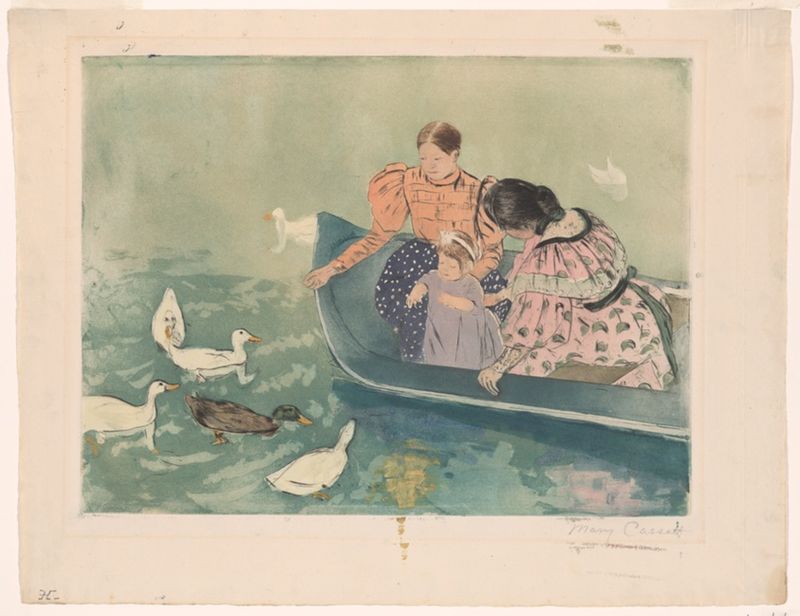 Feeding the Ducks
1890 · The Metropolitan Museum of Art
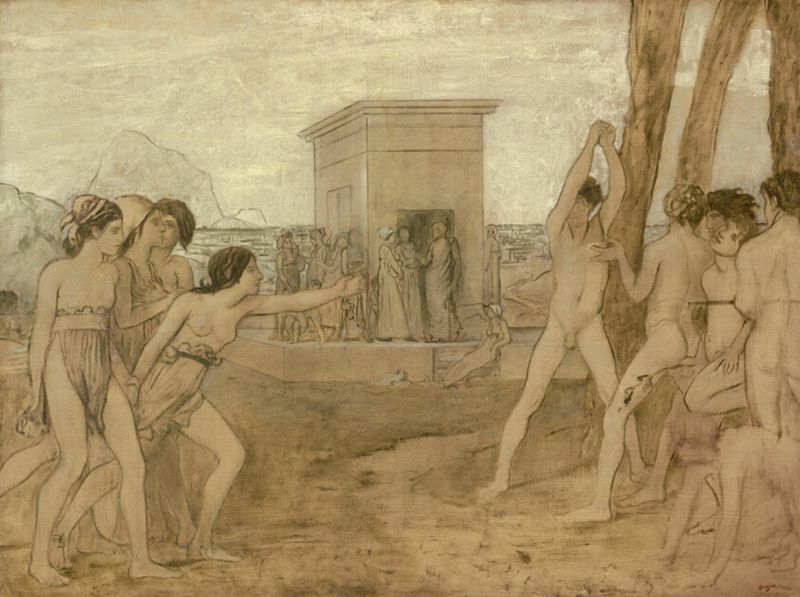 Young Spartan Girls Challenging Boys
Degas · 1860 · Art Institute of Chicago
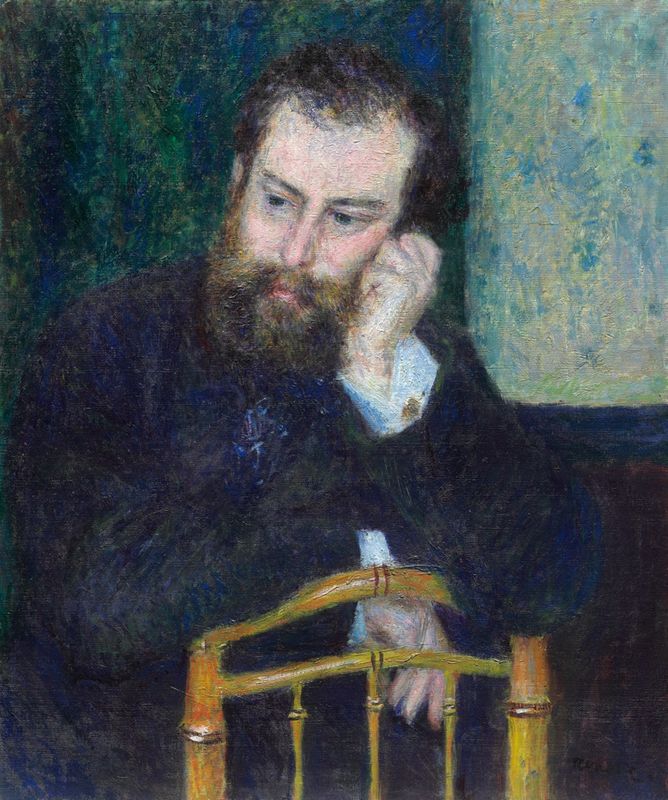 Alfred Sisley
Renoir · 1864 · Foundation E.G. Bührle Collection
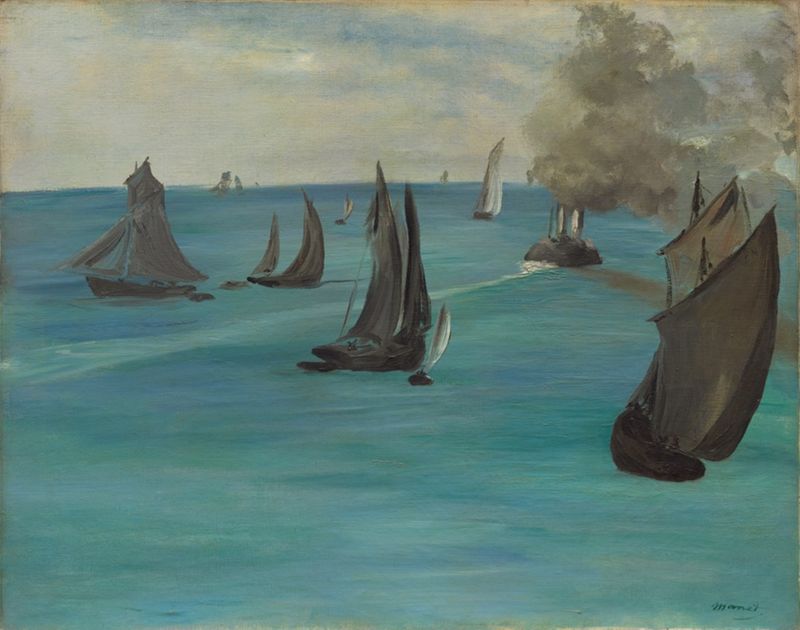 Sea View, Calm Weather (Vue de mer, temps calme)
Manet · 1864 · Art Institute of Chicago
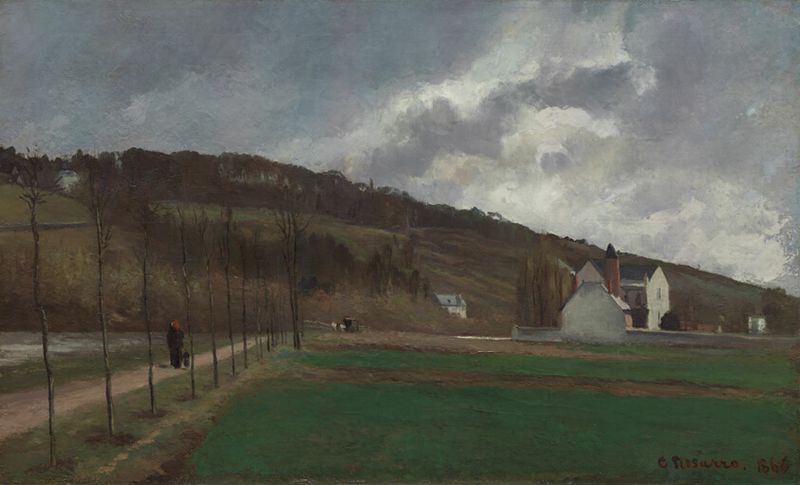 The Banks of the Marne in Winter
Pissarro · 1866 · Art Institute of Chicago
Beyond Cassatt and Impressionism: works from the same years, and from the other movements The Map belongs to.
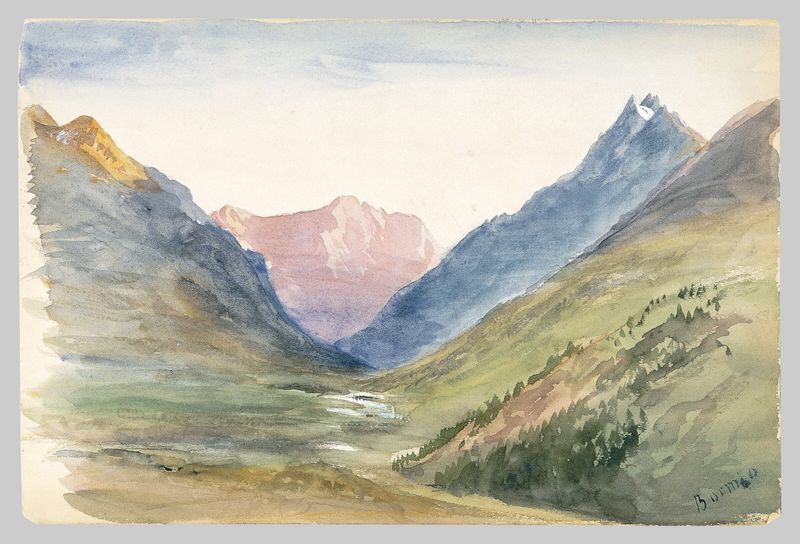 Same movement · Tonalism
Mountain View at Bormio (from Switzerland 1869 Sketchbook)
John Singer Sargent · 1869 · The Metropolitan Museum of Art
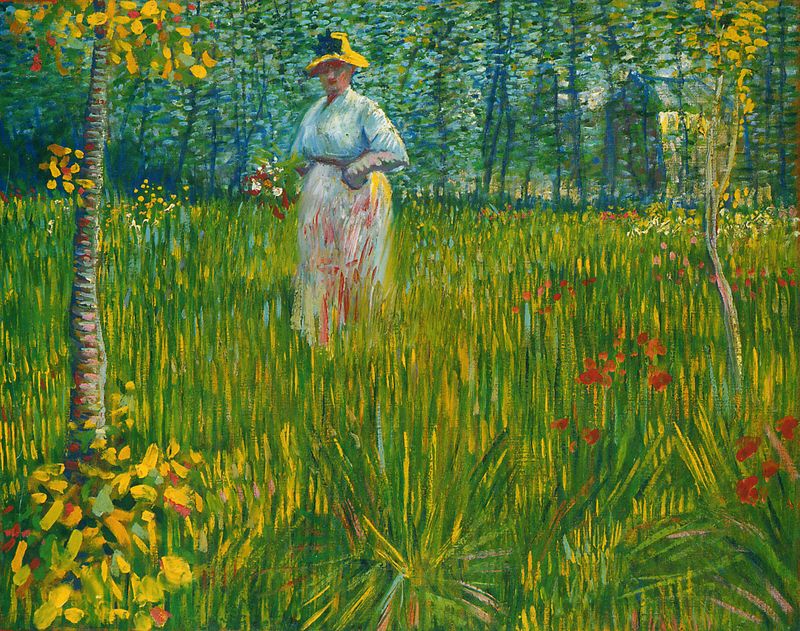 Same era · 1870s–1900s
A Woman Walking in a Garden
Vincent van Gogh · 1887 · Frans Buffa & sons
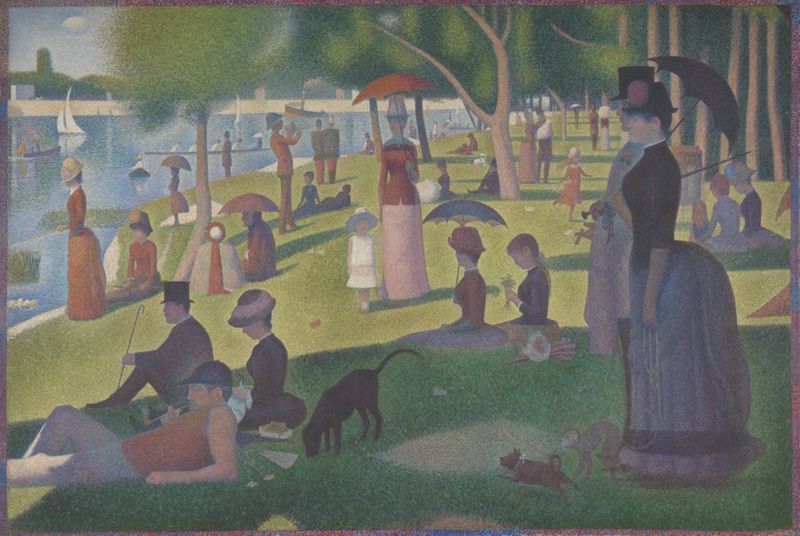 Same era · 1870s–1900s
A Sunday on La Grande Jatte — 1884
Okada Saburosuke · 1884 · Art Institute of Chicago
 Same era · 1870s–1900s
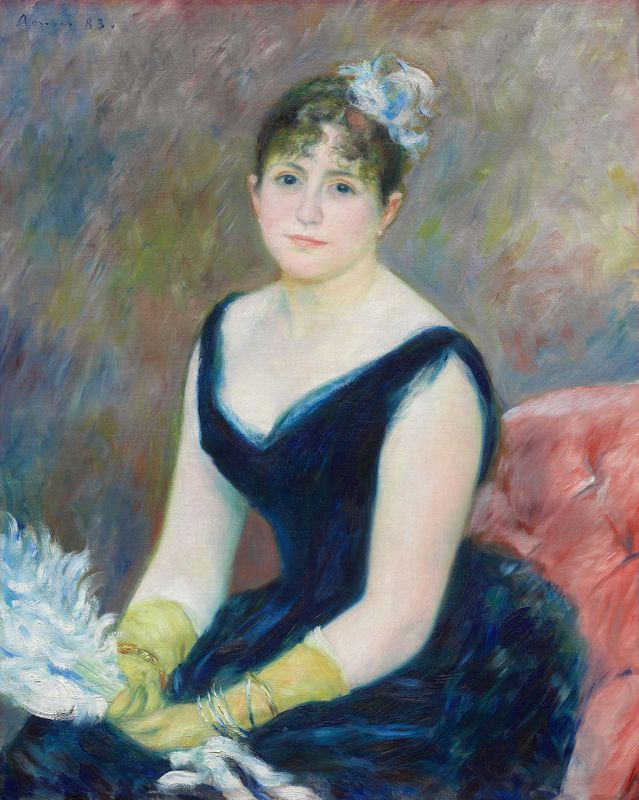
Madame Léon Clapisson
Léon-Victor Dupré · 1883 · Art Institute of Chicago
 Same era · 1870s–1900s
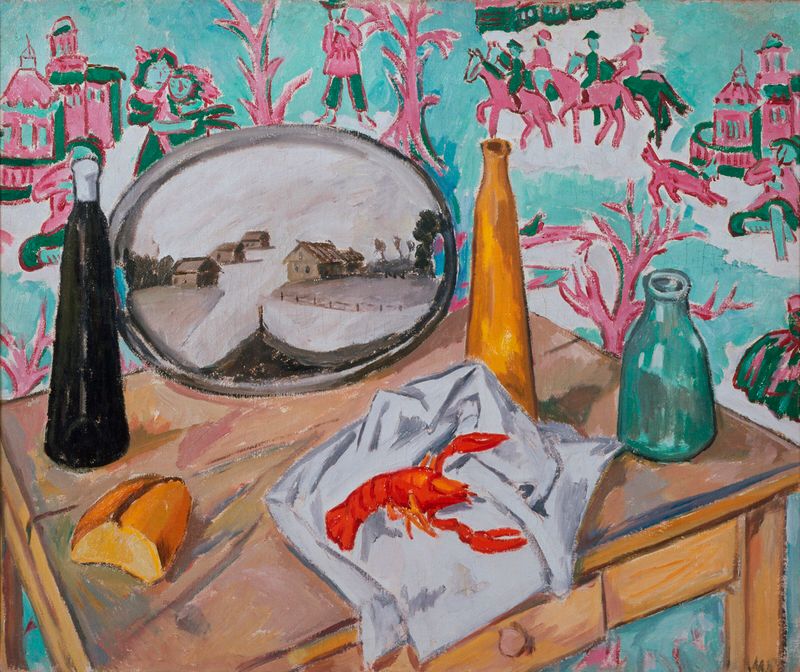
Still Life with Crayfish
Mikhail Larionov · 1900 · Museum Ludwig
 Same era · 1870s–1900s
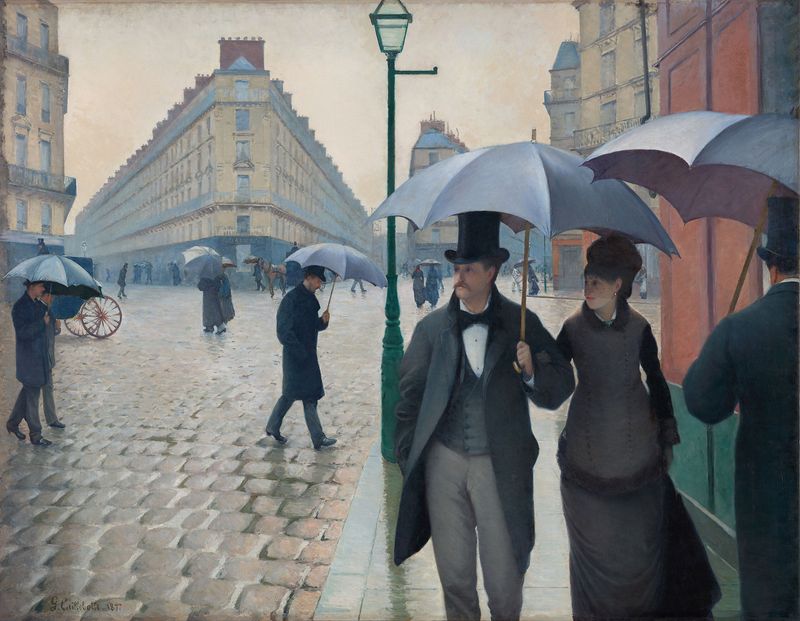
Paris Street; Rainy Day
Kawabata Gyokushō · 1877 · Art Institute of Chicago
 Same era · 1870s–1900s
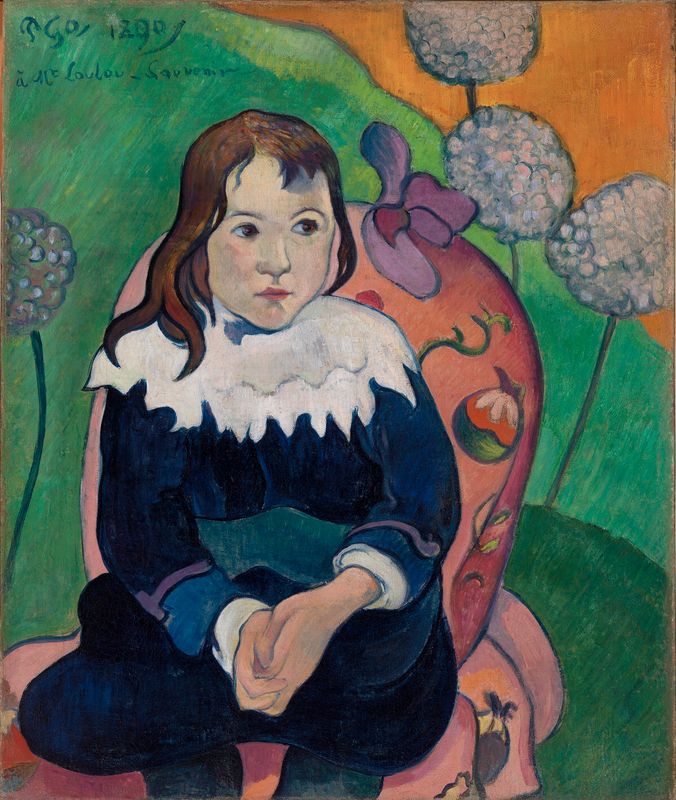
Mr. Loulou (Louis Le Ray)
Paul Gauguin · 1890 · Barnes Foundation
 Same era · 1870s–1900s
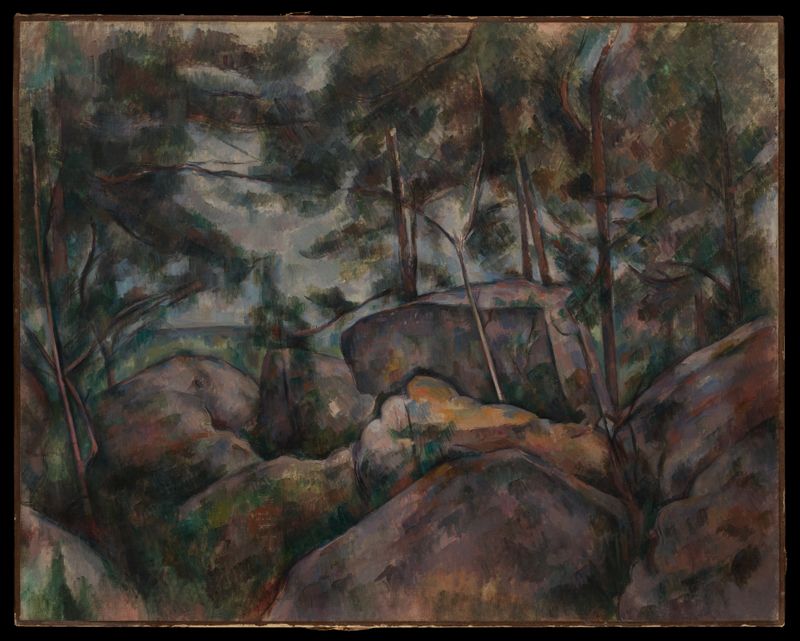
Rocks at Fontainebleau
Paul Cézanne · 1890 · The Metropolitan Museum of Art
 Same era · 1870s–1900s
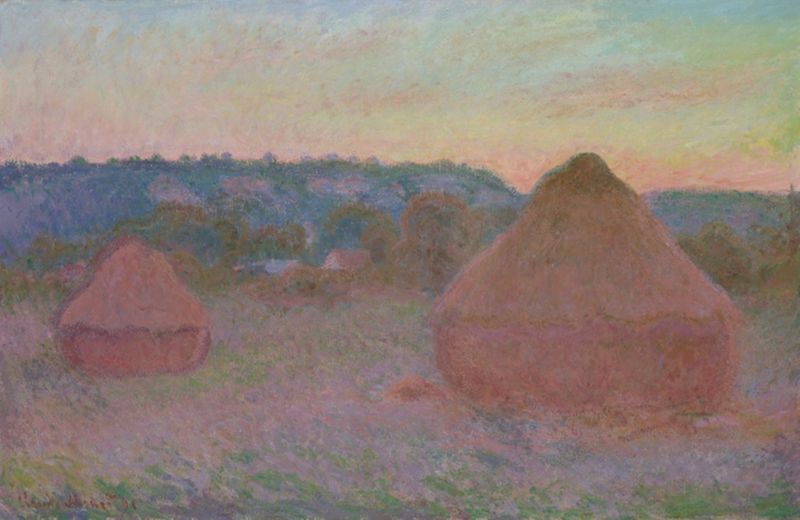
Stacks of Wheat (End of Day, Autumn)
Claude Monet · 1890 · Art Institute of Chicago
 Same era · 1870s–1900s
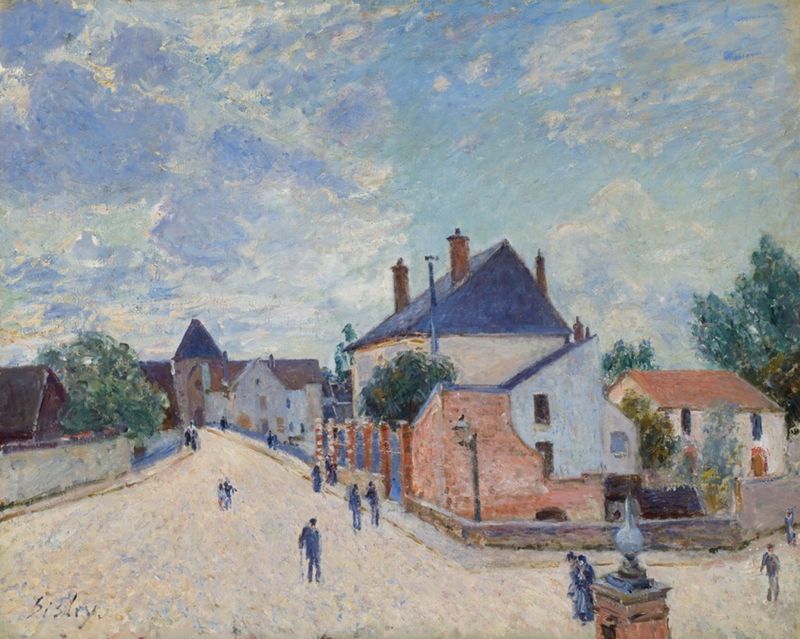
Street in Moret
Alfred Sisley · 1890 · Art Institute of Chicago
 Same era · 1870s–1900s
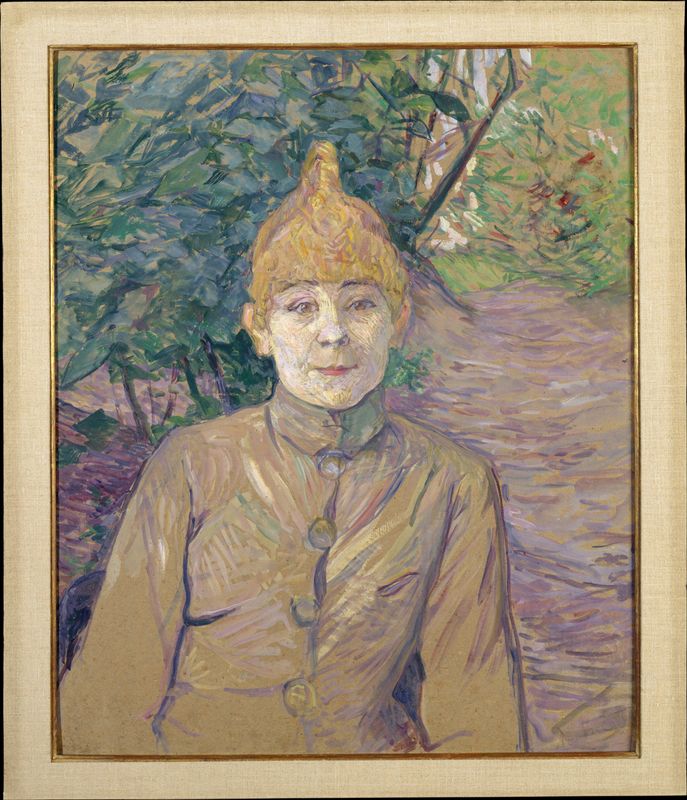
The Streetwalker
Henri de Toulouse-Lautrec · 1890 · The Metropolitan Museum of Art
 Same era · 1870s–1900s
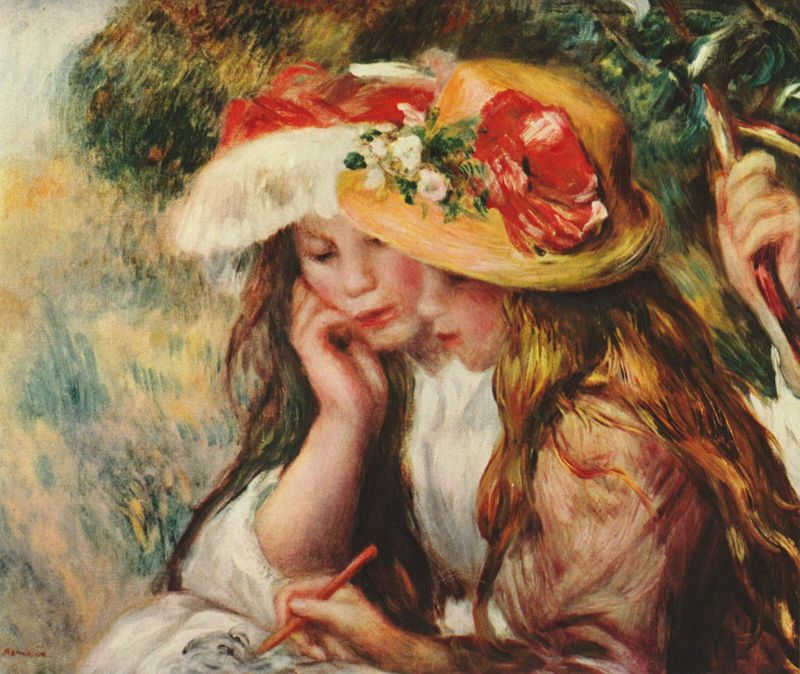
Two Girls Reading in a Garden
Pierre-Auguste Renoir · 1890
 Same era · 1870s–1900s
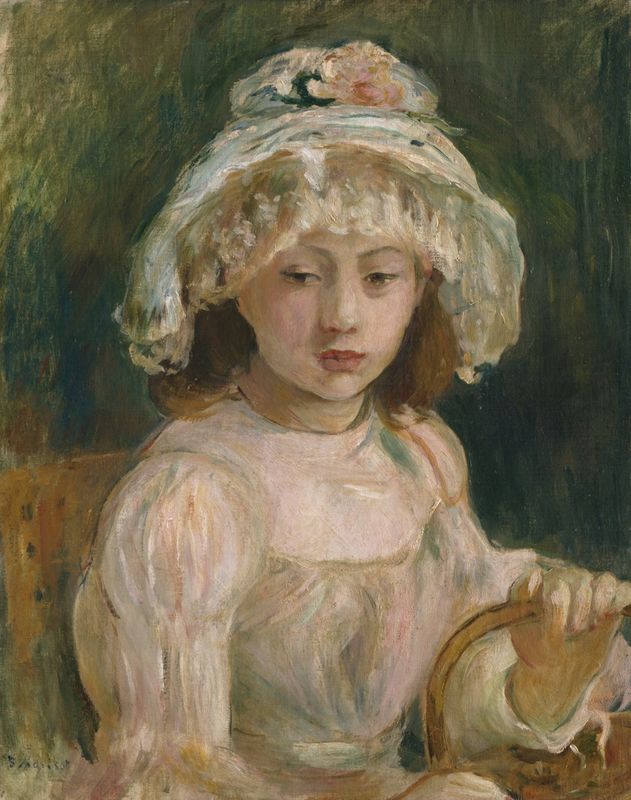
Young Girl with Hat
Berthe Morisot · 1891 · Art Institute of Chicago
