
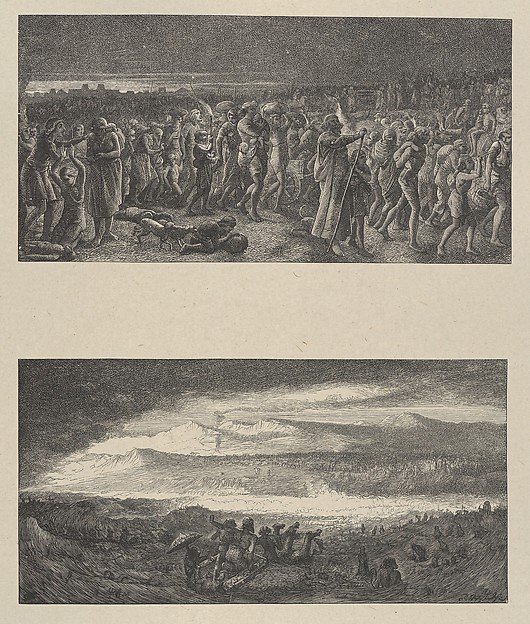
“Witness the dramatic biblical scene of the Red Sea parting and engulfing Pharaoh's army. This powerful wood engraving uses striking contrasts to convey divine wrath and miraculous escape, capturing a pivotal moment of faith and destruction.”
This dramatic wood engraving captures the biblical moment of the Israelites' departure and the destruction of Pharaoh's army. We see the Red Sea parting, creating a tumultuous, almost mountainous wall of water that dwarfs the figures below. On the left, the last of the Israelites ascend a distant hill, their backs to the chaos, while on the right, Pharaoh's chariots and horses are swallowed by the returning waves. The artist uses stark contrasts of light and shadow, typical of wood engraving, to emphasize the divine power at play. Notice the tiny, desperate figures of the Egyptians, their forms contorted in their final moments, highlighting the overwhelming force of nature and divine wrath. This print, made for "Dalziels' Bible Gallery," was part of a major Victorian project to illustrate sacred texts with high-quality engravings.
- Artist
- Thomas Dalziel
- Date
- 1865
- Medium
- Wood engraving on India paper, mounted on thin card
- Location
- The Metropolitan Museum of Art
- Dimensions
- Image: 3 7/16 × 6 15/16 in. (8.8 × 17.7 cm) Image: 3 7/16 × 6 15/16 in. (8.8 × 17.7 cm) India sheet: 10 1/2 in. × 9 in. (26.6 × 22.8 cm) Mount: 16 3/8 in. × 12 15/16 in. (41.6 × 32.9 cm)
- Collection
- Drawings and Prints
- Credit line
- Anonymous Gift, 1926
What to Notice
Five details hide in plain sight. Here’s where to look.
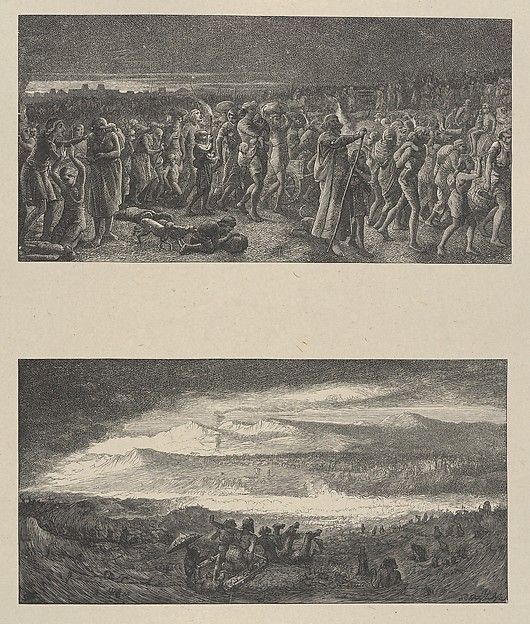
The towering walls of water, about to collapse on Pharaoh's army.
The tiny, frantic figures of the drowning Egyptians and their horses.
The Israelites, small and distant, safely ascending the far bank.
The swirling, dark chaos of the water, rendered through intricate lines.
1 more detail is waiting.
See all 5 in Art Whisper →Stand in front of it and listen
The full narration walks you through The Departure of the Israelites–Destruction of Pharoah and His Host, from "Dalziels' Bible Gallery" — the story behind it, the details most visitors miss, and why it matters. Free in the Art Whisper app.
Further Works by Dalziel
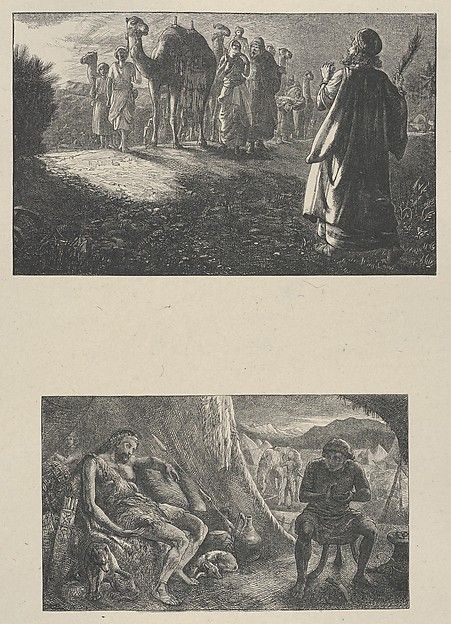 Isaac Meeting Rebekah–Esau Selling His Birthright, from "Dalziels' Bible Gallery"
1865 · The Metropolitan Museum of Art
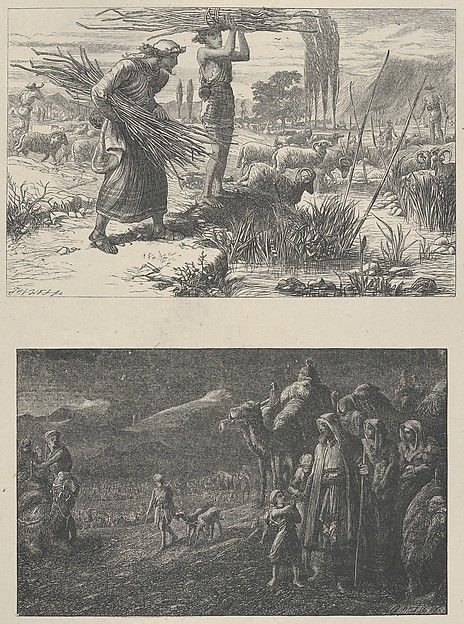 Jacob and the Flocks of Laban–Jacob's Departure from Laban, from "Dalziels' Bible Gallery"
1865 · The Metropolitan Museum of Art
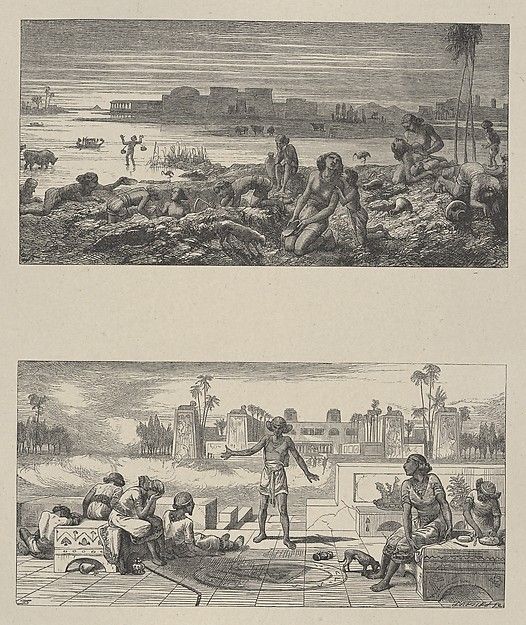 The Water Turned Into Blood–The Boils and Blanes, from "Dalziels' Bible Gallery"
1865 · The Metropolitan Museum of Art
More works to explore
Beyond Dalziel: works from the same years.
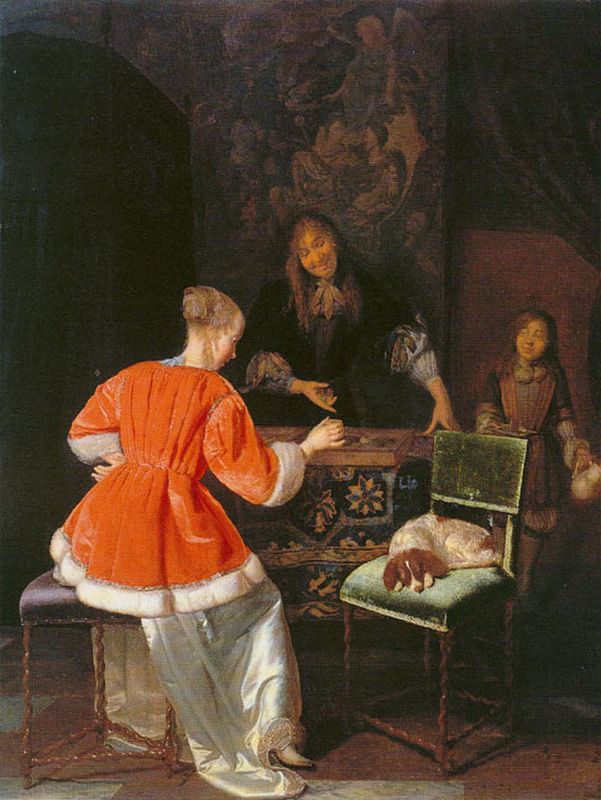 Same era · 1850s–1880s
The Backgammon Players
Philip Webb · 1861 · The Metropolitan Museum of Art
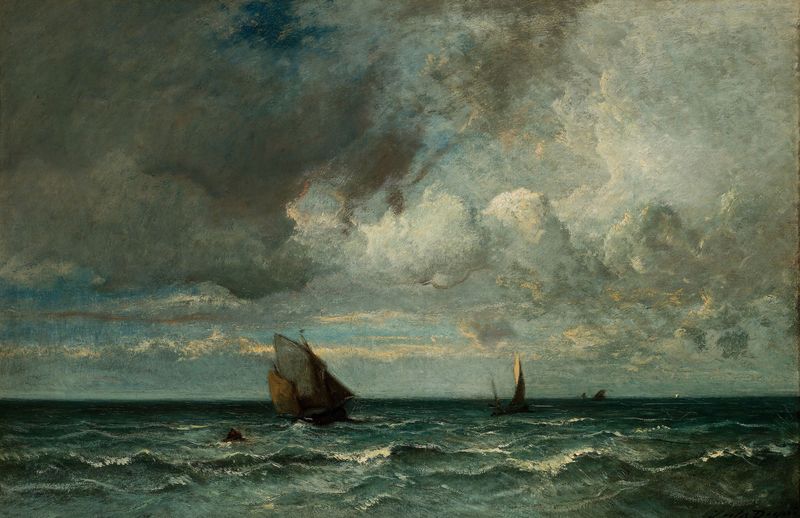 Same era · 1850s–1880s
Barks Fleeing Before the Storm
Léon-Victor Dupré · 1870 · Art Institute of Chicago
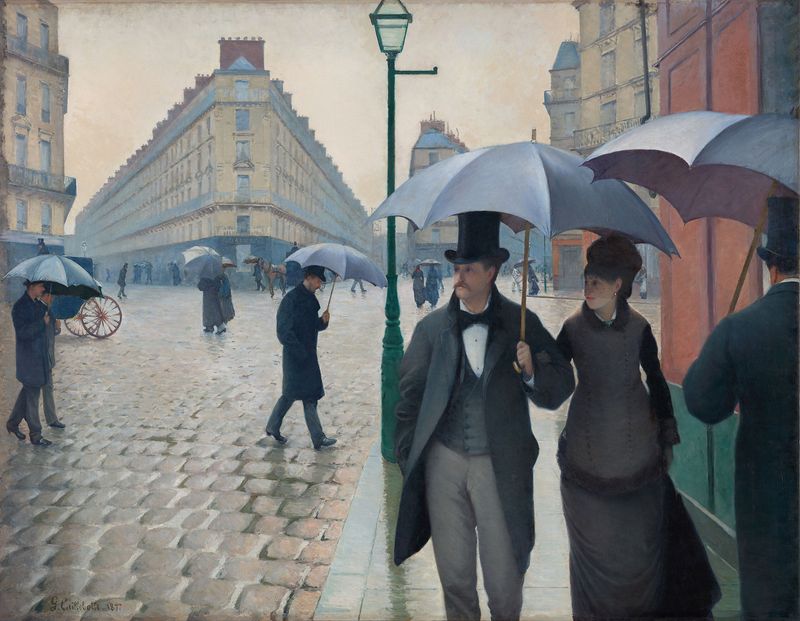 Same era · 1850s–1880s
Paris Street; Rainy Day
Kawabata Gyokushō · 1877 · Art Institute of Chicago
 Same era · 1850s–1880s
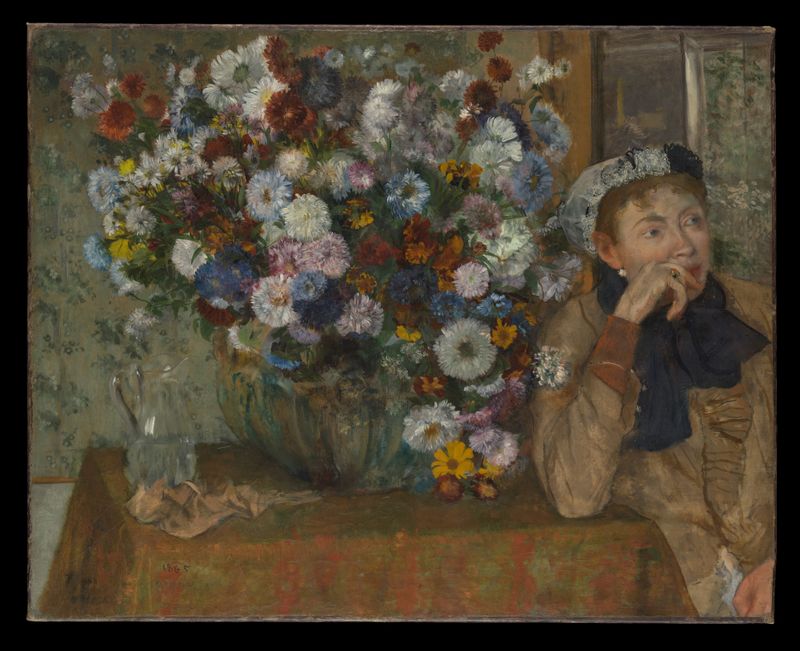
A Woman Seated beside a Vase of Flowers (Madame Paul Valpinçon?)
Edgar Degas · 1865 · The Metropolitan Museum of Art
 Same era · 1850s–1880s
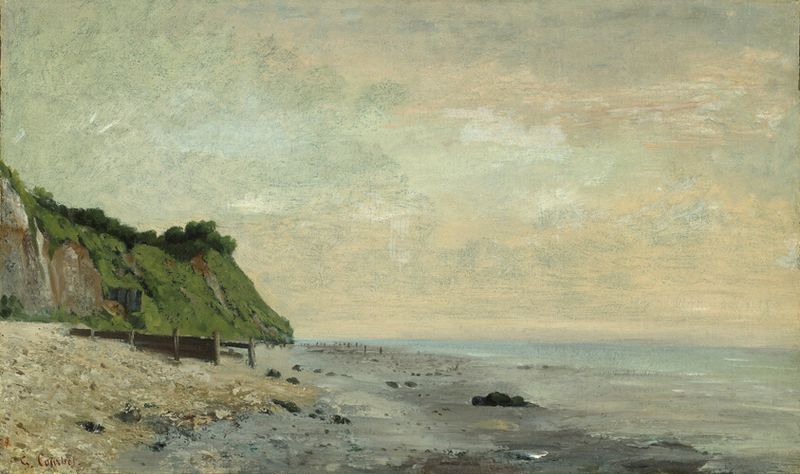
Cliffs on the Sea Coast: Small Beach, Sunrise (Falaise au bord de la mer, vu Petite Plage, soleil levant)
Gustave Courbet · 1865 · Art Institute of Chicago
 Same era · 1850s–1880s
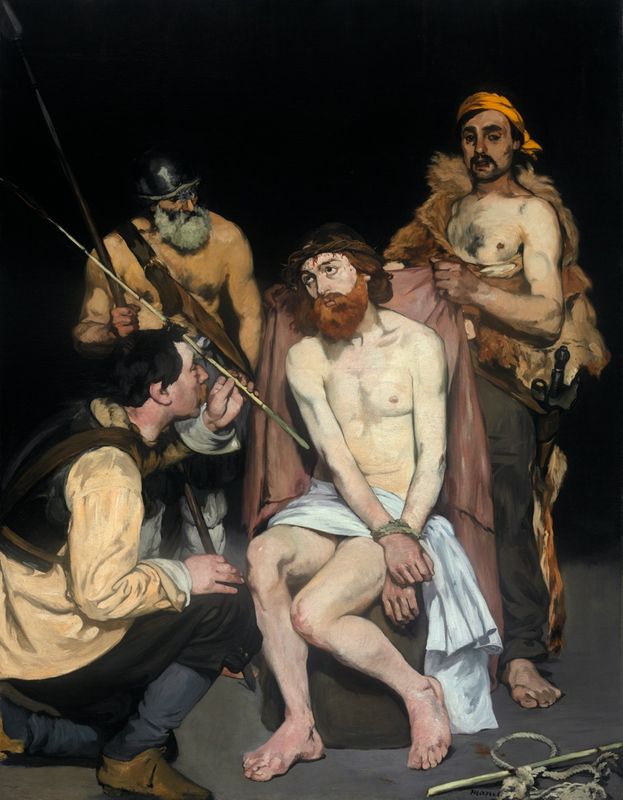
Jesus Mocked by the Soldiers
Édouard Manet · 1865 · Art Institute of Chicago
 Same era · 1850s–1880s
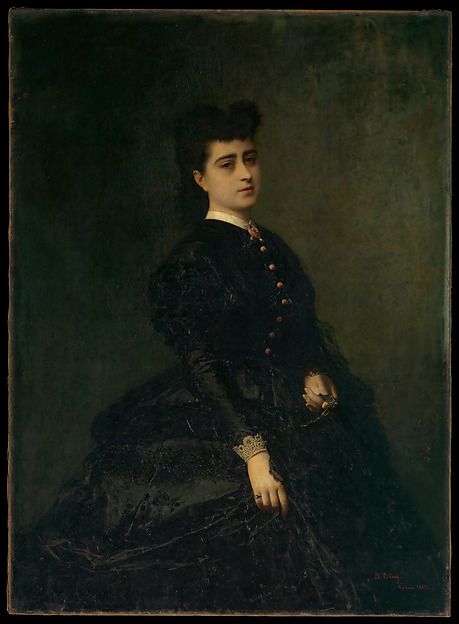
Mirope Savati Gaye
Mariano Fortuny Marsal · 1865 · The Metropolitan Museum of Art
 Same era · 1850s–1880s
Valley of the Bedford
William Hart · 1865 · Fogg Museum
 Same era · 1850s–1880s
Alfred Sisley
Pierre-Auguste Renoir · 1864 · Foundation E.G. Bührle Collection
 Same era · 1850s–1880s
In the Auvergne
Jean-François Millet · 1866 · Art Institute of Chicago
 Same era · 1850s–1880s
The Banks of the Marne in Winter
Camille Pissarro · 1866 · Art Institute of Chicago
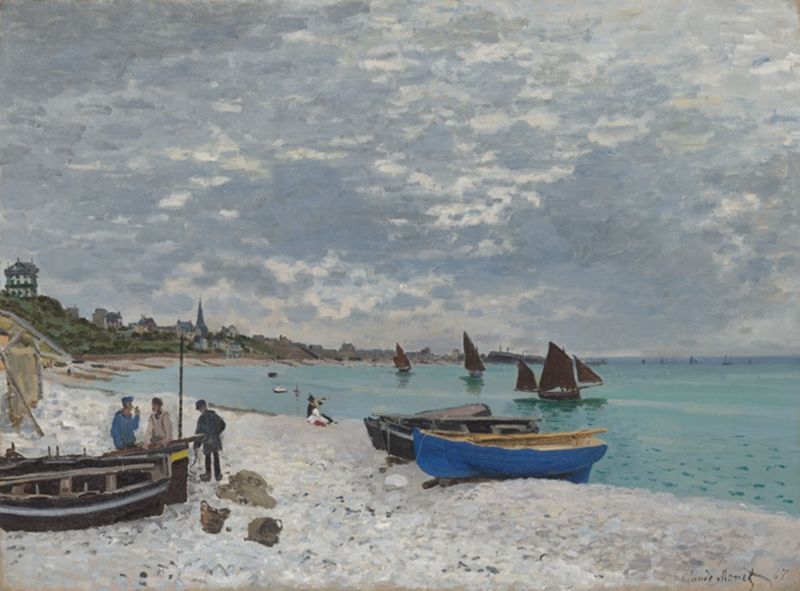 Same era · 1850s–1880s
The Beach at Sainte-Adresse
Claude Monet · 1867 · Art Institute of Chicago