
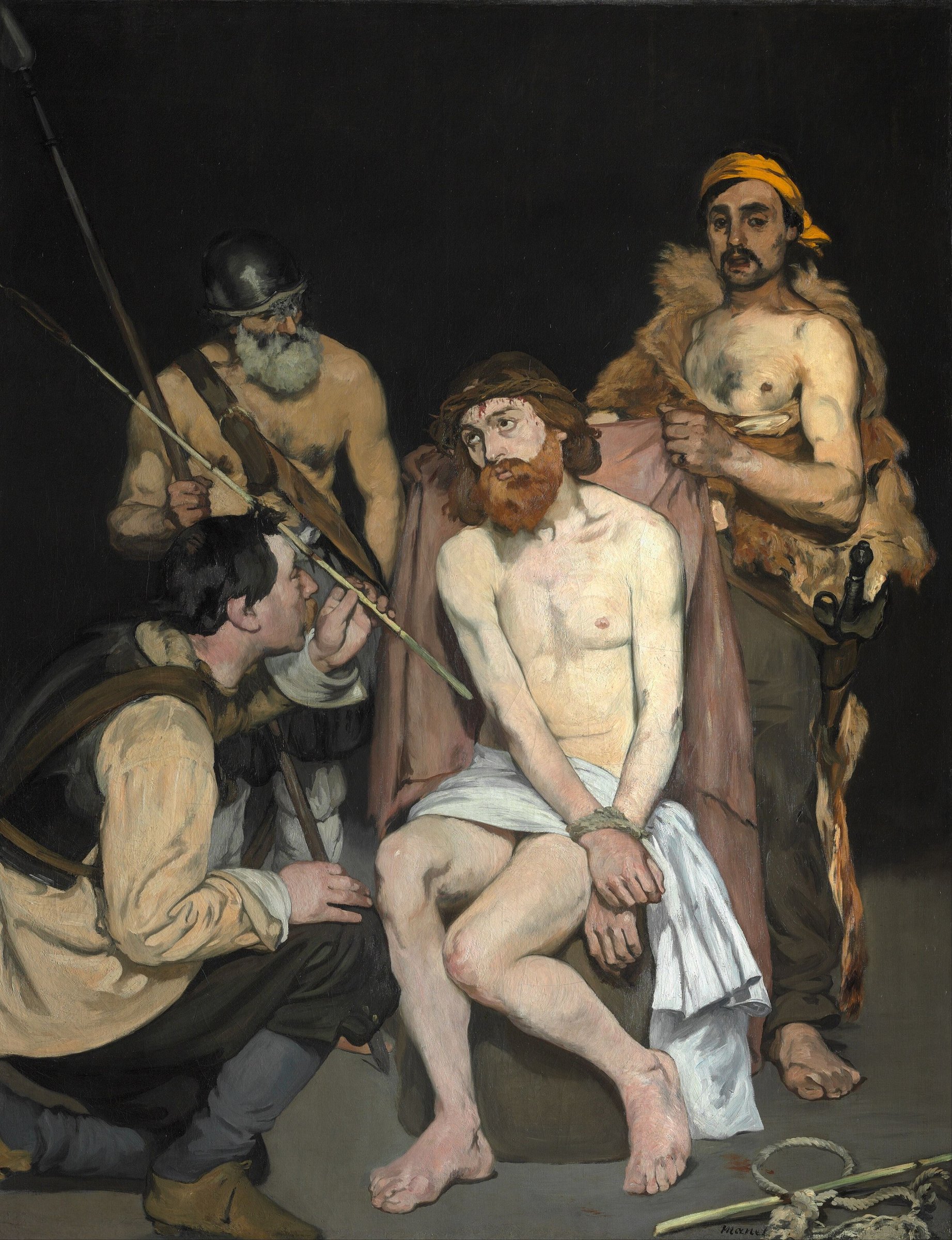
“Stop to see how Manet reinterprets a classic religious scene, focusing on the raw human drama and the soldiers' unsettling indifference rather than divine spectacle. Notice the stark realism and dramatic lighting that makes this moment feel intensely personal.”
In "Jesus Mocked by the Soldiers," Manet presents a stark and unsettling scene, stripping away traditional religious grandeur for a raw, almost theatrical portrayal. Christ, draped in a deep red robe, sits with a crown of thorns, his expression one of quiet resignation rather than divine suffering. The soldiers surrounding him are not idealized figures; instead, they are depicted with a blunt realism, their faces a mix of indifference and crude amusement. One soldier, seen from behind, leans in with a casual, almost bored posture, while another gestures mockingly with a stick. The subdued color palette and dramatic lighting, which casts deep shadows and highlights the figures, amplify the scene's grim intimacy, drawing the viewer into the confined space of the ordeal. This painting, made in 1865, reflects the artist's interest in reinterpreting historical and religious subjects through a modern lens, focusing on human drama rather than spiritual spectacle.
- Artist
- Édouard Manet
- Date
- 1865
- Medium
- Oil on canvas
- Location
- Art Institute of Chicago
What to Notice
Five details hide in plain sight. Here’s where to look.
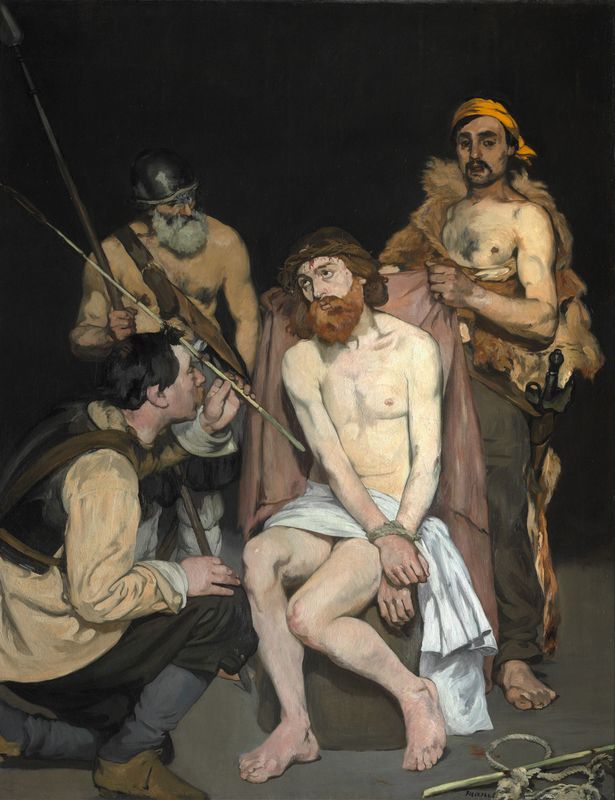
The soldier in the foreground, seen from behind, with his arm casually draped.
The crown of thorns, rendered almost like a tangled, dark wreath.
The deep red of Christ's robe, a striking color against the muted background.
The theatrical pose of the soldier holding a stick, his arm raised in mockery.
1 more detail is waiting.
See all 5 in Art Whisper →Stand in front of it and listen
The full narration walks you through Jesus Mocked by the Soldiers — the story behind it, the details most visitors miss, and why it matters. Free in the Art Whisper app.
Édouard Manet
1832–1883 · FranceScandalous modernist who shocked Paris by painting everyday life and became the reluctant father of Impressionism.
Further Works by Manet
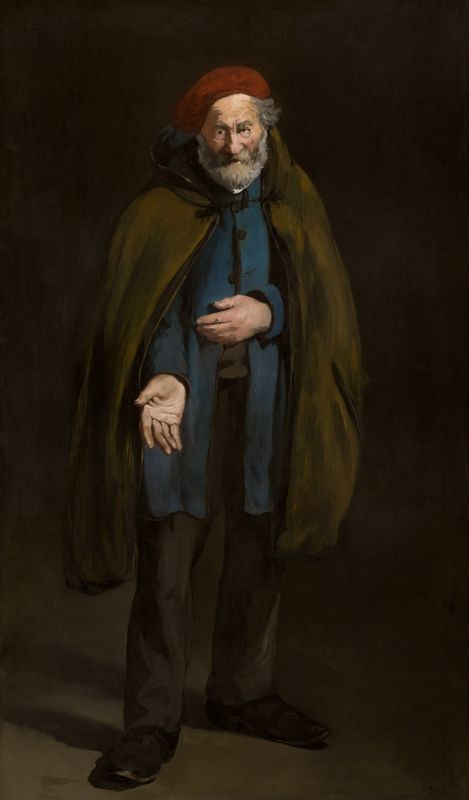 Beggar with a Duffle Coat (Philosopher)
1864 · Art Institute of Chicago
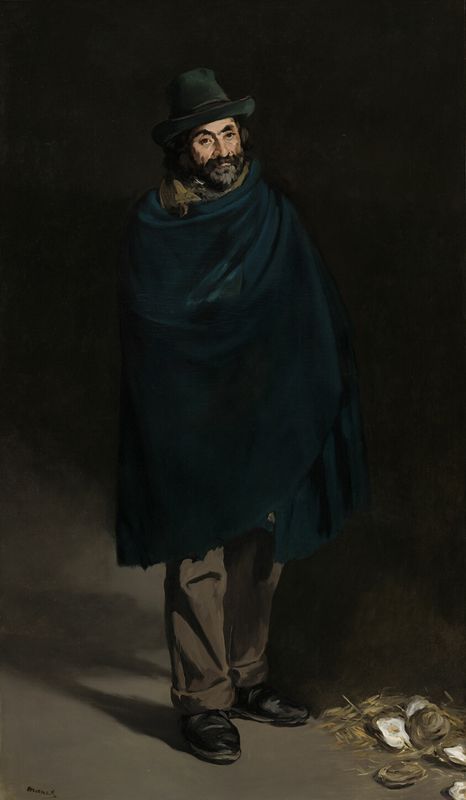 Beggar with Oysters (Philosopher)
1864 · Art Institute of Chicago
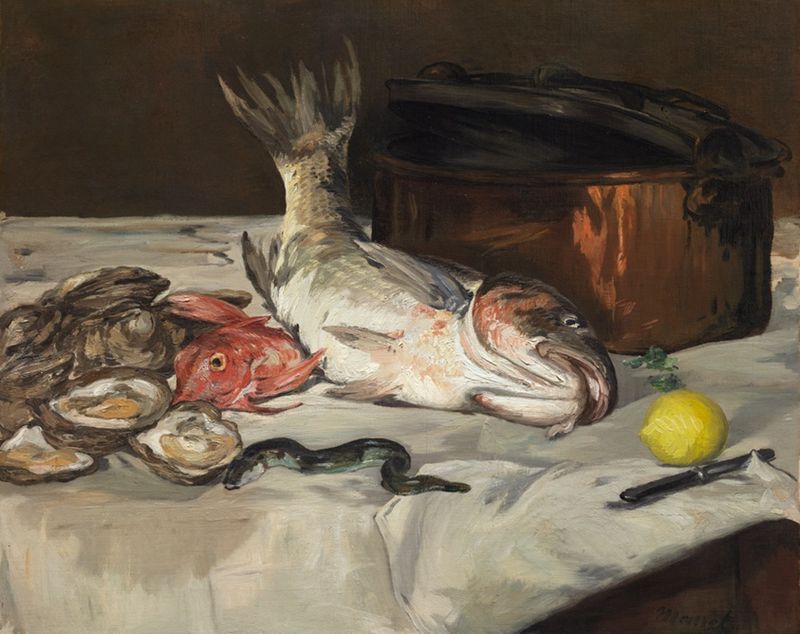 Fish (Still Life)
1864 · Art Institute of Chicago
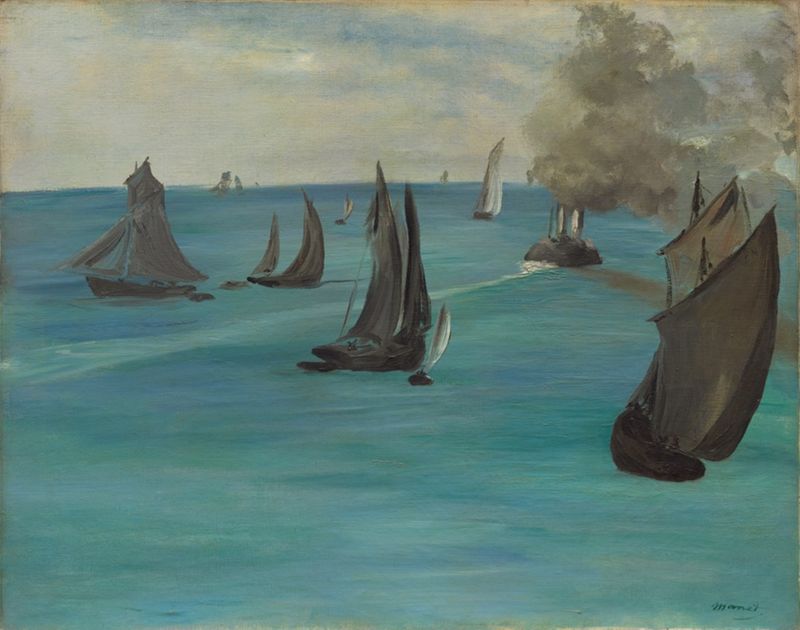 Sea View, Calm Weather (Vue de mer, temps calme)
1864 · Art Institute of Chicago
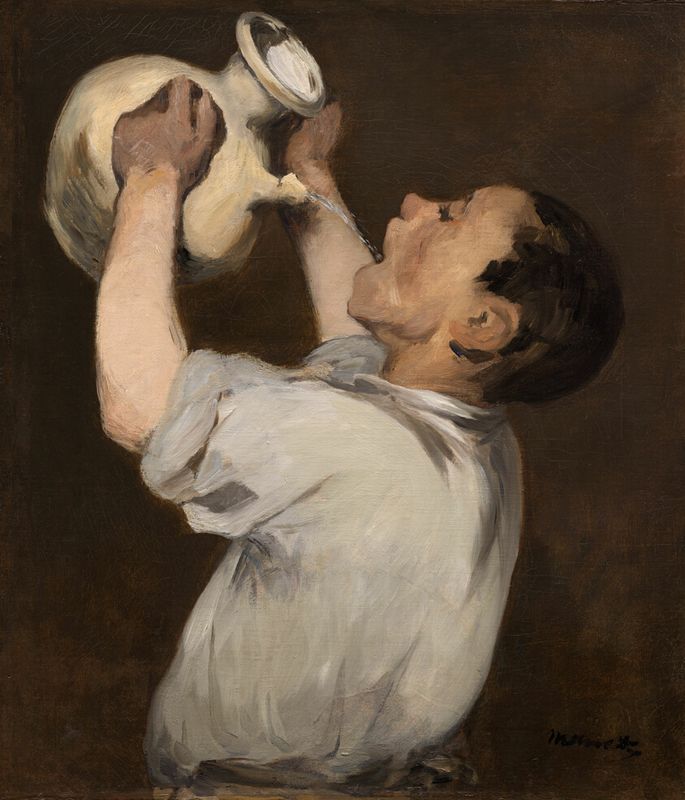 Boy with Pitcher (La Régalade)
1866 · Art Institute of Chicago
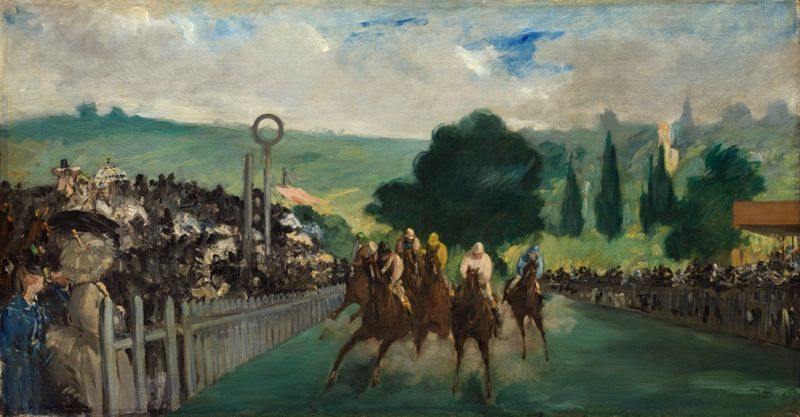 The Races at Longchamp
1866 · Art Institute of Chicago
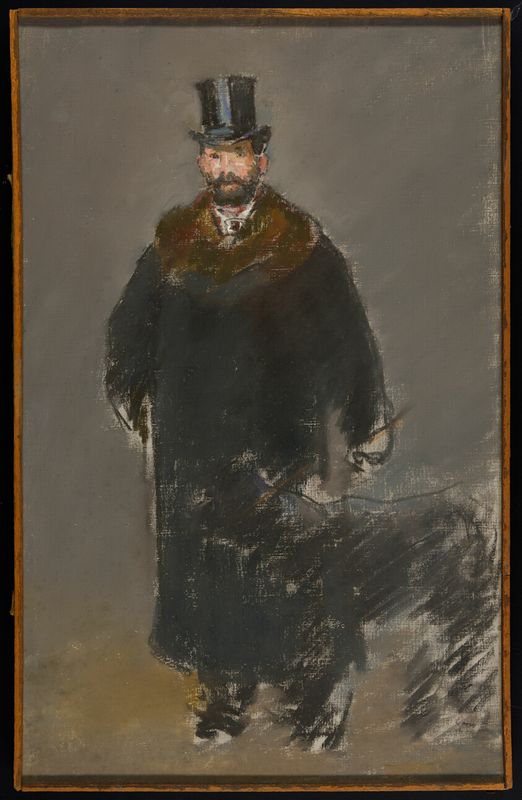 The Man with the Dog
1877 · Art Institute of Chicago
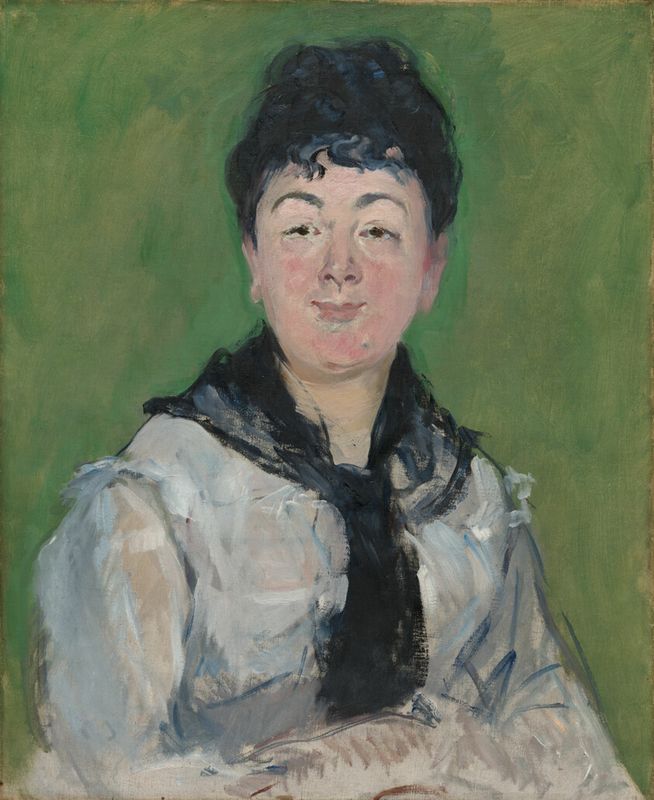 Portrait of a Woman with a Black Fichu
1878 · Art Institute of Chicago
More from Impressionism
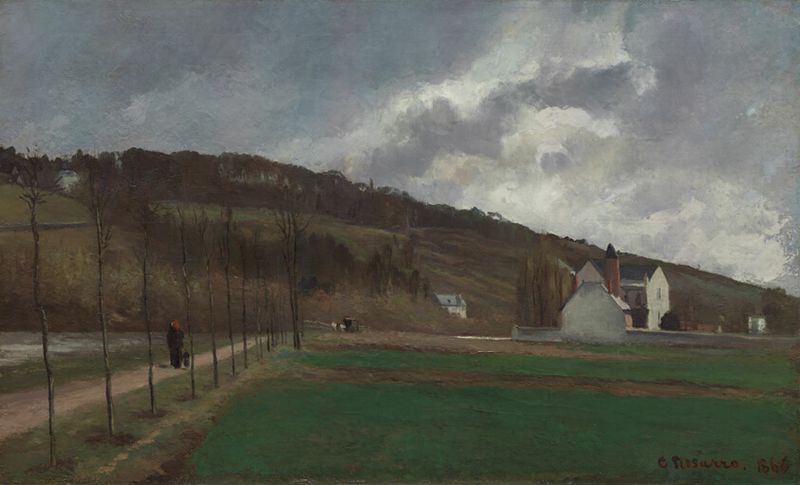
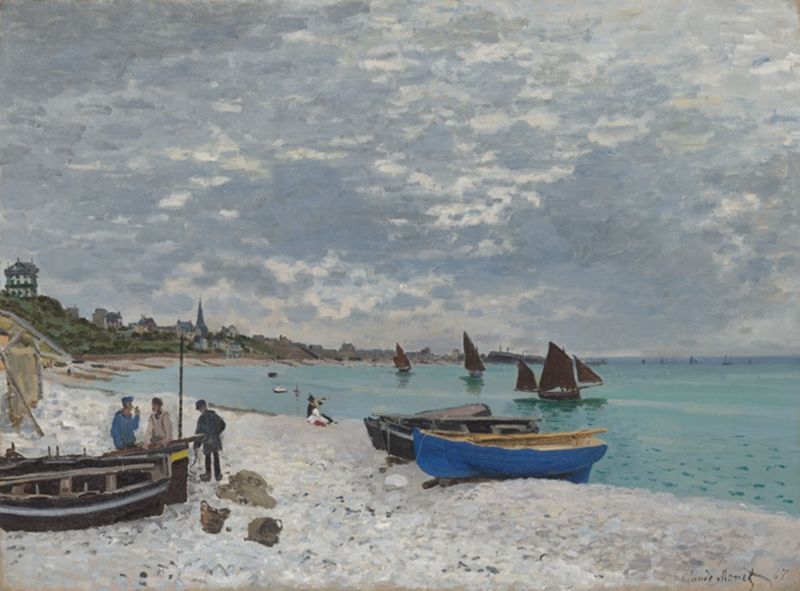
More works to explore
Beyond Manet and Impressionism: works from the same years.
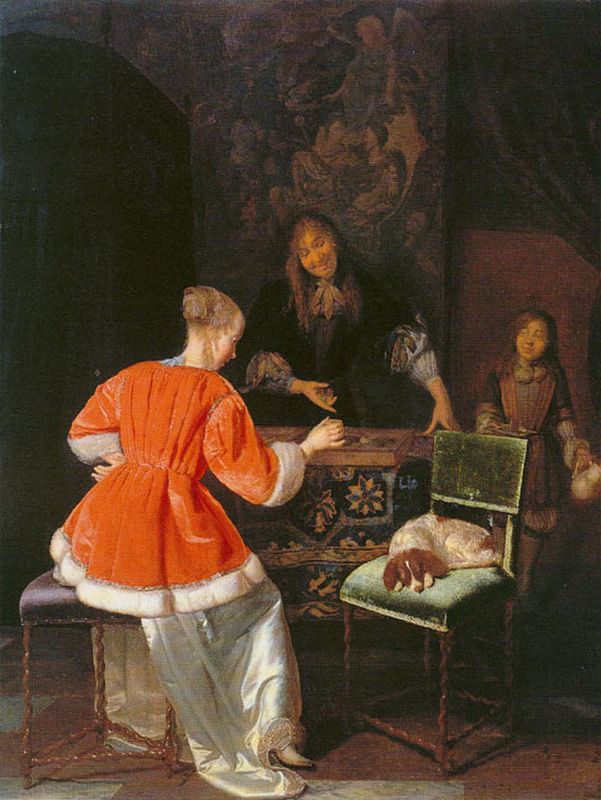 Same era · 1850s–1880s
The Backgammon Players
Philip Webb · 1861 · The Metropolitan Museum of Art
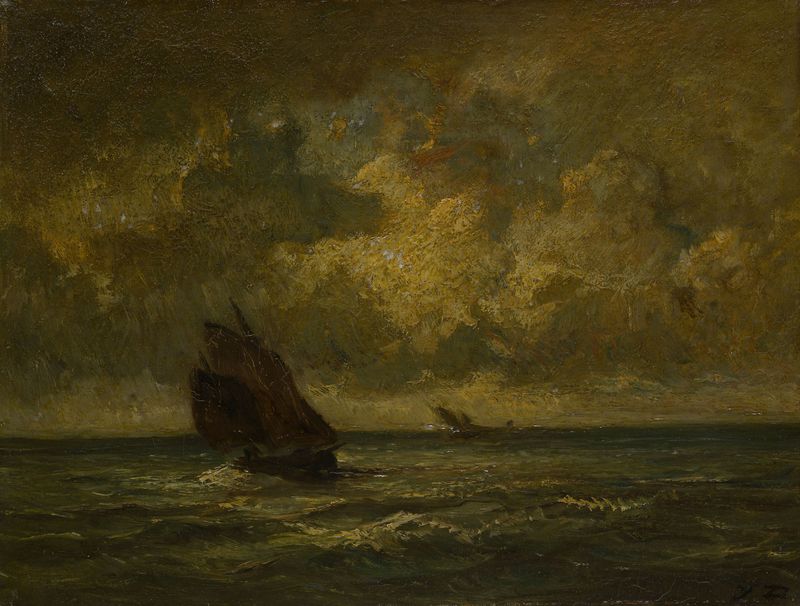 Same era · 1850s–1880s
Two Boats in a Storm
Léon-Victor Dupré · 1870 · Art Institute of Chicago
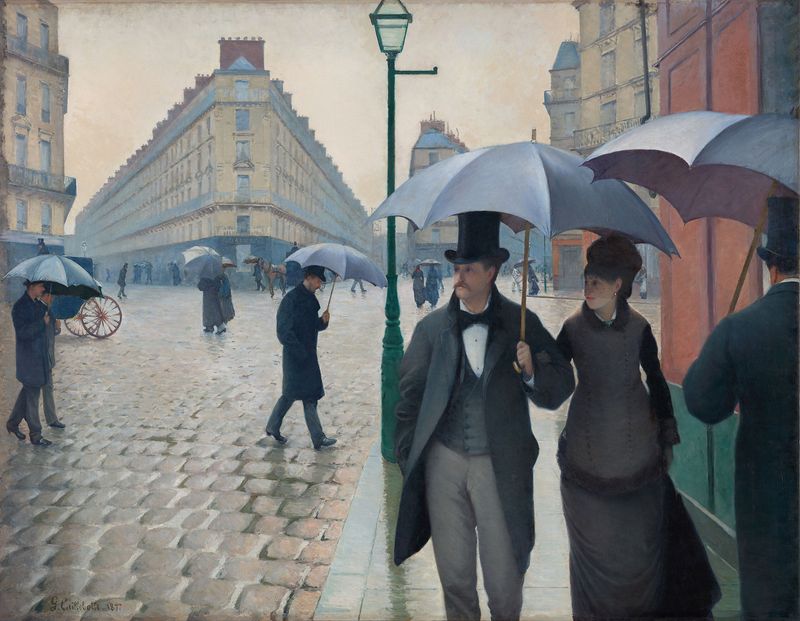 Same era · 1850s–1880s
Paris Street; Rainy Day
Kawabata Gyokushō · 1877 · Art Institute of Chicago
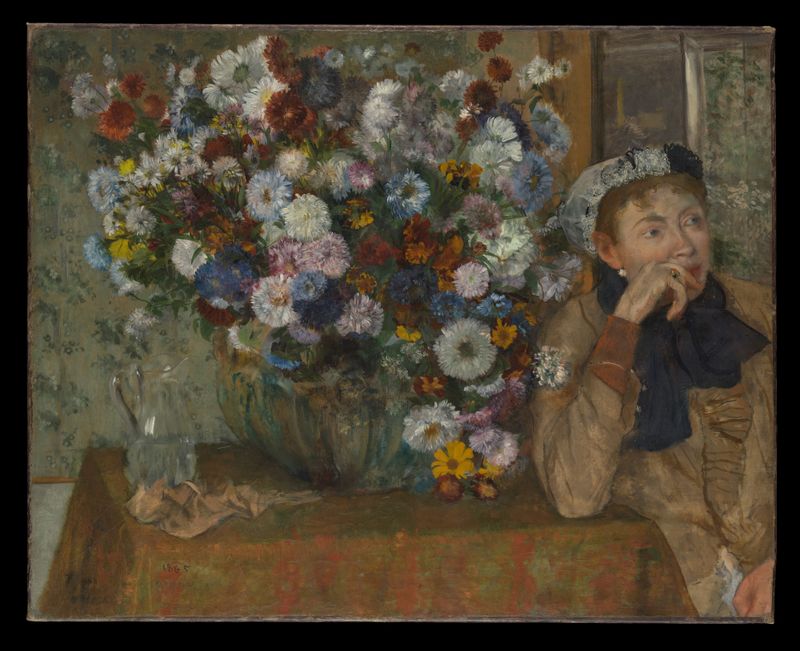 Same era · 1850s–1880s
A Woman Seated beside a Vase of Flowers (Madame Paul Valpinçon?)
Edgar Degas · 1865 · The Metropolitan Museum of Art
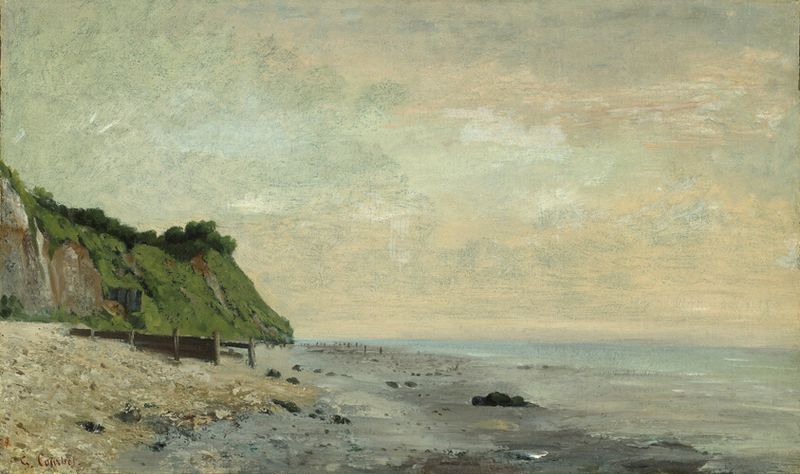 Same era · 1850s–1880s
Cliffs on the Sea Coast: Small Beach, Sunrise (Falaise au bord de la mer, vu Petite Plage, soleil levant)
Gustave Courbet · 1865 · Art Institute of Chicago
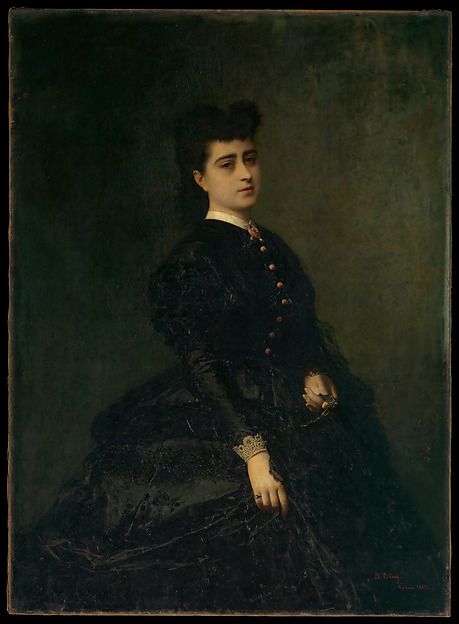 Same era · 1850s–1880s
Mirope Savati Gaye
Mariano Fortuny Marsal · 1865 · The Metropolitan Museum of Art
 Same era · 1850s–1880s
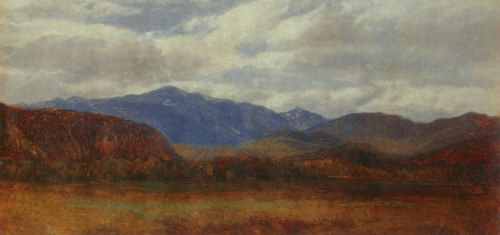
Mount Washington from the Intervale
William Hart · 1865
 Same era · 1850s–1880s
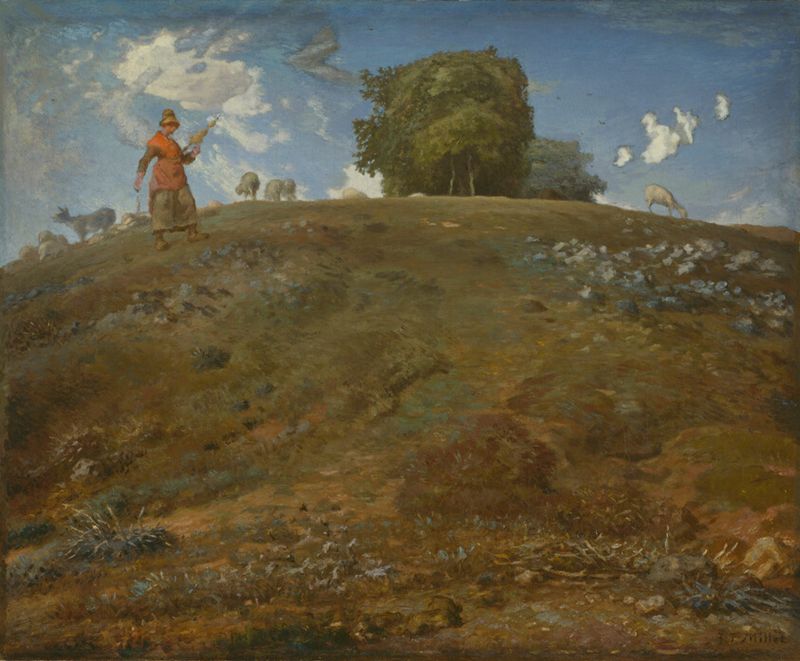
In the Auvergne
Jean-François Millet · 1866 · Art Institute of Chicago
 Same era · 1850s–1880s
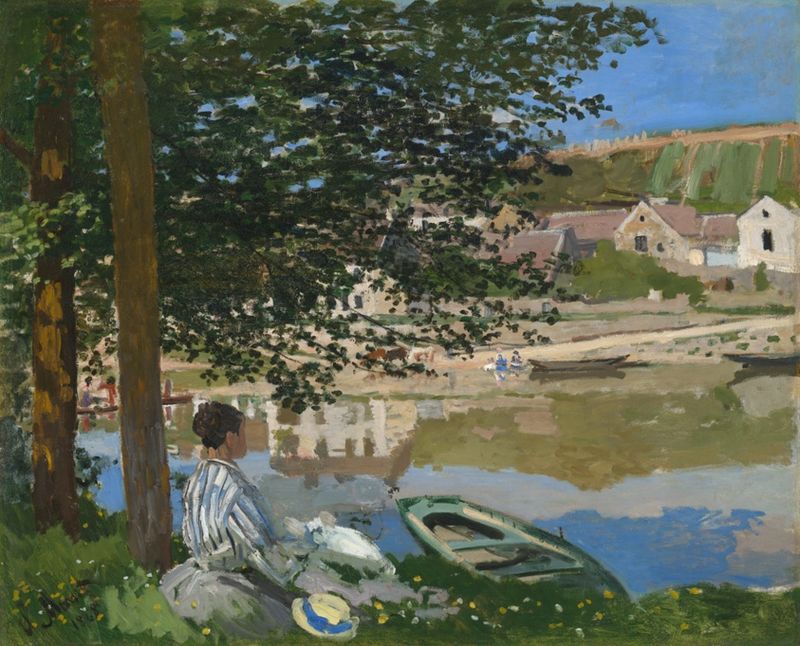
On the Bank of the Seine, Bennecourt
Claude Monet · 1868 · Art Institute of Chicago
 Same era · 1850s–1880s
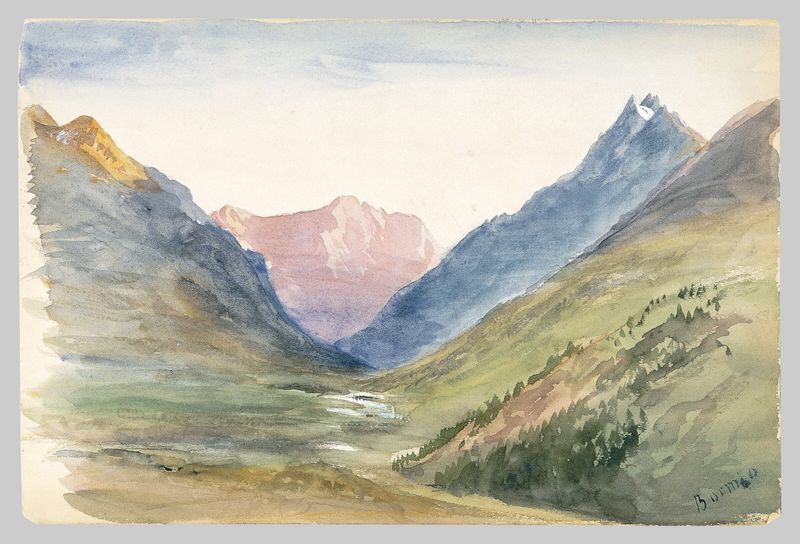
Mountain View at Bormio (from Switzerland 1869 Sketchbook)
John Singer Sargent · 1869 · The Metropolitan Museum of Art
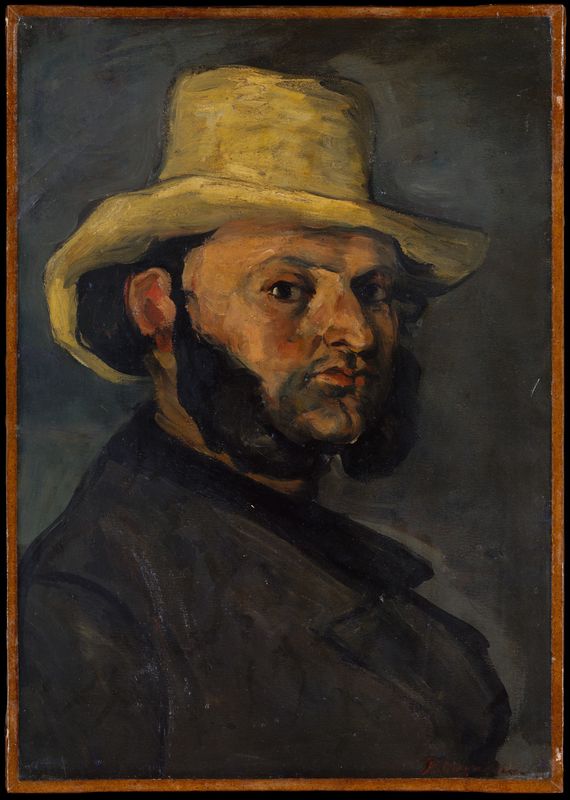 Same era · 1850s–1880s
Gustave Boyer (b. 1840) in a Straw Hat
Paul Cézanne · 1870 · The Metropolitan Museum of Art
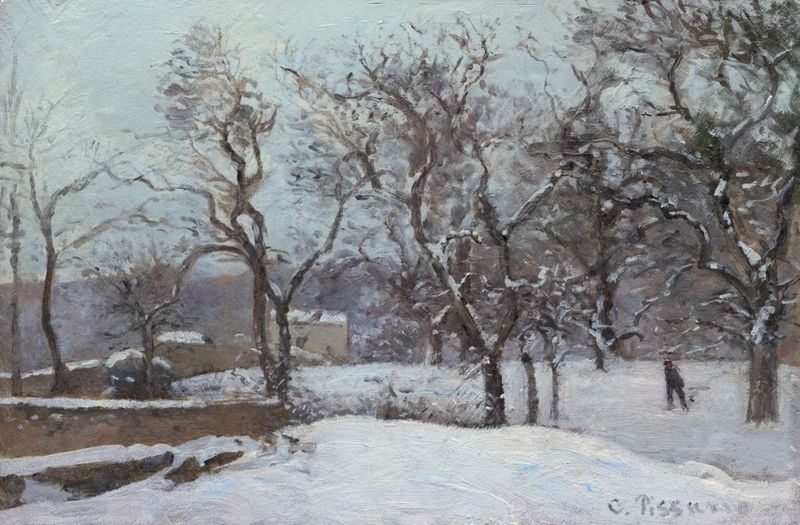 Same era · 1850s–1880s
Snow at Louveciennes
Camille Pissarro · 1870 · Art Institute of Chicago