
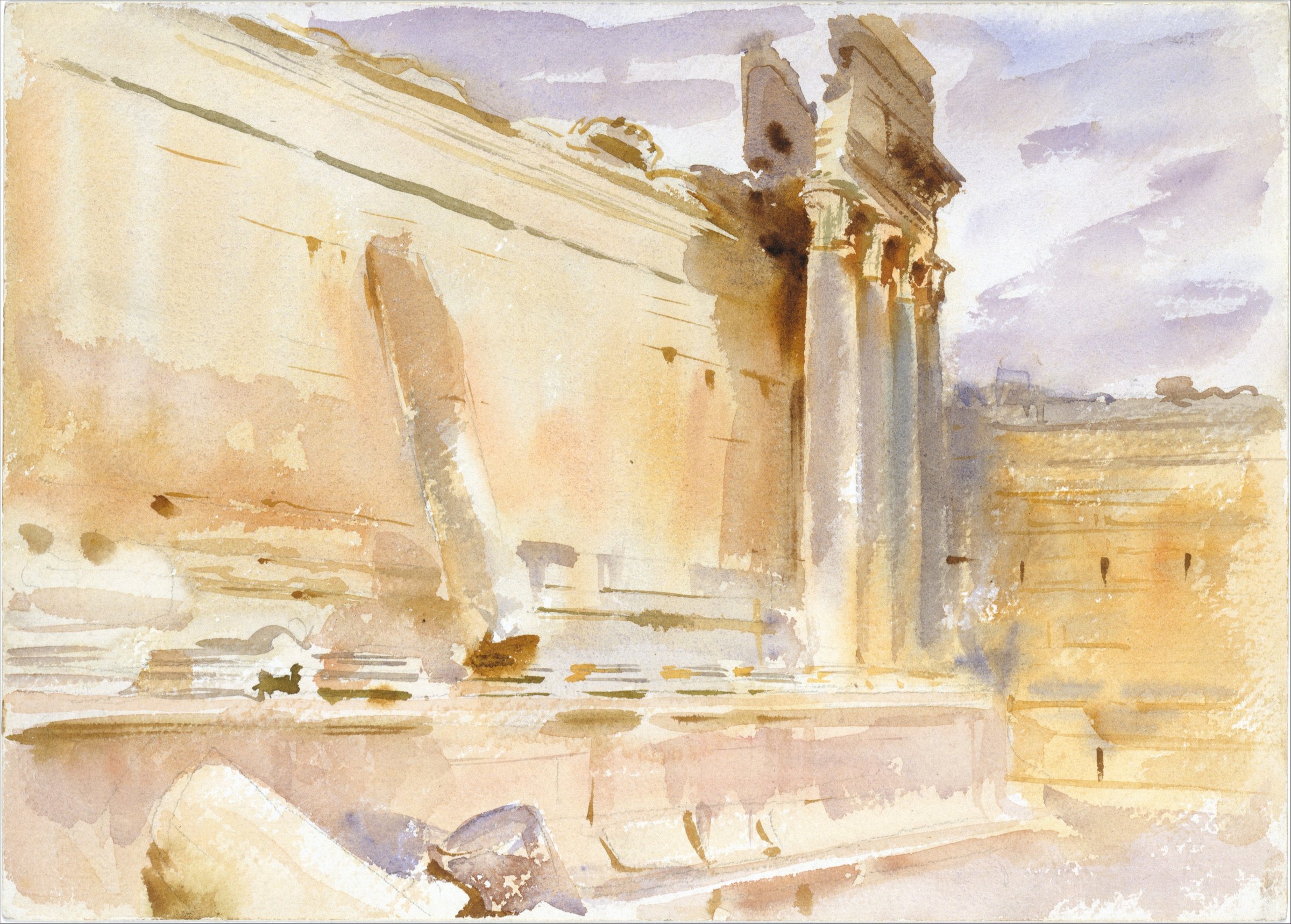
“Sargent's watercolor of the Temple of Bacchus transports you to ancient Baalbek, capturing the dramatic interplay of sunlight and shadow on its colossal Roman ruins. It's a vivid study of architectural grandeur and the passage of time.”
In this watercolor, John Singer Sargent captures the monumental scale and sun-drenched decay of the Temple of Bacchus at Baalbek. The ancient Roman ruins, located in present-day Lebanon, are rendered with a vibrant immediacy, a hallmark of the artist's work in this medium. Sunlight floods the scene, illuminating the weathered stone and casting deep, expressive shadows that define the architectural forms. The composition emphasizes the temple's towering columns, many still standing despite centuries of exposure, suggesting both the grandeur of its original construction and the relentless passage of time. Sargent's loose, fluid brushstrokes convey the texture of the stone and the shimmering heat of the Middle Eastern sun, inviting the viewer to feel the atmosphere of this historic site. This work, created during a period when Sargent increasingly turned to landscape and architectural studies, reflects a fascination with the effects of light on ancient structures, moving beyond his well-known portraiture.
- Artist
- John Singer Sargent
- Date
- 1906
- Medium
- Watercolor and graphite on white wove paper
- Location
- The Metropolitan Museum of Art
- Dimensions
- 10 x 14 in. (25.4 x 35.6 cm)
- Collection
- The American Wing
- Culture
- American
- Credit line
- Gift of Mrs. Francis Ormond, 1950
What to Notice
Five details hide in plain sight. Here’s where to look.
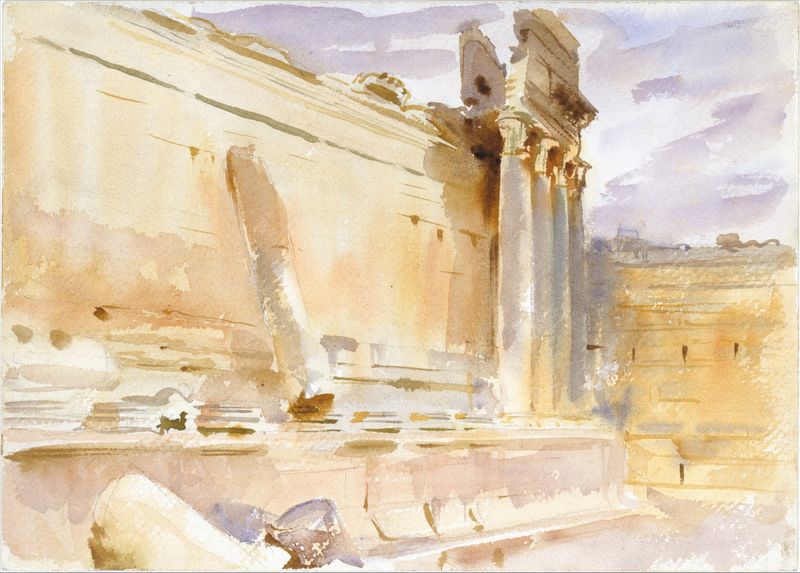
The deep blue shadows beneath the temple's portico.
The intricate carvings on the surviving column capitals.
The small figures at the base, emphasizing the temple's colossal size.
The way sunlight catches the edges of the crumbling stone blocks.
1 more detail is waiting.
See all 5 in Art Whisper →Stand in front of it and listen
The full narration walks you through Temple of Bacchus, Baalbek — the story behind it, the details most visitors miss, and why it matters. Free in the Art Whisper app.
John Singer Sargent
1856–1925 · United StatesThe man who painted 900 oils and 2,000 watercolors once caused a Paris scandal with a single bare shoulder.
Further Works by Sargent
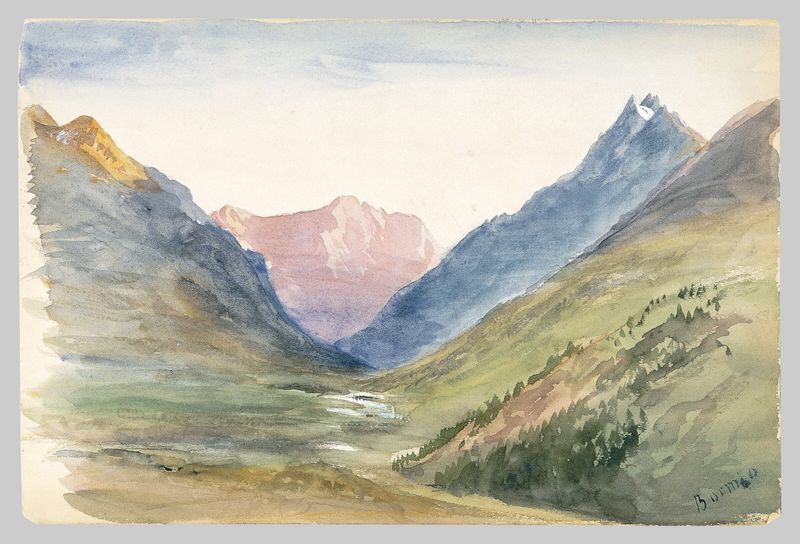 Mountain View at Bormio (from Switzerland 1869 Sketchbook)
1869 · The Metropolitan Museum of Art
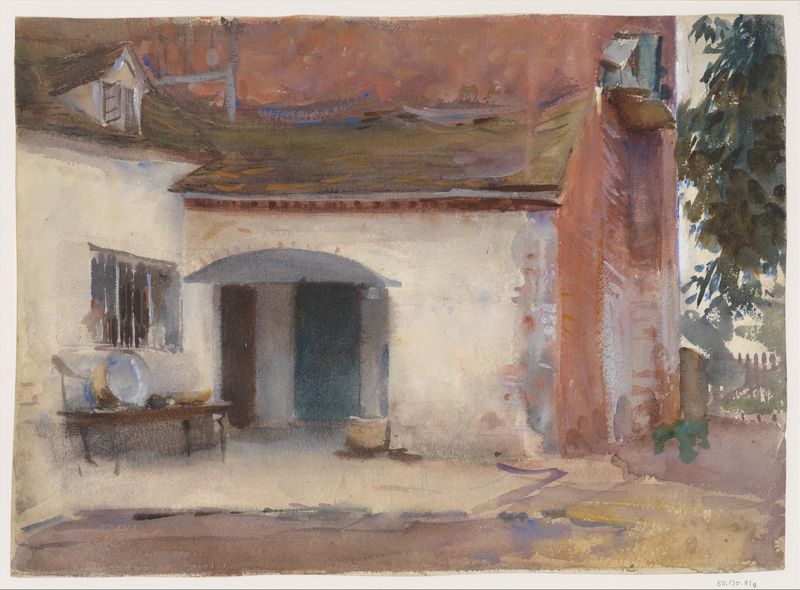 House and Courtyard
1895 · The Metropolitan Museum of Art
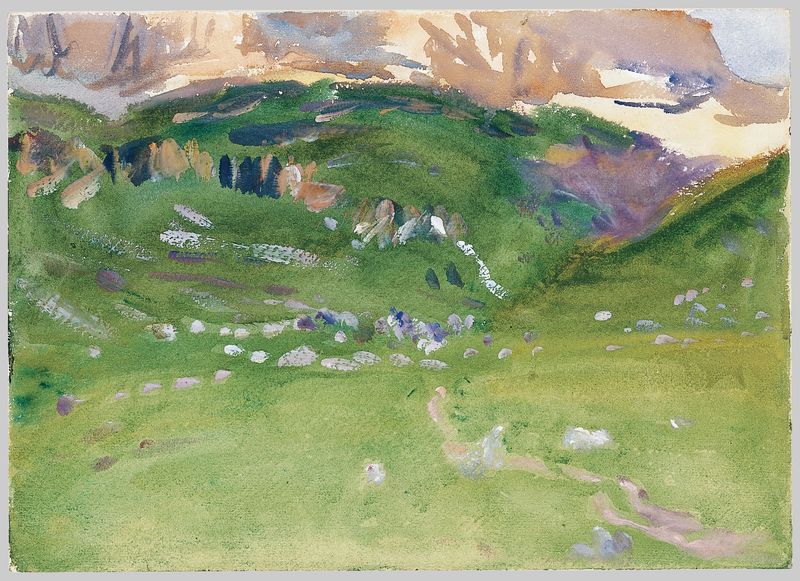 Sellar Alp, Dolomites
1913 · The Metropolitan Museum of Art
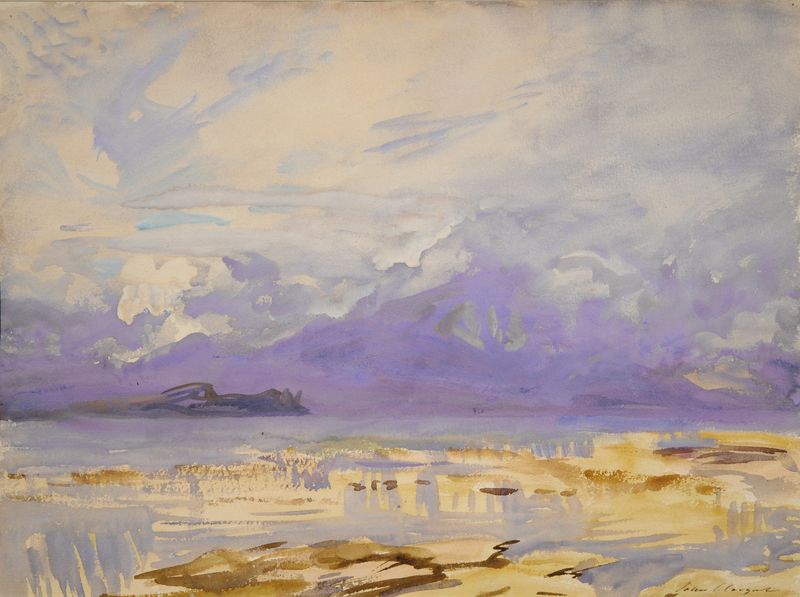 Sirmione
1913 · The Metropolitan Museum of Art
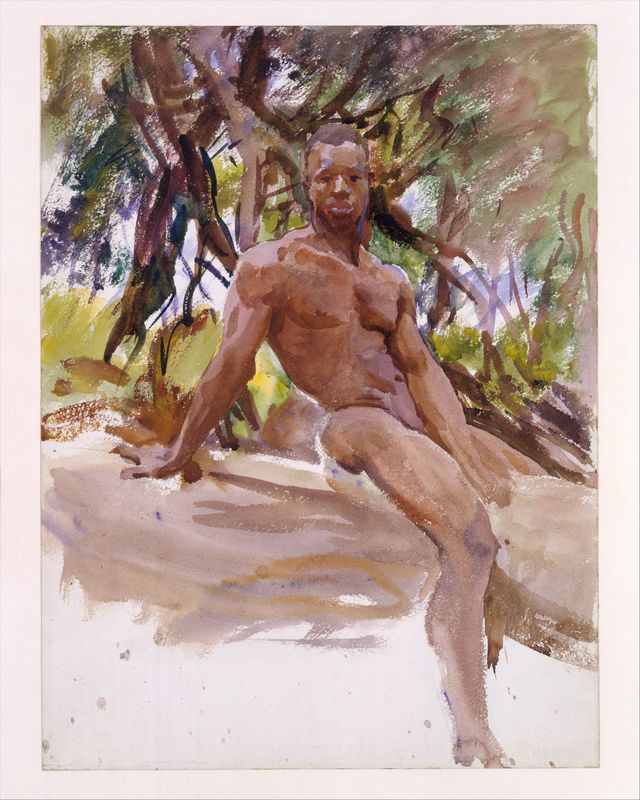 Man and Trees, Florida
1917 · The Metropolitan Museum of Art
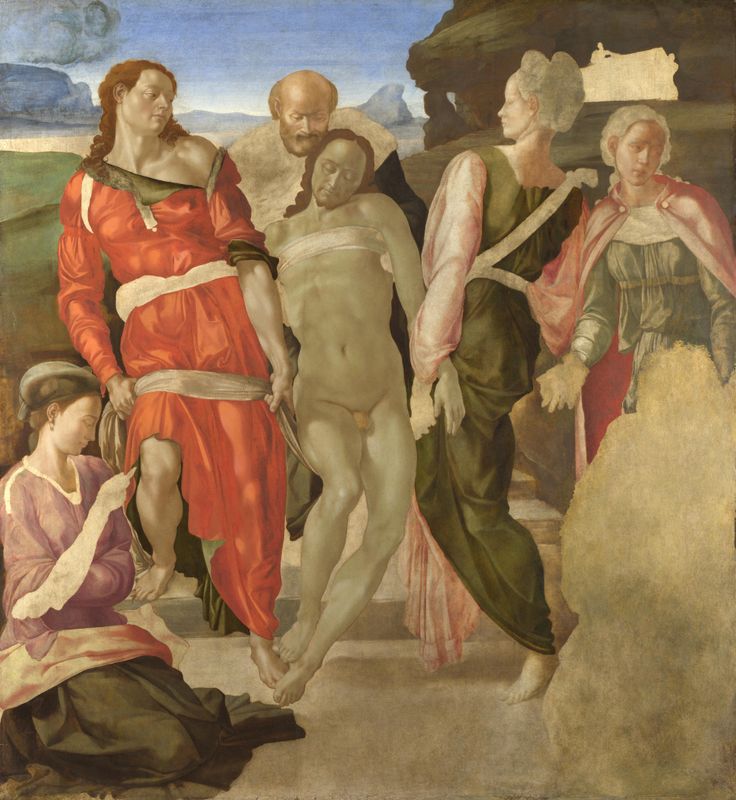 Entombment
1874 · The Metropolitan Museum of Art
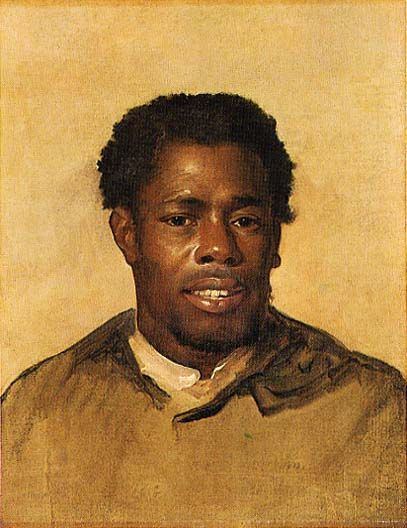 Head of a Man
1874 · The Metropolitan Museum of Art
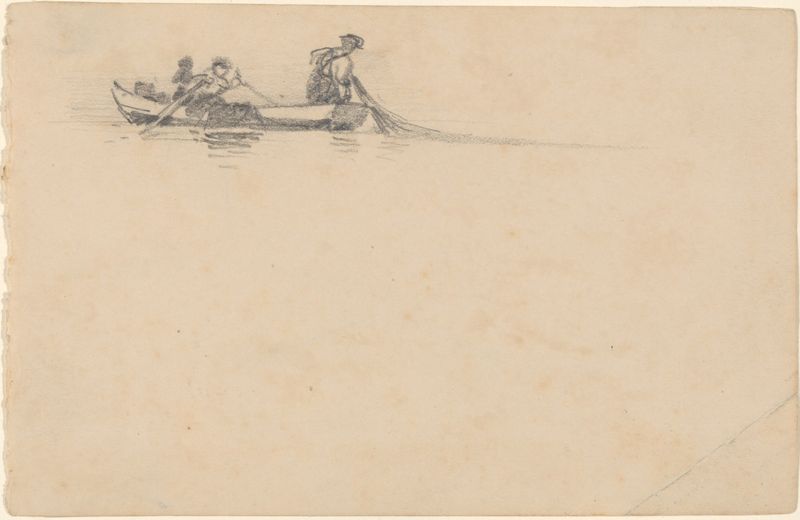 Fishermen with Nets
1875 · The Metropolitan Museum of Art
More from Tonalism
More works to explore
Beyond Sargent and Tonalism: works from the same years.
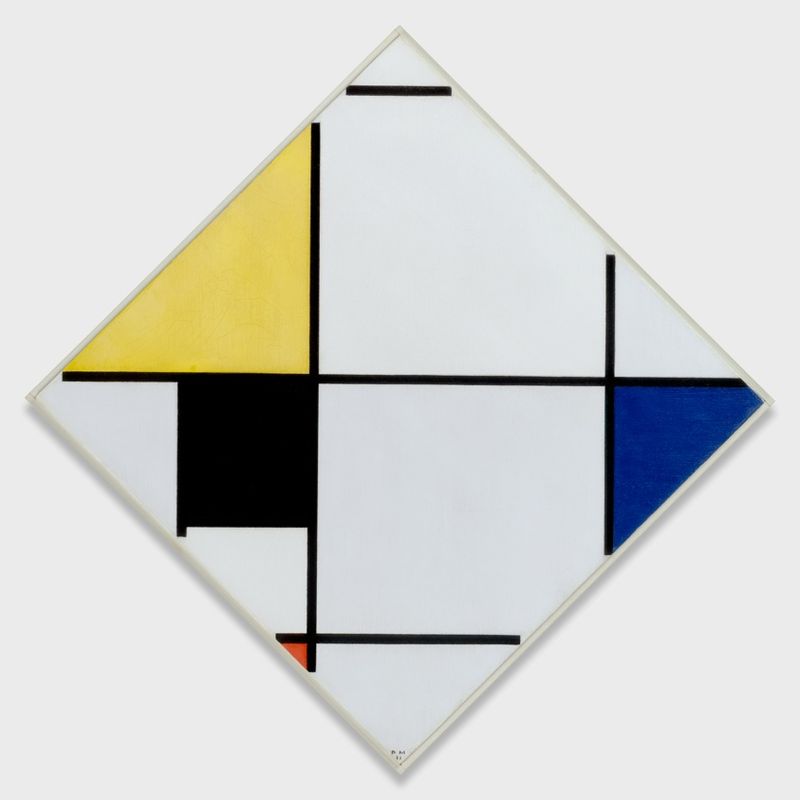 Same era · 1890s–1920s
Lozenge Composition with Yellow, Black, Blue, Red, and Gray
Piet Mondrian · 1921 · Art Institute of Chicago
 Same era · 1890s–1920s
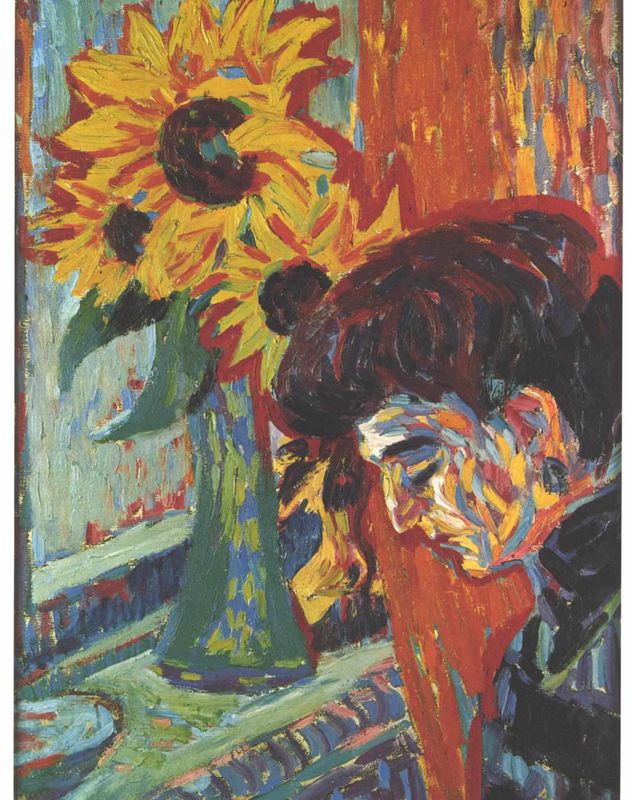
Frauenkopf vor Sonnenblumen
Ernst Ludwig Kirchner · 1906 · Museum Frieder Burda
 Same era · 1890s–1920s
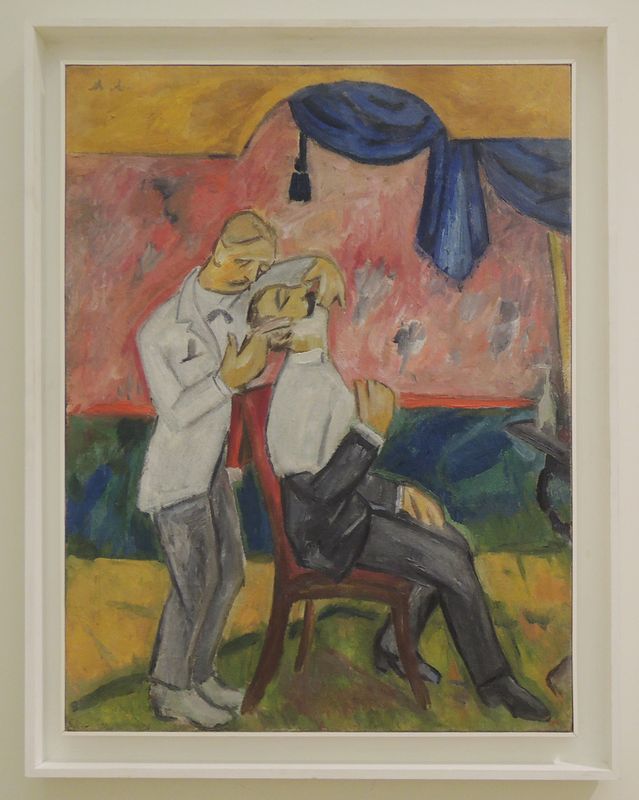
Barber
Mikhail Larionov · 1907 · Russian Museum
 Same era · 1890s–1920s
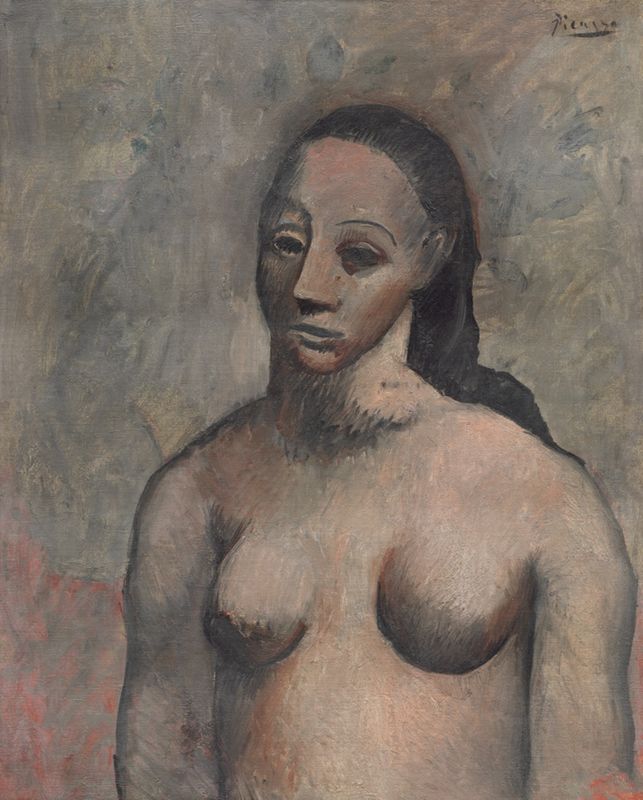
Half-Length Female Nude
Pablo Picasso · 1906 · Art Institute of Chicago
 Same era · 1890s–1920s
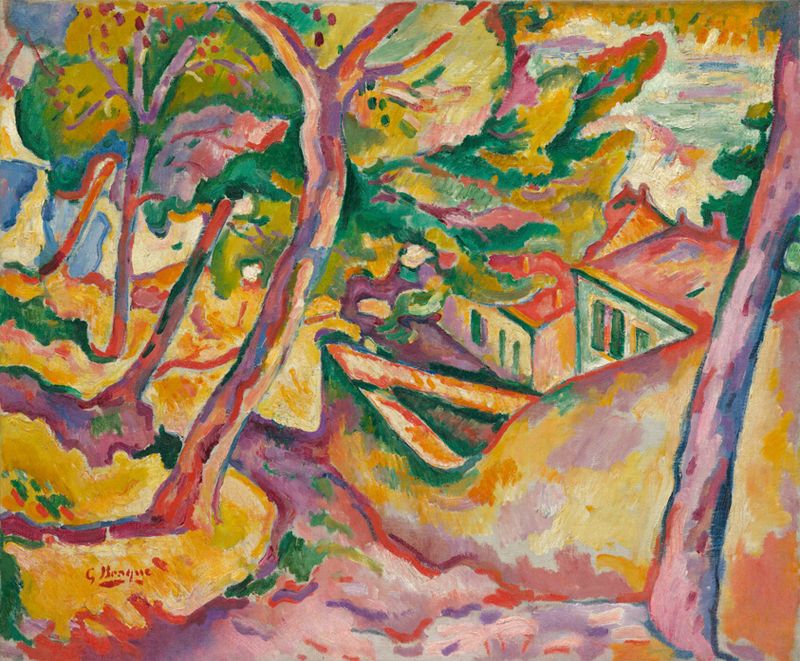
Landscape at L'Estaque
Georges Braque · 1906 · Art Institute of Chicago
 Same era · 1890s–1920s
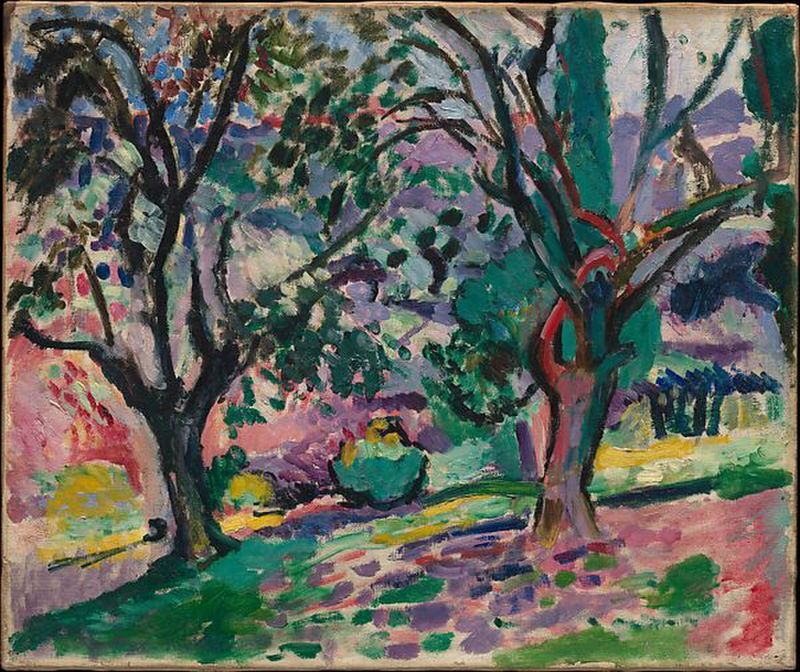
Olive Trees at Collioure
Henri Matisse · 1906 · The Metropolitan Museum of Art
 Same era · 1890s–1920s
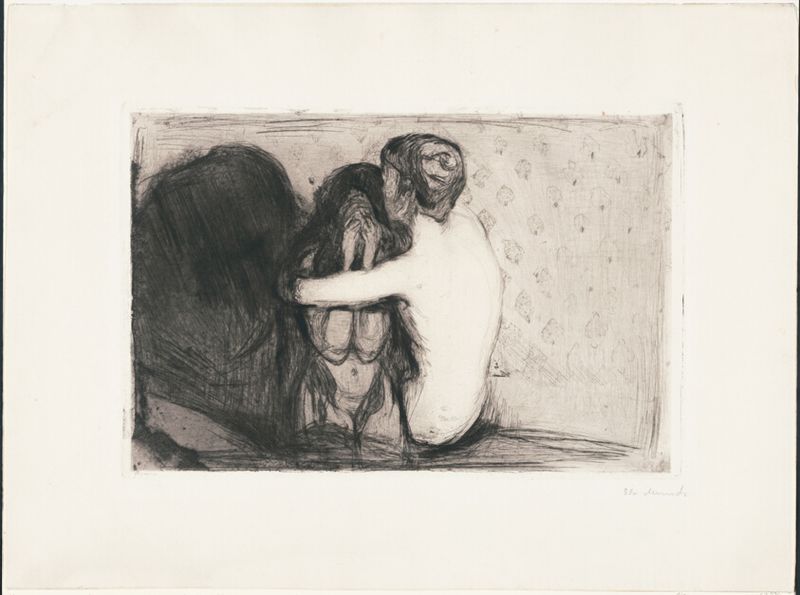
Consolation
Edvard Munch · 1907 · Munch Museum
 Same era · 1890s–1920s
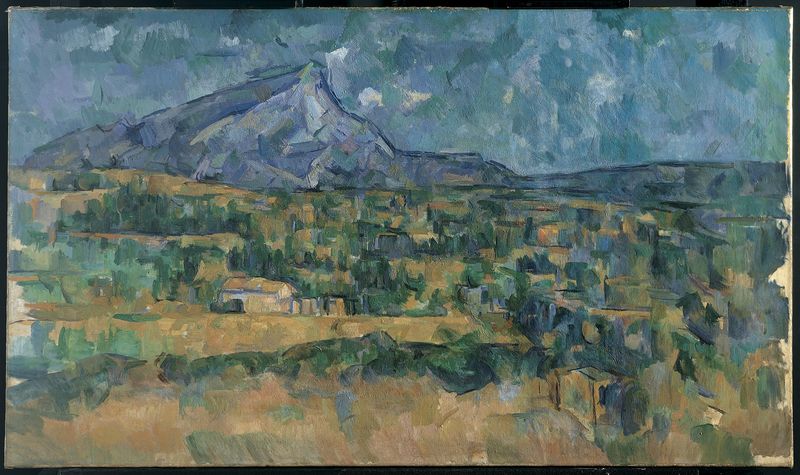
Mont Sainte-Victoire
Paul Cézanne · 1904 · Detroit Institute of Arts
 Same era · 1890s–1920s
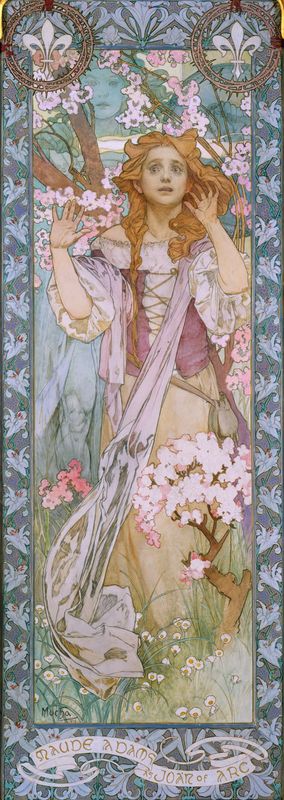
Maude Adams (1872–1953) as Joan of Arc
Alphonse Mucha · 1909 · The Metropolitan Museum of Art
 Same era · 1890s–1920s
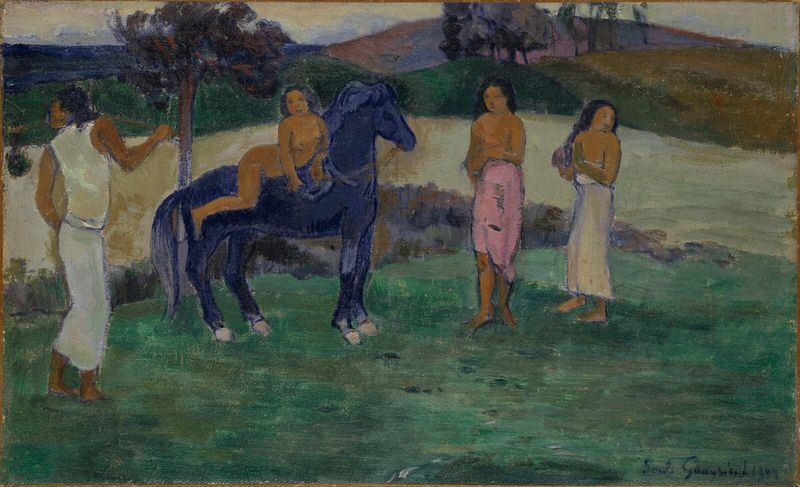
Composition with Figures and a Horse
Paul Gauguin · 1902 · Nationalmuseum
 Same era · 1890s–1920s
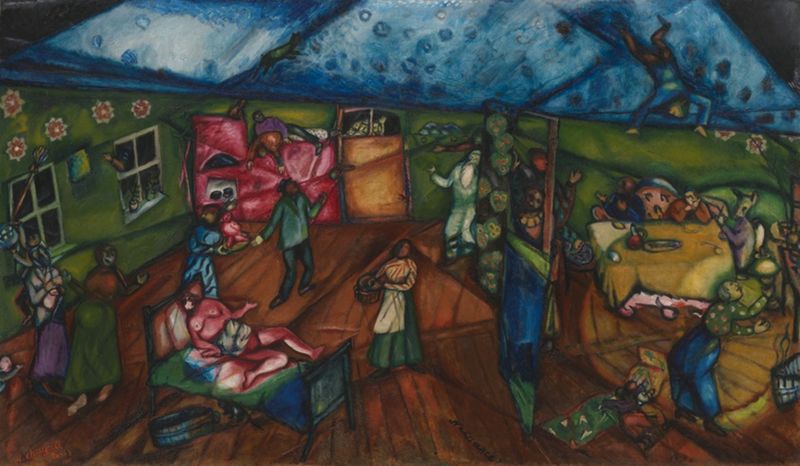
Birth
Marc Chagall · 1911 · Art Institute of Chicago
 Same era · 1890s–1920s
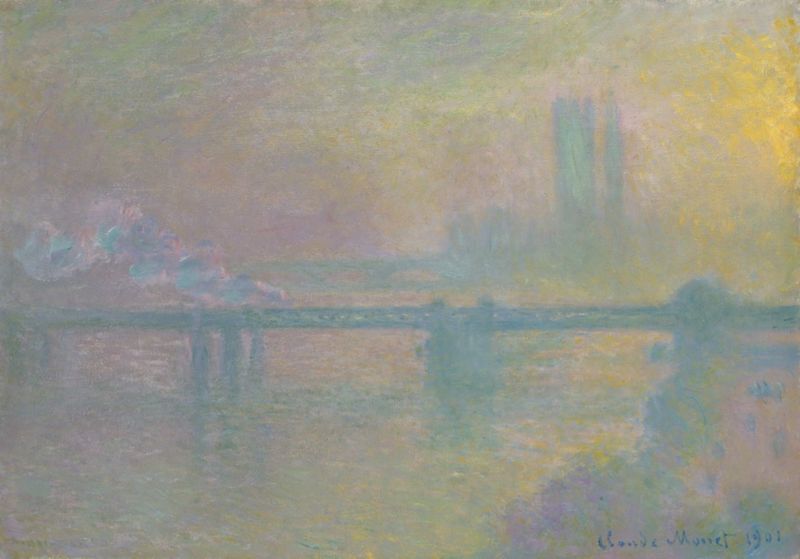
Charing Cross Bridge, London
Claude Monet · 1901 · Art Institute of Chicago