
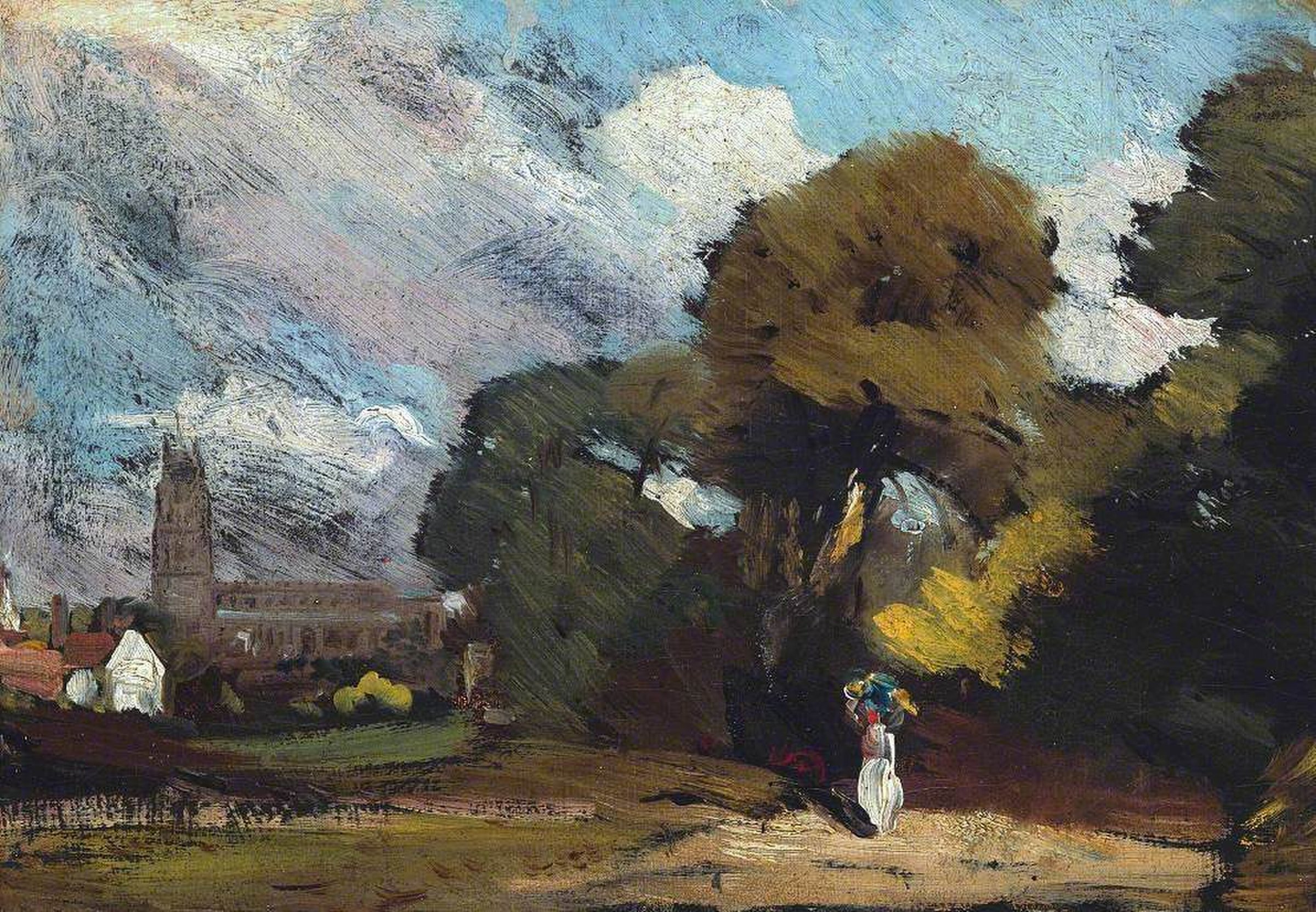
“Step into a vivid summer morning in the English countryside. This painting captures the fresh, dewy atmosphere after a night shower, with light and shadow playing across a divided landscape, created with a uniquely textured technique.”
This painting, "Stoke-by-Nayland," draws you into a summer morning, specifically a July or August day around eight or nine o'clock, just after a light night shower. The canvas is strikingly divided: a brilliant, airy vista of the hamlet opens to the left, while a shadowy, tunnel-like country lane leads off to the right. The artist emphasized the abundance of water, flecking the surface with white highlights to create an effect of sparkling wetness. You can see puddles in the foreground and a central tree drooping from rainwater, all underscoring the fertility of the land. Painted as a full-scale sketch for a work that was never fully realized, the painting’s rough surface, created with both brushes and a palette knife, evokes the textures of a real landscape, capturing a sense of delight in its free, atmospheric creation.
- Artist
- John Bornet
- Date
- 1836
- Medium
- Oil on canvas
- Location
- Art Institute of Chicago
- Dimensions
- 126 × 169 cm (49 5/8 × 66 1/2 in.); Framed: 170.2 × 212.1 × 16.6 cm (67 × 83 1/2 × 6 1/2 in.)
- Collection
- Painting and Sculpture of Europe
- Culture
- England
- Credit line
- Mr. and Mrs. W. W. Kimball Collection
What to Notice
Five details hide in plain sight. Here’s where to look.
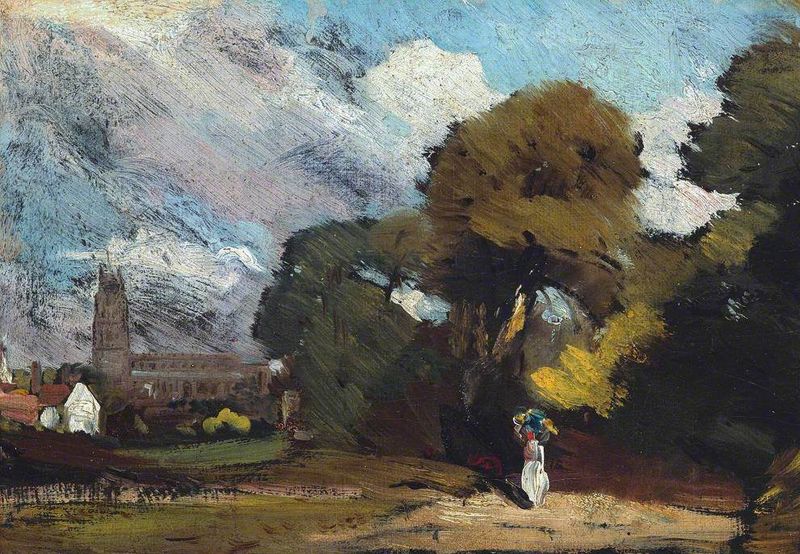
The sparkling white flecks on the surface, suggesting recent rain.
The distinct division between the sunlit hamlet and the shaded lane.
The heavy, drooping branches of the central tree, weighted with water.
The small stream and puddles in the immediate foreground.
1 more detail is waiting.
See all 5 in Art Whisper →Stand in front of it and listen
The full narration walks you through Stoke-by-Nayland — the story behind it, the details most visitors miss, and why it matters. Free in the Art Whisper app.
John Bornet
1810–1910John Bornet, active across centuries, is known for works like the 1961 'Target' and the 1943 'Nightlife' at the Art Institute of Chicago.
Further Works by Bornet
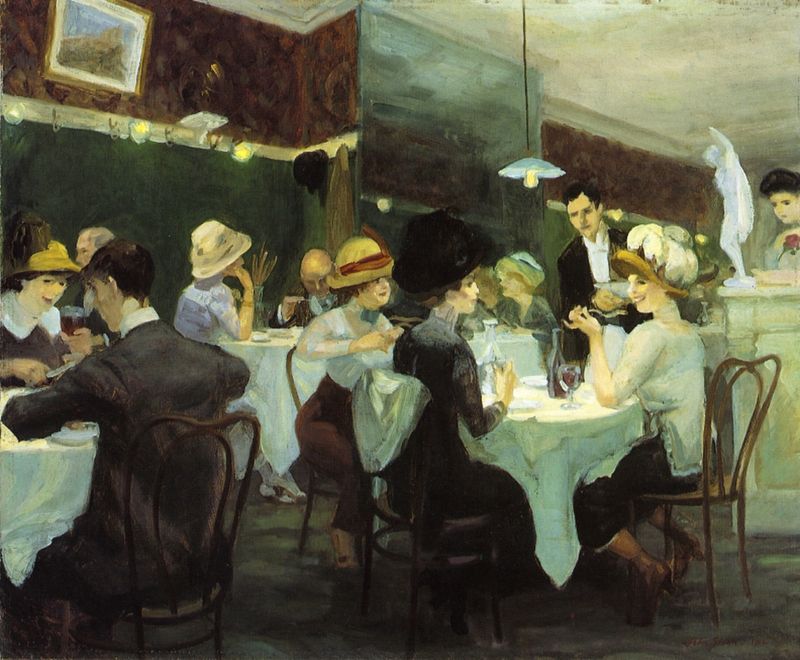 Renganeschi's Saturday Night
1912 · Art Institute of Chicago
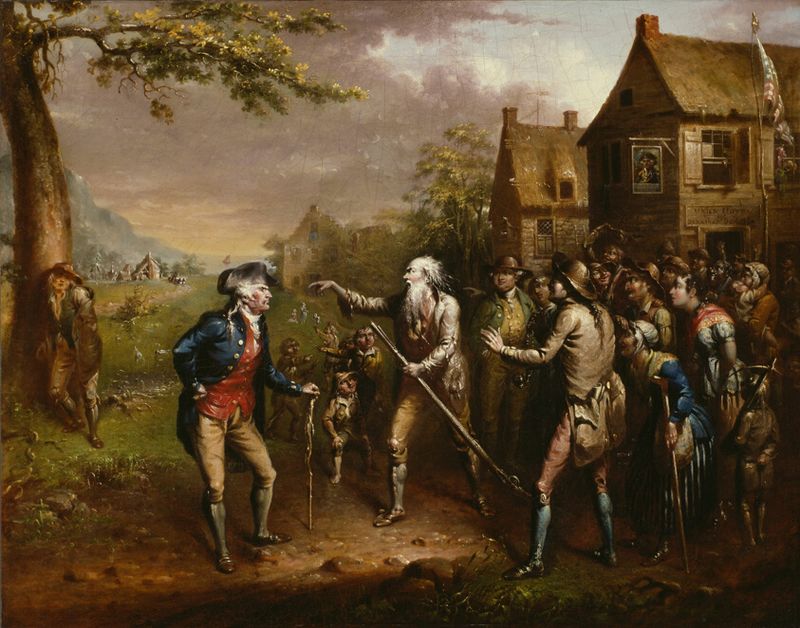 Rip Van Winkle
1829 · Art Institute of Chicago
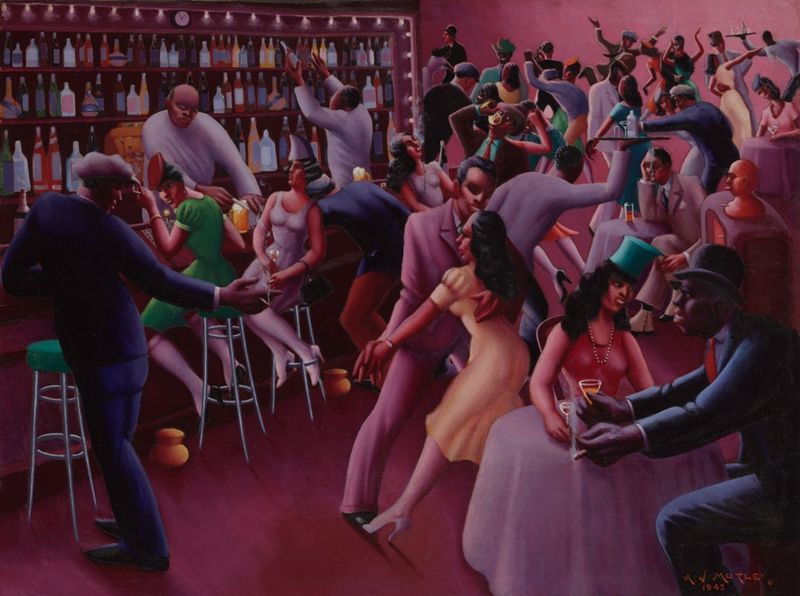 Nightlife
Art Institute of Chicago
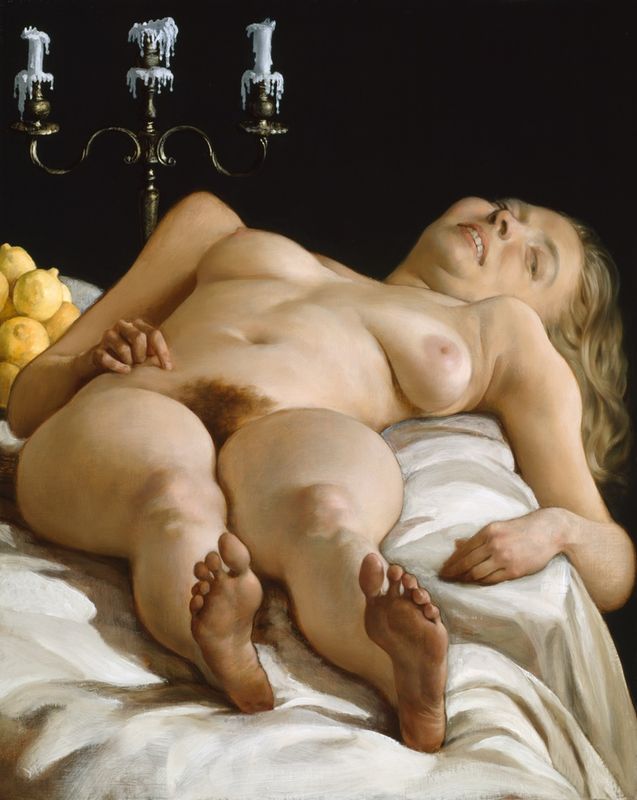 Nude on a Table
Art Institute of Chicago
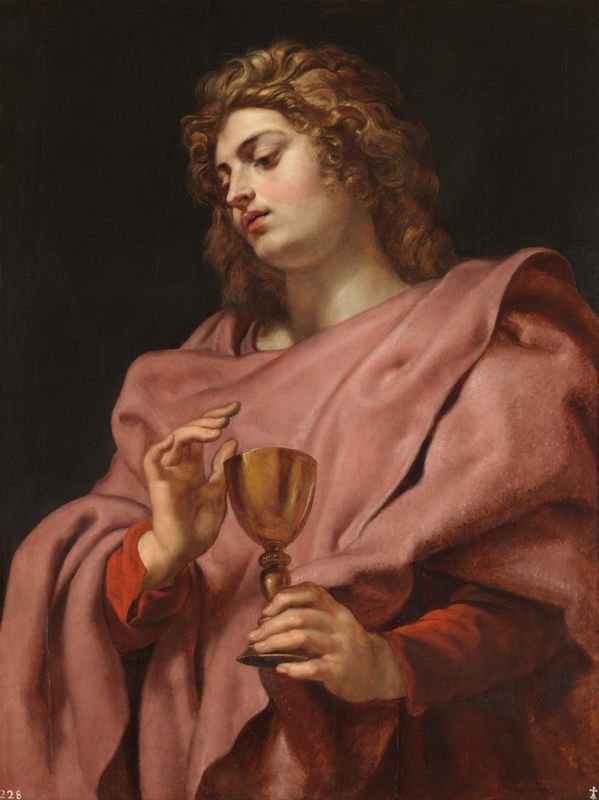 Saint John the Evangelist
Art Institute of Chicago
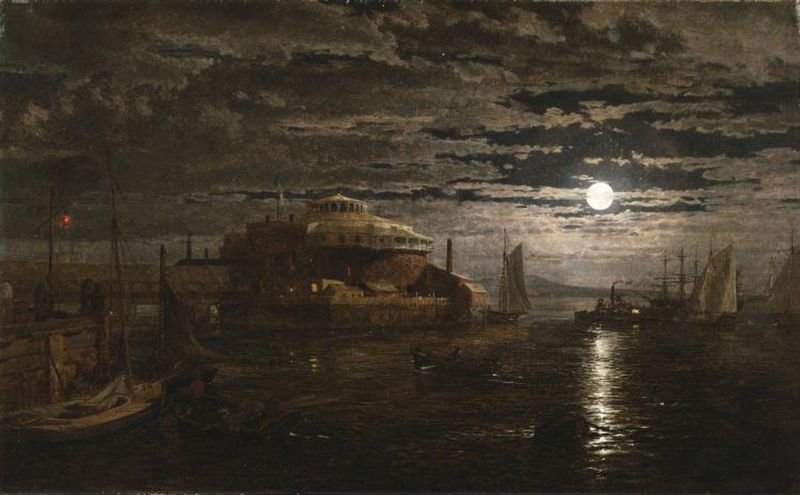 Castle Garden, New York
1851 · The Metropolitan Museum of Art
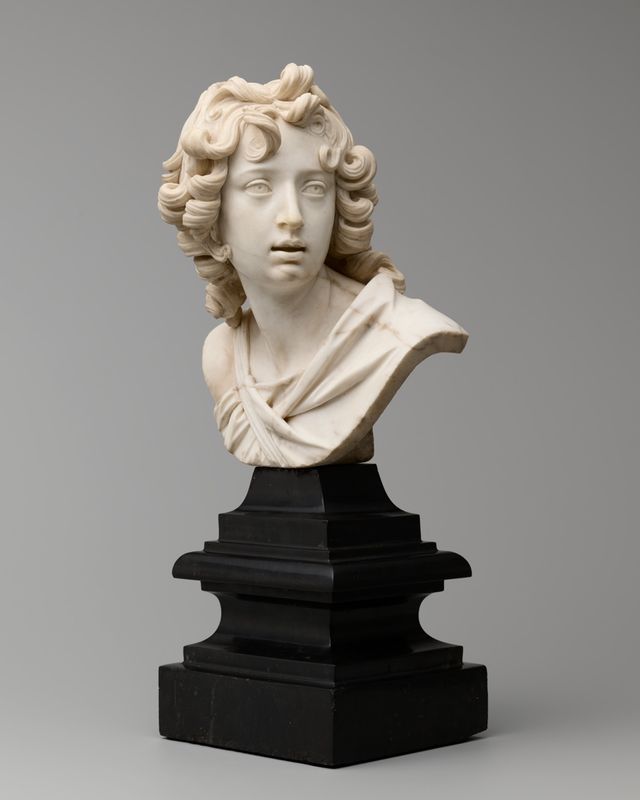 Bust of a Youth (Saint John the Baptist)
Art Institute of Chicago
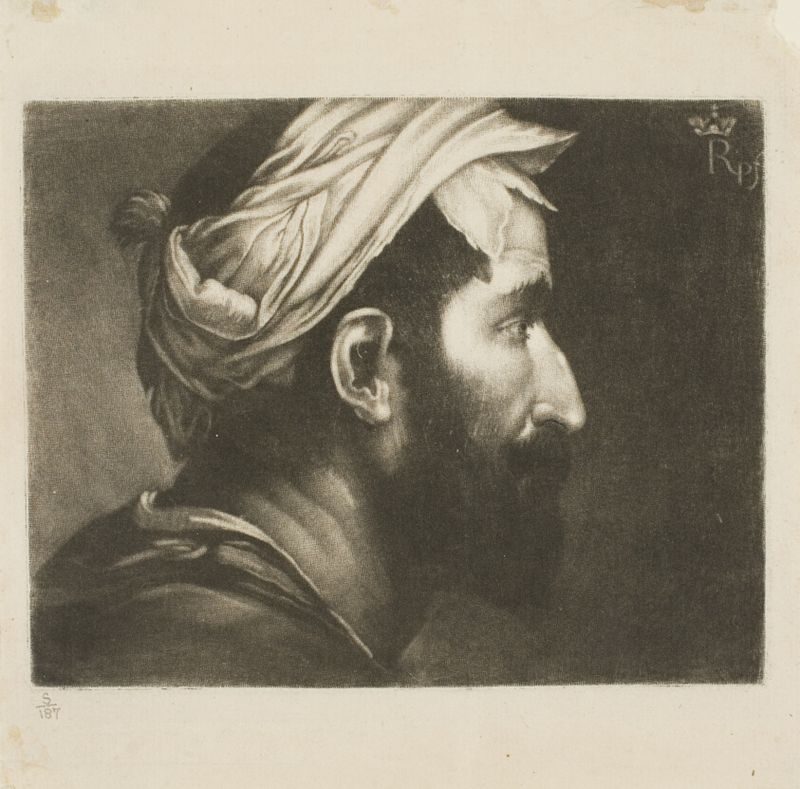 Head of Executioner, from John Evelyn's Sculptura
Art Institute of Chicago
More works to explore
Beyond Bornet: works from the same years.
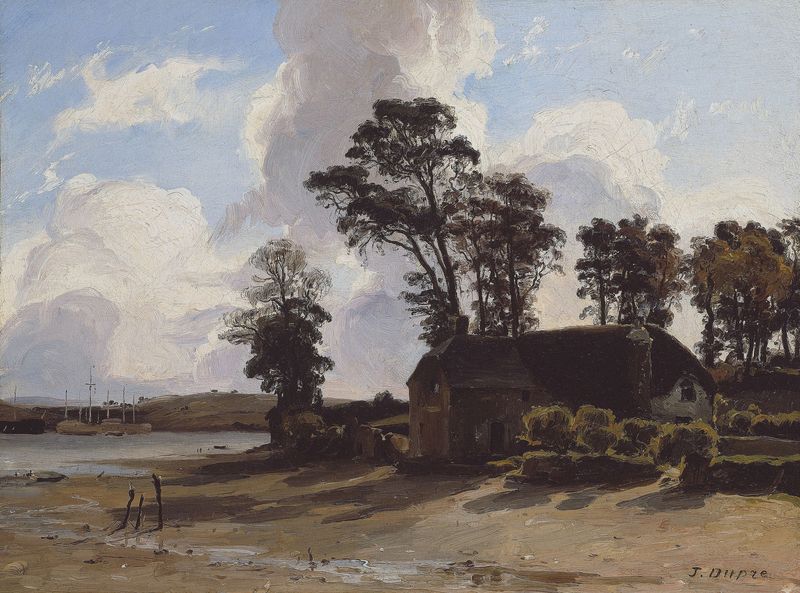 Same era · 1820s–1850s
The Estuary Farm
Léon-Victor Dupré · 1831 · Art Institute of Chicago
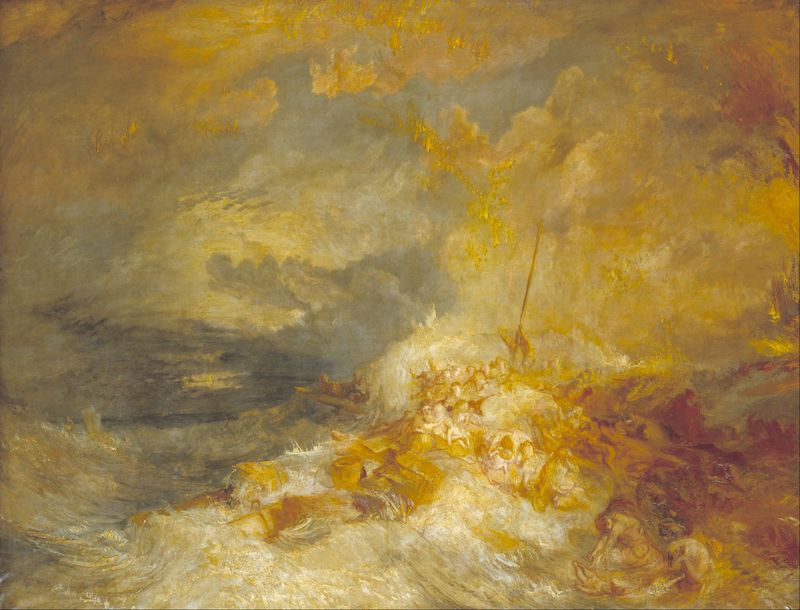 Same era · 1820s–1850s
Disaster at Sea
J. M. W. Turner · 1835 · National Gallery
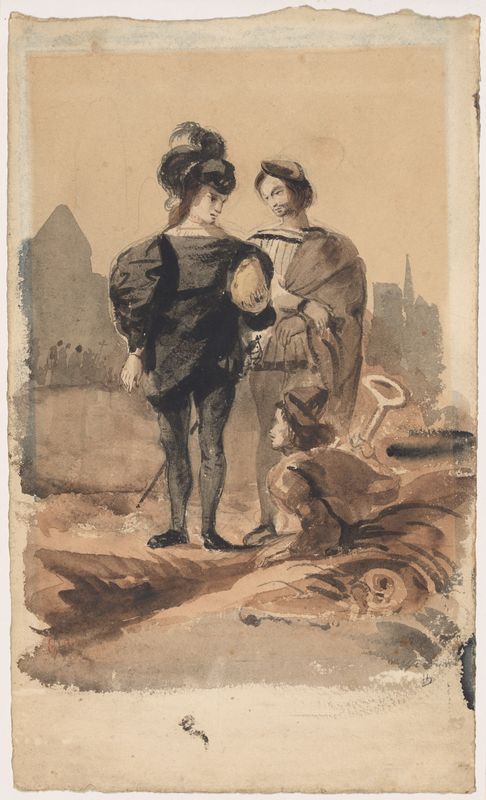 Same era · 1820s–1850s
Hamlet and Horatio in the Graveyard
Eugène Delacroix · 1839 · Department of Paintings of the Louvre
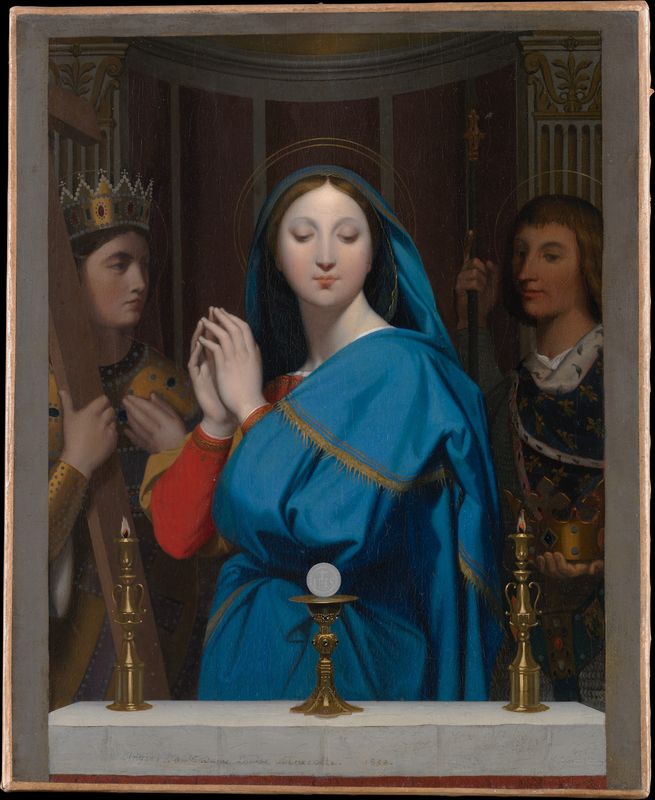 Same era · 1820s–1850s
The Virgin Adoring the Host
Jean-Auguste-Dominique Ingres · 1841 · Pushkin Museum of Fine Arts
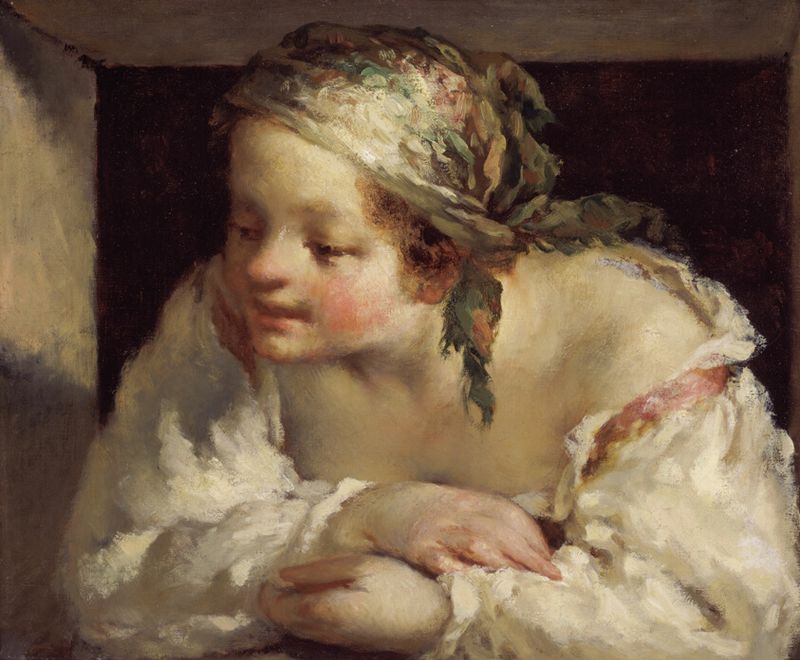 Same era · 1820s–1850s
Young Woman
Jean-François Millet · 1844 · Art Institute of Chicago
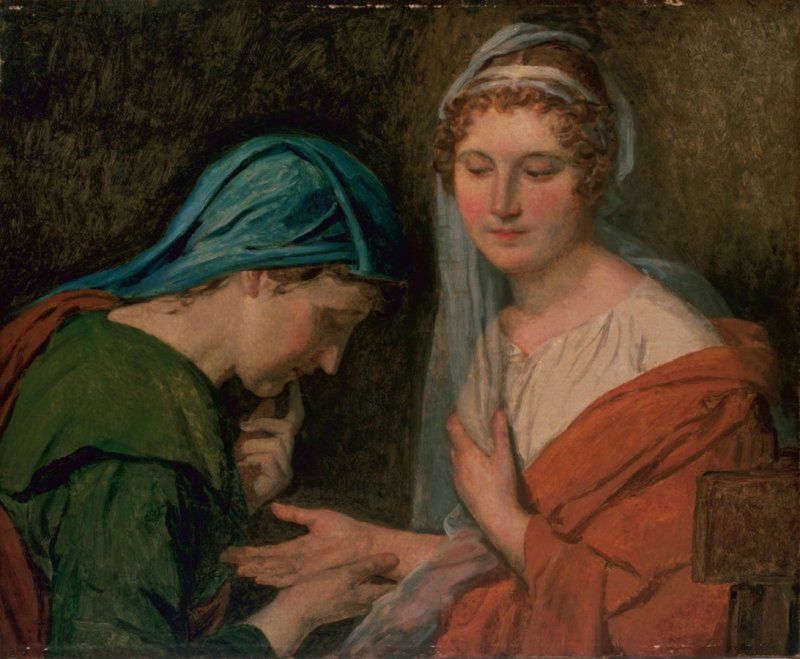 Same era · 1820s–1850s
The Fortune Teller (La Bonne Aventure)
Jacques-Louis David · 1824 · Fine Arts Museums of San Francisco
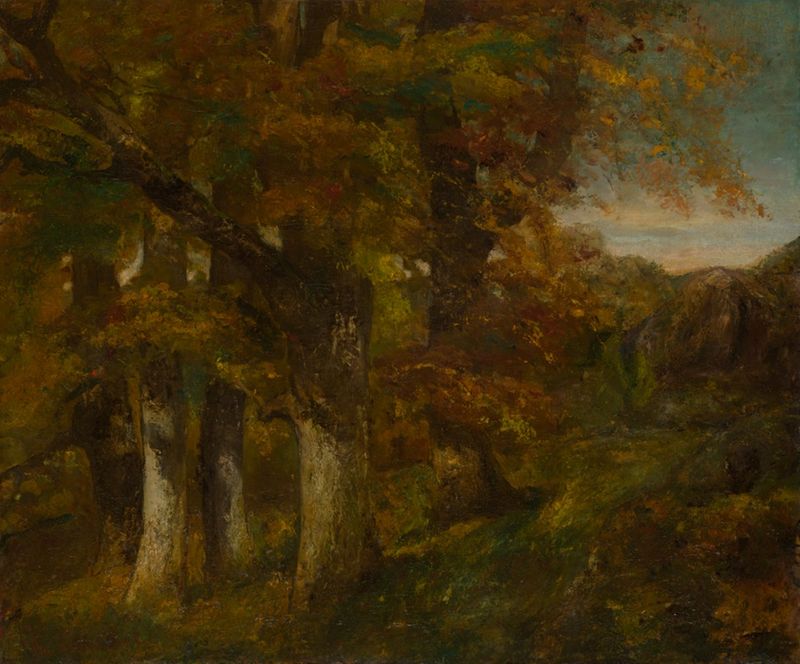 Same era · 1820s–1850s
Wooded Landscape
Gustave Courbet · 1848 · Art Institute of Chicago
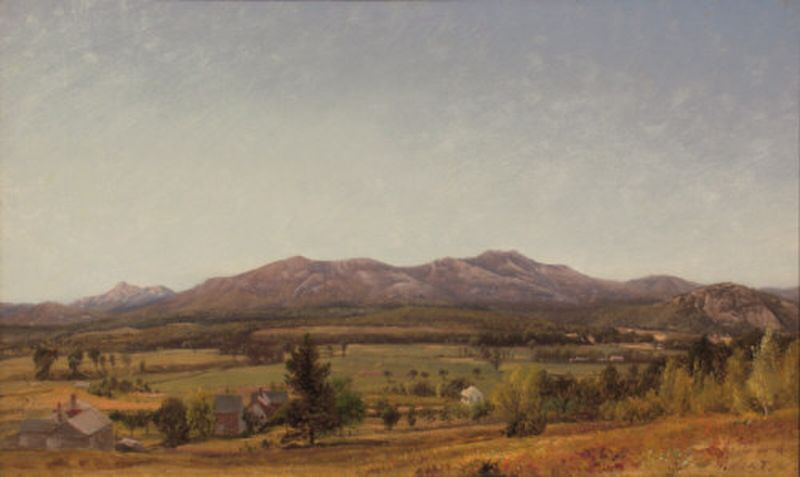 Same era · 1820s–1850s
Mount Chocorua and Moat Mountain from North Conway
William Hart · 1850
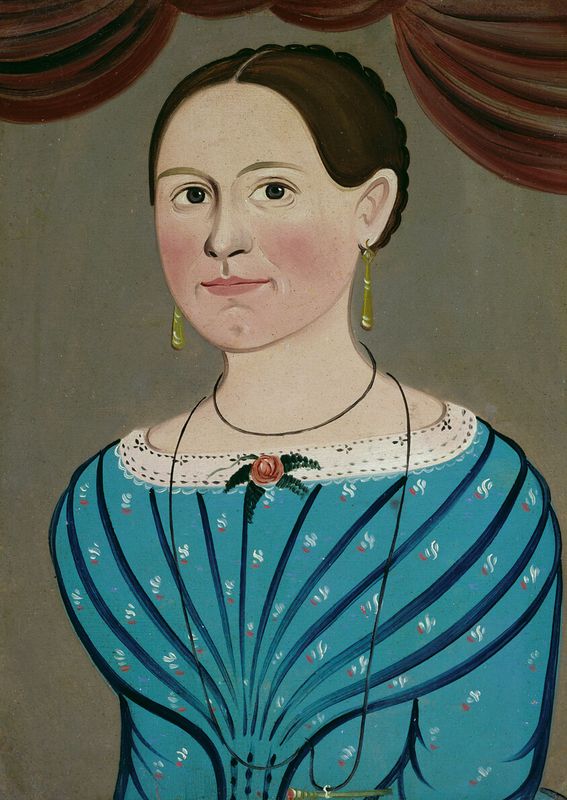 Same era · 1820s–1850s
Woman in a Blue Dress
School of William Matthew Prior · 1840 · Art Institute of Chicago
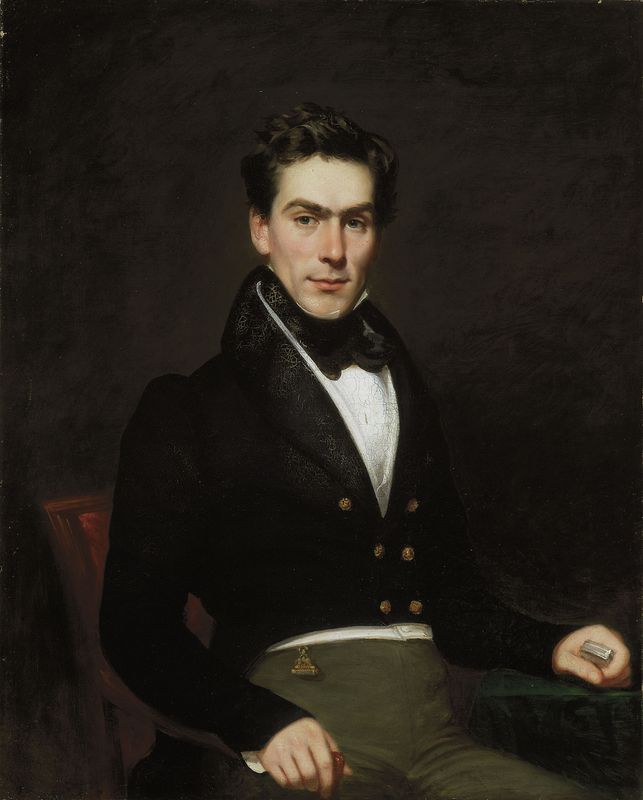 Same era · 1820s–1850s
Mr. James Mackie
Samuel Alcock & Company · 1830 · Art Institute of Chicago
 Same era · 1820s–1850s
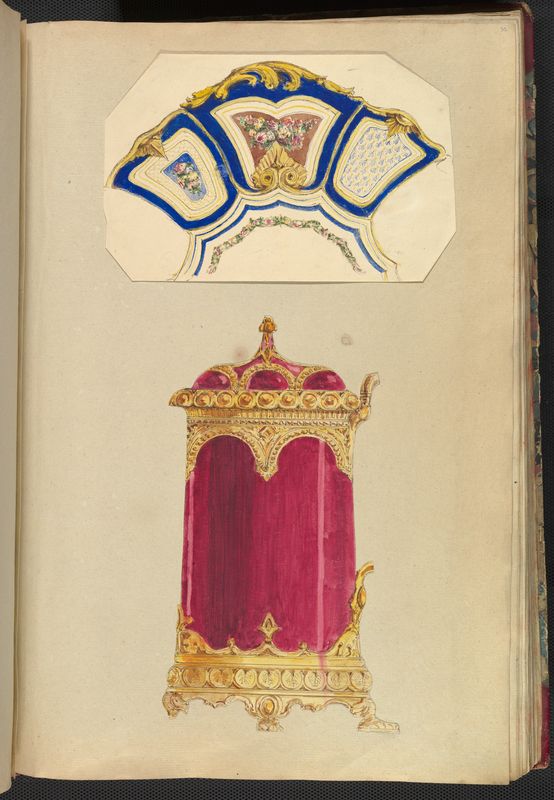
Designs for a Decorated Dish, or Platter, and a Biscuit Barrel
Alfred Henry Forrester [Alfred Crowquill] · 1845 · The Metropolitan Museum of Art
 Same era · 1820s–1850s
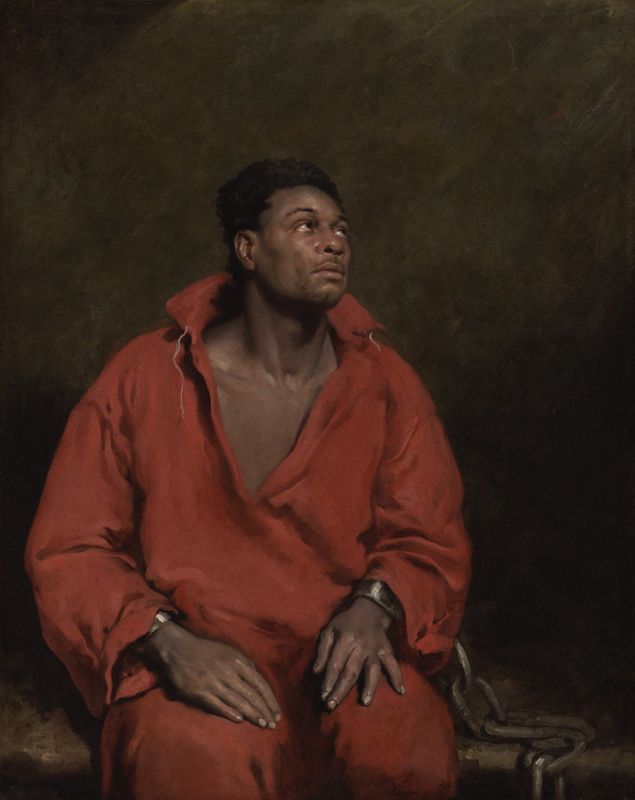
The Captive Slave (Ira Aldridge)
John Philip Simpson · 1827 · Art Institute of Chicago