
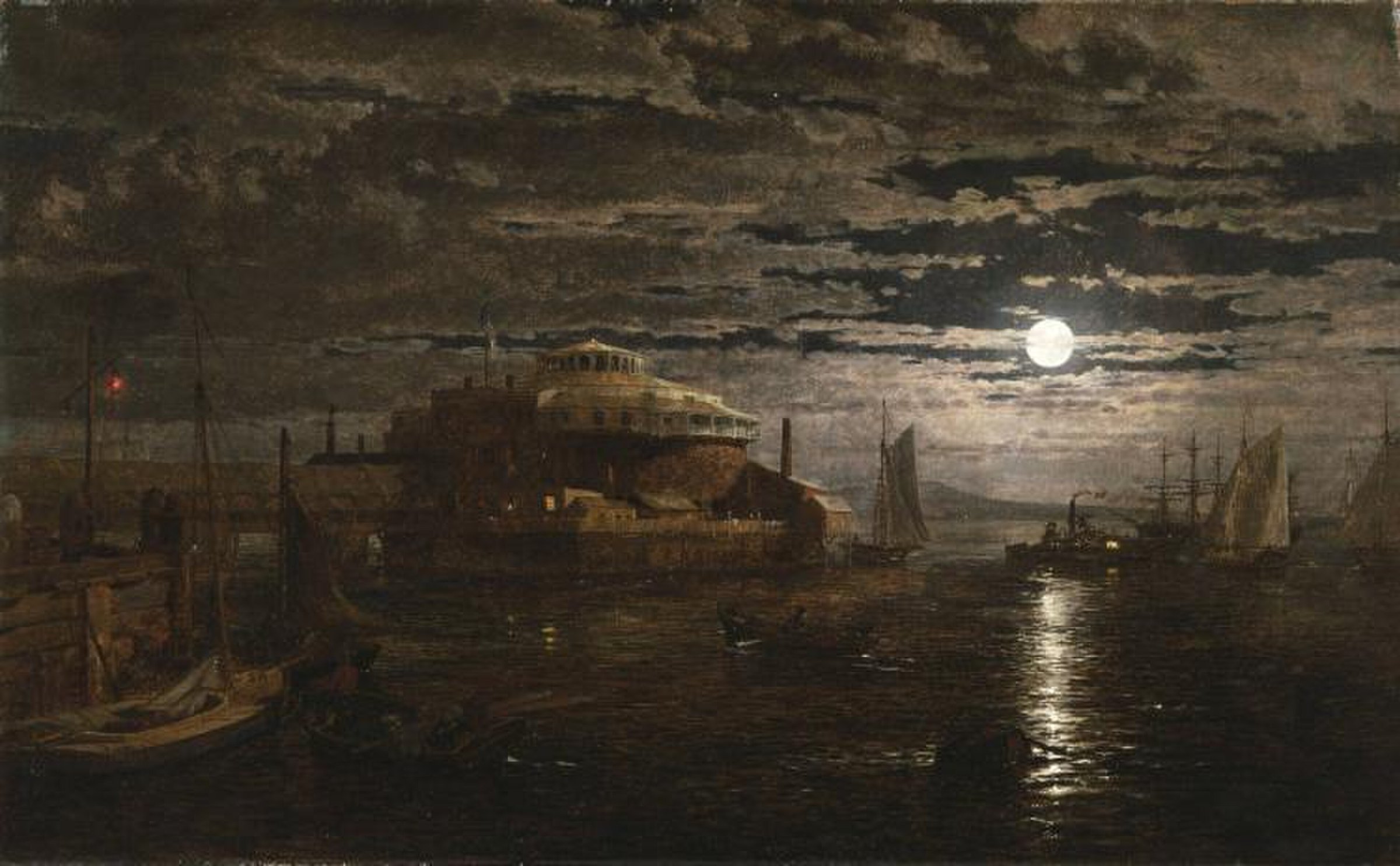
“This detailed lithograph brings to life Castle Garden, New York, in 1851, capturing a pivotal moment as it served as the nation's first immigration center. It's a vivid snapshot of arrivals and departures, reflecting a rapidly changing city and nation.”
In this bustling 1851 lithograph, Castle Garden in New York City is depicted as a vibrant hub of activity, a pivotal gateway for immigrants arriving in America. The scene is teeming with figures, their varied attire hinting at diverse origins, all converging on this historic site. Formerly a fort, then a popular entertainment venue, Castle Garden was transformed into the nation's first immigration processing center just a few years before this print was made. The artist, John Bornet, captures the transitional nature of the space, still retaining some of its earlier architectural grandeur while serving a profoundly new purpose. It offers a fascinating glimpse into a moment when New York was rapidly becoming a melting pot, and this very building symbolized the hopes and anxieties of countless newcomers seeking a new life.
- Artist
- John Bornet
- Date
- 1851
- Medium
- Lithograph with tint stone
- Location
- The Metropolitan Museum of Art
- Dimensions
- image: 6 1/4 x 9 1/16 in. (15.8 x 23 cm)
- Collection
- Drawings and Prints
- Credit line
- The Edward W. C. Arnold Collection of New York Prints, Maps and Pictures, Bequest of Edward W. C. Arnold, 1954
What to Notice
Five details hide in plain sight. Here’s where to look.
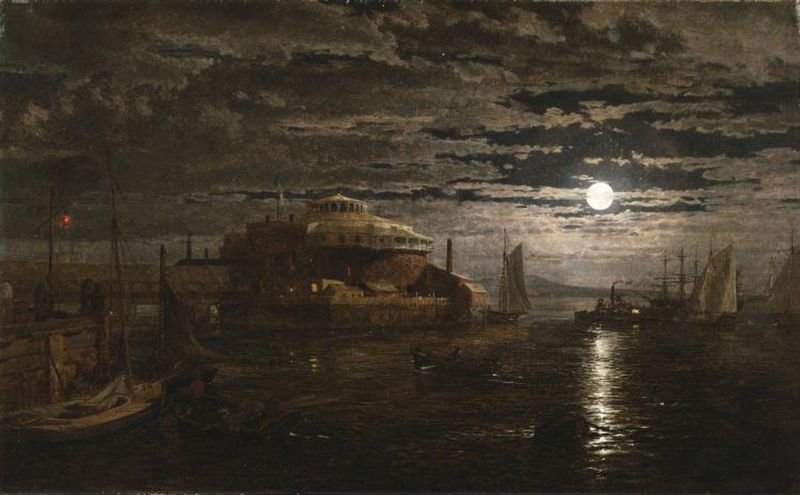
The American flag flying prominently above the castle walls.
Small boats and ships dotting the water, bringing people to shore.
Figures with luggage, suggesting travel and new beginnings.
The detailed stonework of the castle, a former military fort.
1 more detail is waiting.
See all 5 in Art Whisper →Stand in front of it and listen
The full narration walks you through Castle Garden, New York — the story behind it, the details most visitors miss, and why it matters. Free in the Art Whisper app.
John Bornet
1810–1910John Bornet, active across centuries, is known for works like the 1961 'Target' and the 1943 'Nightlife' at the Art Institute of Chicago.
Further Works by Bornet
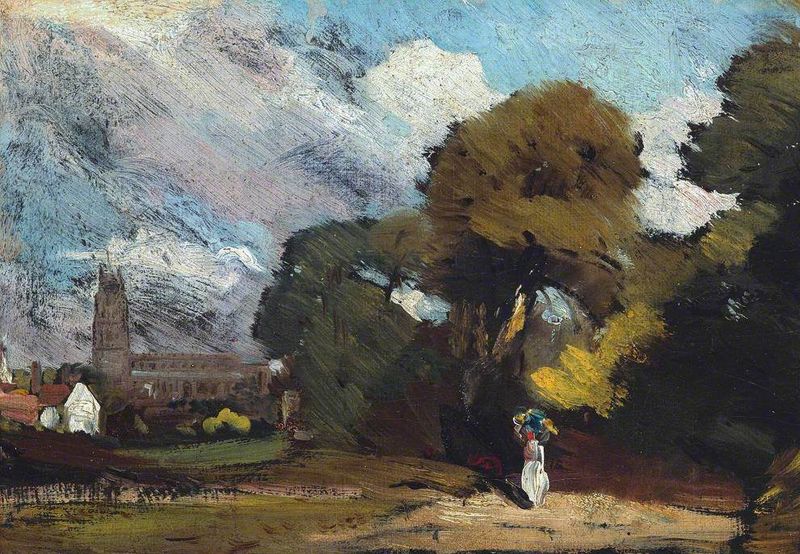 Stoke-by-Nayland
1836 · Art Institute of Chicago
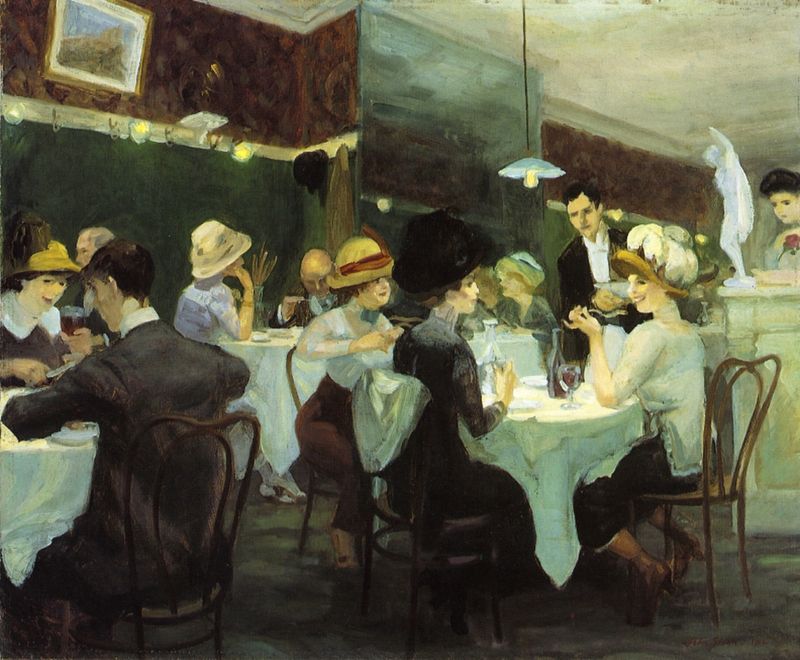 Renganeschi's Saturday Night
1912 · Art Institute of Chicago
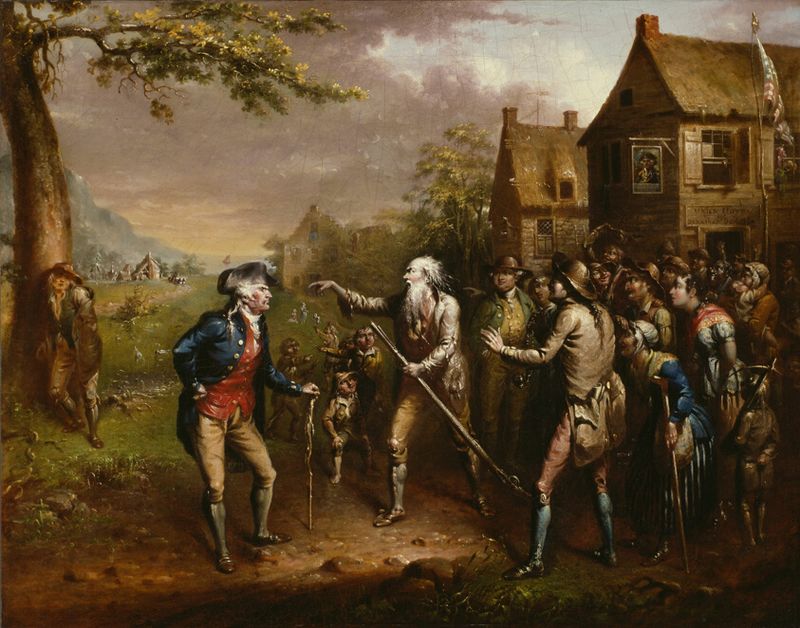 Rip Van Winkle
1829 · Art Institute of Chicago
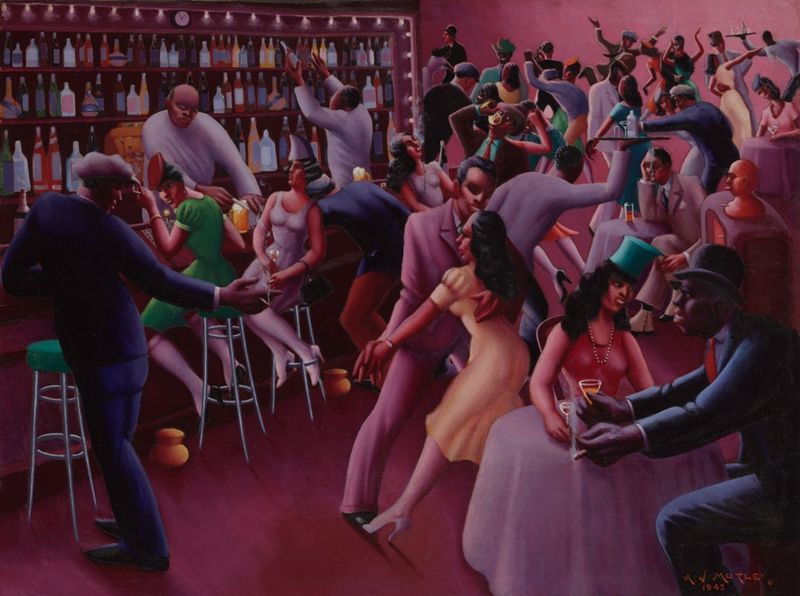 Nightlife
Art Institute of Chicago
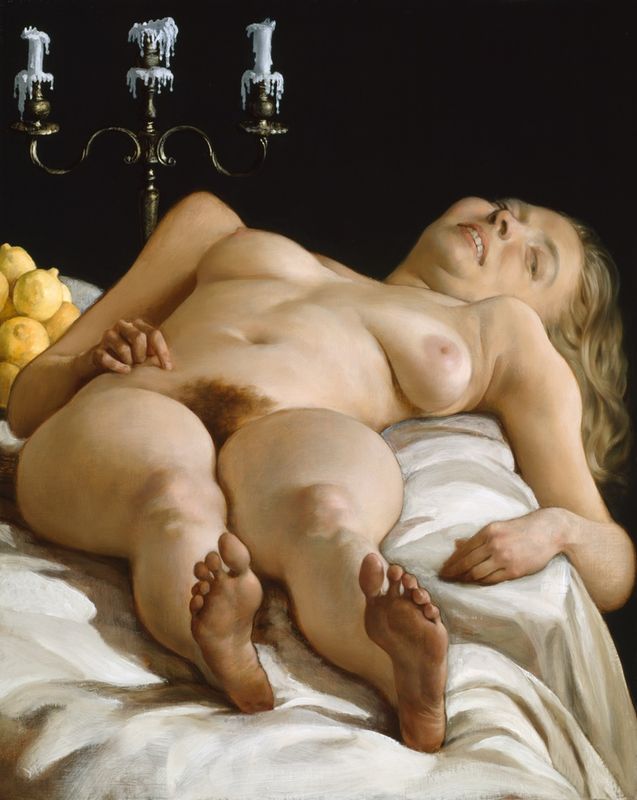 Nude on a Table
Art Institute of Chicago
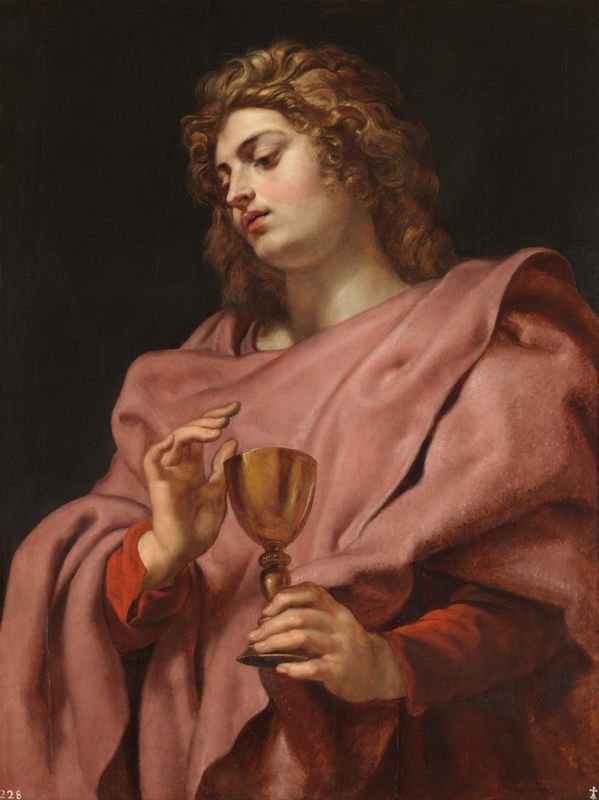 Saint John the Evangelist
Art Institute of Chicago
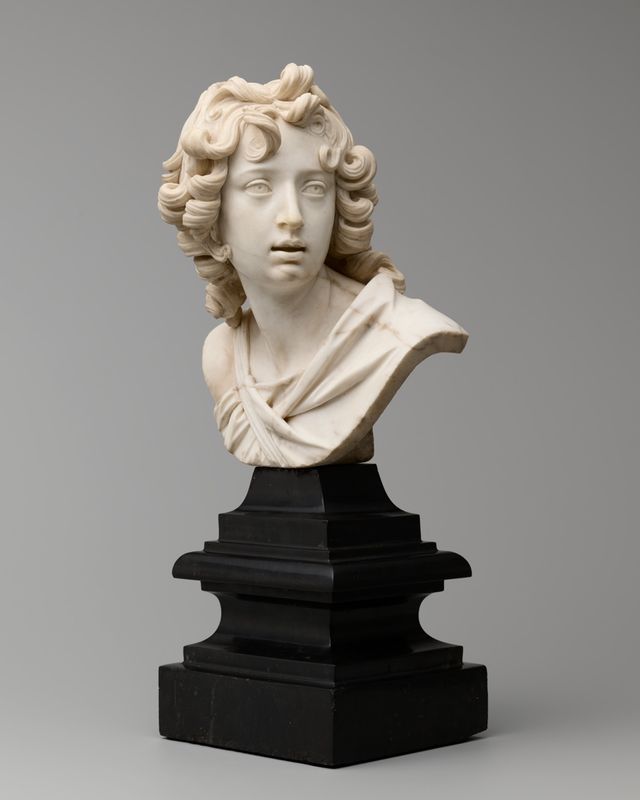 Bust of a Youth (Saint John the Baptist)
Art Institute of Chicago
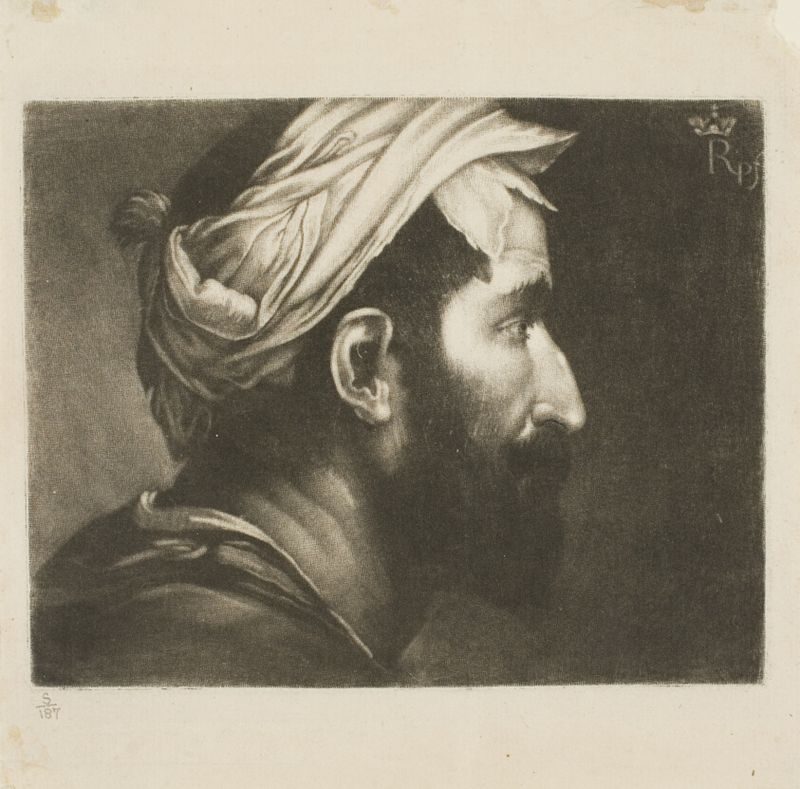 Head of Executioner, from John Evelyn's Sculptura
Art Institute of Chicago
More works to explore
Beyond Bornet: works from the same years.
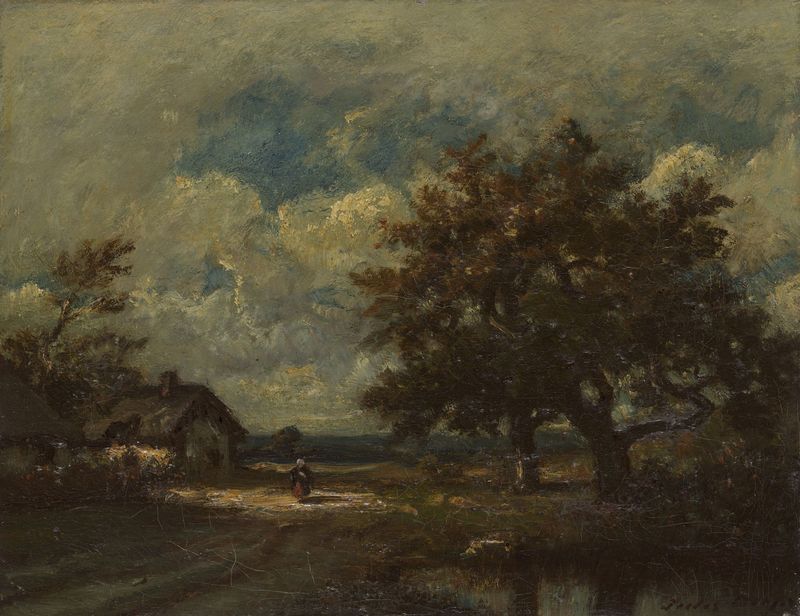 Same era · 1830s–1860s
The Cottage by the Roadside, Stormy Sky
Léon-Victor Dupré · 1855 · Art Institute of Chicago
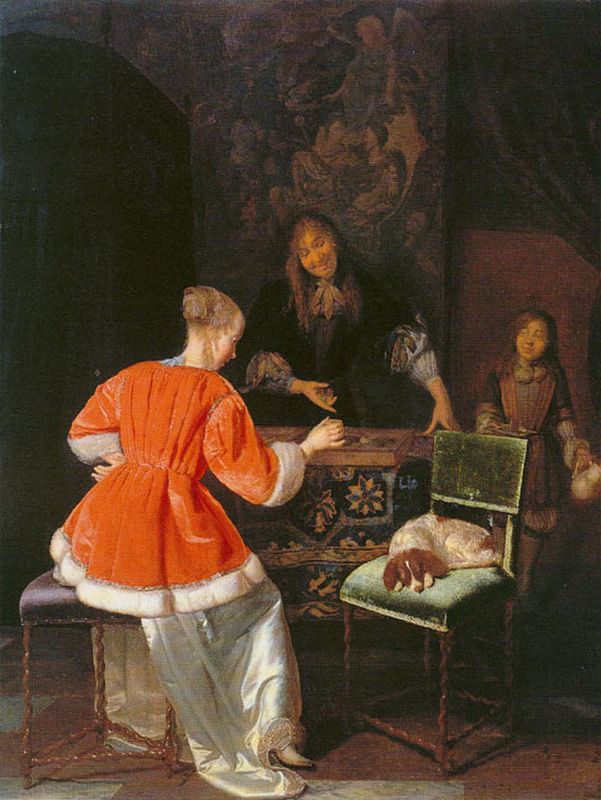 Same era · 1830s–1860s
The Backgammon Players
Philip Webb · 1861 · The Metropolitan Museum of Art
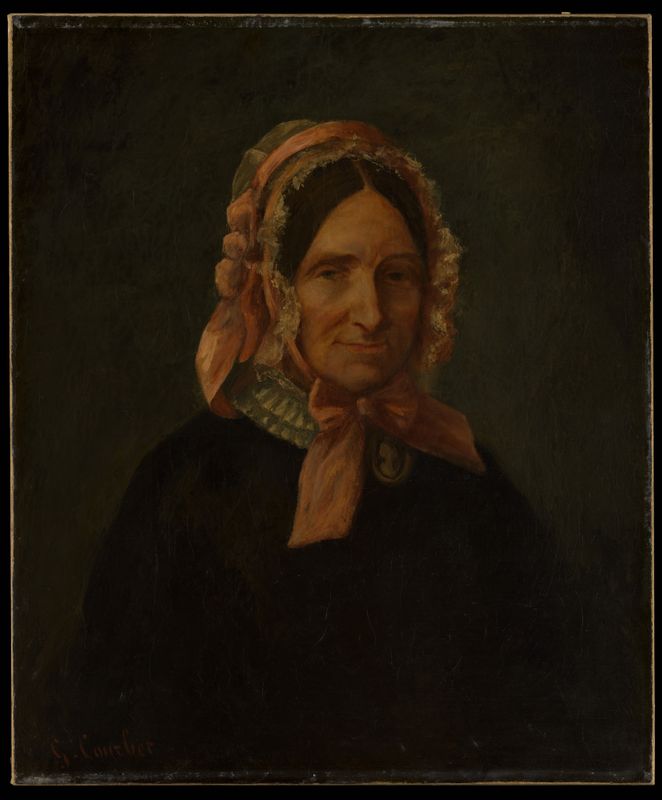 Same era · 1830s–1860s
Portrait of a Woman, Called Héloïse Abélard
Gustave Courbet · 1850 · The Metropolitan Museum of Art
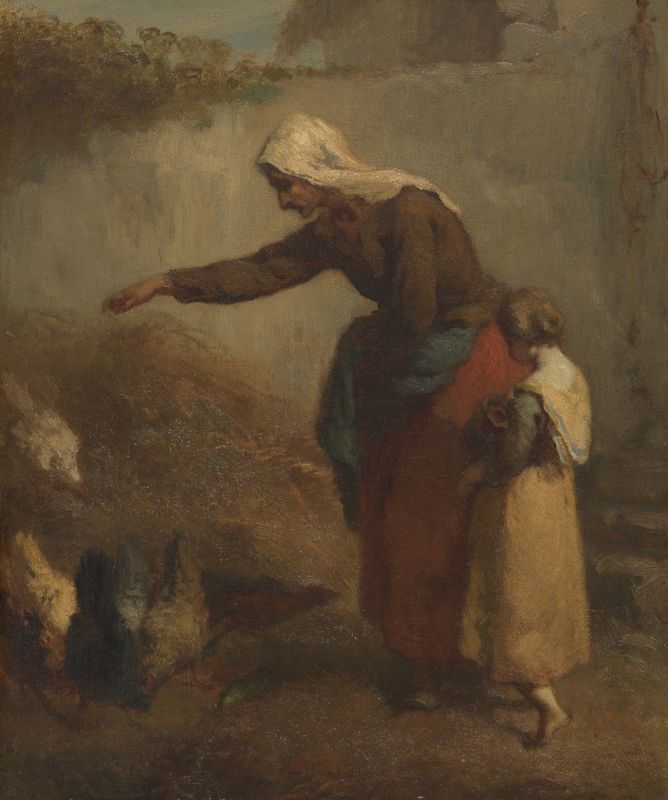 Same era · 1830s–1860s
Woman Feeding Chickens
Jean-François Millet · 1850 · Art Institute of Chicago
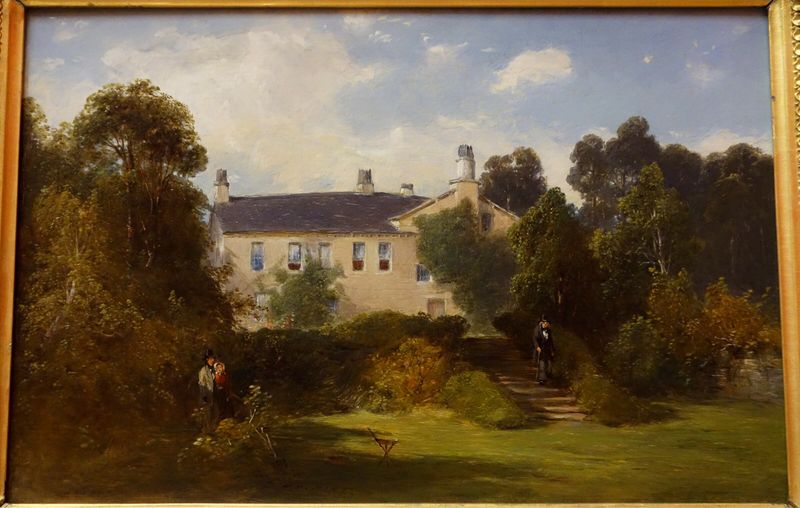 Same era · 1830s–1860s
Wordsworth Manor
William Hart · 1852
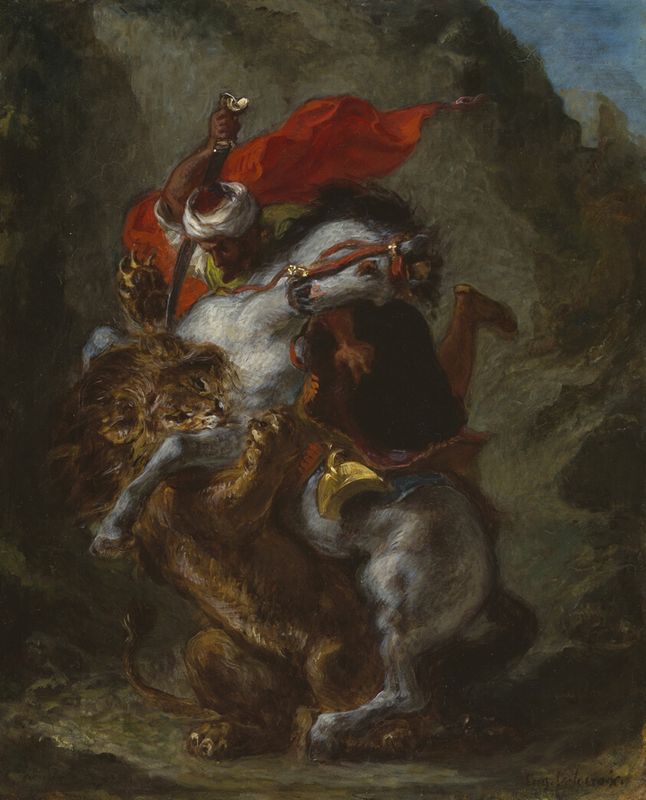 Same era · 1830s–1860s
Arab Horseman Attacked by a Lion
Eugène Delacroix · 1849 · Art Institute of Chicago
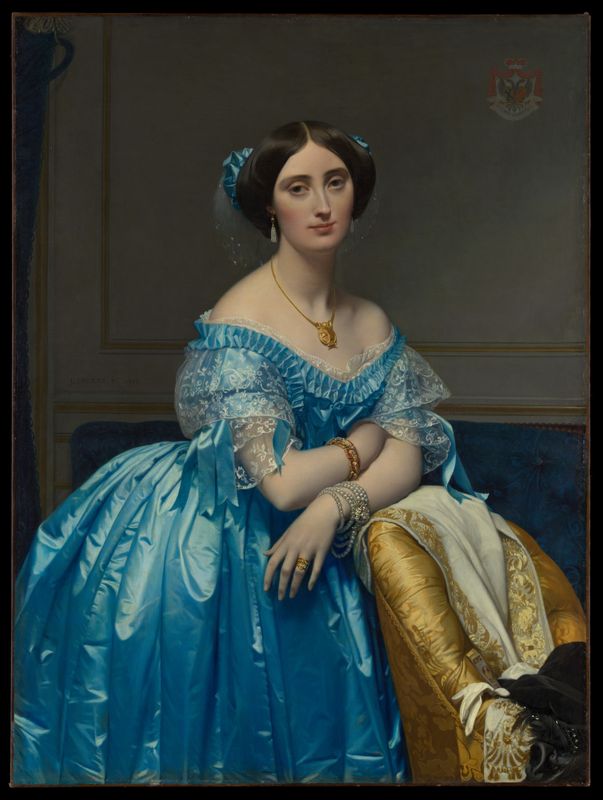 Same era · 1830s–1860s
Joséphine-Éléonore-Marie-Pauline de Galard de Brassac de Béarn (1825–1860), Princesse de Broglie
Jean-Auguste-Dominique Ingres · 1853 · Metropolitan Museum of Art
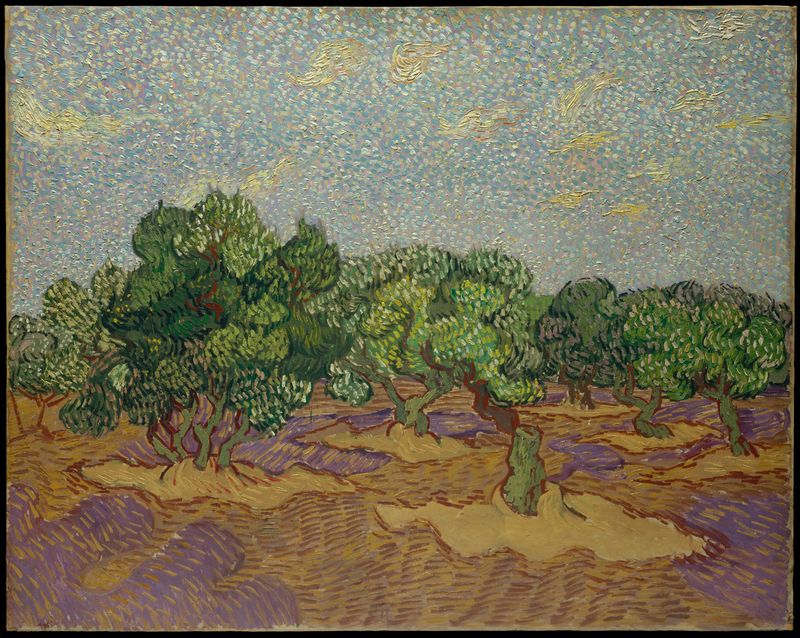 Same era · 1830s–1860s
Olive Trees
Vincent van Gogh · 1853 · The Metropolitan Museum of Art
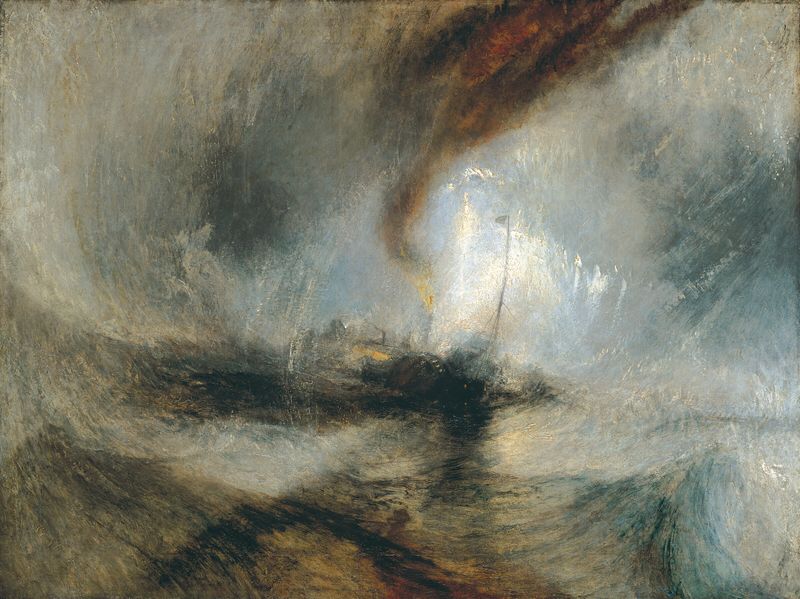 Same era · 1830s–1860s
Snow Storm: Steam-Boat off a Harbour's Mouth
J. M. W. Turner · 1842 · National Gallery
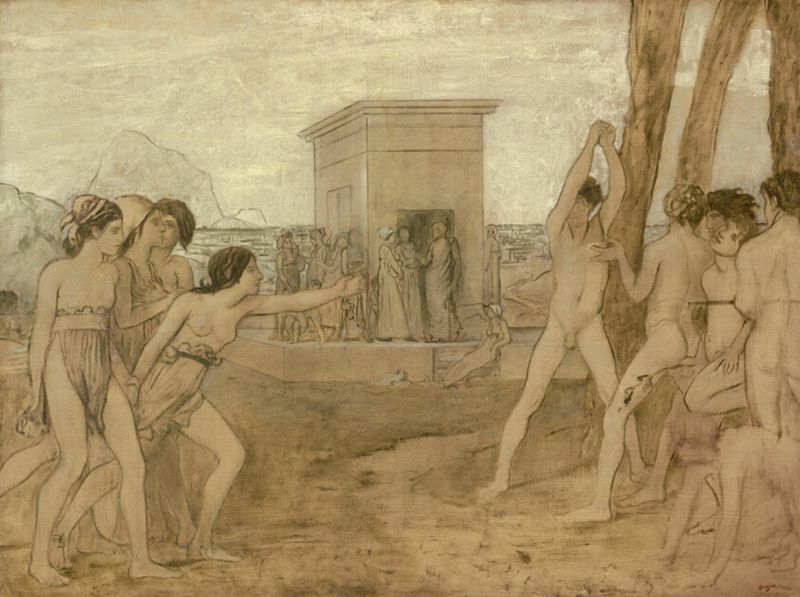 Same era · 1830s–1860s
Young Spartan Girls Challenging Boys
Edgar Degas · 1860 · Art Institute of Chicago
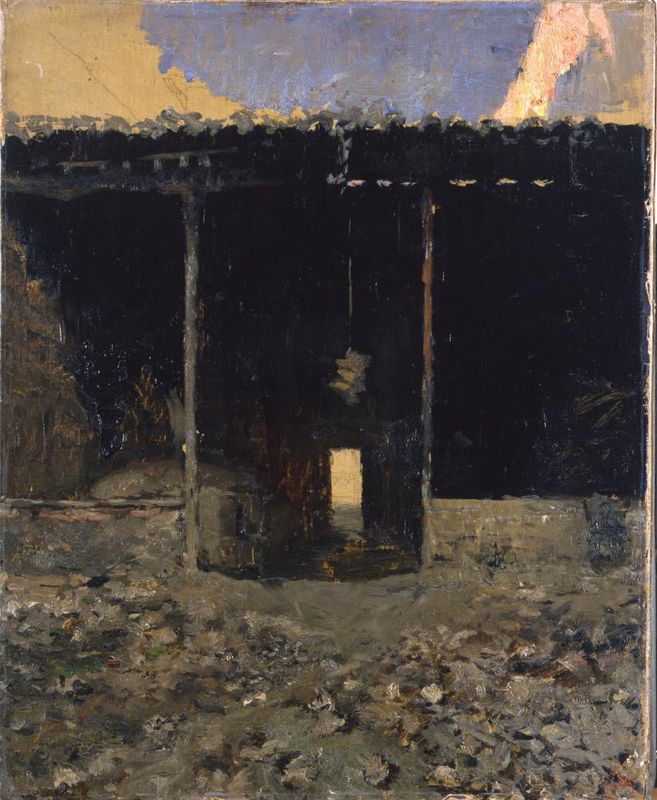 Same era · 1830s–1860s
A Sketch
Mariano Fortuny Marsal · 1862 · Hispanic Society of America
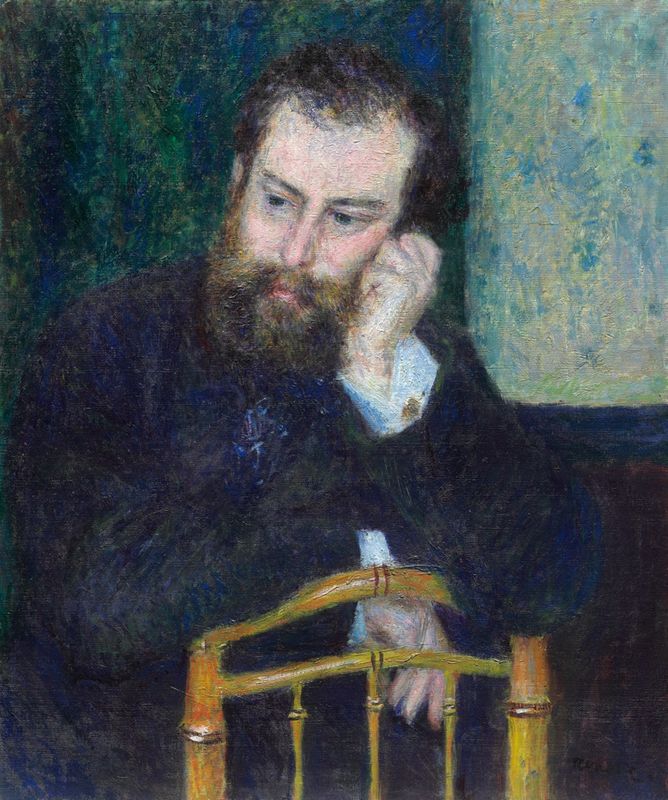 Same era · 1830s–1860s
Alfred Sisley
Pierre-Auguste Renoir · 1864 · Foundation E.G. Bührle Collection