Fish with orange stripes
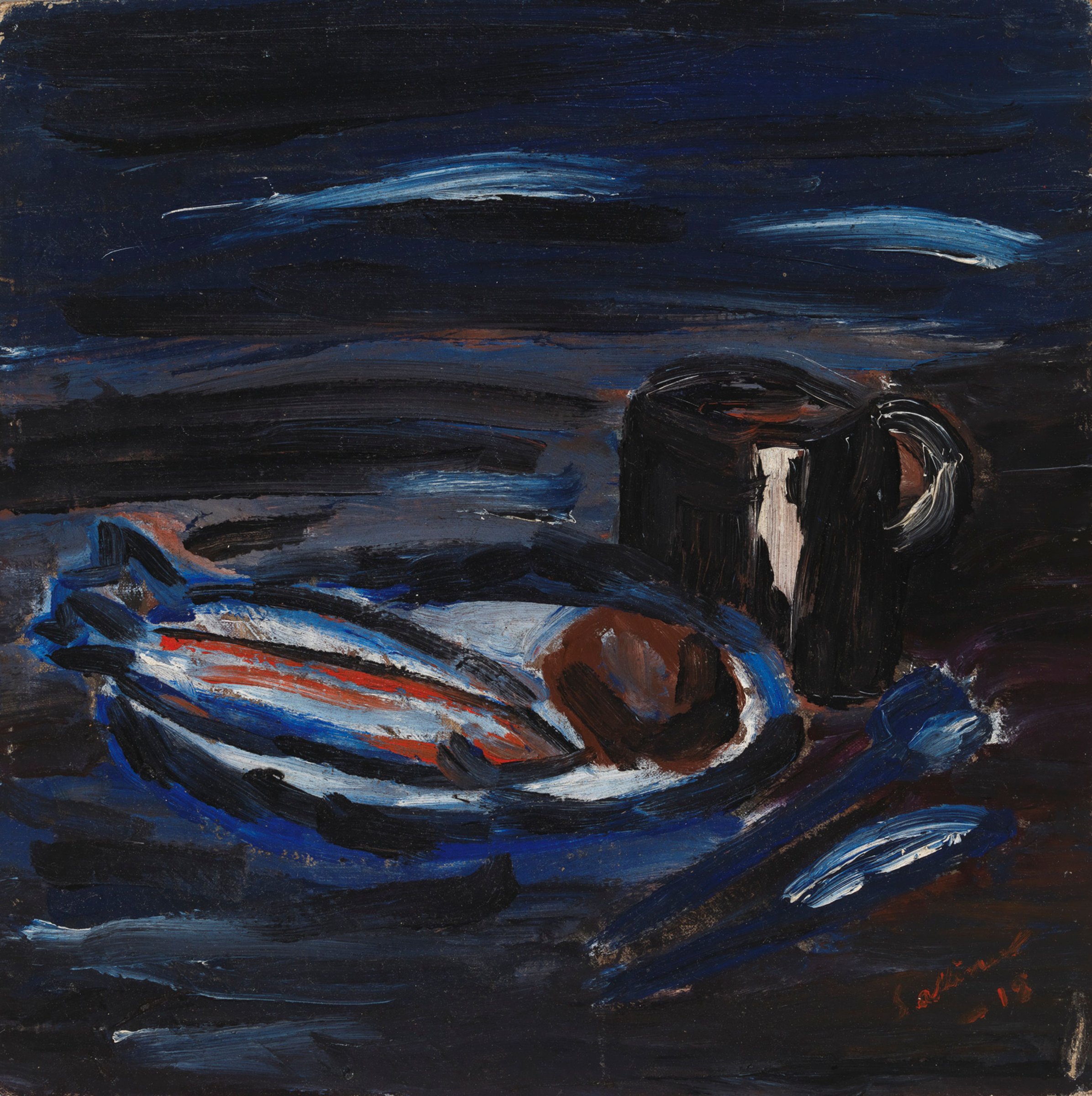
Look at the silvery fish lying on the plate, streaked with orange-red. It carries the warmest color in a cold picture, and it is the subject the title points to (silakka means Baltic herring).

“This striking still life by Tyko Sallinen uses raw, Expressionist brushwork to elevate a simple pile of fish, reflecting a focus on fundamental subjects during a turbulent time in Finnish history.”
A humble still life, this painting captures a small pile of Baltic herring on a simple white dish. Tyko Sallinen’s brushwork is bold and unrefined, typical of the Expressionist style he embraced. The fish, rendered with thick, visible strokes, seem almost to writhe with a raw, visceral energy, their silver scales catching the light in a way that suggests recent life. This isn't a polished, idealized depiction; instead, it offers a direct, almost confrontational view of everyday sustenance. Painted in 1918, a time of immense change and hardship in Finland, the work reflects a focus on fundamental subjects, stripping away grand narratives to highlight the stark reality of existence. Sallinen was a founding member of the November Group, a Finnish Expressionist and Cubist collective, and this piece embodies their emphasis on emotional power and individual perspective.

Five details hide in plain sight. Pick one and we’ll show you exactly where to look.
Look at the silvery fish lying on the plate, streaked with orange-red. It carries the warmest color in a cold picture, and it is the subject the title points to (silakka means Baltic herring).
The black mug looms at right, its handle catching a pale curve of light. It is the heaviest shape in the picture and anchors the whole table.
A thick blue line runs around the plate's rim, laid in rough, loaded strokes. It lifts the plate out of the dark and gives it a faintly glowing edge.
Pale blue and white strokes drag across the dark upper area, like clouds or moonlit streaks. The quick, dry brushwork adds restless movement above the still table.
Nearly everything sits in deep blues and blacks, with only small flashes of orange and white. The mood is heavy and quiet, and the thick, rough paint adds to it.
The full narration walks you through Silakka-asetelma — the story behind it, the details most visitors miss, and why it matters. Free in the Art Whisper app.
Tyko Sallinen, a pioneering Finnish Expressionist, fearlessly depicted the raw emotion of the Finnish landscape and its people.
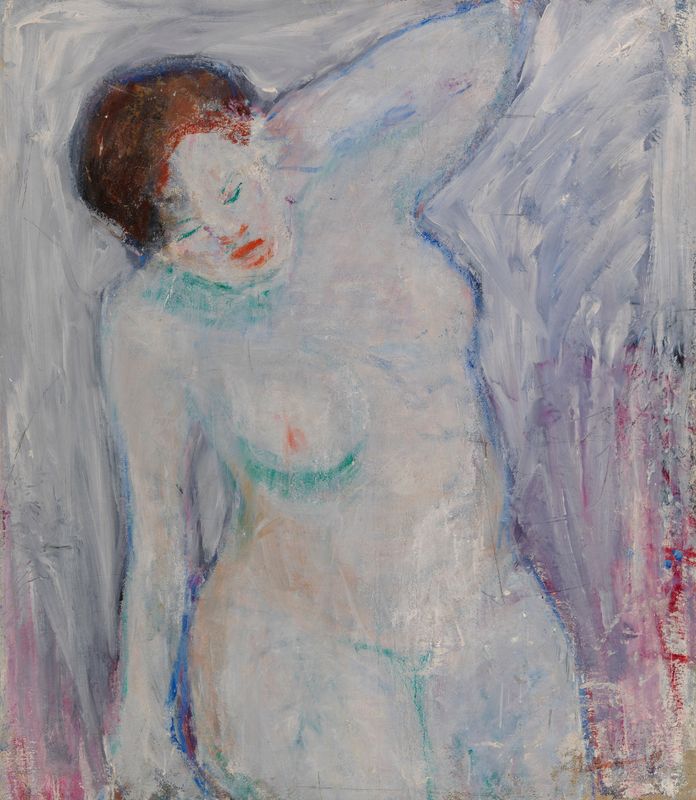
The Nude
1910 · Finnish National Gallery
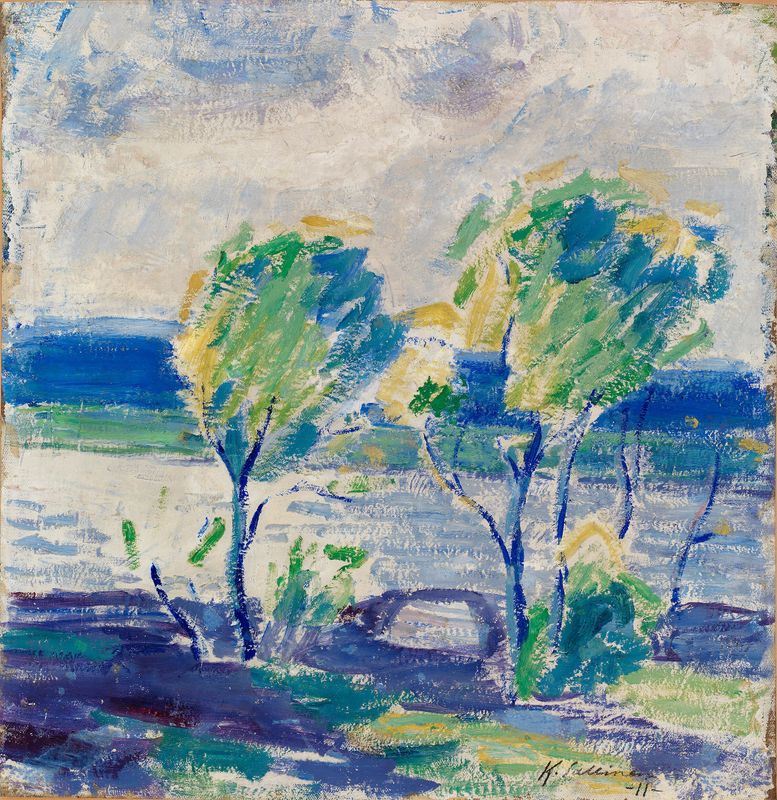
Kaksi leppää II
1911 · Finnish National Gallery
The Washerwomen
1911 · Finnish National Gallery
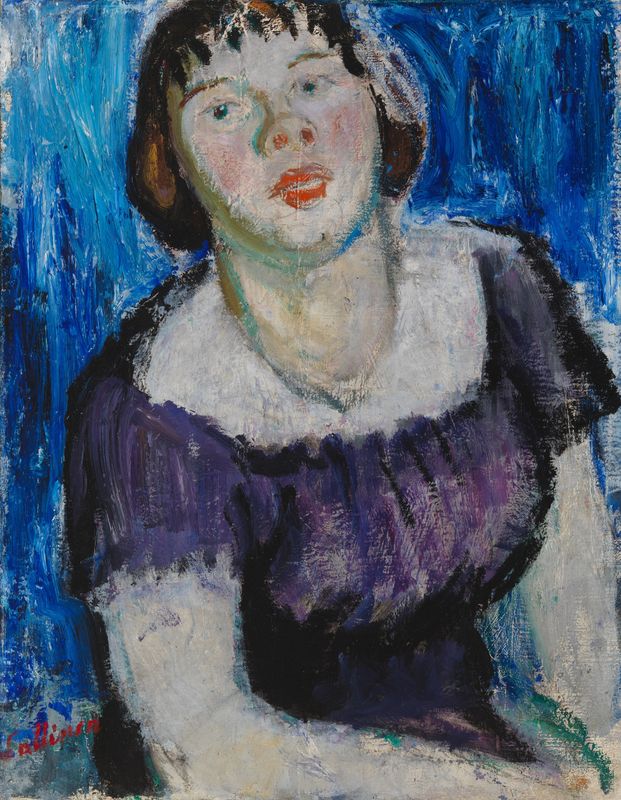
The "Ducat" Girl
1914 · Finnish National Gallery
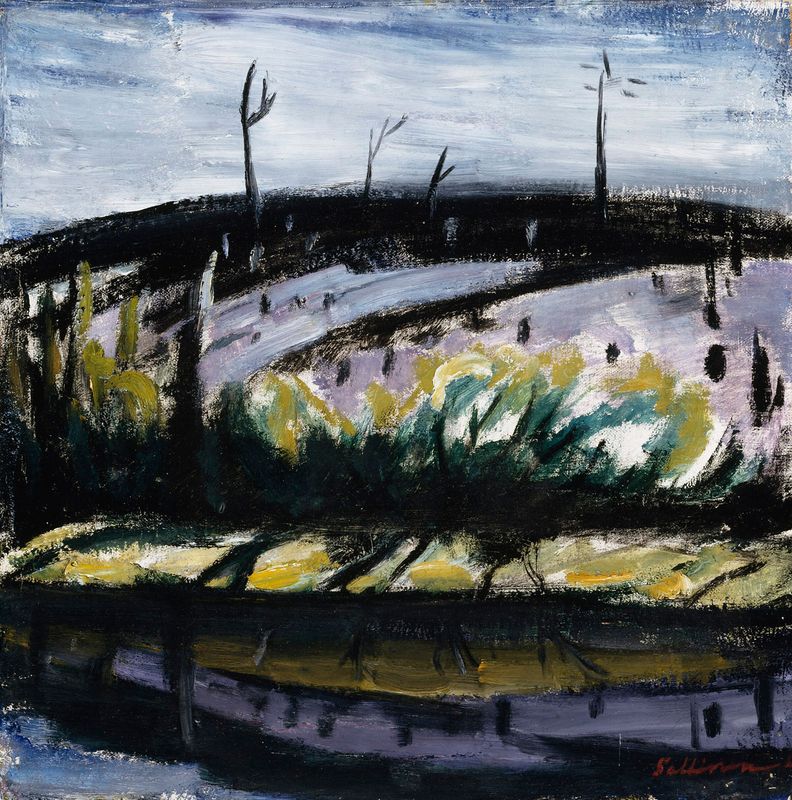
Burnt Clearing
1915 · Finnish National Gallery
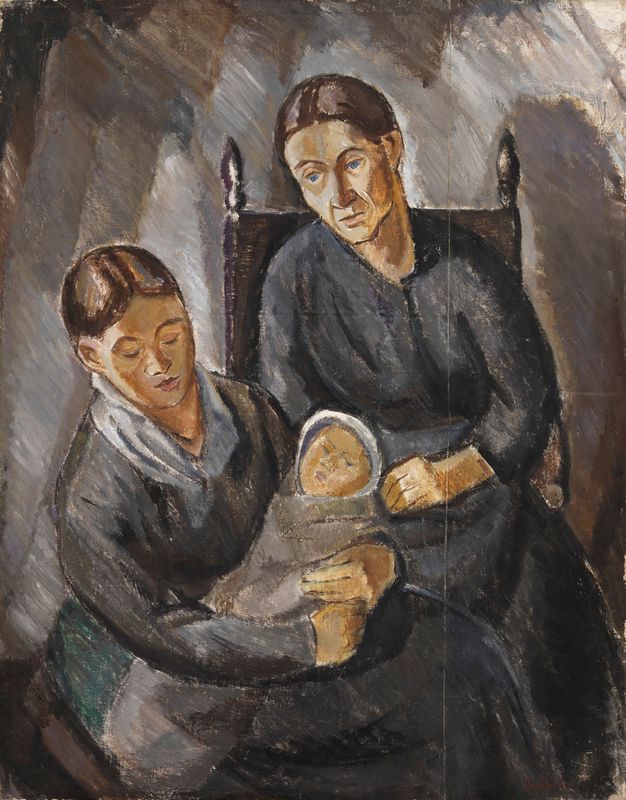
Grandmother
1916 · Finnish National Gallery
Ruokokoski Painting
1916 · Finnish National Gallery
Portrait of Mrs Kallio
1917 · Finnish National Gallery
Beyond Sallinen: works from the same years.
Same era · 1900s–1930s
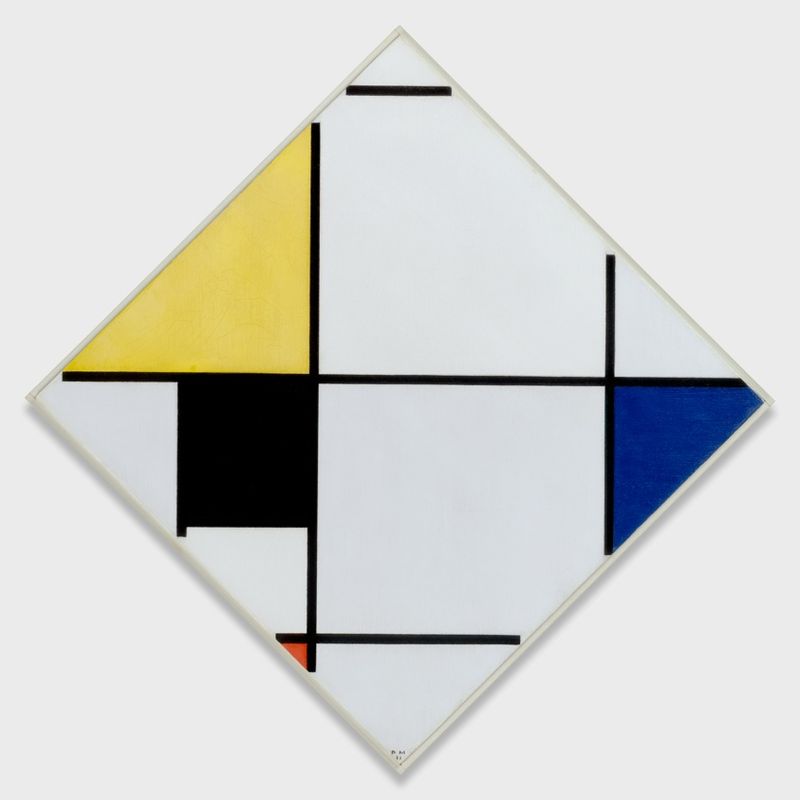
Lozenge Composition with Yellow, Black, Blue, Red, and Gray
Piet Mondrian · 1921 · Art Institute of Chicago
Same era · 1900s–1930s
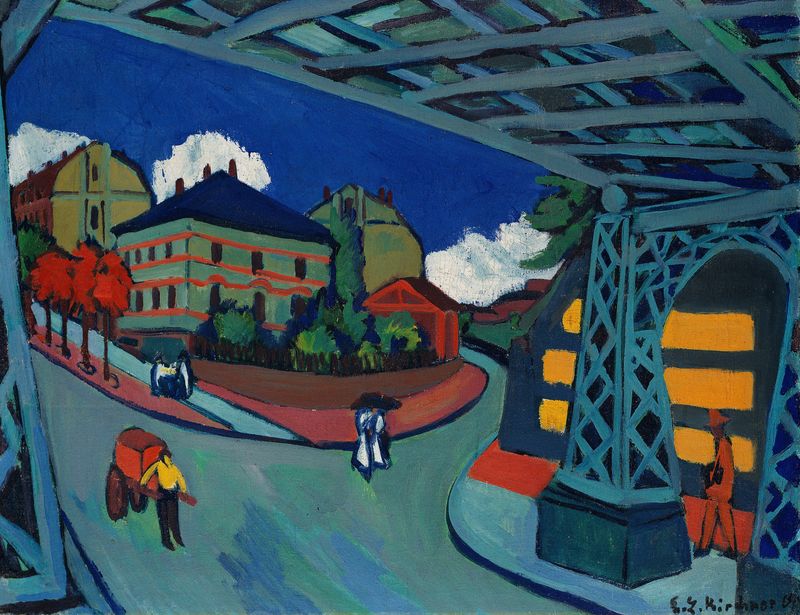
Railway Bridge on Löbtauer Strasse in Dresden
Ernst Ludwig Kirchner · 1918 · Galerie Neue Meister
Same era · 1900s–1930s
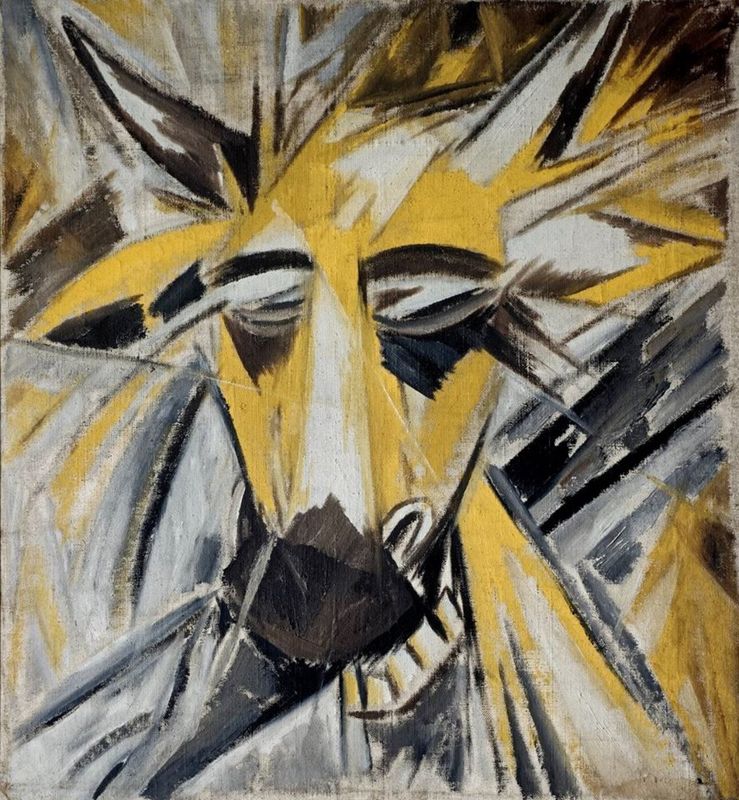
Bull's Head
Mikhail Larionov · 1913 · Tretyakov Gallery
Same era · 1900s–1930s
Memories of the Past
Ivan Puni · 1927 · Art Institute of Chicago
Same era · 1900s–1930s
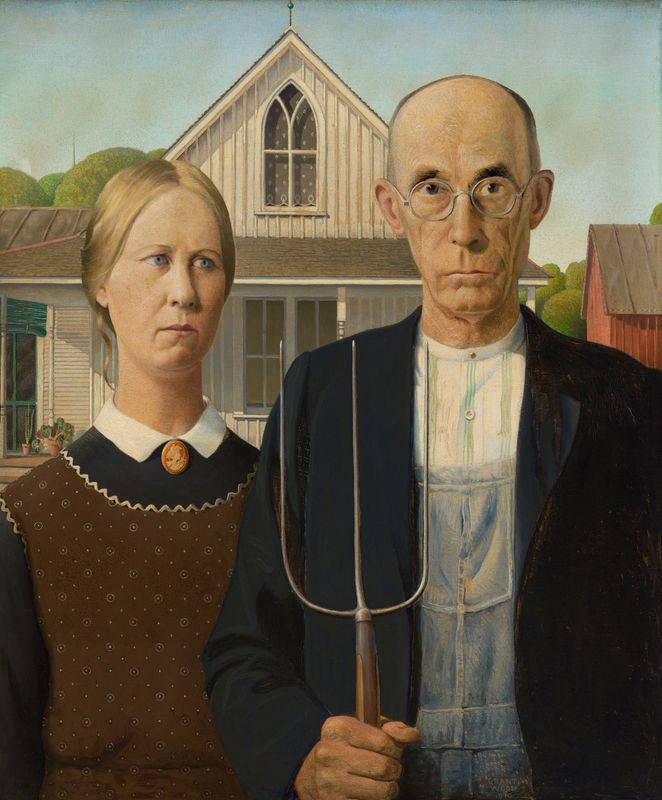
American Gothic
Okada Saburosuke · 1930 · Art Institute of Chicago
Same era · 1900s–1930s
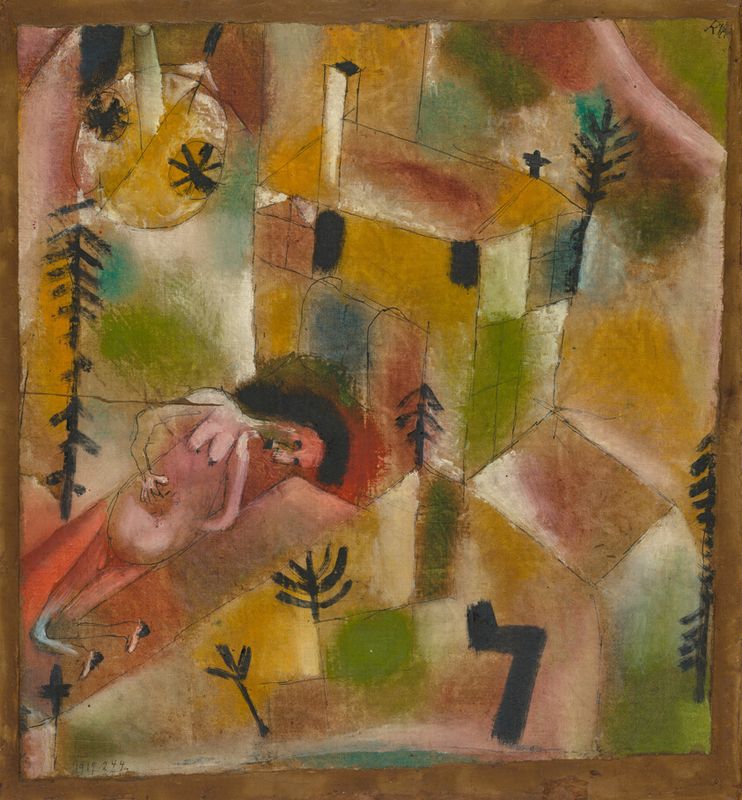
Death in the Garden (Legend)
Paul Klee · 1919 · Art Institute of Chicago
Same era · 1900s–1930s
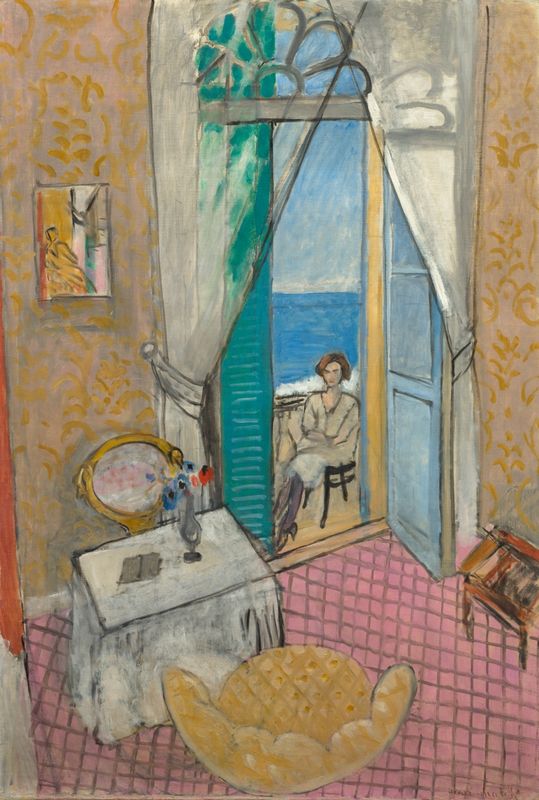
Interior at Nice
Henri Matisse · 1919 · Art Institute of Chicago
Same era · 1900s–1930s
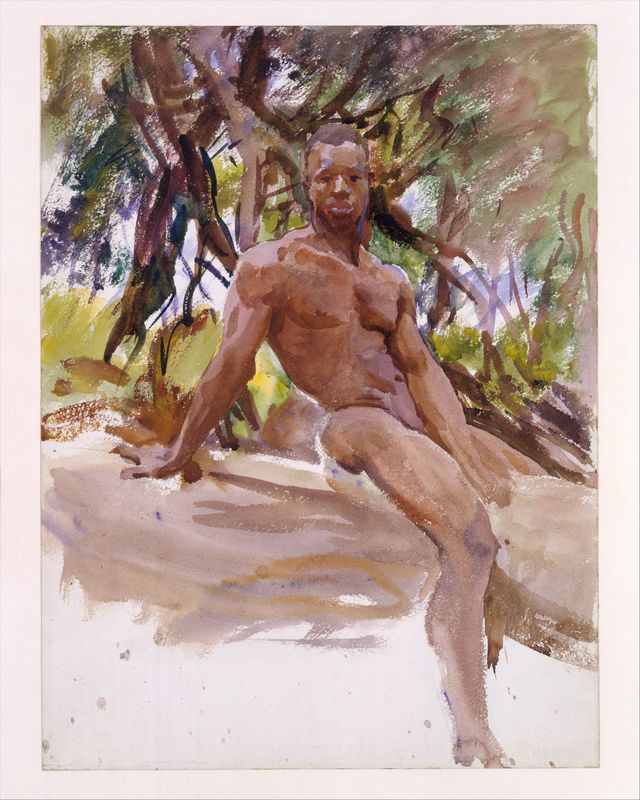
Man and Trees, Florida
John Singer Sargent · 1917 · The Metropolitan Museum of Art
Same era · 1900s–1930s
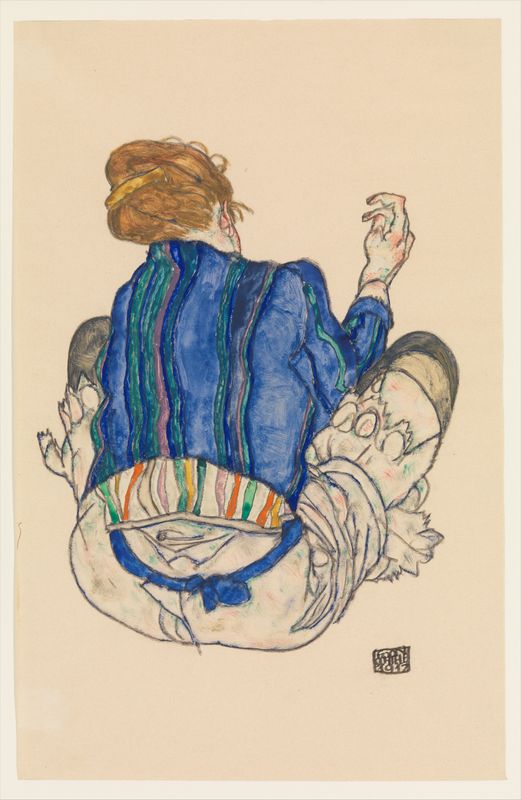
Seated Woman, Back View
Egon Schiele · 1917 · The Metropolitan Museum of Art
Same era · 1900s–1930s
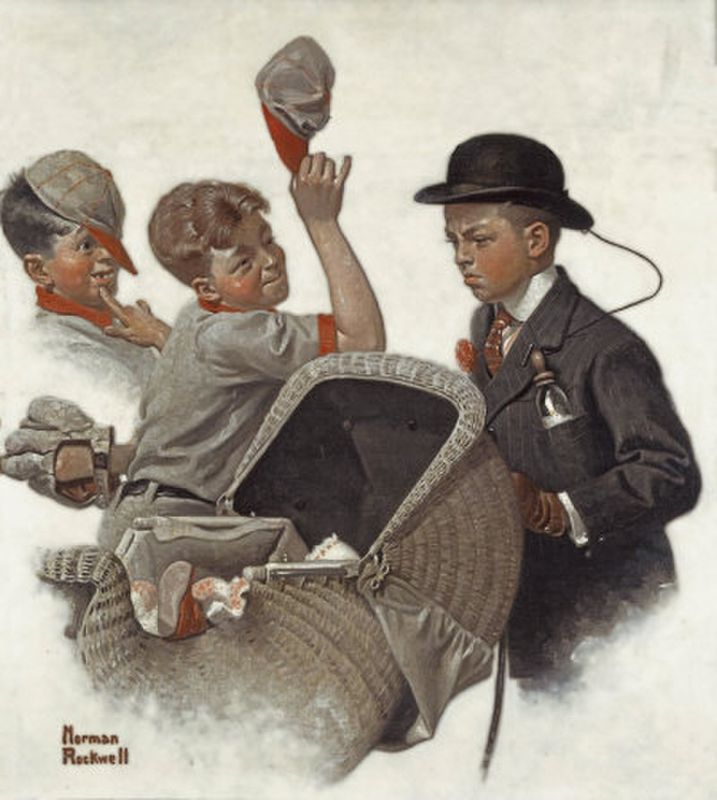
Boy with Baby Carriage
Norman Rockwell · 1916 · Norman Rockwell Museum
Same era · 1900s–1930s
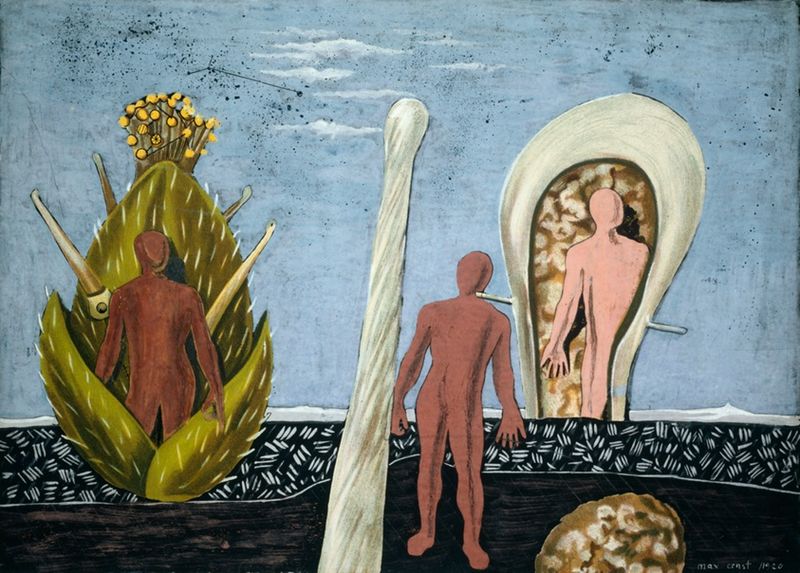
Dada Gauguin
Max Ernst · 1920 · Art Institute of Chicago
Same era · 1900s–1930s
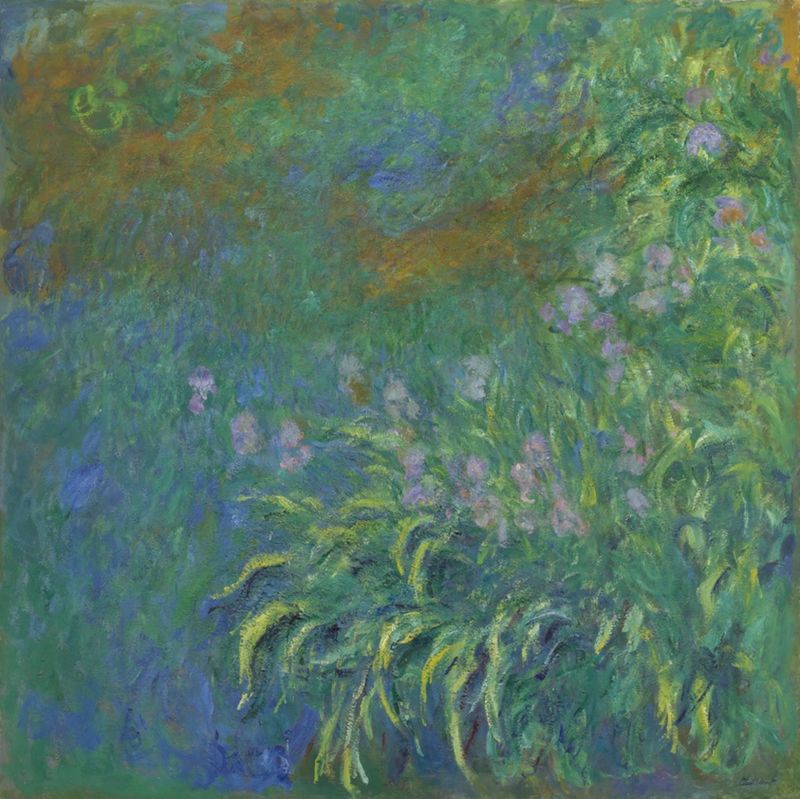
Irises
Claude Monet · 1915 · National Gallery