01
Christ's touch
Christ bends toward the kneeling man and touches his eyes with his fingertips. Everything in the scene turns on this small, quiet contact.
1 of 5 on the painting
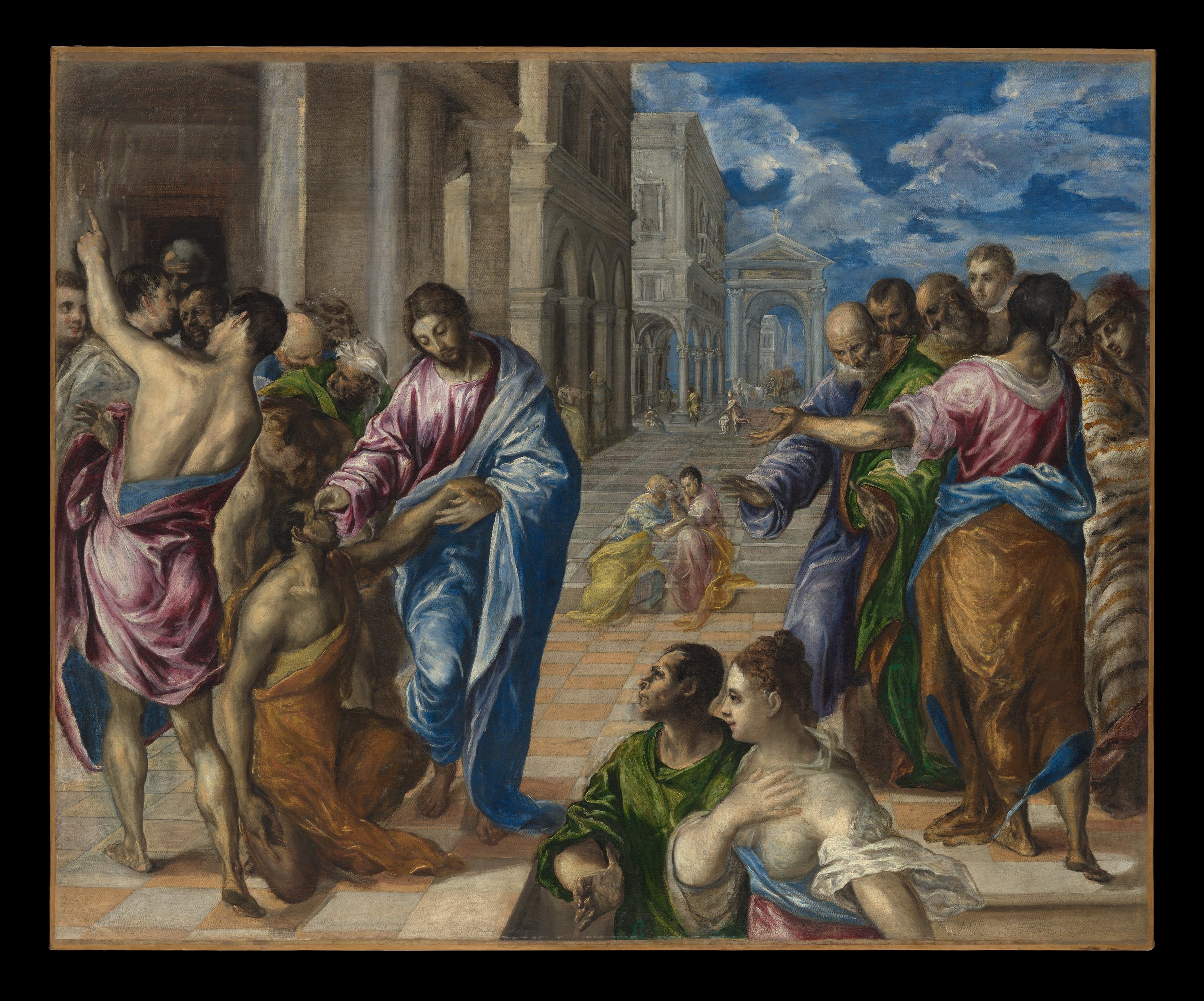
“Stop to witness the powerful moment of healing in this El Greco painting. Its dramatic lighting and swirling forms pull you into the heart of a miraculous event, making the biblical story feel intensely present.”
In this dramatic painting, a crowd of figures presses in on Christ, who stands at the center, his hand raised in a gesture of healing. The scene is full of movement, with faces contorted in expressions of hope, skepticism, and wonder. Notice the intense, almost theatrical lighting that highlights Christ and the blind man, casting deep shadows that emphasize the surrounding figures. The elongated forms and vibrant, clashing colors are characteristic of the Mannerist style, which was popular in the late 16th century. This particular depiction of Christ healing the blind, one of several versions by the artist, showcases his unique approach to religious narrative, transforming a biblical event into a powerful, almost otherworldly spectacle. The composition draws your eye directly to the moment of miraculous restoration, making you a witness to the unfolding event.
Five details hide in plain sight. Pick one and we’ll show you exactly where to look.
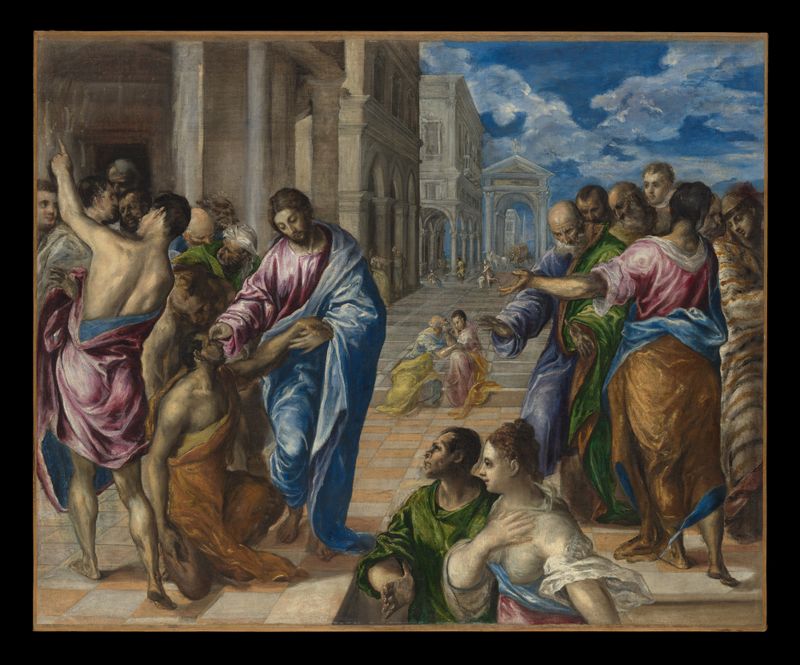
Christ bends toward the kneeling man and touches his eyes with his fingertips. Everything in the scene turns on this small, quiet contact.
The blind man kneels in a twisted pose, head tipped back, with a gold-brown cloth wrapped around his hips and legs. His bare, thin torso makes him look vulnerable and in need.
Christ's pink tunic and blue cloak are painted in cool, glassy folds with bright white highlights. The color makes him stand out from the muted crowd.
At the bottom right, a man in green and a woman look up toward the central scene. Their upward glances draw the viewer's eye into the action.
The tiled floor runs back to arches and a distant building under a cloudy blue sky. This sudden depth makes the crowded foreground feel like a stage.
The full narration walks you through Christ Healing the Blind — the story behind it, the details most visitors miss, and why it matters. Free in the Art Whisper app.
A Greek painter who signed his works in Greek letters and added 'Cretan' to his name.
Beyond Greco and Renaissance: works from the same years.
 Same era · 1570s–1600s
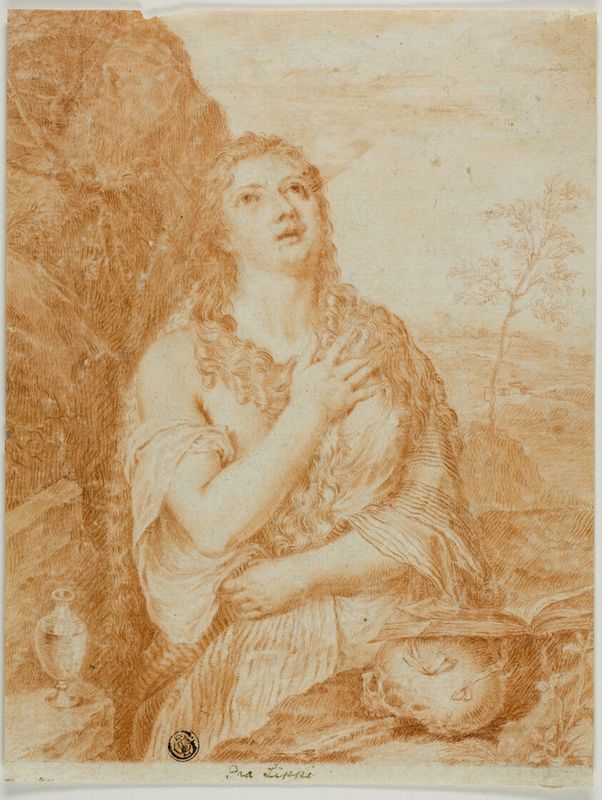
Penitent Magdalene
Titian · 1575
 Same era · 1570s–1600s
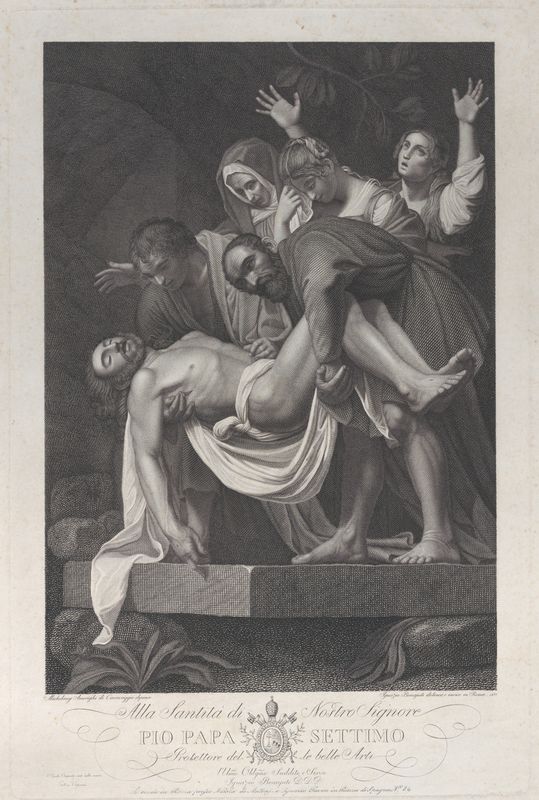
The Entombment of Christ
Caravaggio · 1600 · Pinacoteca Vaticana
 Same era · 1570s–1600s
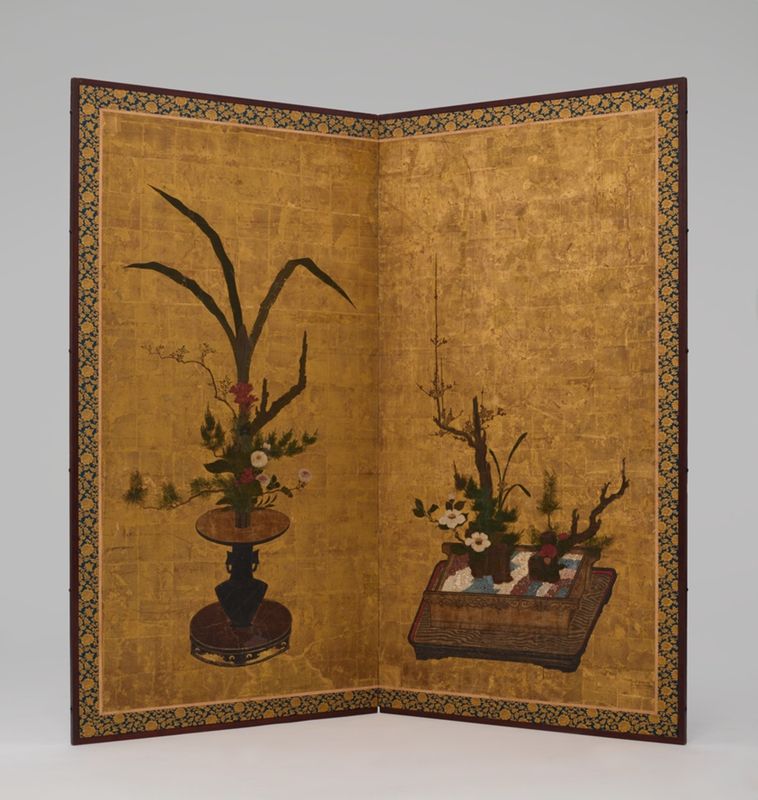
Flower Arrangements
Artist Unknown - The Mercat Cross, Aberdeen · 1595 · Art Institute of Chicago
 Same era · 1570s–1600s
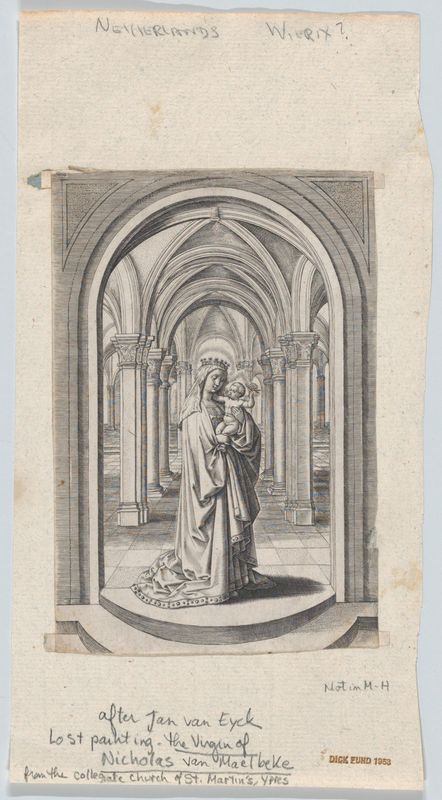
Virgin and Child in a Church, also known as the Van Maelbeke Virgin
Wierix · 1575 · The Metropolitan Museum of Art
 Same era · 1570s–1600s
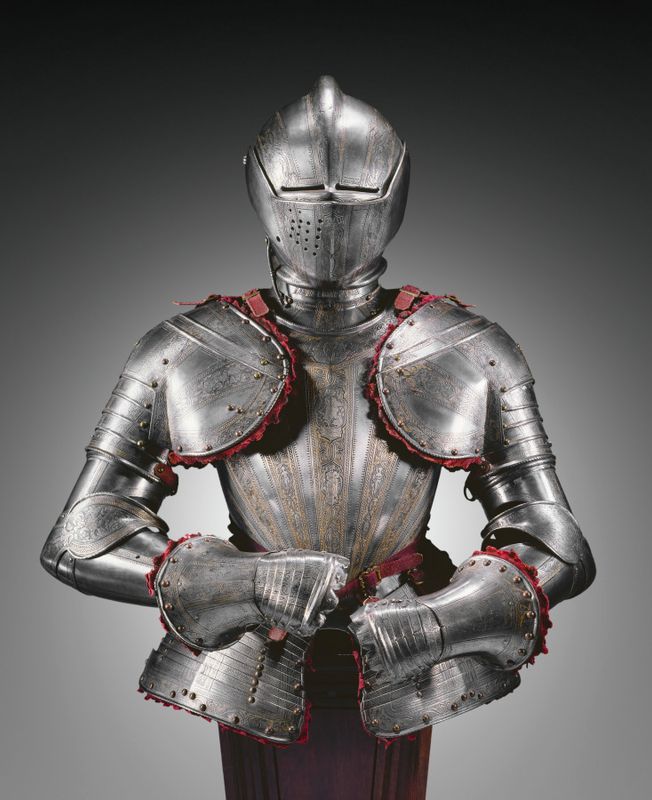
Half Armor for the Foot Tournament
Pompeo della Cesa · 1585 · Cleveland Museum of Art
 Same era · 1570s–1600s
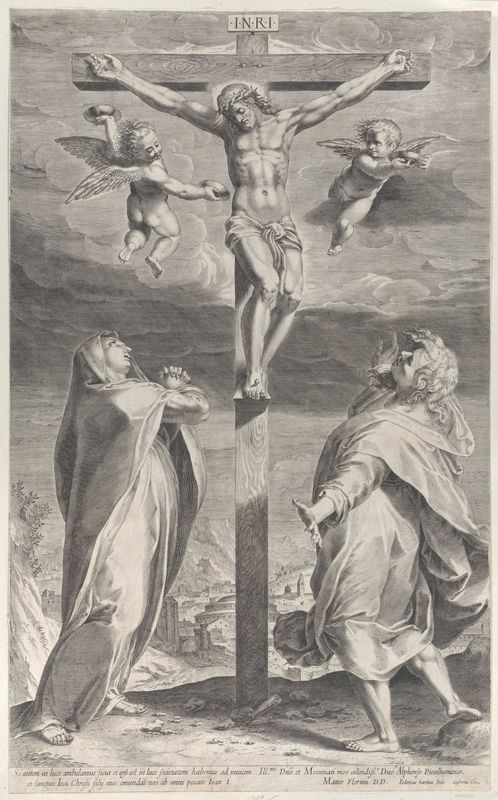
Crucifixion with the Virgin Mary and Saint John the Evangelist, angels overhead
Matteo Florimi · 1588 · The Metropolitan Museum of Art
 Same era · 1570s–1600s
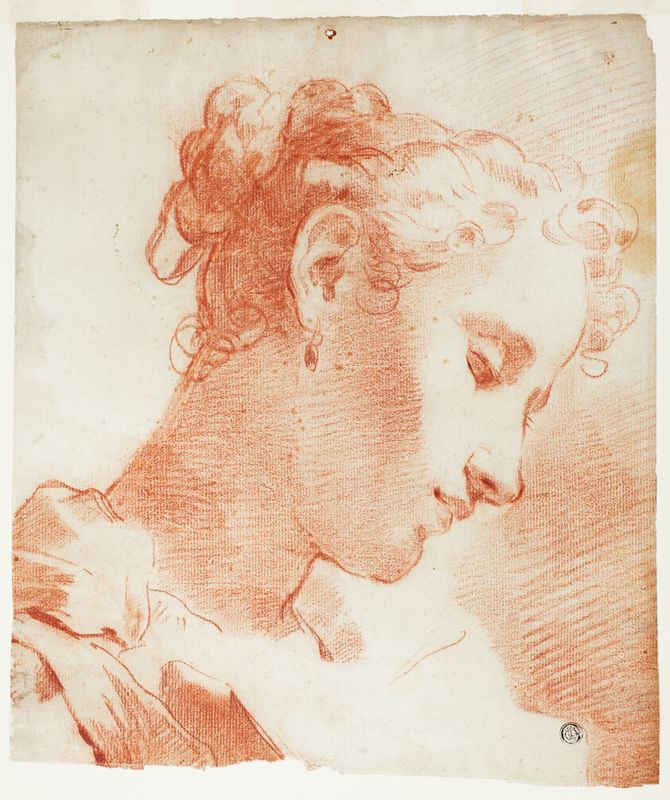
Female Head
Gaetano Gandolfi · 1592 · Art Institute of Chicago
 Same era · 1570s–1600s
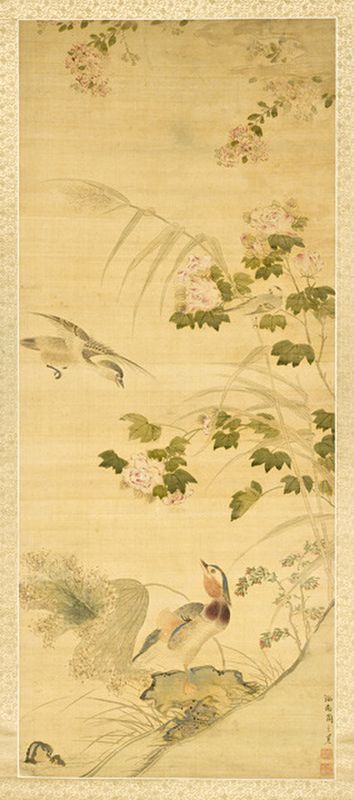
Flowers and Birds
Zhou Zhimian · 1595 · Los Angeles County Museum of Art
 Same era · 1570s–1600s
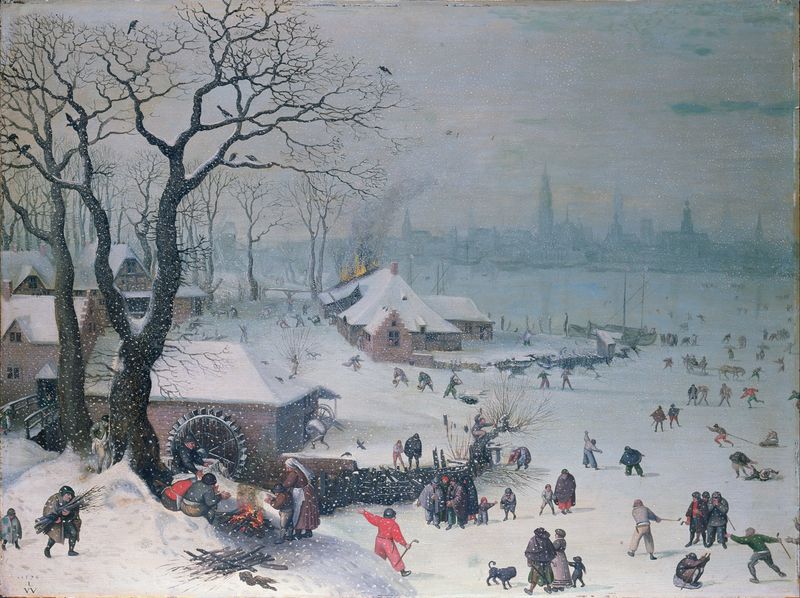
Winter Landscape with Snowfall near Antwerp
Lucas van Valckenborch · 1575 · Städel Museum
 Same era · 1570s–1600s
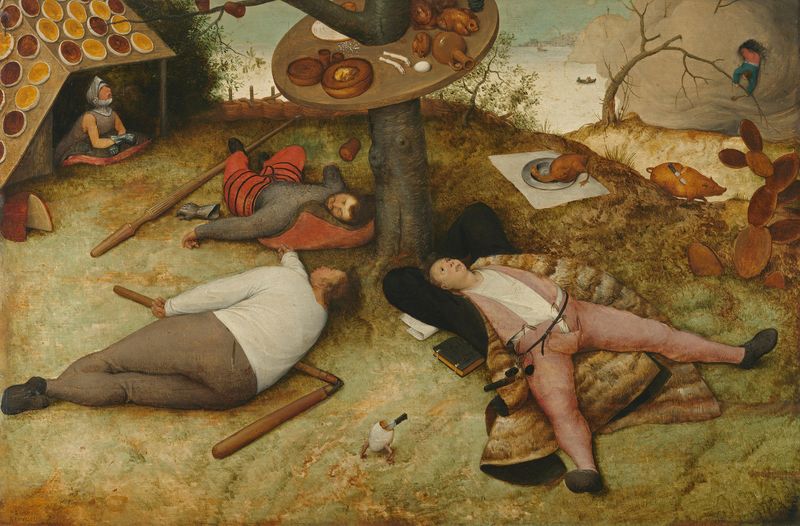
The Land of Cockaigne
Pieter Bruegel the Elder · 1570 · The Metropolitan Museum of Art
 Same era · 1570s–1600s
The Virgin and Child with Saint Anne
Georges de La Tour · 1600 · The Metropolitan Museum of Art