
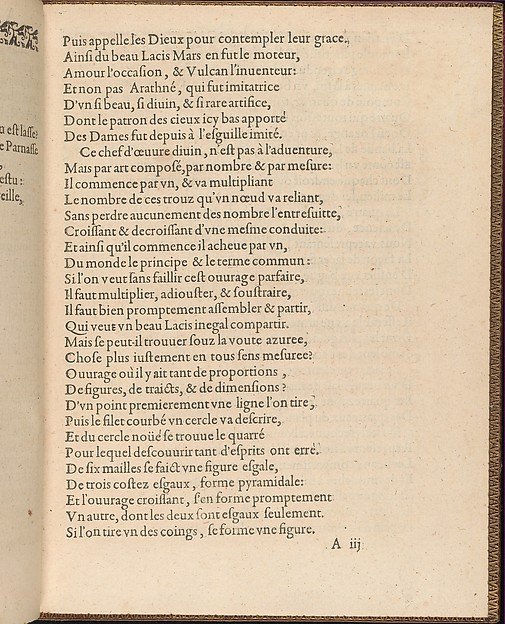
“Step back in time to 1605 with this intricate woodcut, a page from an early needlework instruction book. It's a fascinating look at how textile patterns were taught and shared centuries ago, revealing the artistry behind everyday skills.”
This woodcut, "La Pratique de l'Aiguille, page 3 (recto)," offers a glimpse into the intricate world of needlework instruction from the early 17th century. The page presents a series of delicate, repeating patterns, each designed to guide the hand in creating specific stitches and motifs. Looking closely, you can see how the lines are crisp and precise, a testament to the skill involved in carving the woodblock itself. These patterns weren't just decorative; they served as practical templates for embroiderers, providing the foundational knowledge for everything from simple seams to elaborate adornments. The book from which this page comes was essentially a pattern book, a crucial tool for both professional artisans and women learning domestic skills. It highlights the importance of textiles and decorative arts in daily life during this period, demonstrating how such designs were disseminated and practiced.
- Artist
- Matthias Mignerak
- Date
- 1605
- Medium
- Woodcut
- Location
- The Metropolitan Museum of Art
- Dimensions
- Overall: 9 1/4 x 7 1/16 in. (23.5 x 18 cm)
- Collection
- Drawings and Prints
- Credit line
- Rogers Fund, 1920
What to Notice
Four details hide in plain sight. Here’s where to look.
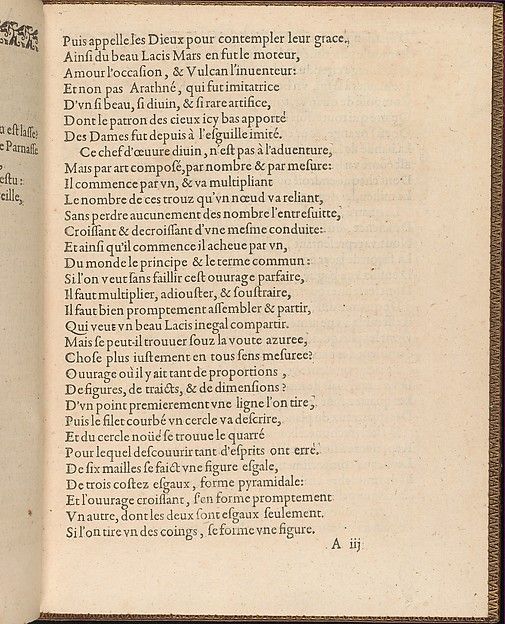
Observe the delicate, repeating floral and geometric patterns.
Notice the precise, clean lines, characteristic of woodcut printing.
Imagine these designs being transferred onto fabric for embroidery.
See how the patterns are arranged for easy instruction and practice.
Stand in front of it and listen
The full narration walks you through La Pratique de l'Aiguille, page 3 (recto) — the story behind it, the details most visitors miss, and why it matters. Free in the Art Whisper app.
Matthias Mignerak
Matthias Mignerak's 1605 pattern book 'La Pratique de l'Aiguille' put fine needlework into the hands of everyday embroiderers.
Further Works by Mignerak
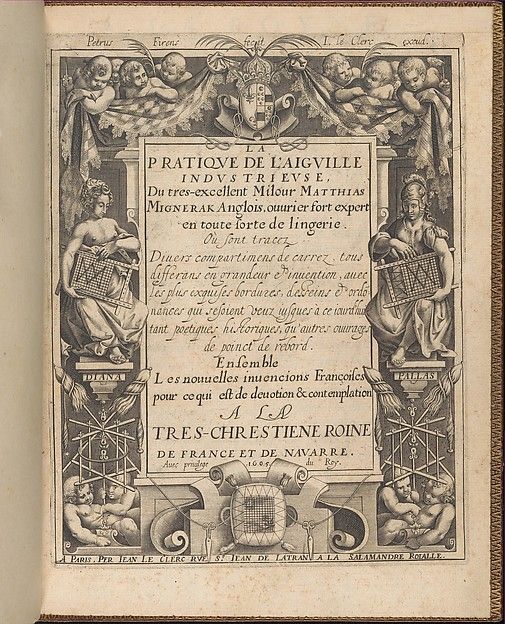 La Pratique de l'Aiguille
1605 · The Metropolitan Museum of Art
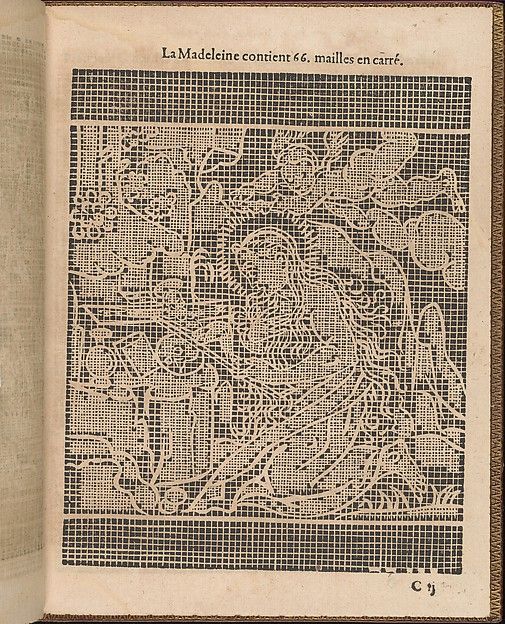 La Pratique de l'Aiguille, page 10 (recto)
1605 · The Metropolitan Museum of Art
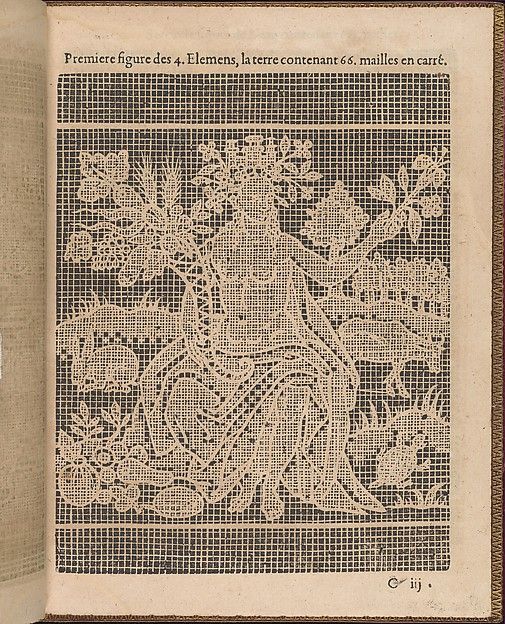 La Pratique de l'Aiguille, page 11 (recto)
1605 · The Metropolitan Museum of Art
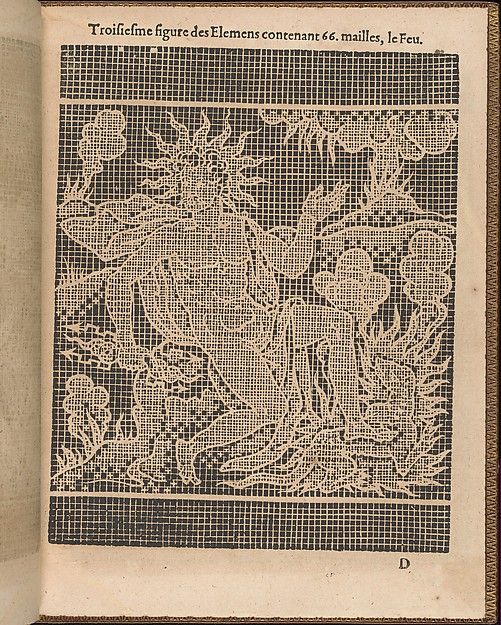 La Pratique de l'Aiguille, page 12 (recto)
1605 · The Metropolitan Museum of Art
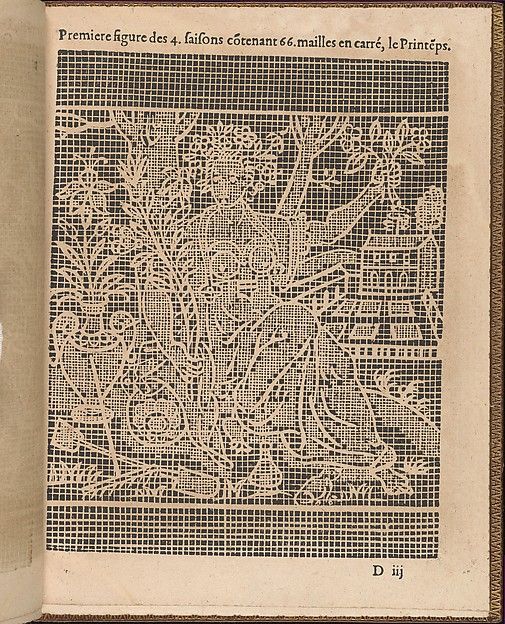 La Pratique de l'Aiguille, page 14 (recto)
1605 · The Metropolitan Museum of Art
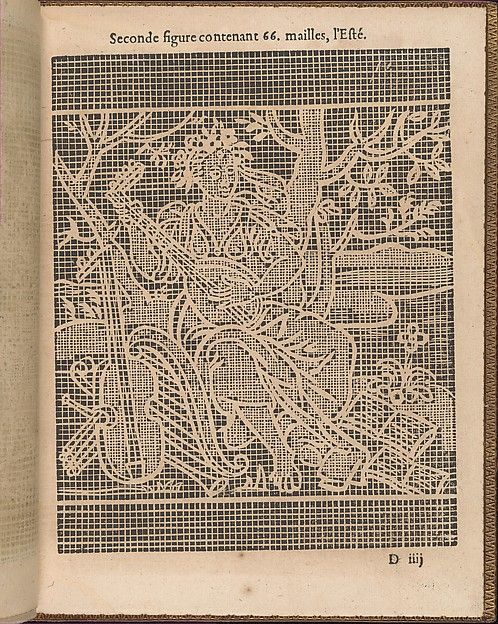 La Pratique de l'Aiguille, page 15 (recto)
1605 · The Metropolitan Museum of Art
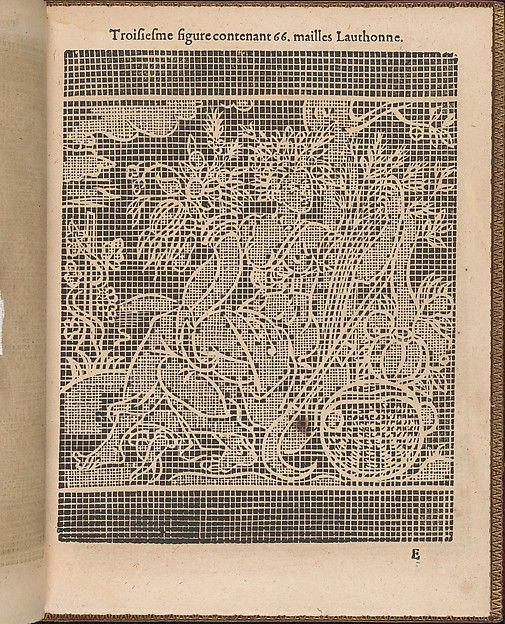 La Pratique de l'Aiguille, page 16 (recto)
1605 · The Metropolitan Museum of Art
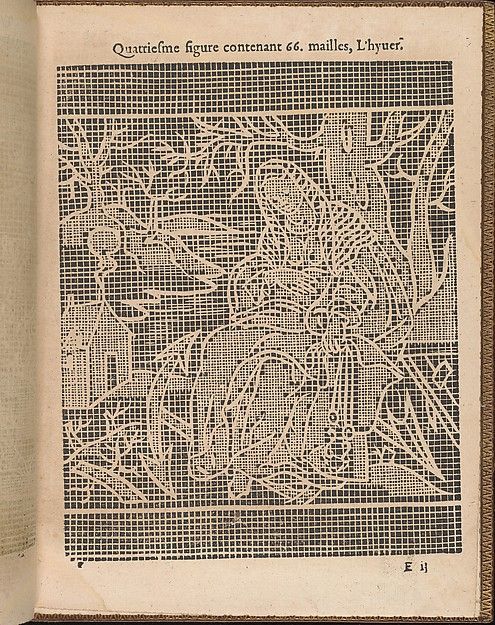 La Pratique de l'Aiguille, page 17 (recto)
1605 · The Metropolitan Museum of Art
More works to explore
Beyond Mignerak: works from the same years.
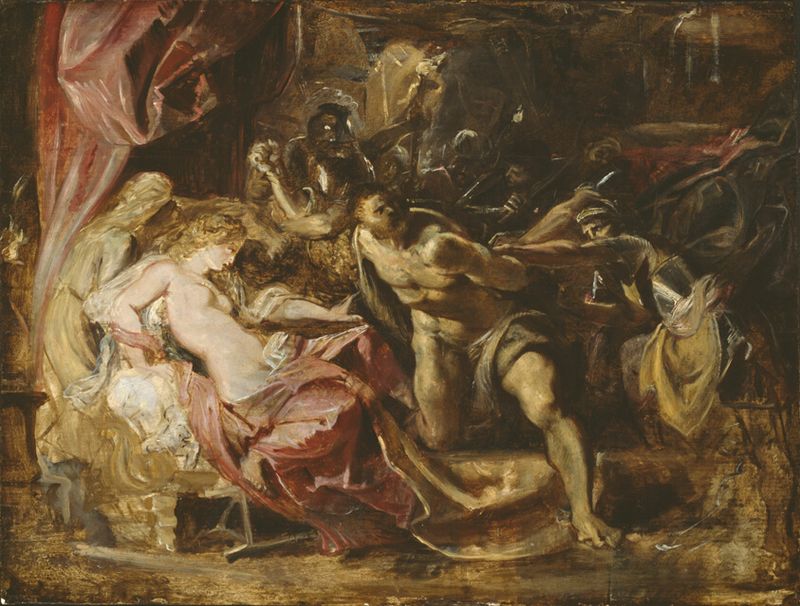 Same era · 1590s–1620s
The Capture of Samson
Peter Paul Rubens · 1609 · Art Institute of Chicago
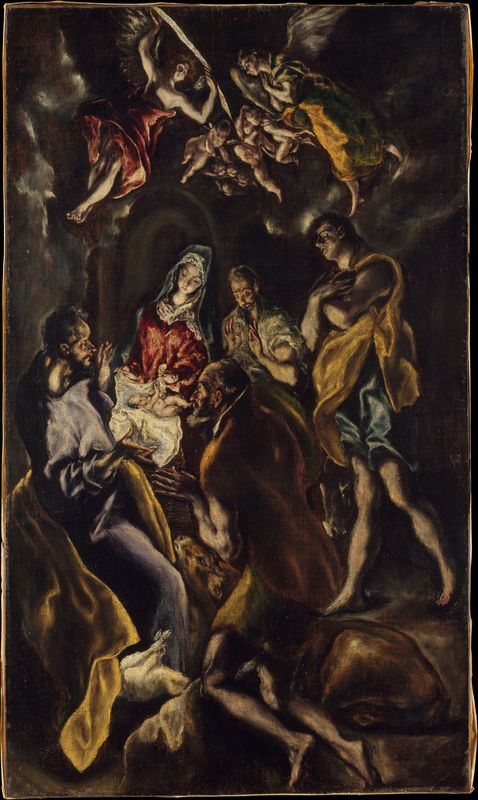 Same era · 1590s–1620s
The Adoration of the Shepherds
El Greco · 1610
 Same era · 1590s–1620s
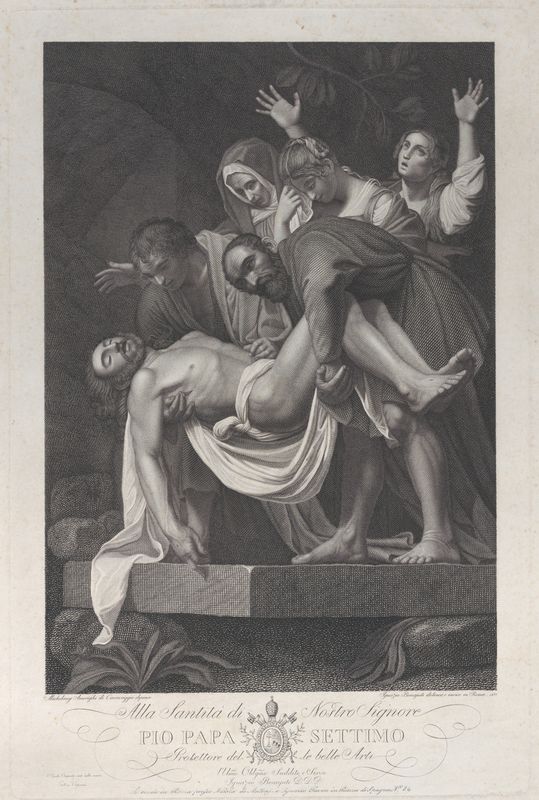
The Entombment of Christ
Caravaggio · 1600 · Pinacoteca Vaticana
 Same era · 1590s–1620s
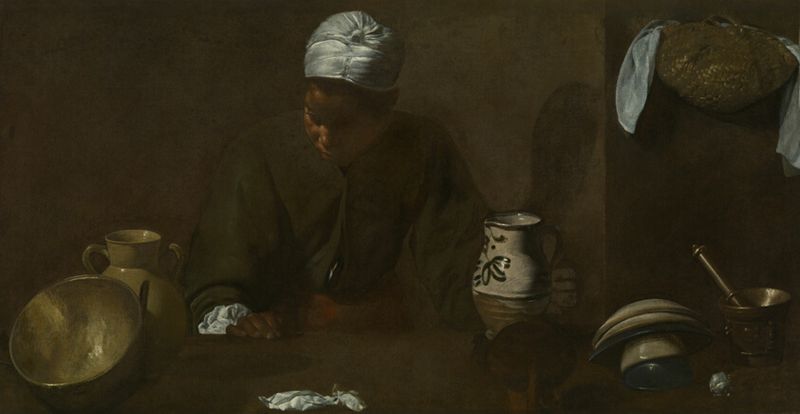
Kitchen Scene
Diego Velázquez · 1618 · Art Institute of Chicago
 Same era · 1590s–1620s
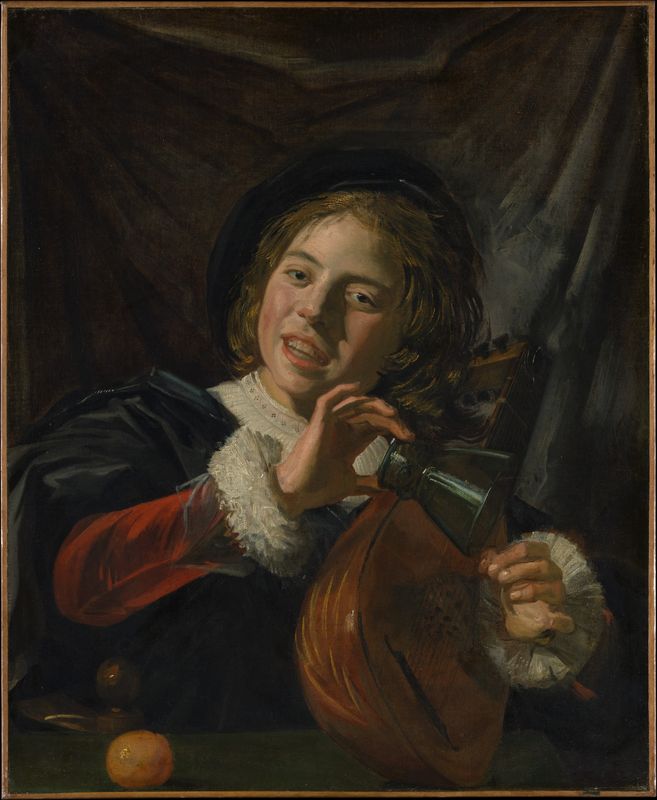
Boy with a Lute
Frans Hals · 1620 · The Metropolitan Museum of Art
 Same era · 1590s–1620s
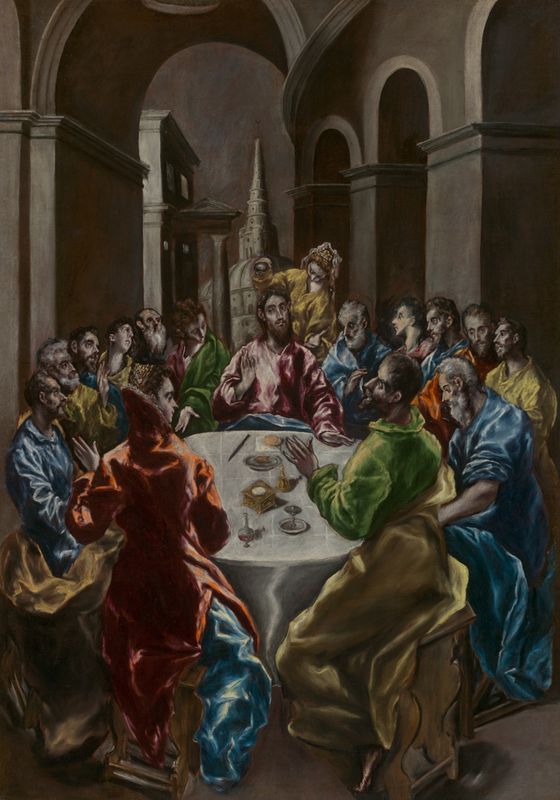
The Feast in the House of Simon
El Greco (Doménikos Theotokópoulos) and workshop · 1608 · Art Institute of Chicago
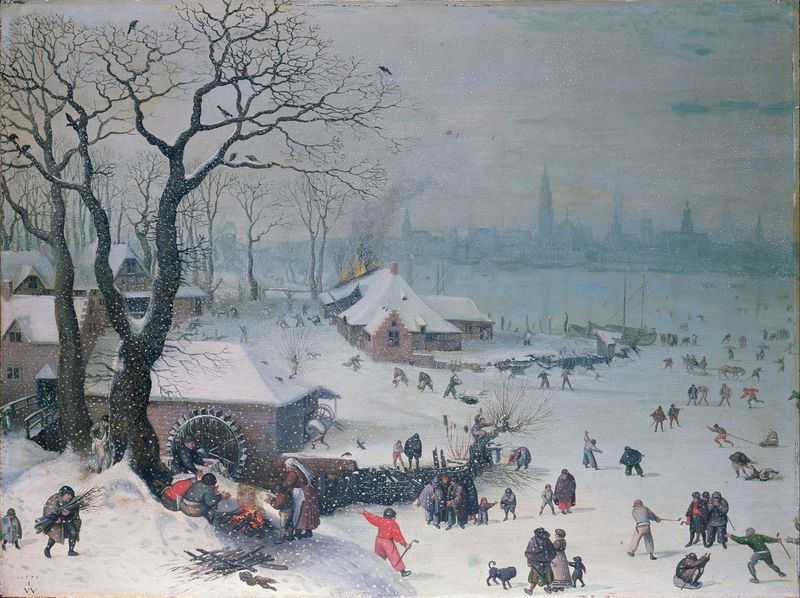 Same era · 1590s–1620s
Winter Landscape with Snowfall near Antwerp
Jan Brueghel the Elder · 1610
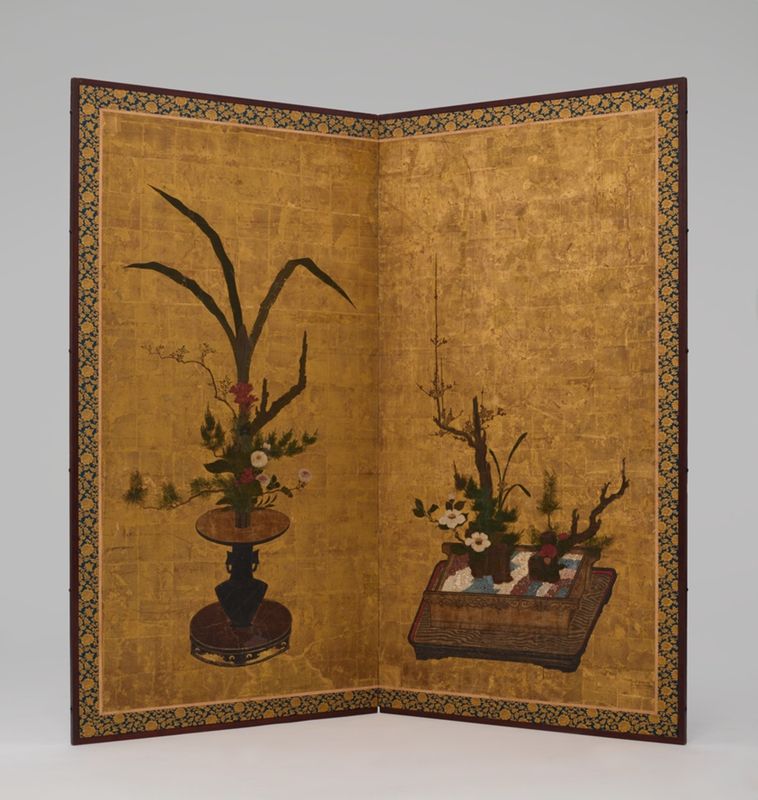 Same era · 1590s–1620s
Flower Arrangements
Artist Unknown - The Mercat Cross, Aberdeen · 1595 · Art Institute of Chicago
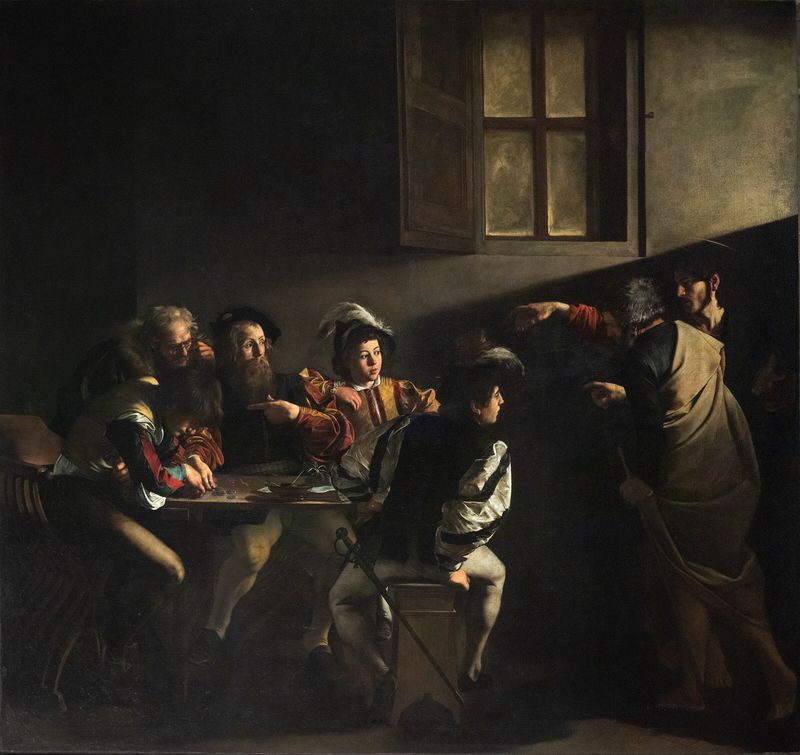 Same era · 1590s–1620s
The Calling of Saint Matthew
Hendrick ter Brugghen · 1609 · Museum of Fine Arts, Budapest
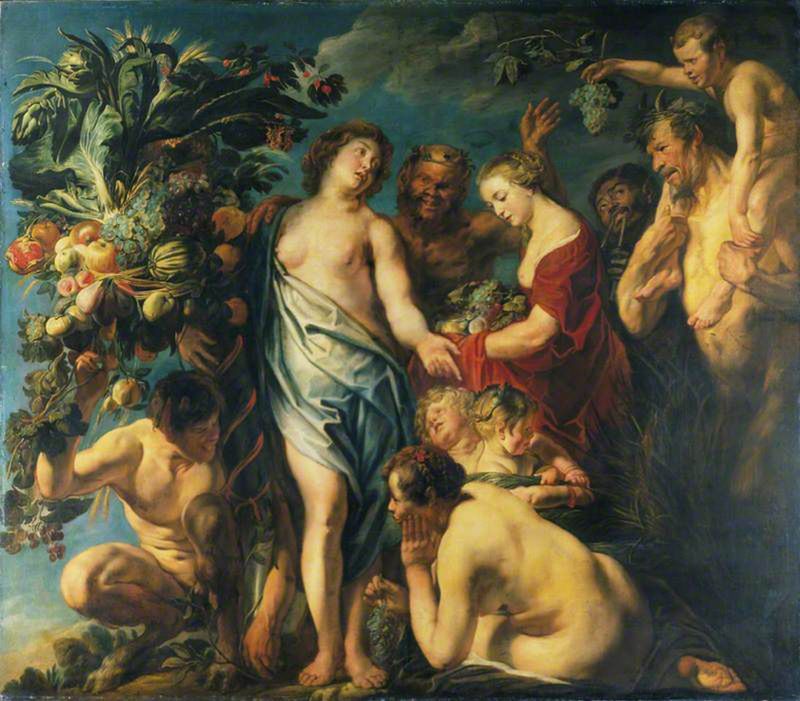 Same era · 1590s–1620s
An Allegory of Fruitfulness
Jacob Jordaens · 1620 · Wallace Collection
 Same era · 1590s–1620s
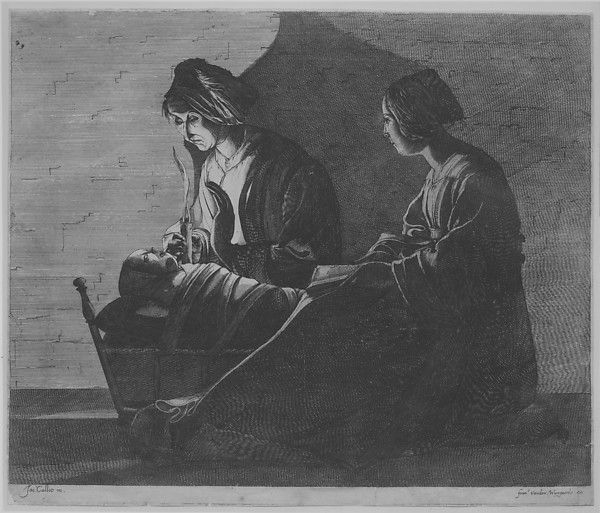
The Virgin and Child with Saint Anne
Georges de La Tour · 1600 · The Metropolitan Museum of Art
 Same era · 1590s–1620s
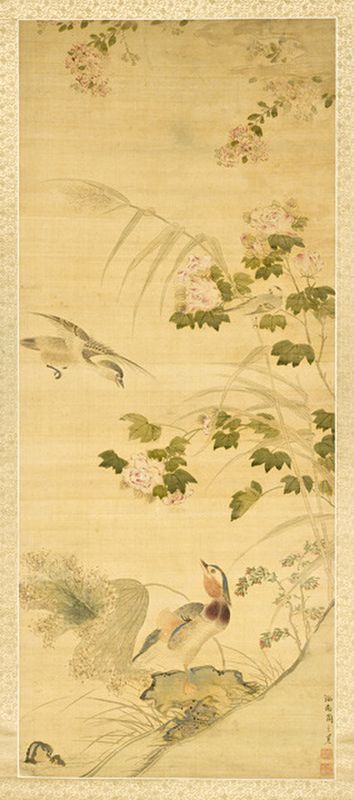
Flowers and Birds
Zhou Zhimian · 1595 · Los Angeles County Museum of Art