01
The faint smile
Look at the face, tilted slightly, with a small, gentle smile. The expression feels relaxed and natural rather than stiffly formal.
1 of 5 on the painting
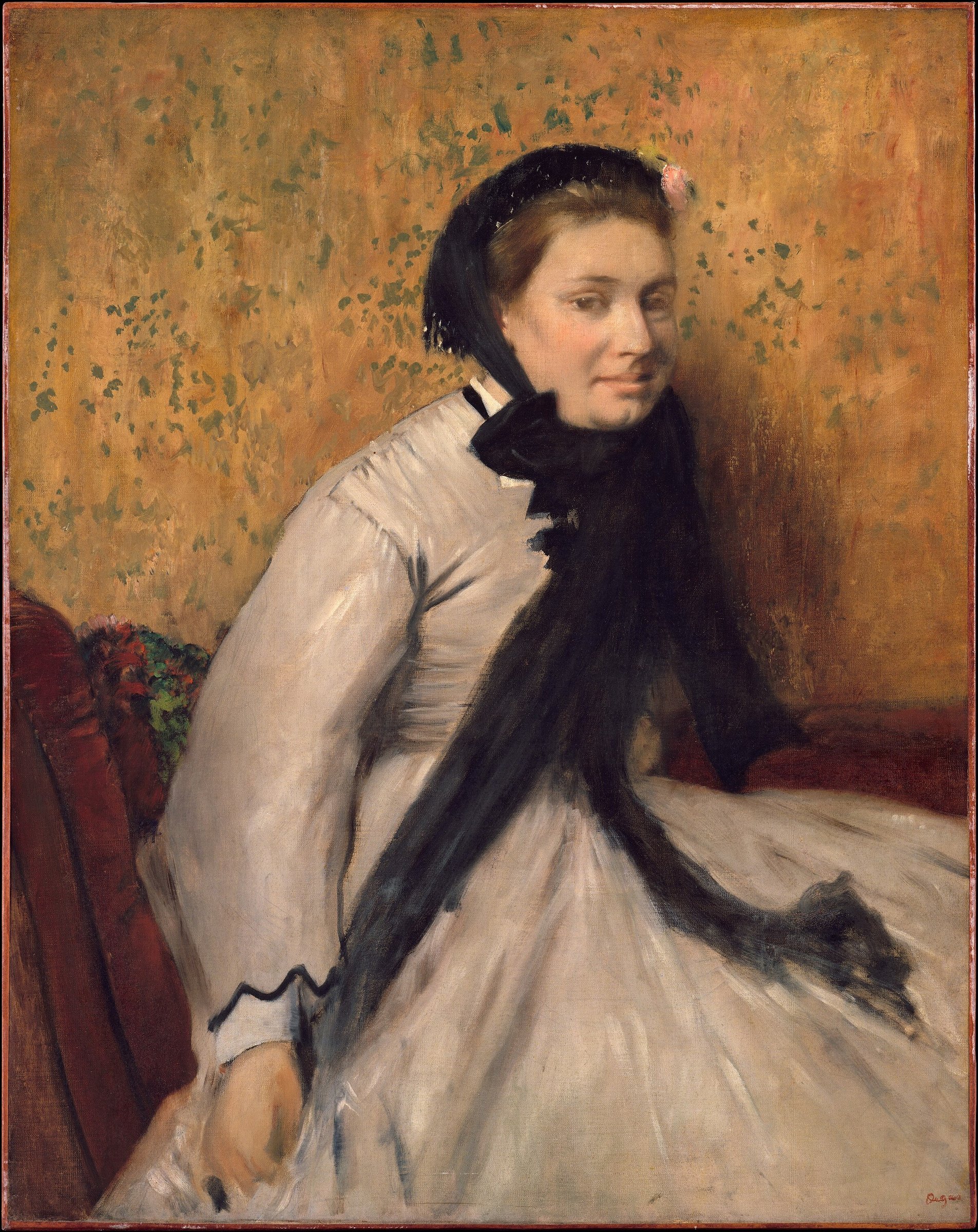
“Stop to appreciate this early, intimate portrait by Edgar Degas. It’s a quiet study of character, revealing a thoughtful gaze and a masterful use of subdued tones.”
A woman in a simple gray dress sits in quiet contemplation, her gaze directed slightly downward, away from the viewer. The subdued palette of grays, blacks, and muted browns emphasizes her introspective mood, a departure from the more vibrant scenes Degas would later explore. Painted around 1865, this portrait captures a moment of stillness, reflecting a common theme in early Impressionist-era works: the inner life of individuals. The artist’s focus here is on character and psychological depth, rendered through subtle shifts in tone and precise brushwork that define the contours of her face and the folds of her clothing. This early work showcases a sensitive approach to portraiture, hinting at the detailed observation that would characterize much of his later art.
Five details hide in plain sight. Pick one and we’ll show you exactly where to look.
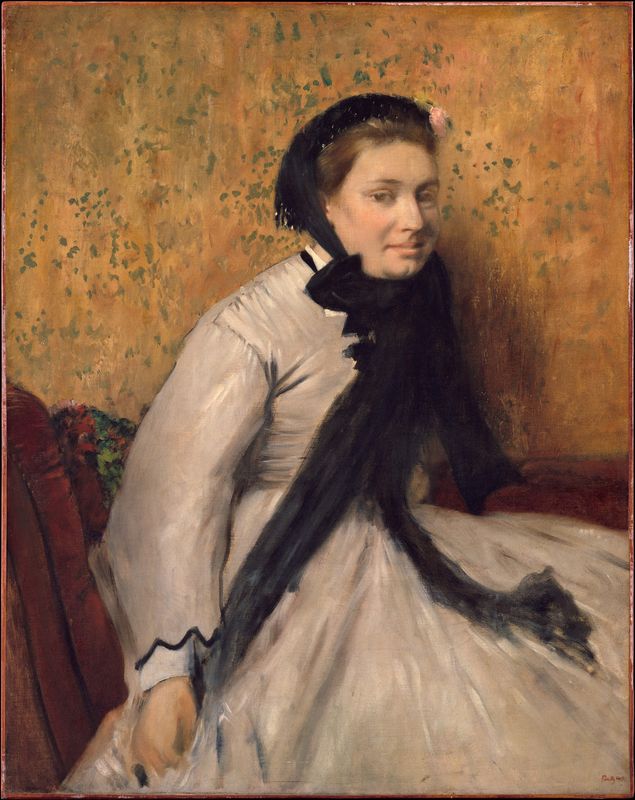
Look at the face, tilted slightly, with a small, gentle smile. The expression feels relaxed and natural rather than stiffly formal.
Follow the dark scarf as it streams down across the dress. Loose, fast strokes with frayed edges make it feel like it is still moving.
Her body angles to our left while her head turns back toward us. This slight twist adds a sense of attention to the quiet seated figure.
The wall behind her is dabbed with scattered green flecks over warm orange. It reads as patterned paper but stays hazy, so the face stands out.
Her hand at the lower left is only loosely brushed, with a dark dab near the fingers. The edge of the figure softens and dissolves into the skirt.
The full narration walks you through Portrait of a Woman in Gray — the story behind it, the details most visitors miss, and why it matters. Free in the Art Whisper app.
Captured ballet dancers and modern Parisian life in pastels with an eye as precise as a photographer's lens.
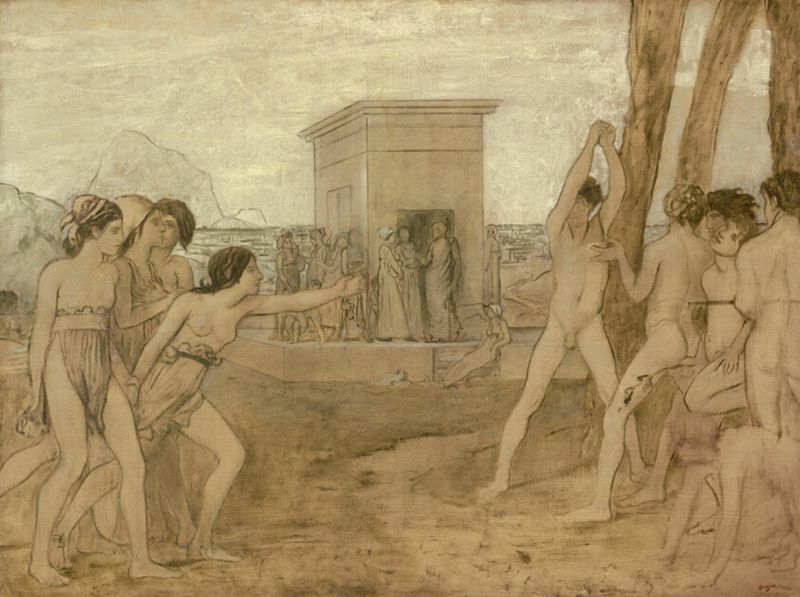 Young Spartan Girls Challenging Boys
1860 · Art Institute of Chicago
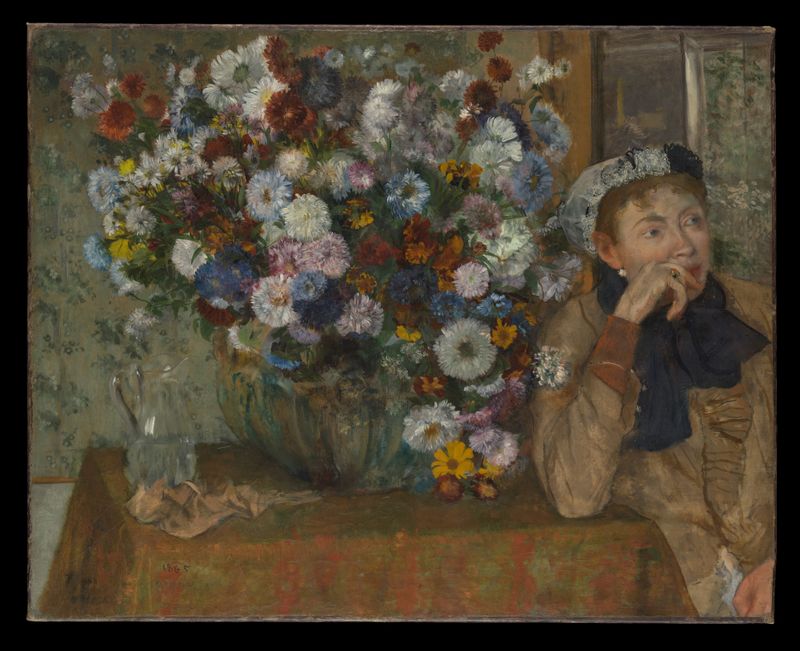 A Woman Seated beside a Vase of Flowers (Madame Paul Valpinçon?)
1865 · The Metropolitan Museum of Art
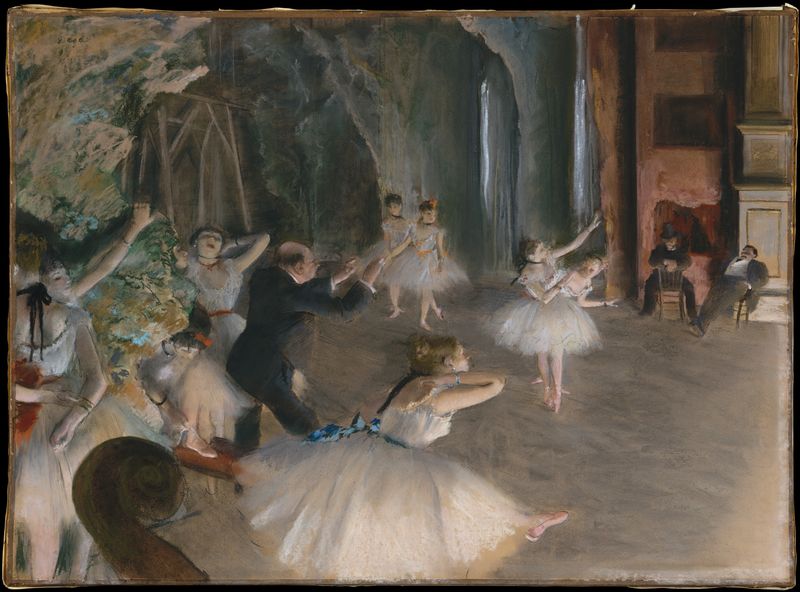 The Rehearsal Onstage
1871 · The Metropolitan Museum of Art
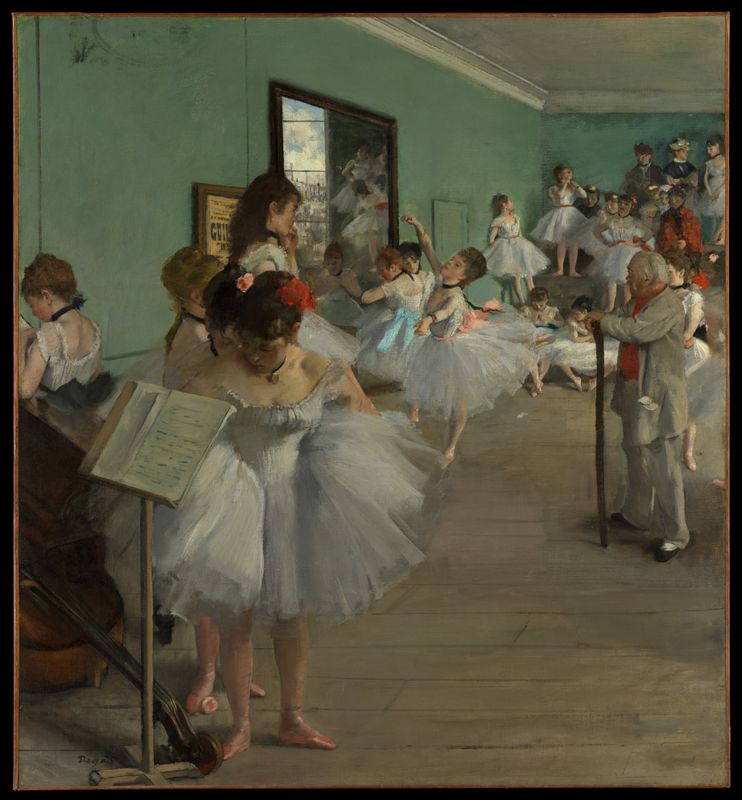 The Dance Class
1873 · National Gallery of Art
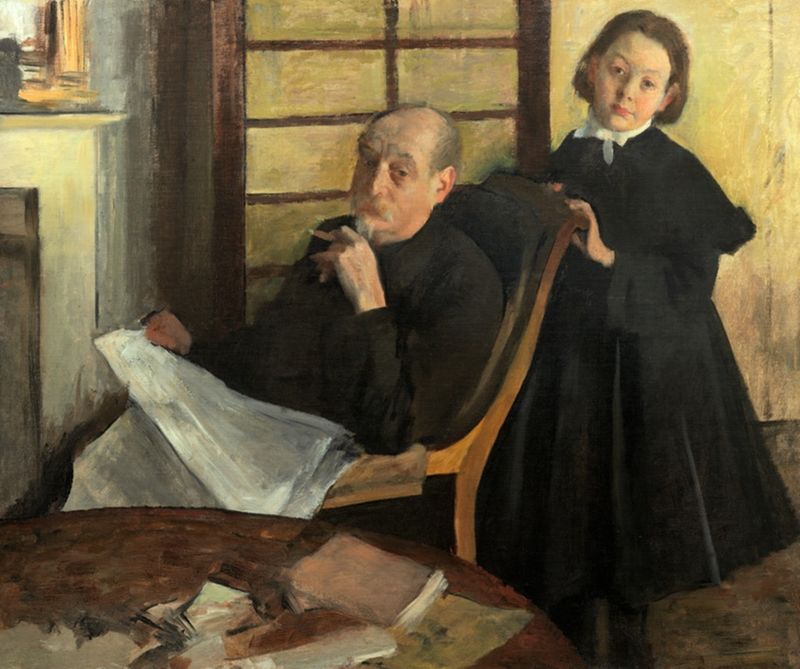 Henri Degas and His Niece Lucie Degas (The Artist's Uncle and Cousin)
1875 · Art Institute of Chicago
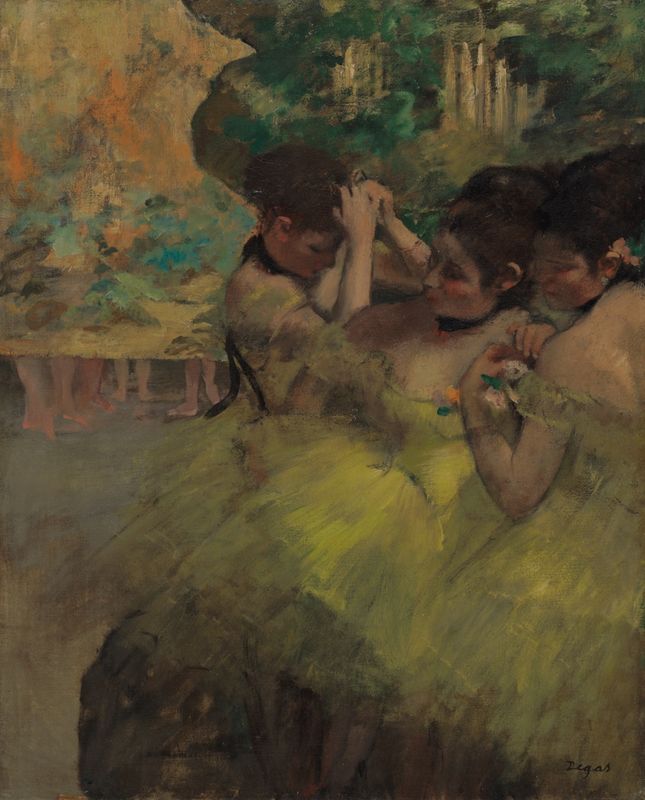 Yellow Dancers (In the Wings)
1875 · Art Institute of Chicago
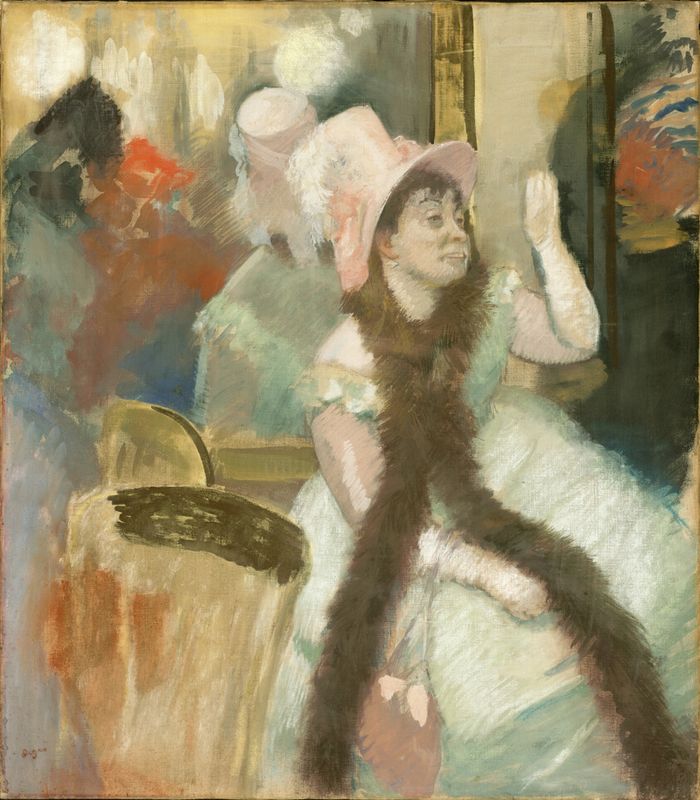 Portrait after a Costume Ball (Portrait of Madame Dietz-Monnin)
1877 · Art Institute of Chicago
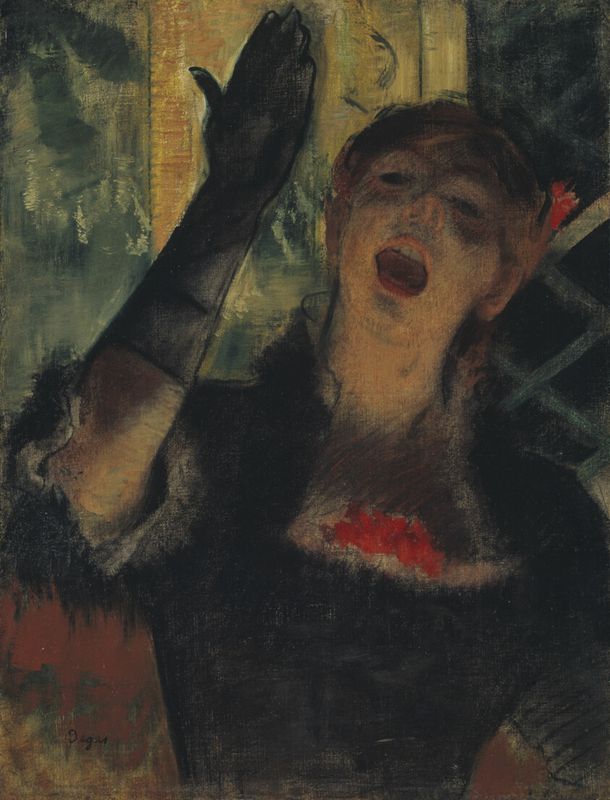 Café Singer
1879 · Art Institute of Chicago
Beyond Degas and Impressionism: works from the same years.
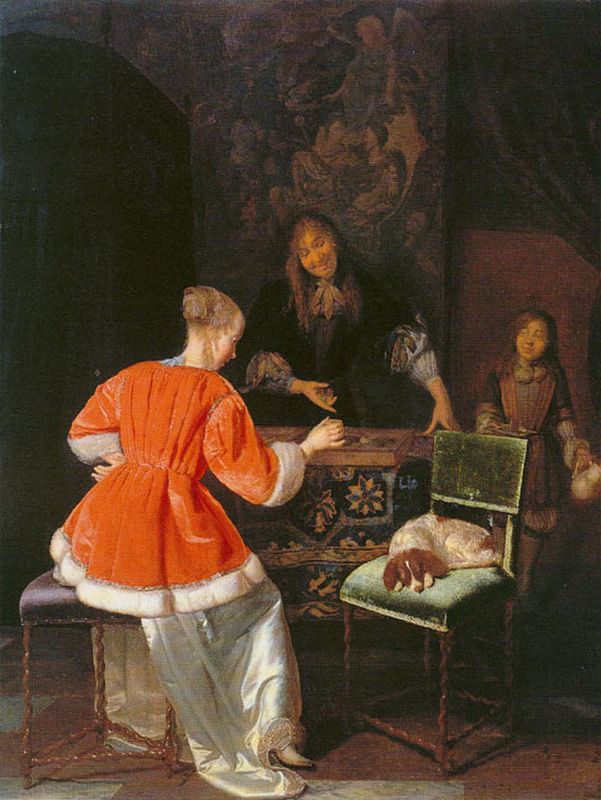 Same era · 1850s–1880s
The Backgammon Players
Philip Webb · 1861 · The Metropolitan Museum of Art
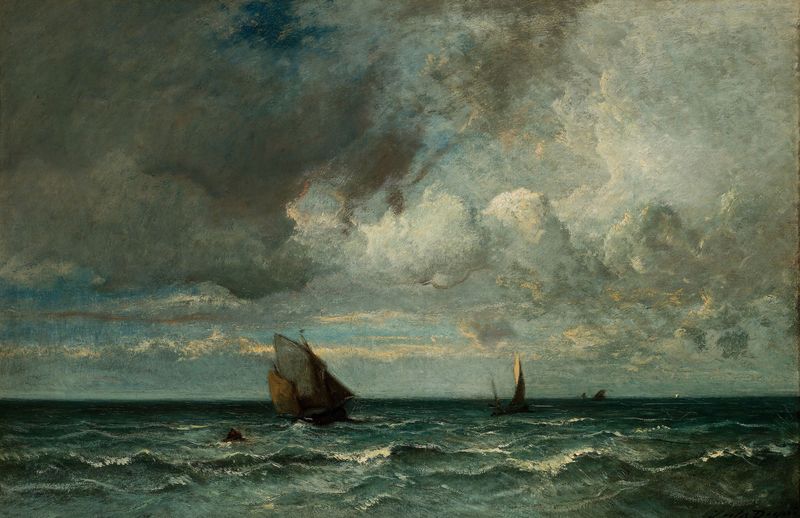 Same era · 1850s–1880s
Barks Fleeing Before the Storm
Léon-Victor Dupré · 1870 · Art Institute of Chicago
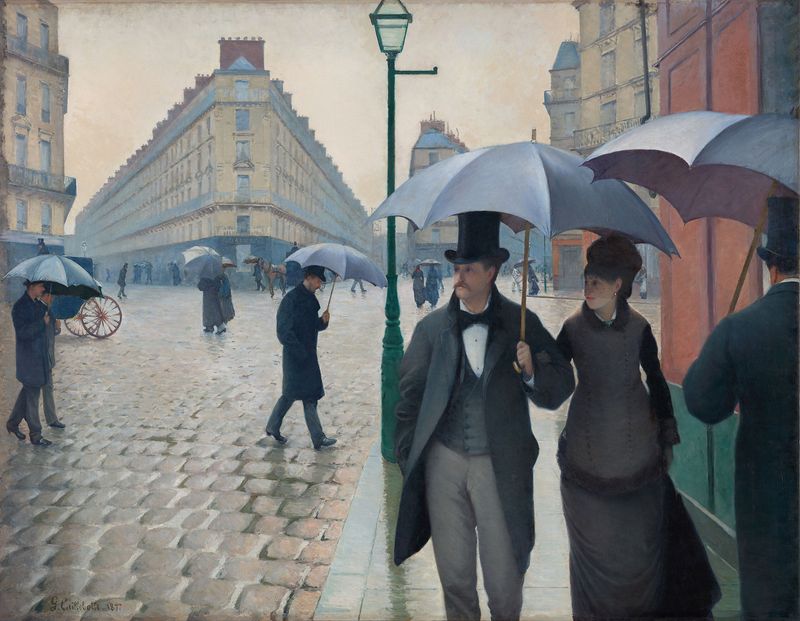 Same era · 1850s–1880s
Paris Street; Rainy Day
Kawabata Gyokushō · 1877 · Art Institute of Chicago
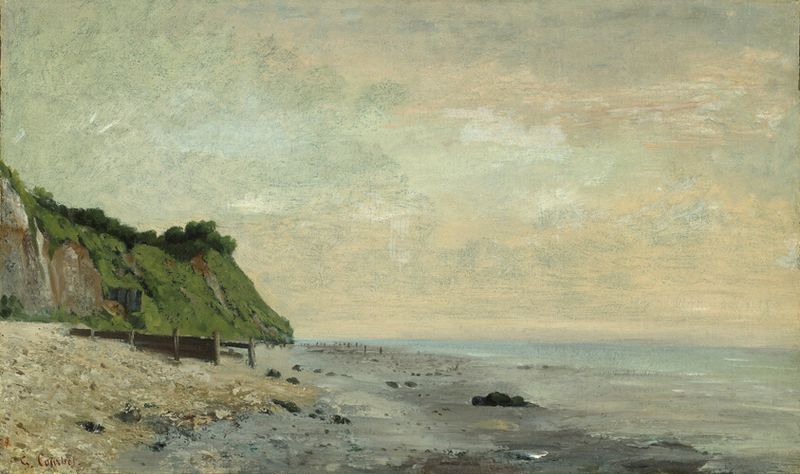 Same era · 1850s–1880s
Cliffs on the Sea Coast: Small Beach, Sunrise (Falaise au bord de la mer, vu Petite Plage, soleil levant)
Gustave Courbet · 1865 · Art Institute of Chicago
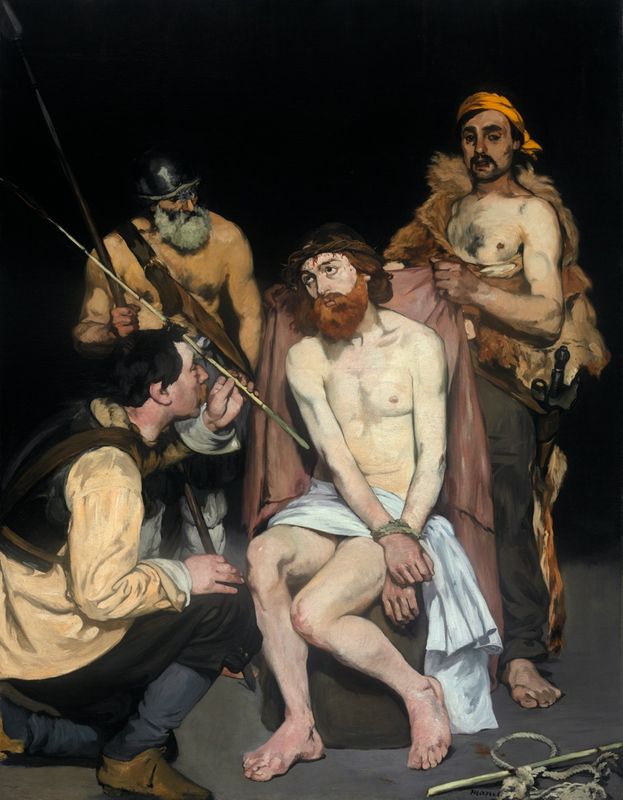 Same era · 1850s–1880s
Jesus Mocked by the Soldiers
Édouard Manet · 1865 · Art Institute of Chicago
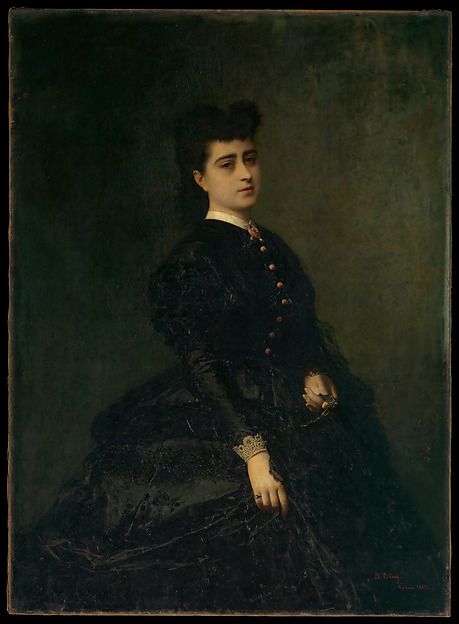 Same era · 1850s–1880s
Mirope Savati Gaye
Mariano Fortuny Marsal · 1865 · The Metropolitan Museum of Art
 Same era · 1850s–1880s
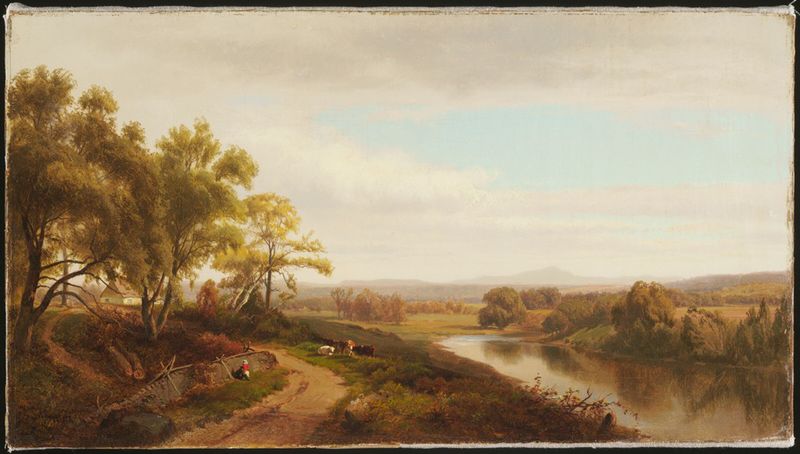
Valley of the Bedford
William Hart · 1865 · Fogg Museum
 Same era · 1850s–1880s
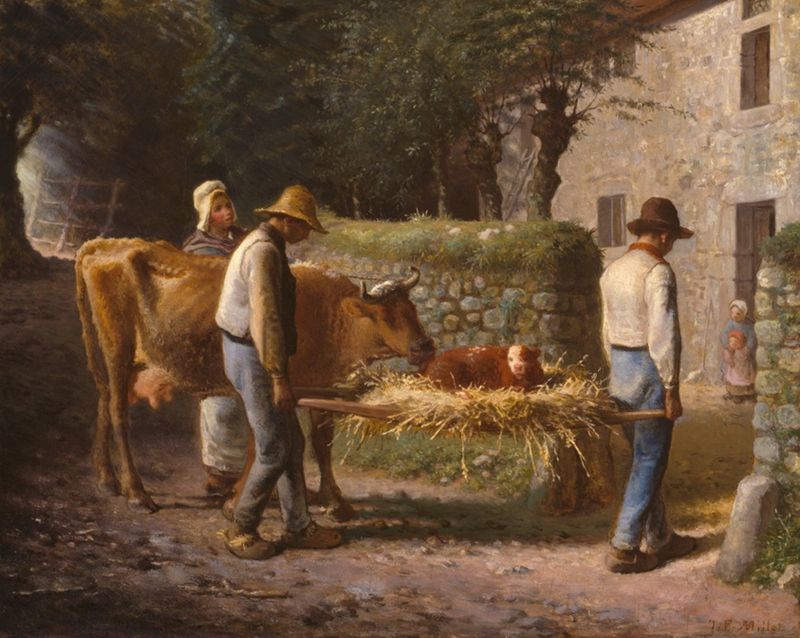
Peasants Bringing Home a Calf Born in the Fields
Jean-François Millet · 1864 · Art Institute of Chicago
 Same era · 1850s–1880s
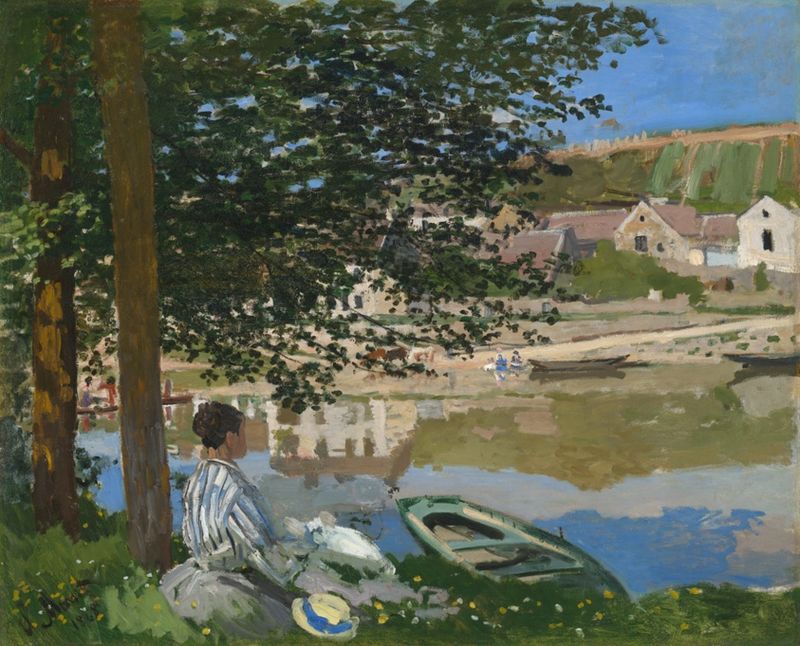
On the Bank of the Seine, Bennecourt
Claude Monet · 1868 · Art Institute of Chicago
 Same era · 1850s–1880s
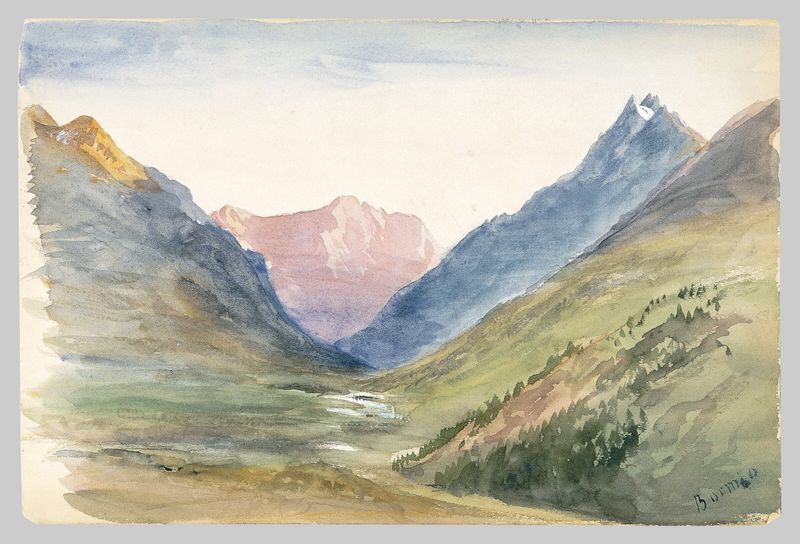
Mountain View at Bormio (from Switzerland 1869 Sketchbook)
John Singer Sargent · 1869 · The Metropolitan Museum of Art
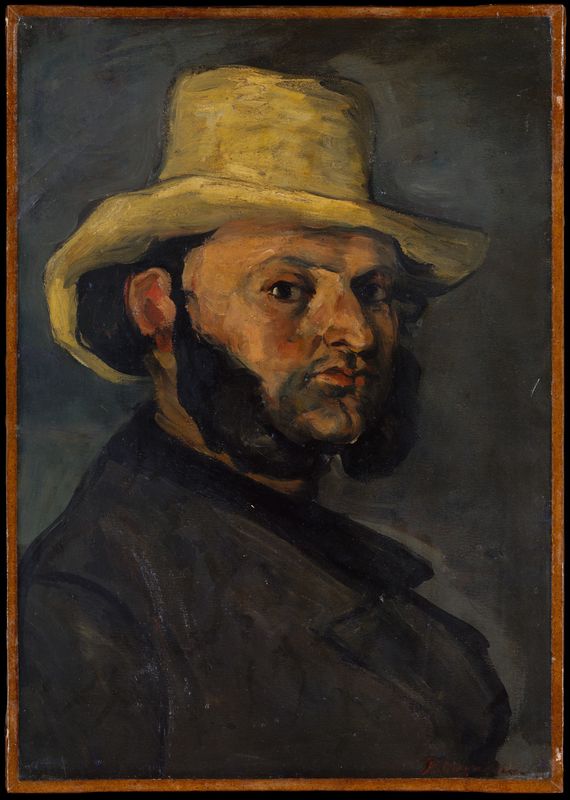 Same era · 1850s–1880s
Gustave Boyer (b. 1840) in a Straw Hat
Paul Cézanne · 1870 · The Metropolitan Museum of Art
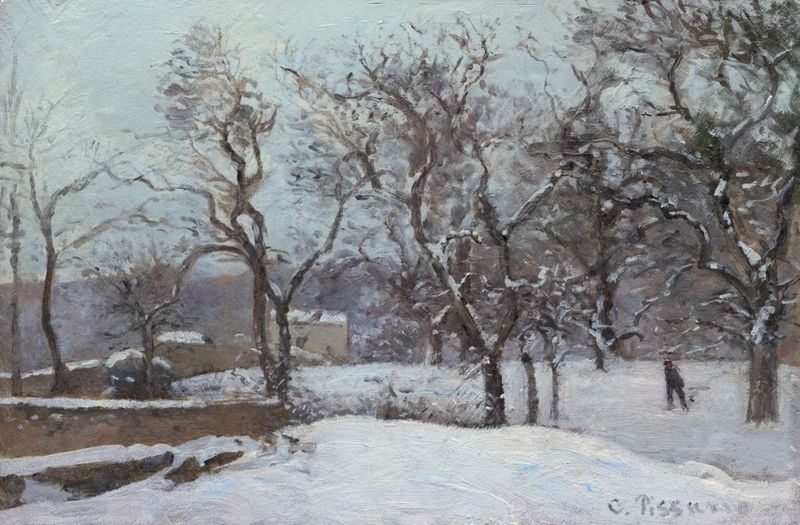 Same era · 1850s–1880s
Snow at Louveciennes
Camille Pissarro · 1870 · Art Institute of Chicago