
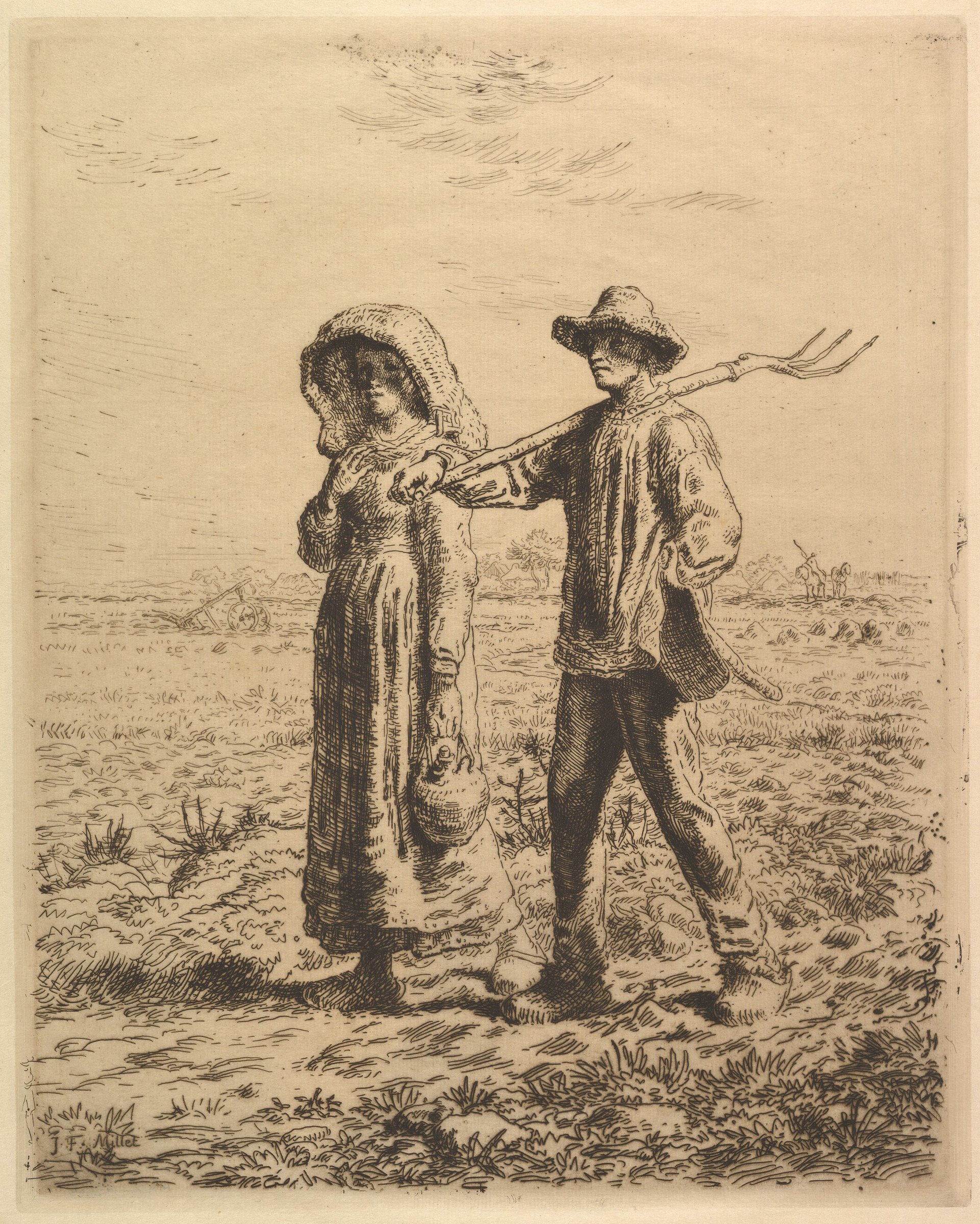
“This etching captures the quiet dignity of rural life, showing two peasants heading to work at dawn. The artist uses a low horizon and expansive sky to emphasize their connection to the land and the scale of their daily labor.”
A man and a woman walk into the distance, their backs mostly to us, silhouetted against a vast, low horizon. This etching and drypoint, created in 1863, captures a moment of quiet labor as peasants head to their fields at dawn. The artist emphasizes the human connection to the land, showing the figures as integral to the landscape itself, rather than separate from it. Their forms are solid and grounded, conveying a sense of enduring toil and dignity. The soft, warm grayish paper adds to the muted, early morning atmosphere, suggesting the cool air before the sun fully rises. The composition, with its expansive sky and deep perspective, draws the viewer into the scene, inviting contemplation of their daily journey.
- Artist
- Jean-François Millet
- Date
- 1863
- Medium
- Etching and drypoint on warm grayish wove paper
- Location
- Art Institute of Chicago
- Dimensions
- Image/plate: 38.4 × 30.8 cm (15 1/8 × 12 3/16 in.); Sheet: 45.7 × 37.2 cm (18 × 14 11/16 in.)
- Collection
- Prints and Drawings
- Culture
- France
- Credit line
- Gift of Mr. and Mrs. Martin A. Ryerson
What to Notice
Five details hide in plain sight. Here’s where to look.
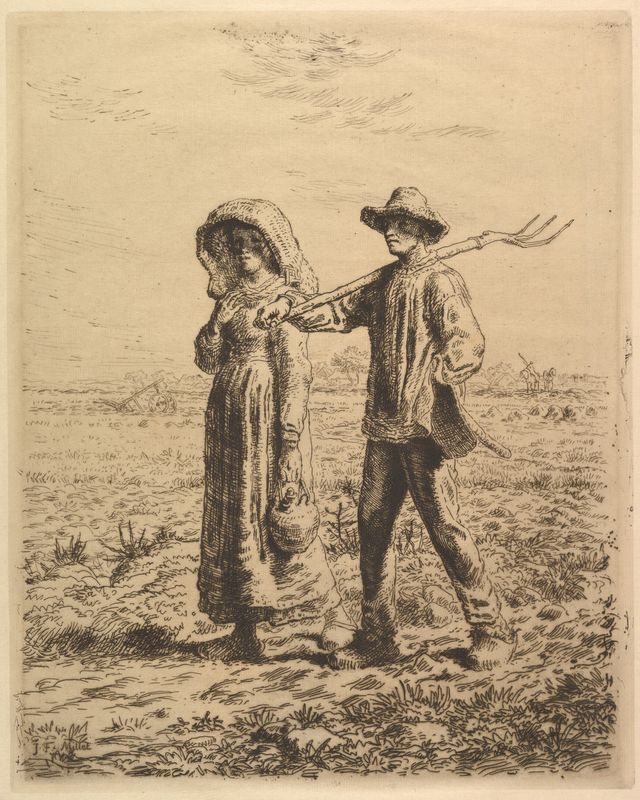
The man’s scythe, a tool of his labor, held over his shoulder.
The woman’s basket, likely containing food for the day.
The subtle texture of the drypoint lines, especially in the sky.
The faint outlines of distant trees on the horizon.
1 more detail is waiting.
See all 5 in Art Whisper →Stand in front of it and listen
The full narration walks you through Peasants Going to Work — the story behind it, the details most visitors miss, and why it matters. Free in the Art Whisper app.
Jean-François Millet
1814–1875 · FranceJean-François Millet was a French artist and one of the founders of the Barbizon school in rural France. Millet is noted for his paintings of peasant farmers and can be categorized as part of the Realism art movement. Toward the end of his career, he became increasingly interested in painting pure landscapes. He is known best for his oil paintings but is also noted for his pastels, Conté crayon drawings, and etchings.
Further Works by Millet
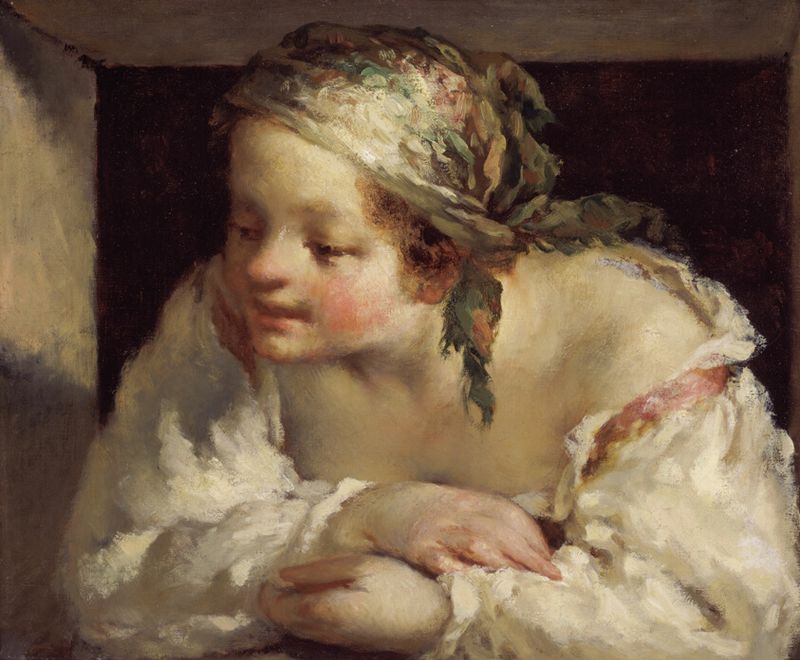 Young Woman
1844 · Art Institute of Chicago
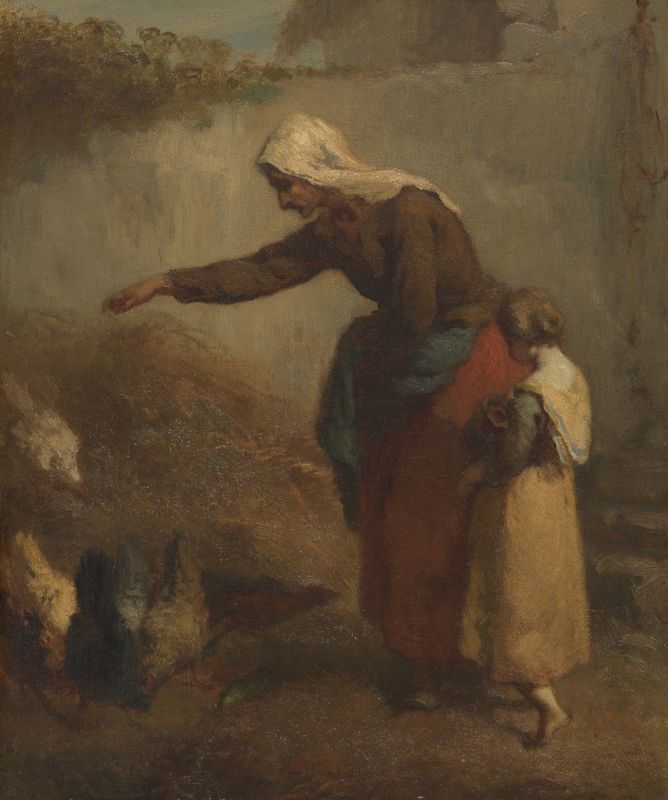 Woman Feeding Chickens
1850 · Art Institute of Chicago
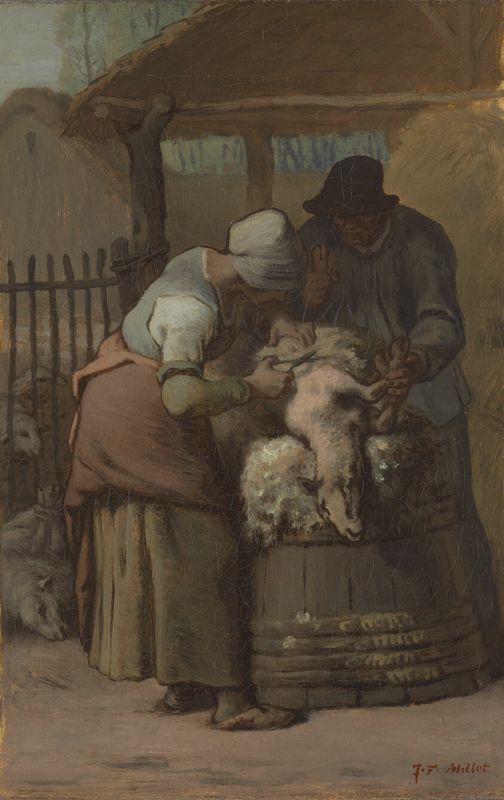 The Sheepshearers
1857 · Art Institute of Chicago
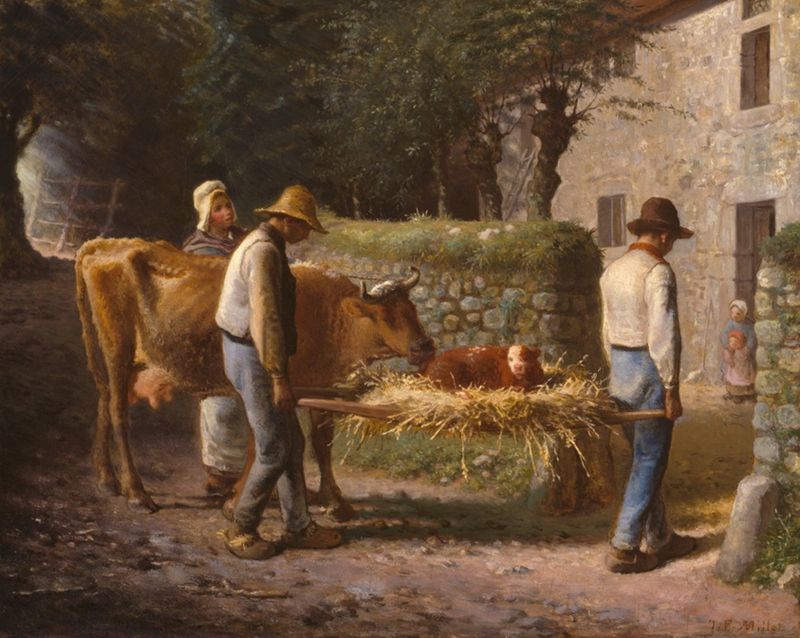 Peasants Bringing Home a Calf Born in the Fields
1864 · Art Institute of Chicago
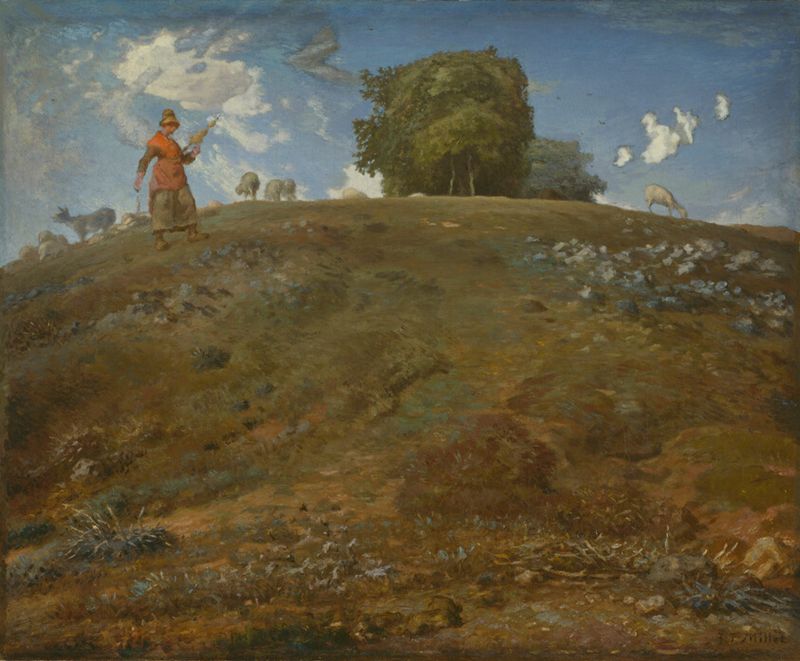 In the Auvergne
1866 · Art Institute of Chicago
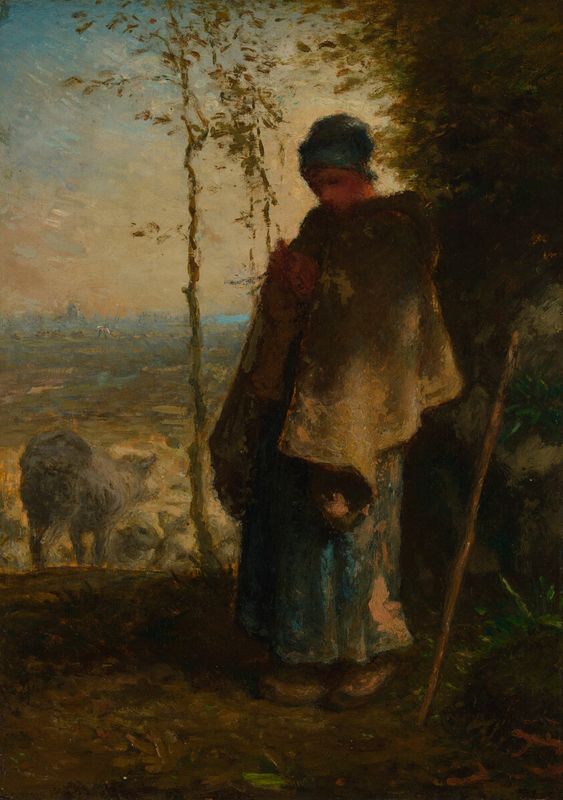 The Little Shepherdess
1870 · Art Institute of Chicago
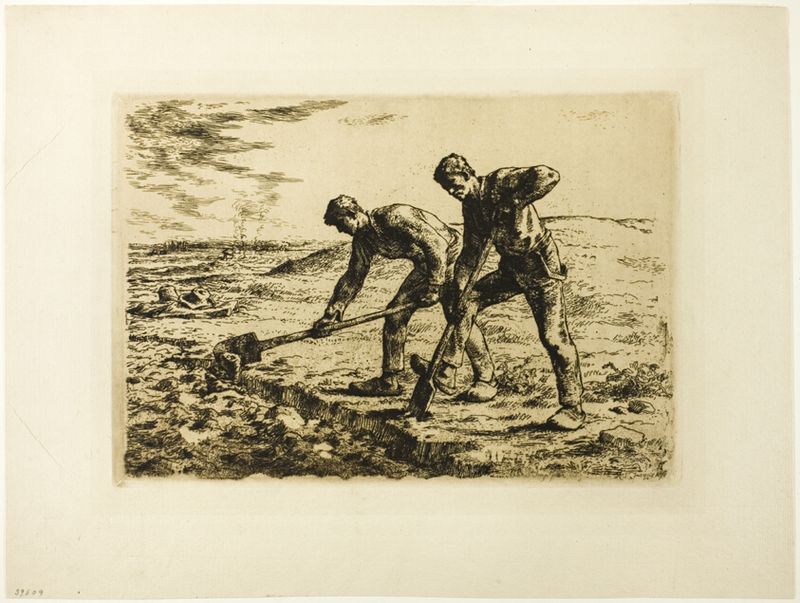 Two Men Digging
1855 · Art Institute of Chicago
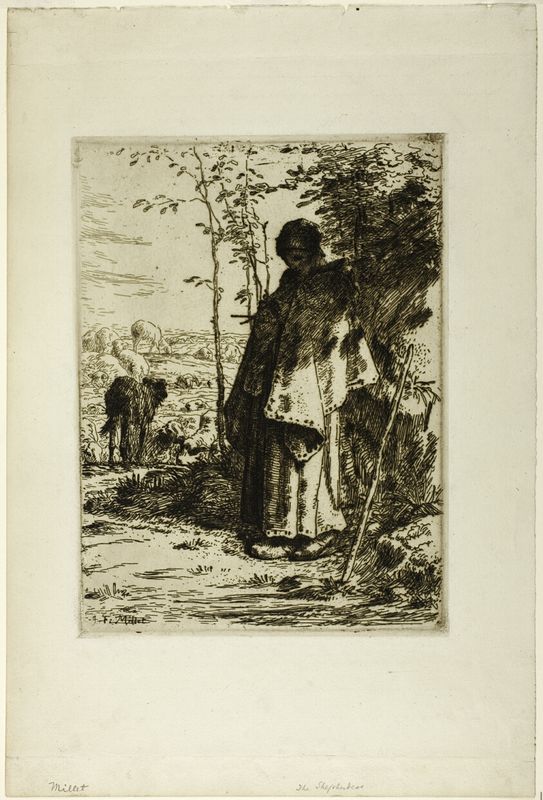 The Shepherdess Knitting
1862 · Art Institute of Chicago
More from Realism
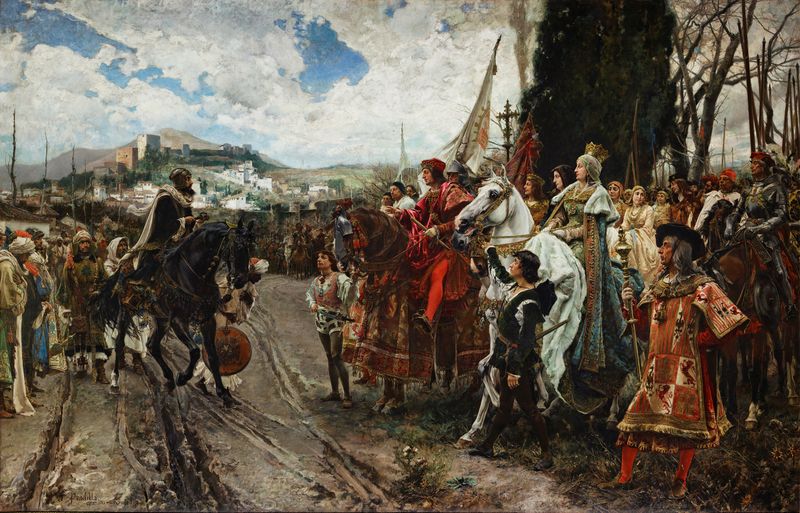
More works to explore
Beyond Millet and Realism: works from the same years, and from the other movements Peasants Going to Work belongs to.
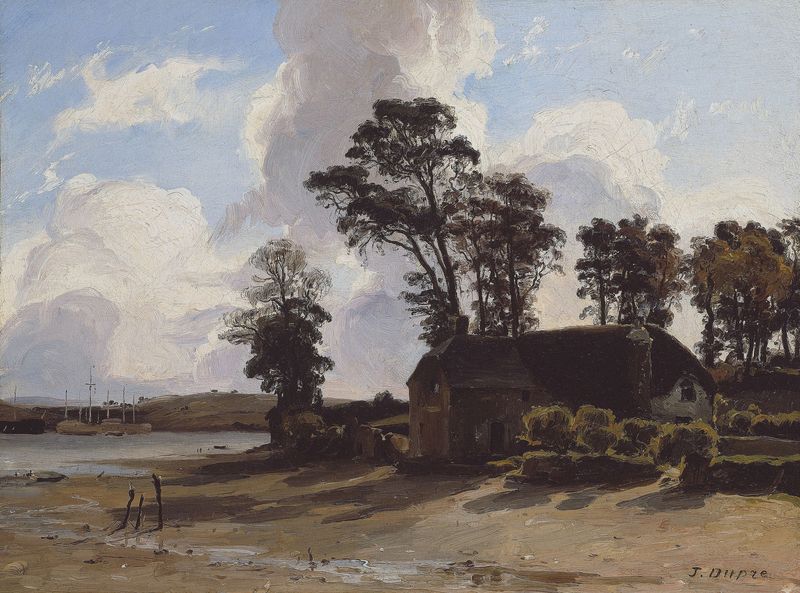 Same movement · Barbizon school
The Estuary Farm
Léon-Victor Dupré · 1831 · Art Institute of Chicago
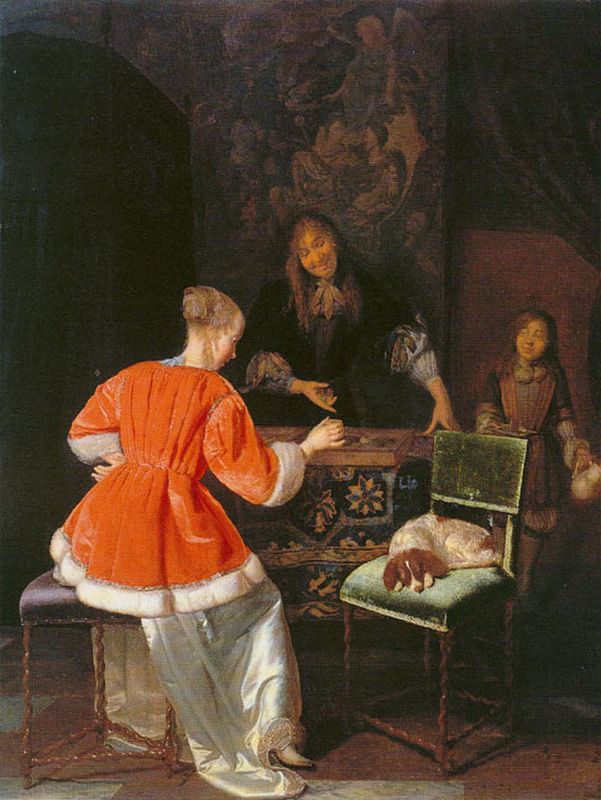 Same era · 1840s–1870s
The Backgammon Players
Philip Webb · 1861 · The Metropolitan Museum of Art
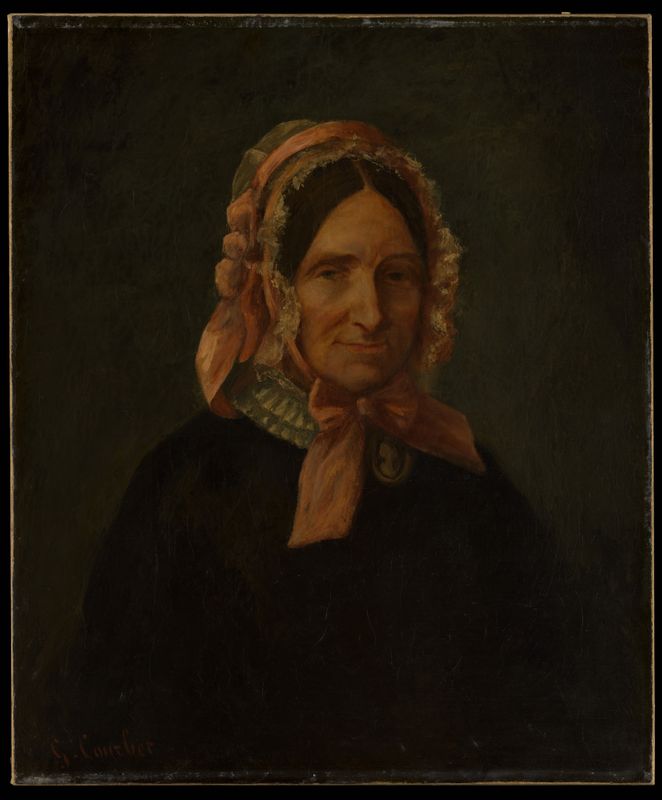 Same movement · Naturalism
Portrait of a Woman, Called Héloïse Abélard
Gustave Courbet · 1850 · The Metropolitan Museum of Art
 Same era · 1840s–1870s
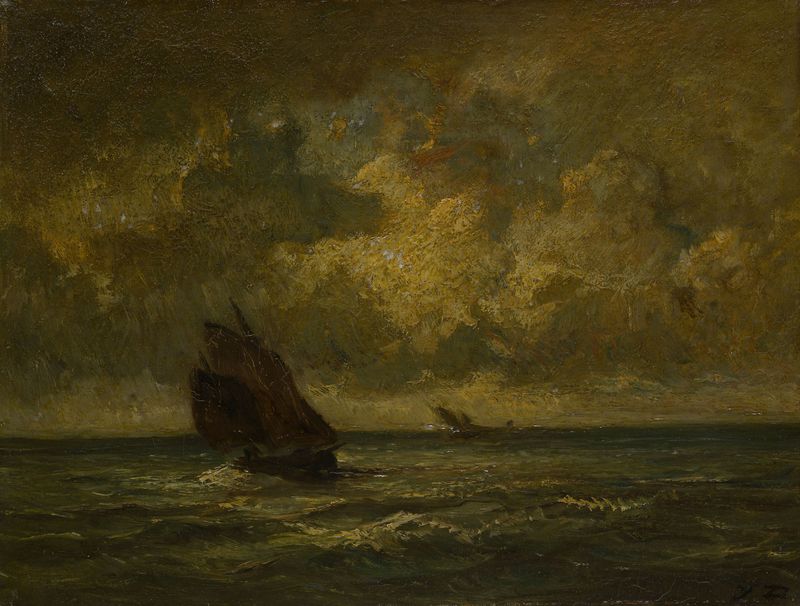
Two Boats in a Storm
Léon-Victor Dupré · 1870 · Art Institute of Chicago
 Same movement · Naturalism
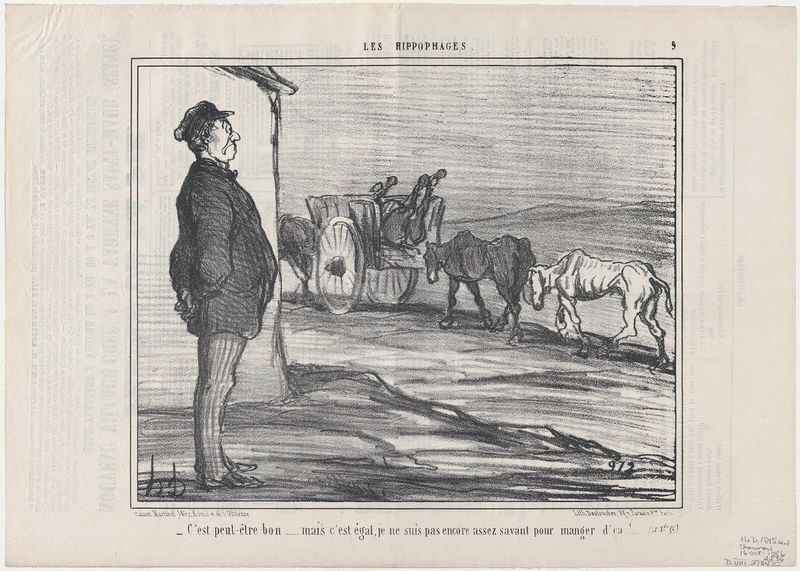
C'est peut-être bon...mais c'est égal..., from Les Hippophages, published in Le Charivari, October 23, 1856
Honoré Daumier · 1856 · The Metropolitan Museum of Art
 Same era · 1840s–1870s
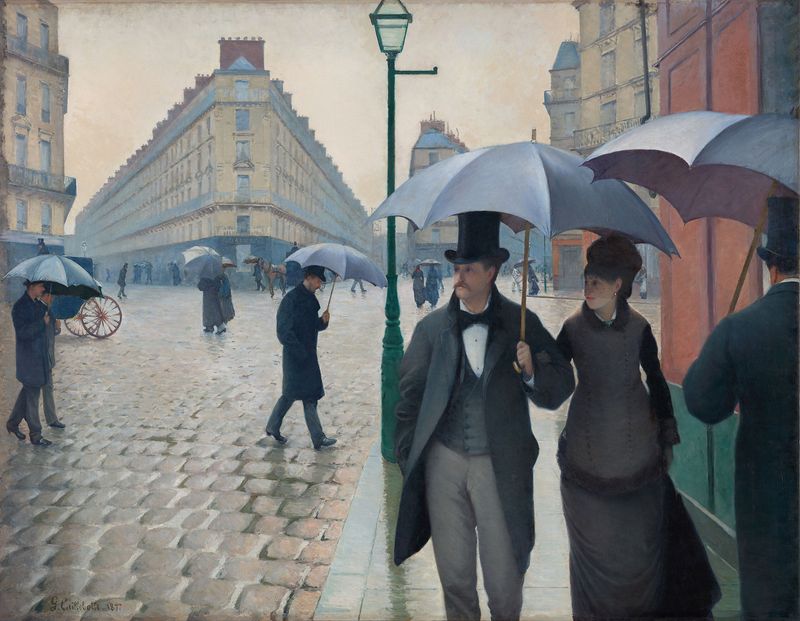
Paris Street; Rainy Day
Kawabata Gyokushō · 1877 · Art Institute of Chicago
 Same movement · Naturalism
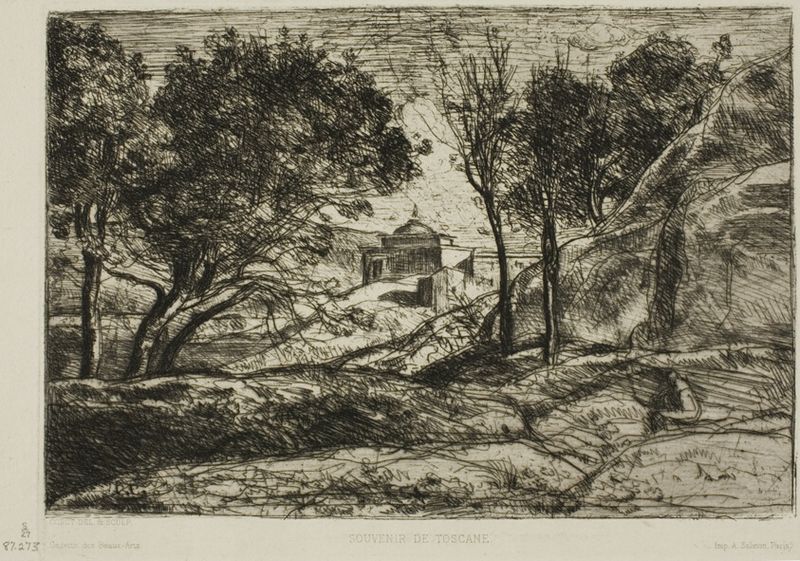
Souvenir of Tuscany
Jean Baptiste Camille Corot · 1845 · Art Institute of Chicago
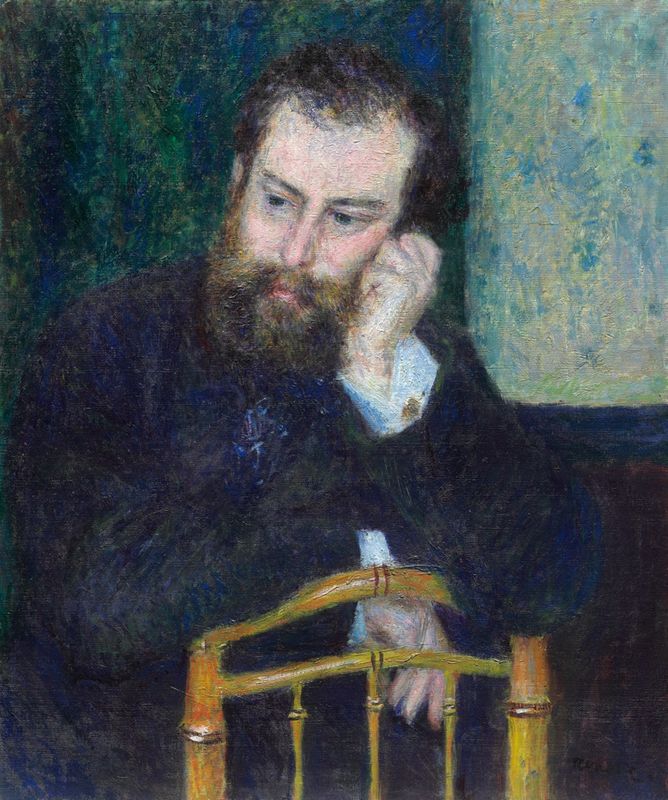 Same era · 1840s–1870s
Alfred Sisley
Pierre-Auguste Renoir · 1864 · Foundation E.G. Bührle Collection
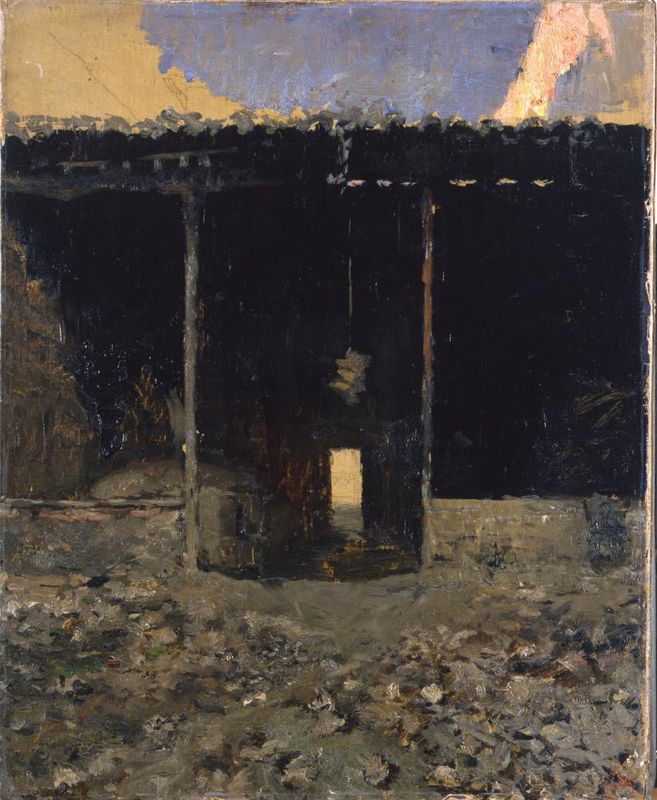 Same era · 1840s–1870s
A Sketch
Mariano Fortuny Marsal · 1862 · Hispanic Society of America
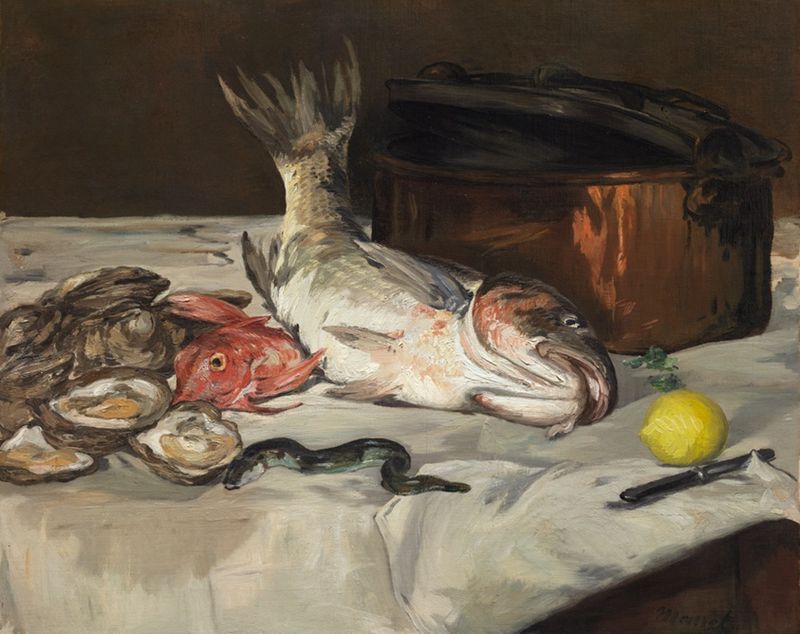 Same era · 1840s–1870s
Fish (Still Life)
Édouard Manet · 1864 · Art Institute of Chicago
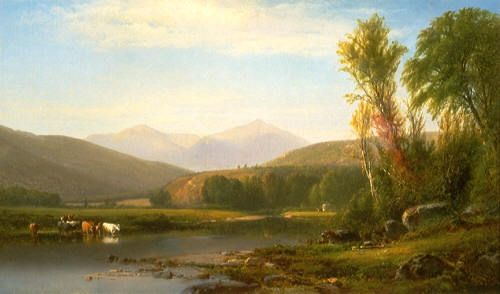 Same era · 1840s–1870s
Mount Madison from the Androscoggin River
William Hart · 1862
 Same era · 1840s–1870s
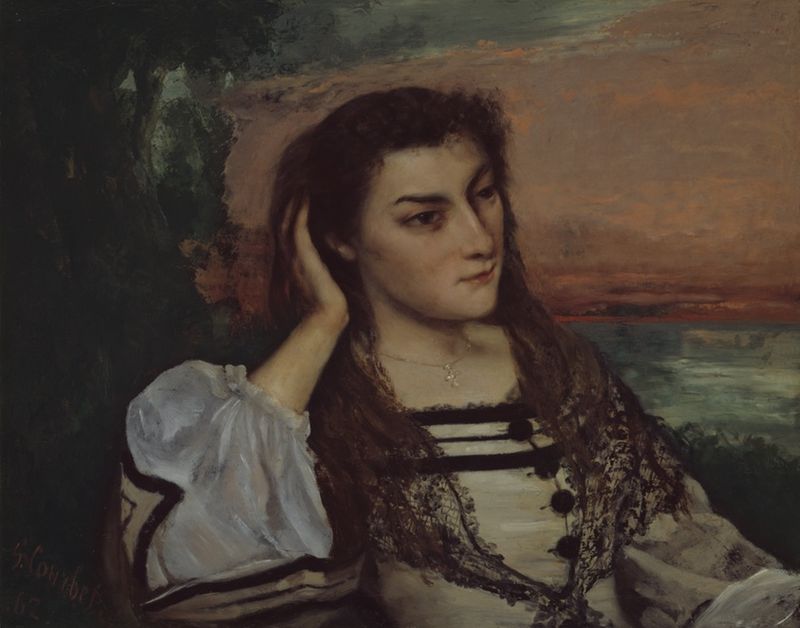
Rêverie (Portrait of Gabrielle Borreau)
Gustave Courbet · 1862 · Art Institute of Chicago
 Same era · 1840s–1870s
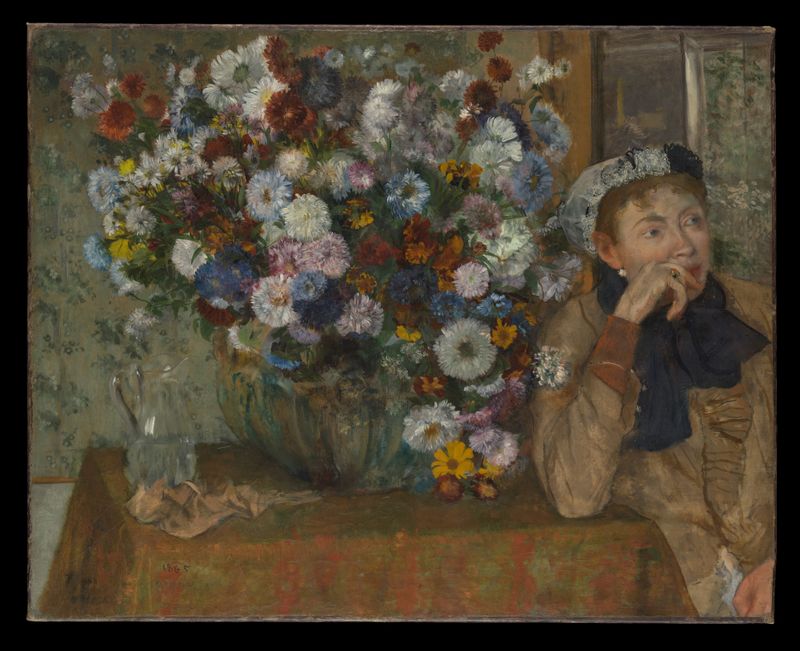
A Woman Seated beside a Vase of Flowers (Madame Paul Valpinçon?)
Edgar Degas · 1865 · The Metropolitan Museum of Art
 Same era · 1840s–1870s
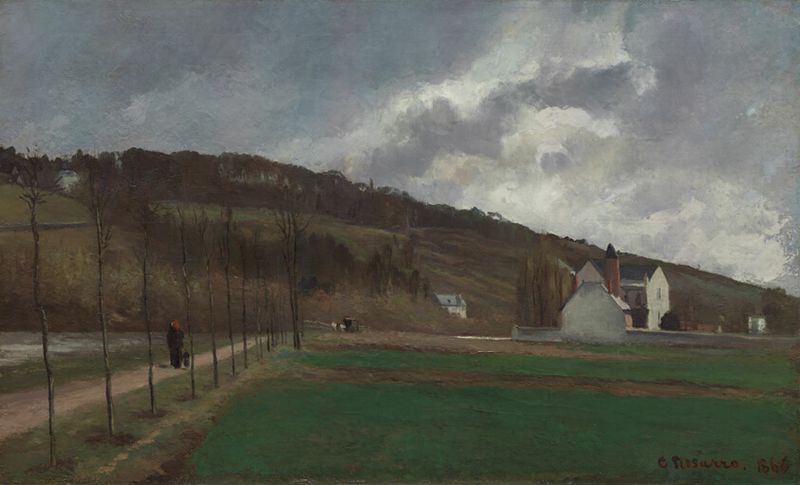
The Banks of the Marne in Winter
Camille Pissarro · 1866 · Art Institute of Chicago
 Same era · 1840s–1870s
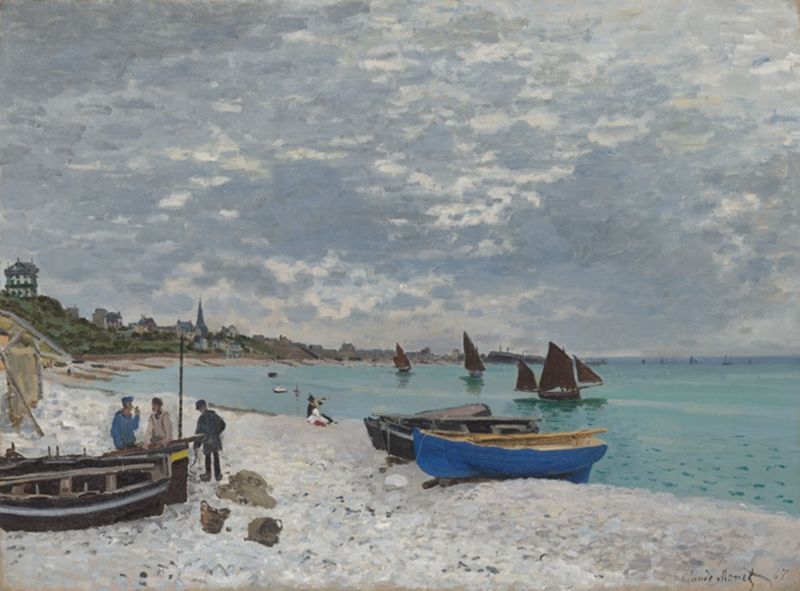
The Beach at Sainte-Adresse
Claude Monet · 1867 · Art Institute of Chicago
 Same era · 1840s–1870s
Lion Hunt
Eugène Delacroix · 1858 · Museum of Fine Arts Boston