01
The embracing couple
Look at the man and woman leaning head to head at the center. Their private moment sits in the middle of a public train car.
1 of 5 on the painting

“Stop and observe the stark beauty of this etching, where a lone figure on an El train becomes a poignant symbol of urban solitude, captured through dramatic contrasts of light and shadow.”
In "Night on the El Train," a solitary figure gazes out a window, bathed in the cool glow of artificial light. The etching captures a moment of quiet introspection amidst the urban rush, a theme that would become central to American realism. You can almost feel the rumble of the train and the fleeting nature of the encounter. The scene unfolds as if glimpsed through a passing window, emphasizing the transient and often disconnected nature of city life. The sharp contrasts between light and shadow, characteristic of the etching medium, define the mood, isolating the figure and highlighting the geometry of the train car. This work, created in 1918, reflects a growing fascination with the psychological landscape of modern existence, a world where individuals often feel alone even when surrounded by others.
Five details hide in plain sight. Pick one and we’ll show you exactly where to look.
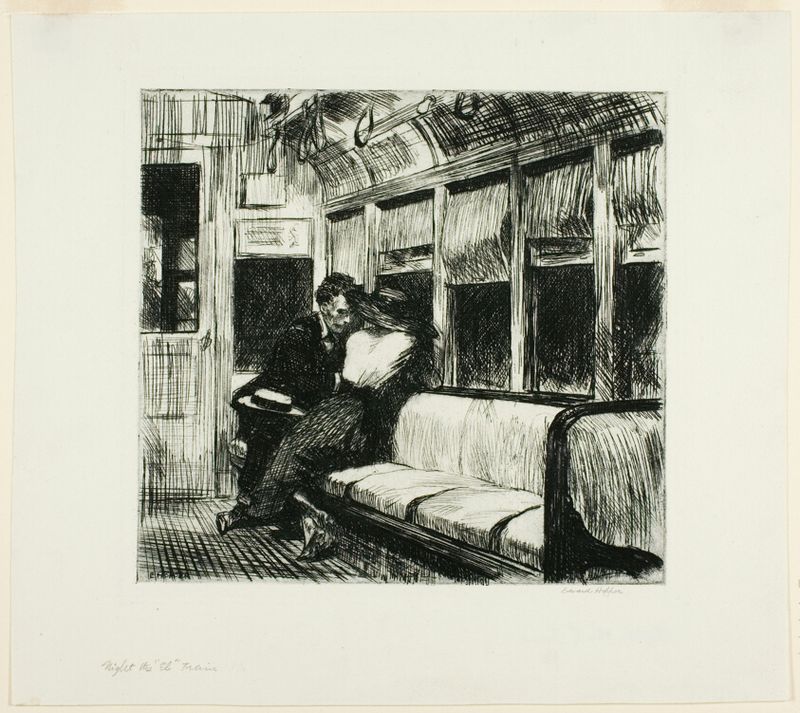
Look at the man and woman leaning head to head at the center. Their private moment sits in the middle of a public train car.
Follow the long padded seat sweeping to the right. The empty cushions beyond the couple leave them alone in this stretch of the car, and the scene feels quiet.
Look at the windows, built from dense crossed lines. The stacked black grids give the sense of night pressing at the glass.
Up along the curved ceiling, the hanging straps dangle empty. With no standing riders in view, they add to the sense that the couple has the car to themselves.
Find the pale straw hat resting on the man's knee. It is a small, ordinary object that grounds the scene in everyday city life.
The full narration walks you through Night on the El Train — the story behind it, the details most visitors miss, and why it matters. Free in the Art Whisper app.
Painter of 'Nighthawks' who captured the isolation and drama of modern American life in luminous, cinematic scenes.
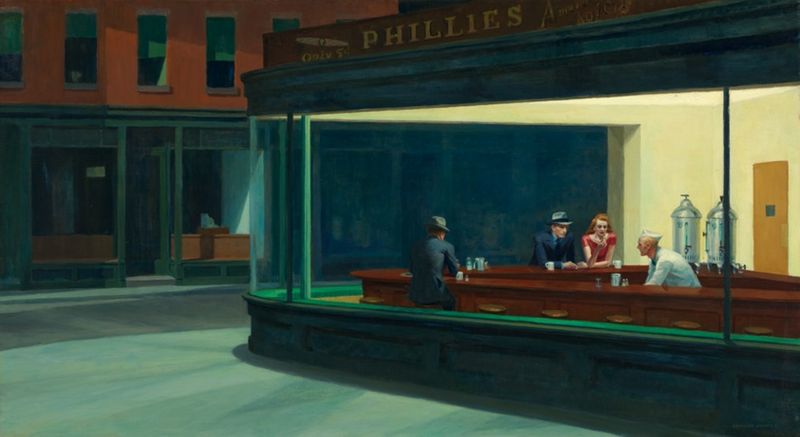 Nighthawks
1942 · Art Institute of Chicago
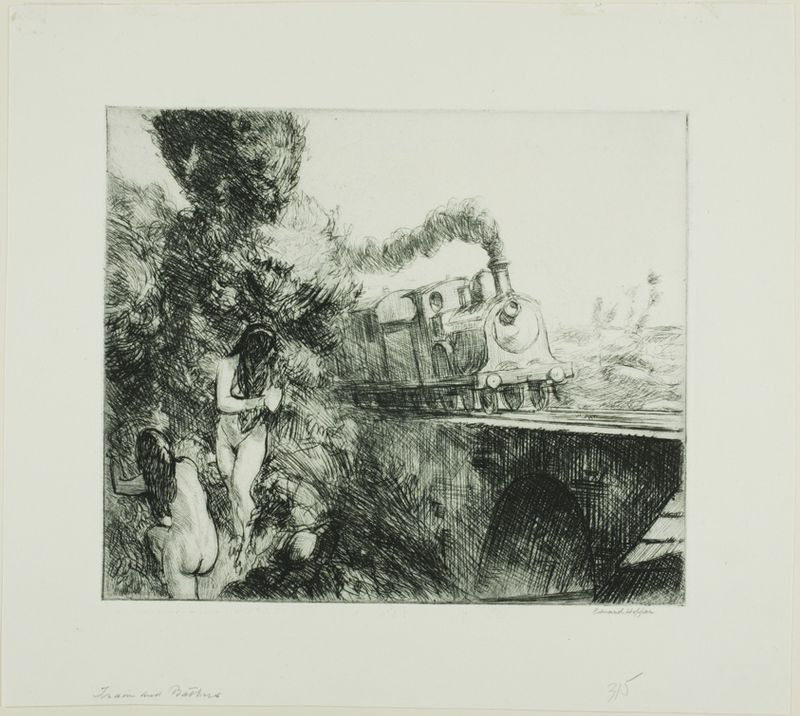 Train and Bathers
1920 · The Metropolitan Museum of Art
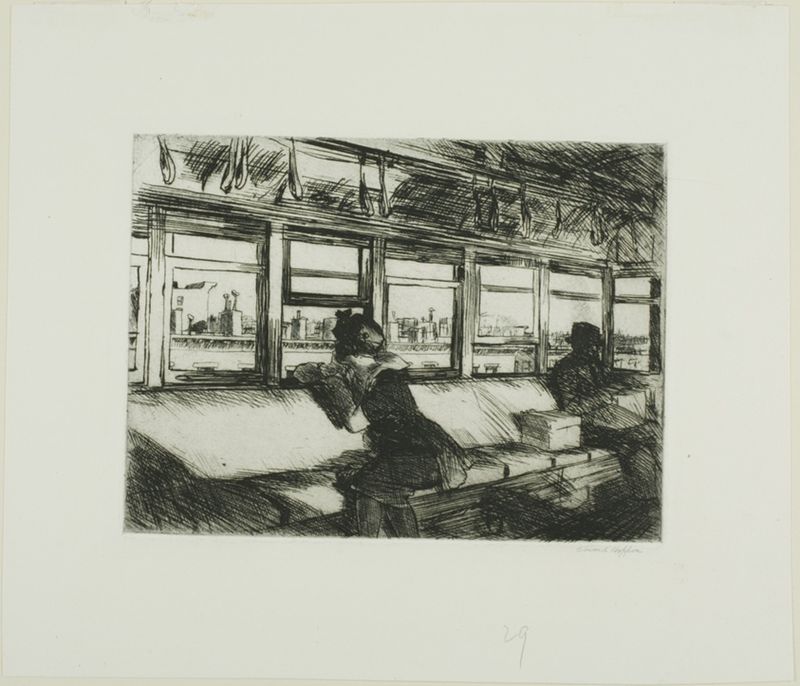 House Tops
1921 · The Metropolitan Museum of Art
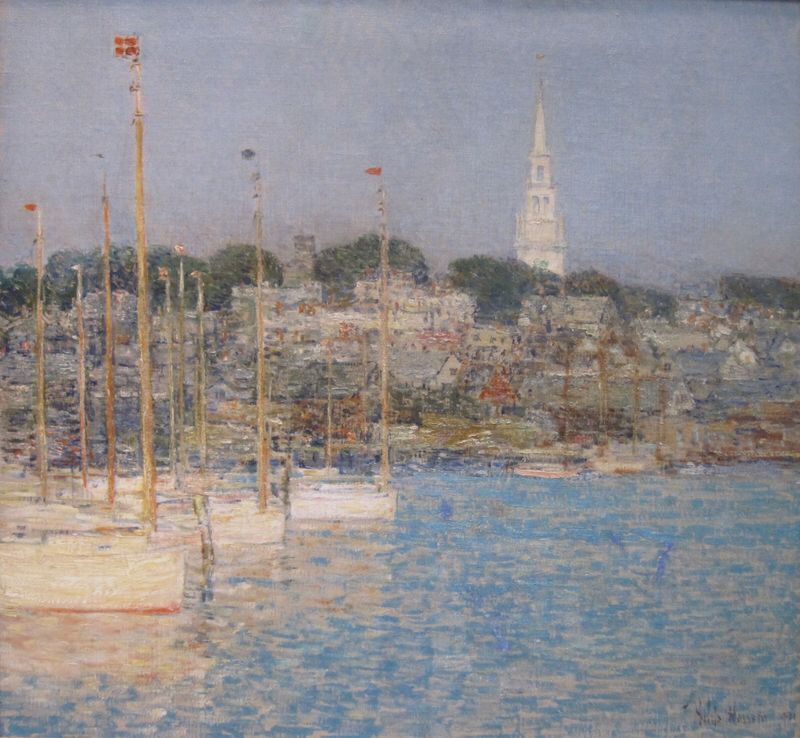 Cat Boat
1922 · The Metropolitan Museum of Art
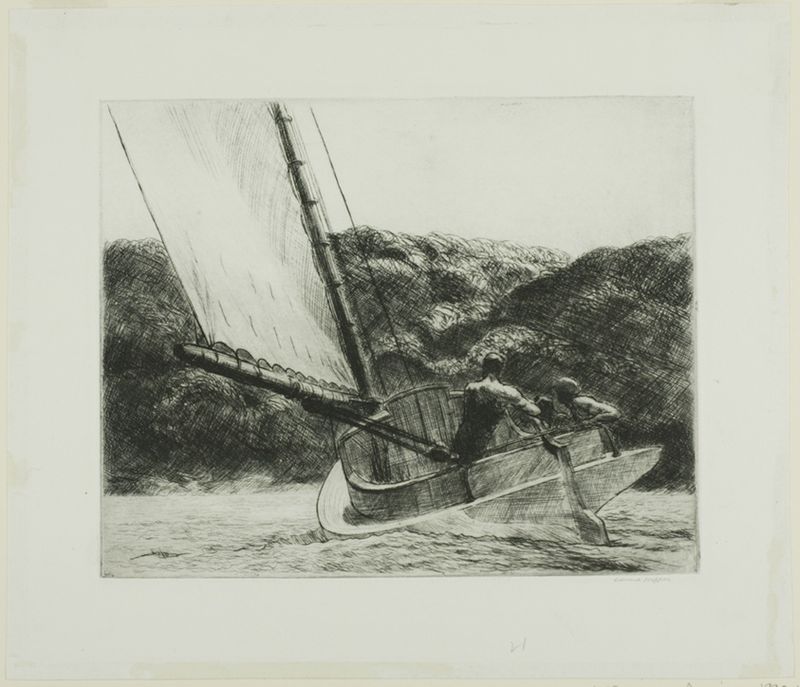 The Cat Boat
1922 · The Metropolitan Museum of Art
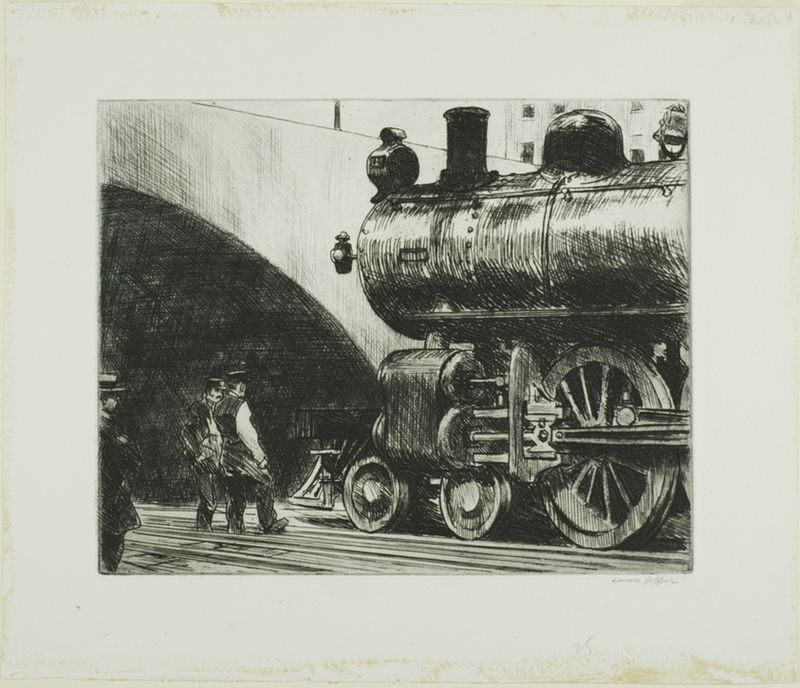 The Locomotive
1923 · Cleveland Museum of Art
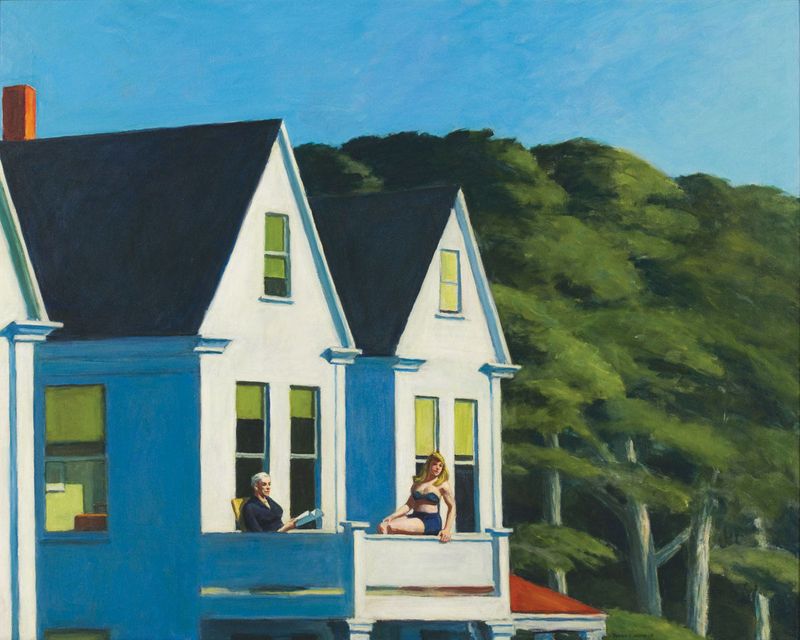 Second Story Sunlight
1960 · Whitney Museum of American Art
Beyond Hopper: works from the same years.
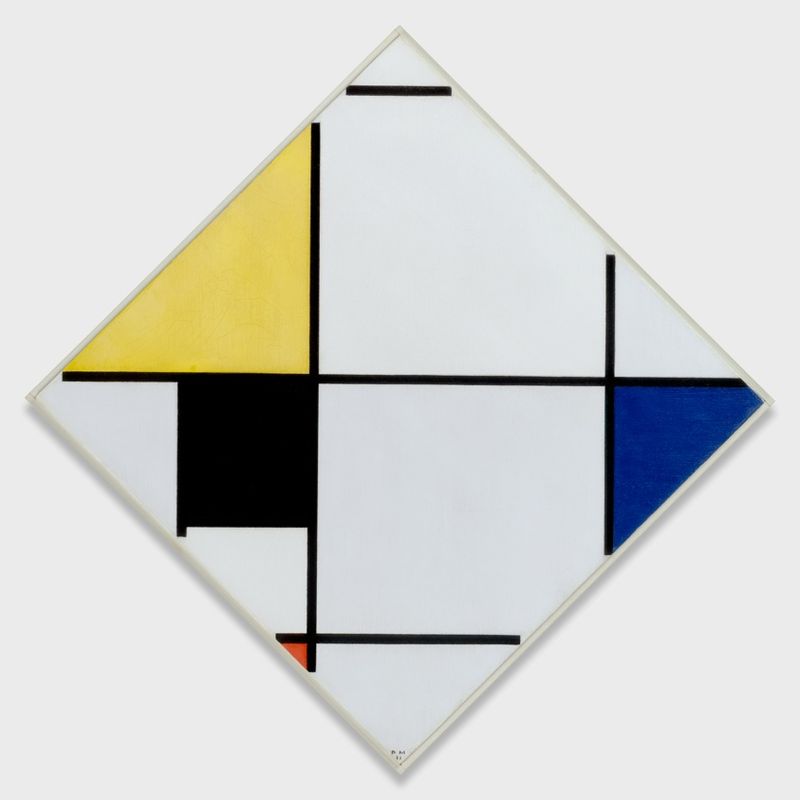 Same era · 1900s–1930s
Lozenge Composition with Yellow, Black, Blue, Red, and Gray
Piet Mondrian · 1921 · Art Institute of Chicago
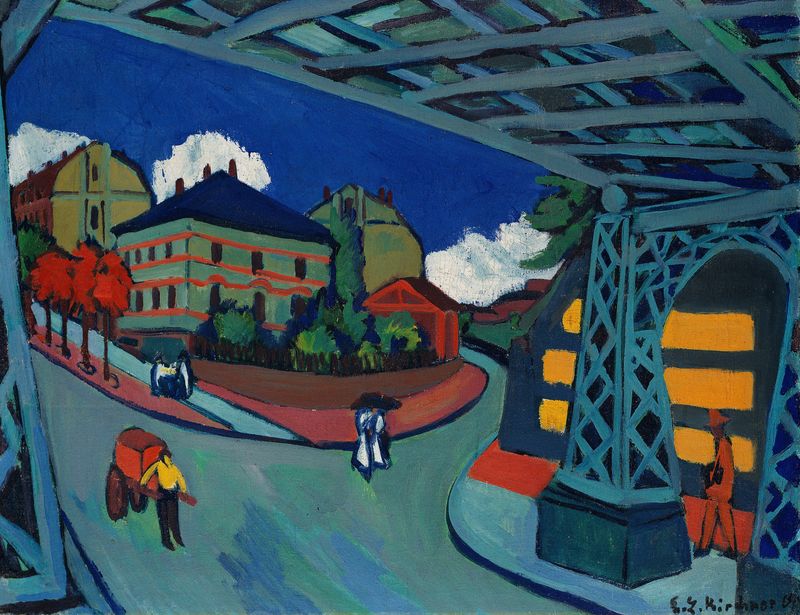 Same era · 1900s–1930s
Railway Bridge on Löbtauer Strasse in Dresden
Ernst Ludwig Kirchner · 1918 · Galerie Neue Meister
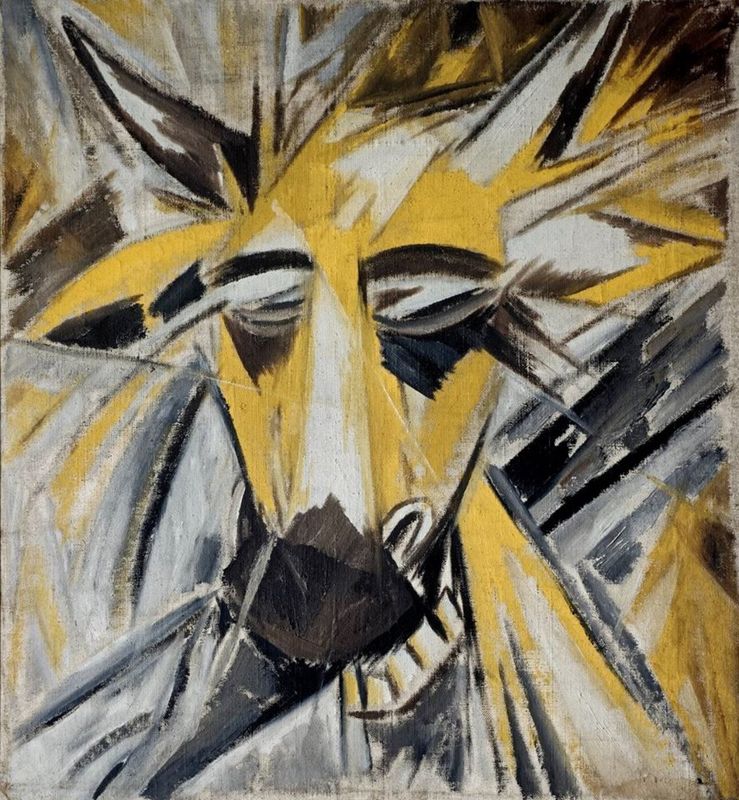 Same era · 1900s–1930s
Bull's Head
Mikhail Larionov · 1913 · Tretyakov Gallery
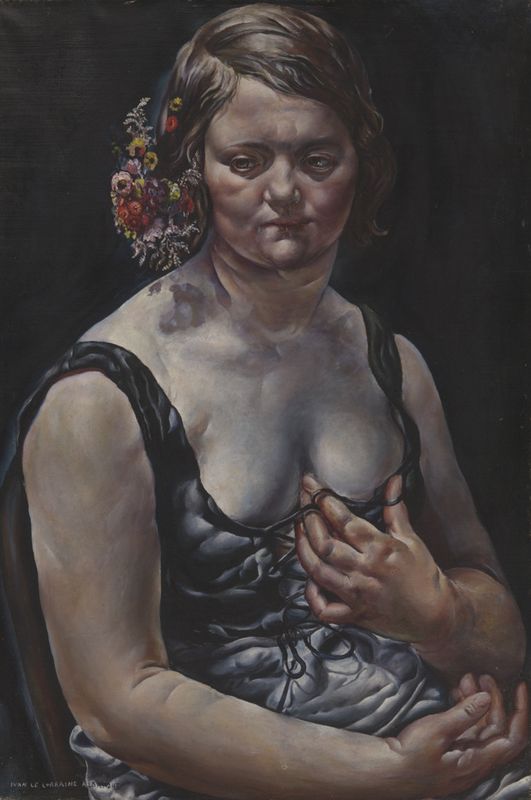 Same era · 1900s–1930s
Memories of the Past
Ivan Puni · 1927 · Art Institute of Chicago
 Same era · 1900s–1930s
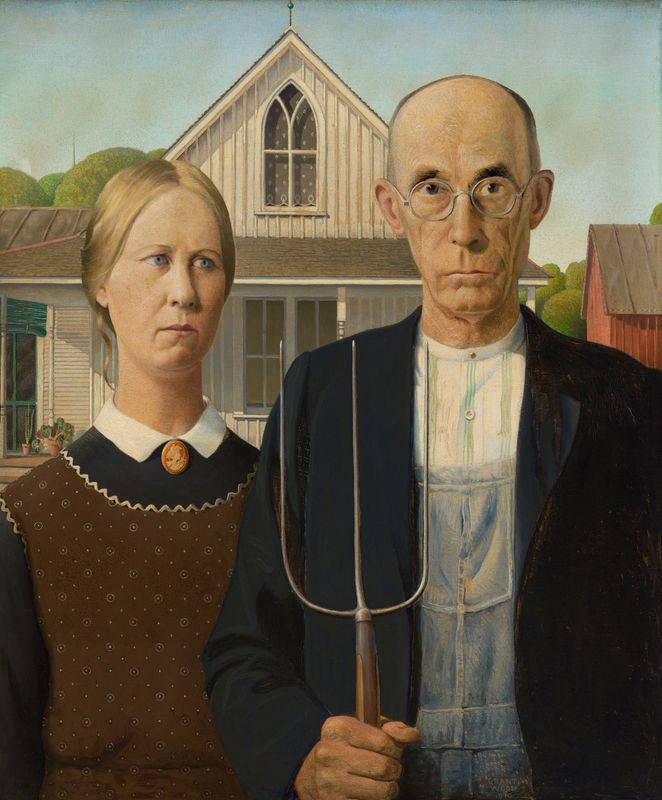
American Gothic
Okada Saburosuke · 1930 · Art Institute of Chicago
 Same era · 1900s–1930s
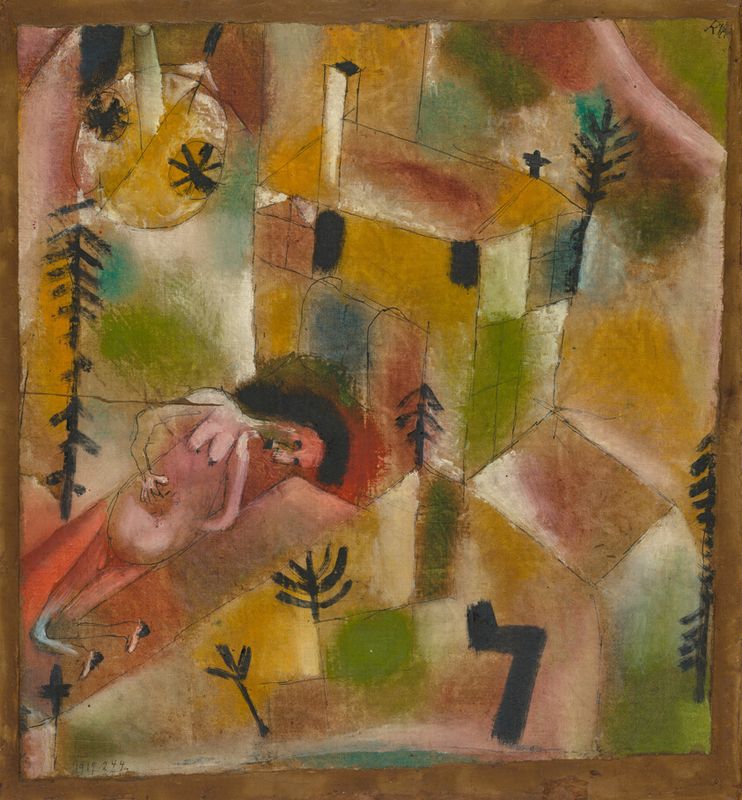
Death in the Garden (Legend)
Paul Klee · 1919 · Art Institute of Chicago
 Same era · 1900s–1930s
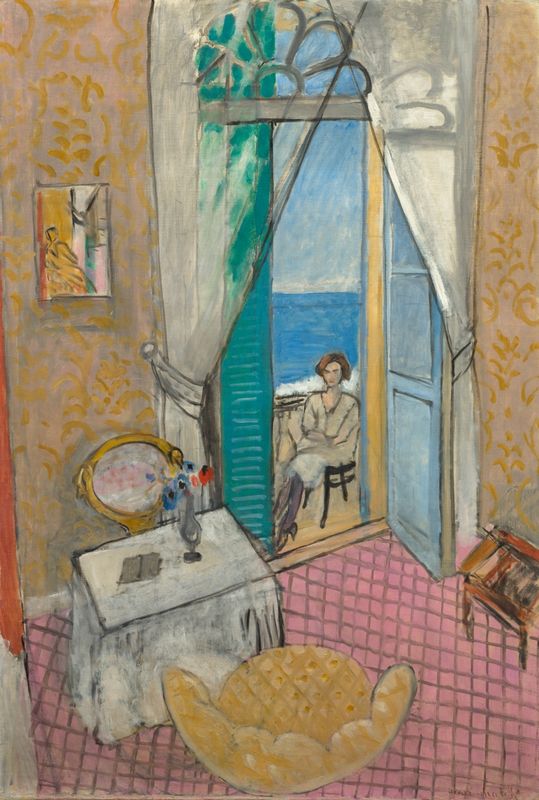
Interior at Nice
Henri Matisse · 1919 · Art Institute of Chicago
 Same era · 1900s–1930s
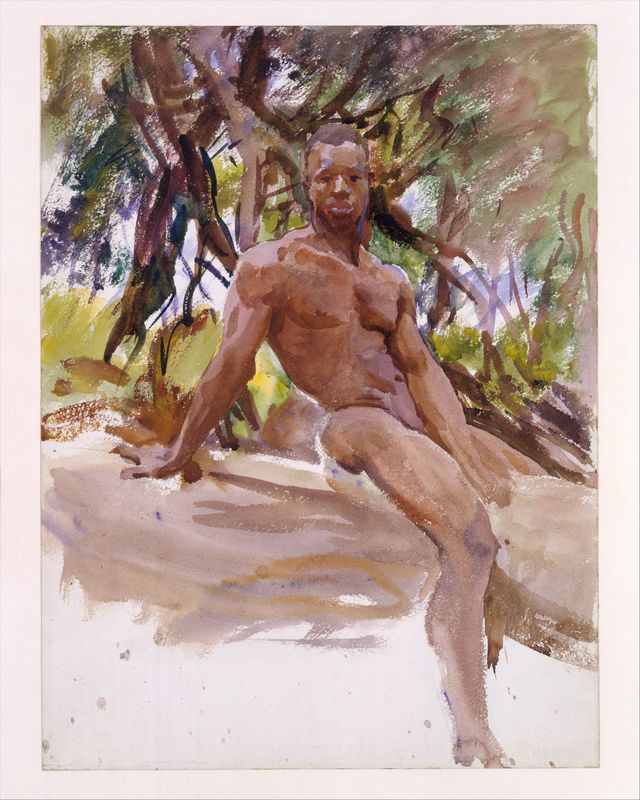
Man and Trees, Florida
John Singer Sargent · 1917 · The Metropolitan Museum of Art
 Same era · 1900s–1930s
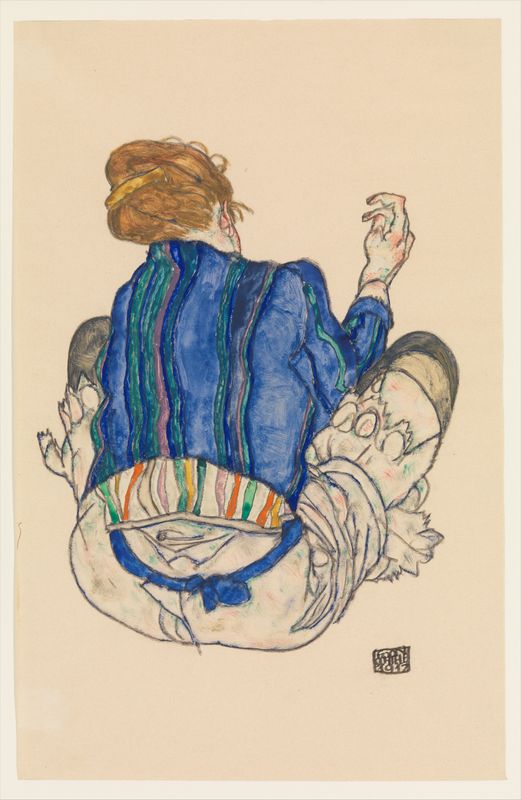
Seated Woman, Back View
Egon Schiele · 1917 · The Metropolitan Museum of Art
 Same era · 1900s–1930s
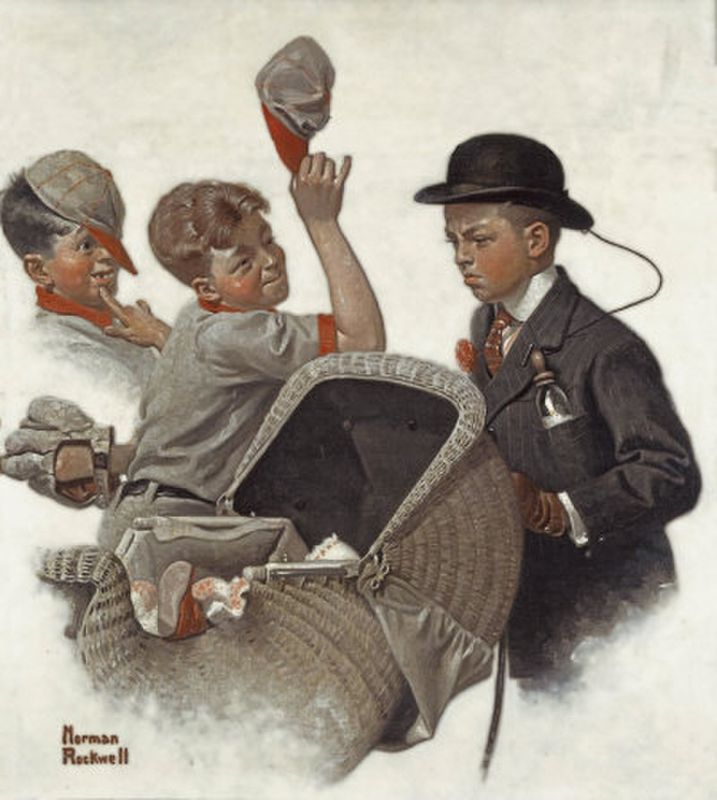
Boy with Baby Carriage
Norman Rockwell · 1916 · Norman Rockwell Museum
 Same era · 1900s–1930s
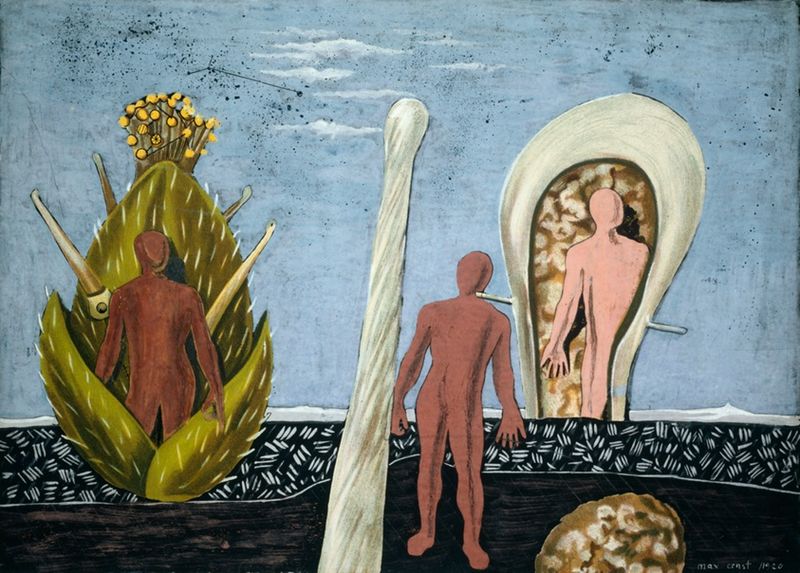
Dada Gauguin
Max Ernst · 1920 · Art Institute of Chicago
 Same era · 1900s–1930s
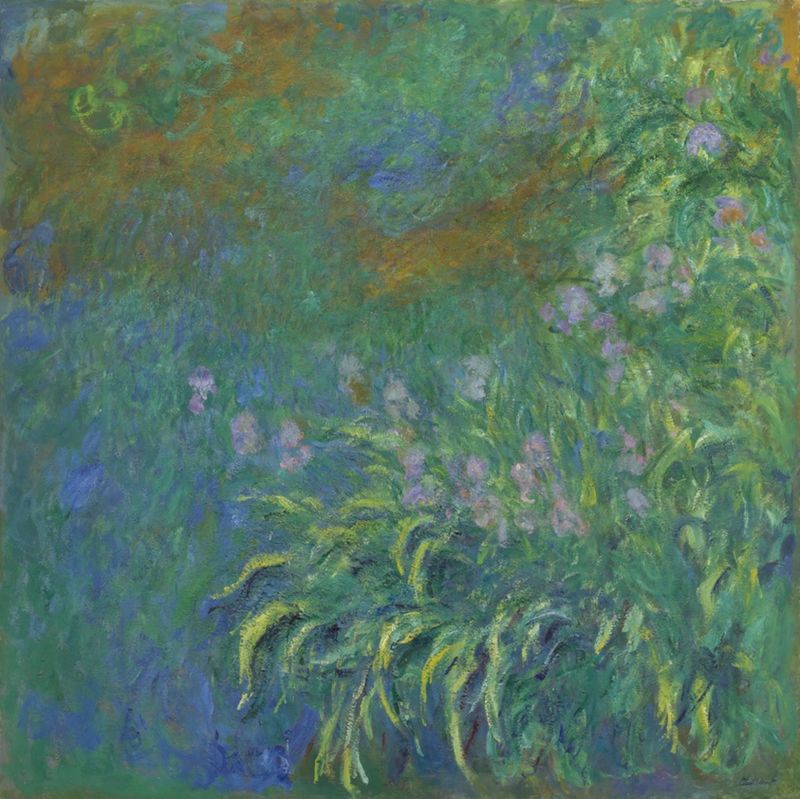
Irises
Claude Monet · 1915 · National Gallery
