01
The silver string curve
Follow the thin bright cord as it sweeps down the left side, dips near the bottom, and rises on the right. It is a real string, not paint.
1 of 5 on the painting
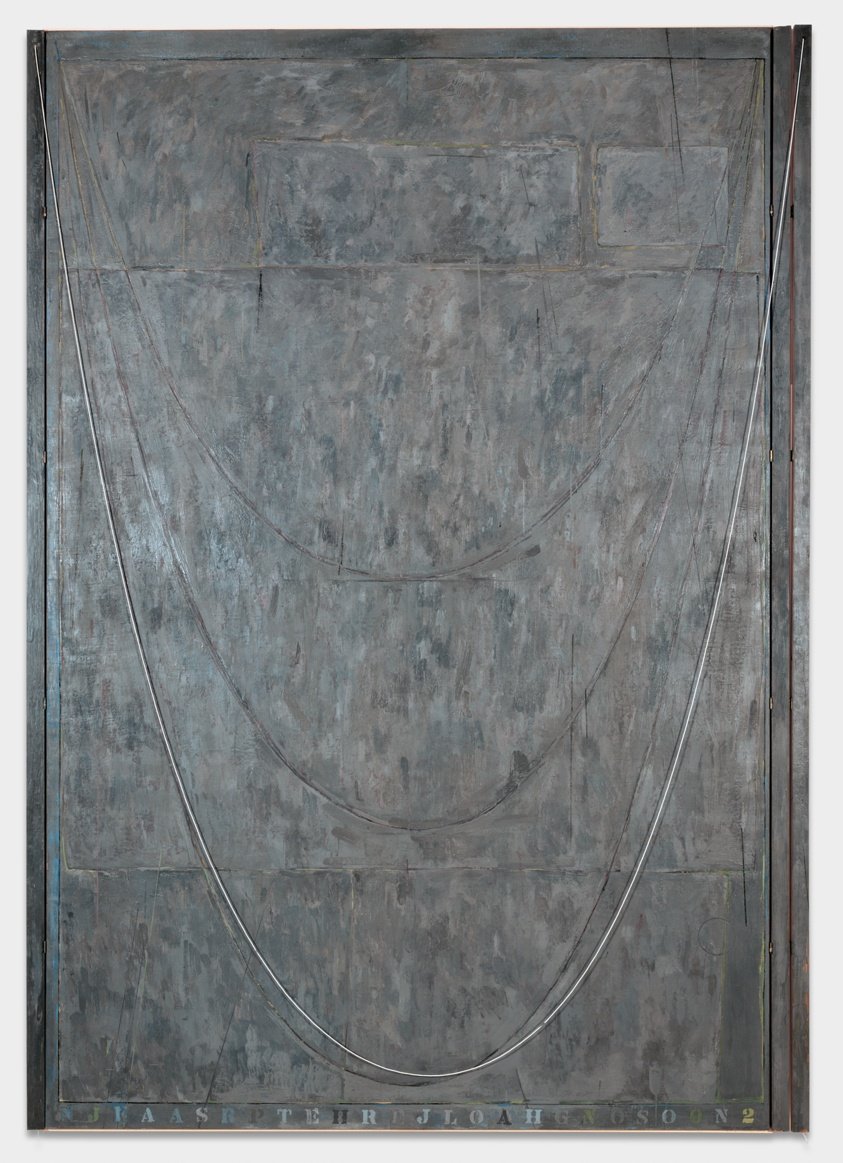
“Stop to appreciate how a simple piece of string transforms this large painting, casting real shadows and creating painted illusions that challenge your perception of what's real and what's rendered.”
This monumental work, "Near the Lagoon," engulfs the viewer in a textured field of multitonal grays, punctuated by a delicate, looping string. The string, a simple household item, creates a physical curve known as a catenary, suspended freely across the canvas and wooden boards. It casts an actual shadow, which the artist has mirrored with painted shadows, blurring the line between reality and representation. Look closely, and you’ll even see a rut where the string was once embedded in the encaustic wax before being pulled out. This interplay of real objects and painted illusions invites a close examination of how we perceive depth and surface, making the flat plane of the picture feel remarkably dimensional.
Five details hide in plain sight. Pick one and we’ll show you exactly where to look.
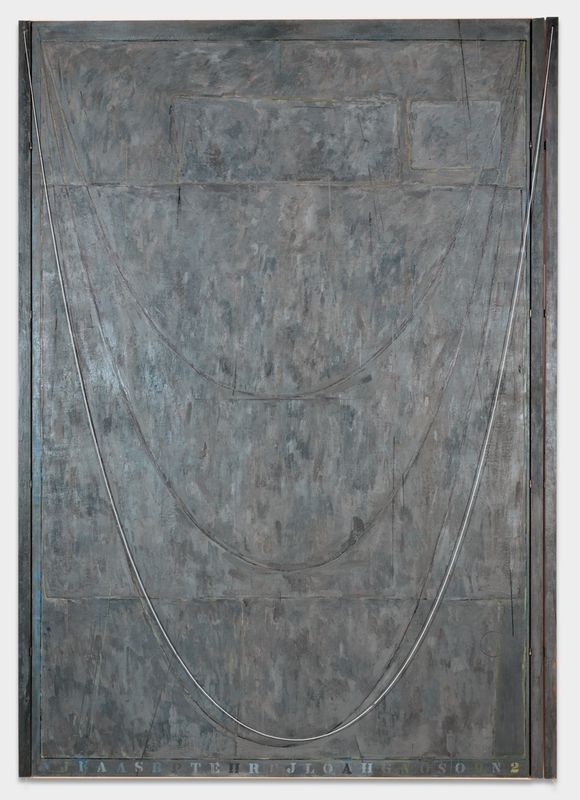
Follow the thin bright cord as it sweeps down the left side, dips near the bottom, and rises on the right. It is a real string, not paint.
Look at the darker curves drawn into the paint, nested inside and alongside the string. They echo its sweep, so you have to look closely to tell which line is the real cord and which is painted.
Move close to the gray field. Short, patchy strokes in blue-gray, brown and white build a mottled surface, crossed by fine scratched lines.
Two rectangles sit in the upper area, one wide and one square. Their hard edges contrast with the soft curves hanging below them.
Along the bottom edge, a line of small stenciled-looking letters ends in a yellow-green 2. They are hard to read and sit quietly beneath the gray.
The full narration walks you through Near the Lagoon — the story behind it, the details most visitors miss, and why it matters. Free in the Art Whisper app.
Jasper Johns redefined American art by painting everyday objects like flags and targets, challenging perceptions of art and representation.
Beyond Johns and Postmodernism: works from the same years.
 Same era · 1980s–2010s
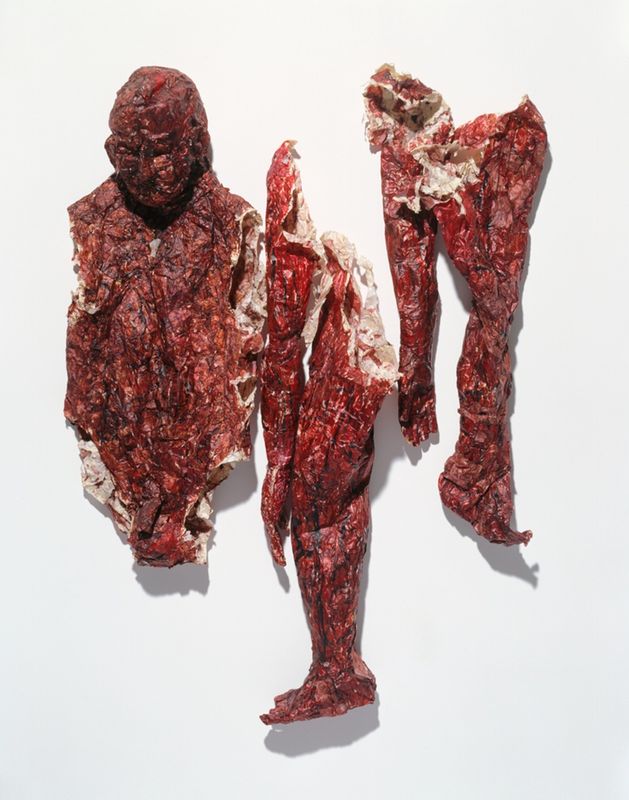
Kiki (Smith)
Chuck Close · 2000 · Art Institute of Chicago
 Same era · 1980s–2010s
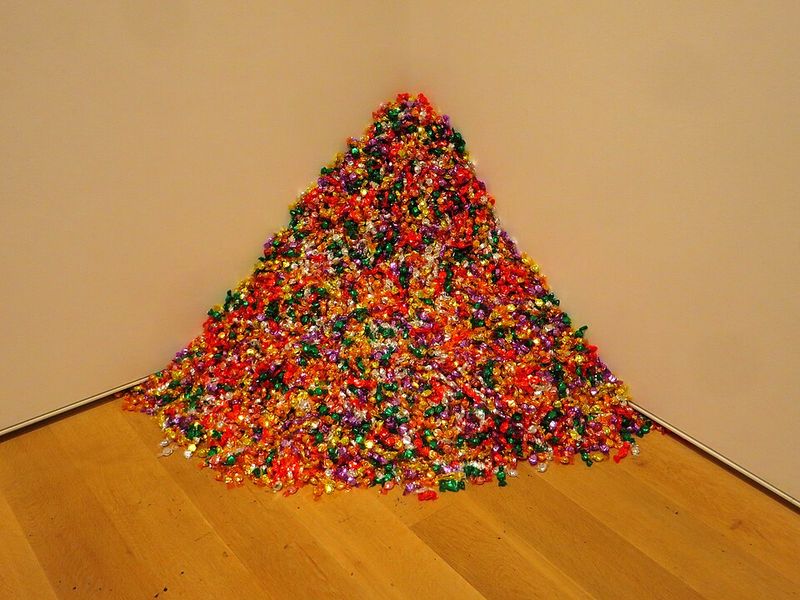
Untitled (Portrait of Ross in L.A.)
Félix González-Torres · 1991
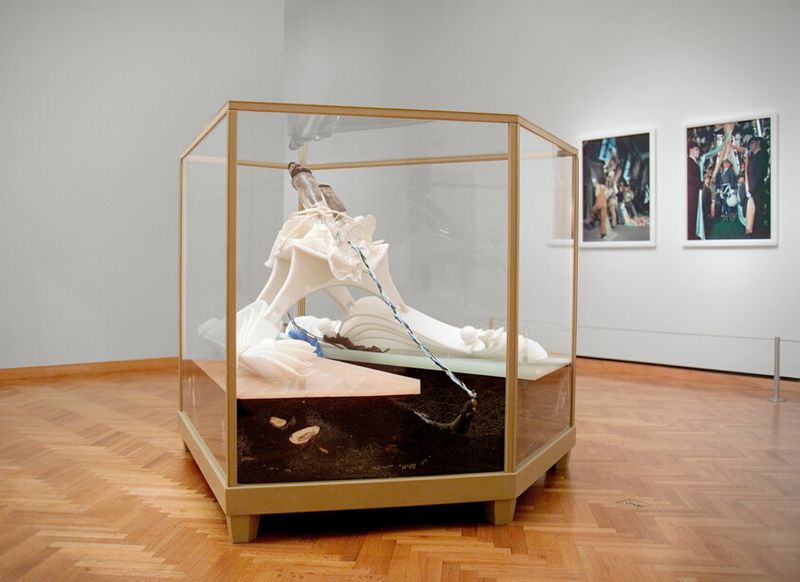 Same era · 1980s–2010s
Oonagh MacCumhail: The Case of the Entered Novitiate
Matthew Barney · 2002 · Art Institute of Chicago
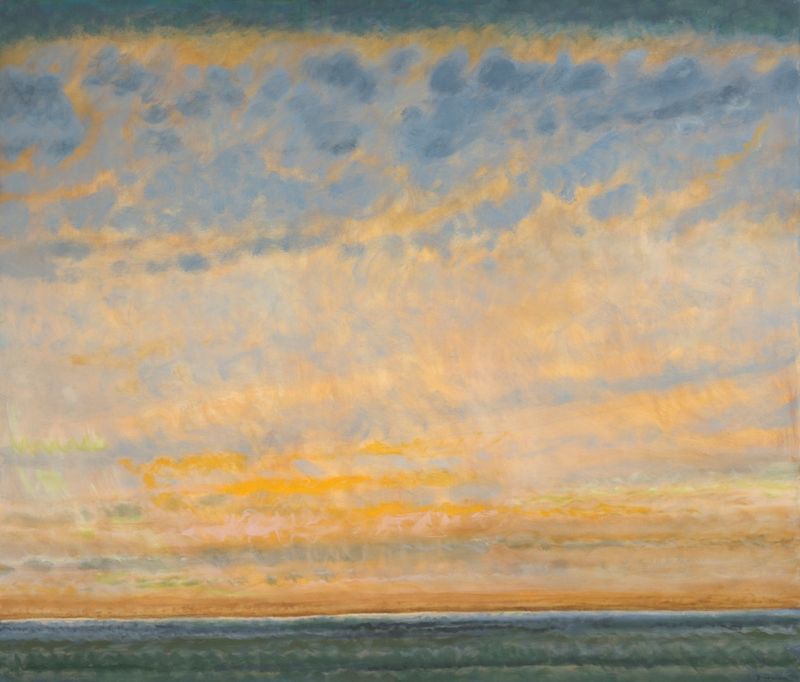 Same era · 1980s–2010s
American Horizon
Jane Wooster Scott · 2000 · Art Institute of Chicago
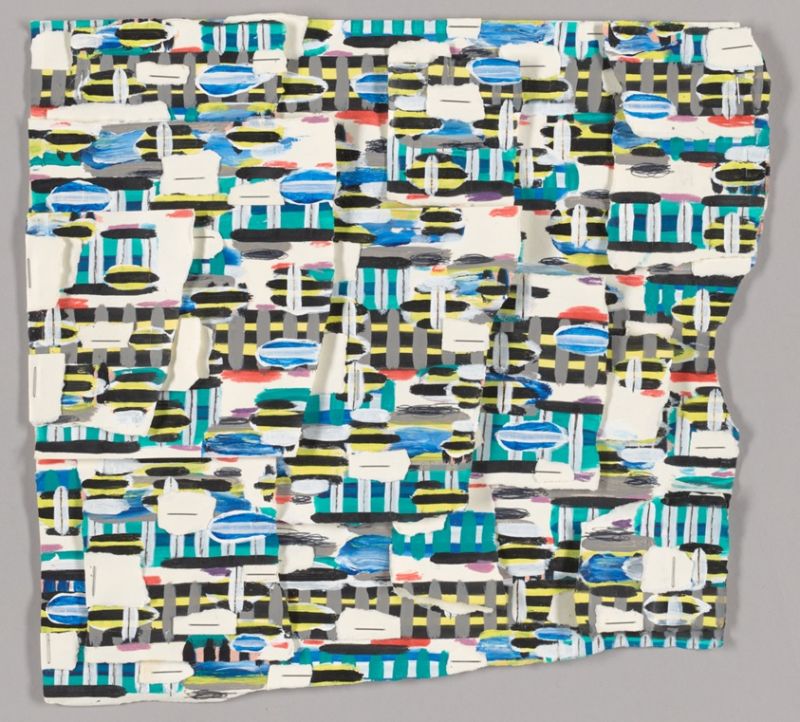 Same era · 1980s–2010s
A Torso / Toxic Drawing
Romero Britto · 2011 · Art Institute of Chicago
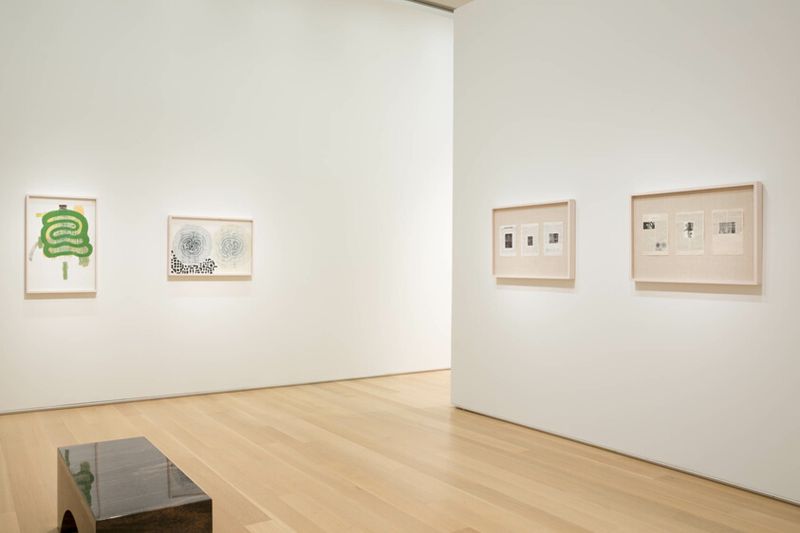 Same era · 1980s–2010s
Wu Street
Xu Bing · 1993 · Art Institute of Chicago
 Same era · 1980s–2010s
White Lilies
Michele Elizabeth Field · 2004 · Oxford University Hospitals NHS Foundation Trust
 Same era · 1980s–2010s
Cremaster 2: Deseret
Birgit Cullberg · 1999 · Art Institute of Chicago
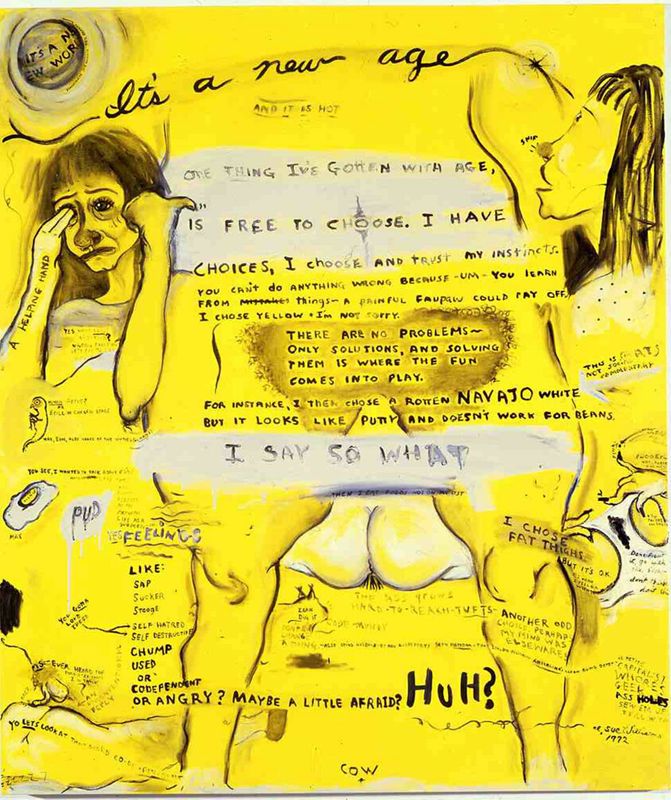 Same era · 1980s–2010s
It's a New Age
William Hook · 1992 · Art Institute of Chicago
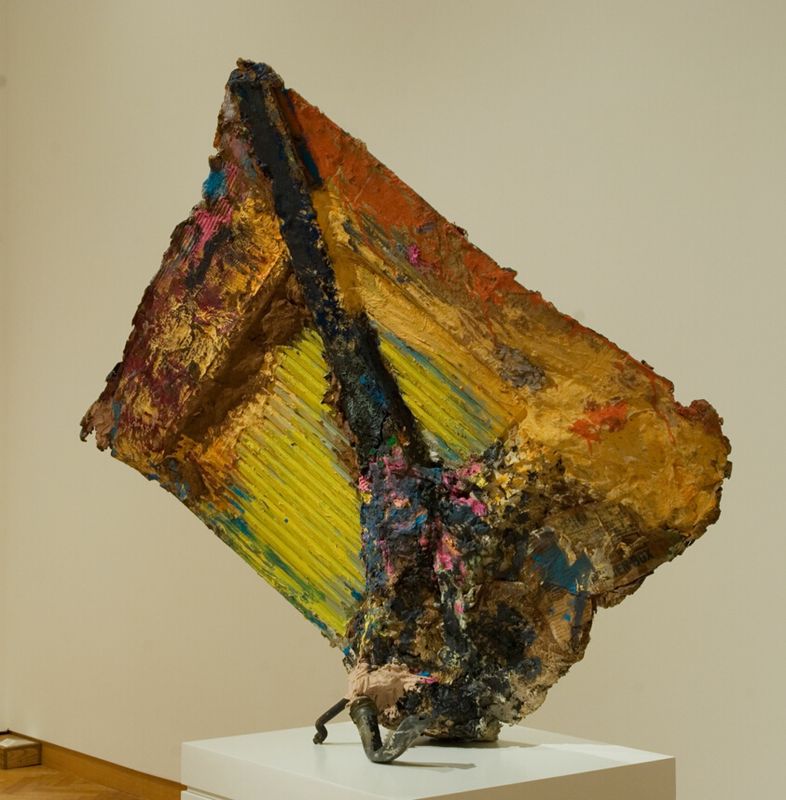 Same era · 1980s–2010s
Krach
Philip West · 1987 · Art Institute of Chicago
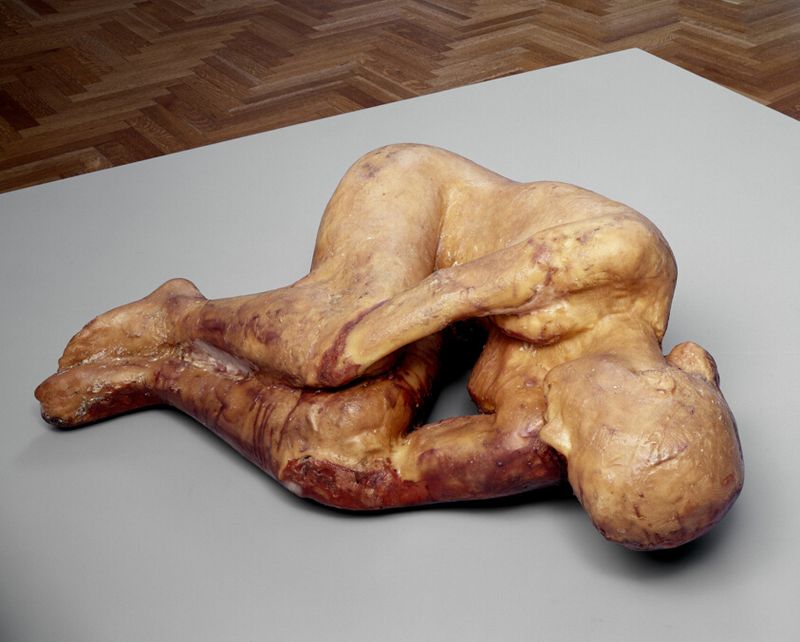 Same era · 1980s–2010s
Blood Pool
Kiki Smith · 1992 · Art Institute of Chicago
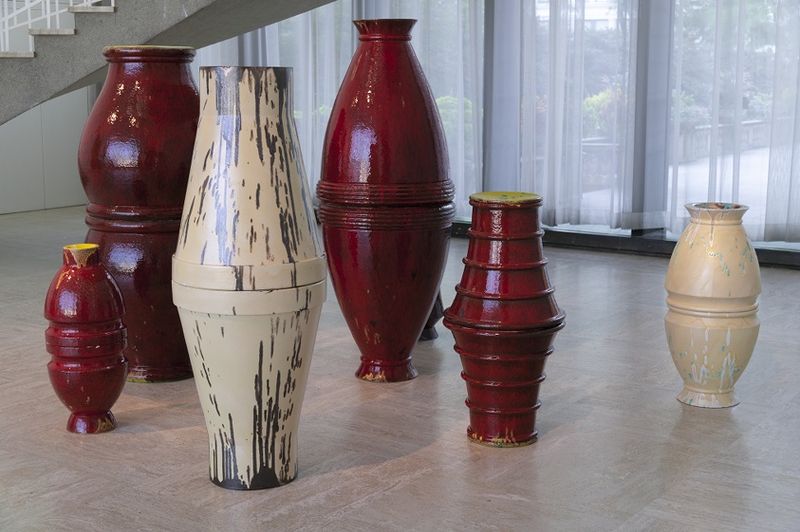 Same era · 1980s–2010s
Urns (Set of 8)
Thomas Schütte · 1999 · Art Institute of Chicago