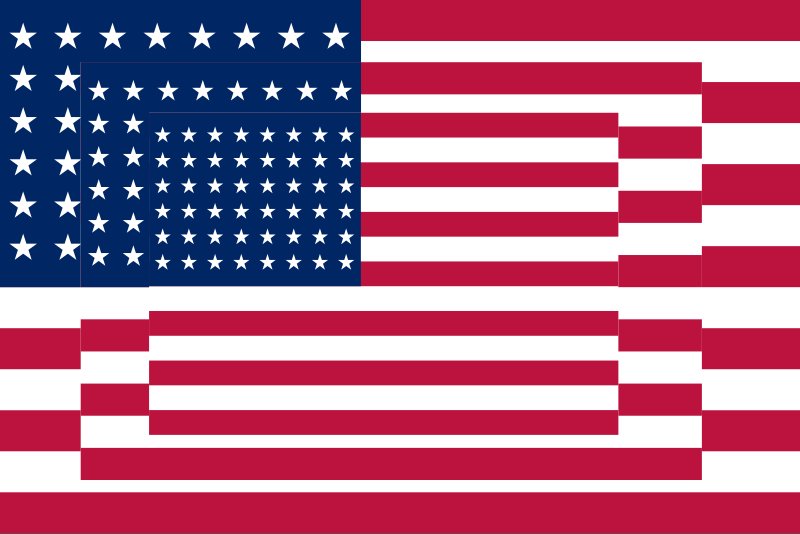


“Neo-Dada emerged in the 1950s as artists rediscovered the anarchic, anti-establishment spirit of the original Dada movement from the 1910s and 20s.”
But unlike their predecessors who were reacting to World War I, Neo-Dadaists were responding to post-World War II consumer culture, the Cold War, and the seemingly sterile perfection of Abstract Expressionism. Walk into a Neo-Dada exhibition and you might encounter a stuffed goat with a tire around its middle, a bed slathered with paint, or a canvas that's been shot with a rifle. These artists asked: if everything can be art, what does art even mean?
What makes Neo-Dada instantly recognizable is its irreverent use of everyday objects—junk, really—elevated to art status. Artists like Robert Rauschenberg and Jasper Johns in America, or the Fluxus group internationally, brought newspapers, Coca-Cola bottles, light bulbs, and household debris into the gallery. They weren't trying to make things beautiful; they were challenging you to reconsider what deserves your attention. The movement has a scrappy, DIY quality that feels deliberately unfinished or haphazard, though that casualness is often carefully orchestrated.
Neo-Dada never really ended—it shape-shifted into Pop Art, Conceptual Art, and Installation Art, and its influence ripples through contemporary art today. You'll see its DNA in anything that mixes high and low culture, that questions institutional authority, or that uses shock and humor to make you think. The movement's lasting gift is permission: permission to be playful, to be provocative, and to question whether a signed urinal or a pile of candy can transform our understanding of what art is and does.
- Period
- c. 1950–2023
- Peak
- around 1960
- Born in
- Hungary
- Key artists
- Jasper Johns
- Came before
- Abstract Expressionism
- Came after
- Pop Art
When it happened
- CAME BEFOREAbstract Expressionism
- ~1950 · STARTED
- ~1960 · PEAKED
- CAME AFTERPop Art
What makes it Neo-Dada
Found Objects as Art
Everyday items—tires, clocks, newspapers, clothes—incorporated directly into artworks without traditional artistic transformation.
e.g. Monogram by Robert RauschenbergCombines & Assemblage
Three-dimensional collages mixing painting with actual objects jutting off the canvas into real space.
e.g. Canyon by Robert RauschenbergAnti-Art Attitude
Deliberate rejection of traditional beauty, craftsmanship, and 'good taste' in favor of provocation and questioning.
e.g. Flag by Jasper JohnsPerformance & Happenings
Ephemeral events, often absurd or participatory, that blur boundaries between art, theater, and everyday life.
e.g. 18 Happenings in 6 Parts by Allan KaprowAppropriation & Repetition
Taking recognizable symbols or commercial imagery and repeating or recontextualizing them until meaning shifts.
e.g. Three Flags by Jasper JohnsHow to spot Neo-Dada
Three signs you’re standing in front of one — all easy to see in Target.
Look for actual three-dimensional objects—not painted representations—attached to or incorporated into the artwork itself.
Notice deliberate 'sloppiness' or rough edges: drips, tears, stains, or chaotic arrangements that feel intentionally unrefined.
Check if familiar commercial symbols or everyday items appear in unexpected contexts that make you question their meaning.
Robert Rauschenberg once erased a de Kooning drawing and exhibited it as his own artwork, calling it 'Erased de Kooning Drawing.'
The term 'Neo-Dada' was actually rejected by many artists associated with it—they saw themselves as doing something entirely new.
Jasper Johns' 'Flag' paintings were so convincing that early viewers debated whether they were paintings of flags or actual flags.
The artists who defined it
Works to know
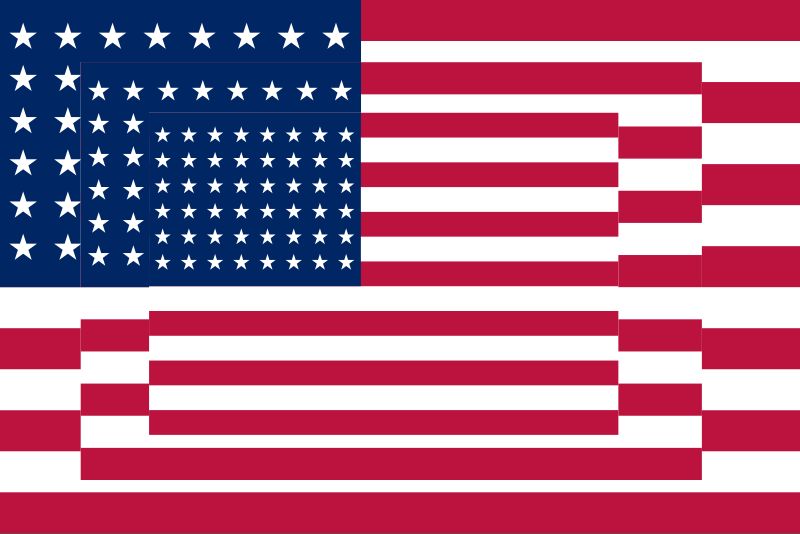 Three Flags
1958 · Whitney Museum of American Art
 Target
1961 · Art Institute of Chicago
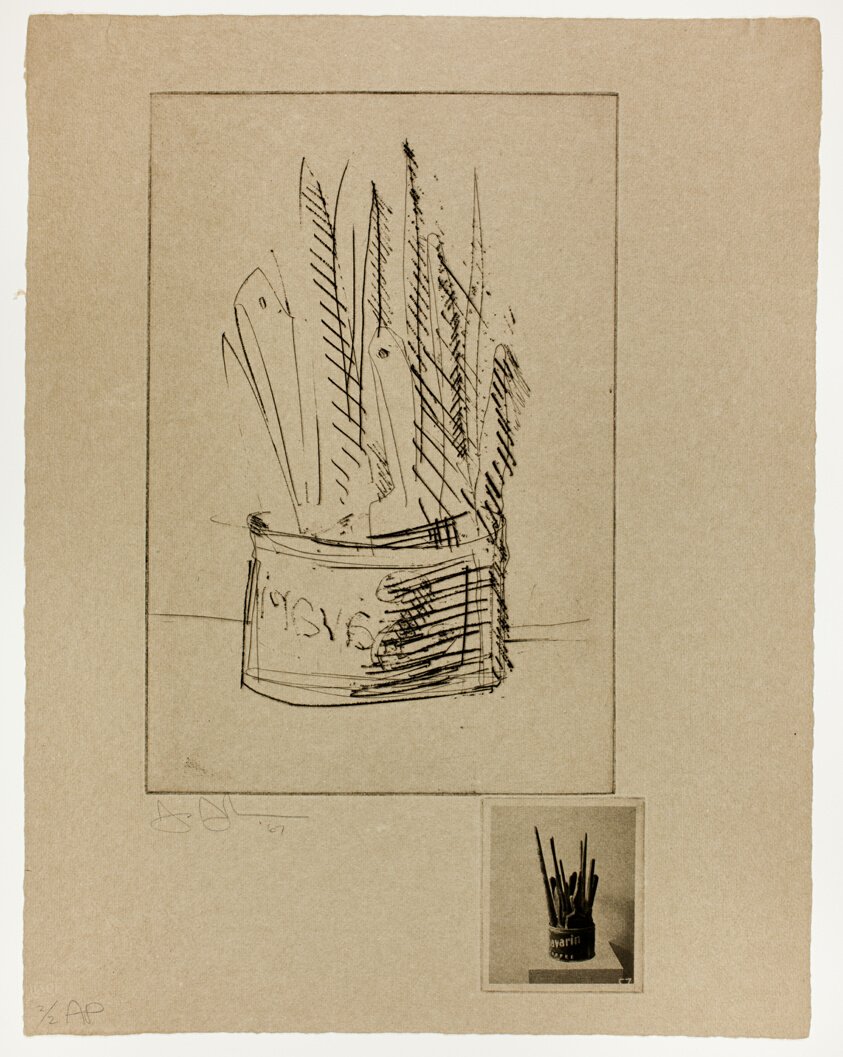
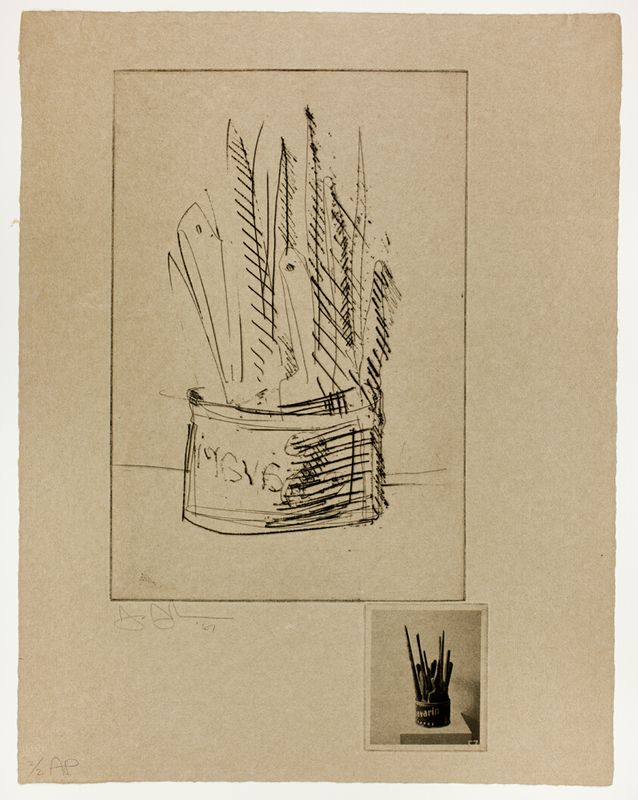 Paintbrushes, plate four from 1st Etchings
1967 · Art Institute of Chicago
 Numbers, plate six from 1st Etchings
1967 · Art Institute of Chicago
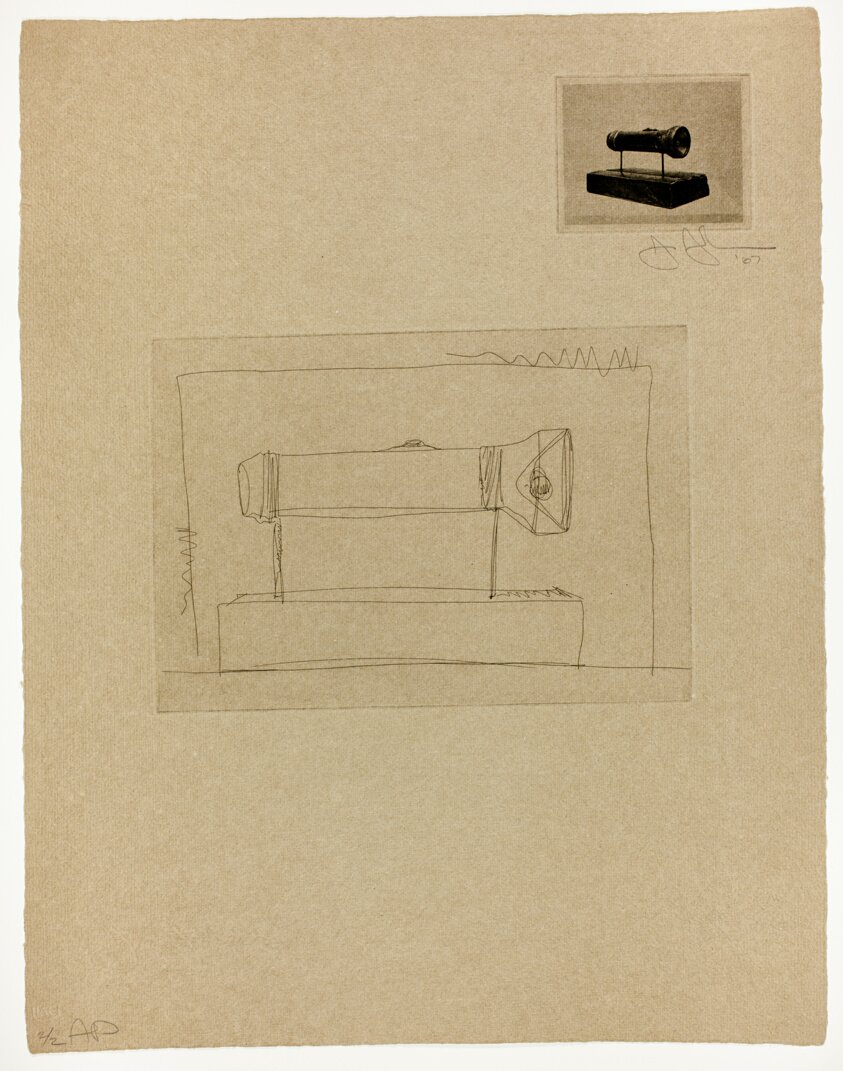
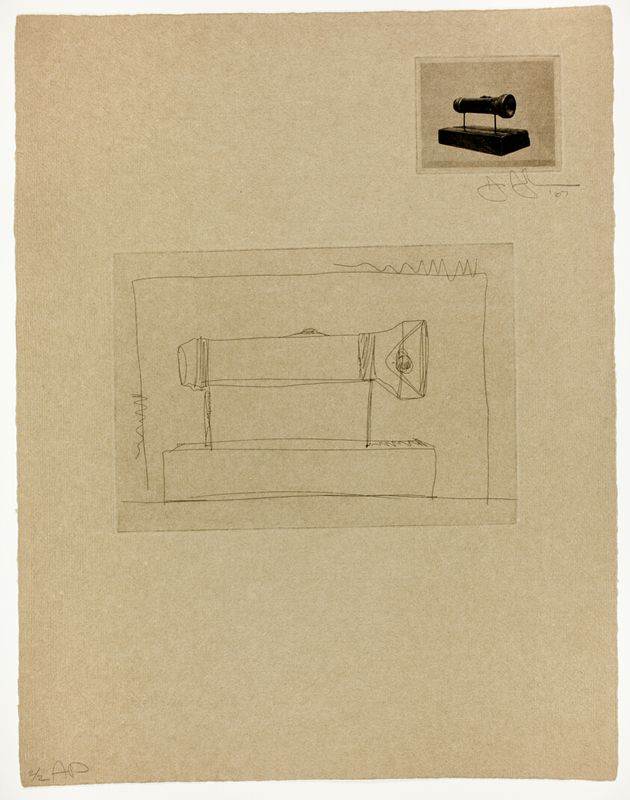 Flashlight, plate one from 1st Etchings
1967 · Art Institute of Chicago
 Ale Cans, plate three from 1st Etchings
1967 · Art Institute of Chicago
Take Neo-Dada to the museum
Point your phone at any painting and Art Whisper tells you its story — who made it, what to notice, and why it matters. Free to start.