
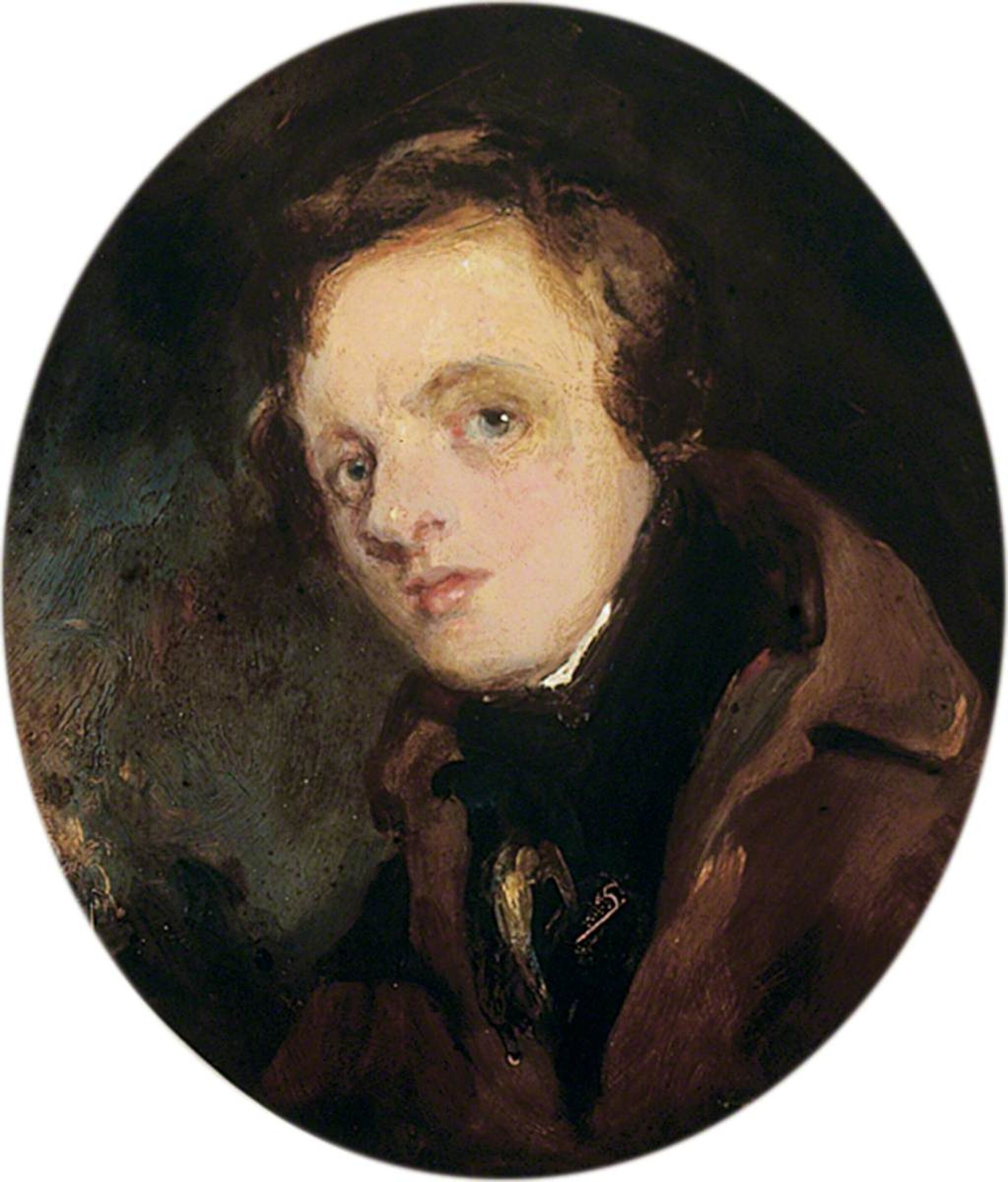
“This 1838 portrait of John Nicholas Rhodes offers a direct and engaging look at a figure from the early 19th century, captured with a subtle play of light and shadow that emphasizes his features and attire.”
In this engaging portrait from 1838, John Nicholas Rhodes looks out at us with a direct, confident gaze. His posture is relaxed yet formal, his right arm resting on what appears to be a red-upholstered chair or bench, while his left hand is tucked into his waistcoat. The light source, likely from the upper left, highlights his face and the crisp white of his shirt collar and cravat, creating a sense of depth and bringing his features into sharp focus against the darker background. The artist, Samuel Drummond, was known for his portraits and maritime scenes, and here he captures a sense of the sitter's individual character. The subdued color palette, dominated by rich browns and blacks, allows the subtle variations in light and shadow to define the contours of Rhodes's face and clothing, drawing the viewer's attention to his expression and the elegant folds of his attire. This painting offers a glimpse into the fashion and portraiture of the early 19th century, emphasizing a quiet dignity.
- Artist
- Samuel Drummond
- Date
- 1838
- Location
- Lotherton Hall
What to Notice
Five details hide in plain sight. Here’s where to look.
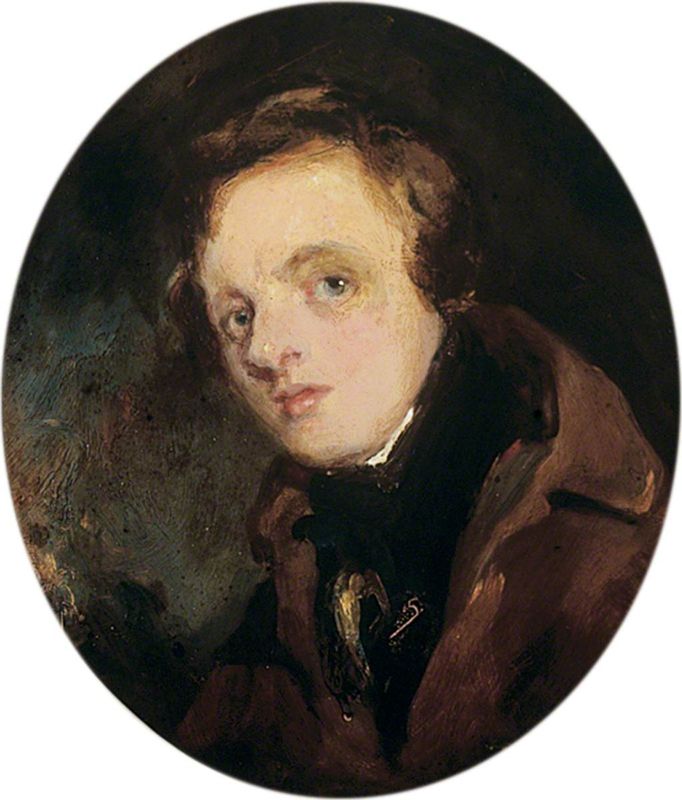
The subtle blush on Rhodes's cheeks, suggesting a healthy complexion.
The intricate folds and sheen of the white cravat and shirt.
The way light catches the gold watch chain peeking from his waistcoat.
The texture of his dark coat, rendered with visible brushstrokes.
1 more detail is waiting.
See all 5 in Art Whisper →Stand in front of it and listen
The full narration walks you through John Nicholas Rhodes (1809–1842) — the story behind it, the details most visitors miss, and why it matters. Free in the Art Whisper app.
Samuel Drummond
1766–1844 · EnglandSamuel Drummond, a British painter, captured the likenesses of notable figures like Walter Scott and documented maritime history with grand oil paintings.
Further Works by Drummond
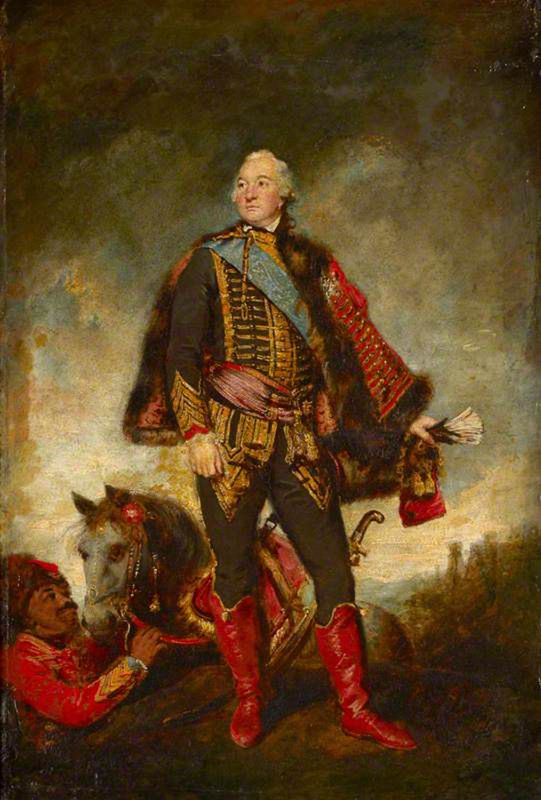 Louis-Philippe-Joseph, Duke of Orleans 'Philippe Egalité' (1747-1793) (after Sir Joshua Reynolds)
1785 · National Trust
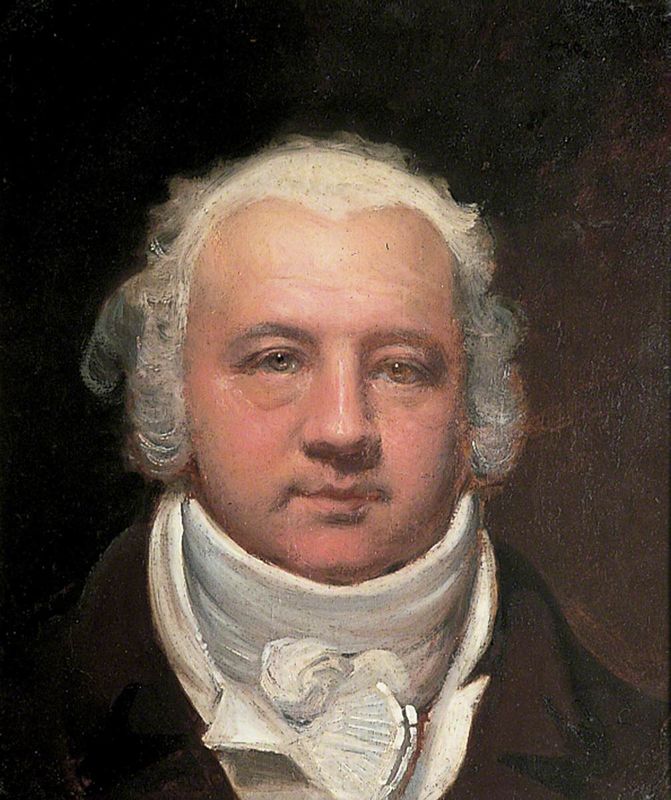 John Blake (1770–1810), Mayor of Maidstone (1799)
1799 · Maidstone Museum and Bentlif Art Gallery
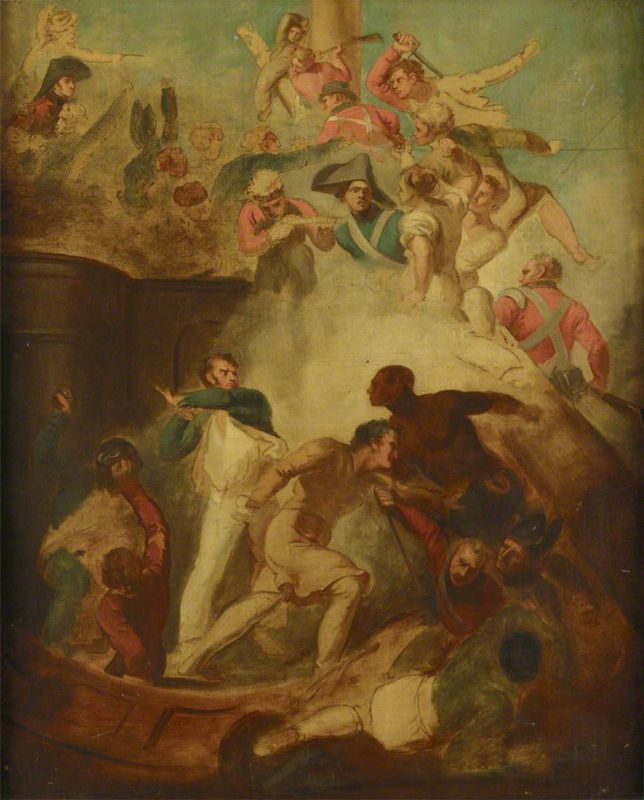 Repulsing a boarding party
1805 · Royal Museums Greenwich
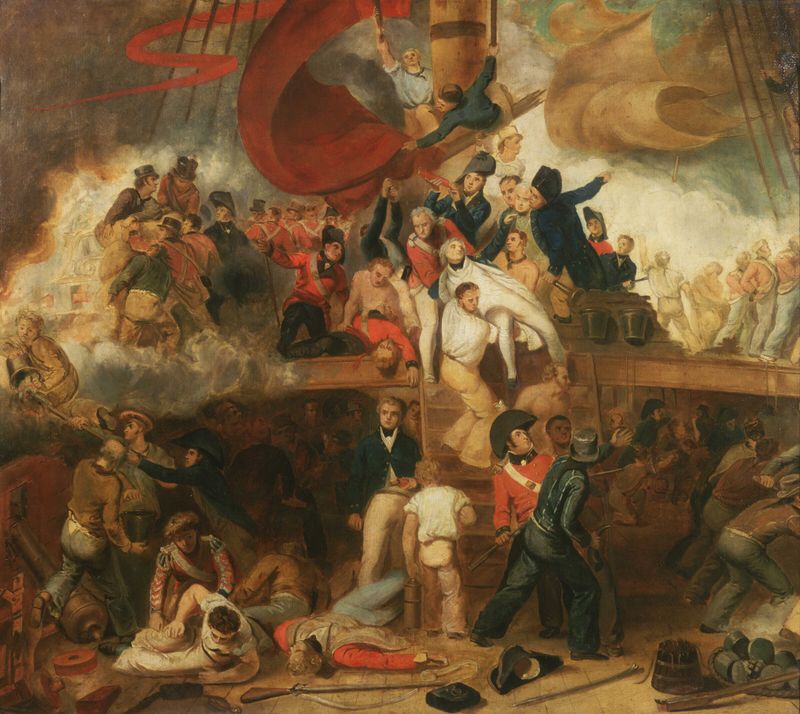 The Death of Nelson at the Battle of Trafalgar, 21 October 1805
1806 · Royal Museums Greenwich
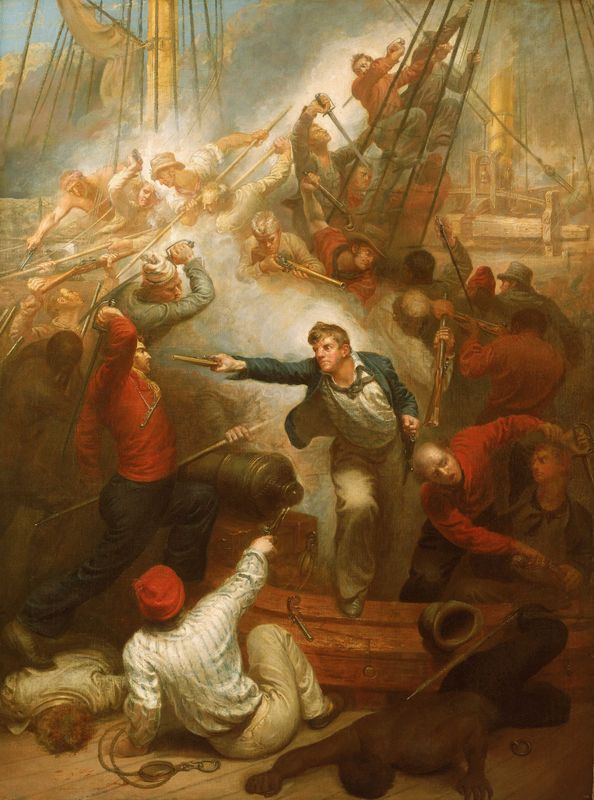 Captain William Rogers capturing the 'Jeune Richard', 1 October 1807
1808 · Royal Museums Greenwich
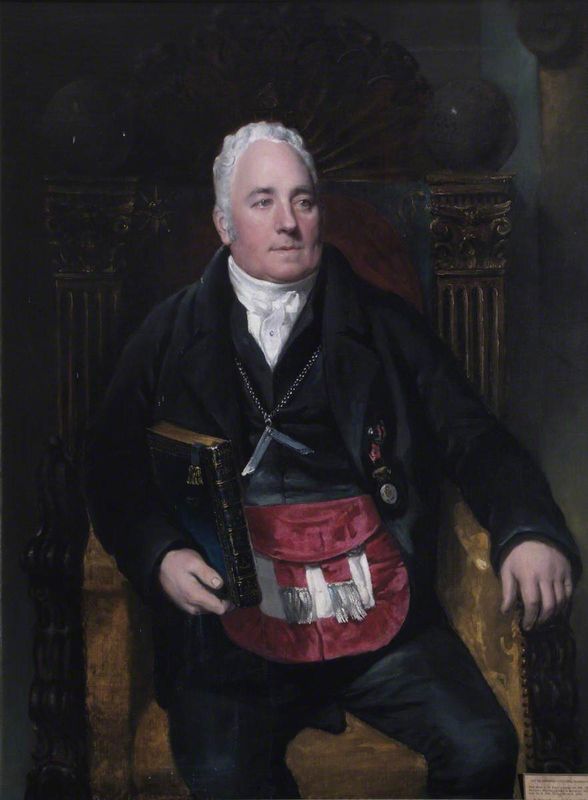 James Asperne (1737–1820)
1813 · Museum of Freemasonry
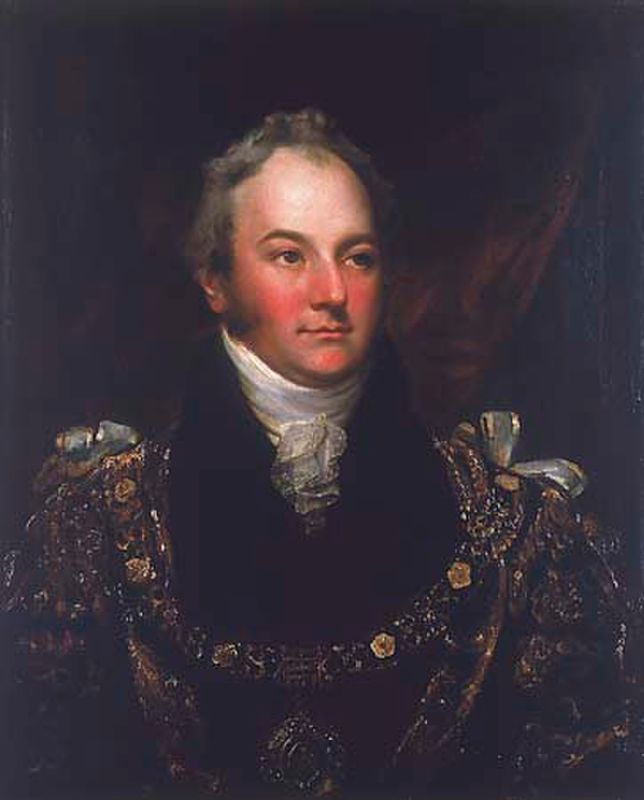 Sir Claudius Stephen Hunter (1775–1851), Lord Mayor of London (1811)
1813 · Guildhall Art Gallery
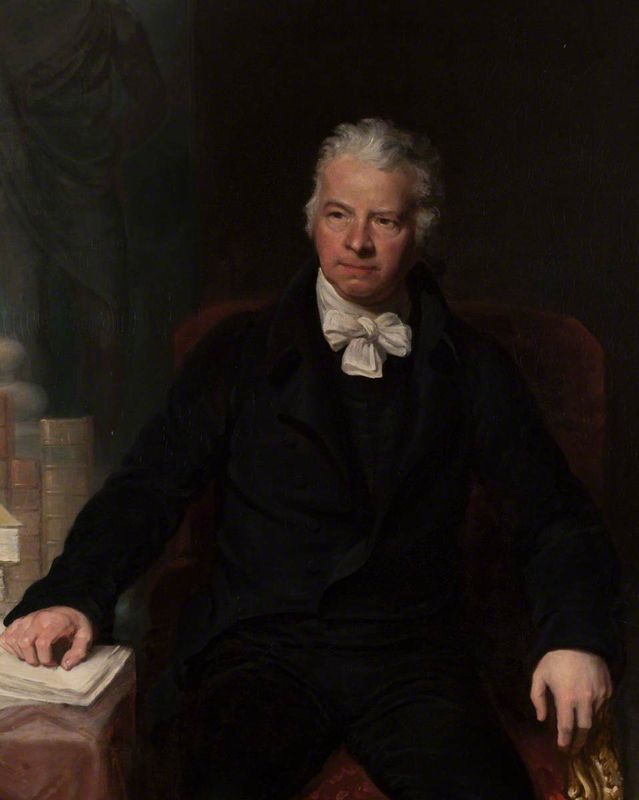 John Reeves (1752–1829)
1814 · Eton College
More works to explore
Beyond Drummond: works from the same years.
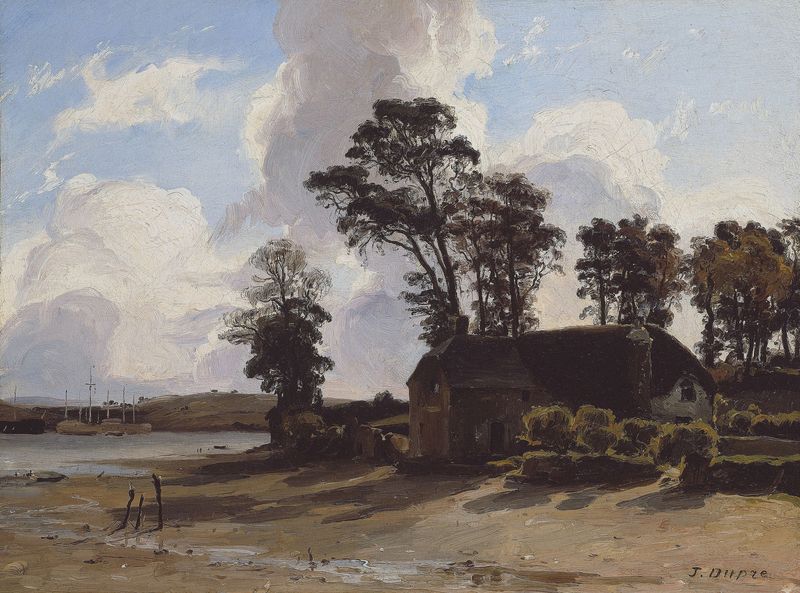 Same era · 1820s–1850s
The Estuary Farm
Léon-Victor Dupré · 1831 · Art Institute of Chicago
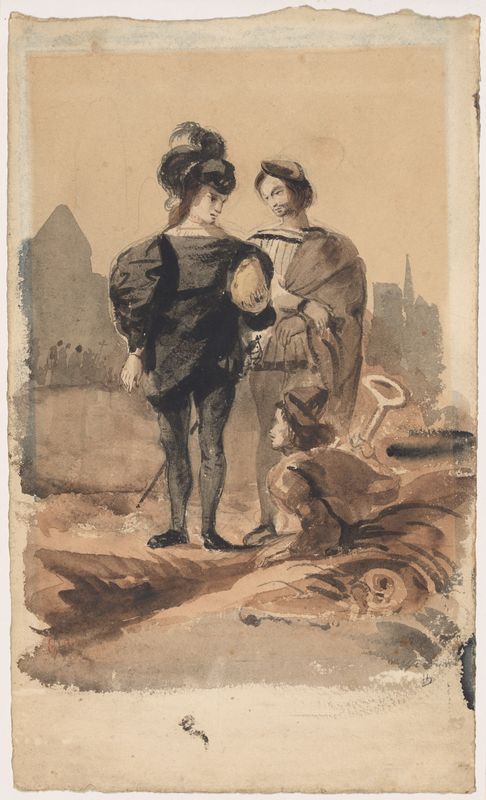 Same era · 1820s–1850s
Hamlet and Horatio in the Graveyard
Eugène Delacroix · 1839 · Department of Paintings of the Louvre
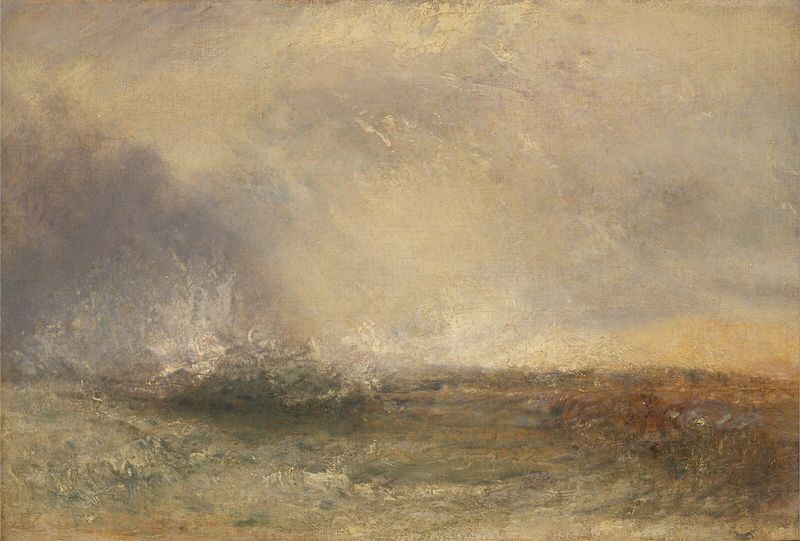 Same era · 1820s–1850s
Stormy Sea Breaking on a Shore
J. M. W. Turner · 1840 · Yale Center for British Art
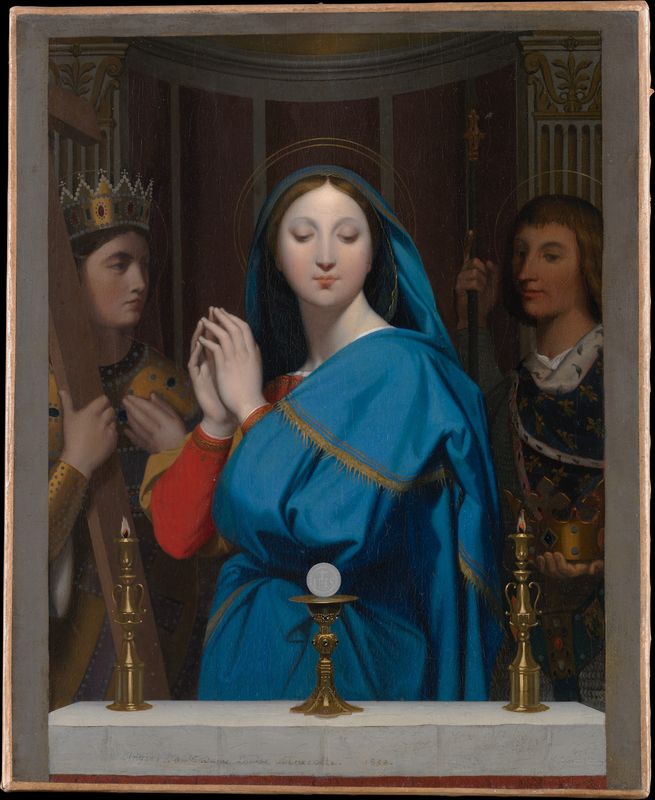 Same era · 1820s–1850s
The Virgin Adoring the Host
Jean-Auguste-Dominique Ingres · 1841 · Pushkin Museum of Fine Arts
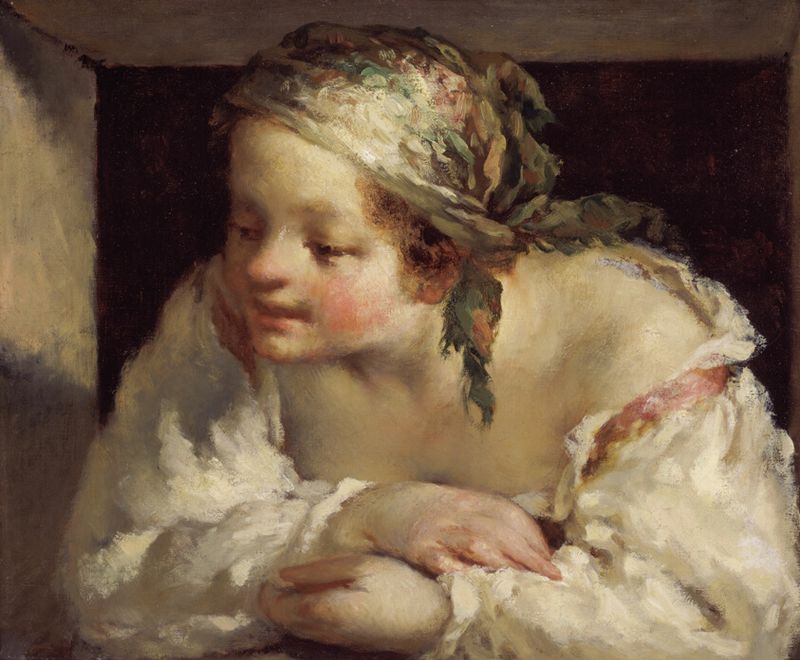 Same era · 1820s–1850s
Young Woman
Jean-François Millet · 1844 · Art Institute of Chicago
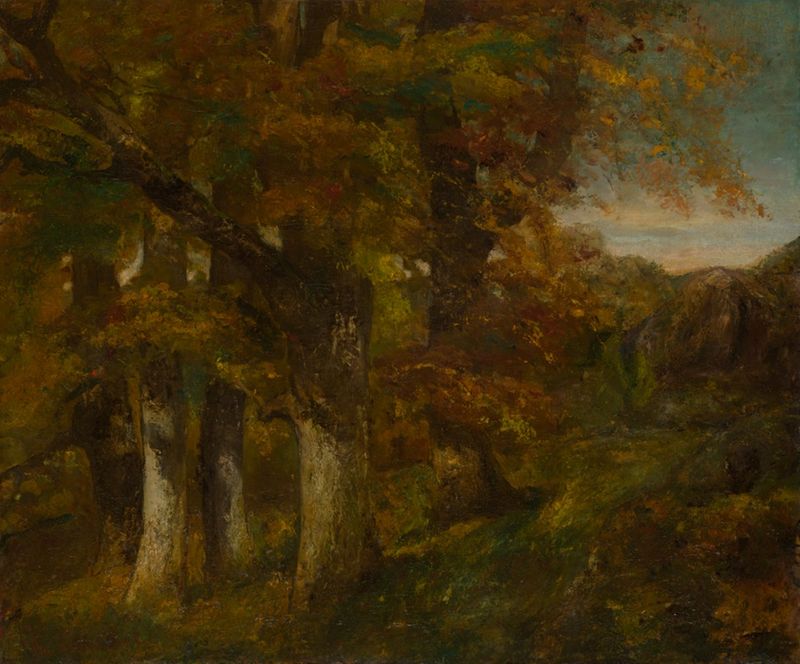 Same era · 1820s–1850s
Wooded Landscape
Gustave Courbet · 1848 · Art Institute of Chicago
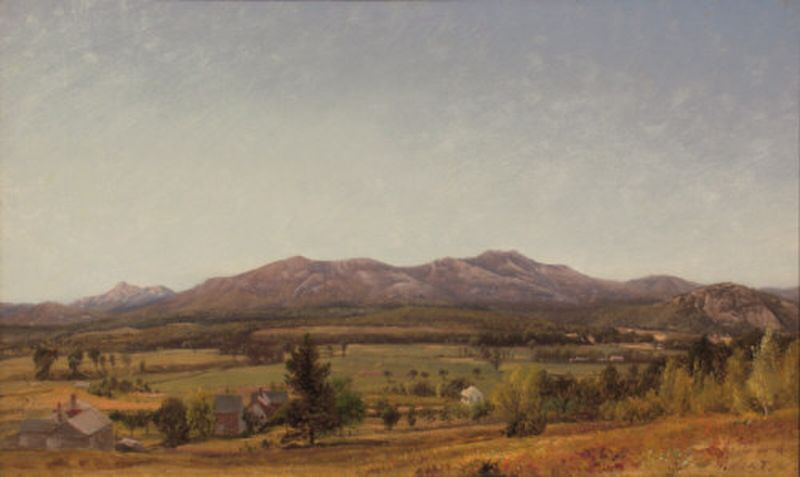 Same era · 1820s–1850s
Mount Chocorua and Moat Mountain from North Conway
William Hart · 1850
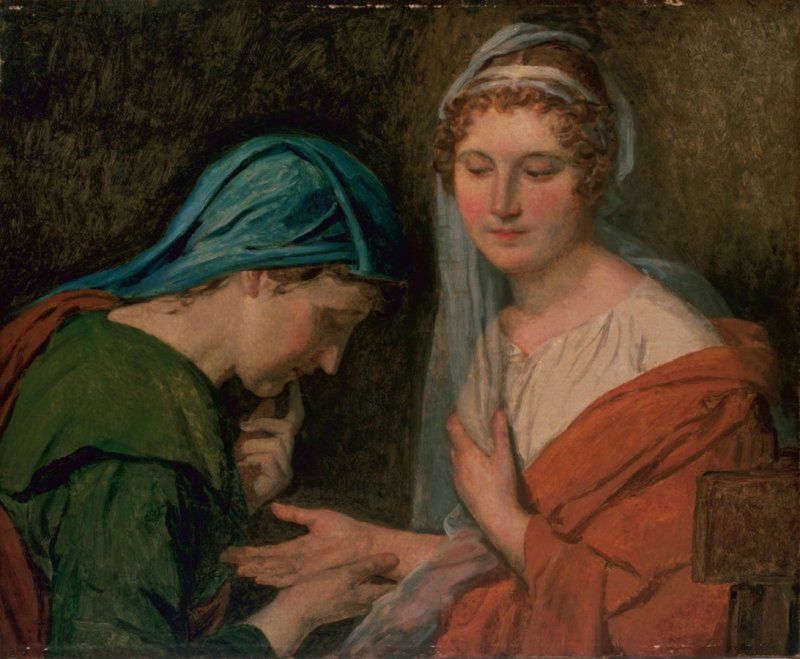 Same era · 1820s–1850s
The Fortune Teller (La Bonne Aventure)
Jacques-Louis David · 1824 · Fine Arts Museums of San Francisco
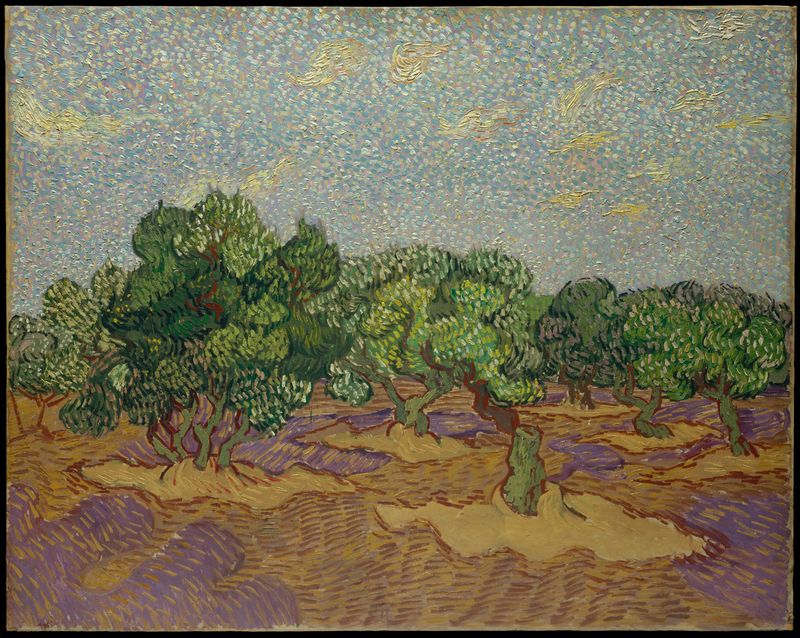 Same era · 1820s–1850s
Olive Trees
Vincent van Gogh · 1853 · The Metropolitan Museum of Art
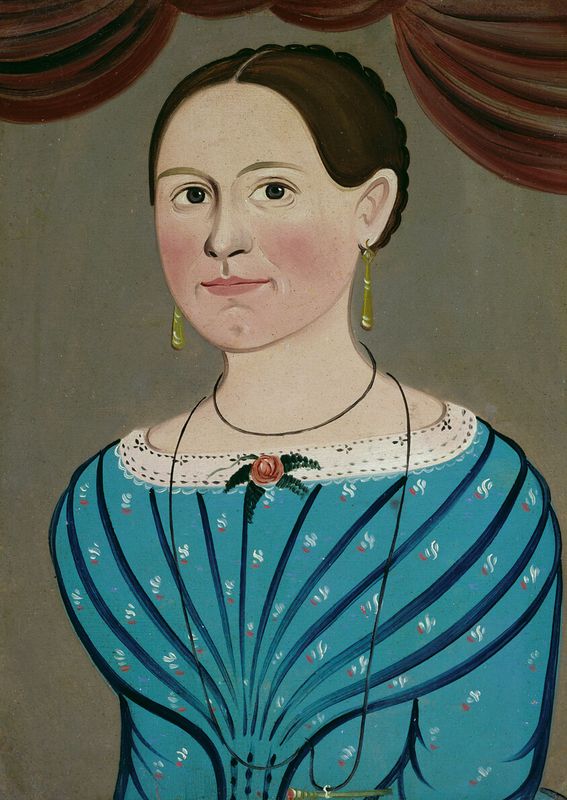 Same era · 1820s–1850s
Woman in a Blue Dress
School of William Matthew Prior · 1840 · Art Institute of Chicago
 Same era · 1820s–1850s
Designs for a Decorated Dish, or Platter, and a Biscuit Barrel
Alfred Henry Forrester [Alfred Crowquill] · 1845 · The Metropolitan Museum of Art
 Same era · 1820s–1850s
Mr. James Mackie
Samuel Alcock & Company · 1830 · Art Institute of Chicago