01Whole painting
Blue against black
Bright turquoise blue glows against the black ground, so the whole bowl feels like a city lit up at night. The imagery wraps around the curved form.
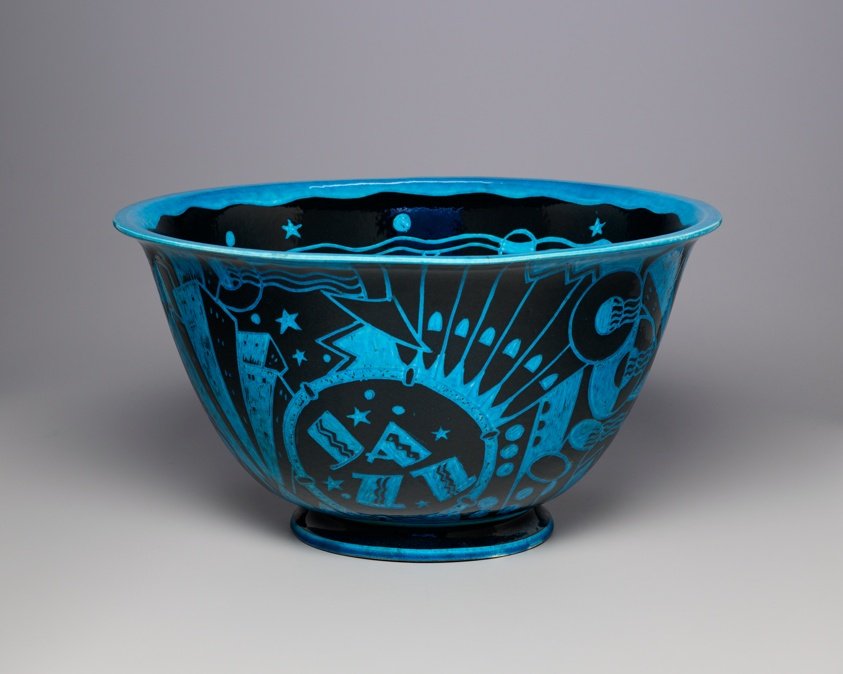
“This iconic "Jazz Bowl" is a dynamic snapshot of 1930s New York City, originally designed for Eleanor Roosevelt. Its lively scratched designs capture the energy of the Jazz Age, from skyscrapers to musicians, all in a striking blue glaze.”
This striking punch bowl, a vibrant Egyptian blue, captures the frenetic energy of New York City's Jazz Age. Its surface is alive with scratched lines, revealing the lighter clay beneath the dark glaze in a technique called sgraffito. Look closely, and you'll see a dynamic panorama of skyscrapers, taxis, and musicians, all rendered in a rhythmic, almost syncopated style that perfectly embodies the era's soundtrack. Originally commissioned by Eleanor Roosevelt as a gift for her husband, Franklin Delano Roosevelt, to celebrate his re-election as governor of New York, this piece quickly became an icon. The Cowan Pottery company, impressed by its design, put the "Jazz Bowl" into production, allowing more people to bring a piece of New York nightlife into their homes.
Five details hide in plain sight. Pick one and we’ll show you exactly where to look.
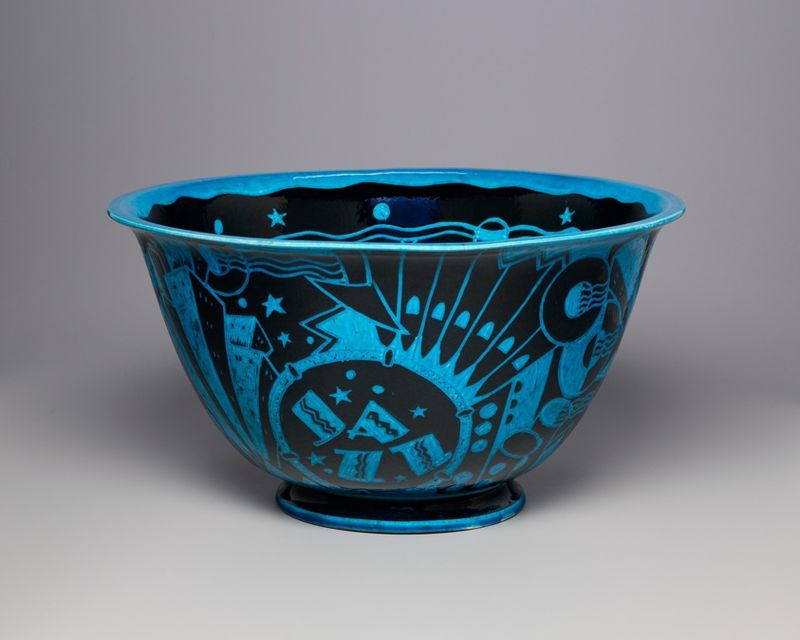
Bright turquoise blue glows against the black ground, so the whole bowl feels like a city lit up at night. The imagery wraps around the curved form.
A round, ringed emblem sits near the bowl's center, with tilted blocky letters, zigzags and stars inside. It gives the scene a lively, jazz-era nightlife feel.
Stacked, windowed towers crowd the left side, standing in for New York's skyline. Their stepped shapes suit the city and the Art Deco style.
Fan-shaped rays with arched, window-like tips spread out from the medallion. The beams give the scene rhythm, like stage lights or a pulsing beat.
Look inside the rim to find stars, a round moon and wavy lines along the dark interior. They carry the night scene past the outer wall.
The full narration walks you through Jazz Bowl — the story behind it, the details most visitors miss, and why it matters. Free in the Art Whisper app.
Viktor Schreckengost, the American industrial designer behind the iconic Jazz Bowl, shaped everything from bicycles to radar technology.
Beyond Schreckengost: works from the same years.
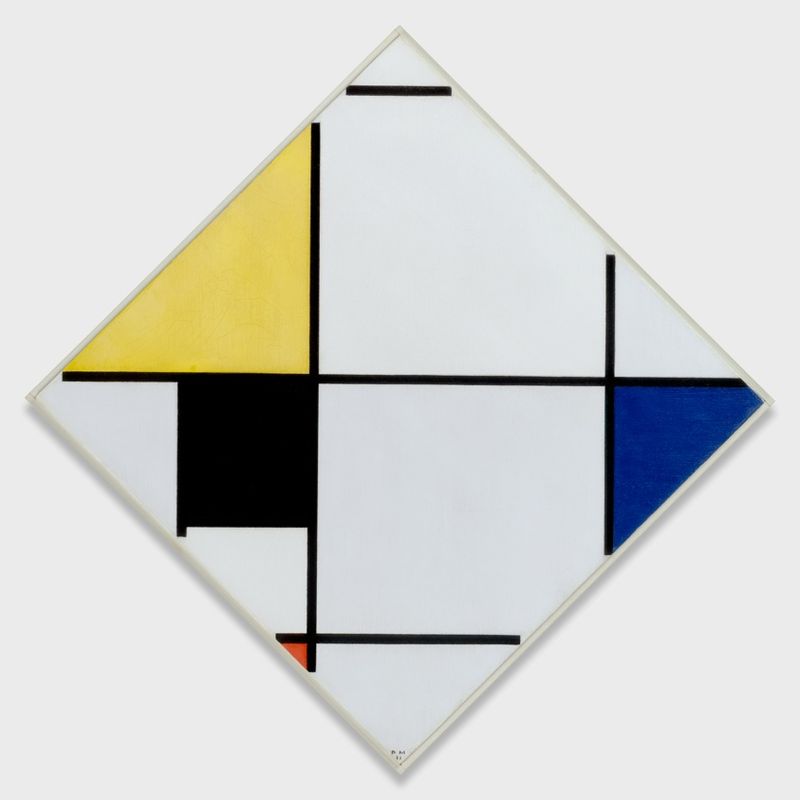 Same era · 1910s–1940s
Lozenge Composition with Yellow, Black, Blue, Red, and Gray
Piet Mondrian · 1921 · Art Institute of Chicago
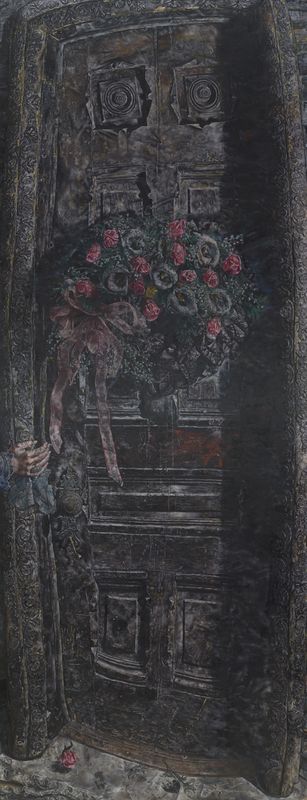 Same era · 1910s–1940s
That Which I Should Have Done I Did Not Do (The Door)
Ivan Puni · 1931 · Art Institute of Chicago
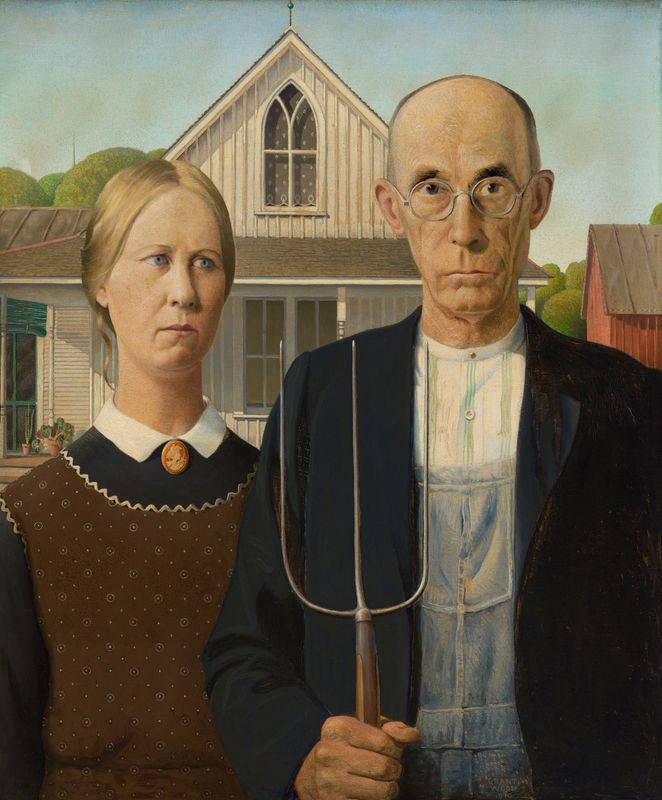 Same era · 1910s–1940s
American Gothic
Okada Saburosuke · 1930 · Art Institute of Chicago
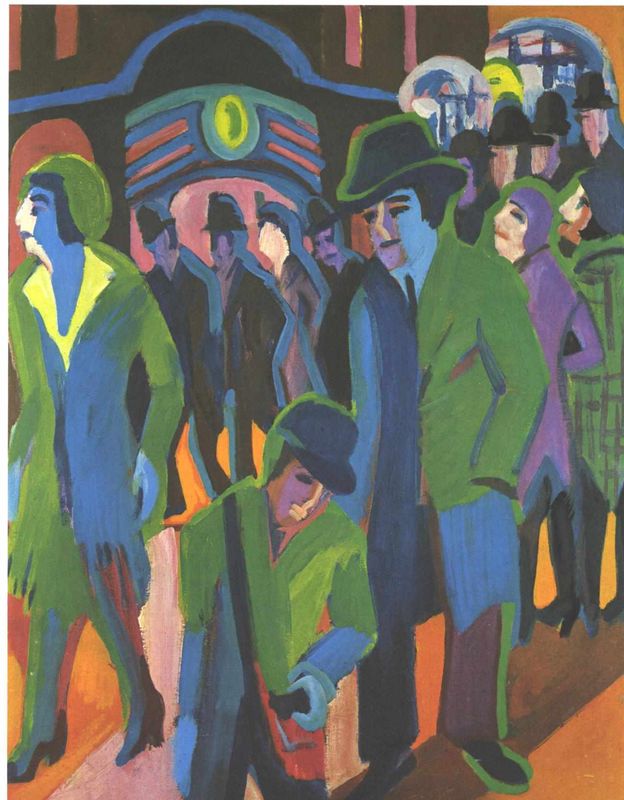 Same era · 1910s–1940s
Straße mit Passanten bei Nachtbeleuchtung
Ernst Ludwig Kirchner · 1927 · Museum Frieder Burda
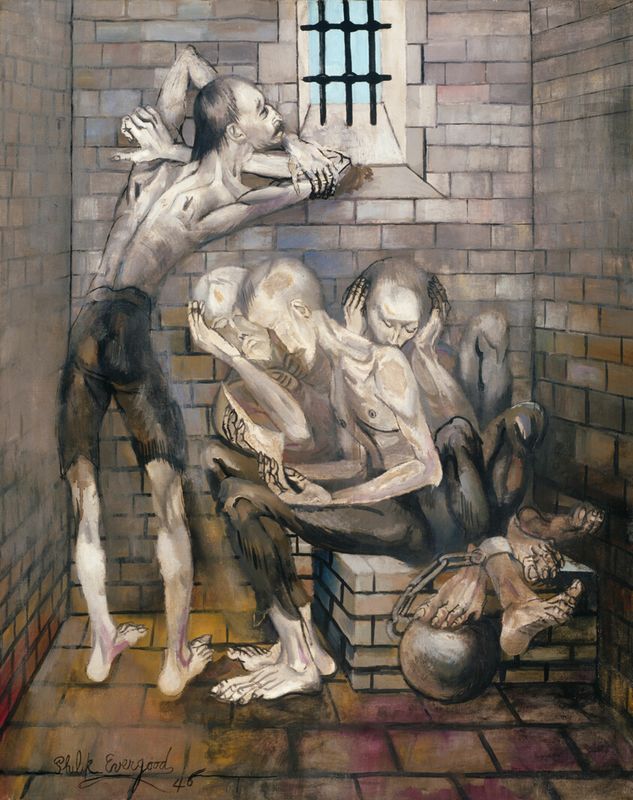 Same era · 1910s–1940s
The Indestructibles
Philip Evergood · 1946 · Art Institute of Chicago
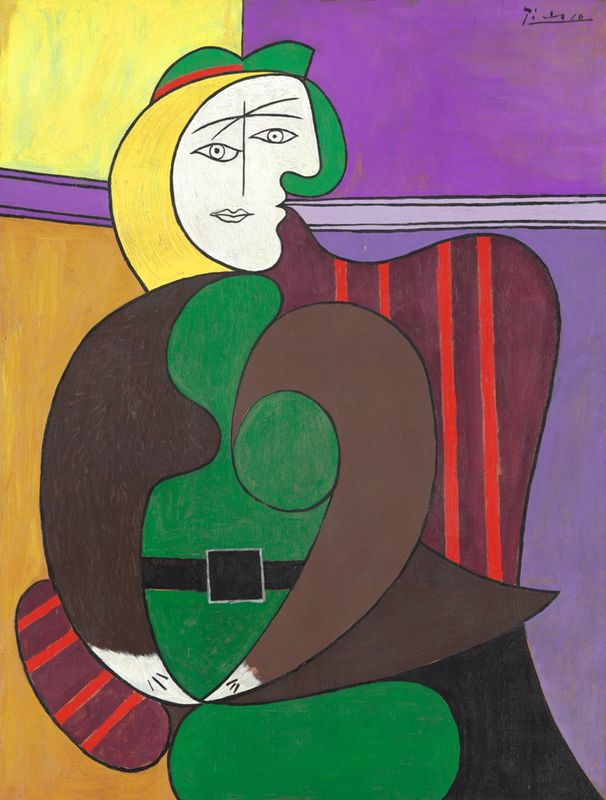 Same era · 1910s–1940s
The Red Armchair
Pablo Picasso · 1931 · Art Institute of Chicago
 Same era · 1910s–1940s
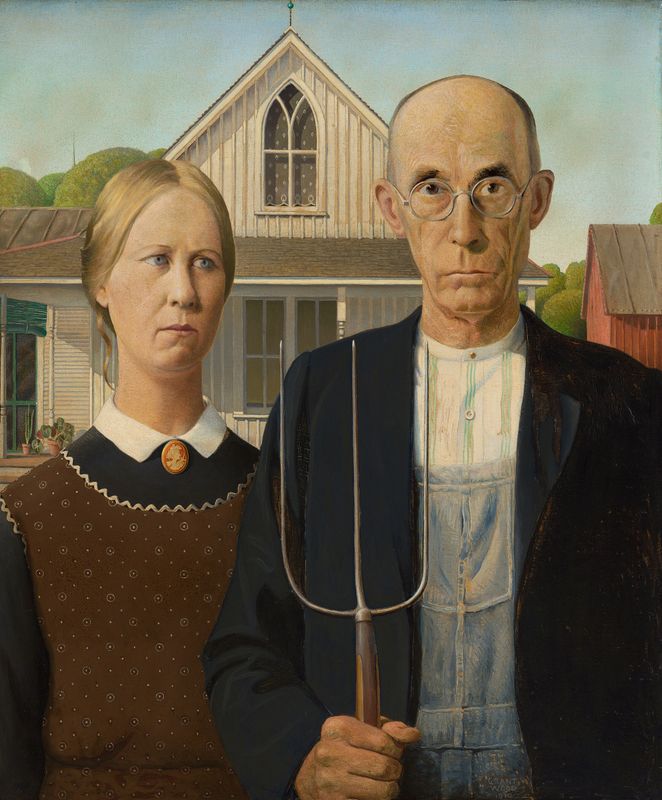
American Gothic
Grant Wood · 1930 · Art Institute of Chicago
 Same era · 1910s–1940s
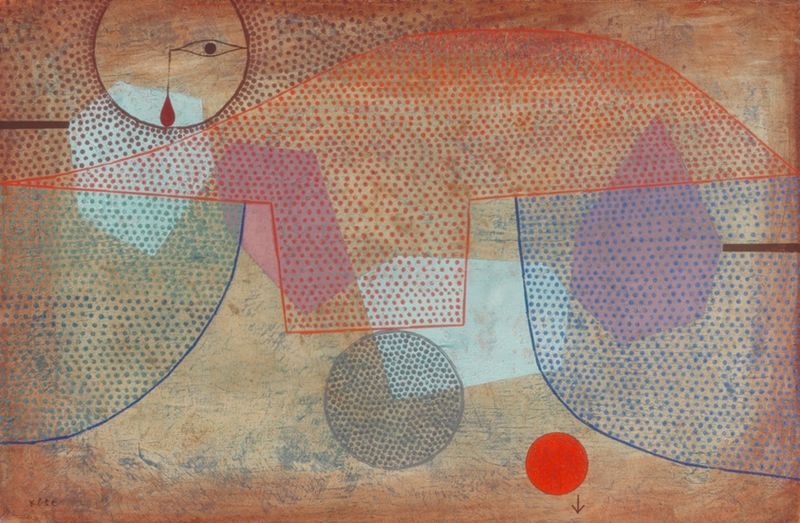
Sunset
Paul Klee · 1930 · Art Institute of Chicago
 Same era · 1910s–1940s
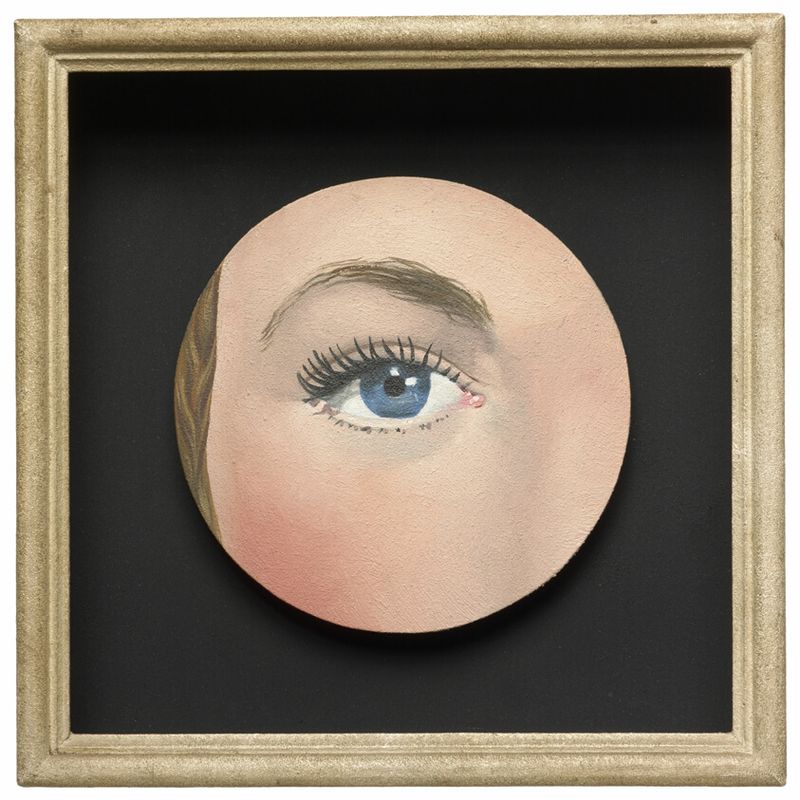
The Eye
René Magritte · 1932 · Art Institute of Chicago
 Same era · 1910s–1940s
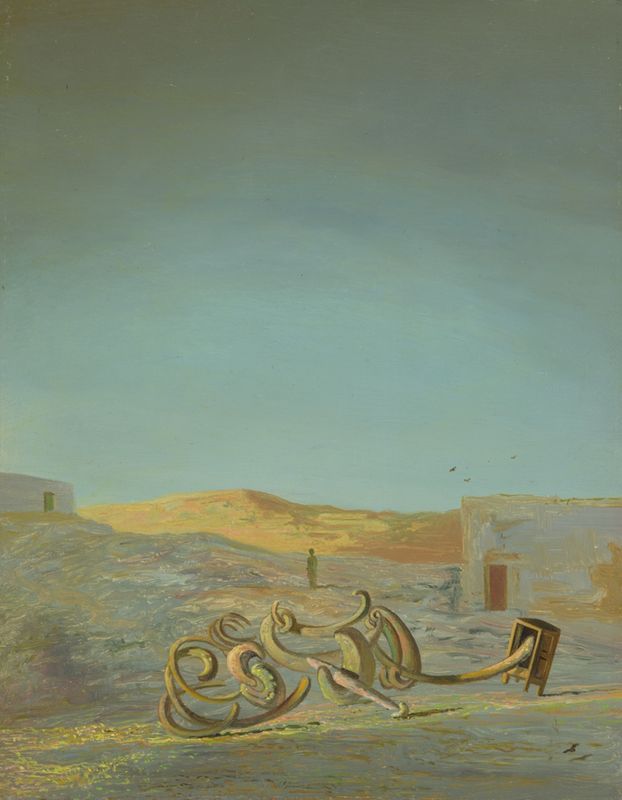
Untitled (Desert Landscape)
Salvador Dalí · 1934 · Art Institute of Chicago
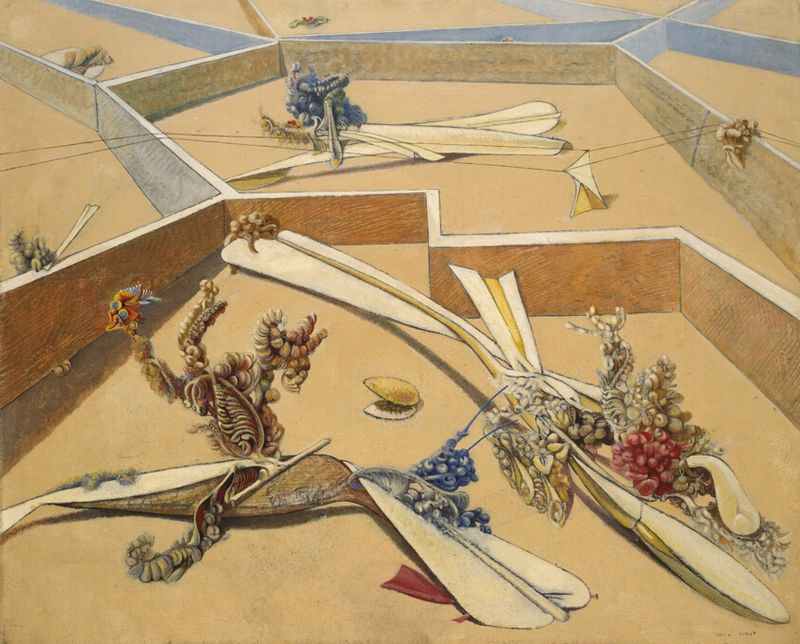 Same era · 1910s–1940s
Garden Airplane-Trap
Max Ernst · 1935 · Art Institute of Chicago
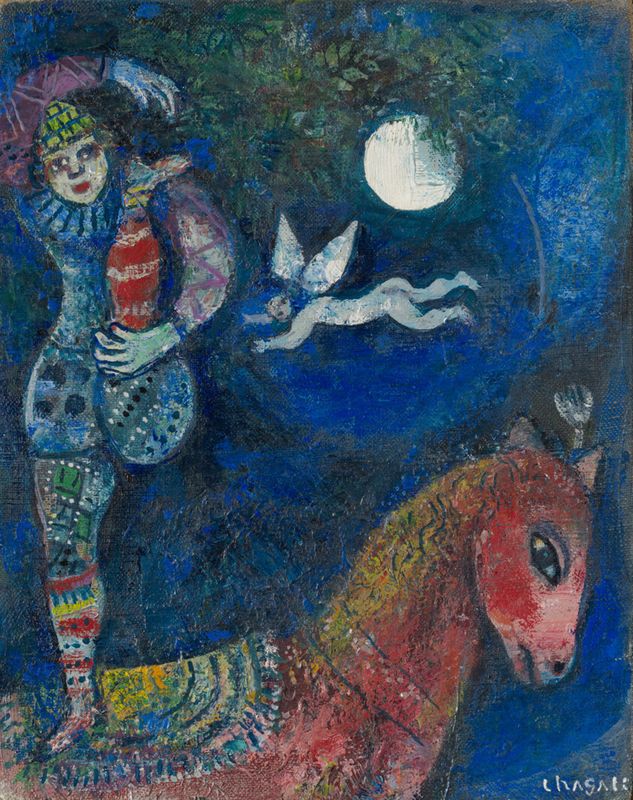 Same era · 1910s–1940s
The Circus Rider
Marc Chagall · 1927 · Art Institute of Chicago
