
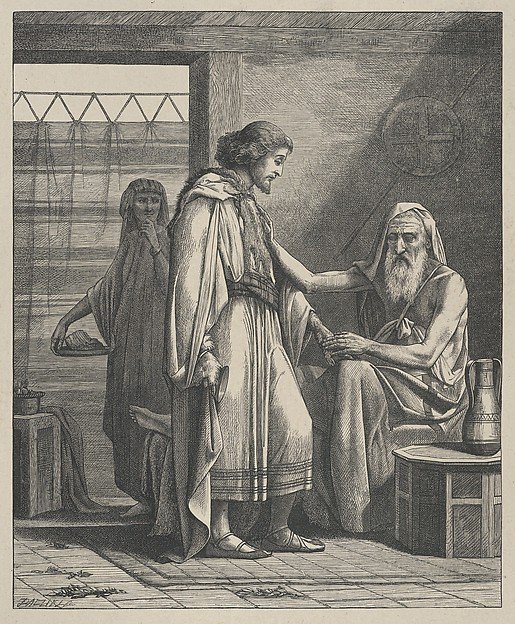
“This wood engraving captures the dramatic biblical moment of Isaac unknowingly blessing Jacob instead of Esau. It's a masterclass in storytelling through composition and detail, highlighting a pivotal act of deception and its profound consequences.”
In this wood engraving, Edward Armitage depicts a pivotal biblical scene: Isaac, blind and elderly, bestowing a blessing meant for his elder son Esau upon the disguised Jacob. The moment is charged with deception and familial drama. Rebecca, Jacob's mother, orchestrated the ruse, dressing Jacob in Esau's clothes and covering his arms with goatskins so his father would mistake him for his hairy brother. The composition focuses tightly on the three figures, their forms rendered with strong, clear lines characteristic of wood engraving. Isaac's hand rests on Jacob's head, conveying the weight of the blessing, while Jacob kneels, his face hidden, accepting the stolen birthright. Rebecca watches from behind, her expression a mix of apprehension and quiet triumph. This print, part of "Dalziels' Bible Gallery," captures the emotional intensity of the narrative through its directness and dramatic chiaroscuro.
- Artist
- Edward Armitage
- Date
- 1880
- Medium
- Wood engraving on India paper, mounted on thin card
- Location
- The Metropolitan Museum of Art
- Dimensions
- Image: 8 7/16 × 6 15/16 in. (21.4 × 17.7 cm) India sheet: 10 5/8 × 8 13/16 in. (27 × 22.4 cm) Mount: 16 7/16 in. × 12 15/16 in. (41.8 × 32.8 cm)
- Collection
- Drawings and Prints
- Credit line
- Anonymous Gift, 1926
What to Notice
Five details hide in plain sight. Here’s where to look.
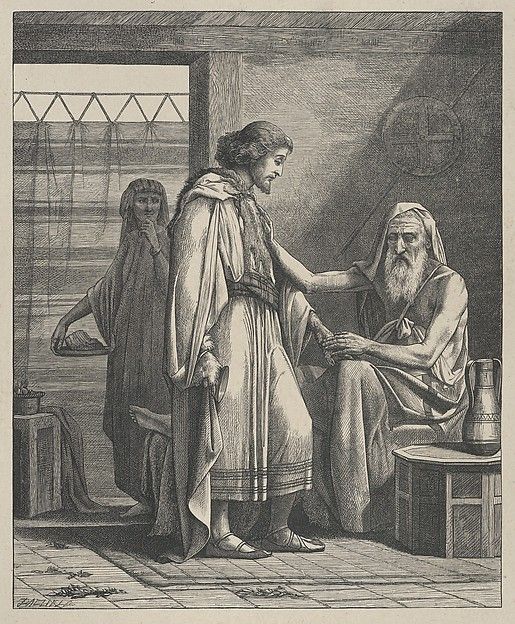
Isaac's outstretched hand, feeling for Esau's hairy arm (actually Jacob's goatskin).
Rebecca's watchful gaze from behind Jacob, subtly guiding the deception.
The texture of the goatskins on Jacob's arm, a crucial detail in the biblical story.
The deep shadows and highlights, typical of wood engraving, enhancing the drama.
1 more detail is waiting.
See all 5 in Art Whisper →Stand in front of it and listen
The full narration walks you through Isaac Blessing Jacob, from "Dalziels' Bible Gallery" — the story behind it, the details most visitors miss, and why it matters. Free in the Art Whisper app.
Edward Armitage
Edward Armitage was a Victorian-era English painter known for his monumental historical, classical, and biblical subjects, including works for the Palace of Westminster.
More works to explore
Beyond Armitage: works from the same years.
 Same era · 1860s–1890s
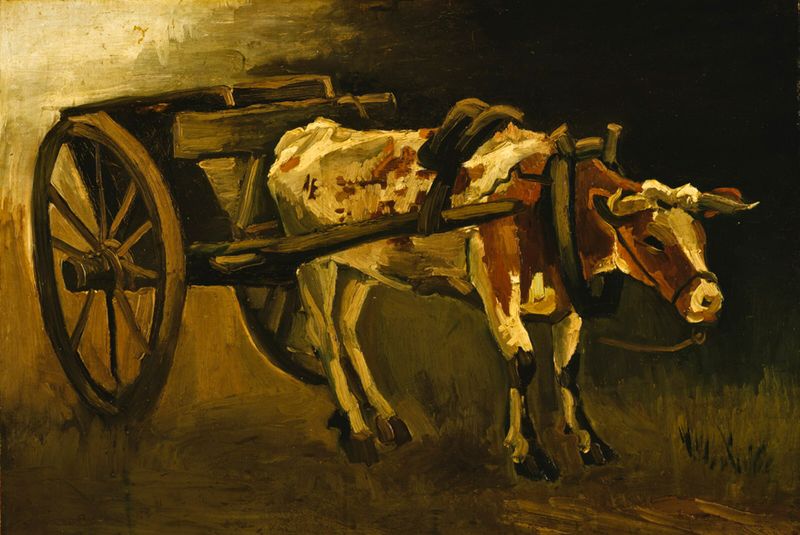
Cart with Red and White Ox
Vincent van Gogh · 1884 · Kröller-Müller Museum
 Same era · 1860s–1890s
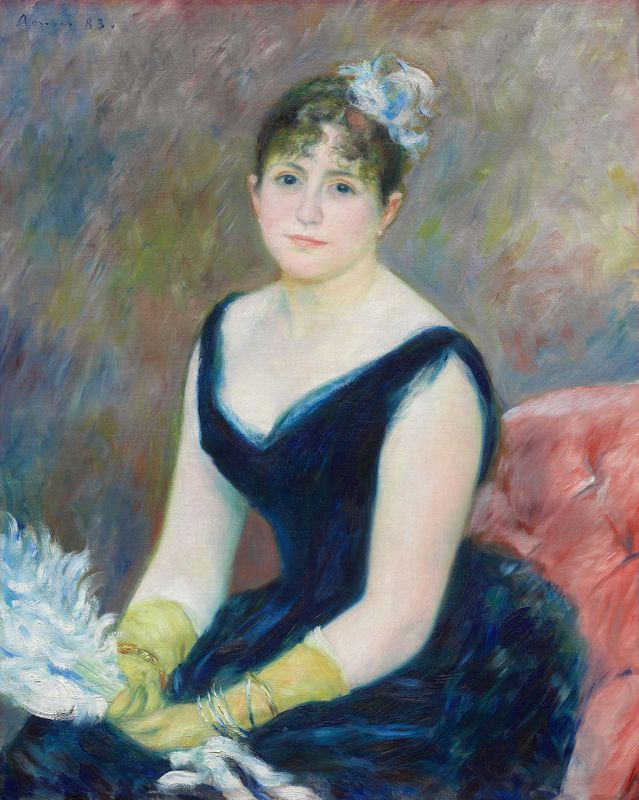
Madame Léon Clapisson
Léon-Victor Dupré · 1883 · Art Institute of Chicago
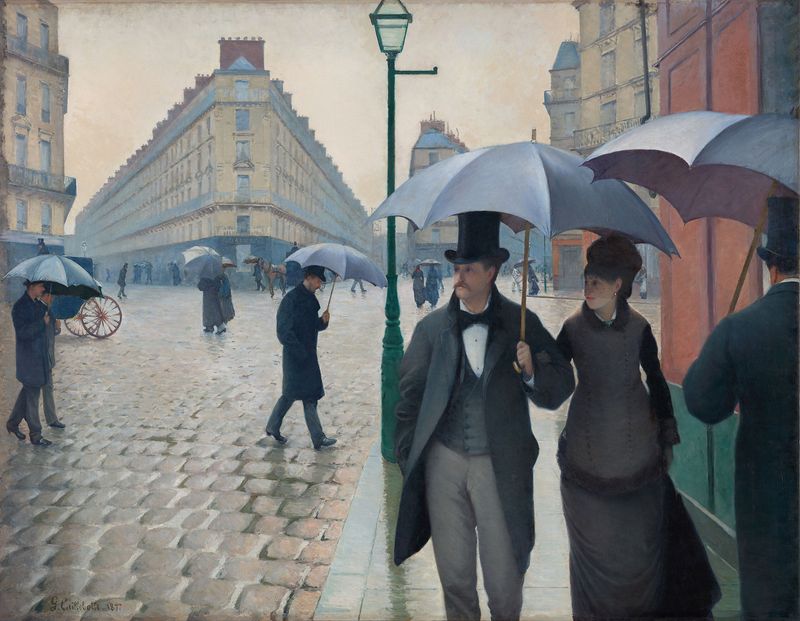 Same era · 1860s–1890s
Paris Street; Rainy Day
Kawabata Gyokushō · 1877 · Art Institute of Chicago
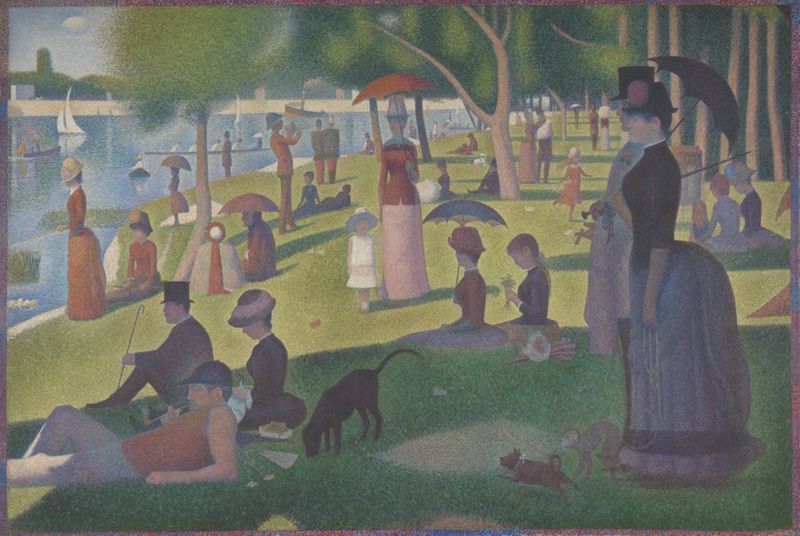 Same era · 1860s–1890s
A Sunday on La Grande Jatte — 1884
Okada Saburosuke · 1884 · Art Institute of Chicago
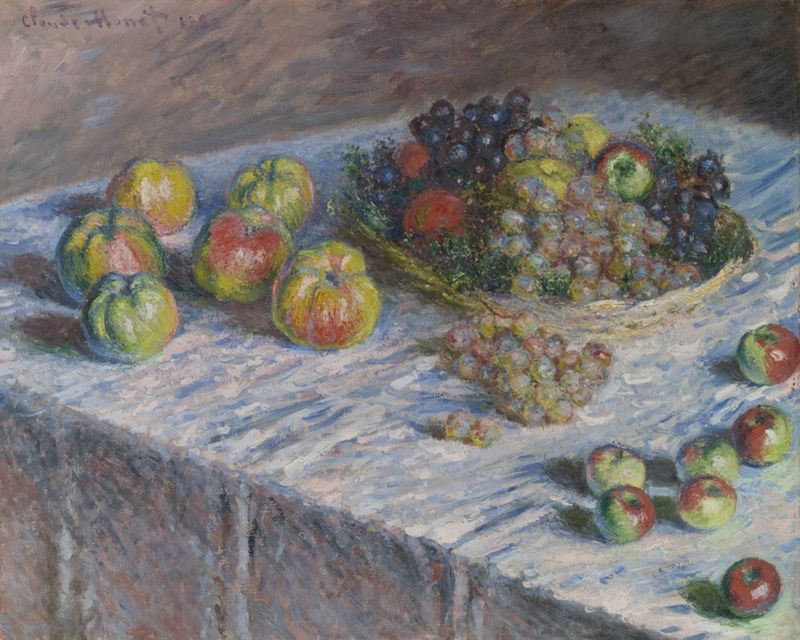 Same era · 1860s–1890s
Apples and Grapes
Claude Monet · 1880 · Art Institute of Chicago
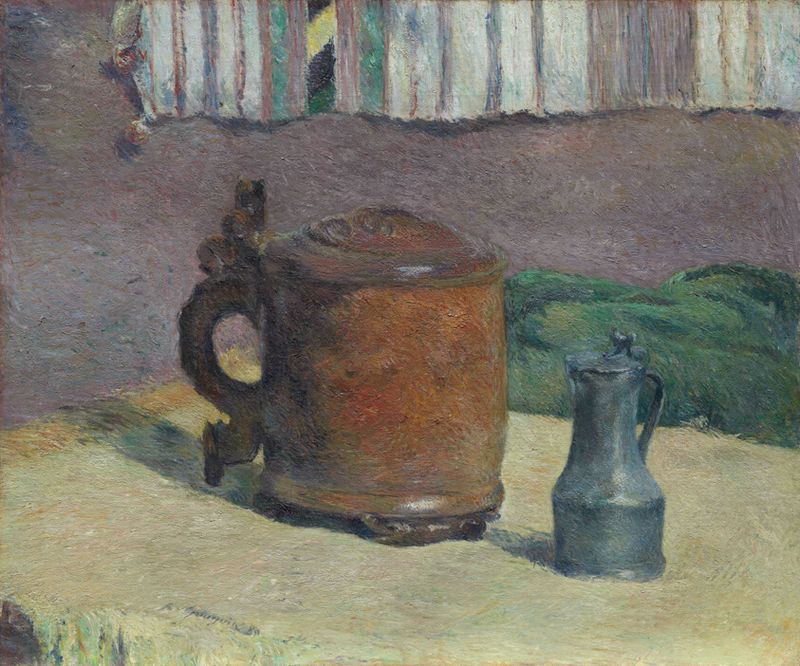 Same era · 1860s–1890s
Still Life: Wood Tankard and Metal Pitcher
Paul Gauguin · 1880 · Art Institute of Chicago
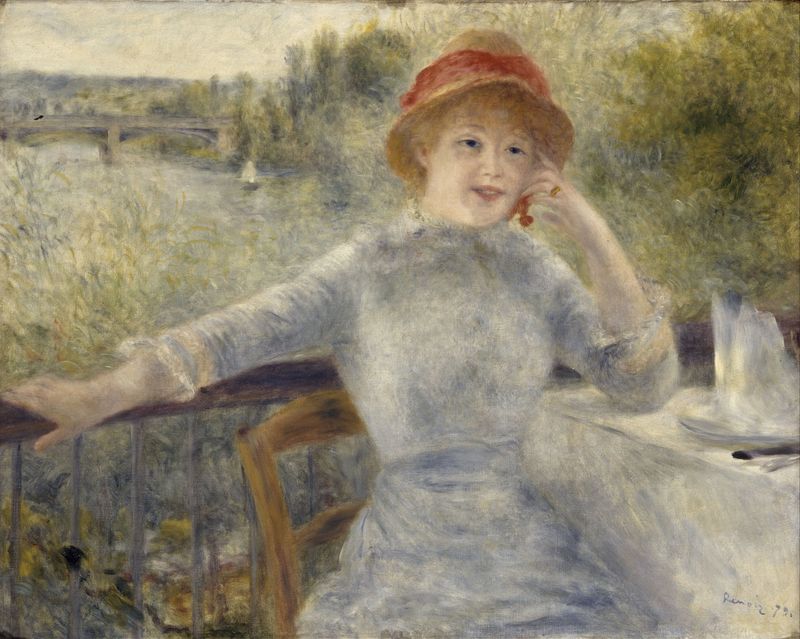 Same era · 1860s–1890s
Alphonsine Fournaise
Pierre-Auguste Renoir · 1879 · Musée d'Orsay
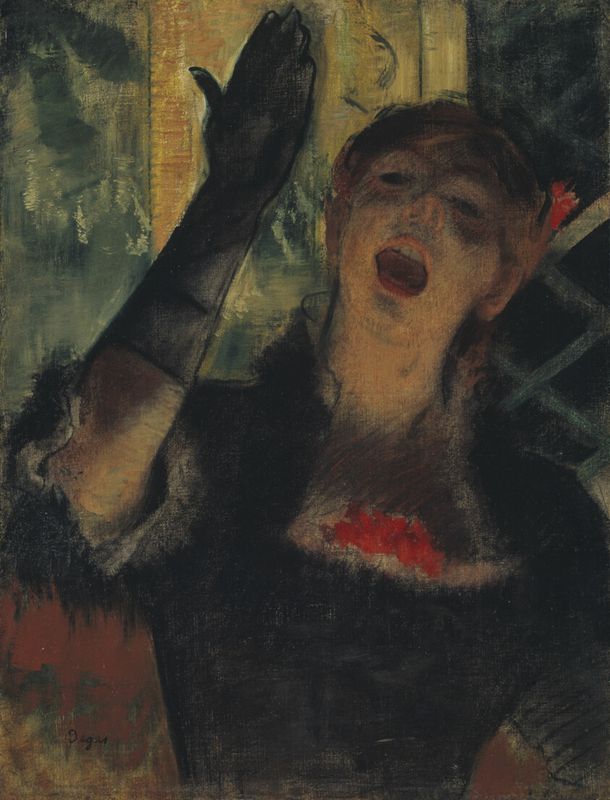 Same era · 1860s–1890s
Café Singer
Edgar Degas · 1879 · Art Institute of Chicago
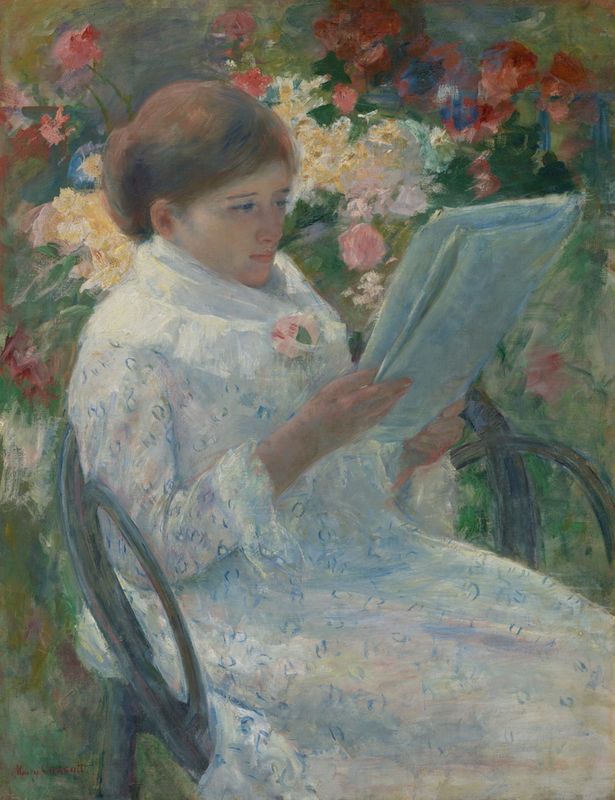 Same era · 1860s–1890s
On a Balcony
Mary Cassatt · 1879 · Art Institute of Chicago
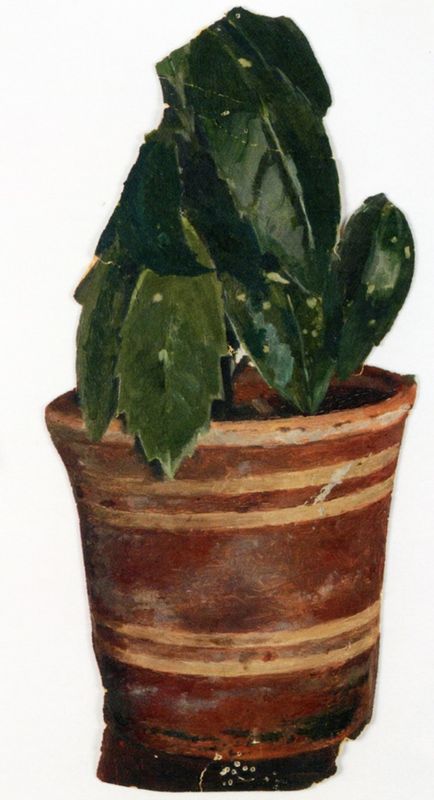 Same era · 1860s–1890s
Potted Plant
Edvard Munch · 1881 · Munch Museum
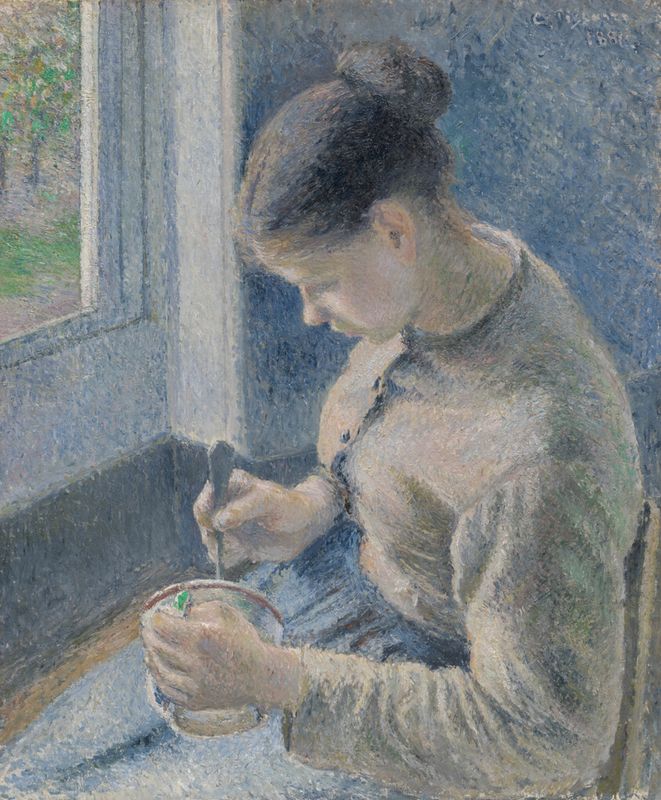 Same era · 1860s–1890s
Young Peasant Having Her Coffee
Camille Pissarro · 1881 · Art Institute of Chicago
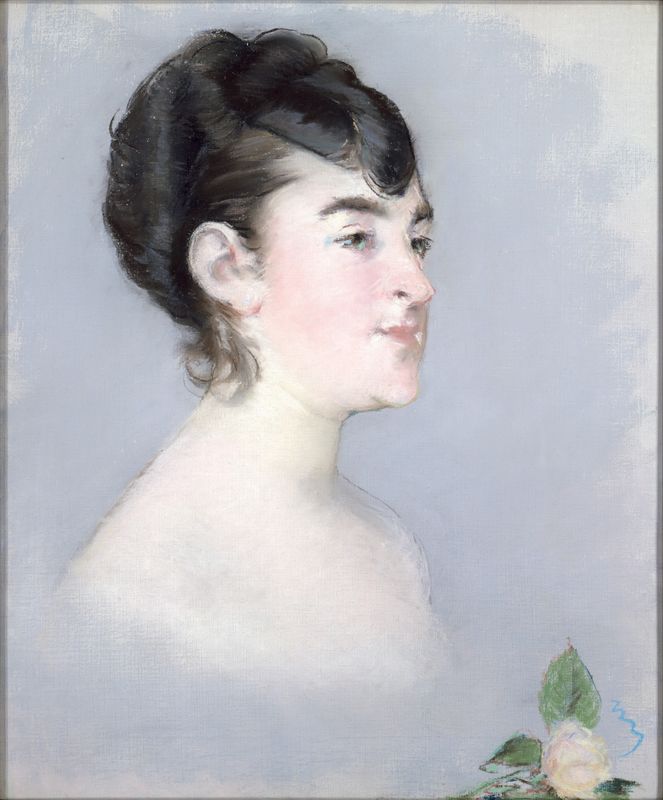 Same era · 1860s–1890s
Mademoiselle Isabelle Lemonnier (1857–1926)
Édouard Manet · 1878 · Metropolitan Museum of Art